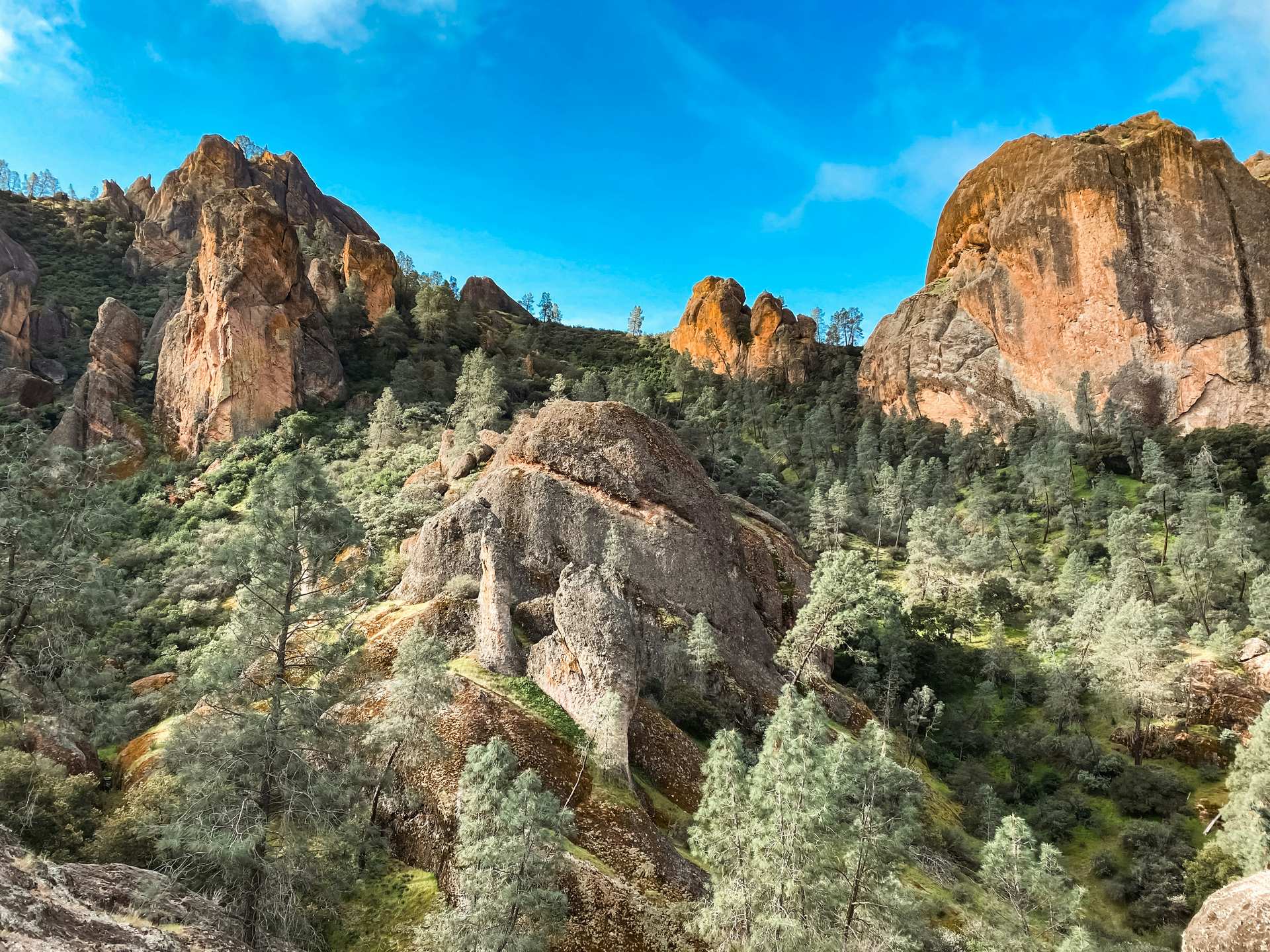
Why Pinnacles National Park is California’s Best-Kept Spring Secret
I’ll be honest: when I first heard about Pinnacles National Park, I was skeptical. California already has Yosemite, Joshua Tree, Death Valley—what could this relatively unknown park possibly offer that the heavyweights don’t? But after spending three days there last April, I’m now that annoying person who won’t stop talking about it. Pinnacles isn’t just underrated; it’s genuinely one of the most unique national park experiences in the entire system.
What makes it special? Where else can you hike through ancient volcanic spires, explore mysterious talus caves, and watch endangered California condors soar overhead—all in a single weekend? And here’s the best part: while Yosemite is gridlocked with shuttle buses and Joshua Tree requires reservations months in advance, Pinnacles feels like a discovery. Spring is absolutely the time to go, with wildflowers carpeting the hillsides and perfect hiking temperatures.
The California Condor Comeback Story
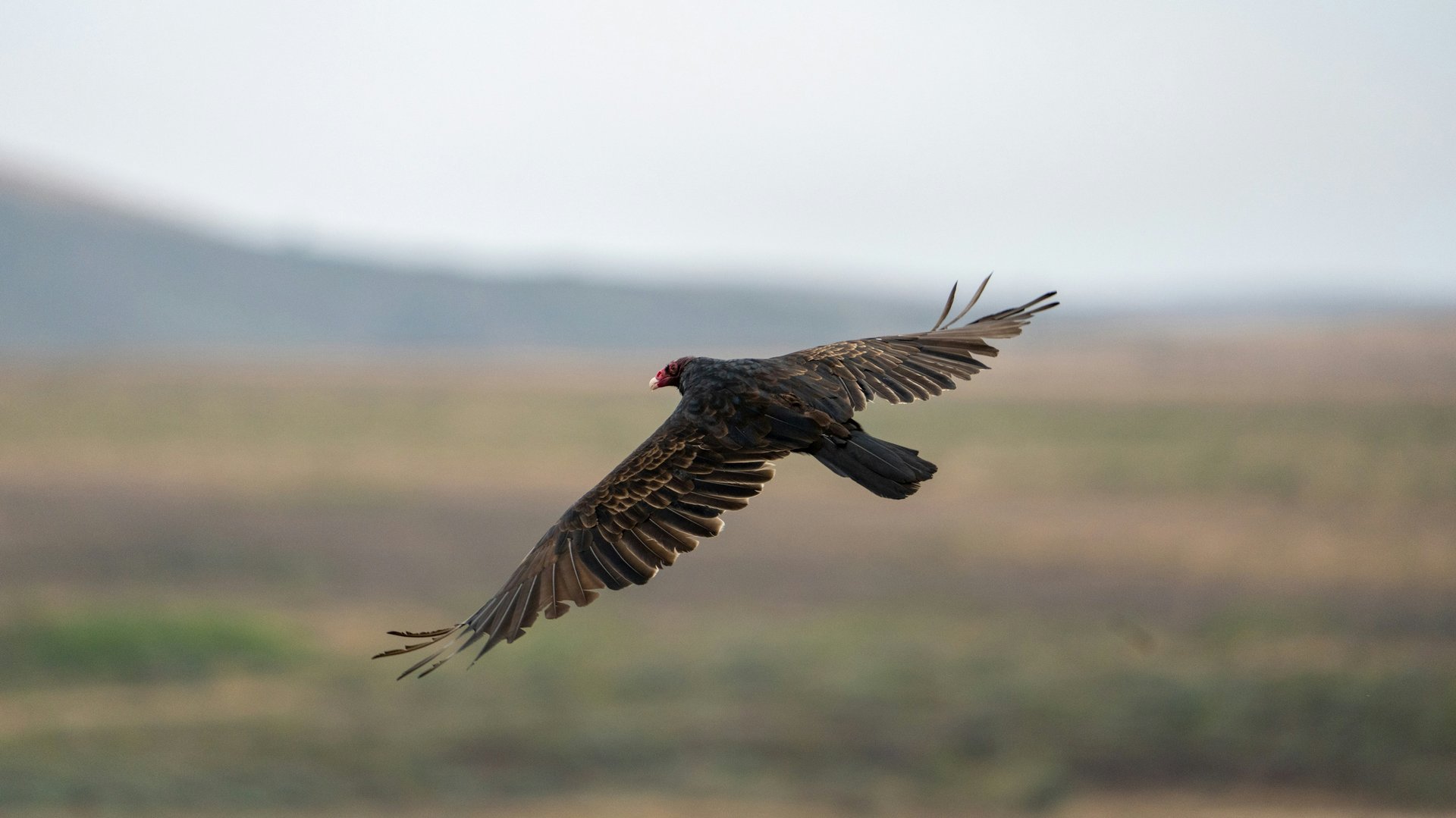
Let’s start with the big draw: the California condors. These magnificent birds, with their nine-foot wingspan, were nearly extinct in the 1980s. Only 27 remained. Today, thanks to an aggressive captive breeding program, the population has rebounded to over 500, with Pinnacles being one of the few places where you can reliably see them in the wild.
During my visit, I spotted three condors gliding above the High Peaks Trail. There’s something profoundly moving about watching these ancient birds—whose ancestors soared over saber-toothed cats and mammoths—reclaiming their place in the ecosystem. The right pair of binoculars makes all the difference here. I recommend bringing a pair with at least 8x magnification.
The best spots for condor viewing? The Condor Gulch Overlook and High Peaks Trail are your best bets. Arrive early—condors ride thermals that develop as the day heats up, so morning and late afternoon are prime viewing times. And be patient. I spent nearly an hour scanning the skies before my first sighting, and it was worth every minute.
Talus Caves: An Underground Adventure Like No Other
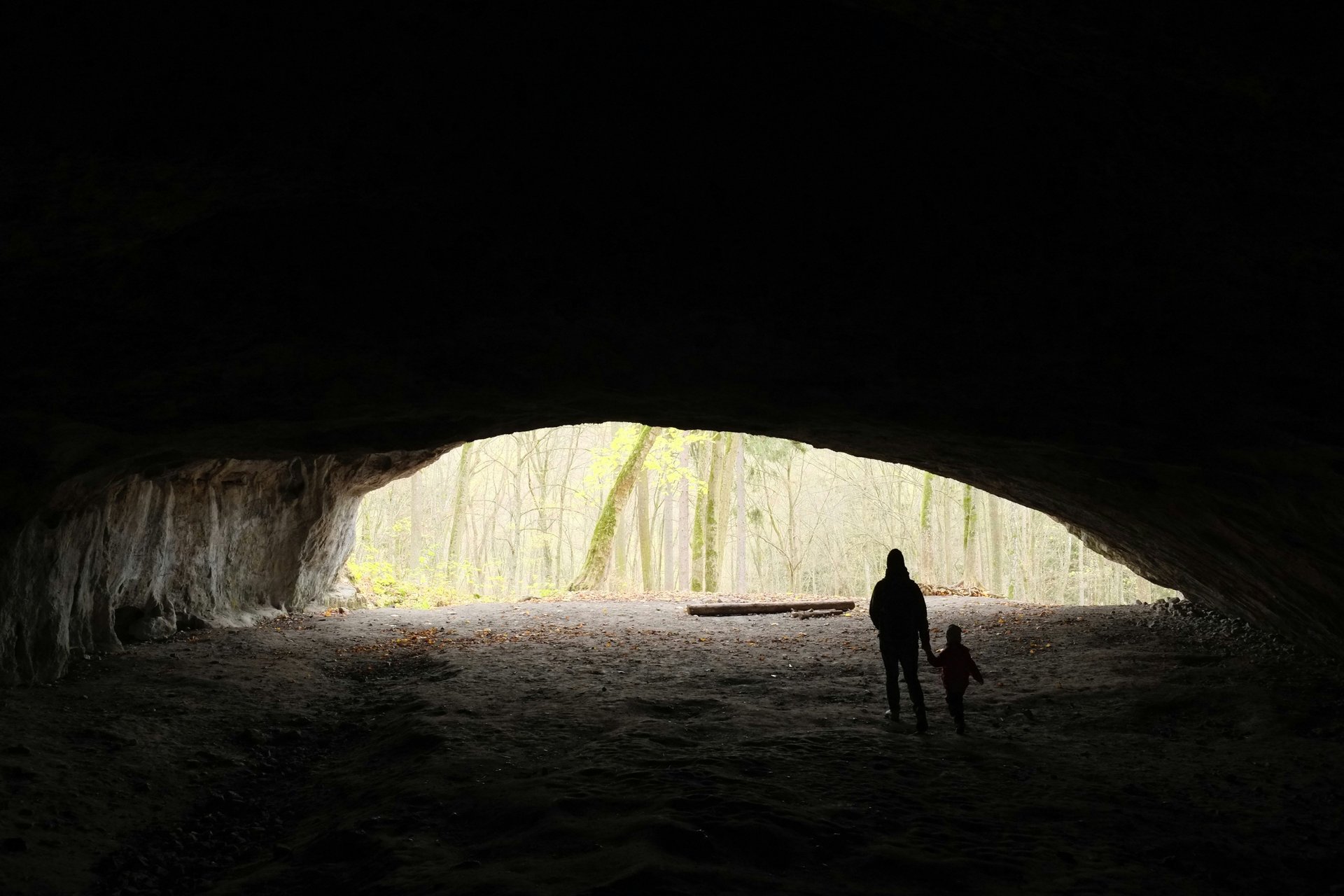
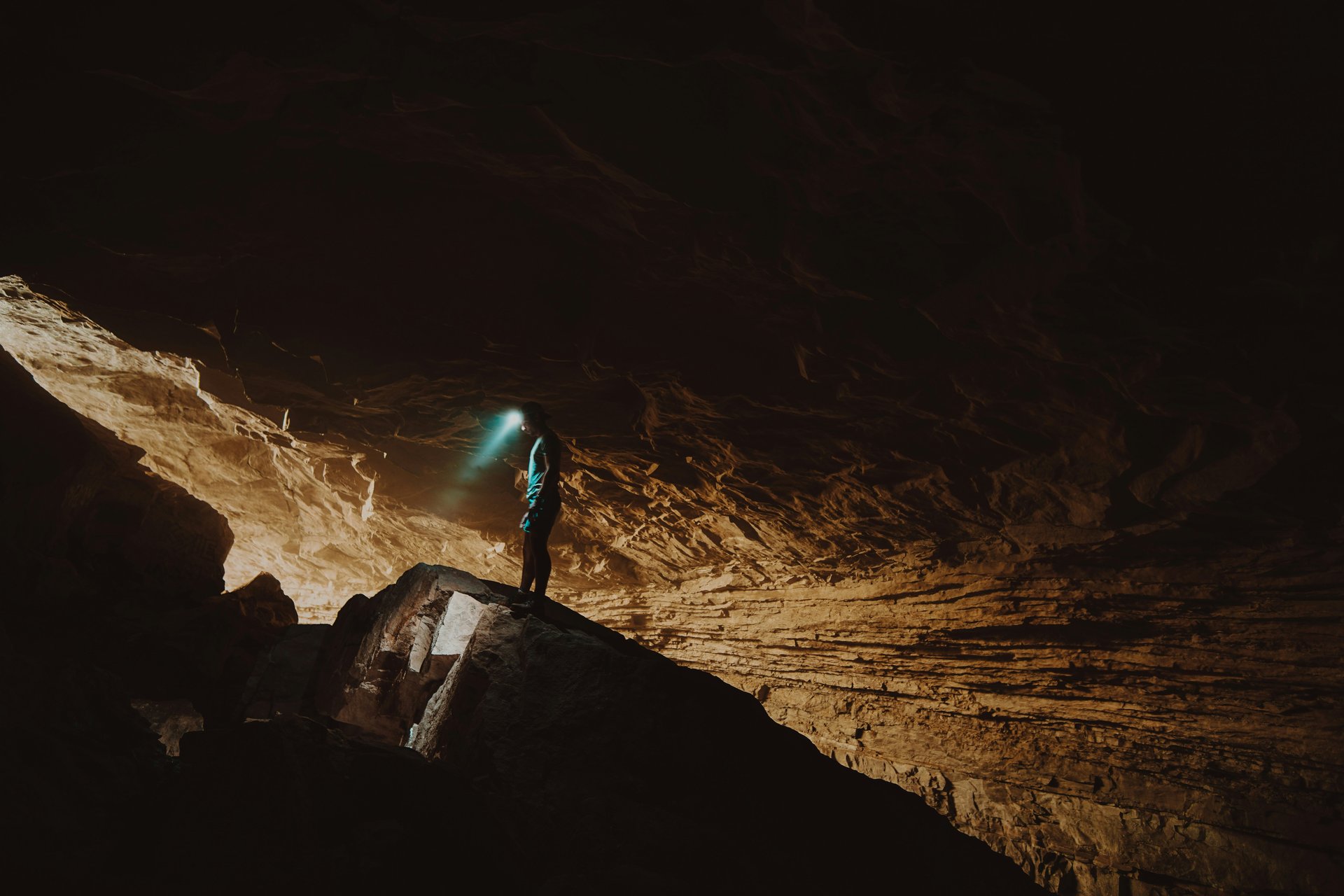
Pinnacles National Park is famous for its talus caves—massive jumbles of boulders that have created labyrinthine passageways through the rock formations. Unlike limestone caves formed by water erosion, these were created when towering rock spires collapsed into canyons, leaving just enough space for adventurous hikers to squeeze through.
The park has two main cave systems: Bear Gulch Cave (on the east side) and Balconies Cave (on the west side). Both offer entirely different experiences. Bear Gulch is more developed, with walking paths and staircases carved into the rock. Balconies feels rawer and more adventurous, requiring some scrambling and even belly-crawling through tight sections.
You’ll absolutely need a good headlamp—don’t rely on your phone’s flashlight, which will leave your hands occupied and your field of vision narrow. I also recommend wearing shoes you don’t mind getting wet. Spring rains can leave knee-deep water in sections of the caves, and trust me: squelching through cold underground water in hiking boots is an experience you’ll only want to have once.
Pro tip: Check the NPS cave status page before visiting. Both caves close seasonally for bat maternity seasons (typically mid-May to mid-July), and occasional flooding can temporarily shut them down. Spring is actually prime cave season, with both typically open from March through May.
Essential Cave Gear Checklist
- Headlamp: Minimum 200 lumens with spare batteries
- Footwear: Hiking boots with good grip (rocks are slippery when wet)
- Clothing: Lightweight long sleeves (caves are 55-60°F year-round)
- Protection: Hard hat recommended for Balconies Cave (low ceilings)
Spring Wildflowers: A Spectacular Display
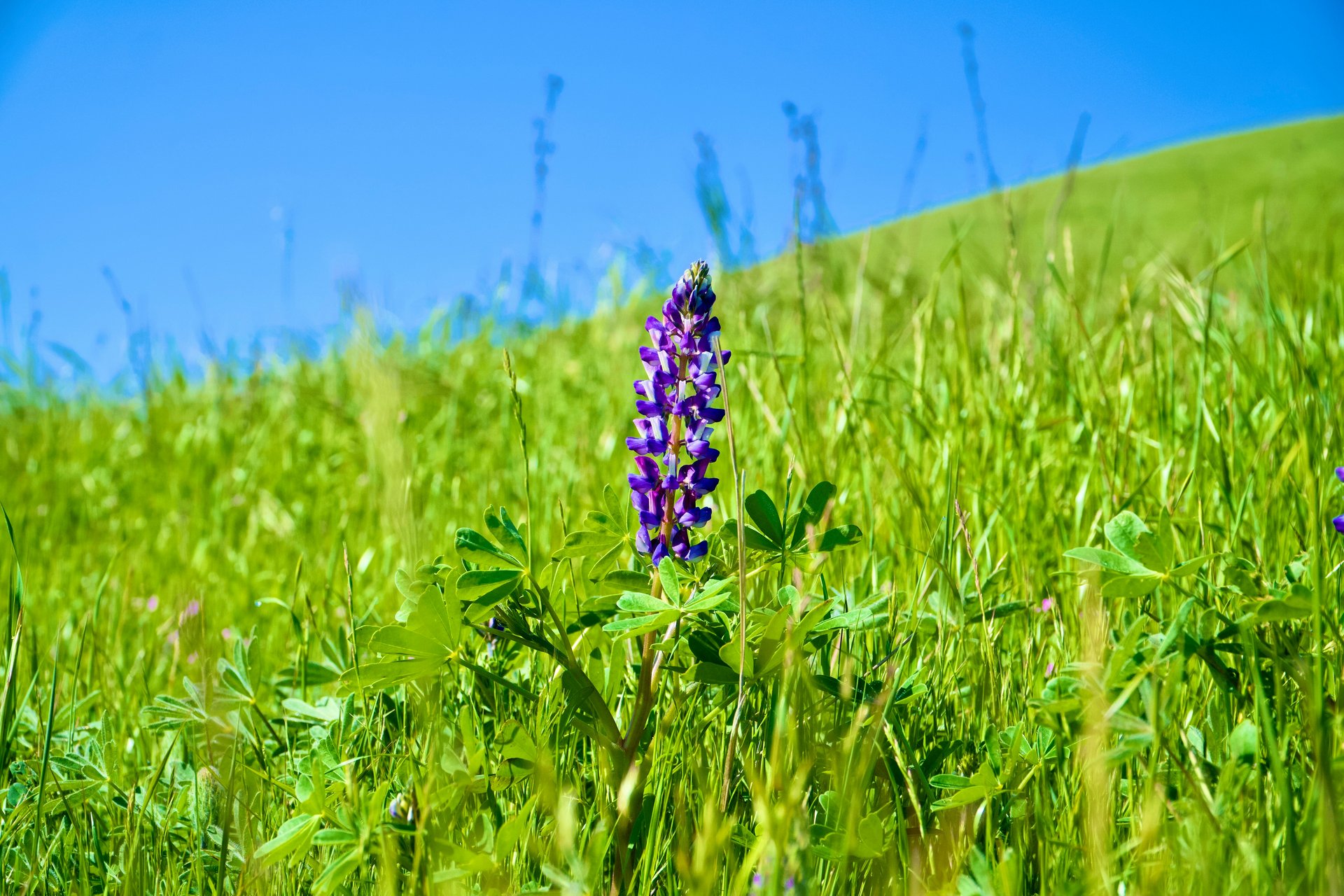
Here’s where Pinnacles in spring absolutely shines. The park sits at the intersection of several different ecosystems, creating incredible biodiversity. When I visited in mid-April, the hillsides were exploding with color: orange poppies, purple lupine, yellow goldfields, and delicate shooting stars created a natural mosaic that seemed almost too vibrant to be real.
The wildflower display typically peaks in late March through April, but timing varies by elevation and rainfall. Lower elevations along the Bench Trail and South Wilderness Trail burst into color first, while higher elevations around the High Peaks Trail can still be showing off into May. The park’s current conditions page often updates wildflower status during peak season.
For photography, the golden hour—early morning or late afternoon—provides the most dramatic lighting. The wildflowers really pop when backlit by the low sun, and the softer light prevents harsh shadows on the rocky formations. A compact travel camera with manual controls will let you capture these scenes the way your eyes see them.
Planning Your Pinnacles Visit
Which Entrance Should You Choose?
Pinnacles has two separate entrances, and there’s no road connecting them within the park. This is crucial: you need to decide which side to visit based on what you want to do.
East Entrance: Better for cave exploration, camping, and condor viewing. This is where you’ll find Bear Gulch Cave, the Pinnacles Campground, and the visitor center. The trails here tend to be more moderate and family-friendly.
West Entrance: Better for serious hiking and solitude. This side features access to the High Peaks Trail and Balconies Cave. It’s quieter and more rugged, with fewer facilities but more dramatic scenery.
Most first-time visitors choose the east side for its accessibility and variety. If you’re planning multiple days, consider camping at the Pinnacles Campground (east side) and spending one day on each side of the park.
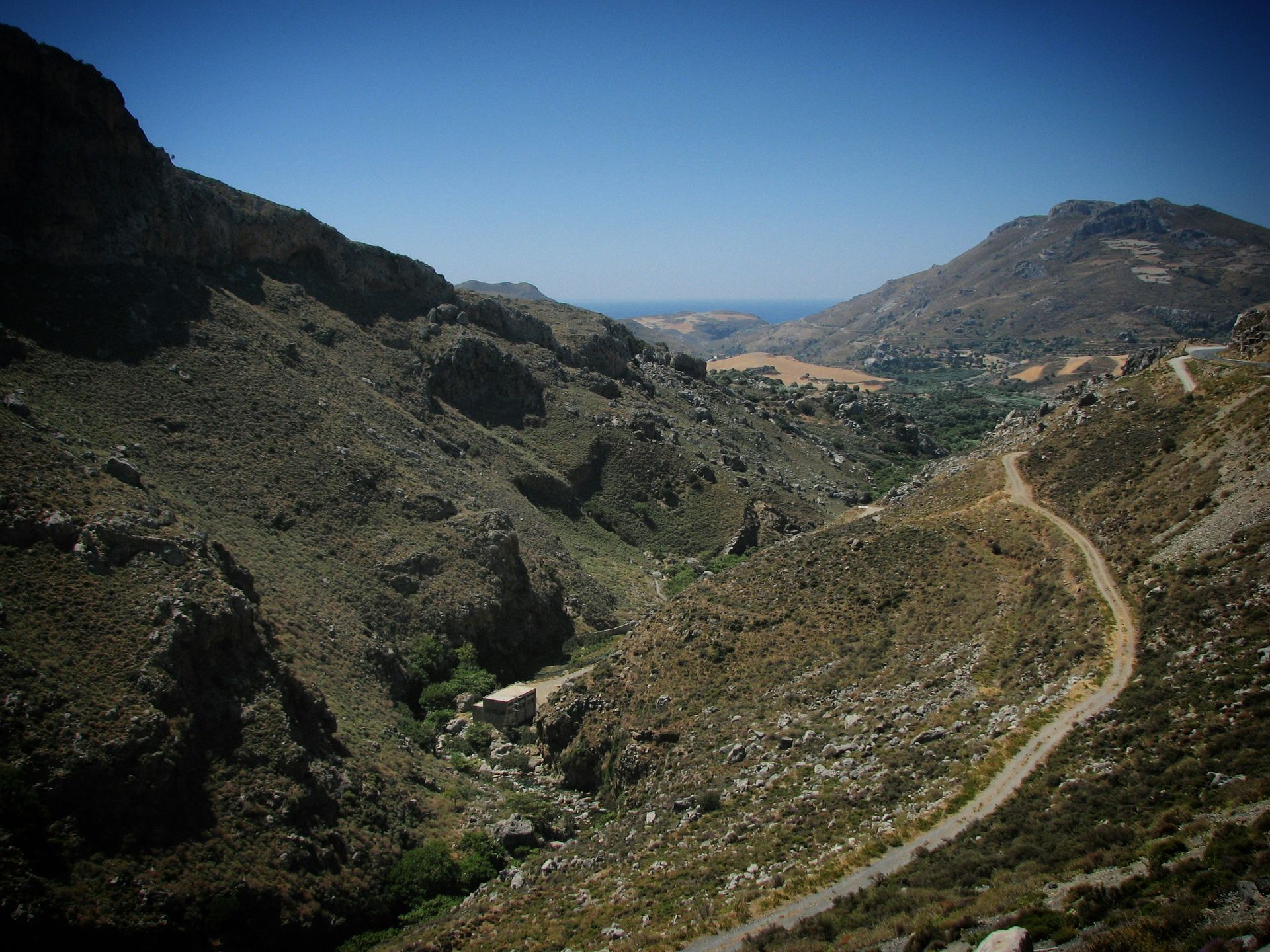
Best Spring Hikes
The park offers trails ranging from easy strolls to strenuous climbs. Here are my top picks for spring:
High Peaks Trail (5.5 miles, strenuous)
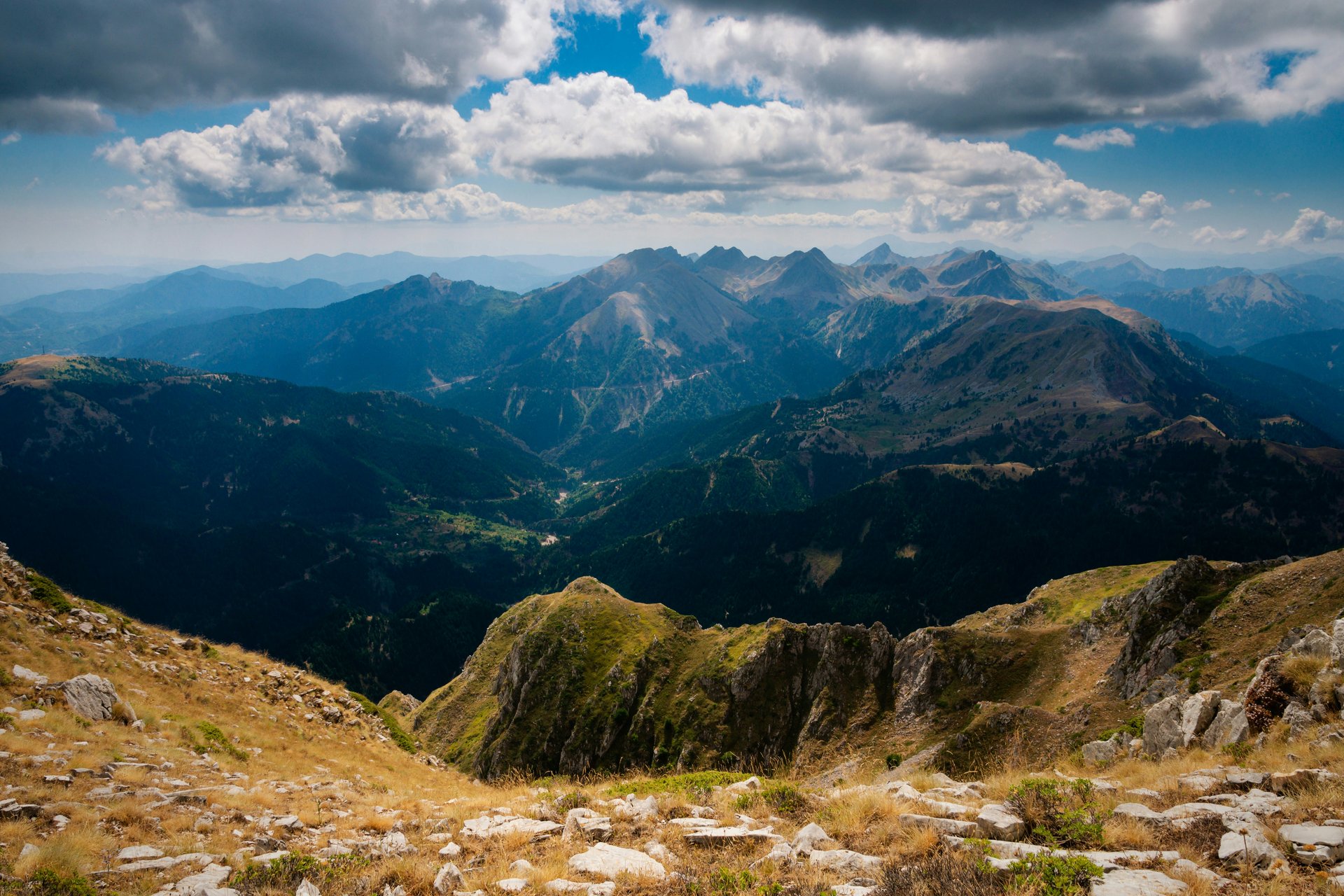
This is the signature Pinnacles experience. The trail climbs steeply through narrow passages carved directly into the rock face, with spectacular views of the surrounding valleys. The first two miles are demanding, but the payoff is incredible: panoramic vistas and excellent condor viewing opportunities. Start early to avoid midday heat on the exposed sections.
Bear Gulch Cave Trail (2.2 miles, moderate)
The perfect introduction to Pinnacles’ unique geology. This trail takes you through Bear Gulch Cave (when open) and past a seasonal waterfall that flows robustly in spring. The waterproof hiking boots will come in handy here. Allow extra time to explore the cave—most people spend 45-60 minutes underground.
Condor Gulch Trail to High Peaks (4.3 miles, moderate-strenuous)
My favorite route for condor viewing. The trail climbs steadily through chaparral before reaching a dramatic overlook where condors frequently ride thermals. The views into the canyon are spectacular, and the junction with the High Peaks Trail offers options for extending your hike.
Balconies Cave Trail (2.4 miles loop, moderate)
Located on the west side, this trail offers a more adventurous cave experience. Expect some scrambling, narrow passages, and getting your feet wet. The cave emerges in a beautiful canyon rimmed with wildflowers in spring. This one’s best suited for agile hikers who don’t mind tight spaces.
Weather and Timing
Spring daytime temperatures typically range from the 60s to low 80s—perfect hiking weather. Mornings and evenings can be cool, especially in the canyons, so lightweight layers are essential. Rain is possible through April, so check the forecast and pack accordingly.
The park gets surprisingly busy on weekends, especially in spring. Arrive by 8 AM on weekends to secure parking, or better yet, plan your visit for a weekday when you’ll have the trails largely to yourself.
Where to Stay and What to Bring
The Pinnacles Campground on the east side offers tent and RV sites, but it books up months in advance for spring weekends. If you’re planning a camping trip, reserve as soon as reservations open (six months in advance). For more comfortable lodging, the town of Soledad (15 minutes from the east entrance) has basic motels.
Beyond the cave-specific gear I mentioned earlier, here’s what I consider essential for a spring Pinnacles visit:
- Plenty of water: There’s no water available on most trails – a hydration pack or multiple water bottles are essential
- Sun protection: The high peaks are surprisingly exposed – bring sunscreen, hat, and sunglasses
- Trail map: Cell service is spotty to nonexistent – a physical trail map is essential
- Emergency supplies: Basic first aid kit and emergency blanket
Why Pinnacles Deserves More Love
I get it: with limited vacation time, it’s tempting to stick to the marquee parks. But here’s the thing about Pinnacles—it offers experiences you literally cannot get anywhere else. Where else can you explore volcanic talus caves in the morning and watch condors soar in the afternoon? Where else can you see wildflowers against a backdrop of rock spires that look like they belong on another planet?
The park’s manageable size means you can see the highlights in a single weekend, but its diversity rewards repeat visits. I’ve been three times now, and each trip has revealed something new: a hidden waterfall after spring rains, a previously missed condor roost, a patch of wildflowers I hadn’t noticed before.
And that’s the thing about underrated places like Pinnacles. They remind us that discovery isn’t dead—that even in a world where every iconic landscape has been Instagrammed to death, there are still places that feel like secrets. Places that reward the curious traveler who looks beyond the guidebook highlights.
Spring 2026 might just be the perfect time to discover Pinnacles for yourself. The wildflowers will be blooming, the caves will be open, and the condors will be soaring above those ancient volcanic spires, waiting for you to look up and notice them.
Related Spring Adventures
If you’re planning a spring national parks tour, Pinnacles pairs beautifully with other California destinations. Consider combining it with visits to Yosemite’s waterfalls in April or Joshua Tree’s desert blooms. For more spring camping ideas, check out my guide to spring camping in national parks, or if you’re planning an extended road trip, the Oregon Coast Highway 101 offers spectacular spring scenery.
1 thought on “Pinnacles National Park in Spring 2026: California’s Underrated Hidden Gem for Hiking and Condors”