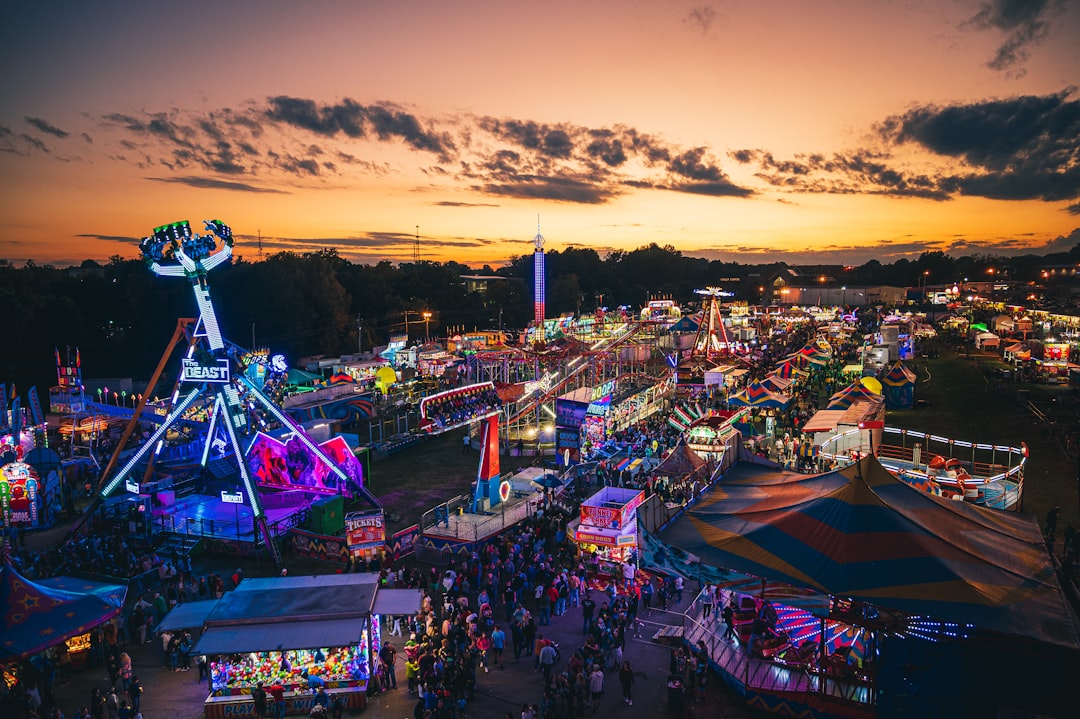
I’ve been to twelve state fairs in the last three years. Not because I set out to collect them like passport stamps, but because somewhere between my second corn dog and my first deep-fried Oreos, I realized that nothing captures the strange, beautiful, deeply American summer experience quite like a state fair. My team and I have driven through August heat in Des Moines, survived 100-degree afternoons in Sacramento, and watched teenagers wrestle giant pumpkins in Palmer, Alaska. If you haven’t built a fair trip into your summer travel plans yet, this is your year.
Right now, as July rounds into August, fair season is hitting its stride. The California State Fair is wrapping up its run in Sacramento (July 17 through August 2). The Montana State Fair kicks off July 24 in Great Falls. And the big one — the Iowa State Fair, which drew over 1.1 million people last year — runs August 13 through 23 in Des Moines. These aren’t just local carnivals. They’re sprawling, sensory-overloading celebrations of food, agriculture, music, and competitive chaos that deserve a spot on any serious traveler’s summer calendar.
Why State Fairs Are the Most Underrated Travel Experience in America
Here’s what surprised me most about state fairs: they’re genuinely immersive in a way that most tourist attractions aren’t. When you walk through the gates, you’re not observing a place — you’re participating in a tradition that’s been running for over 150 years in some cases. The Iowa State Fair started in 1854. The Minnesota State Fair has been running since 1859. These are institutions that have survived world wars, pandemics, and the invention of the smartphone, and they’re still packing people in by the millions.
The scale is hard to grasp until you’re standing in the middle of it. The Iowa State Fairgrounds covers 450 acres. That’s bigger than Disneyland. The Minnesota State Fair draws around 2 million visitors over its 12-day run, making it one of the largest events in North America by attendance. And the food — we’ll get to the food — is its own universe of creative insanity.
But what keeps me coming back is the people-watching. Where else do you find a third-generation cattle rancher from rural Nebraska, a TikTok food blogger from Chicago, a family of five from the suburbs, and a couple of retired teachers all standing in the same line for a pork chop on a stick? State fairs are one of the last genuinely cross-democratic spaces in American life, and that alone makes them worth the trip.
The Fairs Worth Traveling For This August
The Iowa State Fair (August 13-23, Des Moines)
Let’s start with the heavyweight. The Iowa State Fair is the gold standard, and I say that as someone who has tried to be objective about this. The butter cow — a 600-pound sculpture of a dairy cow made entirely from Iowa butter — has been a fixture since 1911. The Grandstand hosts nightly concerts that range from country superstars to classic rock acts. The livestock barns hold over 20,000 animals during the fair’s run, and walking through the cattle barn at feeding time is an experience that no city dweller should miss.
My team’s strategy for Iowa: arrive early, hit the livestock barns before the crowds, grab lunch from a food truck row (last year I had a pork tenderloin sandwich that genuinely ruined me for all other sandwiches), and then spend the afternoon exploring the Varied Industries Building, which is basically a bizarre bazaar of gadgets, hot tubs, and kitchen knives being demonstrated with terrifying enthusiasm. The Everlasting Comfort Stadium Seat I brought last year saved my back during the evening Grandstand show — those metal bleachers are brutal without padding.
The Minnesota State Fair (August 27 – Labor Day, St. Paul)
If Iowa is the traditionalist’s fair, Minnesota is the foodie’s fair. Known locally as “The Great Minnesota Get-Together,” this fair takes fair food to another level. Sweet Martha’s Cookie Jar is legendary — you’ll smell the chocolate chip cookies before you see the stand. Cheese curds are practically a religion here, and the Pronto Pup (a corn dog variant that uses a pancake-like batter) has been a Minnesota fair staple since 1947.
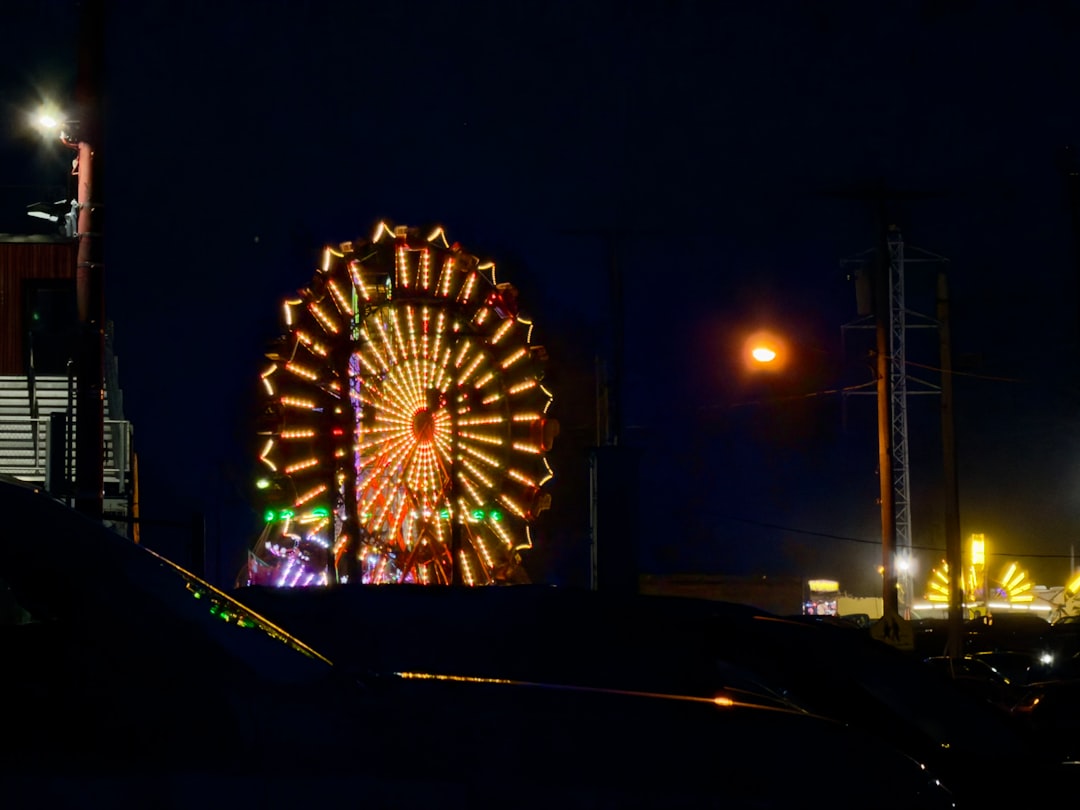
The Minnesota fair also has one of the best midways I’ve experienced. If you’re prone to motion sickness, start with the Ferris wheel and work your way up. My advice: buy an unlimited ride wristband for the day if you’re going with kids, because paying per ride adds up terrifyingly fast.
The Alaska State Fair (August 21 – September 7, Palmer)
This is the fair that surprised me most. Set against the Chugach Mountains in the Matanuska-Susitna Valley, the Alaska State Fair is visually stunning in a way that no other fair can match. But the real draw is the giant vegetables. Alaska’s 20-plus hours of summer daylight produces cabbages the size of recliners. The state record for heaviest cabbage is over 138 pounds. I watched a man struggle to lift a 72-pound zucchini while his wife laughed and took photos. It was perfect.
The Alaska fair is also smaller and more intimate than the Midwestern giants, which means fewer crowds and a more community-driven feel. If you’re planning an Alaska trip anyway — and you should, because it’s the most beautiful state in the union — try to time it with the fair. You’ll see a side of Alaskan culture that most tourists miss.
Montana State Fair (July 24 – August 1, Great Falls)
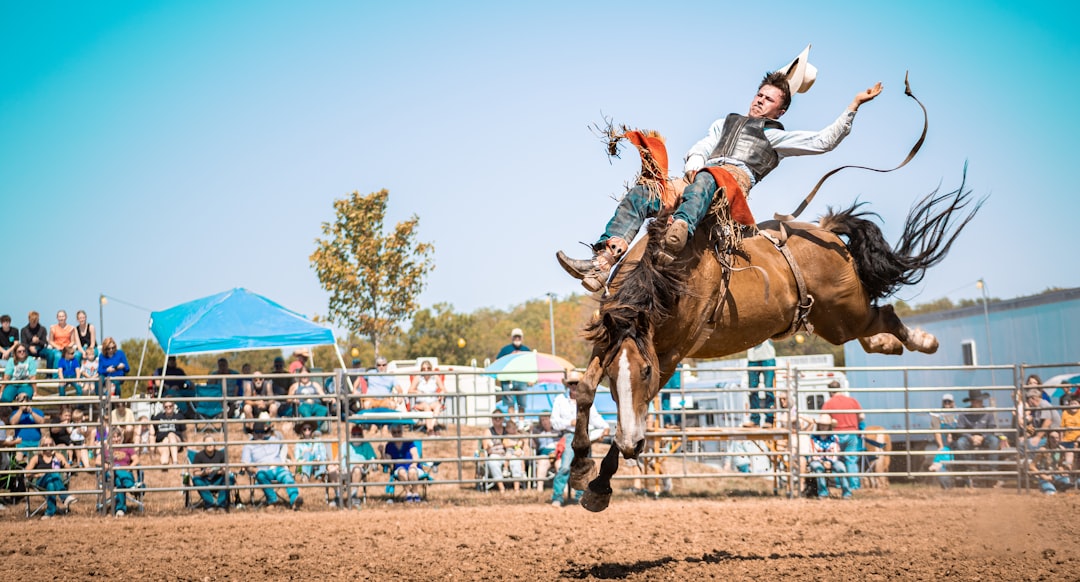
The Montana State Fair is your entry point if you want a classic Western fair experience without the massive crowds. It’s got PRCA rodeo action that draws competitors from across the Mountain West, a solid carnival midway, and enough fried food to keep you going all day. The vibe here is unapologetically rural — cowboy hats outnumber baseball caps three to one, and the 4-H and FFA livestock shows are taken very seriously.
What to Eat: A Survival Guide to Fair Food
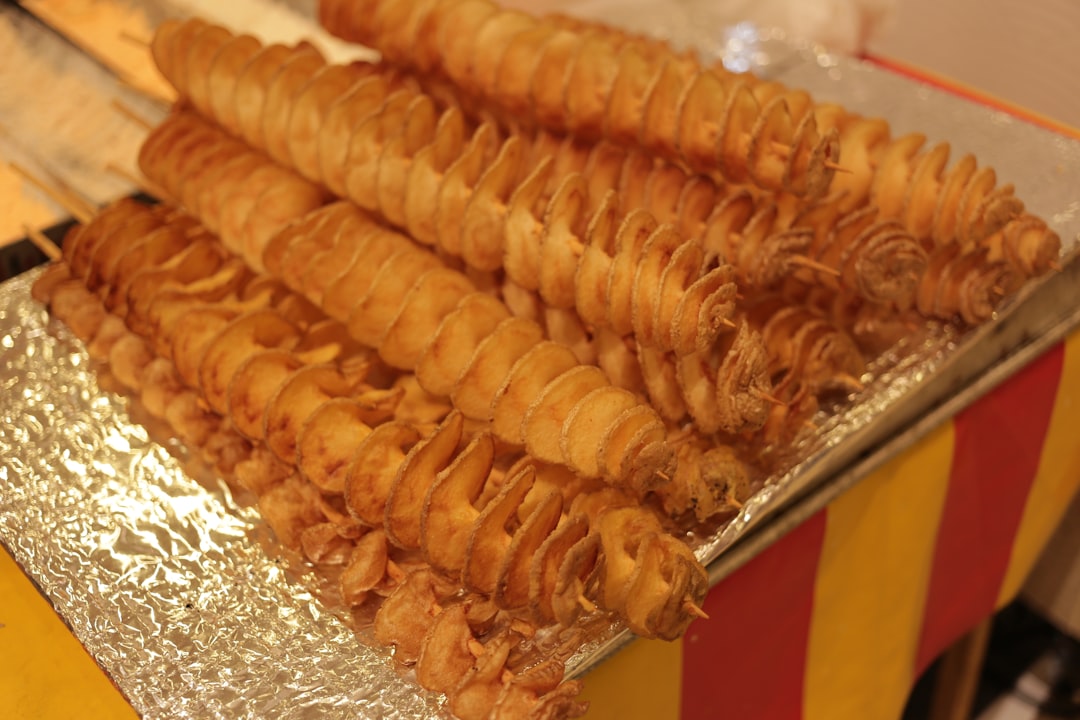
Let’s be honest: for a lot of people, the food IS the fair. And I’m not here to judge that. But after three years of methodical eating at state fairs across the country, I’ve developed some opinions.
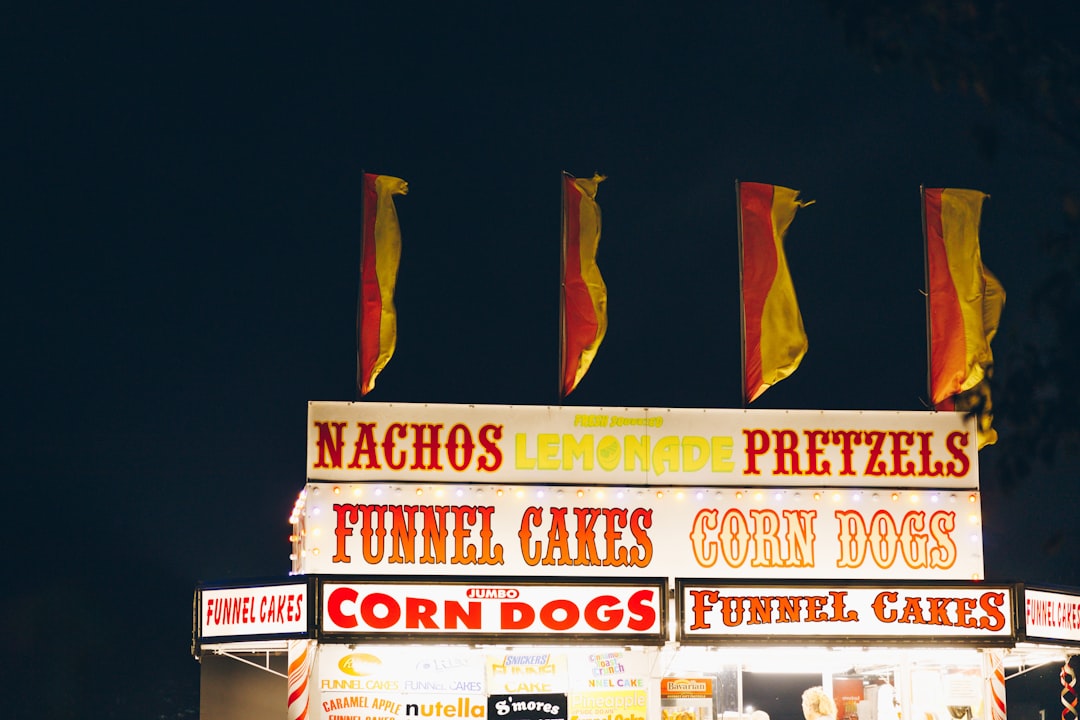
The essentials: A corn dog (or Pronto Pup if you’re in Minnesota), a funnel cake, fresh-squeezed lemonade, and something on a stick. The “on a stick” category is enormous — I’ve seen pork chops, pickle pops, deep-fried Oreos, spaghetti (yes, spaghetti on a stick), and even macaroni and cheese on a stick.
The regional specialties: In Iowa, it’s the pork tenderloin sandwich and Barksdale State Fair Cookies. In Minnesota, cheese curds and Sweet Martha’s cookies. In Texas (if you’re planning ahead for the fall fair), it’s the famous Fletcher’s Corny Dog and deep-fried butter. In Alaska, look for reindeer sausage and fresh seafood.
My approach: My team and I treat fair food like a tasting menu. We each buy something different and share. This way you get to try six or seven things without each person eating six or seven full portions. Last year in Iowa, we split a bacon-wrapped turkey leg, a bucket of cookies, a strawberry smoothie lemonade, fried cheese curds, and a deep-fried Snickers. It was chaotic and I regret nothing.
One practical note: travel-size hand sanitizer is non-negotiable. You’re eating with your hands in a place where thousands of people have been petting livestock, riding carnival rides, and handling money all day. I clip a small bottle to my bag and use it constantly.
The Gear That Actually Makes a Fair Day Better
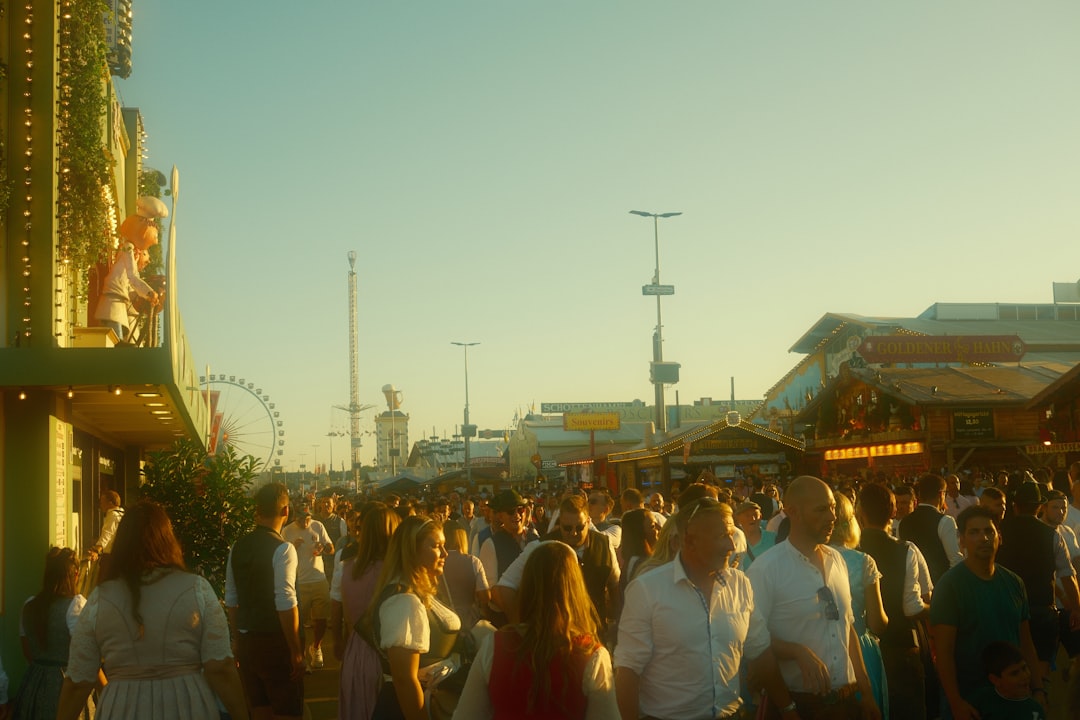
After a dozen fairs, I’ve dialed in a kit that works. Here’s what my team and I bring to every fair:
A good crossbody bag or belt bag. You need somewhere to stash your phone, cash, sunscreen, and food tickets without weighing yourself down. I use a Pander Everywhere Belt Bag — it’s water-repellent (important when you’re around livestock and food vendors), holds more than you’d think, and keeps your hands free for holding corn dogs. If you’re worried about pickpockets in dense crowds — and honestly, you should be a little — check out the anti-theft bag shootout I did after a close call in Barcelona last month.
Sun protection that won’t quit. State fairs are mostly outdoor events, and you’ll be on your feet for 6-8 hours. Last year at the California State Fair, I watched someone get second-degree sunburn on their shoulders because they forgot to reapply. I bring a UPF 50+ sun hat and travel-size Banana Boat Sport SPF 30 — the travel-size twin pack means I can share. For the full breakdown of what I carry, my sun protection kit guide covers everything from UPF shirts to mineral sunscreen.
An insulated water bottle. Fairgrounds charge ridiculous prices for bottled water, and staying hydrated in August heat is not optional. I carry a 24-ounce Owala FreeSip — the straw-spout combo means I can drink while walking without tilting my head back like a bird. Refill stations are available at most major fairs, and cold water at 3 PM hits different when you’ve been in the sun since 10 AM.
A portable charger. Between taking photos, navigating the fairgrounds map, and looking up livestock show times, your phone will die by mid-afternoon if you don’t plan ahead. I carry the same INIU 45W portable charger I wrote about in my power bank field test. It’s flight-safe, has a built-in cable so I don’t lose one in the midway, and charges fast enough to bring a dead phone back to 50% during a 20-minute grandstand show.
A collapsible wagon if you’ve got kids. This sounds excessive until you’ve watched a six-year-old melt down at 4 PM because they’re tired of walking and there’s still three hours of fair left. A folding utility wagon hauls kids, bags, prizes, and that giant stuffed animal someone won at the ring toss. It folds flat enough to fit in a trunk and deploys in about ten seconds.
The Livestock Barns: Don’t Skip Them
Here’s the thing I tell every first-time fairgoer: the livestock barns are the heart of the fair. Yes, the food is great. Yes, the midway is fun. But the livestock barns are where the actual soul of a state fair lives.
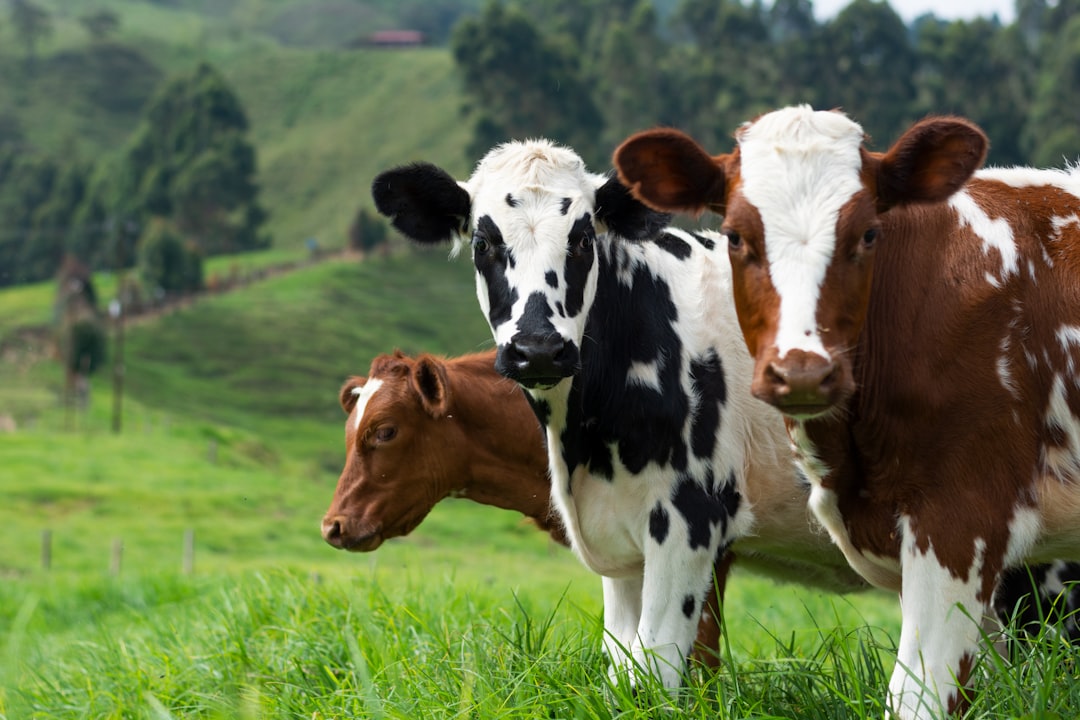
Walk through the cattle barn and you’ll see families who’ve driven eight hours to show a single heifer. The kids in 4-H jackets have been raising their animals for months, waking up at 5 AM to feed and groom them, and they’ve named every one. The swine barn is louder and more chaotic — pigs are opinionated creatures. The poultry barn is a symphony of squawking that somehow becomes soothing after twenty minutes.
My favorite fair memory is from the Minnesota State Fair’s Miracle of Birth Center, where visitors can watch calves, lambs, and piglets being born in real time. It’s not for the squeamish, but it’s one of the most genuinely educational experiences you’ll find at any tourist attraction. Last year, I watched a group of mesmerized city kids see a calf take its first steps. Their faces were better than any concert I’ve ever seen.
Money-Saving Tips That Actually Work
State fairs can get expensive fast if you’re not paying attention. Here’s how my team keeps costs reasonable:
Buy tickets in advance. Almost every state fair offers discount admission if you buy online before opening day. The Iowa State Fair knocks a few dollars off advance tickets, and the Minnesota State Fair runs mid-day discount promotions. Check the fair’s official website two to three weeks ahead.
Go on a discount day. Many fairs have dedicated discount days — Senior Day, Military Appreciation Day, Thrifty Thursday, etc. The California State Fair has Dollar Days early in its run. Montana’s opening day is typically cheaper. Plan accordingly.
Bring your own food (where allowed). Most fairs allow you to bring in a small cooler or bag. Check the fair’s policy before you go, but bringing your own water and snacks for the kids can save $30-40 easily. I bring an insulated cooler bag stocked with water bottles and sandwiches, then save my fair food budget for the specialty items I can’t get anywhere else.
Pack baby wipes. This sounds weird, but a pack of sensitive baby wipes is the single most useful thing in my fair kit. Sticky hands from cotton candy? Wipes. Spilled lemonade on your shirt? Wipes. sat on something questionable in the livestock barn? Wipes. My team jokes that I’m the “wipe guy,” but they’re always asking for one.
Timing Your Visit: When to Go and When to Avoid
The single best piece of advice I can give about state fairs: go on a weekday, arrive when the gates open, and leave before the evening crowd hits. Weekday mornings at any major fair are a completely different experience from Saturday afternoons. You’ll walk onto rides without waiting, have the livestock barns nearly to yourself, and get first pick at the food stands before the lines build.
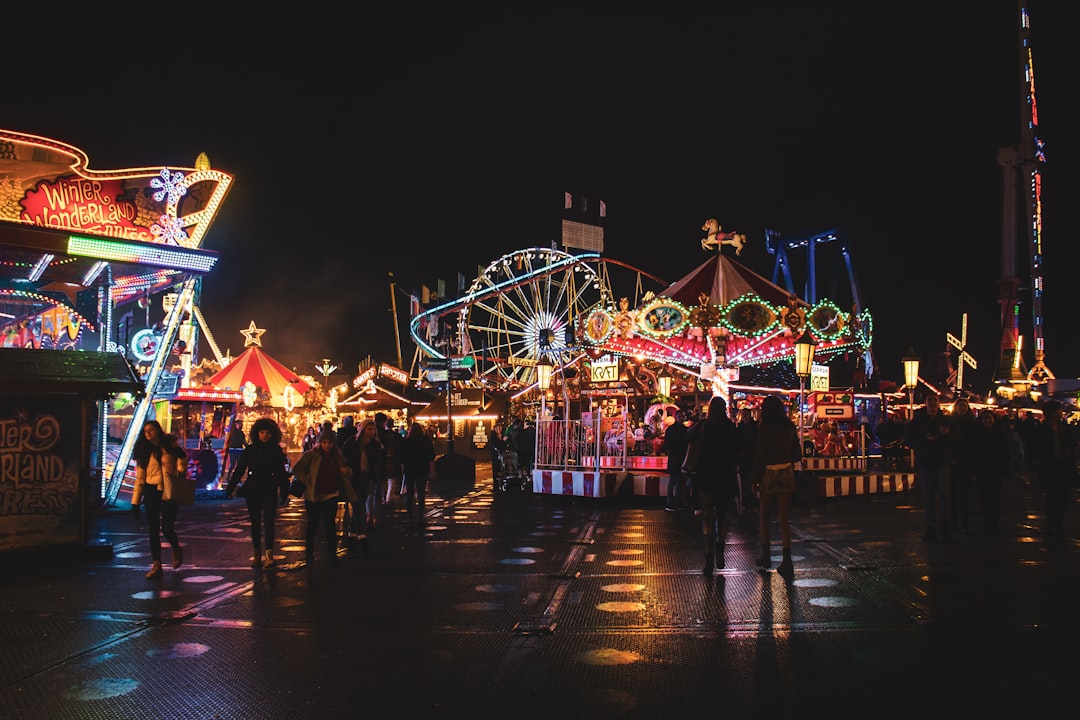
If you want the full carnival experience with the lights and the energy and the crowd, come back in the evening — but know that Saturday night at the Iowa State Fair is one of the most crowded public spaces I’ve ever been in. Not unpleasant, but intense. If crowds aren’t your thing, aim for the last weekday of the fair’s run, when attendance typically dips.
Weather matters more than you’d think. Check the forecast and aim for a partly cloudy day in the low 80s if possible. Above 95 degrees, the asphalt midways become radiant heat ovens and even the livestock look miserable. Below 70 and the water rides lose their appeal. The sweet spot for most fairs is that first week of August in the upper Midwest, or late August in the Mountain West.
The Bottom Line
State fairs are one of the few genuinely authentic American experiences left — unfiltered, unironic, and unmissable if you’re building a summer travel list. You don’t need to be a country music fan or a livestock enthusiast to appreciate them. You just need to show up hungry, wear comfortable shoes, and be willing to try something new on a stick.
My team and I are already planning our Iowa State Fair route for August. The butter cow is first on the list, followed by a pork tenderloin sandwich, a walk through the cattle barn, and an evening at the Grandstand. If you see a guy with a crossbody bag, a UPF hat, and a pack of baby wipes clipped to his belt — say hi. That’s me.