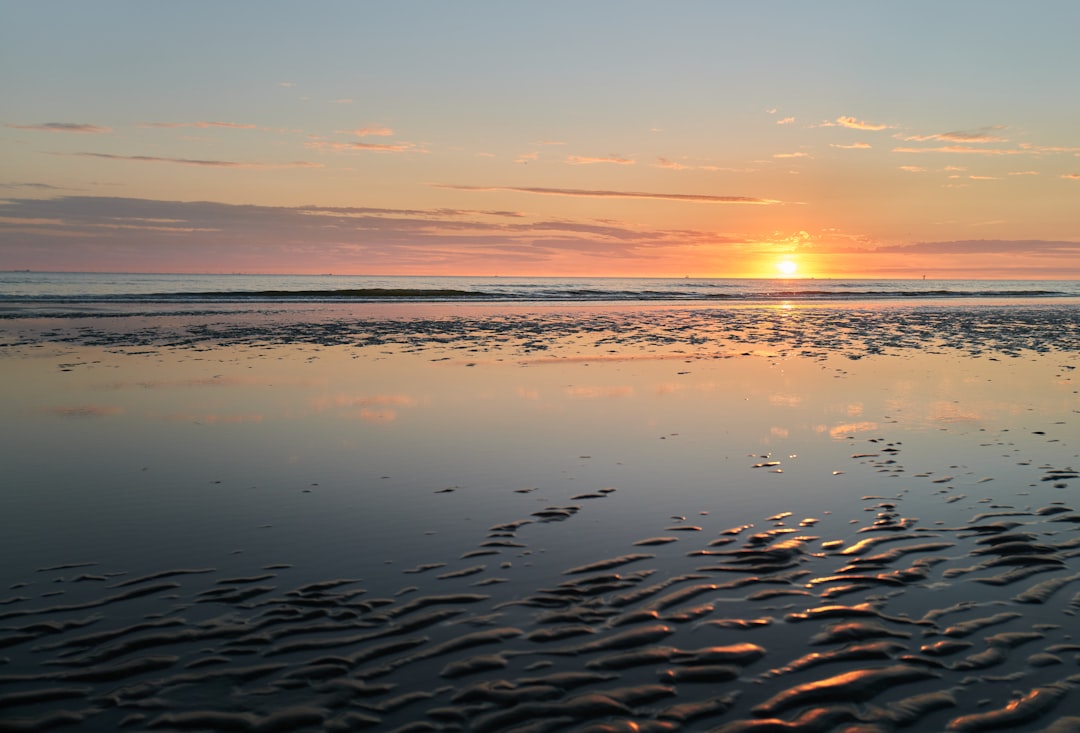
There’s a stretch of late August that feels like someone handed you a VIP pass to the entire country. The families have gone home. The college kids are back on campus. And somehow — miraculously — the weather hasn’t gotten the memo that summer is ending. I stumbled into this window by accident three years ago when a work trip got rescheduled, and I’ve been quietly planning my vacations around it ever since.
My team and I started tracking the numbers last summer. Hotel rates in popular destinations dropped 25 to 35 percent between August 15 and September 1. Wait times at major national park entrances fell from 45 minutes to drive-on-through. Restaurant reservations in towns that had been booking out three weeks in advance suddenly had same-day availability. This isn’t a travel hack that requires fancy points or elite status. It’s just timing.
The Math Behind the Magic Window
Most American schools resume somewhere between mid-August and early September, depending on the region. That single fact reshapes the entire travel landscape. Families make up the largest segment of summer leisure travel — the U.S. Travel Association puts them at roughly 60 percent of domestic summer trips. When the school calendar pulls that group home, the remaining travelers suddenly have enormous leverage.
I watched it happen in real time last August in Myrtle Beach. On August 10, the resort pool was shoulder-to-shoulder by 9 AM. By August 22, the same pool had maybe fifteen people in it, the oceanfront bar had open seats, and the front desk clerk casually upgraded my room because — her words — “we’ve got the space.” Same weather. Same beach. Same hotel. Radically different experience.
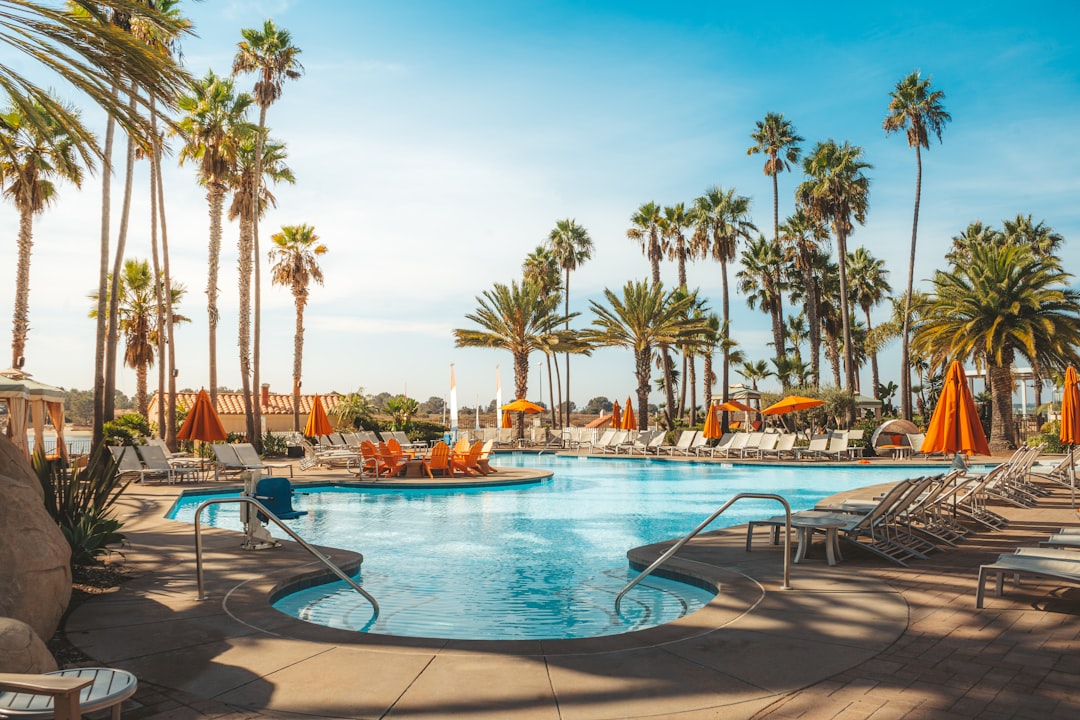
The data backs this up. Skyscanner’s annual Smarter Summer report identified the weeks of August 17 and August 31 as the cheapest booking windows of the entire summer travel season. Flight prices dip. Vacation rentals slash weekly rates to avoid empty weeks. Even rental car companies — notorious for their summer surge pricing — start walking rates back down to something resembling sanity.
Where to Point Your Car
Not every destination shines in late August. The desert Southwest is still punishingly hot. Florida’s humidity remains at levels that make walking outside feel like swimming through warm soup. But a massive chunk of the country is at its absolute best during these two weeks. Here’s where my team and I have sent readers (and ourselves) with consistently excellent results.
The Mountain West
This is the sweet spot. The Rockies, the Sierras, the Cascadas — they’re all still wide open with summer accessibility, but the 90-degree heat has mellowed just enough that hiking doesn’t feel like a death march. I spent last August 20 hiking the Trail of the Cedars in Glacier National Park in a light fleece. Glacier in late August is a completely different animal from Glacier in July — same dramatic landscapes, a fraction of the crowd, and the wildfire smoke that sometimes plagues midsummer has often cleared.
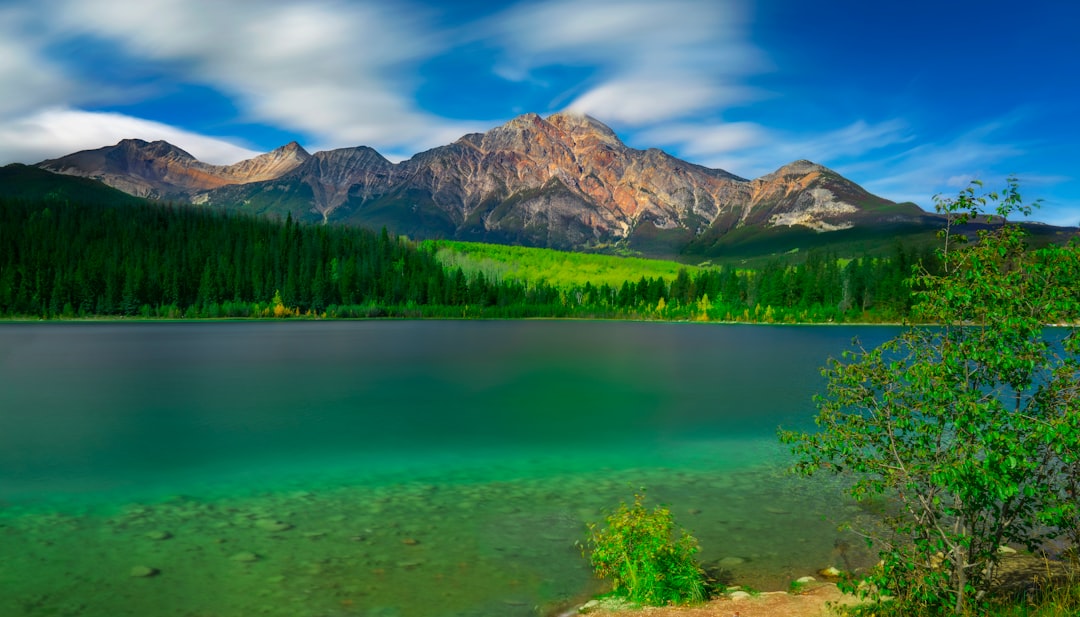
Further south, the same principle applies to Yellowstone, Grand Teton, and Rocky Mountain National Park. Trailhead parking lots that require a 6 AM arrival in July will happily accommodate you at 9 AM. The wildlife is also more active as temperatures cool — I watched a massive bull elk casually cross the road near Mammoth Hot Springs without a single other car around. In July, that same sighting would have caused a forty-person traffic jam.
The Coastal Northeast
New England in late August is peak everything. The water has been warming all summer and hits its highest temperatures right around the third week of August. Lobster shacks are fully operational but the two-hour lines have evaporated. The Maine coast from Portland to Bar Harbor becomes genuinely serene — you can walk into most restaurants, and hotel rates soften considerably.
I drove the Maine coastline from Kittery to Camden last August 24. My team had tried to book the same route in mid-July, and every boutique inn was either sold out or charging peak rates. The same properties in late August? Available, negotiable, and in several cases, offering “stay three nights, pay for two” deals that don’t exist two weeks earlier. The Ocean Drive in Kennebunkport had ocean-view rooms that were $200/night cheaper than their July rates.
Lake Destinations Nationwide
Lake Tahoe straddles the California-Nevada border at 6,200 feet, which means late August days are warm but not scorching, and evenings carry just enough chill to justify a fire pit. The water temperature in the shallows hits its annual peak — comfortable enough for extended swimming without a wetsuit. My team rented a kayak for two hours on August 19 last year and shared the entire southern shore with maybe a dozen other boats. In July, that same rental would have meant navigating an obstacle course of speedboats and paddleboards.
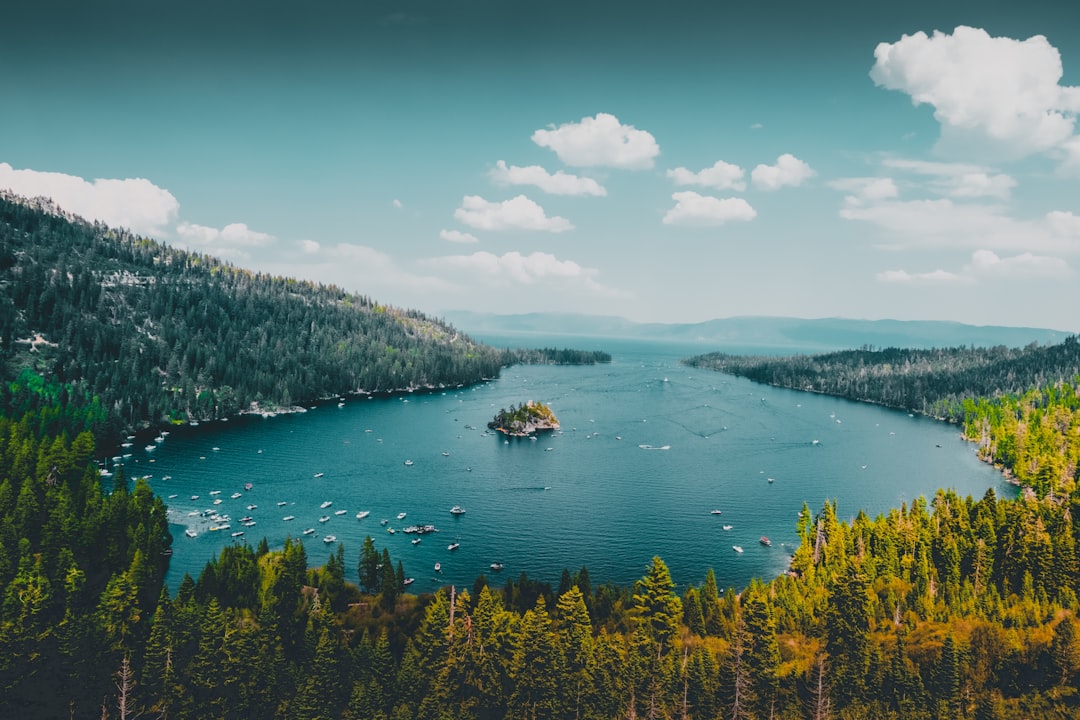
The same holds true for the Great Lakes, Finger Lakes, and smaller mountain lake towns. The seasonal businesses are all still open — they don’t start closing until after Labor Day — but the volume of people drops dramatically. If you’ve ever wanted to swim in Crater Lake, kayak Lake Champlain, or explore the Boundary Waters without competing for campsite permits, this is your window.
What to Pack for the In-Between Season
Late August packing requires a different approach than mid-summer travel. You’re dealing with warm days, cooler evenings, and the very real possibility of an early fall storm system rolling through. I’ve learned this the hard way — more than once.
Layering is everything. Start with a packing system that keeps your warm and cool weather gear separated and compressed. I’ve been using Veken’s 10-piece packing cube set for the past year, and it’s genuinely changed how efficiently I can pack for temperature-swing trips. The cubes compress about 30 percent, which matters when you’re trying to fit a fleece, a rain shell, and summer clothes into a carry-on.
For the budget-conscious traveler, Amazon Essentials’ 4-piece packing cube set offers similar organization at roughly half the price. My field tester used one for a two-week late-August trip through the Pacific Northwest and reported no durability issues.
The Late-August Essentials Kit
Beyond the usual travel gear, late August has a few specific needs that I’ve dialed in over multiple trips:
A compact travel umbrella is non-negotiable. Late August thunderstorms in the mountains are fast and furious. I carry the Repel Windproof Travel Umbrella — it’s survived 60-mile-per-hour gusts on the Blue Ridge Parkway and folds small enough to forget it’s in my bag until I need it.
Sunscreen remains critical. UV index in late August is still high, especially at elevation. I stock up on Sun Bum SPF 50 travel-size bottles — they’re TSA-friendly and reef-safe for those of you hitting Hawaii or the Florida Keys. (If you’re serious about sun protection, I wrote an entire piece on the UPF gear kit I wish I’d had before my worst travel sunburn.)
A reliable portable charger. Shorter daylight hours mean your phone is working harder for navigation, photos, and those early-evening restaurant searches. The INIU 45W portable charger has been my go-to — it’s flight-safe, charges fast, and the detachable cable means one less thing to forget.
A decent travel neck pillow. If you’re flying to your late-August destination, the reduced crowds mean more empty middle seats — but don’t count on it. The BCOZZY double-support neck pillow is the one I’ve settled on after trying at least eight different models. It actually supports your chin instead of just your neck, which matters on a five-hour flight.
Playing the Booking Game
Here’s where late August gets really interesting. You’re not just getting better prices — you’re getting better positions. Hotel revenue managers are staring down the September slowdown and would rather have you in a room at a discount than have the room sit empty. This creates opportunities that don’t exist in peak season.
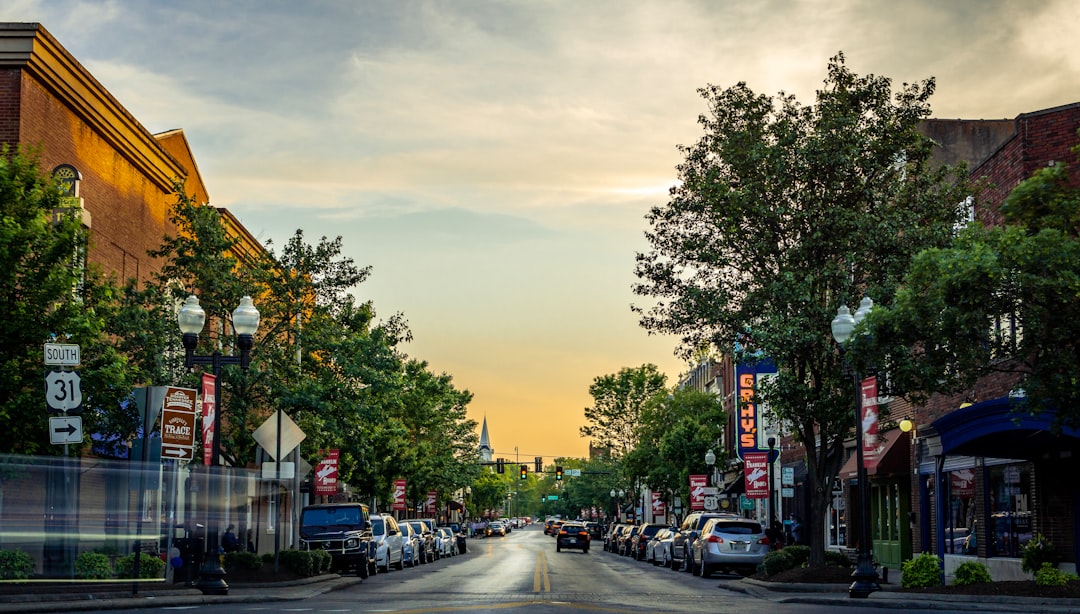
I’ve successfully walked into highly-rated restaurants in Nantucket, Aspen, and Charleston during the last two weeks of August and gotten tables that would require a month of planning in July. Not always — some places are still fully booked — but the odds shift dramatically in your favor. The front desk staff are less stressed, the bartenders have time to actually make your drink properly, and the overall level of service improves when the people providing it aren’t running at 110 percent capacity.
For vacation rentals, I start checking VRBO and Airbnb around August 1 for the last two weeks of the month. Owners who see empty calendars start offering deals. Last year I booked a two-bedroom cabin near Stanley, Idaho — one of my favorite small towns in America — at 40 percent off the peak summer rate, purely because I booked ten days out and the owner wanted it filled.
The Beach Play (Yes, Still)
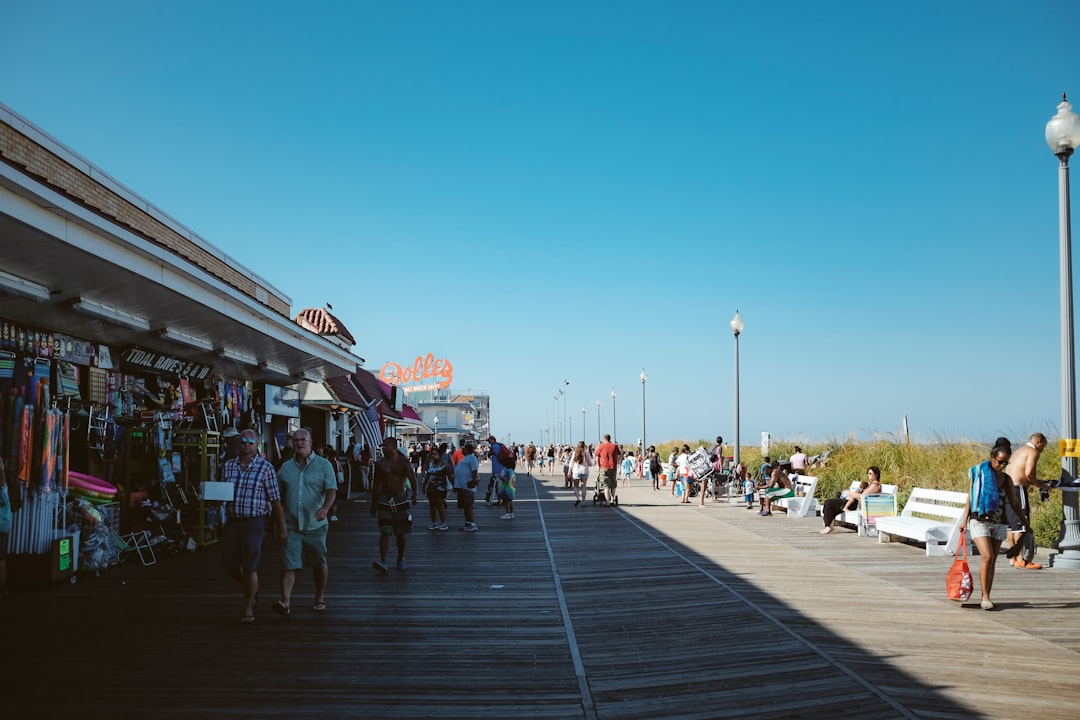
Beach destinations are the counterintuitive play here. Most people assume beaches are done after Labor Day, and the two weeks before it get ignored because families are deep in back-to-school chaos. But ocean temperatures along the East Coast and Gulf Coast reach their annual peak in late August. The water is genuinely warm — warmer than July, warmer than early September.
My team put together a cost comparison last summer between mid-July and late-August beach rentals in five popular East Coast destinations. Outer Banks: 28 percent cheaper. Hilton Head: 31 percent. Ocean City, Maryland: 24 percent. Myrtle Beach: 35 percent. Cape Cod: 22 percent. Same beaches, same water temperature, dramatically lower costs.
The one caveat: some seasonal businesses start reducing hours in the final week of August. I’ve encountered ice cream shops that closed for the season on August 25, and a few restaurants that switched to weekend-only service. It’s usually a small fraction of businesses, and the trade-off is entirely worth it, but set your expectations accordingly.
Gear Worth Bringing
A few items have earned permanent spots in my late-August kit based on repeated field use:
A good insulated cooler backpack transforms a beach or trail day. I pack the MIYCOO cooler backpack with sandwiches and cold drinks, and it’s kept ice solid for a full eight hours in 85-degree heat. For car-based trips, the larger Maelstrom soft cooler holds 30 cans plus ice and collapses flat when empty.
A lightweight beach chair matters more in late August because you’ll actually want to linger on the beach. With smaller crowds, there’s room to spread out. The Tommy Bahama 5-position backpack chair is the gold standard — it reclines, has a backpack carry strap, and includes a cup holder. Yes, it’s pricier than basic models, but mine is four years old and still going strong.
And a quality insulated water bottle is essential when you’re spending full days outdoors in late-summer heat. The Owala FreeSip has a clever 2-in-1 lid that lets you sip through the built-in straw or tilt back for a gulp. It keeps water cold for 24 hours, which means the water you fill at your hotel room is still cold when you’re halfway up a trail at 3 PM.
The Catch (There’s Always a Catch)
There are a few genuine downsides to late-August travel. Hurricane season in the Atlantic starts ramping up, with peak activity historically running mid-August through October. I’ve had trips to the Gulf Coast disrupted by tropical systems, and travel insurance becomes a smart investment rather than an upsell. If you’re booking a beach trip in hurricane-vulnerable areas, look for properties with flexible cancellation policies and book refundable rates.
Wildfire risk in the western U.S. remains real through late August. Smoke from active fires can degrade air quality across huge distances — I’ve seen haze in Montana from fires burning three states away. Check fire and smoke maps before committing to a western destination, and have a backup plan.
And as I mentioned, some seasonal businesses do start winding down. If your dream trip involves a specific restaurant, tour operator, or attraction, verify they’re still operating at full schedule before booking.
Why I’m Telling You This
Part of me hesitates to write this, because the entire advantage of late-August travel is based on the fact that most people don’t know about it. But I’ve watched this window hold steady for three consecutive years. The school calendar isn’t changing. The pricing algorithms aren’t getting smarter about filling those gaps. And the experience — uncrowded trails, empty pools, attentive service, and prices that don’t make you wince — is simply too good not to share.
So go ahead and book it. Just don’t tell too many people.
1 thought on “The Two-Week Window Nobody Talks About: Why Late August Is America’s Best-Kept Travel Secret”