There’s a moment in Yellowstone’s Lamar Valley when the light turns molten around 6:45 on a late September morning. The grass has gone amber, a thin crust of frost crackes under your boots, and somewhere in the timber a bull elk lets loose a sound that starts in his chest, climbs into a high trembling whistle, and hangs in the cold air like a question mark. That sound — the bugle — is why I keep coming back to Yellowstone in fall. But it’s not the only reason. By the third week of September, the summer crowds have packed up the minivan and headed home, the geysers steam thicker in the crisp air, and the entire park feels like it’s been reserved for the people who knew the secret.
I’ve been to Yellowstone in every season, and September is the one I’d choose if I could only come once. Here’s what the team and I have learned after three consecutive fall trips — the wildlife, the logistics, the gear, and the small decisions that make the difference between a good trip and one you’ll talk about for years.
Why September Beats July in Almost Every Way
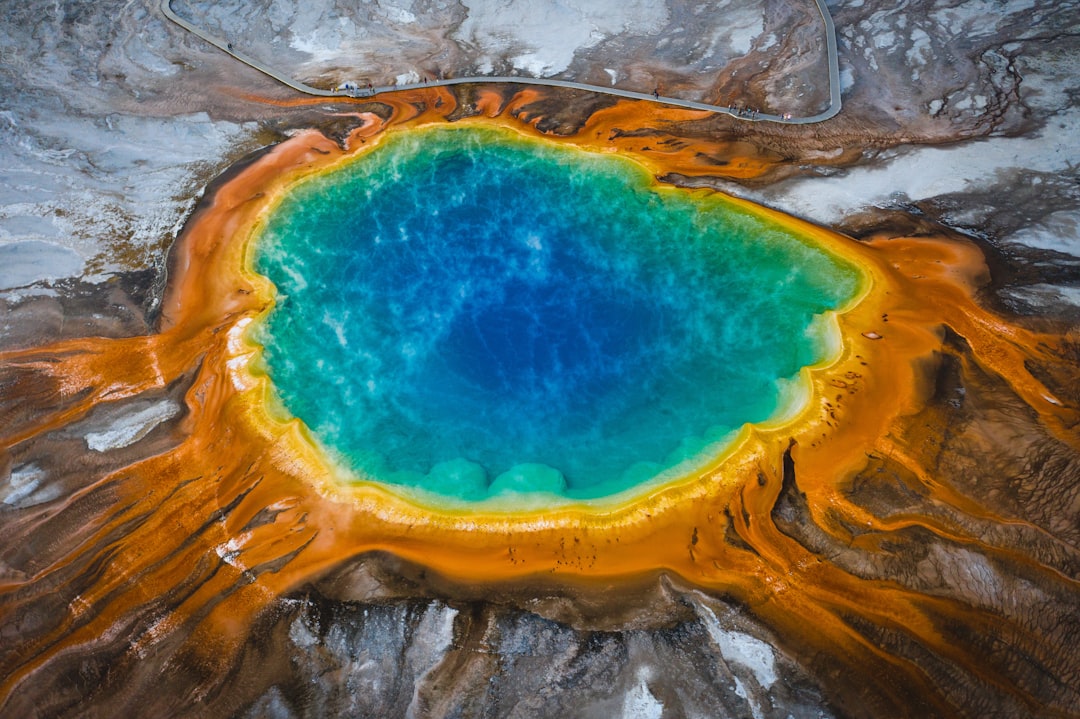
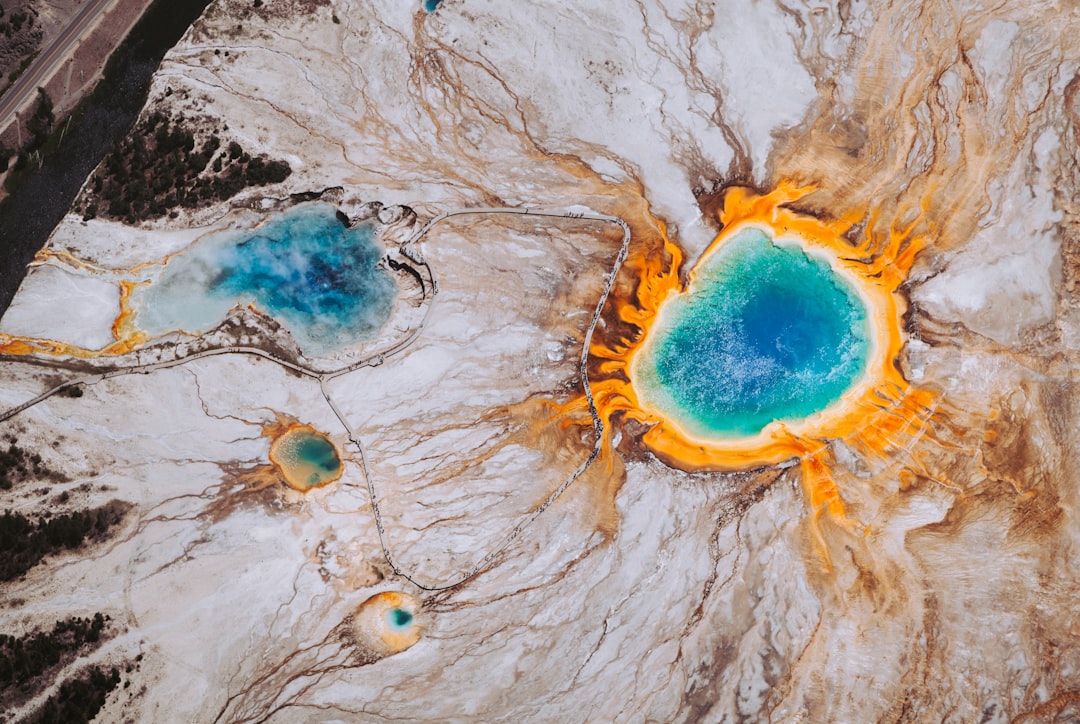
Let’s get the obvious out of the way: July in Yellowstone means lineups at the gate, full parking lots at Old Faithful, and boardwalks so thick with selfie sticks you can barely see the thermals. The park sees over a million visitors in July alone. By mid-September, that number drops by roughly 60%. What that looks like in practice: you pull up to Grand Prismatic Spring’s overlook and there are maybe eight other people there. You eat lunch at a table by yourself at the Old Faithful Inn dining room. You drive the upper loop without getting stuck behind a line of RVs crawling at twelve miles per hour.
The trade-off, of course, is that the park begins shutting things down. Most lodges and visitor centers start reducing hours after Labor Day, and by early October some roads close entirely. But in that sweet spot — roughly September 5th through the 25th — you get full road access, functioning services, and crowd levels that feel like a VIP pass. The late August window I wrote about earlier is great, but September in Yellowstone is even better — the weather has cooled, the wildlife is more active, and the aspens have started to turn.
The Elk Rut: Nature’s Most Ridiculous Sound Show
If you’ve never heard a bull elk bugle, imagine someone blowing across the top of a beer bottle while simultaneously operating a steam whistle. It’s otherworldly. The sound carries for miles across the valley, and it’s the bull’s way of telling rivals to back off and cows to pay attention. The rut kicks off in early September and peaks around the third week of the month.
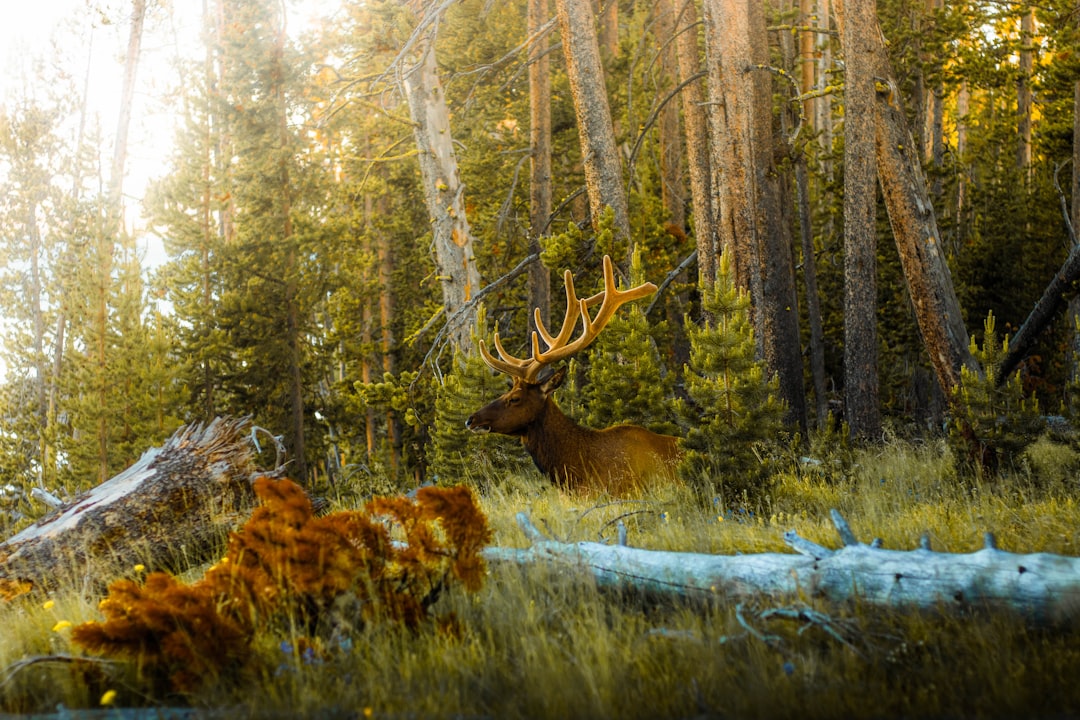
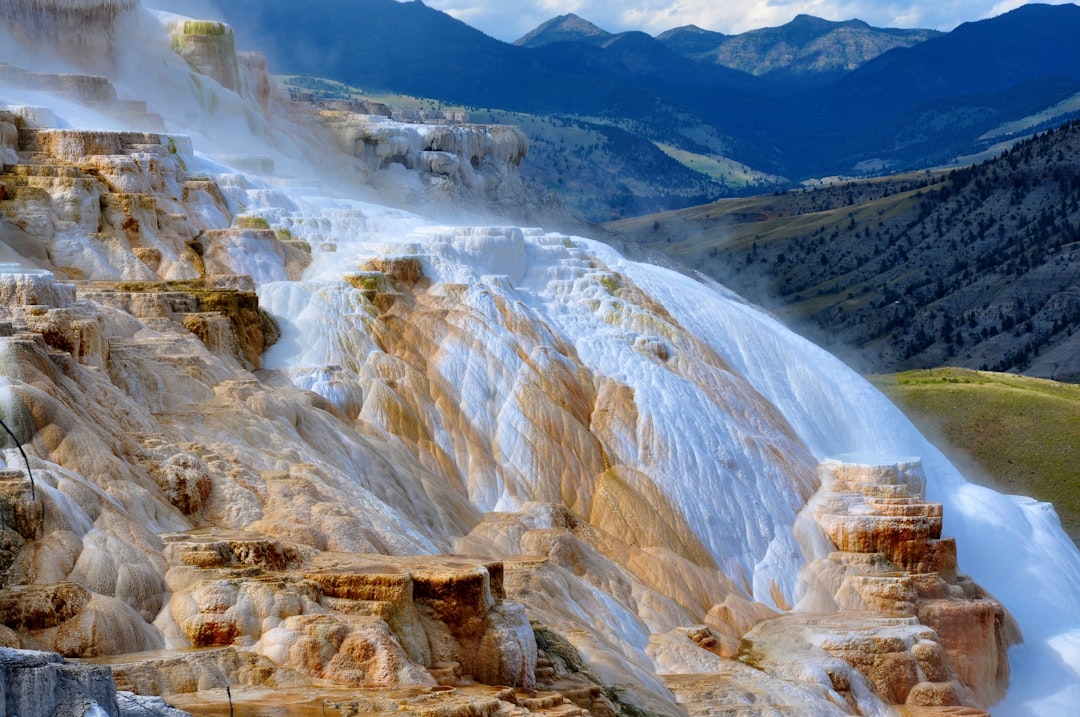
The best spots to watch and listen are Mammoth Hot Springs (the elk literally wander through the village), the Lamar Valley — often called America’s Serengeti — and Madison Junction, where large herds gather in the meadows along the river. Our team’s favorite strategy is to be in position 30 minutes before sunrise. The bugling intensifies at dawn, and the low angle of the autumn light makes for spectacular photography. A solid pair of 12×42 HD binoculars with a phone adapter will get you close-up footage without disturbing the animals. Stay at least 25 yards from elk and always carry bear spray — September is also bear country, and the bears are busy gorging on berries before hibernation.
Fall Color in the Thermal Zones
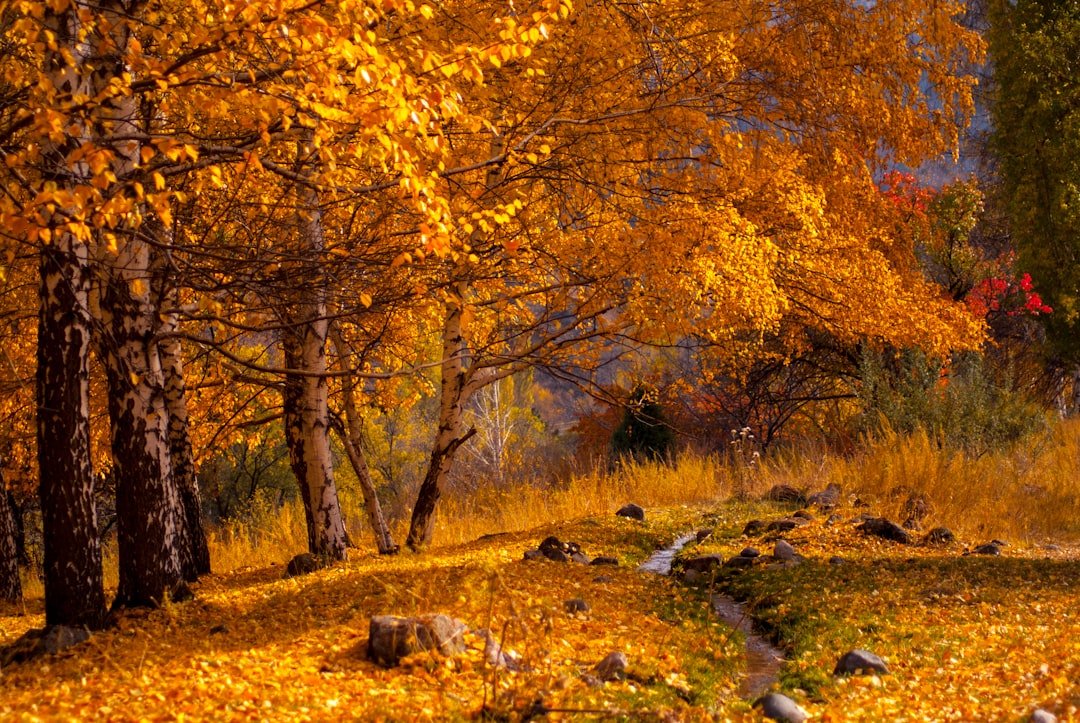
Most people associate fall color with New England or the Rocky Mountain aspens of Colorado. Yellowstone’s version is more subtle but no less striking. The aspens in the park turn gold starting in mid-September, and they cluster along the creek bottoms and valley floors — which means you get golden leaves framing a steaming geyser basin or reflecting in the Firehole River. It’s a combination of scenes you can’t replicate anywhere else on the continent.
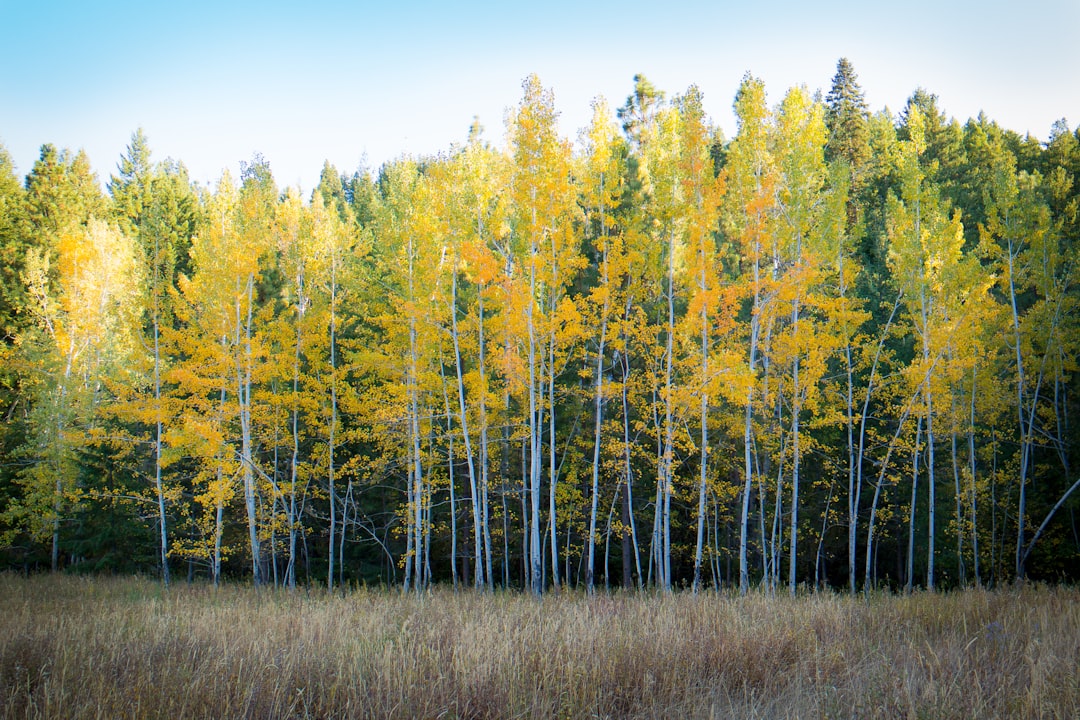
For the best color, drive the road between Norris and Madison, and don’t skip the Firehole Canyon Drive — it’s a two-mile one-way detour that threads between golden cottonwoods and the river. If you’re planning a broader fall road trip, you can combine Yellowstone with the Blue Ridge Parkway foliage route on opposite ends of the season, since the Smokies peak weeks later.
The Wildlife Shift: Bears, Bison, and Wolves on the Move
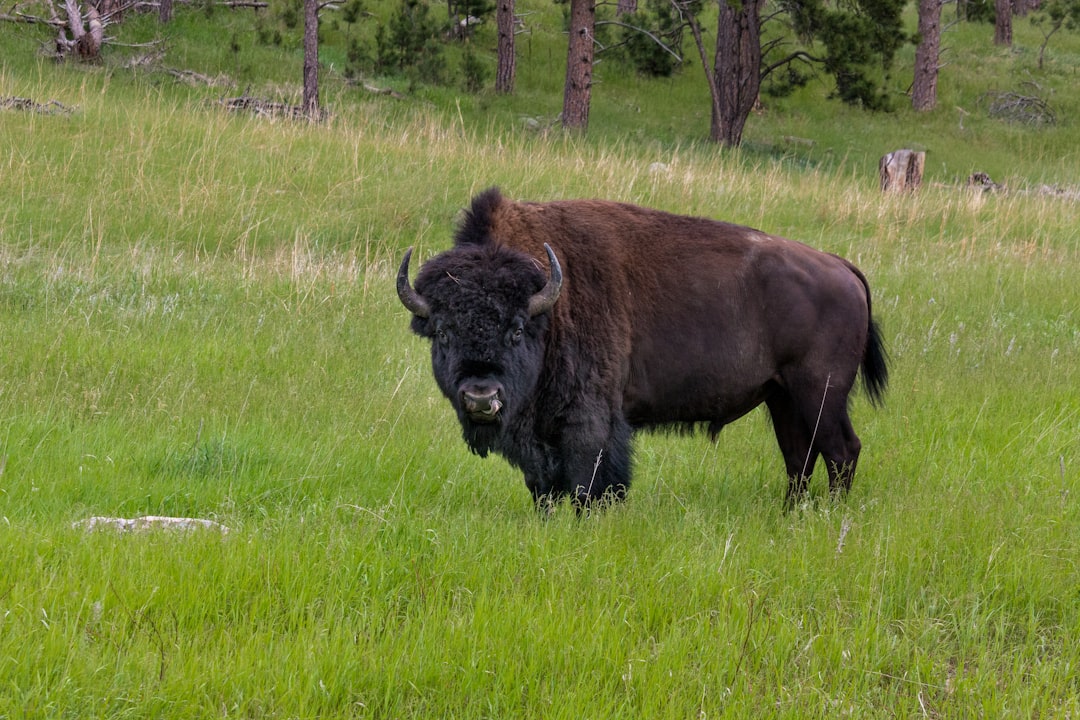
September is arguably the best wildlife month in the park. Summer’s heat has faded, and animals that spent August resting in shade are now actively feeding and moving. Bison are in the rut too — the big bulls are still with the herds, and the sound of two males clashing horns in a dusty meadow is something that stays with you.
Grizzly bears move to lower elevations in September, following the whitebark pine cone crop and berry patches. This increases your chances of seeing one — especially in the Lamar and Hayden valleys — but it also means you need to be more careful. Make noise on trails, hike in groups, and keep that bear spray accessible on your belt, not buried in your pack. For footwear, I switched last fall to waterproof trail running shoes and they handled everything from wet boardwalks to muddy trails around the geyser basins without complaint.
Wolves are most visible in winter, but September mornings in the Lamar Valley still produce sightings if you’re out early enough and patient. Bring that good optics and a thermos of hot coffee — a vacuum-insulated 16-ounce tumbler will keep it hot for hours in 30-degree weather, which matters more than you’d think when you’ve been standing in a valley since dawn.
Weather and Packing: The 40-Degree Swing
Here’s where September trips live or die. The temperature in Yellowstone in mid-September can swing from 28 degrees at dawn to 72 by midafternoon — a 40-degree range that catches people off guard every year. Layering isn’t optional; it’s survival.
My system: a merino wool base layer top and bottom under hiking pants and a long-sleeve shirt, a fleece mid-layer, and a packable lightweight puffer jacket I can stuff into my daypack when the sun comes up. The merino wool is the unsung hero here — it regulates temperature, doesn’t hold odor even after three days of wear, and wicks sweat during the midday warm-up. My partner runs cold and swears by the women’s heavyweight merino set for early-morning wildlife watches.
Carry a rechargeable headlamp for pre-dawn hikes — sunrise comes late in September (around 7:00 AM), and the trails are dark under the tree canopy. Pack everything in a 30-liter daypack with a rain cover because afternoon thunderstorms are still common, and a wet September hike without raingear is miserable. For the drive between trailheads, I keep a leak-proof travel mug clipped to my pack — it’s survived being knocked around the van for two weeks straight.
The Geyser Basins in Cool Weather: Steam Worth Chasing
Here’s something nobody tells you: geysers are more dramatic in cold weather. The greater the temperature differential between the thermal water and the ambient air, the more steam you get. In July, the steam at Old Faithful dissipates quickly. In September’s 35-degree mornings, it billows across the boardwalks in thick clouds that catch the low sun and glow. It feels like walking through a dream sequence.
Upper Geyser Basin has the highest concentration of active geysers in the world, and in September you can explore it almost alone. The team timed a visit to Grand Prismatic’s new overlook trail for 8:00 AM and shared the viewing platform with exactly two other hikers. A month earlier, that same platform would have had a 45-minute wait. For an even more surreal experience, Norris Geyser Basin — the hottest and most volatile in the park — puts on a incredible steam show when the temperature drops below freezing.
Practical Logistics: What to Know Before You Go
Lodging: In-park lodges start closing in late September, but most remain open through the first week of October. Book by July for the best selection. If in-park lodging is full, West Yellowstone and Gardiner have year-round hotels and are close to the main entrances. Camping is mostly first-come, first-served after Labor Day — we’ve never had a problem getting a site at Madison or Bridge Bay in mid-September.
Roads: All major park roads remain open through October, though temporary closures can happen during early snowstorms. The Beartooth Highway, which connects Red Lodge to the Northeast Entrance, is one of America’s most spectacular drives but often closes by mid-October due to snow — plan accordingly if you want to include it. For budget-conscious travelers, the Shoulder Season campground rates (typically 30-40% lower than summer) make September one of the most affordable times to visit.
Cell service: Essentially nonexistent except at the major developed areas (Old Faithful, Canyon, Mammoth). Download maps offline beforehand — the NPS app has offline maps for all national parks. Unlike Glacier, where timed entry reservations create headaches, Yellowstone has no reservation system for 2026. You just show up.
The Five-Day September Itinerary We Keep Coming Back To
If I had five days in Yellowstone in September, here’s how I’d structure it:
- Day 1: Enter via West Yellowstone. Hit Lower Geyser Basin (Fountain Paint Pot) and Midway Geyser Basin (Grand Prismatic) in the afternoon when crowds are minimal and the steam is rolling.
- Day 2: Upper Geyser Basin at dawn. Watch Old Faithful with maybe twenty other people. Hike the Observation Point loop for a bird’s-eye view of the basin. Afternoon drive to Yellowstone Lake.
- Day 3: Lamar Valley at sunrise for the elk rut and potential wolf sighting. Full day wildlife watching. Evening at Mammoth Hot Springs — walk the terraces in golden hour.
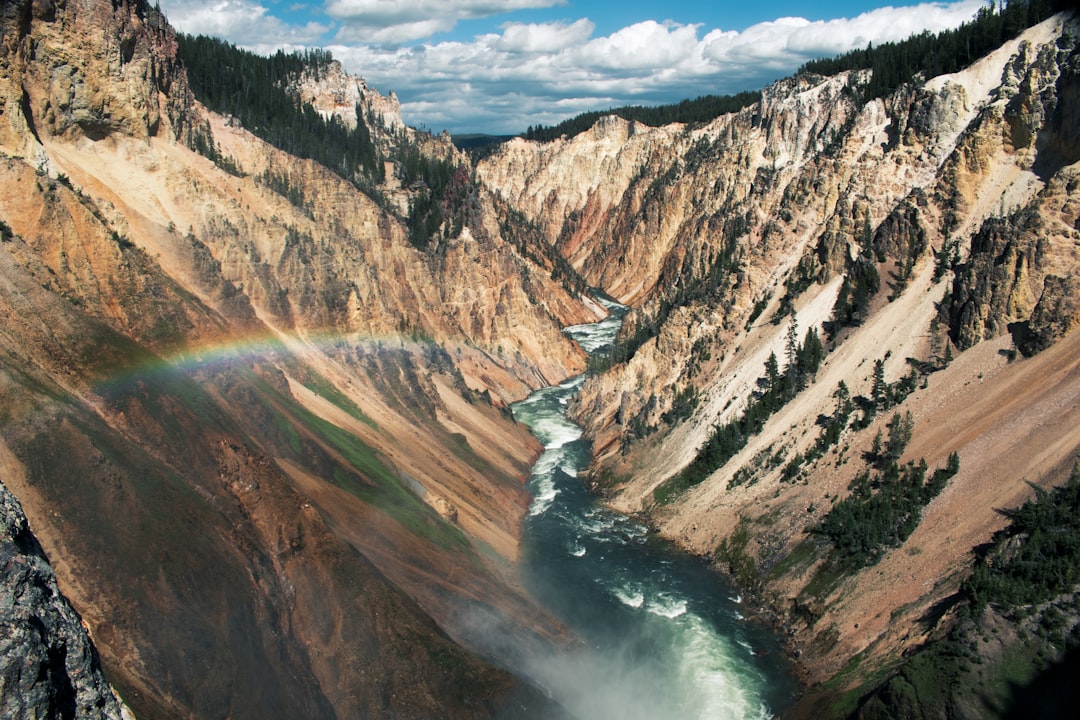
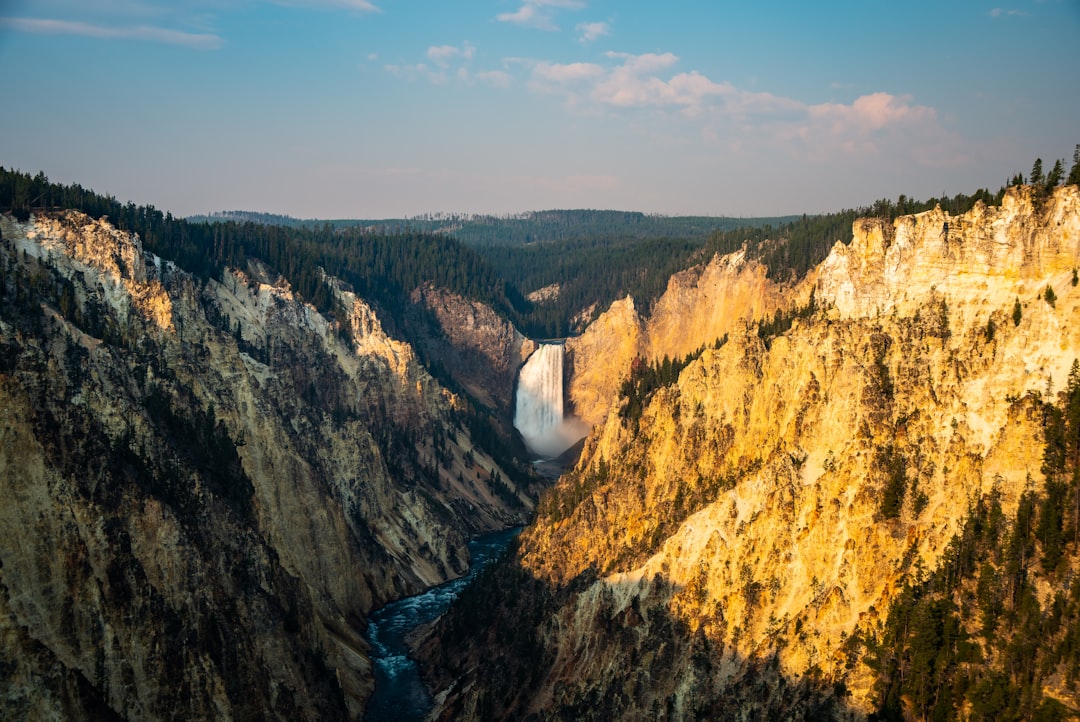
- Day 4: Canyon Village area. Artist Point for the classic view of the Lower Falls. Drive Hayden Valley for more wildlife. Hike a portion of the Howard Eaton trail if you have energy.
- Day 5: Norris Geyser Basin early. Finish any sections you missed. Exit via the appropriate gate for your route home.
The Bottom Line on September in Yellowstone
Every time I visit Yellowstone in September, I leave feeling like I got away with something — like I snuck into a sold-out show through a side door. The wildlife is at its most active, the thermal features are at their most dramatic, the crowds are at their thinnest, and the aspens add a golden filter to every photograph. The only catch is the weather, and that’s entirely manageable with the right layers and a little planning.
If you’ve been putting off your first Yellowstone trip because the summer horror stories scared you off, September is your answer. And if you’ve already been in summer and want to see the park in a completely different light — literally and figuratively — book a fall trip. Just don’t tell too many people. The empty boardwalks are the best part.
1 thought on “Yellowstone in September: Bugling Elk, Empty Boardwalks, and Why Fall Is the Park’s Best-Kept Secret”