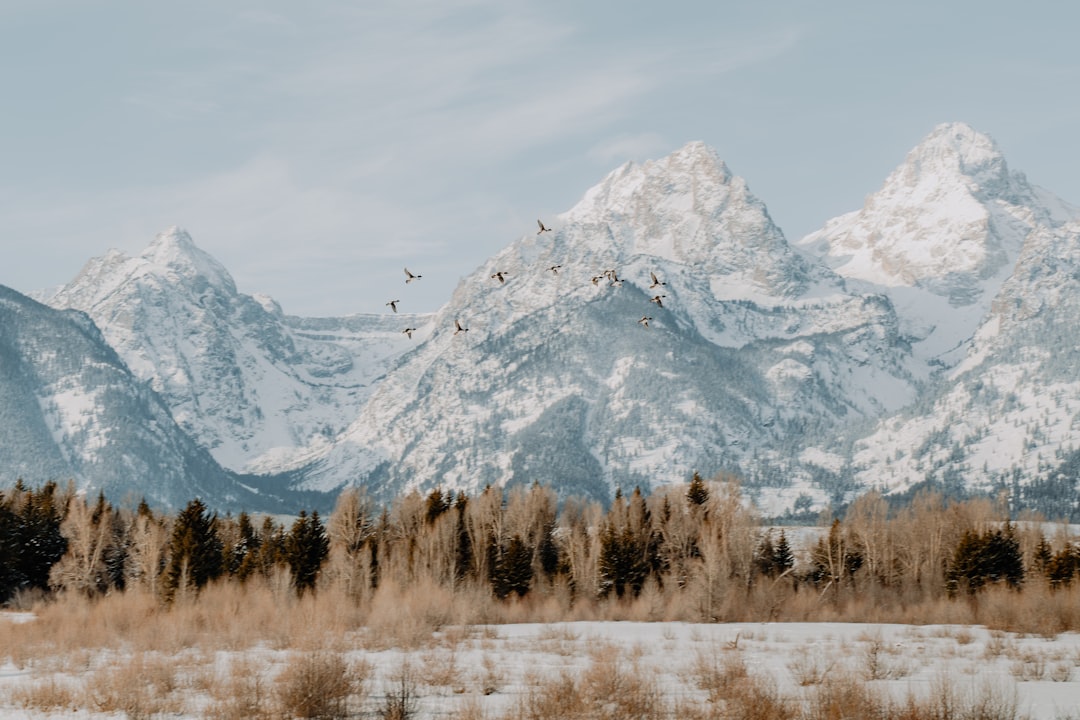
There’s a moment on the last Monday of August when Grand Teton National Park audibly changes gears. I’ve now been there for it twice — once from a campsite at Colter Bay, once from a rented cabin outside Kelly — and both times it felt like watching a theater clear out after the matinee. The buses leave. The line at the Jenny Lake boat dock shrinks from a hundred people to a dozen. And the park, all 310,000 acres of it, gets handed back to whoever bothered to stay past Labor Day.
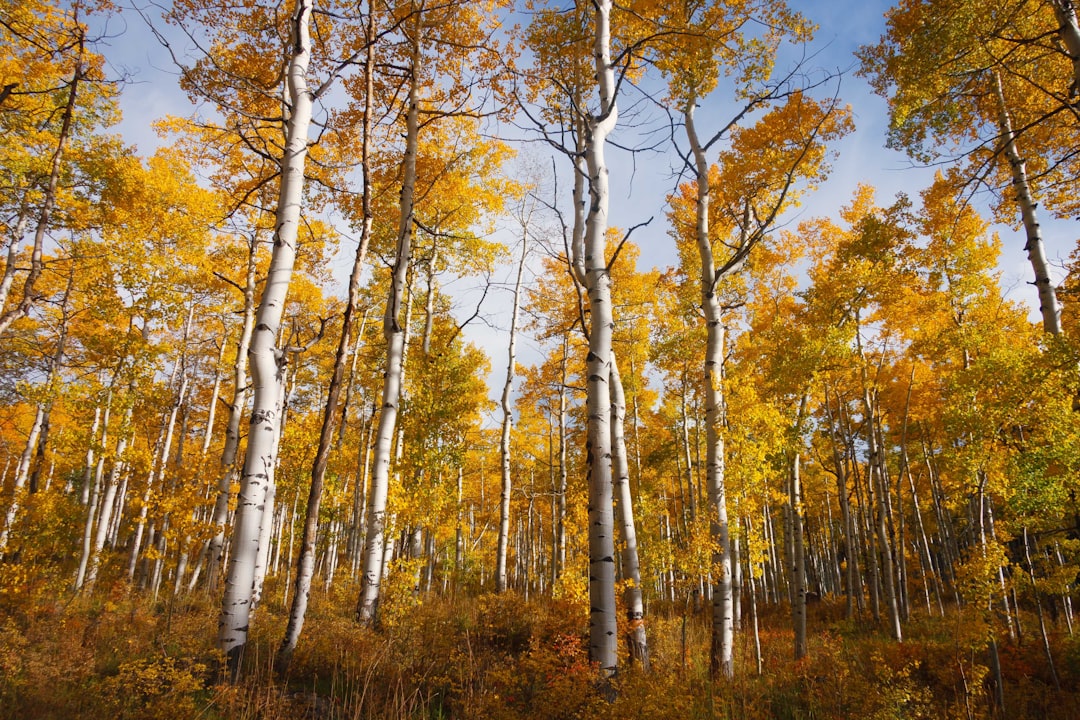
What fills the vacuum is the part nobody warns you about: September is when the elk start bugling in the meadows at dusk, when the aspens along Moose-Wilson Road turn the color of struck matches, and when you can stand at Schwabacher Landing at sunrise and share the whole mirror-still river with maybe four other people. My photographer calls it “the sweet spot month.” She’s not wrong, though after our most recent trip I’d argue it’s less a sweet spot than a full-on swap — summer’s crowds out, autumn’s wildlife in.
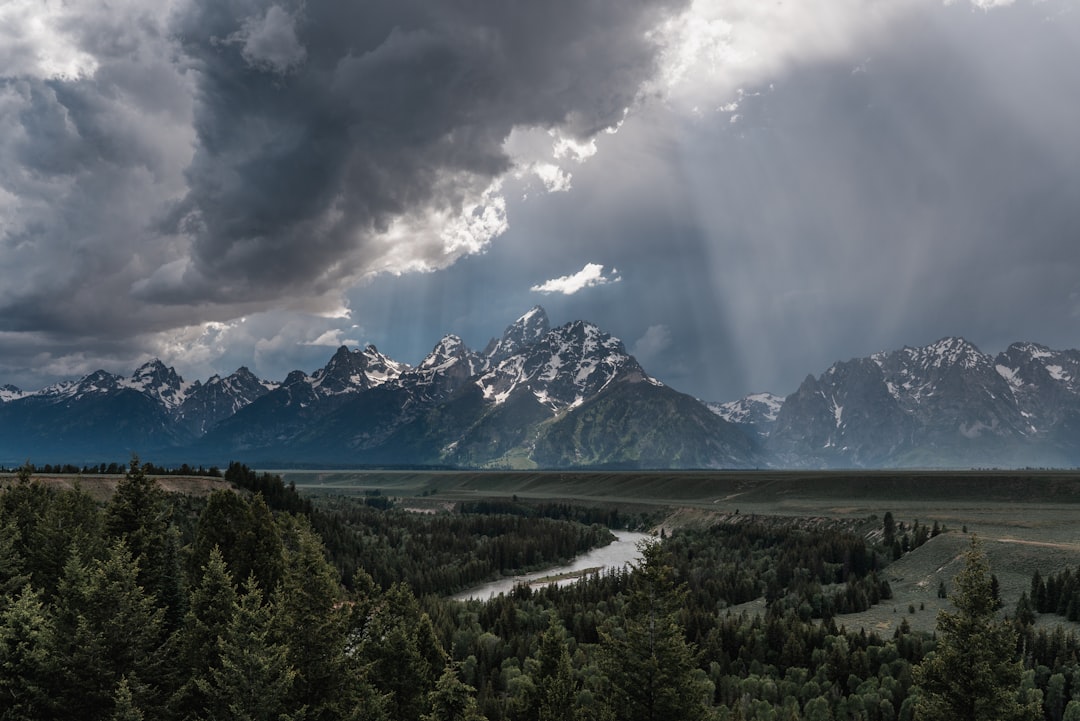
What September Actually Looks Like Here
Let’s start with the practical stuff, because the romance of “empty park, golden light” collapses fast if you pack like it’s still July. Daytime highs in September hover around 70°F early in the month and slide toward the upper 50s by the end. Overnight lows dip to freezing — sometimes below it. I woke up to frost on the windshield on September 19th last year and was hiking in a T-shirt by ten. That 40-degree swing is the defining weather fact of the month, and everything you pack should answer to it.
Crowds are the other number worth knowing. Park visitation historically craters somewhere between 30 and 50 percent once school starts, while roads, campgrounds, and the boat shuttle across Jenny Lake keep running into early October. What that means on the ground: trailhead parking that required a 7 a.m. arrival in August is half-empty at 9, and you can get a table at Dornan’s in Moose at dinner without a wait. One of my researchers pulled the recreation.gov data before our trip and found even the ranger-led programs had open slots the same week they’d been sold out all summer.
The other thing September does: it ends the ambiguity about what the park is for. In July, Grand Teton is a scenic drive with a mountain attached. In September, it’s a wildlife park that happens to have one of the most photographed skylines in North America running down its western edge.
The Elk Rut Is the Whole Show
Somewhere around the second week of September, the bull elk of Jackson Hole lose their minds in the best possible way. They’ve spent the summer growing antlers the size of furniture, and now they spend their evenings bugling — that eerie, rising whistle-scream that sounds like something between a raptor and a rusty gate — while gathering cows into harems and running off challengers. The first time I heard it, at dusk in the meadows near Elk Ranch Flats, I genuinely stopped walking. It’s a sound that rearranges your understanding of what an American meadow at dusk can contain.
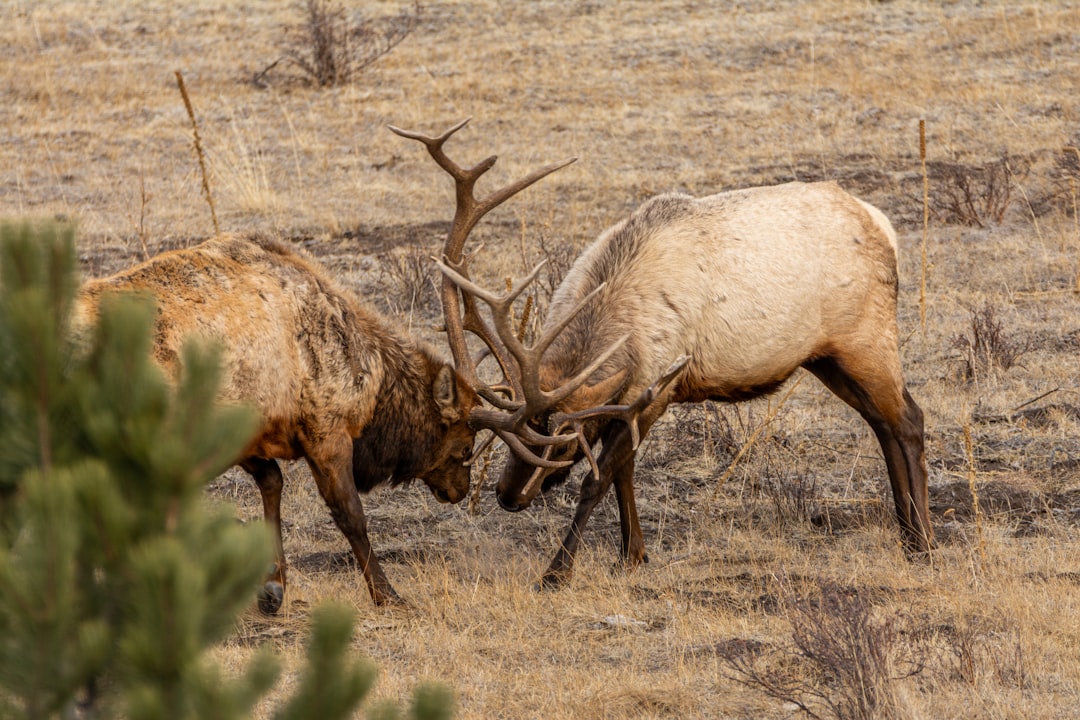
The etiquette here matters, so let me be direct: these are 700-pound animals running on hormones and three weeks of poor eating, and every September somebody treats them like a petting zoo. Stay at least 25 yards away — 100 if you’re between a bull and his harem, which you should never be. Bring optics instead of footsteps. I keep a pair of Vortex Triumph HD 10×42 binoculars in the door pocket now, and they’ve paid for themselves in wildlife minutes alone. My photographer upgraded to a 12×42 set with a phone adapter and tripod mount, which lets you digiscope decent video from a respectful distance — her rut footage from the National Elk Refuge side last fall looked like she’d been hiding in the sagebrush for a week. She was standing next to the car.
Best bets for bugling without the bumper-to-bumper wildlife jam: Elk Ranch Flats and the meadows along the Elk Ranch spur road at dawn and dusk, and the open sage along the inner park road north of Moran Junction. Oxbow Bend gets the famous crowds for sunsets; the elk don’t care about the crowds, but you might.
Moose-Wilson Road, Done Right
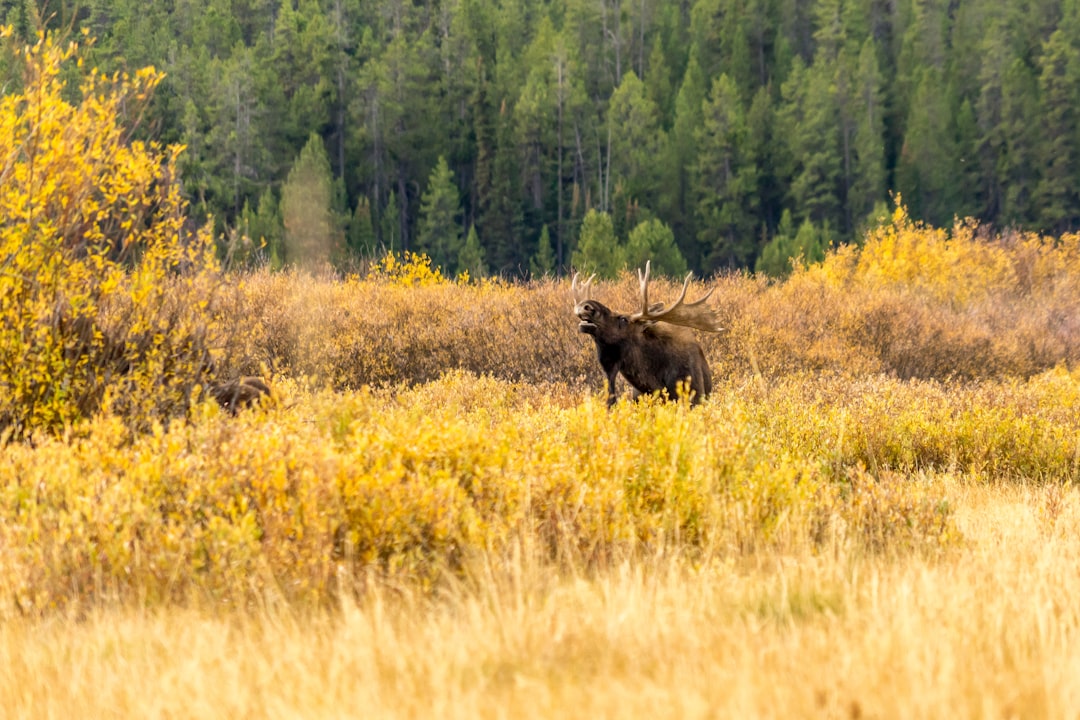
If the elk rut is the headliner, Moose-Wilson Road is the venue everyone underestimates. This narrow, partly-gravel road between Teton Village and Moose is the park’s willow-and-wetland corridor, and in September it’s the most reliable moose habitat within a hundred miles. We counted four in a single morning drive last year — a bull, two cows, and a calf browsing the willows like the whole road existed for their benefit, which, ecologically speaking, it does.
Two warnings. First, the road closes intermittently when bear activity spikes — the berry crop along Moose-Wilson is a grizzly buffet in early fall, and rangers will shut the whole stretch without ceremony. Check at the Craig Thomas Discovery Center before you plan your morning around it. Second, drive it early. The pullouts fill by mid-morning even in September, and a moose jam on a gravel road is nobody’s favorite experience. Go at 7 a.m., go slow, and if you’re walking any of the trails off the road, make noise. This is bear country, and the Frontiersman MAX bear spray rides on my hip strap from trailhead to trailhead — September is exactly when grizzlies are bulking up for winter and covering serious ground doing it.
Trails That Finally Breathe
Here’s the September trade most summer visitors never discover: the high country is still open, and the trails leading to it are suddenly quiet. The Cascade Canyon trail out from Jenny Lake — boat shuttle across, then up the canyon — is a march in August and a walk in late September. Taggart and Bradley Lakes, the classic first hike for most visitors, went from “conga line” in July to maybe a dozen parties on a weekday morning when we did it on September 21st. Amphitheater and Surprise Lakes out of Lupine Meadows is another one that thins out beautifully; the aspens at the lower elevations start turning while the huckleberry slopes above them are still green.
Two tactical notes. Sunrise comes late enough in September (around 6:45 a.m. by mid-month) that an early start no longer requires misery, but it’s still dark enough that a real rechargeable headlamp matters — the parking lots and the first mile of most trails are unlit, and phone flashlights are how people step on things they shouldn’t. And afternoon thunderstorms, while rarer than in July and August, still happen; the standard pattern is clear mornings and building clouds by 2 p.m., so structure your day around the window. Summit, viewpoint, or meadow by early afternoon; wildlife watching and driving after.
The Water, While It’s Still Liquid
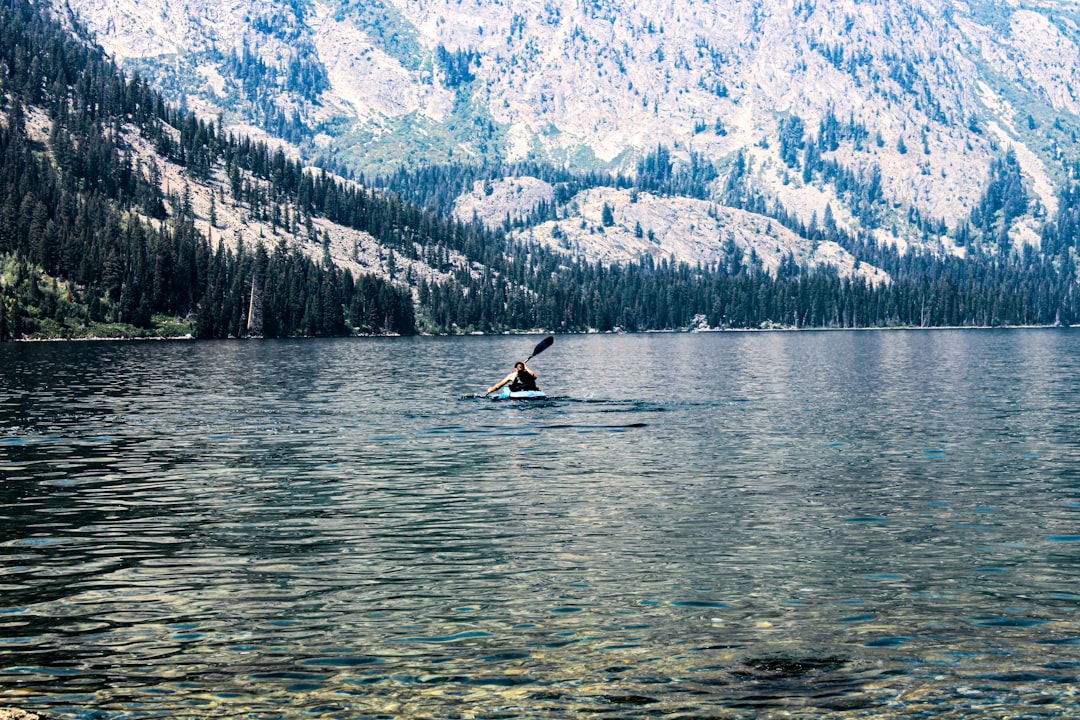
September is the last call for Grand Teton’s water, and locals know it. The Jenny Lake boat shuttle runs into early October, and the calm-water paddling on String and Leigh Lakes hits its annual peak — fewer motorboats, glassier mornings, water still warm enough that a capsize is embarrassing rather than dangerous. We rented a kayak for a morning on String Lake and had the northern shoreline nearly to ourselves, paddling over the kind of reflections that make photographers mutter. If you’re bringing your own boat, note the aquatic invasive species inspection requirements at the staging areas — they check every watercraft, including paddleboards, and the line moves faster in September too.
The Snake River float trips out of Jackson also run through early October, and fall floats have a feature summer ones can’t offer: the guide spends as much time narrating wildlife as geology. Oxbow Bend from the water at golden hour, with bugling somewhere in the distance, is about as good as this park gets.
A Photographer’s Month
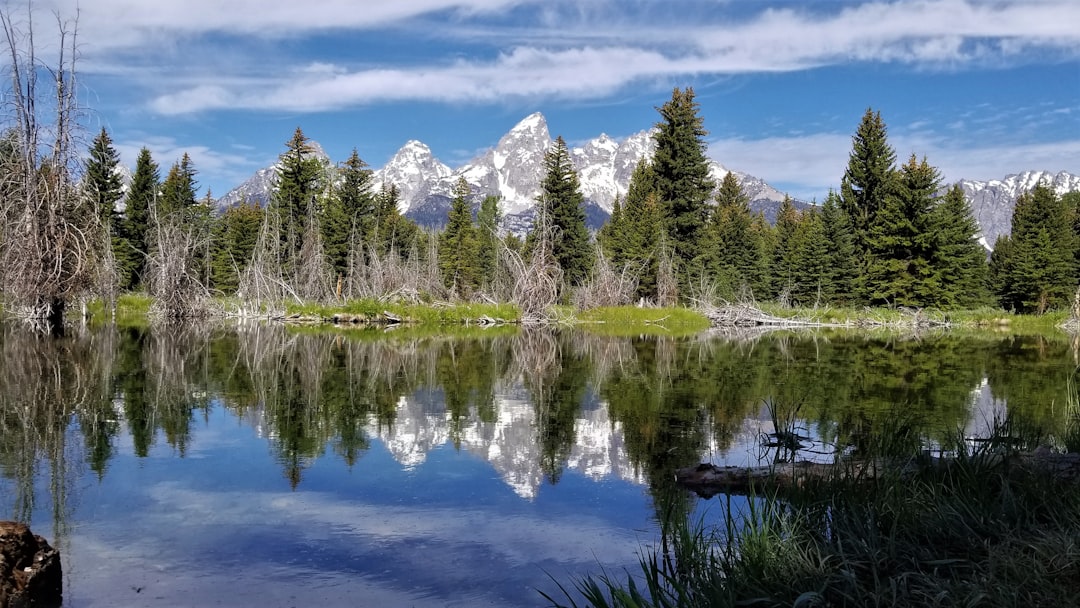
I’ll defer to my photographer on the details, but even a point-and-shoot tourist like me could tell September is the light season. The sun angle drops lower all month, sidelight hits the peaks by mid-morning instead of flattening them at noon, and the aspens and cottonwoods turn the valley floor into a gold backdrop. Schwabacher Landing at sunrise — the beaver ponds reflecting the full range — is the marquee shot, and in September you can actually get a spot at the waterline. Show up 45 minutes before sunrise; by the time the light hits the Grand, you’ll want your tripod set.
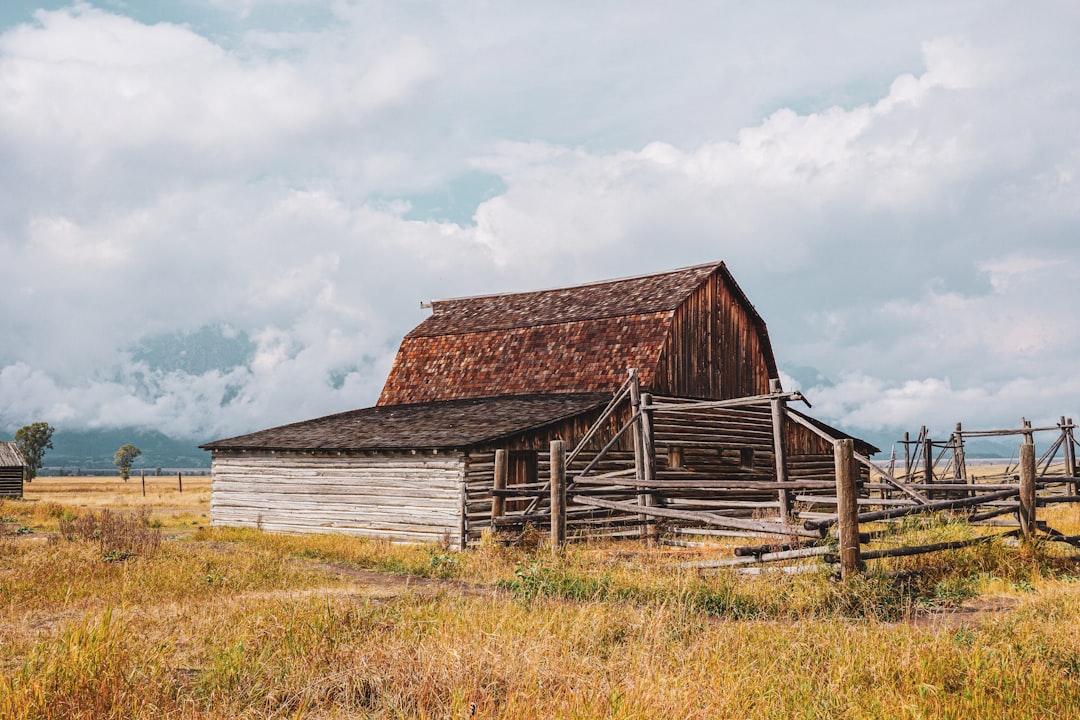
Mormon Row, the string of homestead-era barns east of the park boundary, is the other essential stop — the T.A. Moulton Barn with the range behind it is possibly the most photographed barn in America, and in September the light hits it with a warmth the summer haze used to erase. You don’t need pro glass to make it work, either. My backup camera last year was a Kodak PIXPRO FZ55 — a $70 compact I keep in the center console — and its sunrise frames from the barn held up fine for everything short of a large print. The serious work, as always, is in being there when the light is.
Packing for a 40-Degree Day
Every September trip here has taught me the same lesson about clothing: you will be dressed wrong twice a day, so build a system that forgives you. My current setup, refined over three falls: a merino base layer in the morning, a packable down puffer that stuffs into its own pocket once the sun’s up, and a windproof shell for the afternoons when 20 mph comes down out of the Tetons like it’s personally offended by your hat. Merino matters here more than in most parks — you’ll wear the same layers cold mornings and warm afternoons, and synthetics get aromatic by day three. If you run cold-handed like I do, a pair of merino touchscreen gloves saves you the bare-hand-and-phone dance at every frost-covered pullout.
The full merino base layer set is worth it if you’re camping; Colter Bay and Gros Ventre campgrounds stay open into late September, and nights below freezing are a guarantee, not a risk. One more cold-weather item people forget: an insulated bottle. The mornings are cold enough that plain water in a plastic bottle goes from refreshing to punishing, and a 40-ounce vacuum bottle of something warm has legitimately changed my sunrise experiences. Coffee at Schwabacher while the peaks turn pink is now a non-negotiable part of the itinerary.
Where This Fits in a Bigger Trip
Grand Teton in September pairs beautifully with its northern neighbor — Yellowstone’s own fall transformation is a 45-minute drive up the road, and I wrote about bugling elk and empty boardwalks up there earlier this summer. If you’re planning a wider shoulder-season swing, the logic from my late-August secret-window piece applies here in spades: the gap between “facilities fully open” and “crowds gone home” is the entire value proposition. On the other side of the country, I made the case that Colorado’s Million Dollar Highway peaks the same way in September, and if you want a lesser-known mountain escape to pair with the Tetons, Stanley, Idaho sits just over the Idaho line with a fraction of the traffic and most of the drama.
The Bottom Line on September
I’ve seen Grand Teton in every month except deep winter, and September is the one I’d defend in an argument. The park is fully operational but no longer overrun. The wildlife is doing the most interesting thing it does all year. The aspens and cottonwoods are turning, the light has gone golden, and the mornings are cold enough to make the coffee taste better. About the only thing you give up versus July is warm-water swimming, and frankly, String Lake in September is for paddling, not swimming.
Book lodging early anyway — the town of Jackson stays busy with fall visitors who know all of the above, and the good cabins outside Kelly and Moose go first. Bring layers, bring optics, bring bear spray, and plan your days around dawn and dusk like the wildlife does. September in the Tetons isn’t a secret. It’s just the month the park saves for people willing to pack a jacket.
1 thought on “Grand Teton in September: Bugling Elk, Gold Aspens, and the Crowd-Free Window Nobody Books”