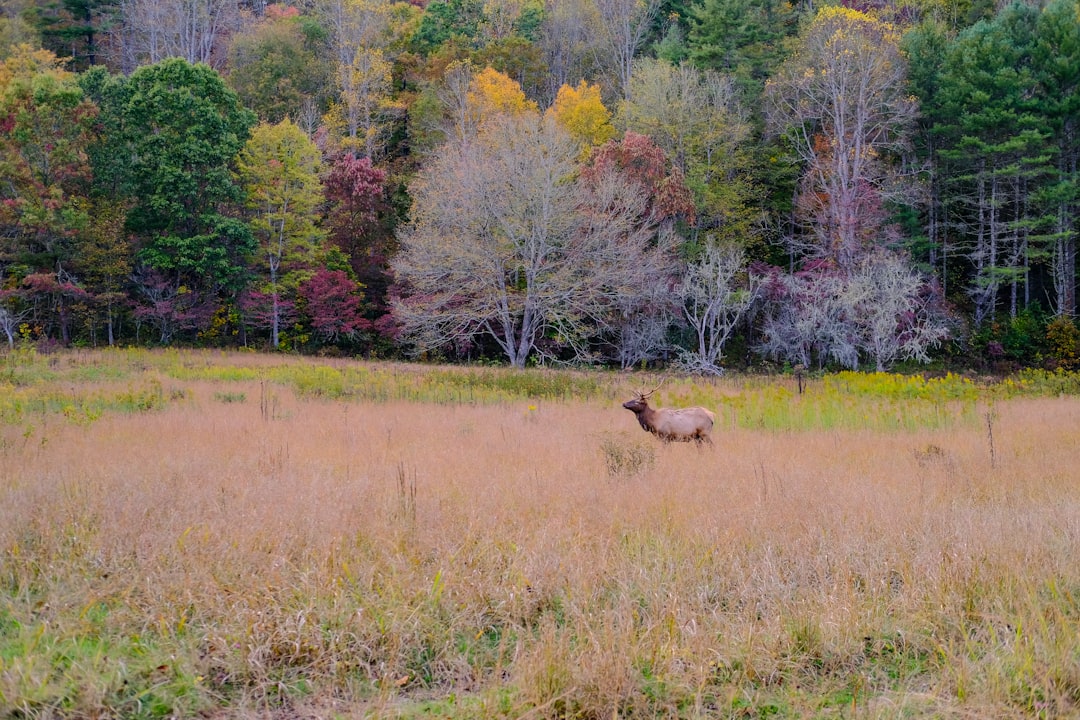
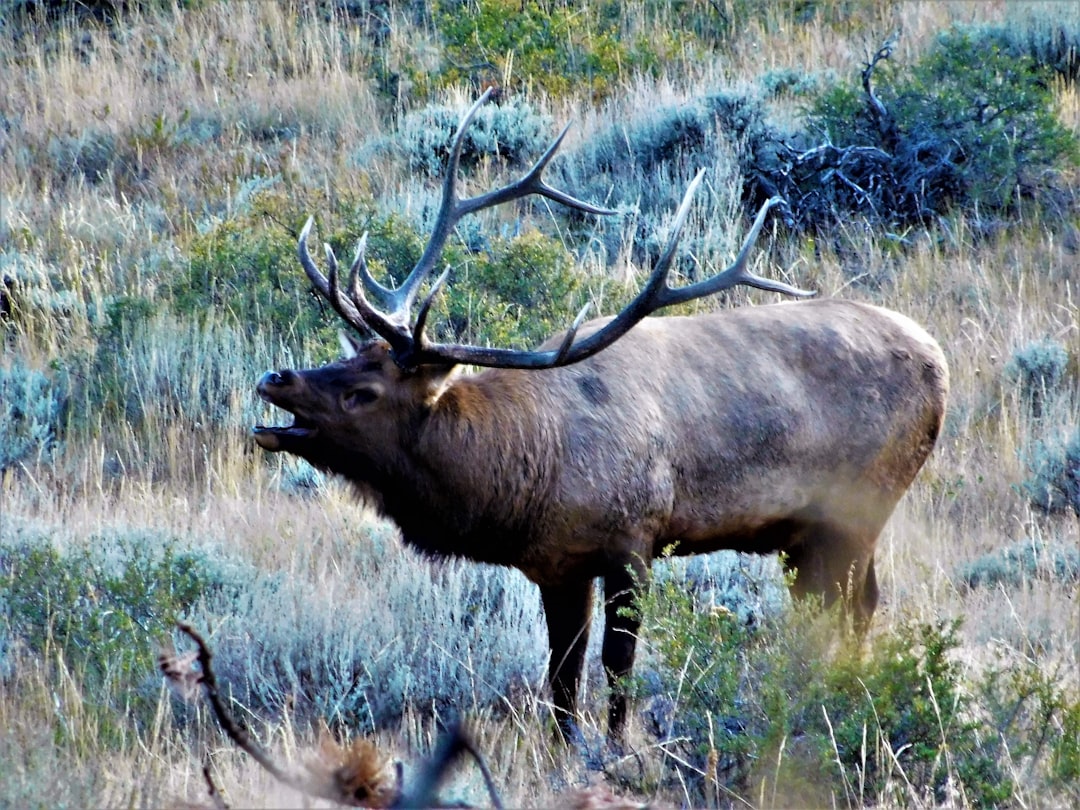
The bugle started as a whistle somewhere back in the timber, thin and almost electronic, like a kazoo played through a pipe organ. Then it broke open into a ragged scream that rolled across the sagebrush and hit me square in the chest. I was standing on the shoulder of a gravel road in the Madison Valley at 6:40 on a September morning, coffee still too hot to drink, watching a bull elk herd his cows through the frost with nothing but my naked eyes. He was four hundred yards away and shrinking. And I had left my binoculars on the desk at home because the pair I owned was too heavy to justify on a “short trip.”
That was two Septembers ago, and I’m still annoyed about it. It’s also the moment this whole obsession started. What followed was a months-long experiment, run with help from a couple of researchers on my team who logged more trail hours than I could manage alone, to answer one deceptively simple question: can a pair of compact binoculars that actually fits in a daypack deliver a genuine front-row seat to the best wildlife show North America stages all year?
Short answer: yes. Longer answer: some of them can, and the difference between the ones that can and the ones that can’t is not what the spec sheets would have you believe.
Why September Is the Month Wildlife Stops Hiding
Most travelers plan around scenery — foliage forecasts, wildflower windows, snowmelt waterfalls. Wildlife gets treated as a lucky bonus. That’s exactly backwards in September, when animals are running the loudest, most visible calendar of the entire year. The elk rut kicks off across the Rockies and peaks in the last two weeks of the month. Bull elk stop behaving like ghosts and start behaving like advertisers, bugling from dusk to dawn, smashing into each other in open meadows, completely indifferent to the people watching from the road.
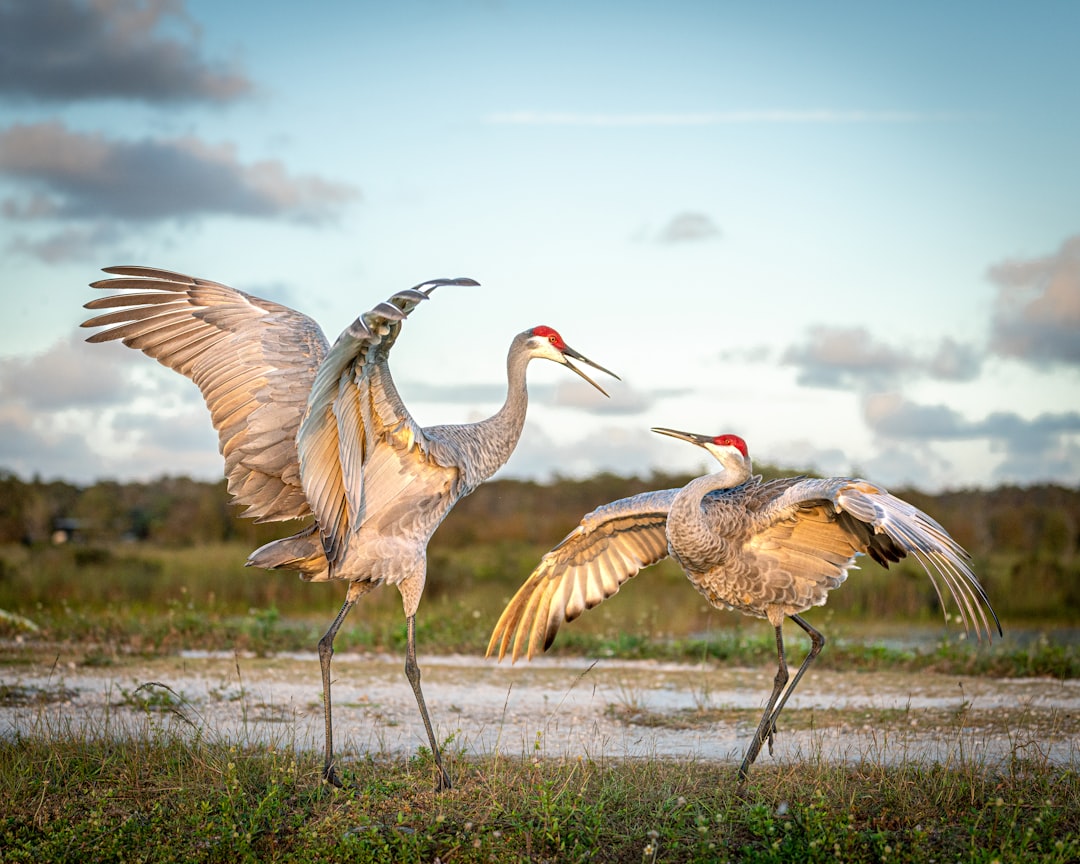
Birders already know what’s coming. Fall migration swells through September and October, moving billions of birds south through corridors that concentrate them into astonishing numbers. Sandhill cranes stage in river valleys by the tens of thousands. Warblers drip through the hedgerows. Shorebirds stack up on mudflats like departing flights. And off the coasts, whale watching hits a late-season stride before the boats haul out for winter.
The crowds, meanwhile, thin dramatically once school starts. I wrote about Grand Teton in September precisely because that window — bugling elk, gold aspens, empty pullouts — is the single best wildlife-and-crowd ratio I’ve found anywhere. The same logic applies to Yellowstone in fall and even to the Smokies after Labor Day, where the Cataloochee elk put on a show most visitors never schedule around. None of it means much without glass. A 400-yard elk is a brown dot. A 40-yard elk is a truck you should not stand next to. Binoculars are how you appreciate the first safely and find the second at all.
What Actually Matters in Travel Glass
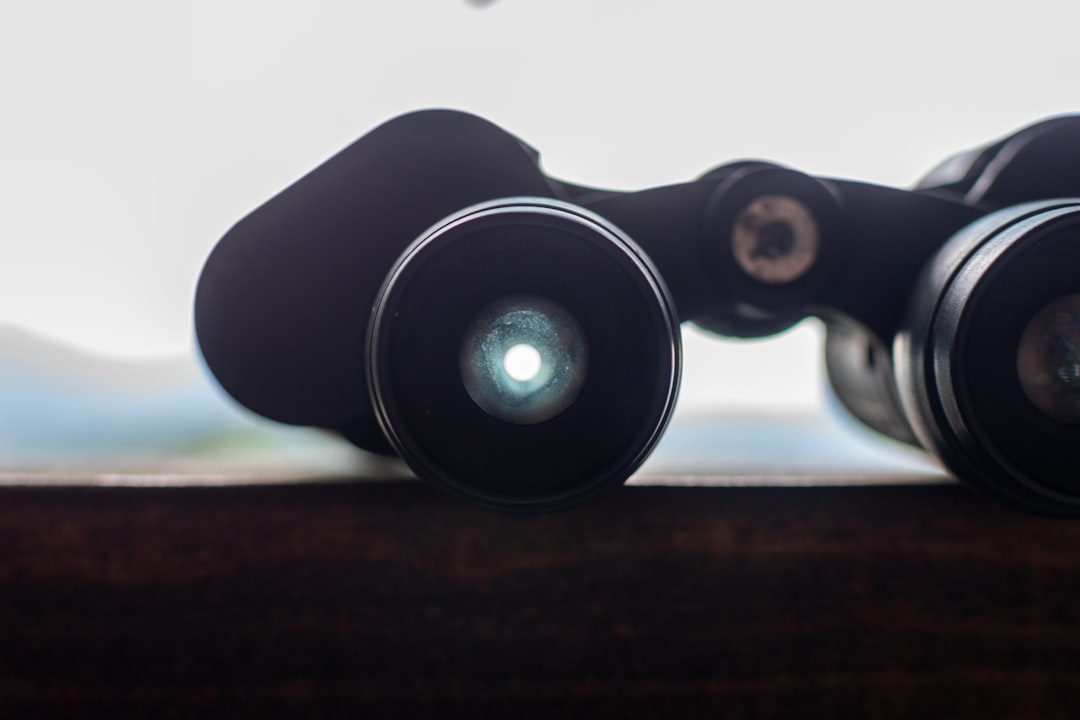
Before the field tests, we set ground rules. Whatever earned a spot in the pack had to weigh under a pound, survive a storm without a thought, and resolve enough detail at 150 yards to count antler tines. Everything on the list is an 8×25 or something close — the classic compact format — and that was deliberate.
Here’s the spec-sheet translation most buyers miss. The first number is magnification, the second is the width of the objective lens in millimeters. An 8×25 magnifies eight times and gathers light through a 25mm opening. Bigger objectives gather more light, which matters at dawn and dusk — exactly when elk and cranes are most active — but they cost you pocketability and neck comfort. Ten-power sounds better than eight on paper. In the field, handheld 10x amplifies every heartbeat and every shiver, and the smaller exit pupil makes finding and holding the image genuinely harder. For travel, eight power is almost always the right call, and my whole testing team independently converged on the same conclusion.
Waterproofing and fogproofing are not luxury features. September wildlife happens in frost, drizzle, and the mist that hangs off every river valley at dawn. Nitrogen-purged seals cost very little extra and separate the serious compacts from the toys.
The Budget Tier: What Twenty-Five Dollars Buys
We started at the bottom on purpose, because the bottom is where most people enter the hobby. The Hontry 10×25 compacts cost less than a decent camp dinner, and I genuinely wanted them to be good. At 30 yards on a bright afternoon, they kind of are — the cranes looked like cranes, and a friend’s kid spent twenty delighted minutes following geese. Push to 150 yards at 7 a.m., though, and the image goes soft, the colors wash out, and the focus wheel feels like stirring wet sand. They also fogged internally during one river-bottom morning. For a car kit or a pair you hand to children, perfectly fine. As your primary wildlife glass, they will quietly cost you sightings.
One small step up changes the math. The Celestron Outland X 8×25 is waterproof, nitrogen-purged, and noticeably sharper, for roughly the price of a tank gas top-off. It was the first pair in the test that made me say “oh, there’s the eye” while counting tines on a distant bull. The eyecups are basic and the low-light performance falls off a cliff after golden hour, but it never fogged, never slipped, and survived being dropped lens-down in gravel with nothing but a scratch on the armor.
The Sweet Spot: Three Pairs That Earned Their Keep
The middle tier is where compacts stop being a compromise, and where most travelers should shop. Three pairs rose to the top across roughly six weeks of testing spread between Montana sagebrush, a Nebraska crane staging area, and the Maine coast.
The Nikon Trailblazer II 8×25 became the unofficial staff favorite for one simple reason: it disappears. At ten ounces you forget it’s in a jacket pocket, the fold-down eyecups work with glasses, and the multilayer-coated optics punch far above the price. My most wildlife-obsessed researcher — the one who can identify a distant raptor by silhouette alone — called the image “honestly boring, in the best way,” meaning nothing about it fights you. That’s high praise for glass at this level.
The Pentax AD 8×25 WP is the sleeper. It’s been around for years, it costs about the same as the Nikon, and in side-by-side dawn tests it held brightness longer than anything else in its price class. The focusing knob is smoother than anything this cheap has a right to be. If your September plans lean toward those first-light and last-light wildlife windows, this is the one I’d point you toward.
Then there’s the pair that became a personality test: the Nocs Provisions Standard Issue 8×25. Rubber-armored, waterproof, ridiculously colorful, and priced right at the edge of the sweet spot. Optically it sits a half-step behind the Pentax at dawn. But it’s the pair that got grabbed first, every single time — light, friendly, tossable in a canoe bag or a kid’s backpack. If wildlife watching is a family activity in your house, this is the one that survives it.
The Splurge: When Zeiss Money Makes Sense
And then there’s the question everyone asks eventually: is the Zeiss Terra ED Pocket 8×25 worth roughly five times the price of the sweet-spot trio? Honest answer: it depends on how you’ll use the hours you’re given. The Terra ED Pocket is smaller than a sunglasses case, weighs ten ounces, and resolves detail the mid-tier pairs simply cannot touch in flat light. On a gray Maine morning it held a bright, contrasty image a full fifteen minutes past the point where the others faded to murk — fifteen minutes that happen to be prime feeding time on the water. For a birder chasing a lifelist or anyone whose trips revolve around the edges of the day, that’s a real return. For a traveler who glasses casually from scenic pullouts, the mid-tier pairs deliver ninety percent of the experience. I’d never tell someone the Zeiss is a rational necessity. I’d also never give mine back.
Field Notes From Three September Weekends
Specs are one thing. What follows is what actually happened when the glass met the season. Weekend one was elk duty in the Madison: the Nikon and the Pentax both resolved antler tines cleanly at 300 yards, and the Pentax’s dawn brightness edged ahead during the 6:15 bugle chorus. Weekend two put us in a river valley among staging sandhill cranes, where the Zeiss turned a distant gray line into individual birds preening, dancing, and bullying each other over corn stubble — the mid-tier pairs got the scene, the Zeiss got the personalities. Weekend three was coastal, scanning for whales and gannets from headlands, where image steadiness mattered more than resolution and every 8x in the test outperformed the shaky 10x budget pairs by a comically wide margin.
We logged one equipment failure all season: a cheap no-name pair donated for sacrificial testing gave up after a dunk in tidal pools. Everything nitrogen-purged came through salt spray, frost, and one memorable thunderstorm without a whisper of internal fog. Buy sealed glass once and this category basically never needs replacing.
The Accessories That Changed How I Carry
Two small purchases improved the experience more than I expected, and one is nearly free. The Vortex binocular harness strap moves the weight from your neck to your shoulders and keeps the glass from swinging during scrambles. If you’ve ever had binoculars thump against your chest on a steep downhill, you already understand. Compacts barely need the support, but on all-day wildlife days the harness means you actually keep the binoculars out and working instead of stowed and forgotten.
The second is the tridaptor phone digiscoping adapter, which clamps your phone’s camera over an eyepiece. The results will not be mistaken for a telephoto lens, but capturing a usable phone photo of a bugling bull or a crane flock — the moment, not the museum print — turned out to be the thing my group texted around afterward. For families, it’s the difference between kids watching wildlife and kids documenting it, which is somehow the difference between five minutes of interest and an hour.
The nearly-free one: a Nikon lens pen, ten-odd dollars, lives in the same pocket as the binoculars. September air is full of dust, pollen, and marsh grit. Thirty seconds of cleaning before a big glassing session is routinely the difference between a crisp image and wondering why everything looks like it’s behind a screen door.

What’s in My Pack Now
After six weeks and three regions, here’s where I landed. The Pentax AD 8×25 WP lives in my daypack full-time — it’s the best brightness-per-dollar in the test and my default for dawn work. The Zeiss Terra ED Pocket comes on trips where wildlife is the headline rather than a footnote. My niece has claimed the Nocs, a coup I fully endorse. And a sub-$25 Hontry rides in the glovebox as the pair I can lose to a river crossing without grief. That’s the real secret of this category: once you stop asking one pair to do everything, you can cover every scenario for less than the cost of one flagship full-size binocular.
Where to Point Them This Fall
If you’re building a trip around the new glass, aim it at the rut. The Greater Yellowstone ecosystem in mid-to-late September is the stage the commercials are made of, and the crowds are a fraction of August’s. Further east, the Smokies’ Cataloochee Valley runs a smaller but equally committed rut scene amid early color. For birds, pick any major flyway staging area — Nebraska’s Platte River for cranes in spring, but river valleys and wildlife refuges across the Midwest and East stack up warblers, raptors, and waterfowl all through October. And if you want wildlife with a salt breeze, the same logic that makes Cape Breton’s Cabot Trail spectacular in October — lingering whales, staging gannets, nobody around — repeats on headlands from Maine to the Olympic coast.
Stand still, keep the wind in your face, give the meadow twenty patient minutes before you decide it’s empty, and carry glass you’ll actually have with you when the screaming starts. Twelve ounces, front row. That frosty morning two years ago, I watched the whole performance as a rumor in the sagebrush. This September, I’ll be close enough to count the tines — and I won’t be carrying a single excuse.
4 thoughts on “Twelve Ounces to the Front Row: The Compact Binoculars That Own September’s Wildlife Show”