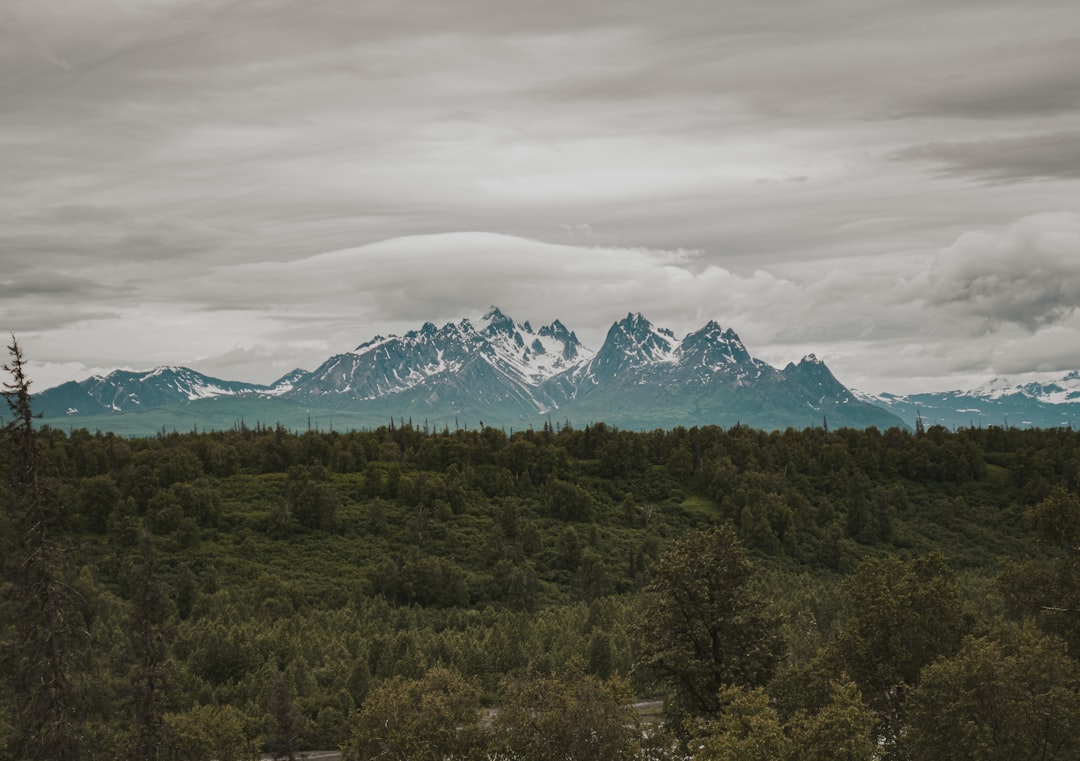
For eleven days in Alaska last month, my tripod and I fought a war I was losing. I’d set the timer, sprint into position on some glacial outwash plain, and capture exactly one frame of myself looking like a man interrupted mid-jog. My team’s photo editor reviewed the haul after day three and said what everyone was thinking: “You needed a camera that follows you, not a camera that waits.”
Here’s the confession, though. I’m a travel writer who has spent a decade dodging drones. They looked like homework — registration paperwork, two-stick controller skills, a YouTube university of tutorials just to avoid clipping a spruce branch. Then one of my researchers, tired of my whining, dropped a 192-gram folding camera on the dashboard of our rental truck and said, “It launches from your palm. There are no sticks. You press one button.” That device rewired how I shoot trips, and it turns out the barrier I’d feared for years barely exists anymore — as long as you stay under one very specific number.
Why I Spent Years Dodging Drones
My excuses were sturdy ones, and I’d like to dismantle them publicly in case you’ve built the same wall. First, the paperwork fear: I assumed every flying camera meant registering with the FAA like some hobbyist airline. Second, the skill fear: watch any drone crash compilation and you’ll see why beginners hesitate — these things eat tree lines. Third, the bulk: the “travel” drones I’d seen packed into cases the size of a small cooler, which is a hard sell when your carry-on is already a science experiment.
All three objections collapsed at once. The current generation of pocket selfie drones weighs less than a can of soup, needs no controller, and in several cases costs less than a decent lens filter. The category basically asked: what if the drone were the tripod, the cameraman, and the crane operator, and you were just the subject?
The 250-Gram Line That Changes Everything
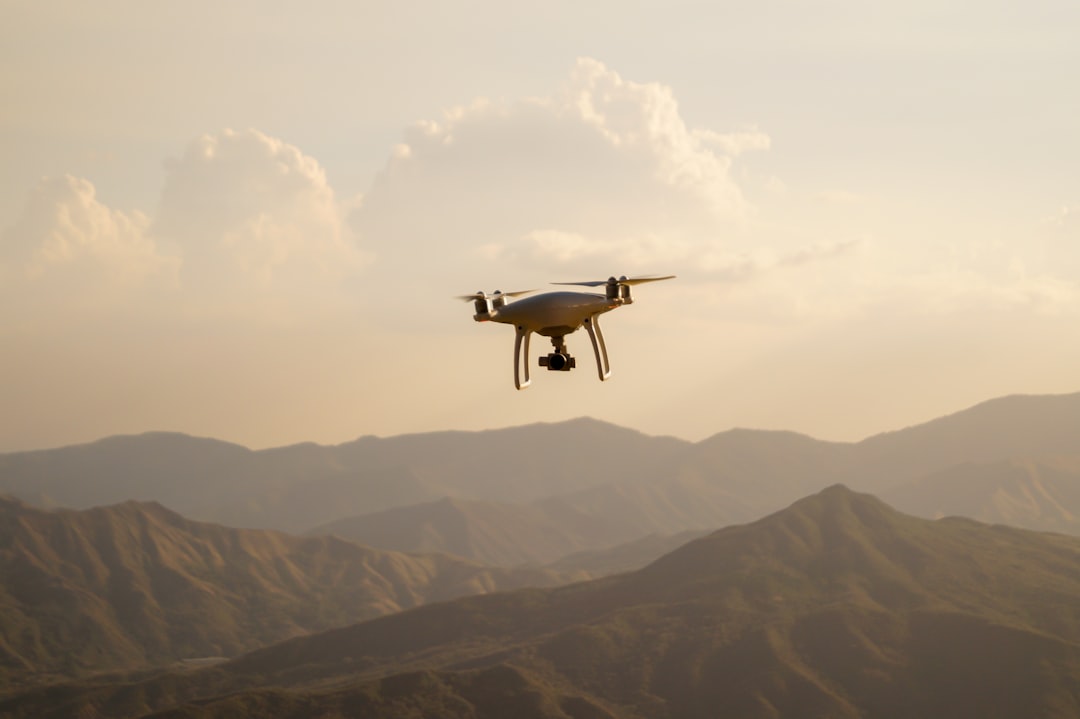
Under FAA rules for recreational flying, drones weighing under 250 grams (0.55 pounds) don’t require registration. That single threshold is why an entire product category exists below it, engineered like Formula 1 teams chasing a weight limit. The HOVERAir X1 PROMAX I flew in Alaska sits at 192 grams — folded, it genuinely fits in a jacket pocket, and no registration number ever gets stamped on it.
Two honest footnotes, because I refuse to be the writer who skips them. If you fly recreationally at any weight, the free online TRUST safety test takes about fifteen minutes and is legally required — it’s painless, so just do it the night before your trip. And if you ever sell footage or use it commercially, different rules (Part 107) apply regardless of weight. For a traveler documenting their own trips, though, sub-250g recreational flying is beautifully frictionless.
A Drone With No Sticks, No Screens, No Stunts
What makes the PROMAX approachable isn’t just the weight — it’s that you never fly it in the traditional sense. You unfold it, rest it on your open palm, pick a mode on the device itself or in the phone app, and it does the piloting. There’s no controller to learn, no joysticks to panic-grip. Ten-plus automated flight modes handle the camera work: hover-and-track while you walk a ridgeline, orbit around you at a set radius, the dramatic zoom-out reveal, a bird’s-eye shot that climbs straight up like a periscope. It follows at up to 26 mph, which comfortably covered our truck on a gravel road and one memorable stretch of sea kayaking.
The camera earned my respect fast: an 8K sensor that produces footage I’ve had friends assume came from a crew with a bag of lenses. On a big screen, the detail in a braided glacial river holds up like a postcard you can zoom into forever.
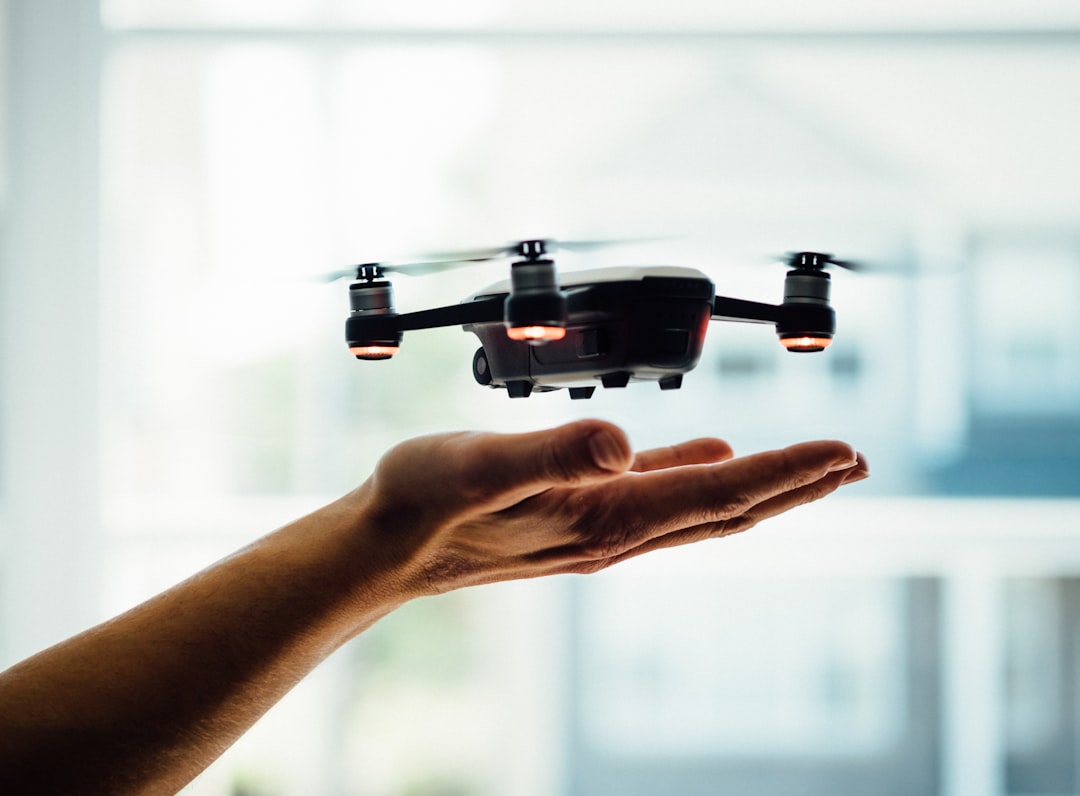
Is it perfect? No. Sixteen-ish minutes of flight per battery means the battery conversation (more below) is real. And its small airframe has opinions about wind — anything sustained above the high-teens in mph and I grounded it, which is honest physics, not a flaw.
A Learning Curve Measured in Minutes
My first launch happened on a gravel bar ten minutes out of the box. I pressed the button, the drone climbed off my palm, and — this is the part I still can’t quite believe — nothing bad happened. It hovered, framed me against the river, and tracked as I walked. My only job was to remember to act like a person and not a startled raccoon.
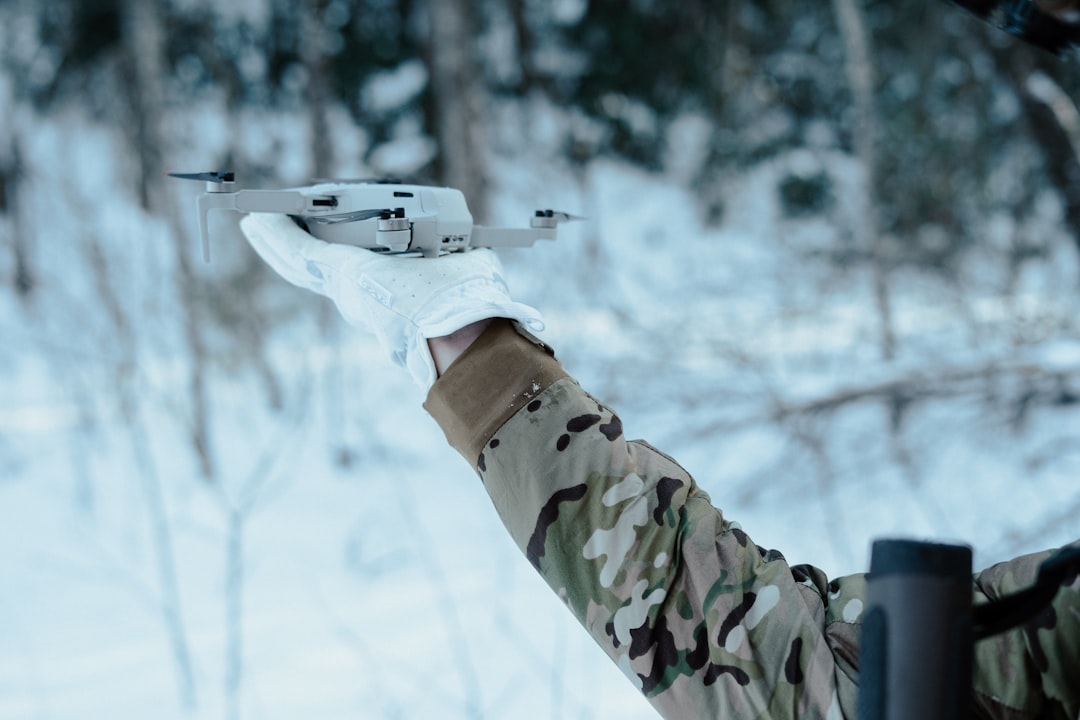
Flight two was less dignified. A gust caught the drone near a stand of spruce, I froze, and it gently bounced off a branch before righting itself and returning to hover in front of me like a scolded dog. That’s the other secret of this category: enclosed propellers and forgiving software mean your rookie mistakes cost you composure, not $600. By day four I was staging shots deliberately — walking a trail’s curve while the camera tracked from behind, drifting a paddle through iceberg-choked water while it followed alongside.
Where You Can’t Fly — and How Alaska Rewards You Just Outside the Line
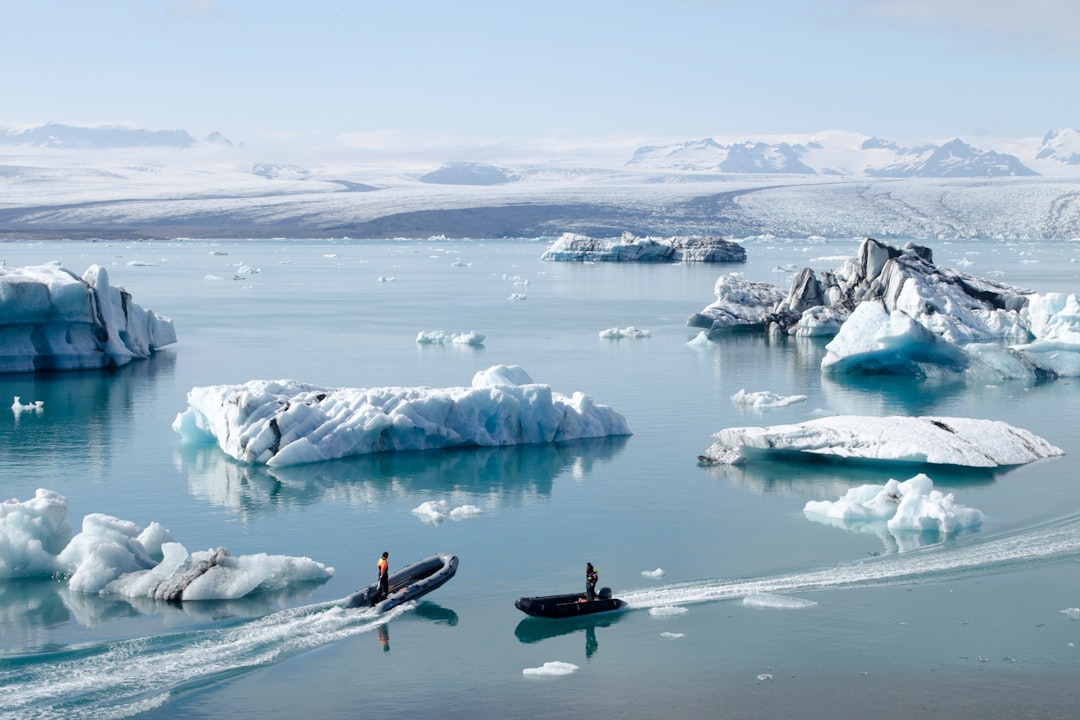
Now the rule that matters more than any spec sheet: national parks are off-limits. The National Park Service prohibits launching, landing, or operating drones anywhere inside park boundaries — Denali, Glacier Bay, all of it. I knew this going in, planned around it, and frankly the constraint sharpened the trip. Alaska is blanketed in state land, BLM land, and national forest where recreational drone flying is permitted, and some of the state’s most photogenic terrain sits outside those hard park borders.
One evening we found a pullout on public land with a direct sightline to a glacier’s face, technically outside the adjacent park boundary, and the footage from that one stop anchored the entire trip’s gallery. The lesson my team now repeats: research the land designation before you research the shot. Respect wildlife distances, stay away from cruise-ship corridors and towns, and check for any temporary restrictions — Alaska rangers have seen every excuse.
Five Habits That Make the Footage Worth Keeping
Owning the drone is step one; making images that don’t look like everyone else’s is the real work. After three weeks of trial and error (and a folder of rejects my team lovingly calls “the witness protection footage” — horizon askew, subject tiny, drama absent), here’s what actually moved my results.
Fly golden hour, religiously. Midday light flattens terrain into a postcard from a dentist’s office. An hour after sunrise or before sunset turns the same ridgeline into architecture. The drone adds aerial geometry; low light gives it mood.
Let movement fill the frame. The trap with tracking shots is standing still like a suspect. Walk with purpose, paddle, pedal, climb — the camera exists to chase motion. Some of my best Alaska clips are just me hauling a pack up tundra, tiny against the slope, golden light raking sideways.
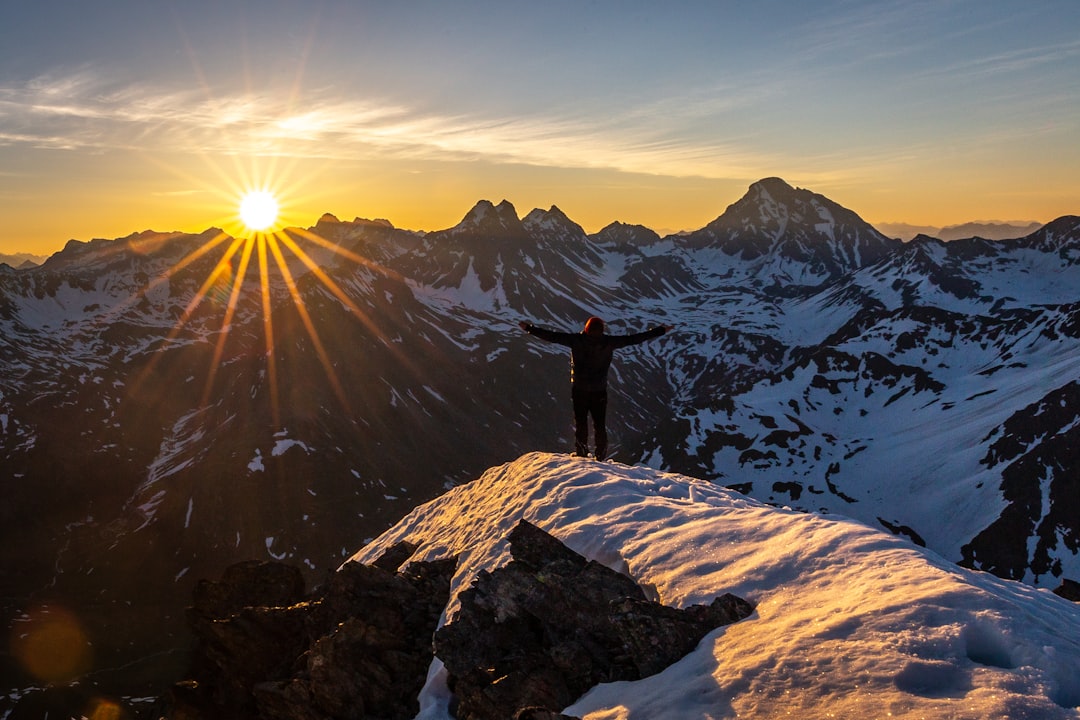
Compose in altitude layers. Launch low first. The shot ten feet above your head often beats the one at two hundred feet because it keeps you human-scale in the landscape. Climb only when the terrain’s geometry — a river braid, a moraine’s curve — earns the altitude.
Check wind at ground level, not the forecast app. Mountain and coastal air lies. If the grass at your feet is moving in gusts, your 200-gram camera will feel it tripled aloft. I lost two sessions to optimism before adopting the grass test.
Watch wildlife with glass, not propellers. We glassed a hillside for hours with the compact binoculars that have already earned their own article, from well outside any disturbance range. A drone hovering near animals is both unethical and, in many places, illegal — the binoculars get the close-up; the drone sticks to landscapes.
The Budget Door: Two Ways In for Under $400
If twelve hundred words of aerial romance have you interested but the PROMAX’s price feels steep, the same no-controller philosophy now comes cheaper. The 135-gram DJI Neo has become my recommendation for first-timers and teenagers alike — it launches from your palm, accepts voice commands, carries full enclosed propeller guards (genuinely bounce-proof), shoots stabilized 4K, and frequently sells for under $200. Add a controller later if you ever outgrow autopilot; the Fly More Combo or the three-battery version are the smart first buys since stock batteries run dry in under twenty minutes.
HoverAir’s own base model, the original X1 at around 2.7K resolution, also dips well below the flagship’s price and keeps the same palm-launch DNA at a mere 125 grams. My take after flying both brands: the Neo is the better budget all-rounder, the PROMAX is the one whose footage you’d frame. Your wallet already knows which call to make.
The Accessory Shortlist My Team Actually Packs
The drone is the headline; four small purchases make the difference between a gadget and a system. None of this is exotic — it’s the same logic we apply to every kit we build.
Batteries are the real fuel gauge. Sixteen minutes evaporates fast when you’re learning. I carried two spares in a jacket pocket, each the size of a matchbox, and topped them off from the same 10,000mAh Anker pack that keeps a phone alive on trail days. The smart spares for the X1 PRO line report their own charge state, which sounds trivial until you’re rationing flights at golden hour. (Our full field-tested power bank rundown covers the charging math for multi-day trips.)
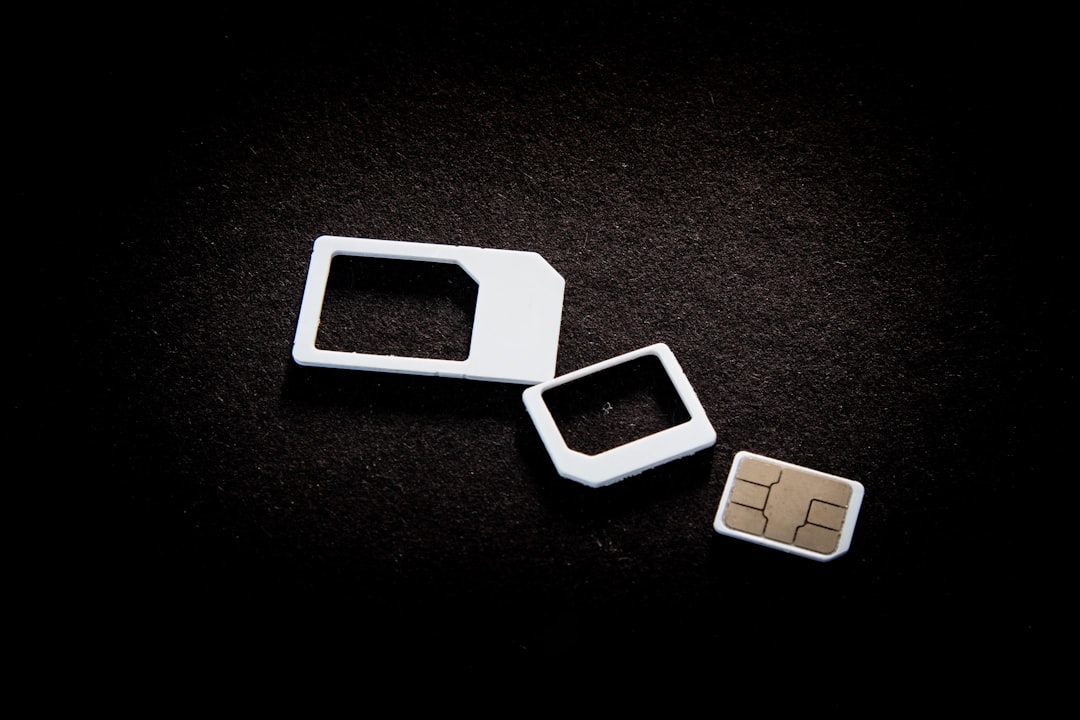
Fast storage, bought once. 8K footage eats memory like a teenager at a buffet — a full day of clips can swallow most of a card. The 256GB SanDisk Extreme handles the write speeds without stuttering and costs less than two drone batteries. Format it in the app before day one; discovering a fake card mid-trip is a special kind of heartbreak.
A landing pad the size of a dinner plate. Gravel, dust, and wet tundra are propeller killers. A cheap foldable landing pad gives every palm launch a clean stage and doubles as your “this spot is mine” marker at crowded overlooks. It weighs nothing; there’s no excuse.
One protective sleeve, not a case. These drones live in pockets, which means they live dangerously among keys and carabiners. A padded sleeve inside my everyday camera bag solved it — the same bag that hauls my charging kit, as it happens. And when you eventually graduate to a real pilot’s drone with filters and sticks, the upgrade path is well marked — ND filter sets like the ones DJI Mini owners use are where that journey usually starts.
Who Should Still Skip This
Fairness check, because this category isn’t for everyone. If you want cinematic manual control — long GPS-assisted flights, adjustable exposure in flight, the pilot’s seat — buy a traditional drone and enjoy it; this isn’t that. If your trips are mostly city-based, note that urban flying is a maze of restrictions that a tourist shouldn’t untangle on vacation time. And if you’ll fly once a year, borrow a friend’s first. The pocket drone earns its keep through repetition, on trail after trail, trip after trip.
The Shot I Stopped Missing
On the last evening of the Alaska trip, we stopped at a curve in a gravel road, nothing marked on any map I loved yet. I set the drone on my palm, chose the zoom-out mode, and walked to the middle of the frame as it climbed — river braiding silver behind me, ridge stacking on ridge, the light doing that thing Alaska does where it apologizes for all the rain. Thirty seconds later the footage was on my phone and the drone was back in my pocket, and I stood there feeling slightly cheated that the thing I’d feared for a decade had been reduced to a button press.
If you’ve been circling drone photography the way I was, the entry point has never been lower — under 250 grams, under your jacket’s weight budget, and, with the PROMAX leading the category, finally producing images that hold their own against the landscape. Just do your TRUST test, respect the park boundaries, and watch the grass before you launch. The sky over your next trip is more accessible than you think.