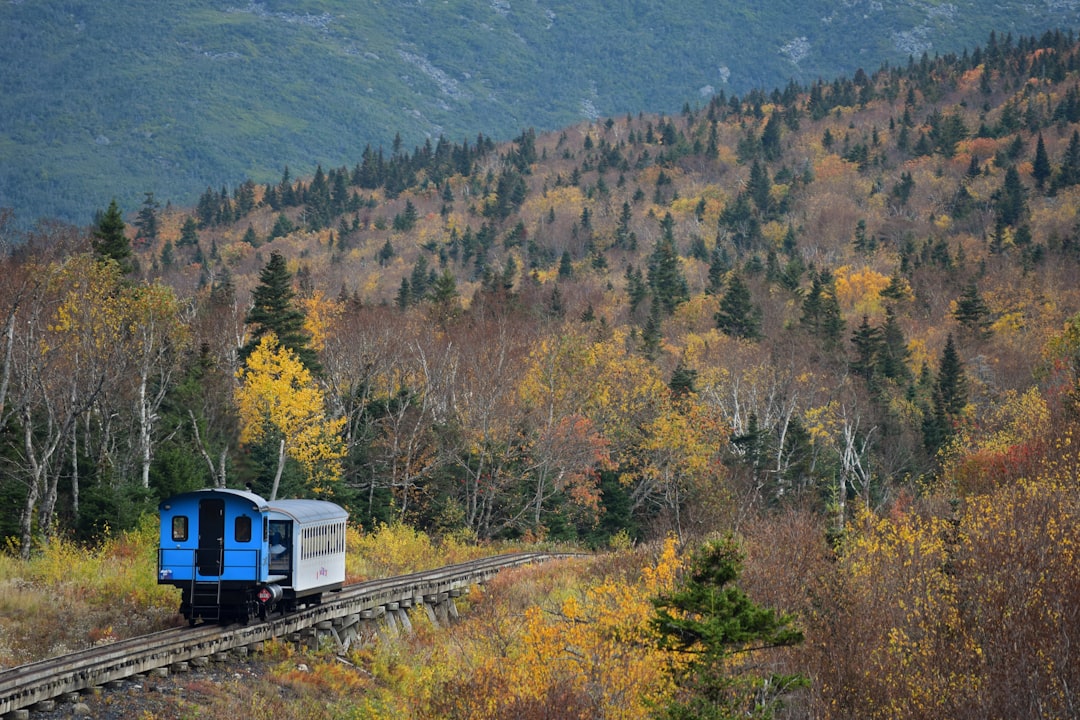
Every October, the same thing happens. Somebody in the family insists on a leaf-peeping drive through New England, and somebody else ends up white-knuckling a rented crossover down the Kancamagus Highway at eleven miles an hour with a bus on the bumper, catching roughly four seconds of actual foliage through the windshield. I have been both people. The year I finally got smart about it, I booked a seat on a heritage railroad instead, and now I will never chase fall color through a windshield again.
Here is the argument in its simplest form: fall foliage happens in exactly the places where you least want to be driving. Notches, gorges, switchbacks, canyon walls. A train solves the geometry problem. Somebody else handles the cliff-hugging while you sit in a vintage coach with coffee going cold in the cupholder, watching entire hillsides of maple ignite outside the window. My team and I have spent three autumns riding leaf-season rail across the continent, and these six lines are the ones worth planning a trip around.
The Case for Letting the Rails Do the Driving
Leaf season is short, and it is getting weirder. Warm Septembers stretch the color out; an early cold snap compresses it into a frantic ten-day sprint. If you want the nuance, our 2026 fall foliage forecast breaks down the timing windows by region. What the forecast cannot fix is your vantage point. From a driver’s seat, the best color is always at 90 degrees, sliding past, un-photographable.
Railroads were built through terrain that road engineers went around. That is not a slogan; it is civil engineering. The grades, trestles, and river-level cuts that made 19th-century freight profitable happen to deliver 21st-century leaf-peepers into scenery no highway touches. Add the fact that most foliage trains run at 15 to 25 miles per hour, and you get the real luxury: time. Time to look. Time to let the color come to you.
Conway Scenic Railroad: Crawford Notch at Walking Pace
The Crawford Notch train out of North Conway, New Hampshire, is the trip that converted me. Five and a half hours round trip, straight up a notch that the highway treats as an afterthought. The coaches are restored 1920s parlor stock, and the narration from the crew is delightfully unpolished — half history, half “there’s a moose, left side,” delivered with the enthusiasm of people who genuinely still look up.
The moments everyone remembers are the trestles. The train creaks across Frankenstein Trestle, 500 feet above the tumbled rock of Crawford Notch, and then over Willey Brook, where the whole canyon opens up in gold. I watched a woman in the seat across the aisle lower her coffee, look down, and simply say “oh” — which is about the most honest review scenery can get. Peak color in the notch usually lands the last week of September into the first ten days of October, and these trips sell out on peak weekends by Labor Day, so book accordingly.
Durango & Silverton: Coal Smoke Over Gold Aspens
Southwest Colorado plays fall by different rules. There are no orange maples; there is aspen gold, entire mountainsides of it, and it peaks fast — usually the last week of September through the first week of October. The same two-week clock that governs the Eastern Sierra’s aspen season runs the San Juans, so the margin for error is slim and the payoff is enormous.
The Durango & Silverton Narrow Gauge Railroad has been running coal-fired steam since 1882, 45 miles each way along the Animas River gorge to a mining town that looks like a movie set because it basically is one. My advice, earned the hard way on a windy September morning: pay the upgrade for the open gondola car. Yes, you will get cinders in your hair. You will also smell the coal, feel the stack talk, and hear the echos stack up off the canyon walls. Dress for it — a merino base layer set under a shell and a merino neck gaiter turned a gusty two-hour canyon run into my favorite train morning of the year.
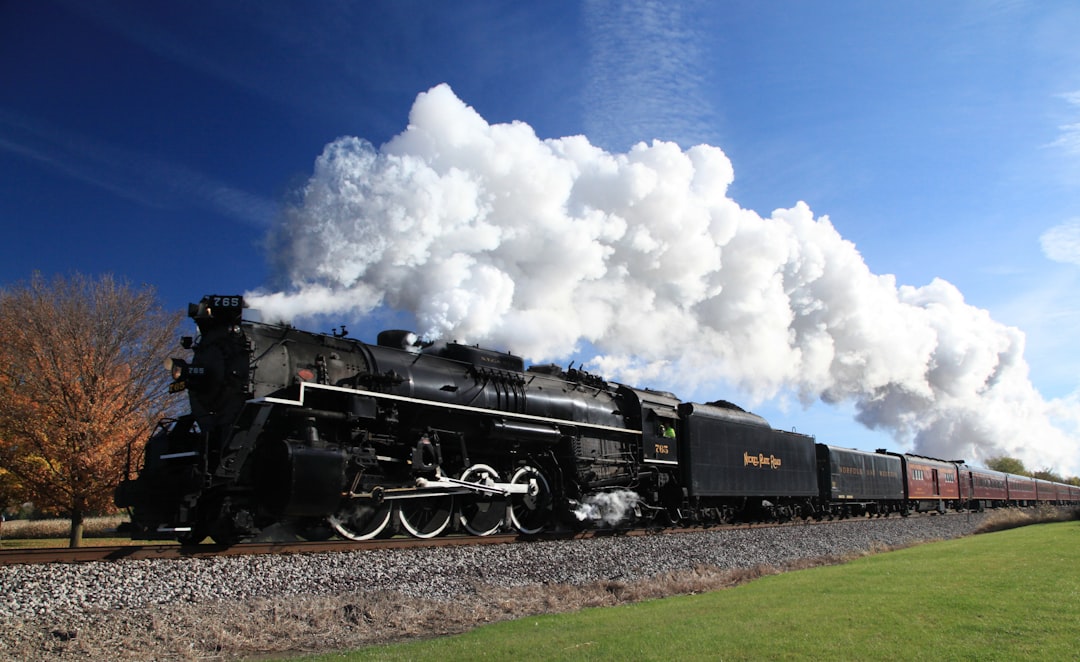
Cass Scenic Railroad: Shay Engines and a Grades-Defying Climb
West Virginia’s Cass Scenic Railroad is the sleeper pick on this list, and I mean that as a compliment. The railroad was built to haul spruce off Cheat Mountain for a lumber company, which means it was built to climb, and climb it does — behind Shay locomotives, geared steam engines designed to muscle loaded log cars up grades a conventional engine would laugh at. Nothing sounds like a Shay. It is a industrial-metal drumline echoing off hardwood hollows.
The trip climbs from the old company town of Cass to Whittaker Station and, on the longer run, to Bald Knob at 4,842 feet — the second-highest point in West Virginia, and a view into the entire Allegheny plateau. You ride part of the way on open flatcars that were literally log bunks a century ago, which is glorious in the sun and brutal the second the clouds move in. I now bring rechargeable hand warmers on every open-car ride after a Bald Knob summit that had my fingers refusing to work the camera. Peak color here runs early to mid-October, a touch behind New England.
The Adirondack: Amtrak’s Accidental Foliage Masterpiece
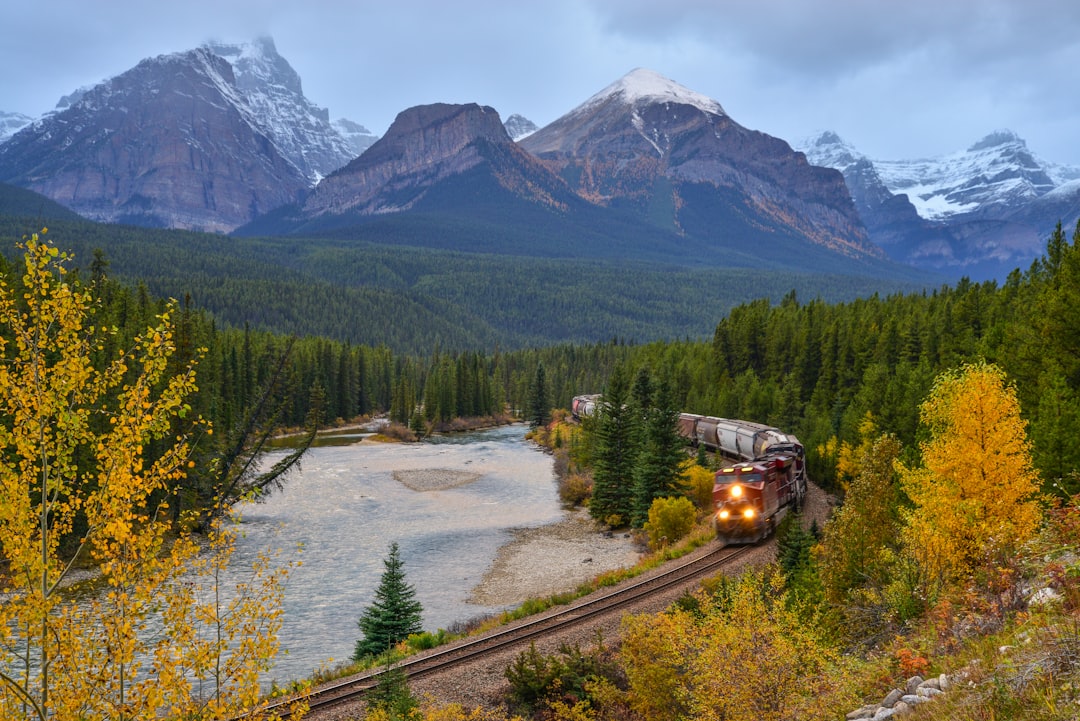
You do not need a heritage railroad to do this well. Amtrak’s Adirondack, running daily between New York City and Montreal, spends its afternoon gliding up the western shore of Lake Champlain with the Adirondack highlands blazing on one side and Vermont’s Green Mountains on the other. Two states’ worth of foliage, one window seat, zero tolls.
It is a long day on the train — around ten hours end to end — so treat it like the journey rather than the destination. If you are curious about overnight rail in general, my sleeper-car gear kit from earlier this summer covers the long-haul version. For a foliage day trip, the setup is simpler: a window seat, a packable travel blanket because Amtrak air conditioning has never met a thermostat it respects, and a Kindle Paperwhite for the flat stretches upstate. The color along Champlain typically peaks late September into mid-October.
Agawa Canyon: The Wilderness You Can Only Reach by Rail
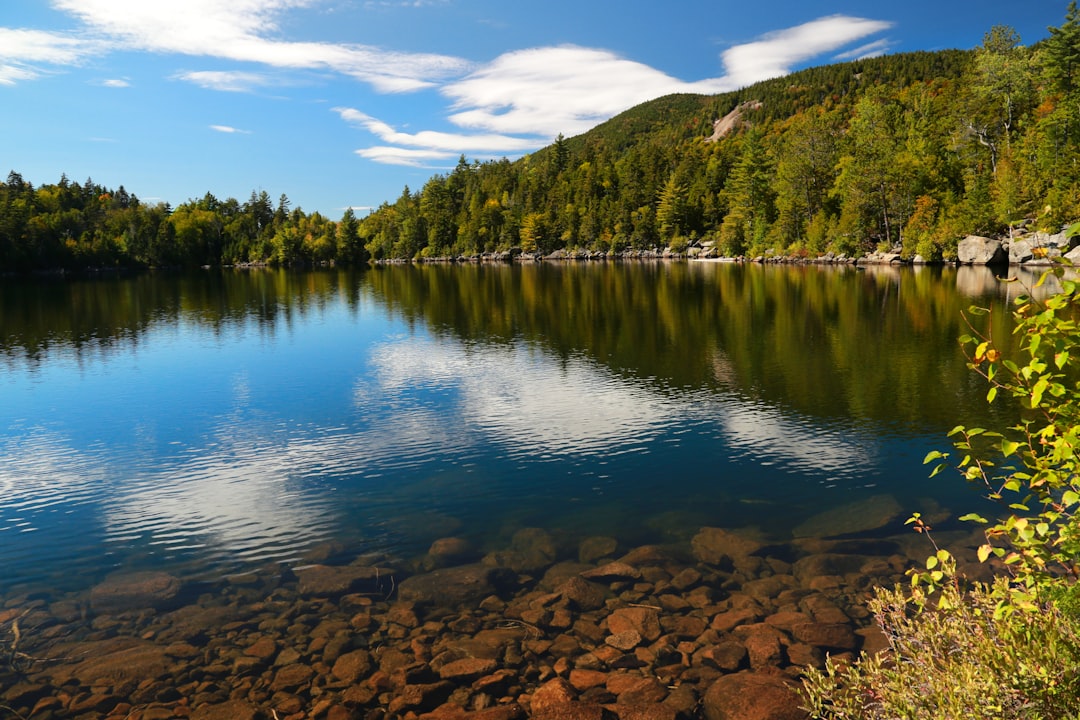
Ontario’s Agawa Canyon Tour Train is the most committed foliage ride on the continent. It runs a full day — 114 miles each way — north from Sault Ste. Marie into canyon country that has no road. None. The only other way in is a multi-day backcountry hike, which is why the train has been doing this since 1914 and why people fly in from Tokyo for it.
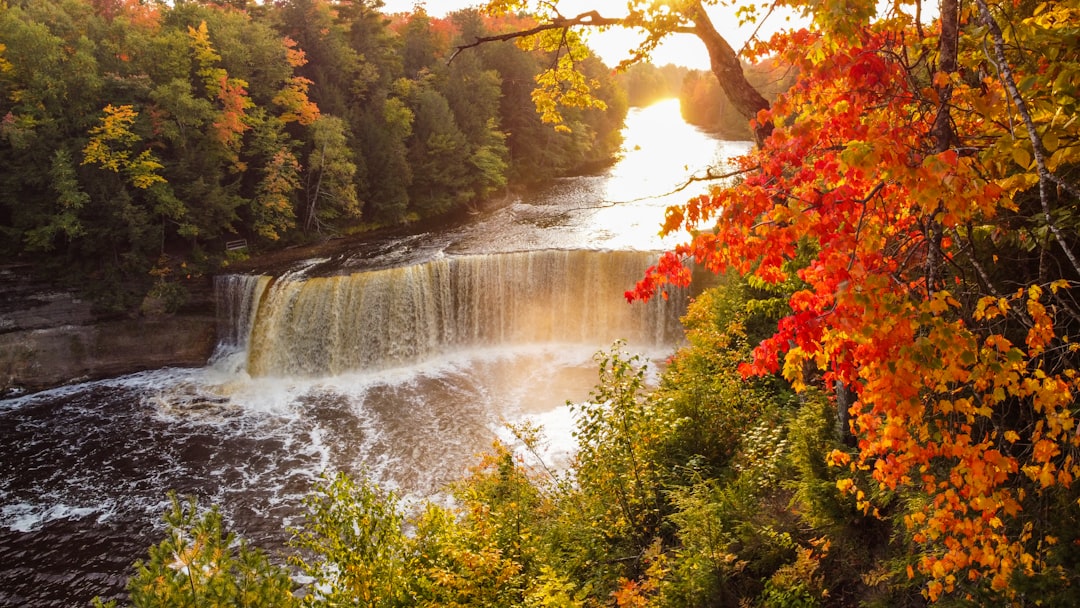
The canyon floor stop is the payoff: ninety minutes among 400-foot canyon walls, with Black Beaver Falls and Bridal Veil Falls still running and the tamaracks and maples turning at slightly different clocks so the color feels layered. Bring optics. The north country does not hand you wildlife; it lets you earn it at distance, and a pair of compact 12×25 binoculars turned distant specks into a confirmed bald eagle and two very smug ravens on my run. Peak season is late September through early October, and the tour train runs through mid-October. For extending the trip, pairing it with an autumn drive is a natural — Cape Breton’s Cabot Trail in October makes a spectacular east-coast bookend.
Mount Washington Cog Railway: Above the Color Line
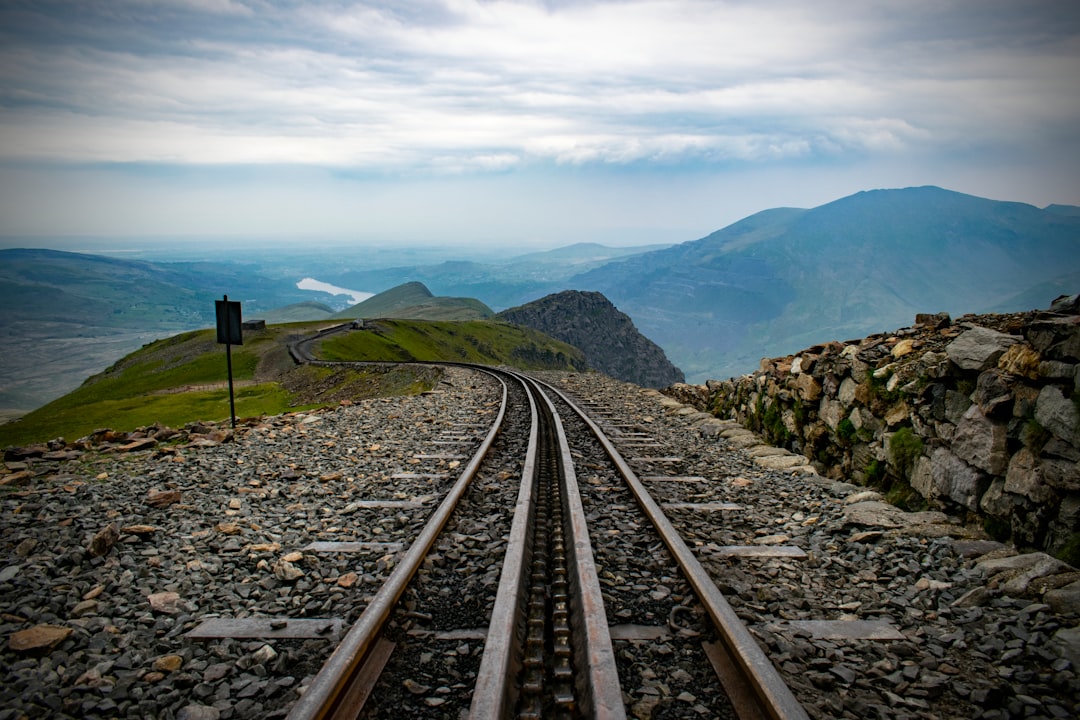
The Cog is the strangest and most wonderful ride in American railroading, and I say that as someone who has now ridden it sideways in 60 mph summit winds. Built in 1869, it was the first mountain-climbing cog railway on Earth, and it still hauls visitors up a grade that hits 37 percent — steep enough that the trestle bents under Jacob’s Ladder look like a mistake until you are on them.
Here is the foliage twist: at 6,288 feet, the summit is above treeline. You spend the bottom third of the ride inside the color, the middle third watching it fall away beneath you in waves, and the top third in an alpine zone where October already feels like January. The effect is like watching the entire Northeast change seasons in 40 minutes. Bring a real hat — a merino watch cap — because the summit observatory will happily record frost while the valley below is still posting Instagram stories about pumpkin patches.
Booking, Seating, and the Tactics Nobody Mentions
A few things three seasons of this taught us the hard way. Book peak-weekend foliage trains six to ten weeks out; the Cass Bald Knob run and Agawa’s October dates go first. Ride midweek when you can — same color, half the crowd, and more room to switch sides at the mid-ride station stop, which veterans do without apology. Sit on the river side in Durango and the east side leaving North Conway. Ask which side the conductor recommends; they always know, and they are always right.
And pack like it is two trips in one day, because on a foliage train, it is: warm coach, cold open car, sometimes within the same hour. Alongside the layers I mentioned earlier, the rest of my standing kit is boring and essential — a 16-ounce insulated travel mug that keeps platform coffee drinkable past the second trestle, an insulated tumbler for the coaches that permit a glass of wine at 15 miles per hour, and, for the long-haul riders, compression socks — your ankles will notice ten hours of rail time before your brain does.
Mostly, though, go. The window is short, the trains are old, the coffee is mediocre, and none of that will matter the first time an entire mountainside of October arrives at eye level, unhurried, on somebody else’s schedule. That is the whole trick. You just have to be sitting there.
2 thoughts on “Steam Whistles and Burning Maples: The Fall Foliage Trains That Do the Leaf-Peeping for You”