The last red-eye I took before figuring this out was a Newark-to-Lisbon ordeal that left me looking like I’d been air-dried in a dehydrator. I walked off the plane at 7 a.m., caught my reflection in the jet bridge window, and genuinely did not recognize the desiccated creature staring back. Ten hours in a pressurized metal tube at cruising altitude will do that to a face. What changed everything wasn’t a $200 serum or a lounge shower — it was a three-product core kit, every piece of it TSA-legal, that my crew and I have now run through red-eyes over three continents. This is the routine that lets me land looking like I slept, even when the sleep math says otherwise.
Before we get into the kit itself, you need to understand what you’re actually up against at 35,000 feet. Because the fix only makes sense once you know the enemy.
Why Cabin Air Declares War on Your Face
Aircraft cabins typically hold humidity somewhere south of 20 percent — often closer to 10 on long-haul routes. Your skin is built for something closer to 40 to 60 percent. That gap matters more than most travelers realize: the moment the moisture differential tips, water starts leaving your skin through a process dermatologists call transepidermal water loss. The cabin doesn’t just fail to hydrate you. It actively pulls hydration out, hour by hour, until the outermost layer of your skin starts tightening, dulling, and flaking.
Recycled air compounds it. So does the fact that nobody drinks enough water in flight, and so does the salty meal service. My first attempt to fight back was a mist bottle sprayed every forty minutes, which — I learned the hard way — can actually make things worse. More on that mistake in a bit.
The counterintuitive part is that slapping water-based products on your face mid-flight isn’t the answer. In an environment that dry, plain water evaporates off the skin surface fast, and it can pull more moisture with it on the way out. The winning strategy, the one that survived our red-eye gauntlet, is locking moisture in with the right textures — and being selective about which products earn their spot in a one-quart bag.
The Three Products Doing the Heavy Lifting
Everything below fits in a quart-size bag with room left for toothpaste. Between the four of us on the team, we’ve cycled through dozens of contenders, and these are the three that never leave the kit.
The Overnight Hydrogel Mask You Wear Straight Through the Flight
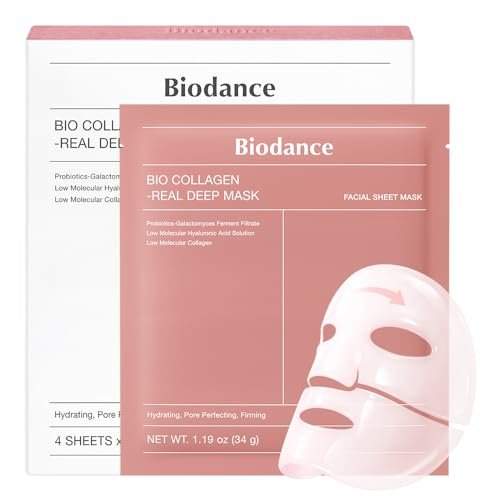
A regular soaked sheet mask is honestly the wrong tool for a dry cabin — the wet essence evaporates and can leave you more dehydrated than when you started. That’s why the BIODANCE Bio-Collagen Real Deep Mask became the hero of this whole routine. It’s a hydrogel, not a drenched cotton sheet: the essence is solidified into the mask itself, and instead of sitting wet on your face, it slowly melts into the skin over three to four hours. On an overnight flight, that timeline is perfect. You apply it after the meal service, sleep through the absorption, and by descent it’s gone — no rinsing, no residue drama.
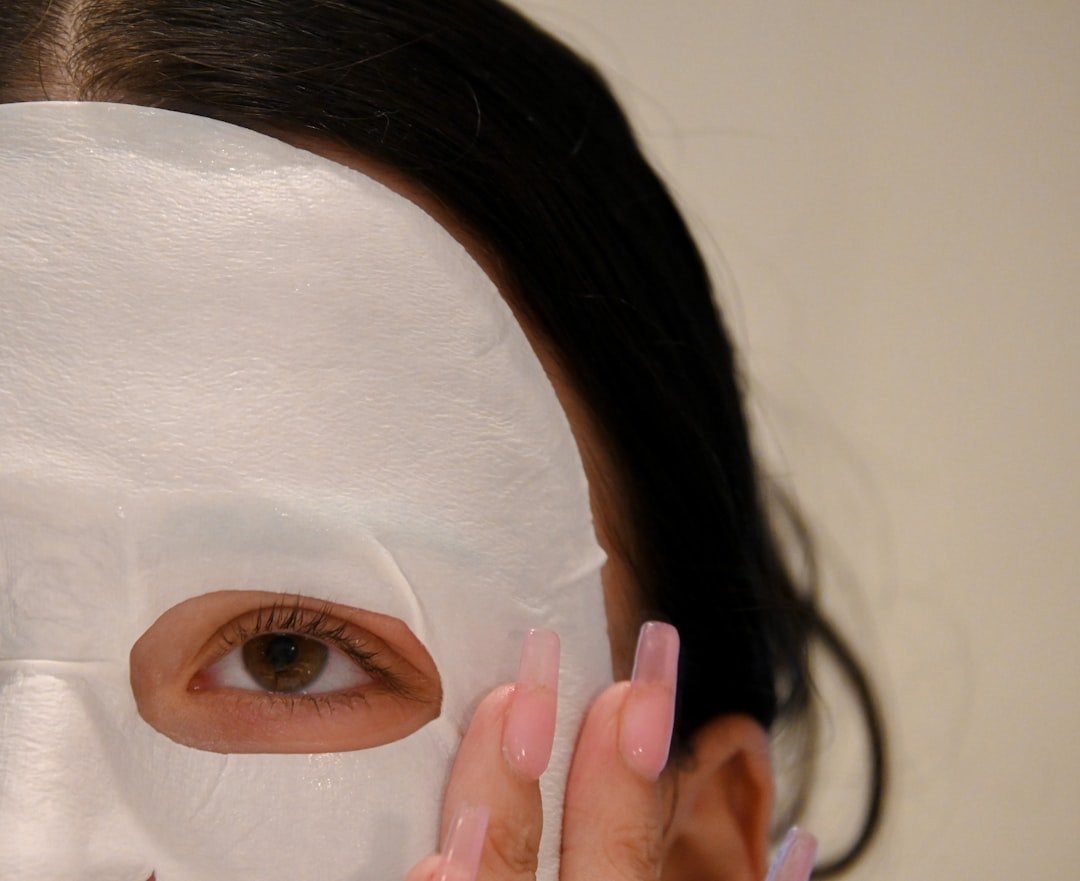
The oligo-hyaluronic acid and collagen formula is built for exactly the fight you’re in: deep hydration plus an occlusive-ish barrier effect that keeps cabin air from strip-mining your face while you sleep. My producer was skeptical about wearing any mask in a middle seat. She’s now the most evangelical member of the crew. The four-pack runs well under what a single airport spa facial costs, and each mask is sealed flat — zero liquid risk at security.
Gold-Foil Eye Patches for the Descent
The eyes give you away first. Even on flights where the hydrogel keeps my cheeks intact, the under-eye area tells everyone I was vertical for ten unbroken hours. The fix we’ve settled on is Wander Beauty’s Baggage Claim gold-foil eye patches — a product whose name could not be more on the nose. The gold foil isn’t a gimmick: it acts as an occlusive barrier over the hydrating serum, which is the same lock-it-in logic as the hydrogel mask, scaled down to the six square centimeters that matter most.
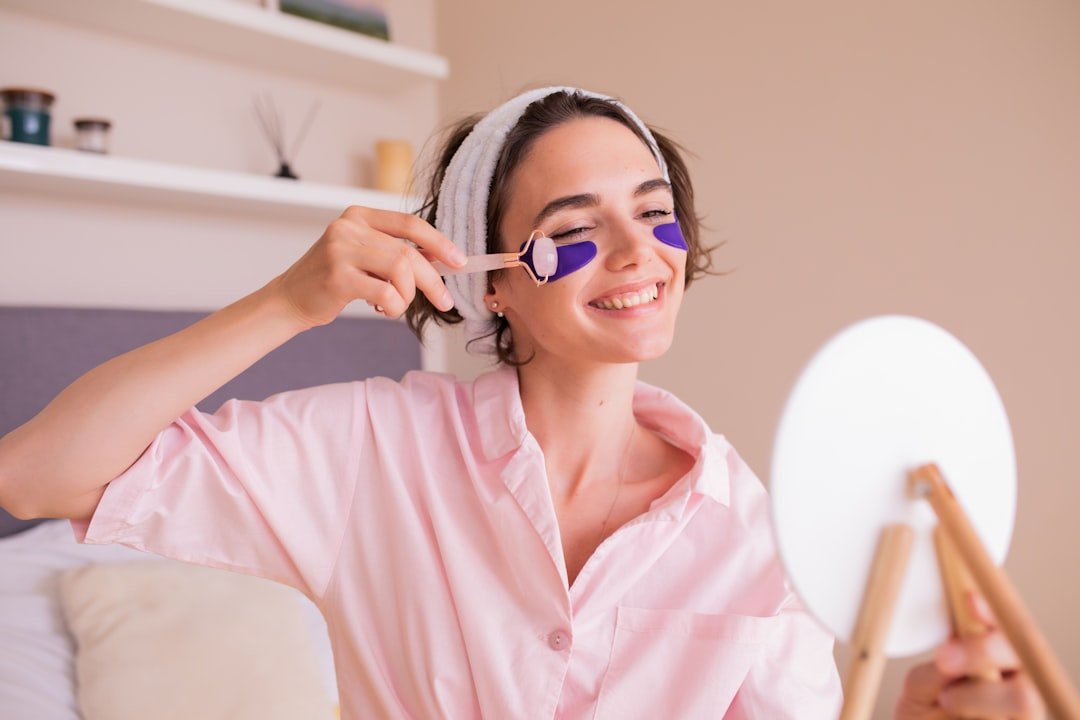
The routine timing: patches go on about ninety minutes before landing, ideally while the cabin lights are still low. Twenty minutes is enough to visibly depuff. By the time the seatbelt sign dings for descent, the dark-circle situation has gone from “concerning” to “plausible well-rested adult.”
The One-Ounce Reset Spray
Remember my forty-minutes-a-mist mistake? The problem wasn’t the concept of a spray — it was the wrong spray, one loaded with alcohol that evaporated instantly and took skin moisture with it. Tower 28’s SOS Daily Rescue spray solved it. It’s hypochlorous acid — a gentle, skin-barrier-soothing formula — in a one-ounce bottle that clears TSA without a second glance. One-ounce sizing matters here: it’s small enough for the quart bag, big enough for a long-haul flight plus a few hotel-morning top-ups.
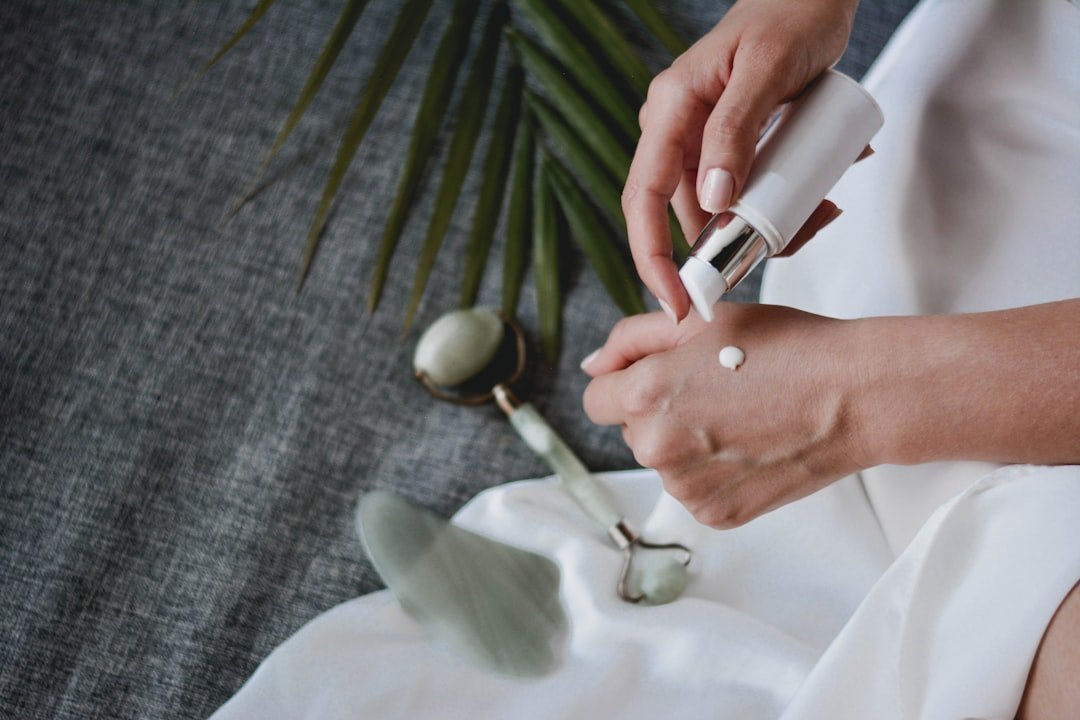
I use it as the prep step: a light mist before the hydrogel goes on, another after it comes off. The spray calms the tightness that creeps in around hour six, when the cabin feels like the inside of a toaster.
Lips, Eyes, and the Details Nobody Mentions
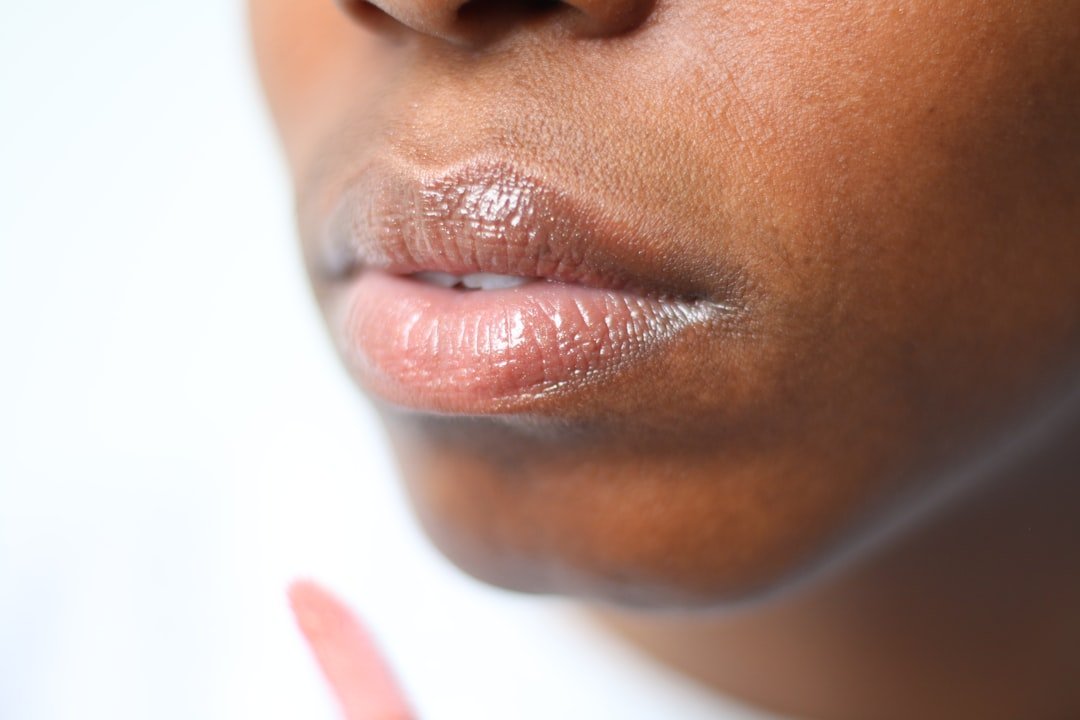
The face gets all the attention, but three smaller casualties of cabin air deserve their own line items. Lips crack first and worst — I keep the Laneige Lip Sleeping Mask in the seat pocket and reapply after every meal tray, because berry-scented shea butter beats the alternative of landing with a split lip. A 0.35-ounce tube of Aquaphor covers cuticles, elbows, and any patch of skin staging a dryness revolt — it’s the single most versatile ounce in the bag. And the eyes themselves, not just the skin around them: cabin air and screen glare team up to leave contacts feeling like sandpaper by hour eight. Preservative-free Biotrue Hydration Boost drops fix that in seconds, and the single-use vials sail through security anywhere.
What Clears Security Without a Word
The whole kit lives inside a quart-size clear TSA bag, and knowing the 3-1-1 rules turns security from a scramble into a non-event. The short version: liquids, gels, and aerosols each under 3.4 ounces, all in one quart bag. But here’s the leverage — solids are exempt. The hydrogel masks count as solids. The eye patches count as solids. A Neutrogena Ultra Sheer sunscreen stick at SPF 60 counts as a solid. That means nearly everything that matters rides outside your liquid allowance entirely.
What does count against your liquid budget: the one-ounce spray, a 3.4-ounce bottle of Garnier micellar water for wiping off a full face of makeup before the mask goes on, and the Aquaphor tube. Three items, still under the bag’s capacity. If you want a heavier night cream in the rotation instead of the hydrogel, the CeraVe Moisturizing Cream tub is the crew’s checked-bag pick — ceramides plus hyaluronic acid, but at eight ounces it stays out of carry-on territory.
The Whole Routine, Gate to Landing
Here’s the timeline as we actually run it, condensed from the flight logs my team keeps:
- Gate, pre-boarding: Makeup off with micellar water if you’re wearing any. Light mist of the SOS spray. Nothing heavy yet — you’ll be leaning on seats and people for the next hour.
- First hour at cruise: Eat, hydrate like it’s your job, lip mask on after the tray clears. Let the meal service settle before the main event.
- Hour two or three: Hydrogel mask on, lights out, neck pillow deployed. This is the sleep window — protect it ruthlessly.
- Mid-flight wake-ups: Mist if you wake up feeling tight. Eye drops every time you surface. This is also when you reapply lip mask, because dinner happened.
- Ninety minutes before landing: Hydrogel should be fully absorbed — if any remains, peel and let the residue sink in. Eye patches on while the cabin’s still dark. Mist again.
- Descent: Patches off, sunscreen stick if it’s a morning arrival and you’re walking straight into daylight. You’re done.
Three Cabin Skincare Mistakes I Quit
First, the alcohol-based mist thing, already confessed. Fast evaporating sprays feel refreshing for about ninety seconds, then leave skin drier than before. Read labels in the terminal shop before you buy.
Second, straight hyaluronic acid serum with nothing over it. HA is a humectant — it pulls water toward itself. In humid air, that means pulling water from the atmosphere to your skin. In a 12-percent-humidity cabin, it pulls water from the deeper layers of your skin up to the surface, where the cabin air then steals it. Every dermatologist I’ve interviewed says the same thing: humectants in flight need an occlusive layer on top, or they quietly work against you. The hydrogel-plus-foil approach builds that layering in automatically, which is exactly why it works.
Third, skipping the routine on “short” flights. A five-hour daytime hop doesn’t wreck everyone, but if you land at your destination and go straight to dinner, that’s the flight where it shows. The kit weighs almost nothing. Run it every time and you stop having to think about it.
The payoff, for me, is walking through arrivals looking roughly like a person who slept eight hours — on a flight where I got four. It pairs with the rest of my red-eye playbook: if you haven’t read how I actually sleep on overnight flights now, that’s the strategy piece, and this is the skin piece. And for the hours between a long flight and hotel check-in, my no-lounge-pass airport refresh routine picks up where this one leaves off. Land like you slept, and nobody needs to know the truth about seat 42C.