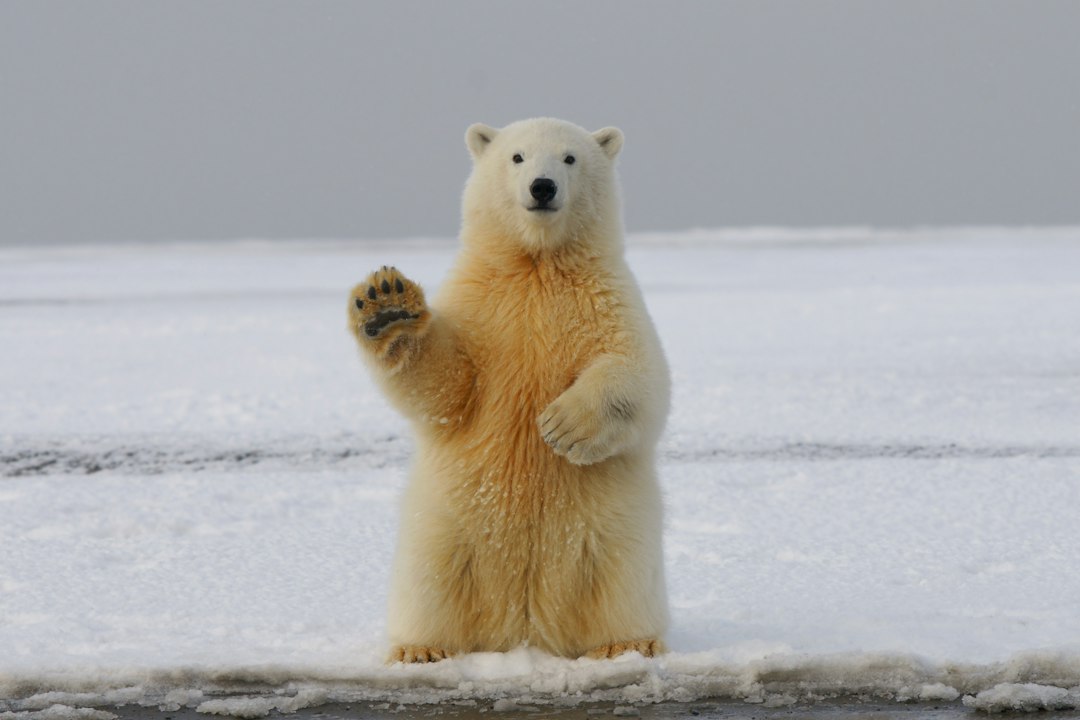
There is a moment on the tundra outside Churchill, Manitoba, when your guide kills the engine of a two-ton vehicle, and the only sound left is wind coming off Hudson Bay with nothing between it and you except the curve of the planet. Somewhere out there, usually within a hundred meters of where you’re sitting, a polar bear is doing the same thing it has done every October of its life: waiting for the water to turn solid.
That’s the entire premise of this place, and it took my team three trips north to fully understand it. Churchill isn’t a destination you visit so much as a deadline you attend. The town sits at the western lip of Hudson Bay, population roughly eight hundred humans, and every autumn somewhere around six hundred polar bears drift toward this same stretch of coastline. They’ve been fasting on land since the ice broke up in summer. They are hungry, patient, and completely unbothered by your itinerary. The bay will freeze in mid-to-late November, the bears will stream out onto the ice to hunt seals, and the whole show shuts down until next year. You get about five weeks. Miss the window and you’ve missed everything.
The Town That Winter Reaches First
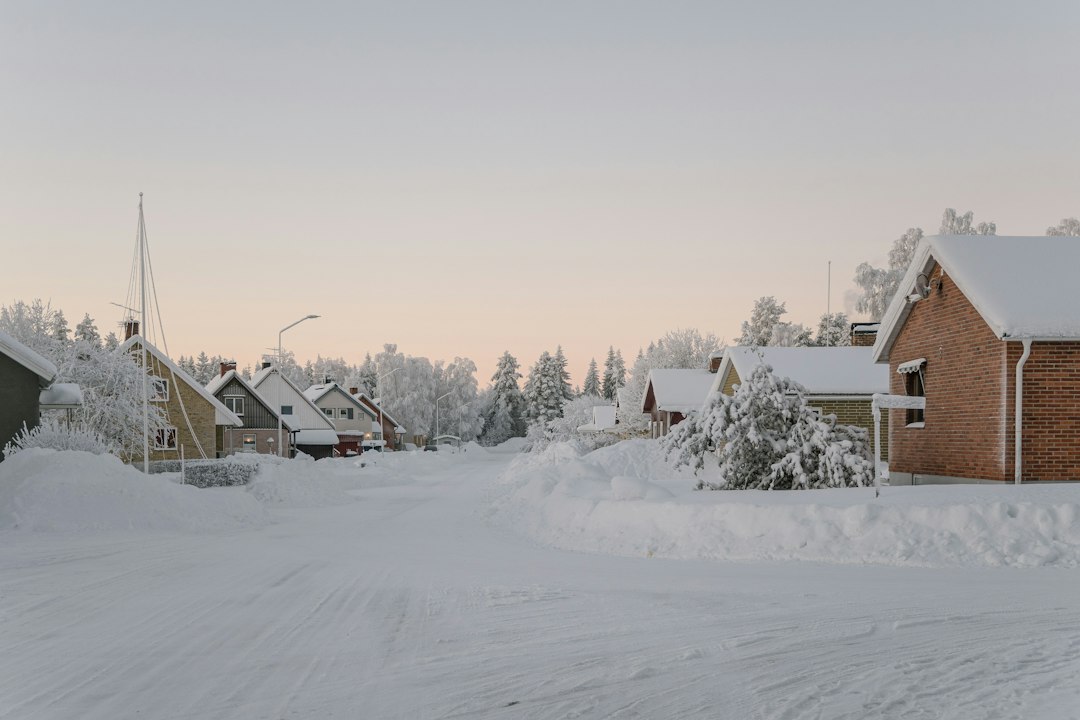
Churchill is not connected to anything. No road leads here. You arrive by a 45-hour train from Winnipeg or a two-hour flight on a turboprop, and either way the isolation lands on you before the cold does. The town runs a few paved streets, a surprisingly good bakery, and a set of civic rules you won’t find anywhere else in North America: don’t lock your car doors, in case somebody needs shelter from a bear passing through, and Halloween here has historically been escorted by a patrol truck full of wildlife officers. My first night, one of our photographers counted four foxes behind the complex before he’d finished unloading the van. It sets a tone.
What surprised me most is how ordinary the town feels about all this. Locals talk about polar bears the way Floridians talk about hurricanes — a seasonal logistics problem, managed with muscle memory. There’s a holding facility on the edge of town, officially the D-20, that everyone calls the polar bear jail, where problem bears get a few weeks of cool-down before a helicopter move. The gift shops sell posters of it. Only in Churchill.
Why Six Hundred Bears Wait at the Same Bus Stop
The biology here is worth sixty seconds because it explains everything you’ll see. Polar bears in the western Hudson Bay population hunt seals from sea ice. When the ice melts in July, they come ashore and enter a walking hibernation — they barely eat for months, living off fat reserves. As autumn hardens, they migrate toward Cape Churchill, the stretch of coast where the bay freezes first, because the earliest ice means the earliest seals. The bears aren’t gathering for your benefit. They’re stacked up at the starting line of a race that starts with freeze-up, and the tundra outside Churchill is the starting gate.
A well-run trip will get you between ten and forty bear sightings over a few days, and because the same bears work the same coastline, your guides will start naming them. By day two, our crew was keeping a running log like sports reporters. The big male we nicknamed The Landlord strolled past our vehicle twice at a distance that made my telephoto lens feel like cheating.
Two Nights on the Coldest Train in the Schedule
You can fly, and if your budget and patience are short, you should — Calm Air runs the route from Winnipeg, with round trips typically landing between C$1,100 and C$1,800. But the train is the rite of passage. VIA Rail’s Winnipeg–Churchill service covers roughly 1,000 kilometers of boreal forest and tundra with no roads alongside it, and the economy seat fare often clocks in between the mid-$200s and mid-$300s each way. It is two nights, it is not luxurious, and I would not trade a single hour of it.
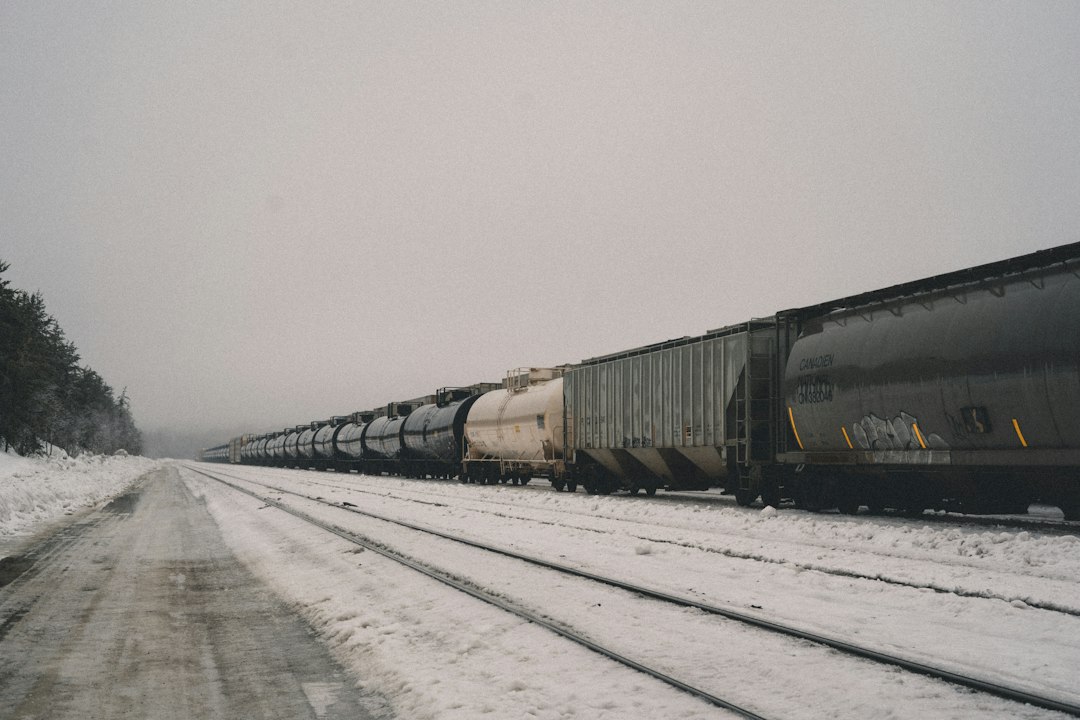
Somewhere past Gillam the trees quit, the horizon opens, and the whole carriage goes quiet. My advice, earned the hard way: download everything before you leave Winnipeg, because the wi-fi is theoretical and the scenery, magnificent as it is, does eventually require a podcast. A Prime membership earns its keep right here — download a season of something to the tablet for the long stretches, then hand the same tablet to your seatmate as a peace offering when you fall asleep on their shoulder. That membership also happens to be how I shipped last-minute gear to my Winnipeg hotel in two days flat when a duffel vanished into an airline’s black hole, which is exactly the kind of insurance a trip like this rewards.
A Day on the Tundra Buggy
The vehicle that defines this trip is part bus, part swamp boat, part wildlife blind. Tundra buggies roll on tires taller than your grandmother, raising the passenger deck well above anything a curious bear would care to reach, and they spend full days — eight to ten hours — crawling the old gravel beds and coastal trails east of town. You will be cold, then hot, then cold again. You will drink more coffee than is reasonable. And at some point, a bear will decide your buggy is the most interesting object on the horizon and come have a look.
Our first close pass lasted eleven minutes. A sow with a cub-of-the-year stopped, stood to get a better angle on us, sniffed the air with the casual disgust of a customs officer, and moved on. Nobody in the buggy spoke. One of the guides later told me that silence is the sound of a group that understands what it’s looking at. She was right. Photographers on our team shot thousands of frames and I promise you the best picture from that day is nobody’s — it exists only in memory, which in 2026 might be the rarest format of all.
It’s Not All Bears
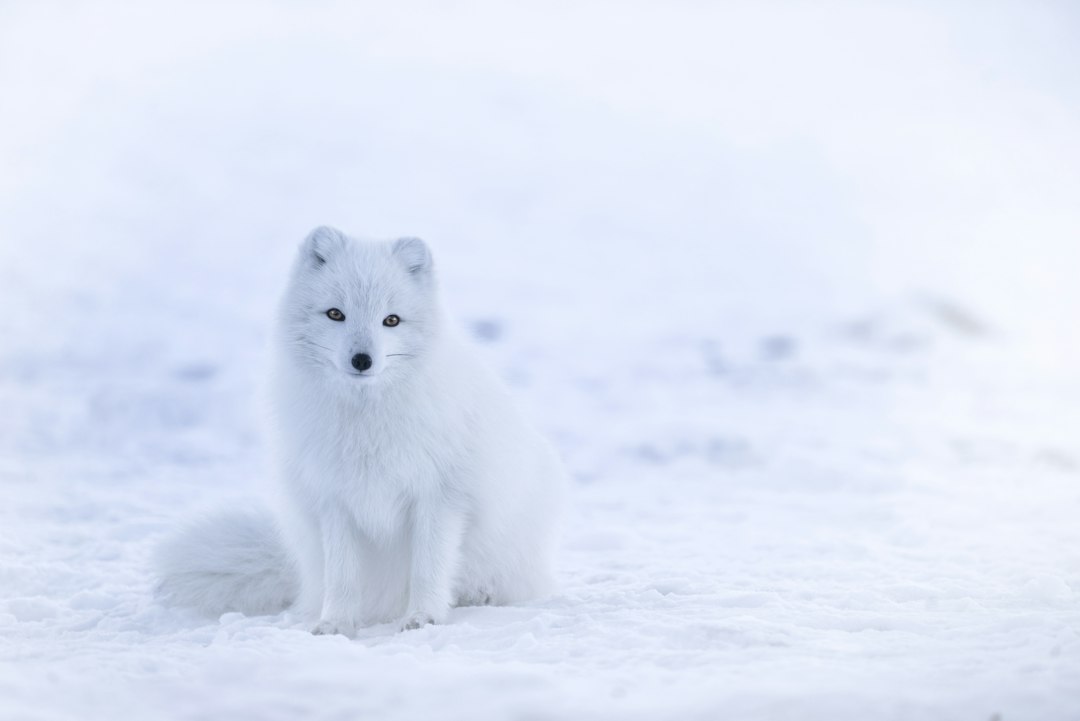
Between bears, the tundra keeps throwing smaller gifts at you. Arctic foxes in their winter white trot the frozen kelp lines. Ptarmigan explode out of willow scrub like feathered popcorn. Snow buntings move through in nervous flocks, and if you’re lucky, an ermine will cross the trail, all white except two black button eyes. This is where a decent pair of compact binoculars stops being optional — the guides spot with their eyes, but you’ll want your own glass for the fox working a rock pile three hundred meters out. The pair I carried all September earned a second season up here within the first hour.
Dressing for Minus Twenty, Wind Included
Here is the part nobody fully believes until they’re standing in it: October in Churchill is not that cold by the thermometer. It’s minus five to minus fifteen most days. Then the wind arrives off Hudson Bay, the chill factor drops another fifteen degrees, and you are on the open deck of a buggy for nine hours. The tour operators will lend you a serious parka — take it — but everything from the neck down is your problem, and this is where trips are won or lost.
The system that finally worked for me is boring and layered. A merino wool base layer against skin, because cotton up here is a rumor that gets people hurt — my head-to-toe merino kit from earlier this fall turned out to be the perfect dress rehearsal. Over that, insulation: I ran the same packable down jacket that carried my leaf season under the borrowed parka, and on the windiest day I was the only one on deck still shooting at hour seven while everyone else rotated inside. Feet get their own theology: wool socks, then rechargeable heated socks over them when the temperature drops past minus ten, inside a pair of boots rated to minus forty. Yes, heated socks sound absurd. Nine unmoving hours on a buggy will reorganize your priorities, and if you catch a deal on a pair this week, jump on it.
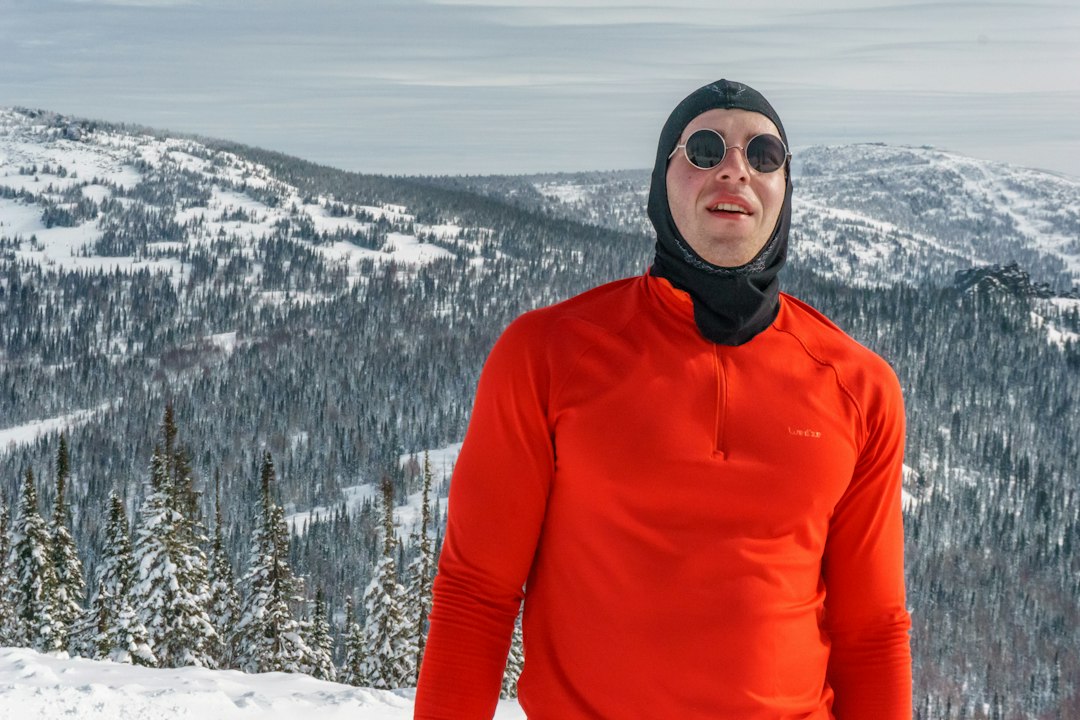
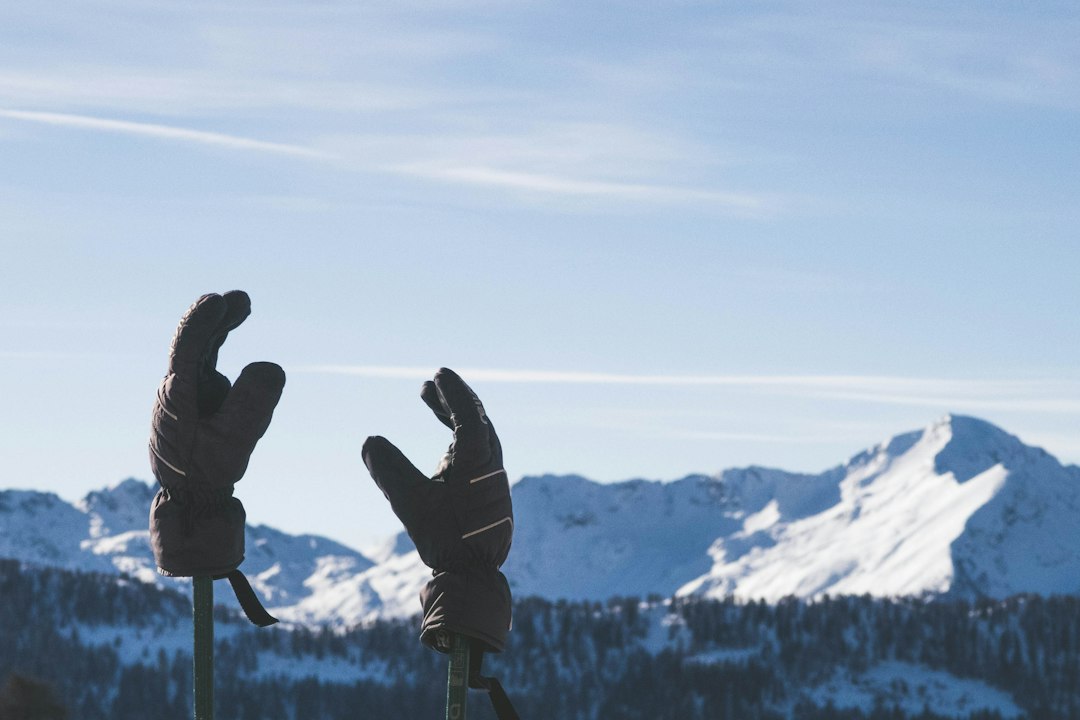
Hands are the real battle. You cannot work a camera in mittens, and bare fingers at minus twenty give you roughly ninety seconds of function. The answer is a shell system: insulated gloves with liners you can strip to, plus reusable hand warmers staged in every pocket — two in use, two recharging, always. A balaclava that fits under your hood covers the last exposed strip of face, and a wide-mouth vacuum thermos of something hot does more for morale per liter than anything else you can carry. Trust me on the thermos. There is a specific loneliness to being the last person on an outdoor deck at 4 p.m., and soup fixes it.
One practical note on acquiring all this: cold-weather gear is expensive, and October is quietly the best month of the year to buy it, because Amazon’s Big Deal Days event lands right as polar bear season opens. Most of my kit above was picked up in exactly this window last year. If you’re not a member yet, it’s worth weighing a Prime membership before you start loading a cart — the fast free shipping meant a swapped jacket size reached my hotel in two days with the trip still salvageable, and easy returns on anything that didn’t survive a field test have saved me real money across the season.

The Sky Pays Overtime
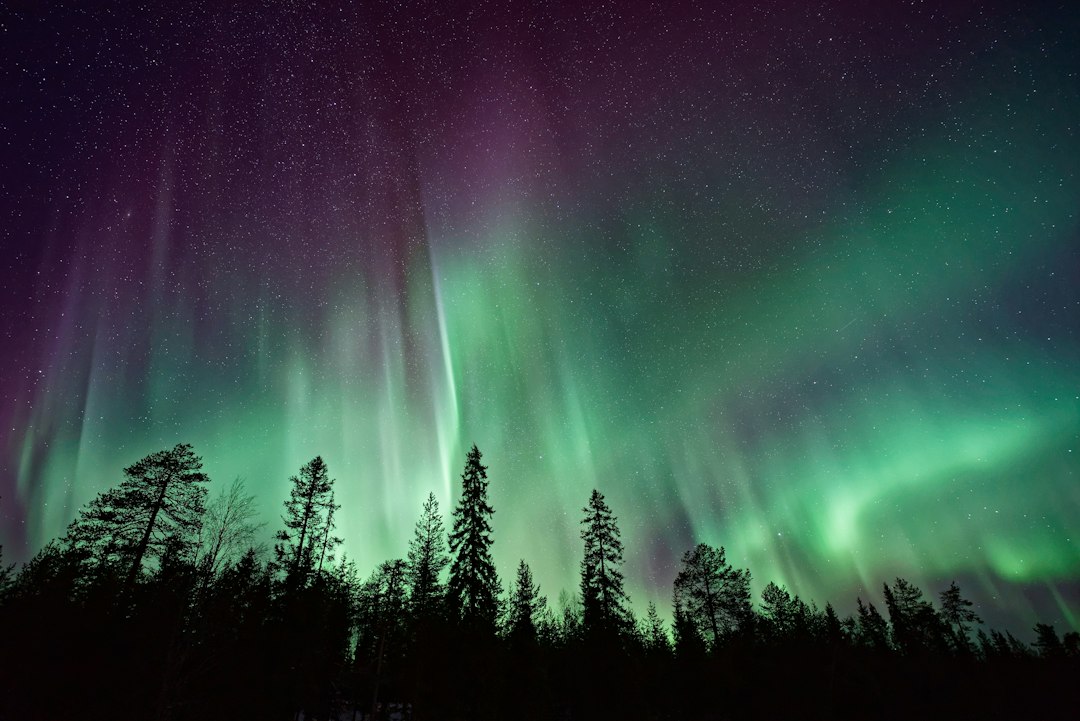
Here’s the bonus nobody books for and everybody remembers. Churchill sits directly beneath the auroral oval, and the town logs northern lights on roughly three hundred nights a year. October works because the nights come back fast this far north — dark by six, and by nine the sky can be doing things that make complete strangers stand in a hotel parking lot together without speaking. On our second trip, the lights ran a green curtain from horizon to zenith for forty minutes while a bear denned somewhere out on the cape, and I have thought about that coincidence every week since.
Practical aurora kit is minimal. A rechargeable headlamp with a red-light mode so you don’t nuke everyone’s night vision, and a power bank kept inside your jacket, because cold murders lithium batteries with astonishing efficiency. My phone went from 80 percent to dead in the time it took to walk from the van to the beach. The spare battery, warmed against my chest, saved every photo.
The Fine Print
Booking realities, so nobody learns these the expensive way. Peak season is mid-October through mid-November, and the good lodges and buggy operators sell out six to twelve months ahead — this is a trip you plan in spring, not a Tuesday impulse. Full packages with tours, lodging, and meals run comfortably into four figures per person; independent travelers can do it leaner by combining the train, a couple of day buggy tours, and a modest hotel, which is exactly how my team ran our first year. Book the buggy days across the front and back of your week, because a single day can get weathered out, and build a flex day in Winnipeg on the way home in case the flight north runs late, which it sometimes does for reasons involving weather, whales, or bears on the runway. It happens.
Is it worth the logistics? More than any trip I’ve taken this year, and I spent last month chasing larches in Washington. There is something that rearranges in you when you watch an animal that size exist on its own schedule, indifferent to your presence, waiting for a freeze that decides everything. You will come home with thousands of photos, a new relationship with your thermos, and a calendar habit of checking Hudson Bay ice charts every November for the rest of your life. Ask me how I know.
And if you go, go all in. Ride the train at least one direction. Stand on the deck until your fingers complain. Talk to the guides about the years the ice came late. The bears will be there either way — they’ve kept this appointment for ten thousand years. Your job is simply to keep yours.