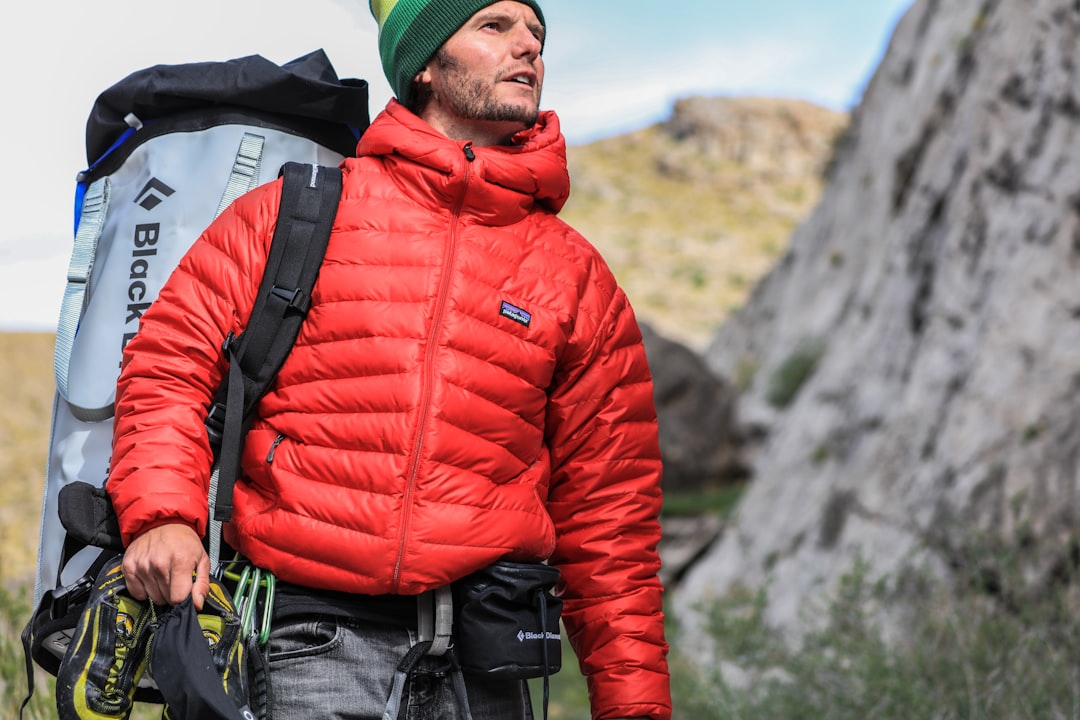
The thermometer in my rental car read 38 degrees when I pulled into the Oconaluftee visitor center parking lot last October, and 74 by the time I found barbecue in Cherokee two hours later. That is not a complaint. That is just what September and October do in American mountain country, and every fall I watch the same scene play out at every trailhead: somebody dressed for the forecast’s high, shivering through its low, then carrying a jacket they bought in a panic gift-shop purchase for the rest of the trip. I used to be that person. Then I stopped treating insulation as an afterthought and started treating it as the single most important thing in my bag from Labor Day through Thanksgiving.
This year my crew and I decided to get systematic about it. We lined up eight packable down and synthetic-fill jackets across three price tiers, stuffed them into their own pockets, weighed them on a luggage scale, and dragged the whole lineup through the Smokies, the Tetons, and a long, cold weekend on the Blue Ridge Parkway. What follows is everything we learned about which puffy actually deserves space in a leaf-season bag.
The Thirty-Degree Swing Nobody Packs For
Here is the thing about fall travel that the hourly forecast hides: the day you’re planning has two climates in it. Sunrise at 8,000 feet in late September can sit in the thirties with a wind that finds every seam in your clothing. By mid-afternoon, the same spot is warm enough that you’re debating whether the climb counts as cardio or commute. The gear that handles both isn’t a heavy parka. It’s something light enough to forget you’re carrying, warm enough to rescue a morning, and small enough to disappear into a daypack when the sun finally does its job.
That’s the entire argument for packable down, and it’s why I now build every autumn trip — like the foliage-chasing itineraries we plan around peak color windows — around one non-negotiable piece of insulation. Miss the warmth and you spend the best light of the day in the car. Miss the packability and you spend the rest of the day wearing a sleeping bag.
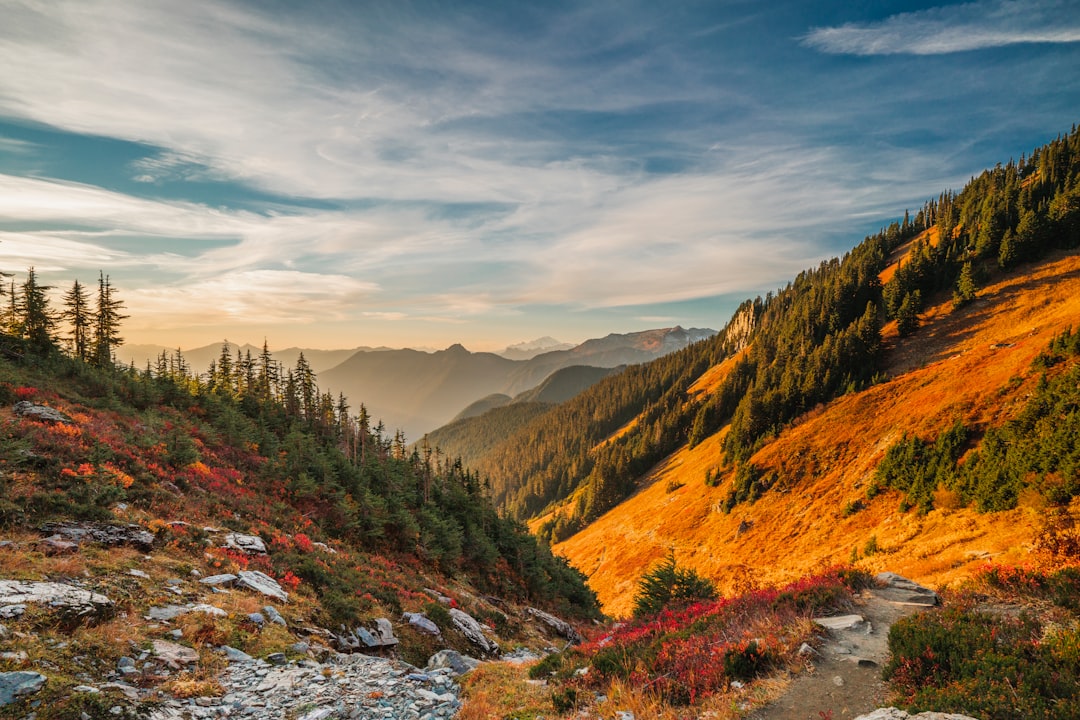
The other thing worth saying out loud: down’s real enemy isn’t cold, it’s moisture. A soaked down jacket is a sad, clumpy quilt. Every pick below is water-resistant at minimum, but if your trip skews rainy — the Pacific Northwest in October, say — size up on the shell or lean synthetic. We’ll get there.
How We Ran This Test
Eight jackets, three trips, four people, one very patient rental car with a trunk that started to look like a gear-shop clearance bin. My usual field team split the lineup so nobody wore the same jacket twice on consecutive days. We scored four things: packed size (how small it goes into its own pocket or stuff sack), weight on a luggage scale, actual warmth during stationary glassing sessions at dawn, and durability — because a jacket that survives a week of being stuffed, unstuffed, sat on, and rained on lightly is a jacket you’ll actually own for years.
We also did the airport test. Every jacket got carried through a travel day, jammed under a seat, and pulled out at the gate. If it couldn’t go from compressed to wearable in under thirty seconds, it lost points. You’d be surprised how many can’t.
The Budget Tier: Forty Dollars That Punch Absurdly High
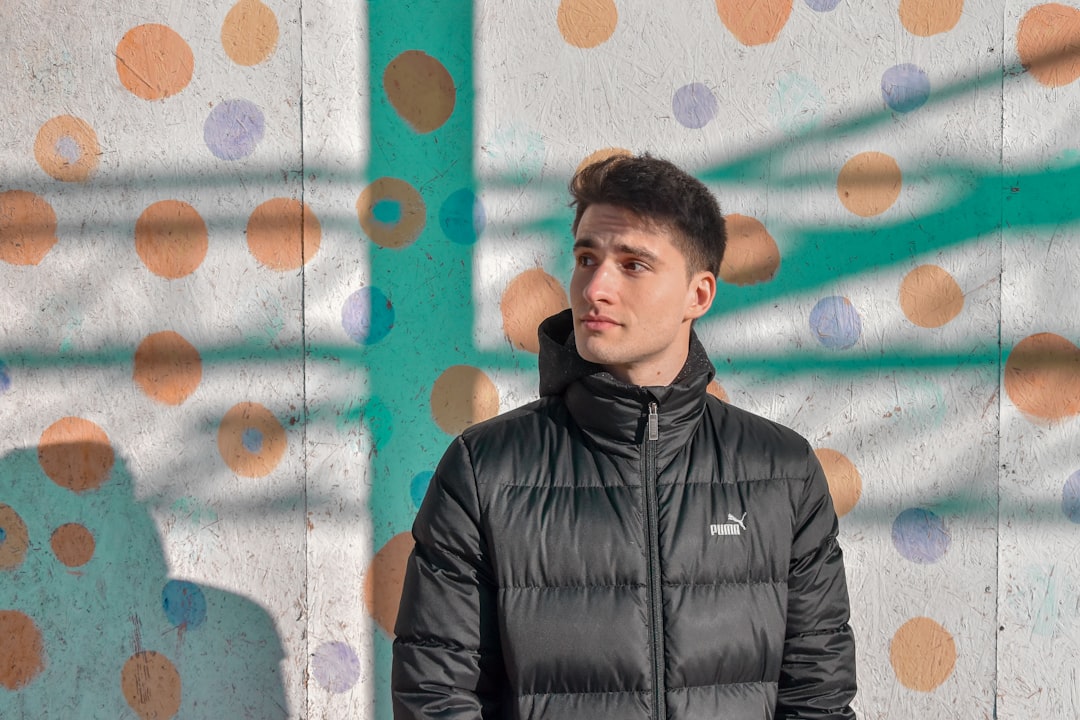
I want to be honest about my expectations here: I assumed the sub-$60 category was where jackets go to die. I was wrong, and my teammate Dana — who ran the women’s side of the test — was the first to say it out loud on a 41-degree morning at sunrise in Cades Cove. Her Amazon Essentials women’s packable puffer, which costs less than a nice dinner out, kept her perfectly comfortable through a two-hour wildlife watch. It packs into its own pocket, shrugs off light drizzle thanks to a water-resistant shell, and comes in enough colors that she’s since bought a second one for everyday wear.
The men’s version earned the same grudging respect. The Amazon Essentials hooded puffer for men was the jacket I kept handing to people who “forgot” theirs, and after the fourth loaner cycle it still zipped smooth and held its loft. Is the down fill power class-leading? No. Is it a legitimately warm, genuinely packable jacket for the price of a tank of gas? Completely. For anyone building a family leaf-trip kit where you’re buying for three or four people, this tier is how you do it without flinching at the credit card statement.

The honest trade-off is fabric: budget shells feel budget. They’ll survive a trip, a season, probably several. They won’t survive a decade of brush against granite the way the premium tier will.
The Mid-Tier Workhorses
This is the tier where I expected the best value-per-dollar, and the test confirmed it. The Outdoor Ventures men’s hooded packable puffer became my default driver’s-seat jacket — the one that lives within arm’s reach on foliage drives, because the hood matters more than people think when you’re standing at an overlook in a north wind waiting for the light to hit the valley. It runs a touch warmer than the budget picks with better draft sealing at the cuffs, and it still compresses to roughly the size of a Nalgene.
Dana’s counterpart pick was the Outdoor Ventures women’s full-zip packable puffer, which she praised for a cut that layers over a fleece without turning you into a marshmallow — a real complaint we’ve had with cheaper women’s sizing. Both of these live in the sweet spot: enough of a step up in materials and fit to justify the price over budget tier, without entering specialty-store territory.
When Ounces Actually Matter: The Premium Pick
Every gear test has a moment where the expensive thing justifies itself, and ours happened on a misted-in ridgeline above String Lake. I was carrying the Mountain Hardwear Ghost Whisperer hoody — a jacket with a cult following among thru-hikers for a reason — and the difference showed up the second the wind did. At well under a pound, with 800-fill down and a shell fabric that feels like it shouldn’t be legal, it delivers more warmth per ounce than anything else we tested by a wide margin. It stuffs to the size of a grapefruit. My teammate Josh, who counts grams on backpacking trips, wore it for three straight days and referred to it only as “the ghost.”
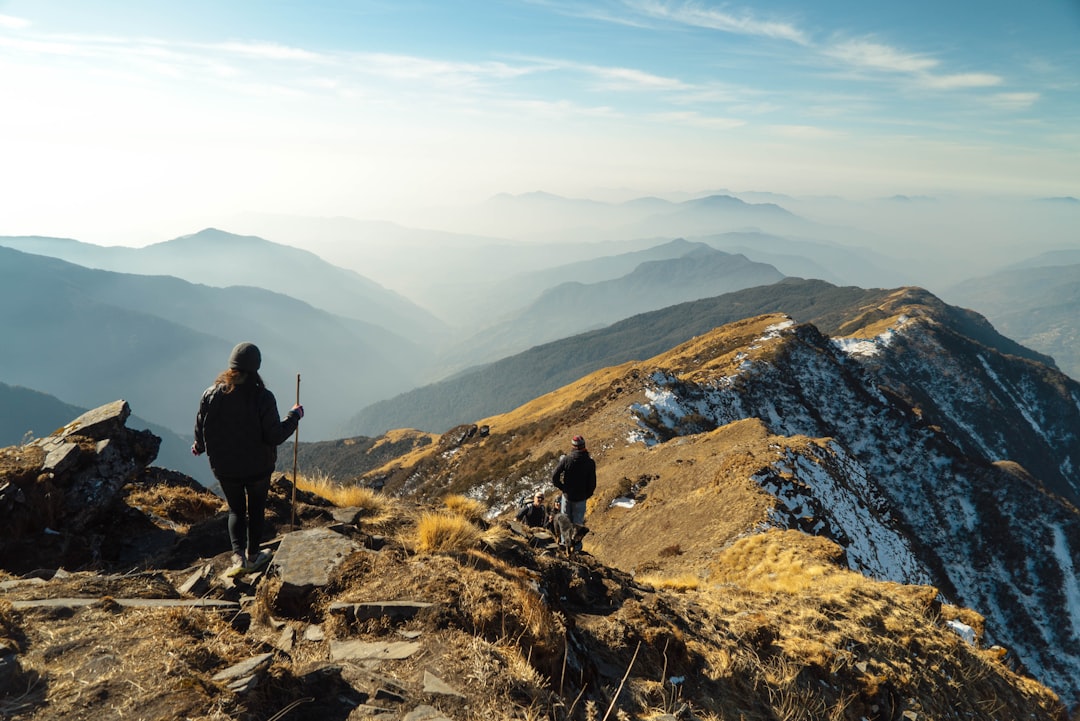
Should every traveler buy one? No. It’s three to five times the budget tier’s price, and its featherweight fabric demands slightly more care. But if your fall plans involve real hiking — say, the kind of September mornings in the Tetons where elk bugle through the frost — and you’ll use it spring and fall for years, the math starts working. This is the one I’d save up for.
The Vest Question
Every fall, somebody on the team argues that a vest is dead weight — arms get cold, they say. Every fall, the vest wins the argument anyway, because vests solve the actual problem of autumn travel: you’re alternately driving, walking, and standing still, and your core temperature keeps switching modes. A vest warms you exactly where you lose heat fastest while leaving your arms free to steer, photograph, and hold coffee.
The men’s packable puffer vest from 33,000ft and the Amazon Essentials women’s puffer vest both earned permanent spots in our road-trip bin. The men’s version has a golf-cut that layers cleanly under a shell; the women’s version is the rare cheap vest that doesn’t fit like a sack. Dana wears hers about 280 days a year, which is its own review.

Don’t Sleep on the Layer Underneath
A puffy over a cotton hoodie is a sweat disaster waiting for a hill. A puffy over merino is a climate-control system. We ran both combos back to back on the same climb, and the merino side won so decisively that two of us converted on the spot. The merino base layer set for men and the Merino.tech women’s base layer set regulate temperature when you’re moving, insulate when you stop, and — the part that matters on a nine-day trip — don’t develop an odor, which means you can pack one set and wear it repeatedly without becoming a social liability at the lodge.
Yes, merino costs more than synthetic base layers. It also works better across a wider range of conditions, and it’s the piece of the system you’ll still be wearing a decade from now. Buy the jacket for the season; buy the base layer for the decade.
The Camp Blanket That Doubles as a Cocoon
Not every cold moment on a fall trip happens while you’re wearing clothes. Sunset glassing sessions, stargazing after the fire dies, the thirty minutes before the campground coffee is ready — these are blanket jobs. My favorite discovery of the entire test period was the COVACURE packable camping blanket, a 57-by-78-inch puffy blanket that stuffs down smaller than any jacket we tested and weighs about a pound and a half. It has become the single most fought-over item in the van. I’ve watched a grown adult claim it for a dawn wildlife drive in Yellowstone and refuse to share.

The move, if you’re traveling as a pair: one jacket each, plus one shared blanket. It covers the gap moments jackets can’t, and it earns its trunk space about four times a day in October.
Cold Ears, Warm Hands, Small Cheap Fixes
The last gap in most fall kits costs about fifteen dollars to close: head and hands. There’s a rule among cold-weather travelers that your extremities age the fastest at overlooks and trailheads, and it’s never wrong. A simple beanie, scarf, and touchscreen-glove set lives in my door pocket from September onward, and the touchscreen fingertips mean I can fire off sunrise photos without the bare-hand shuffle. This is the least glamorous paragraph in this article and possibly the most useful.
How I Pack All of It
The system, distilled: jacket stuffed into its own pocket goes in the daypack, not worn, at the start of every fall day. Base layer goes on at the hotel so I never have to layer-strip in a parking lot. Vest lives in the car within reach of the driver’s seat. Blanket lives behind the passenger seat. The whole kit, for one person, occupies less space than a pair of boots and covers everything from a 28-degree sunrise to a 72-degree afternoon of winding through tunnel-after-tunnel color on the Blue Ridge Parkway.

One packing note worth its own paragraph: don’t store any down jacket compressed for months between trips. Loft is warmth, and loft takes a beating in a stuff sack. At home, everything comes out and hangs in a closet. On the road, compress mercilessly. The jacket forgives days; it doesn’t forgive seasons.
The Verdict
If you take one recommendation from three trips and eight jackets: the mid-tier hooded puffers are the best pure value for typical leaf-season travelers, the budget tier is shockingly good and perfect for outfitting a family, and the premium ultralights are worth it only if ounces or years matter to you. Around those, build the cheap stuff — base layers, a vest, a blanket, a beanie — and you’ll handle any morning the mountains throw at you between now and the last gold aspens coming down in the Eastern Sierra.
September doesn’t wait, and neither does the cold. Pack the puffy, stuff the blanket, and go stand somewhere beautiful at dawn without shivering. That’s the whole game.
1 thought on “Forty at Dawn, Seventy by Two O’Clock: The Packable Down Jackets That Carried My Leaf Season”