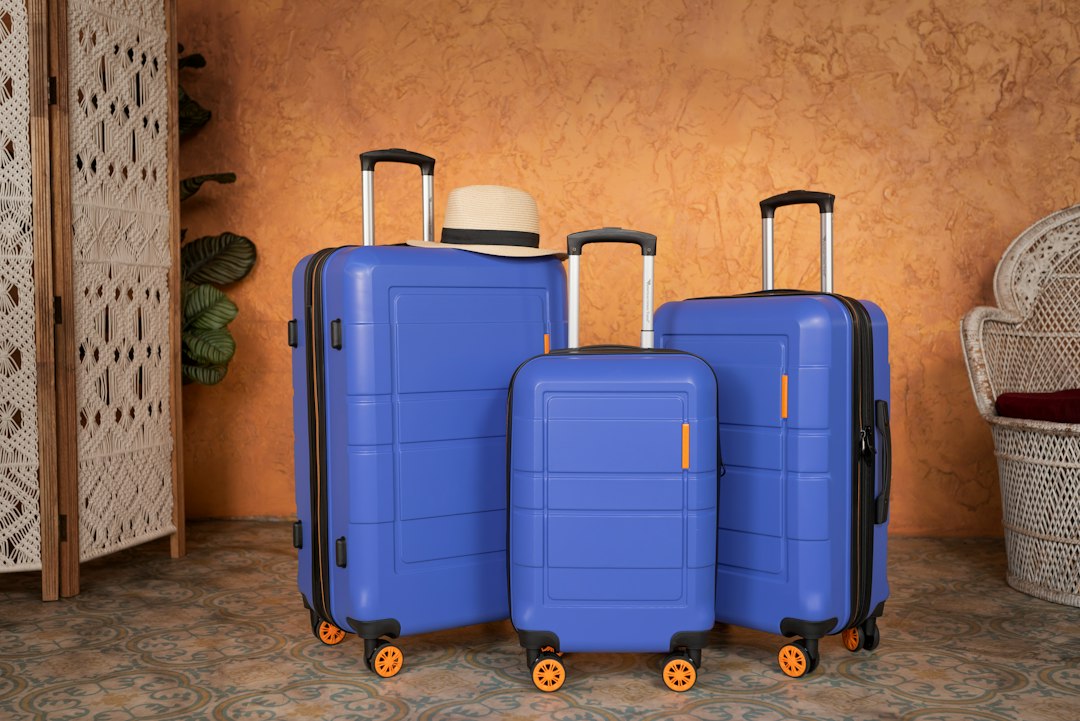
Twelve months ago, I did something mildly irresponsible with company money: I bought three of the cheapest hardshell luggage sets I could find, handed them to my research crew, and told them to travel like people who don’t care about their bags. Checked bags on budget carriers. Overstuffed shells dragged across cobblestone. One set even spent a February weekend in a frozen trunk outside Quebec City. The timing was deliberate. Amazon’s Prime Big Deal Days kicks off tomorrow, October 6, and runs through the 7th, and I promise you these exact suitcases will be all over your feed with big red “was” prices. Before you click anything, here is what a year of genuine abuse did to each of them.
Why Every Outlet Is Suddenly Recommending Cheap Luggage Sets
Budget suitcase sets are having a moment, and it’s not an accident. Travel + Leisure has been testing sub-$150 sets all year and came away genuinely impressed by the Coolife lineup’s looks and spin. Oprah Daily’s shopping team just published a Prime Big Deal Days travel guide built almost entirely around marked-down luggage, packing cubes, and toiletry kits. When mainstream gift guides start treating a $110 three-piece set as a legitimate recommendation instead of a punchline, something has shifted in the market.
What shifted is the plastic. Modern ABS and ABS-PC blend shells cost manufacturers a fraction of what they did five years ago, so the floor on “acceptable suitcase” has dropped from about $200 to about $90. The catch is that a low floor isn’t the same as a high ceiling. I started a price watchlist on these sets four weeks before the sale precisely because “cheap” only stays cheap if the markdown is real.
Who are these sets actually for? People who fly two to five times a year, families who suddenly need three matching bags for one vacation, and anyone whose luggage history reads like a cemetery of goodwill suitcases. If that’s you, read on.
The Contenders: Three Sets, One Hallway
I kept the budget under $120 per set, because that’s the psychological line where “deal” becomes “impulse.” Three sets made the cut. The Coolife three-piece hardshell set is the one you’ve already seen — it’s the T&L-featured favorite, an ABS build with a TSA-friendly combination lock, spinner wheels that genuinely glide, and a 20/24/28-inch nesting trio in colors from sensible black to a sky blue that baggage handlers can spot from the far end of the carousel.
The second contender was the Light Flight expandable suitcase set, which tempts with one feature the others don’t offer: a gusseted expansion zipper that claims an extra fifteen percent of packing room. The third was the Rockland Melbourne three-piece set, the grizzled veteran of the budget-luggage world. Rockland has been the “first big kid suitcase” for a generation of families, and at roughly a hundred dollars for three pieces, it’s the set most likely to appear in tomorrow’s lightning deals.
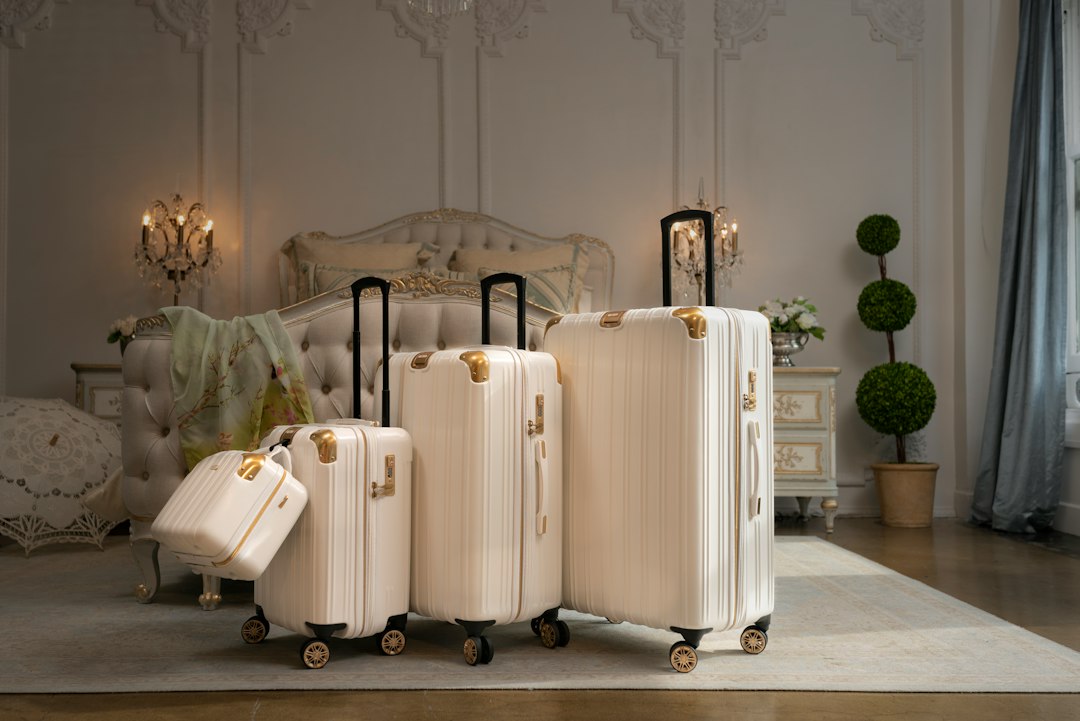
Out of the boxes, all three passed the eye test. Nobody at the airport would guess the hallway lineup cost less than a single premium carry-on. But boxes and baggage handlers are different environments, and boxes don’t have opinions.
How We Ran a Year of Abuse in Twelve Months
My crew and I built a simple protocol. Between the four of us, the sets covered 23 trips and 31 checked segments over the year, plus a rotating torture calendar: every checked piece got loaded to exactly 48 pounds (the scale doesn’t lie), dropped from cargo-bed height twice per trip, and rolled a full kilometer over the worst cobblestones we could find. Old San Juan and Quebec City both volunteered their streets. Carry-on pieces from each set faced the Spirit and Frontier sizer gauntlet — the same one my colleague demolished in the personal-item smackdown earlier this season — and a minimum of fifty overhead-bin slams.
We photographed every scuff, logged every wheel wobble, and pretended not to apologize to hotel bellhops. It was, my researchers agree, the most fun anyone has legally had ruining luggage.
Month Three: The First Cracks Show Up
The first failure arrived early and it was the Rockland’s zipper pull — the metal loop separated from the slider somewhere between Atlanta and Fort Myers, which is the exact kind of silent failure you discover at midnight in a rental parking lot. A pair of pliers and a key ring fixed it for good, but I logged it as a warning: on budget sets, the hardware gives out before the shell does.
The Coolife picked up its first battle scar in month three, a shallow dent above the wheel housing courtesy of a Denver carousel. Here’s the thing about ABS, though: it dents, it doesn’t shatter. The dent is still there today, a cosmetic tombstone, and the wheel next to it spins like month one. The Light Flight aged differently — its expandable gusset, the feature that sold it, slowly became its weakest point. By summer, we’d stopped expanding the 25-inch because the main zipper fought back when zipped over the bulge.
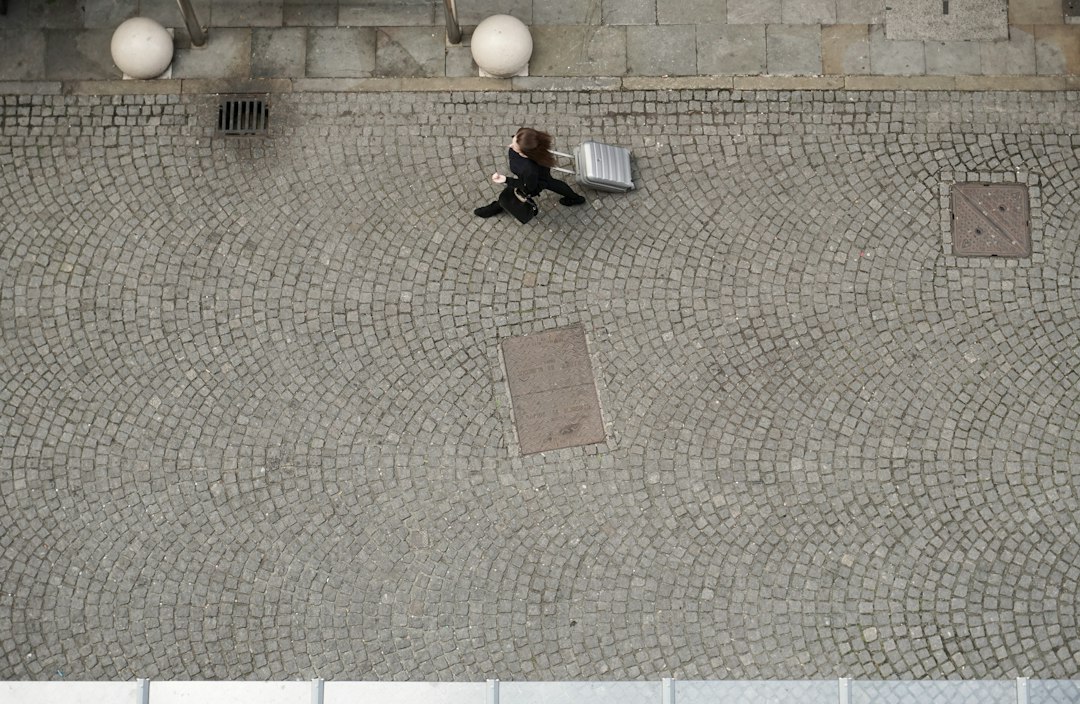
Cobblestones were the great equalizer. Every single set lost wheel smoothness on stone, and none of them died. That sentence is honestly the thesis of this whole test.
What Survived Twelve Months — and What Didn’t
Final tally. The Coolife set finished first: one dent, zero wheel failures, one handle that developed a half-millimeter wobble you can feel but not see. The spinner bearings on the 28-inch are still quieter than my knees. For a set that lives under $120 and will very likely dip lower during tomorrow’s event, that’s a genuinely absurd result.
The Light Flight set finished second — structurally sound, cosmetically wrecked, scuffed like it had fought a war it mostly won. The expansion zipper remains a “use it twice a year” feature, not a “live in it” feature. The Rockland finished third but alive: two zipper-pull repairs, wheels that howl on tile, and a shell that shrugged off everything the year threw at it. All three sets are still traveling. None of the three is cracked.
Two honest caveats. First, the built-in combination locks on all three sets are decorative theater — I’d treat them as zipper pullers, not security. Second, budget shells have zero theft-deterrent zipper architecture, so my rule stands regardless of price: put a tracker in every checked bag you own. The cheapest of these sets with a $25 tracker inside outperforms a $400 shell you can’t find.
The Sixty Bucks of Accessories That Doubled Their Lifespan
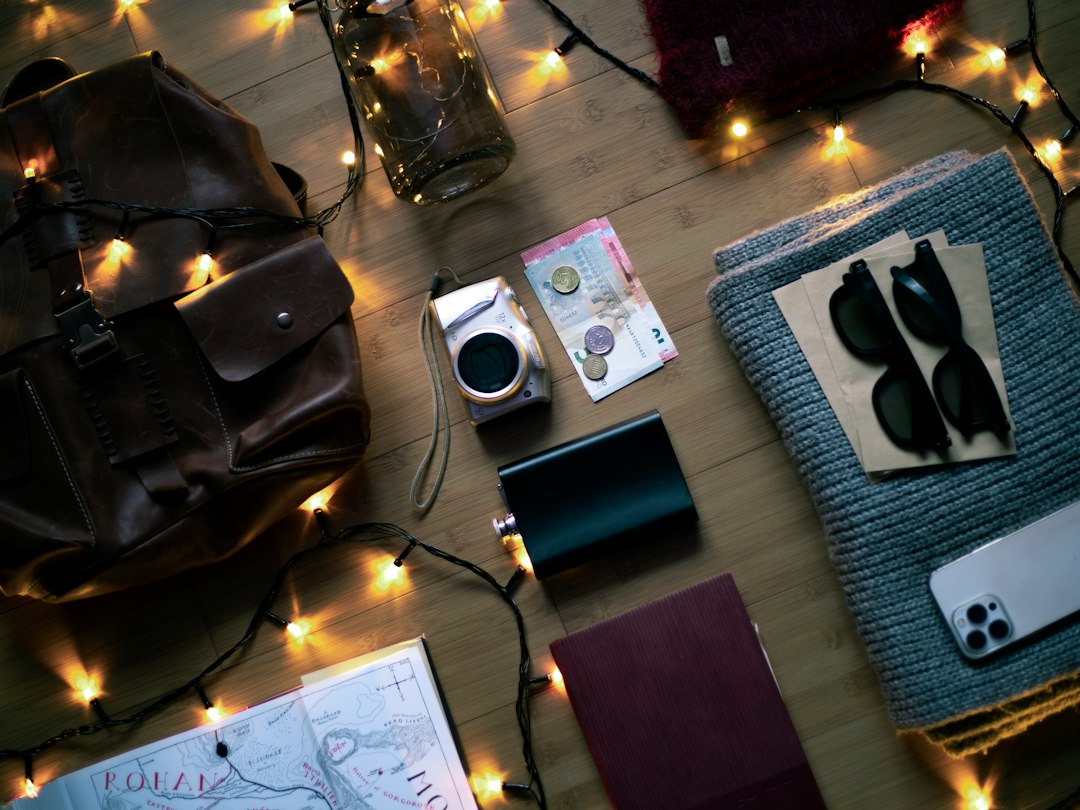
If you buy any budget set this week, spend one more small stack of money and it will last twice as long. A $12 digital luggage scale saves you from the 51-pound surprise fee that does more damage than any baggage handler — overweight charges now outstrip the cost of some of these suitcases. Real TSA-approved combination locks replace the toy versions the sets ship with. A set of compression packing cubes does something sneakier: it compresses load against the shell walls instead of letting it bulge against the zipper, which is precisely where cheap sets fail.
Finish the kit with bright rubber luggage tags so your black Rockland isn’t one of forty identical black Rocklands on the belt, a hanging toiletry kit that keeps the liquids away from the seams, and — for the checked pieces — a padded suitcase cover that absorbs the carousel abuse your shell would otherwise wear. Total damage: about sixty dollars, spread across Prime Big Deal Days pricing if you time it right.
Reading Tomorrow’s Markdowns Without Getting Played
Here’s the part where I save you actual money. Prime Big Deal Days is a members-only event — the deal pricing is exclusive to Prime subscribers, and if you’ve been on the fence, this is the week a Prime membership pays for itself: full access to the 48-hour sale, free fast shipping on boxes that weigh as much as a toddler, and painless returns when a hardshell arrives with a shipping dent, which happens with ABS more often than any brand admits.
But membership only saves you money if the markdown is real. Watch for three tricks. “List price” inflation, where the was-price quietly climbed in September before falling back tomorrow — my watchlist caught exactly this on one of our test sets. Bundle math, where a “set deal” costs more than buying pieces separately. And the countdown-timer pressure that convinces you a mediocre deal is a disappearing one. Check the price history, decide your ceiling before the sale starts, and sleep fine. The Coolife set has hovered in a narrow band all year; anything at or below its September floor is legitimately good.
The Verdict: Which Set Earned Its Spot in My Hallway
Ranking time. Buy the Coolife three-piece if you want the best all-arounder — smoothest wheels, best handle, the one dent in a year, and the set my researchers fought over by December. Buy the Light Flight expandable set if you genuinely need flexible capacity for family trips and you’ll treat the expansion zipper as an occasional tool, not a lifestyle. Buy the Rockland Melbourne set if the absolute lowest number on the price tag is the mission — it survived, loudly, and three bags for the price of one nice pair of travel shoes is its own kind of logic.
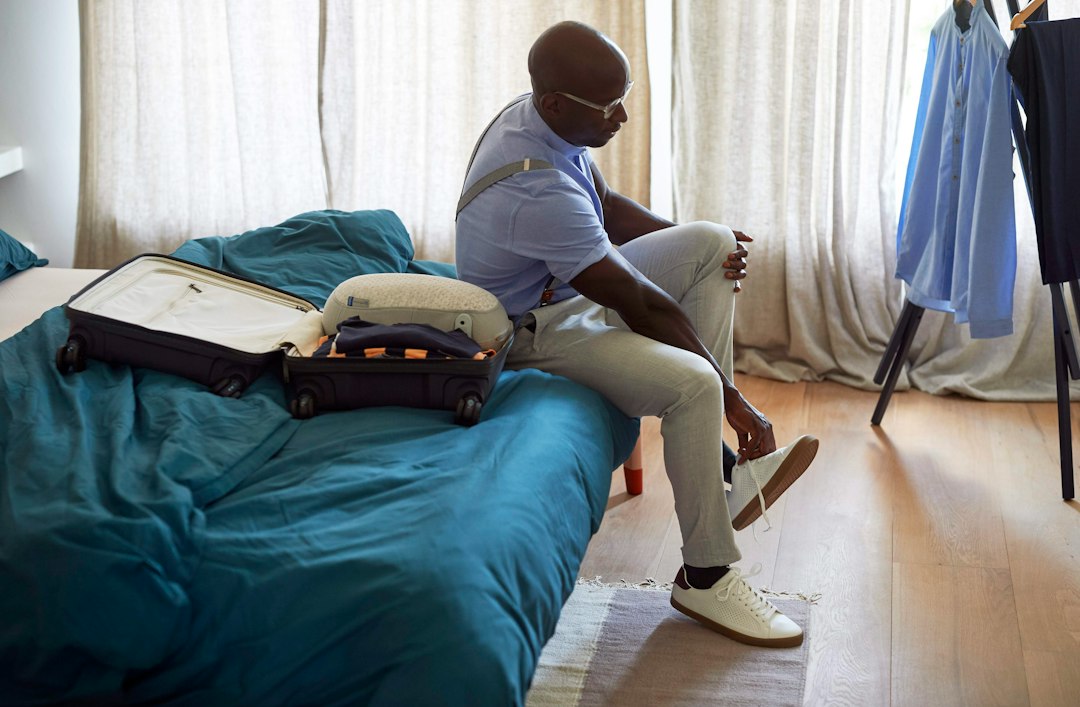
Skip budget sets entirely if you’re a weekly road warrior checking bags forty times a year — that math still belongs to premium polycarbonate. But for everyone else, the year’s verdict is oddly heartwarming: cheap luggage has gotten good enough to bet a vacation on, as long as you know which parts are theater. The sale starts tomorrow morning. My hallway, dent and all, is keeping all three.