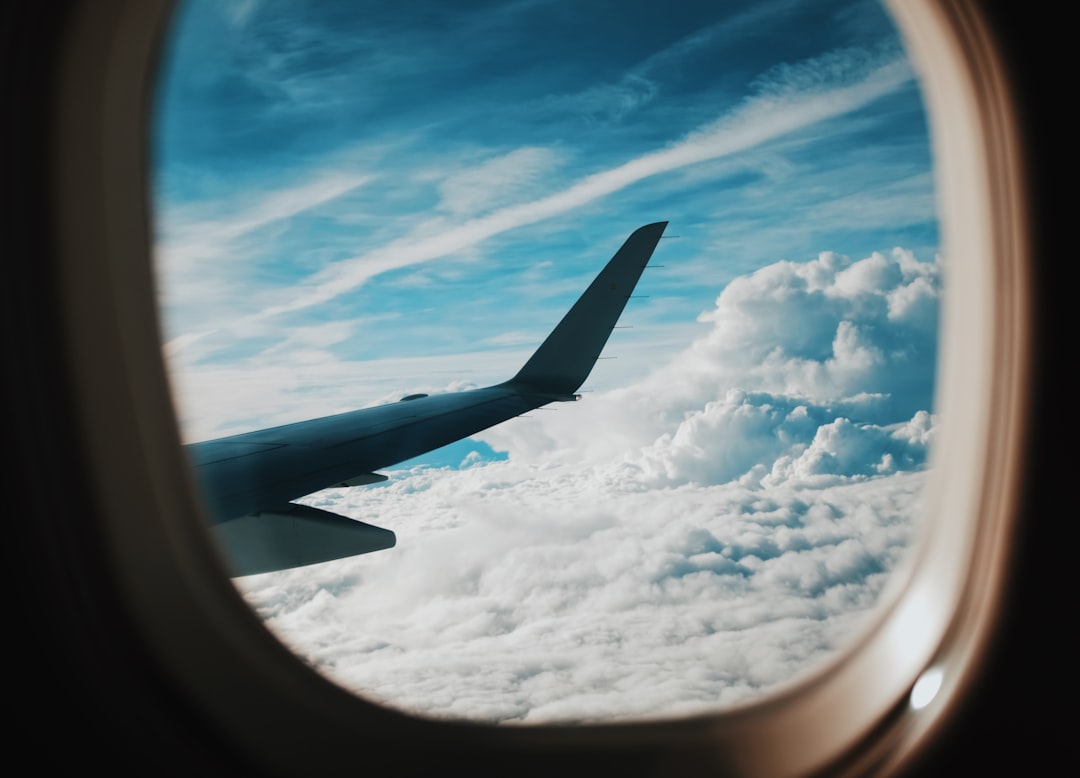
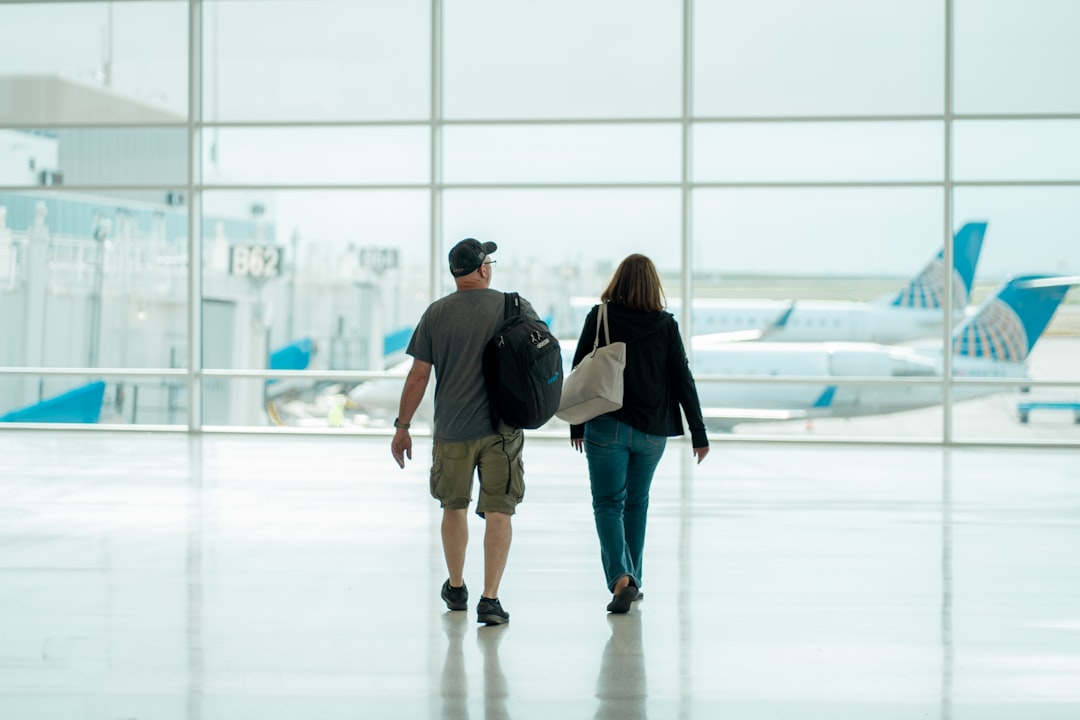
The sizer at Gate B14 in Denver has a way of settling arguments. The Frontier agent didn’t raise her voice, didn’t threaten, didn’t even sigh. She just pointed at the welded steel box bolted to the counter, the one stamped 14″ x 18″ x 8″, and waited. My nominally compliant duffel went in wheels-first and stopped two inches short of seated. Behind me, a line of people who had paid $19 for their tickets watched me pay $79 for my bag to fly in the hold. That was in June. I’ve flown nine segments on budget carriers since, and I haven’t paid a bag fee since July. Here’s what changed.
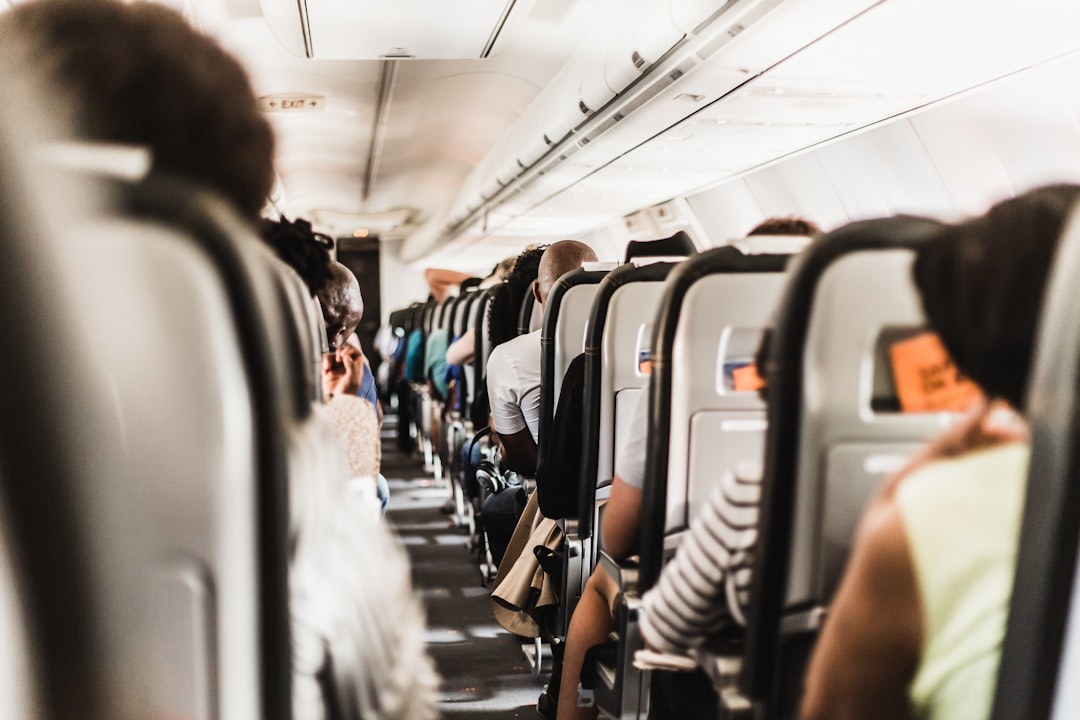
What changed is that I stopped treating the personal item as a suggestion and started treating it as the entire trip. For years the free bag was where I shoved the overflow — the jacket, the book, the sneakers that didn’t fit in the carry-on. Budget airlines have quietly re-engineered that habit into a profit center. Spirit allows 18 x 14 x 8 inches and 40 pounds. Frontier’s box is the same 18 x 14 x 8 footprint, enforced including handles, straps, and anything stuffed in the side pockets. Both airlines now make more from ancillary fees than from base fares, and gate agents have quotas to hit. The crackdown isn’t coming. It’s here, and it’s holding a tape measure.
The Crackdown Is Real — So Do the Math Before You Pack
Start with arithmetic, because the arithmetic is what convinced me. A carry-on on Frontier booked at the gate runs $99 round trip if you’re lucky. Gate-checking an oversized personal item runs $79 on the spot. Multiply that across four trips a year and you’re approaching $500 — enough for a fifth trip if you play it right. My editor ran the numbers on our last twelve budget flights and found we’d collectively handed over more in gate fees than we’d spent on one of the actual tickets. That’s the moment a project stops being a fun experiment and becomes a mission.
The mission had rules. Every bag we tested had to fit the published 18 x 14 x 8 box with room to spare, survive being actually full — not gently full, but vacation-full — and still slide under a seat on a regional jet where the under-seat depth shrinks to something closer to seven inches. A colleague of mine spent a week with a cardboard mock-up of the sizer taped to the office floor. It looked ridiculous. It was also the single most useful piece of testing equipment we’ve ever built, because a bag that “should fit” and a bag that fits are separated by exactly the distance between an agent’s patience and her quota.
Start With a Tape Measure, Not a Shopping Cart
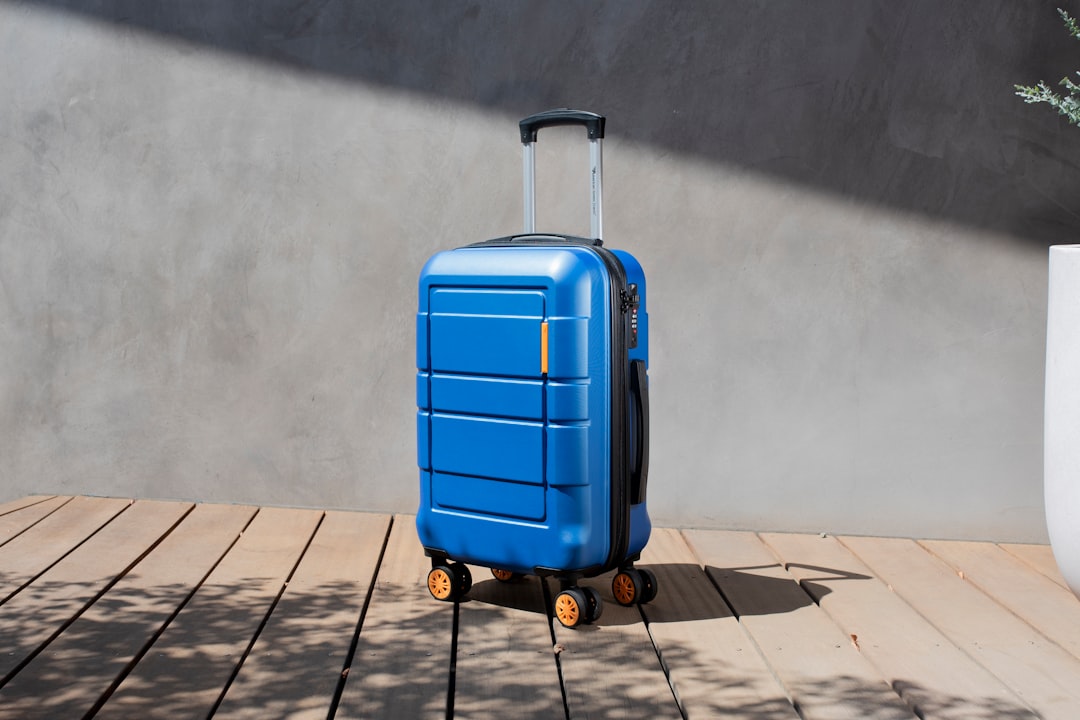
Before you spend a dollar, measure the bag you already own. Manufacturers list dimensions with an optimism that should be regulated. My “17-inch” duffel measured 17 inches the way a fishing story measures a bass — unloaded, unstuffed, zipper strained, hope included. Load any soft bag to capacity and it bulges an inch in every direction, and the sizer counts the bulge. Hard-shell bags are worse in a different way: their listed dimensions are honest, but rigid corners have zero give, and a millimeter of wheel beyond the line is a fail. One of our testers lost a hard-shell weekend roller to exactly this — the wheels. The wheels counted.
Weight matters too, mostly on Spirit, where the personal item tops out at 40 pounds. You will not hit 40 pounds with clothing. You might hit it with camera gear, books, or a week of dense electronics. If your bag trends heavy, a digital luggage scale like the Etekcity we’ve carried for two years costs less than one fee and ends the guessing. I keep a smaller travel inspira scale clipped inside the duffel for the return trip, when the bag is always heavier — souvenirs have mass, and denial doesn’t.
The X-Ray Screen Doesn’t Care About Your Packing Style
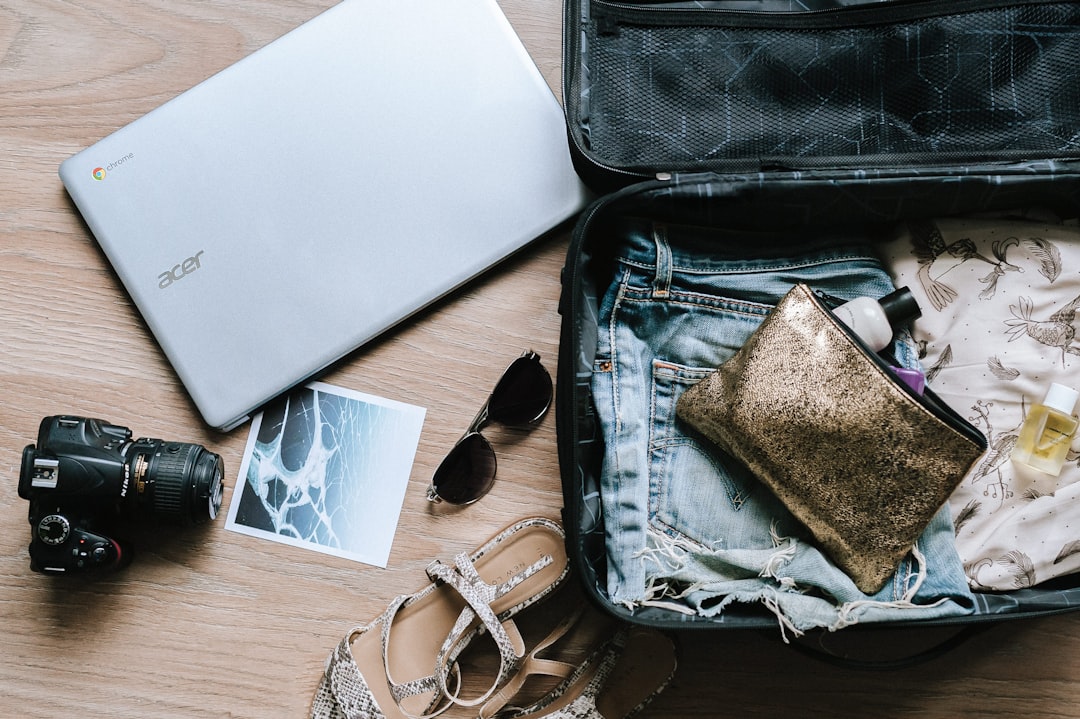
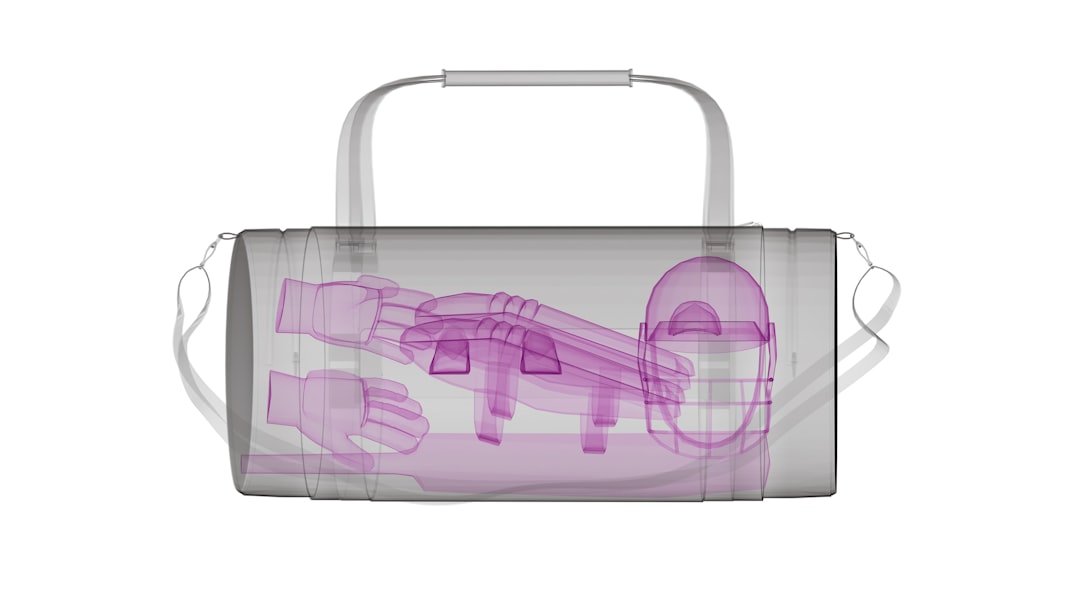
Here’s the part nobody talks about: a personal item also has to survive security, possibly multiple times a week. I spent one morning watching the scanner monitor (from the polite distance the TSA prefers) and the pattern was obvious. Soft, flat, layered bags sail through. Hard tubes of rolled clothing and jumbled cubes of cables trigger a look, a swab, a slow exhale from the line behind you. Pack in flat layers, densest items at the bottom edge of the image, electronics where a screener can identify them at a glance. You’re not just packing a bag. You’re packing a bag that reads cleanly at 6 a.m. in a TSA PreCheck line that somehow isn’t moving.
Liquids deserve their own paragraph because they’re where most personal items die a slow death of inches. A clear TSA-approved toiletry kit that packs flat against the bag’s wall takes almost no room and unravels in seconds at the checkpoint. Bulky hanging toiletry kits belong in checked bags from a previous era of travel. Flat wins. Flat always wins at this scale.
The Bag That Passed Every Sizer I Threw at It
After the cardboard-box gauntlet and nine real flights, one bag earned permanent duty: the ECOHUB 18x14x8 personal item backpack. It’s built to the exact budget-airline box — not “approximately,” not “up to” — with soft sides that give you a forgiving half-inch of cheat when you’ve overpacked the front pocket. It climbed into the Denver sizer with a shrug of clearance on three separate trips. The clamshell opening means you can actually live out of it for a week instead of excavating like it’s an archaeological dig, and the wet-pocket separation kept a rain-soaked shell away from a laptop on a particularly soggy arrival in Portland.

No bag is perfect. The ECOHUB’s straps are hydration-pack grade, not backpacking grade, and at a full 35-ish liters of load it wears like the duffel it secretly wants to be. But those are quibbles at this price. The team’s other testers keep trying to dethrone it and keep failing.
When a Duffel Beats a Backpack
Backpacks win on structure, but duffels win on volume per inch, because a duffel is essentially a soft rectangle that assumes whatever shape the sizer demands. For max-capacity missions — a week of real clothes, not performance merino — I reach for a foldable 18x14x8 duffel built specifically for Spirit’s box. It stuffs down to the size of a sandwich when empty, which means it can ride inside your main bag on the way out and carry your acquisitions on the way home. A colleague swears by the version with the shoulder strap in snow navy, which she says is the only personal item she’s owned that doesn’t make her look like she’s headed to a track meet. The tote-style opening also means no unpacking the whole bag to reach the thing at the bottom, which — if you’ve ever repacked a backpack on an airport floor while a cleanup crew circles — is not a small thing.
Two Runners-Up That Earned Their Shelf Space
The Lossga 18x14x8 waterproof backpack is the one I hand to people who travel for work: it looks like a business bag, opens like one, and shrugged off a full-on Gulf Coast downpour that soaked everything else in the truck. And the Taygeer flight-approved backpack is the budget pick that keeps surprising us — under thirty dollars at this writing, genuinely sizer-sized, and after six months of abuse by the most destructive member of our team (she denies this) it has lost exactly one zipper pull. If you’re testing whether the one-bag lifestyle suits you before committing real money, start there.
Packing a Week Inside the Free Box
The bag is half the equation. The other half is technique, and the technique is ruthless flat-packing with compression. I ran a three-trip experiment with six brands of compression cubes and wrote up the full verdict here, but the short version: compression cubes genuinely reclaim 20 to 30 percent of volume, and in a personal-item-sized bag that’s the difference between four days of clothes and seven. The OlarHike 10-piece compression set won on fabric quality; the Veken set won on price and became our default loaner kit for guests who didn’t believe the flat-pack gospel until they saw it.
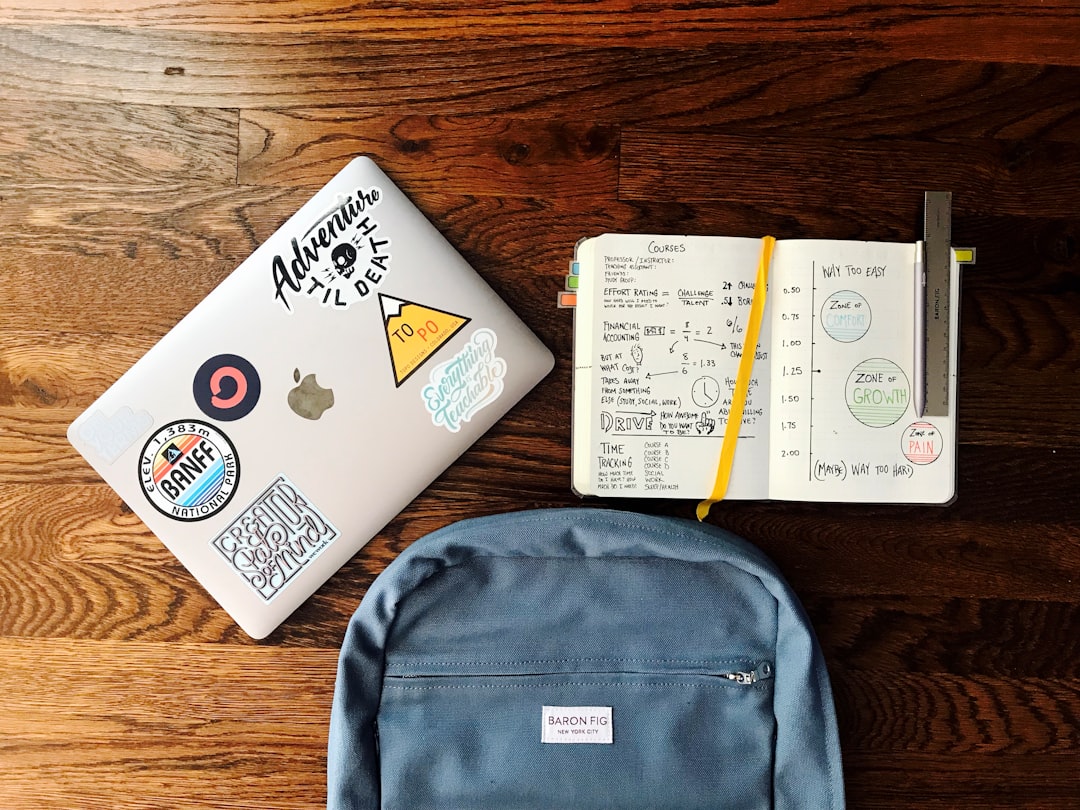
Clothing strategy matters more than cube strategy. Merino everything — it resets overnight in a hotel bathroom and one shirt covers three days. Wear your bulkiest items to the airport, yes, but also plan the layers as a system: one base, two midlayers, one shell, done. I spent six months refining this approach during a one-bag stretch I documented last spring, and the personal-item-only discipline is just that philosophy with the safety net removed. Honestly, the safety net was mostly holding me back.
Life at Foot Level: The Under-Seat Tradeoffs
I won’t lie to you about the tradeoff. Committing to the personal item means your bag lives at your feet, and your feet notice. On an Airbus you’ll have room to spare; on a regional jet the seat rails eat two inches and your knee becomes a shelf. The fix is splitting your kit: true essentials (phone, headphones, snacks, the current book) in a slim sleeve or the seat pocket, everything else in the bag, gone until you need it. I also stopped treating the bag as untouchable in the overhead — if there’s space, the bag goes up on boarding and comes down at descent. And because a personal item never leaves your custody, it’s also the right home for anything you’d hate to lose; my tracker-in-every-bag policy started exactly here, after watching a gate-checked bag take a solo tour of Cleveland.
The Receipts: What a Month of Sizers Actually Saved
Final accounting, because you deserve numbers instead of vibes. Across nine budget segments since June, zero gate fees. Estimated avoided charges, based on the four trips where a carry-on would otherwise have been checked or paid for: roughly $310. Cost of the full kit — bag, cubes, toiletry system, scale: about $150, one time. Every trip from here forward is pure savings, and I board earlier than the carry-on crowd because personal items board with me, every time. The sizer at Gate B14 is still there, still bolted down, still settling arguments. It’s just no longer settling them against me.
4 thoughts on “The Personal Item Sizer Smackdown: Beating Spirit and Frontier’s 18x14x8 Box at Its Own Game”