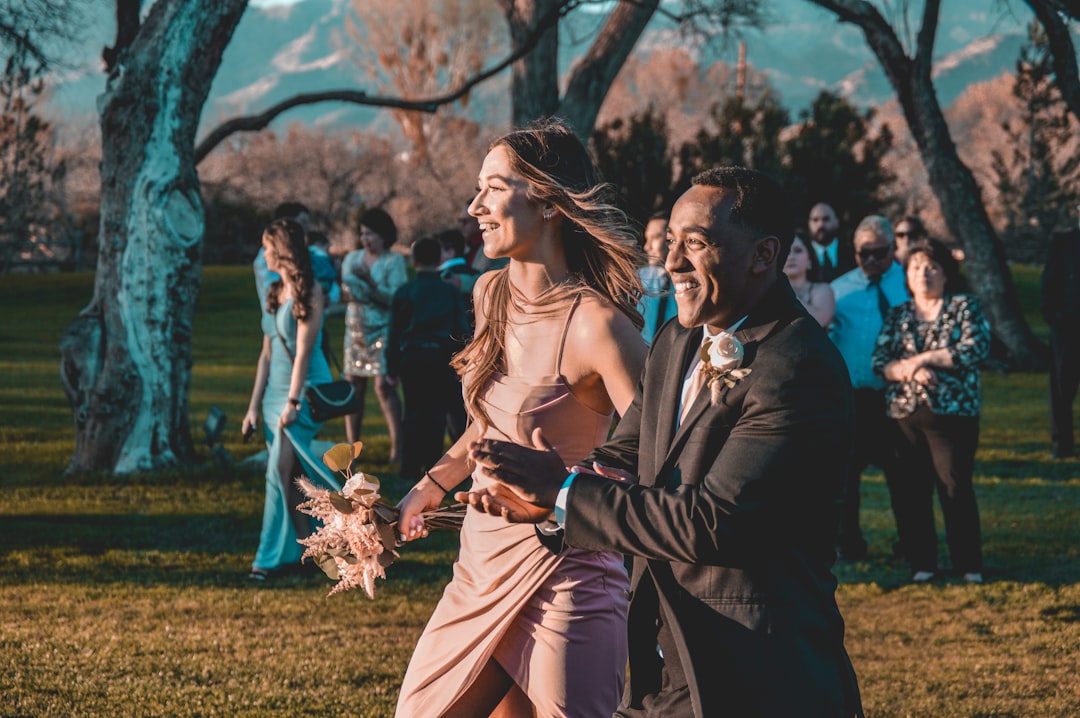
There is a specific kind of panic that hits when you unzip a garment bag in a hotel room ninety minutes before a wedding and find your blazer wrinkled like a raisin. I experienced it in full last June, standing in a Courtyard Marriott outside Asheville with my dress shirt looking like it had lost a fight with a folding chair. That moment is why I spent this wedding season running a proper experiment instead of winging it.
Between May and early August, my calendar included three weddings across three states — a lakeside ceremony in Michigan, a formal evening affair in Charleston, and a backyard celebration in the Hudson Valley that somehow still requested cocktail attire. Each trip involved a flight, a hotel, and formal wear packed under pressure. This time, I brought steamers. Five of them, actually, because if you’re going to solve a problem once, you might as well solve it permanently.
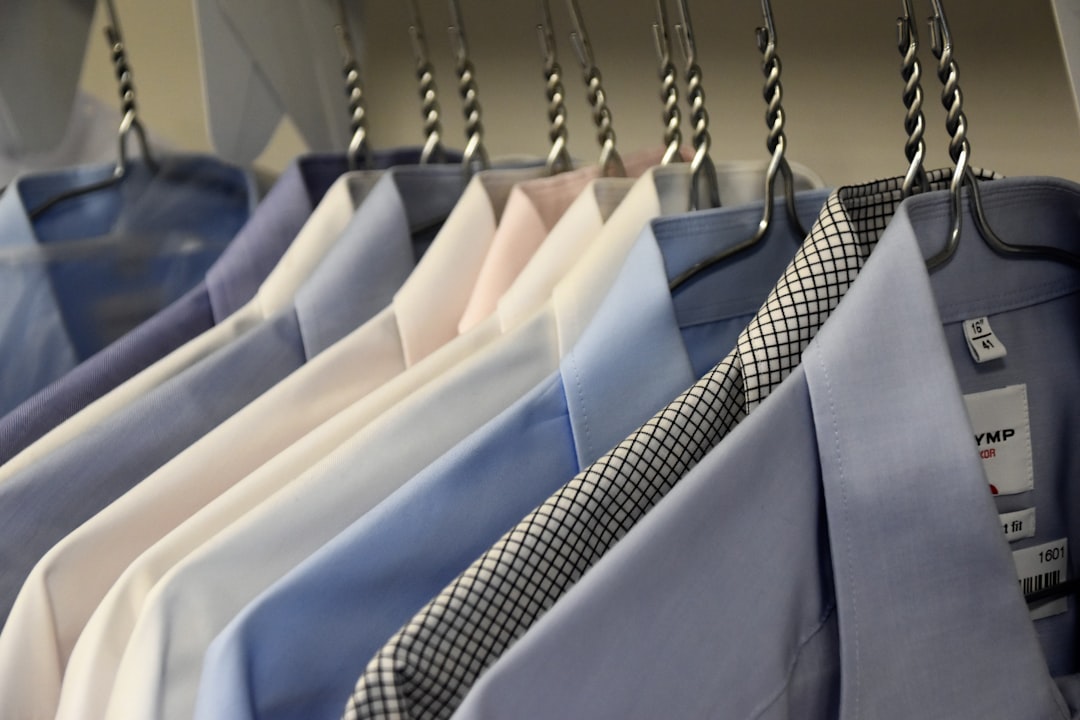
How We Ran the Hotel Bathroom Showdown
I didn’t do this alone. My team helped wrangle logistics: one person managed the packing system, another ran timing tests with a stopwatch, and a friend who travels for corporate gigs weekly offered brutal honesty about which units survived real-world abuse. Every steamer got tested on the same three fabrics — a wool-blend suit jacket, a cotton poplin dress shirt, and a satin dress that my colleague swore was engineered specifically to trap creases.
The testing criteria were simple. How long from plug-in to steam? Could it handle a full garment on one tank? Did it spit water spots onto fabric, which is the cardinal sin of cheap steamers? And the question that matters most for anyone flying to a wedding: does it work on overseas voltage, or will it turn into a decorative paperweight the first time you plug it into a European outlet?
What Actually Matters in a Travel Steamer
Before the results, a quick word on features, because this category is full of marketing noise. Heat-up time is the one that surprised me most. When you’re getting ready for a five o’clock ceremony, a steamer that takes ninety seconds versus one that takes four minutes is the difference between calm preparation and sprinting through a hallway in dress socks.
Tank size matters less than you’d think, unless you’re steaming an entire bridal party’s worth of clothing. A 120ml tank handled one suit jacket and a shirt with room to spare in our tests. The dealbreaker features were dual voltage for international travel, a locking mechanism so it doesn’t turn on inside your bag, and a wide enough steam head that you’re not making forty passes over the same sleeve.

The Steamers That Earned a Permanent Spot in My Bag
The overall winner was the OGHom 2-in-1 travel steamer and iron, and it wasn’t particularly close. It heats in about thirty seconds, switches between steam and a dry-iron mode for pressing collars flat, and runs on 100-240V, which means it worked in Charleston and would work in Tuscany. The ceramic plate got hot enough to press a shirt collar crisp while the steam handled the body of the jacket. One of my teammates now carries the same unit after borrowing mine before the Michigan rehearsal dinner and refusing to give it back.

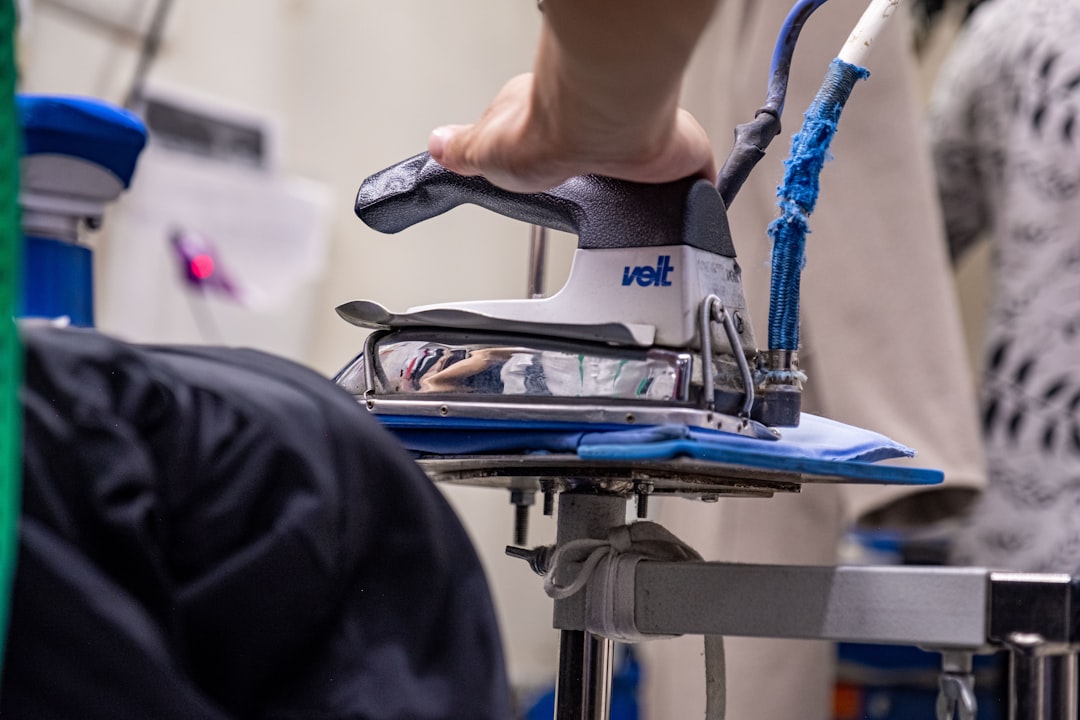
Second place went to the Jack & Rose 15-second steamer, which is the fastest unit we tested and also dual voltage. Its trick is a ceramic heat panel that lets you press garments flat against a towel on the bed — handy for the satin dress, which responded better to direct pressure than to hanging steam. If your wedding calendar leans toward dresses and lighter fabrics, this is the one I’d point you toward first.
For carry-on purists watching every ounce, the ultralight OGHom handheld folds into a space smaller than a sunglasses case. It’s steam-only and the tank runs dry mid-shirt, but as an emergency tool for one jacket, it’s hard to argue with something that weighs less than the wedding invitation. My colleague keeps the 1000W fast-heat model in her car for destination events within driving distance, where its bigger appetite for space doesn’t matter.
One honest caution from testing: the large-tank OGHom 240ml is a workhorse for home use and cruise cabins, but it’s 120V only. Pack that one for a domestic road trip, not for the Italian wedding you’ve been invited to. Voltage mismatches are how travel gear dies young.
The Night I Skipped the Steamer Entirely
Here’s the part steamer manufacturers won’t tell you: sometimes you don’t need one at all. The night before the Hudson Valley wedding, my steamer was in a checked bag that American Airlines had decided to send on its own adventure. So I fell back on the oldest trick in budget travel — I hung my shirt and jacket in the bathroom, cranked the shower to full hot, closed the door, and let the room fog up like a sauna while I went to find dinner.
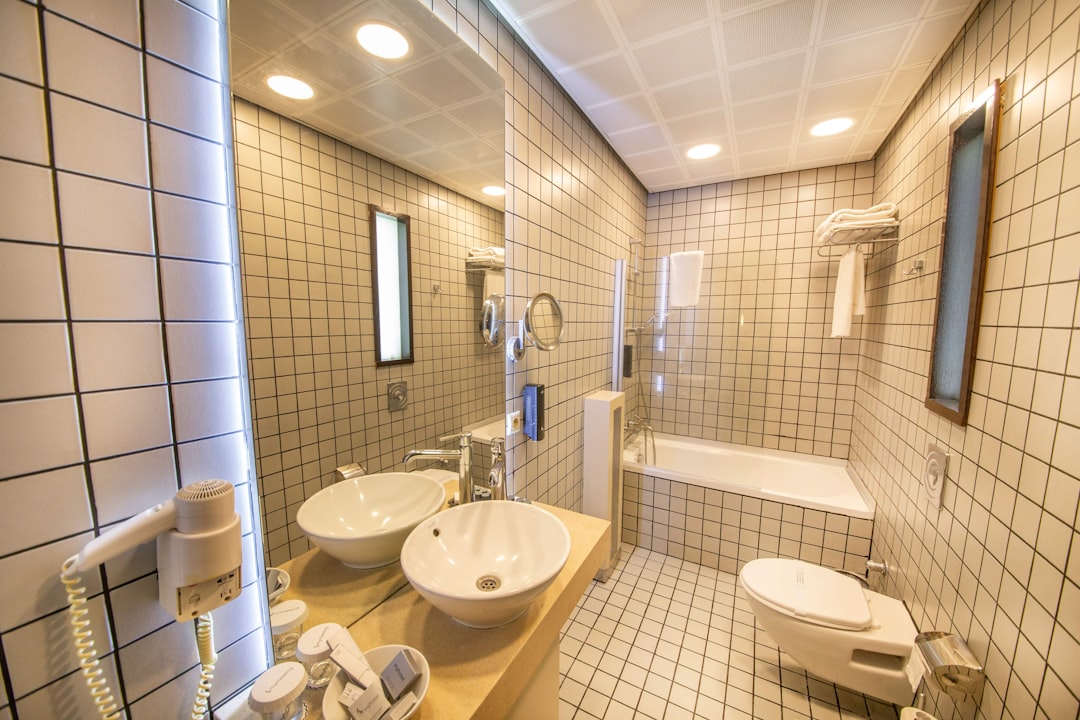
Twenty minutes of steam knocked out maybe eighty percent of the wrinkles, and a quick shake-and-stretch of the fabric while it was still warm got most of the rest. It’s not as good as a real steamer on deep creases — the suit jacket shoulders stayed stubborn — but for a dress shirt? Completely presentable. The lesson I took: the shower trick is a legitimate backup, not a compromise you should feel bad about. Just hang the clothes away from the direct spray unless you want a wet collar at seven a.m.
The Supporting Cast Worth Packing
Steam is only half the wrinkle war. The other half happens before you zip the bag and after you put the garment on. A travel-size bottle of Downy wrinkle release spray became the MVP of the Charleston trip — a light mist, a firm smooth with your palm, and ten minutes of hang time relaxed the linen blends that steam alone couldn’t fully rescue. It’s the thing I now recommend to every wedding guest who swears they have “nothing to wear” that isn’t creased.
Pet hair and lint are the other silent killers of wedding photos. A mini travel lint roller lives in my personal item year-round now, and the retractable two-pack from Scotch-Brite is smart because the sticky part retracts instead of collecting every fiber from the bottom of your bag. My teammate, a committed dog mom, calls hers the single most borrowed item at every group getaway.
Then there’s the hanger question, which sounds absurd until you’ve stayed at a hotel with exactly three hangers and a five-person getting-ready crew. A set of foldable travel hangers weighs almost nothing and has prevented more pre-ceremony arguments than I can count. If you’re outfitting a whole group or a cruise cabin, the 20-piece cruise-essential set covers a bridal party’s worth of cocktail attire.
An Ounce of Packing Prevention
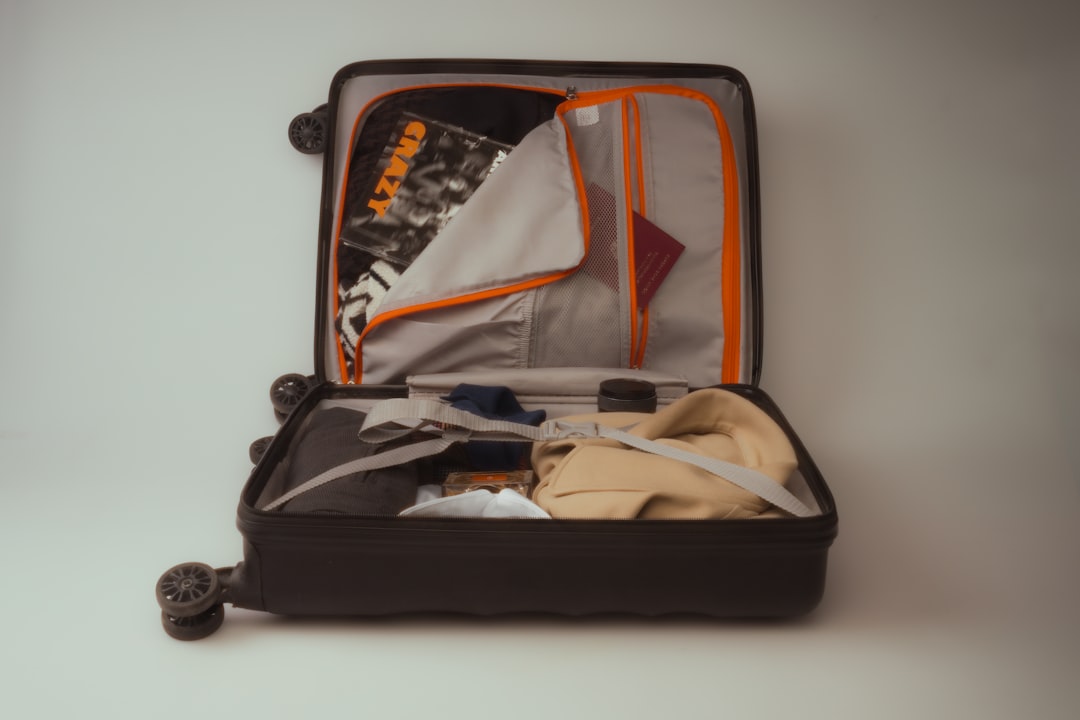
The best steamer is the one you barely need, and that starts with how garments go into your luggage. I wrote about my switch to a garment duffel for wedding season earlier this summer, and it remains the biggest single upgrade — suits and dresses folded along their natural seams arrive dramatically better than anything crammed into a standard roller bag. If you’re still deciding between checked and carry-on for formal wear, my write-up on beating the budget airlines’ personal item sizers covers how much you can genuinely fit in that space.
The packing order that worked across all three weddings: heaviest items at the bottom, garments folded around a soft core so there are no hard creases, and everything that can wrinkle going in last, on top, flat. Then unzip the bag the moment you reach the hotel room — not an hour later, immediately. Clothes relax back toward their natural shape while they’re still slightly warm from travel. It’s a small habit with an outsized payoff.

The Getting-Ready Timeline That Works
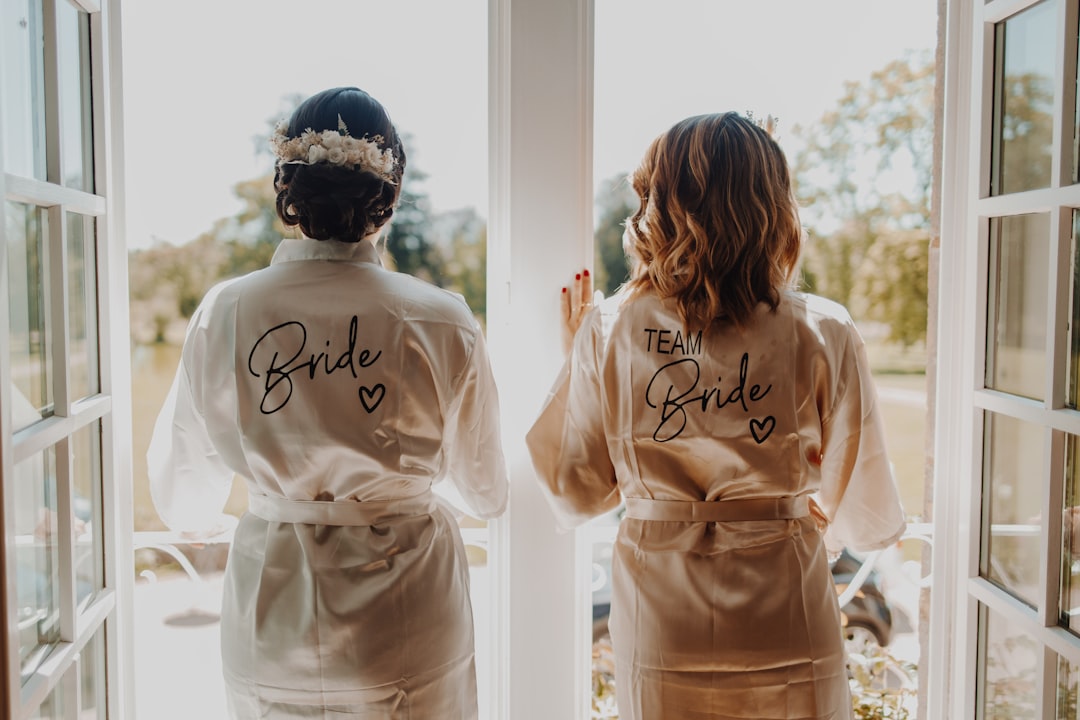
After three weddings and five steamers, the routine is dialed. Night before: hang everything, run the shower-steam trick if anything looks rough, mist the stubborn pieces and let them relax overnight. Morning of: fill the steamer, work top-down on each garment — shoulders first, then sleeves, then body — and finish with a lint roller pass in natural light by the window, where every stray thread shows up honest. Total time, about fifteen minutes per person.
If you take one thing from all this, make it the dual-voltage detail. My teammate learned it the hard way at a Lisbon wedding years ago, holding a dead single-voltage steamer and a wrinkled maid-of-honor dress while the rest of the party got ready around her. The steamer that travels internationally costs about the same as one that doesn’t. Check the label before you buy, check the hanger count when you book, and check your garment bag the second your flight lands. Everything else in the wrinkle war is negotiable.