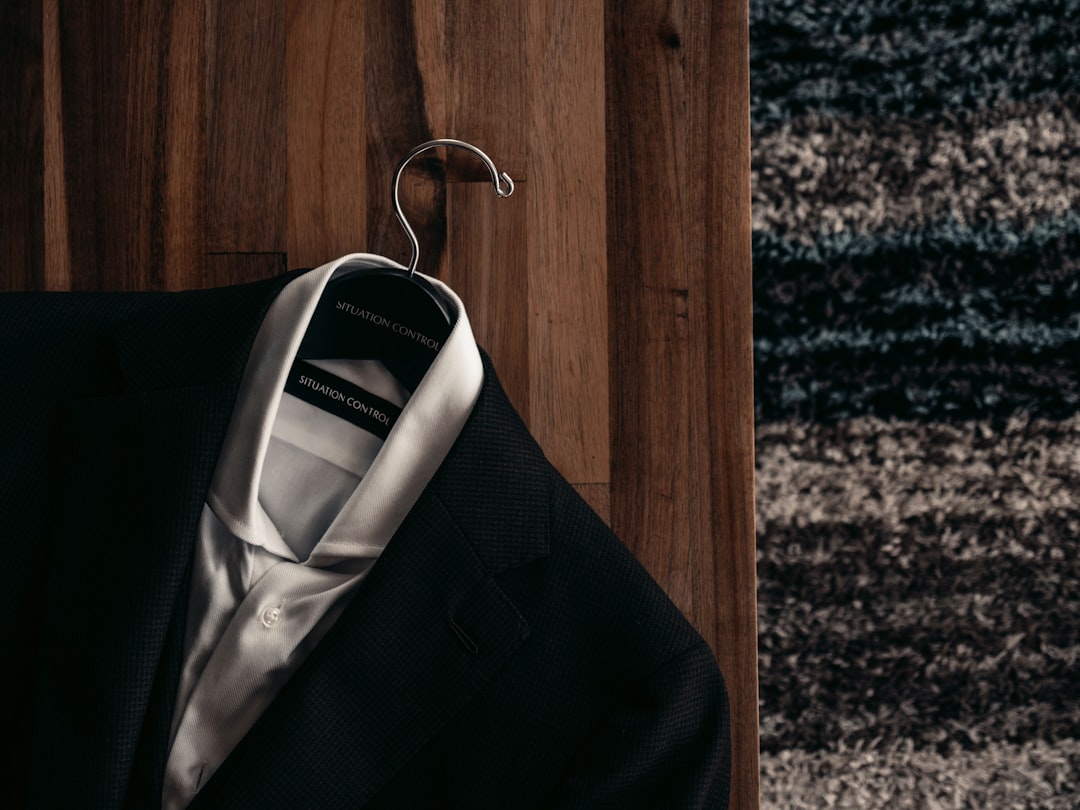
Three weddings in six weeks, two of them out of state, and one groom who explicitly asked the wedding party to “look sharp, my grandmother will be inspecting.” That was the summer that broke my relationship with the standard rolling suitcase. The first trip, I checked a bag containing my suit and prayed. The second trip, my connection through Charlotte got tight enough that I watched the gate agent tag my carry-on for the belly of the plane while wearing the exact expression of a man being asked to hand over his firstborn. By the third invitation, I’d had enough. I called my team, we ordered four garment duffels, and we ran them through an actual wedding season to find out whether the category is genius or just another travel gadget with good marketing.
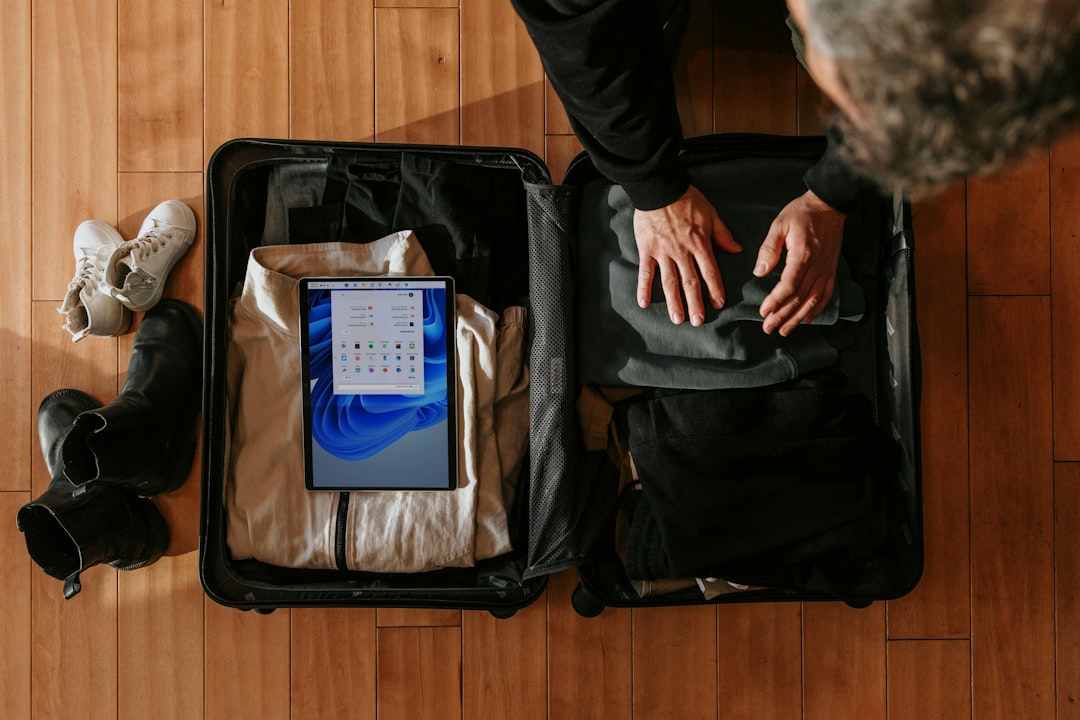
The Case Against Checking a Suit
Let me start with the math nobody wants to do. If you check a suit, you’re betting your wedding-guest appearance on the airline’s baggage handling — and if you’ve read my AirTag receipts from three airlines and two countries, you already know how that bet pays out. Lost bags get returned eventually. Wrinkled, rain-soaked, or crushed formalwear does not recover in time for a 4 p.m. ceremony.
The alternative most people try first is the bi-fold: fold the jacket in half, shove it in a carry-on, accept the crease line across the lapel like a scar. I did this for years. It works about as well as folding a poster. The crease never fully steams out in a hotel bathroom, and you spend the rehearsal dinner looking like you slept in your clothes, which, to be fair, some groomsmen do anyway.
A garment duffel attacks the problem from a different angle. Structurally, it’s a duffel bag with a zippered garment sleeve that opens flat, accepts two or three suits on their hangers, then folds around them so the fabric never takes a hard crease. The rest of the bag behaves like normal luggage — shoes, dopp kit, the works. It’s one bag doing two jobs, which is the entire point.
What a Garment Duffel Actually Is (and Which One I Carried)
The category got serious attention when Esquire called Halfday’s version “the best deal in travel,” so naturally that’s the one I carried to wedding number one. The Halfday Garment Duffel 45L holds a suit up to about a 40R on its hanger clamp, plus dress shirts, and the whole thing still fits an overhead bin when it isn’t overstuffed. It looks like a normal weekender, which matters when the wedding weekend also includes a bourbon tasting and a brunch you’d rather not attend in technical fabrics.
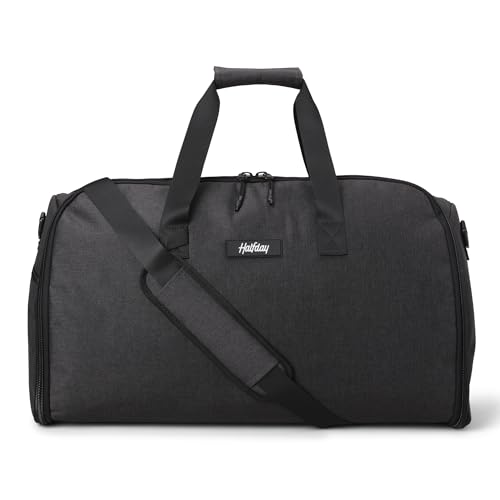
My team carried the others. The Halfday Premium 45L in Pacific is the upgraded build — nicer lining, better hardware — and one of my photographers now refuses to fly any other way. On the budget end, the Bukere convertible garment duffel does the sleeve-plus-shoe-compartment trick for under fifty dollars, and it survived a rain-delayed tarmac transfer in Nashville without complaint. The 3-in-1 convertible 45L that our video editor carried is the most suitcase-like of the bunch, with a shoulder strap that converts for rolling-luggage stacking.
Here’s the honest breakdown after three weddings: the sleeve mechanism matters more than the brand. Every bag we carried did its one critical job — no hard creases across the lapel or the shirt front — provided we loaded it correctly. Which brings me to the part most reviews skip.
The Loading Method That Saved My Wool Blend
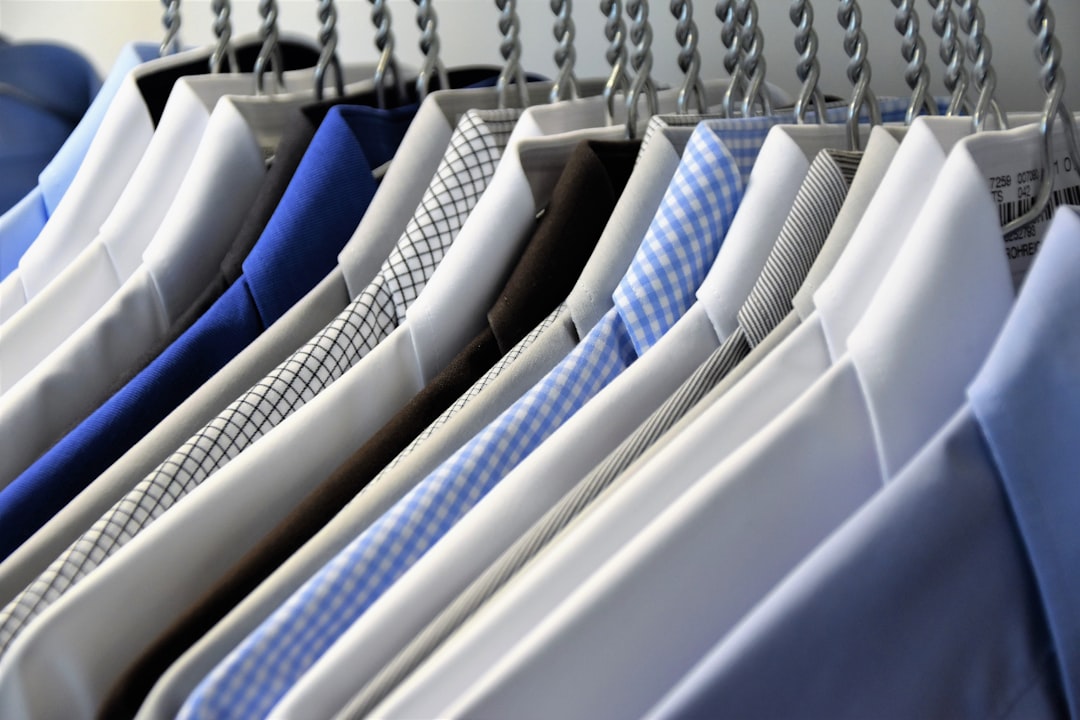
The garment sleeve is not a magic chamber. Load it wrong and you’ll get wrinkles anyway, just distributed differently. The method that worked across all four bags: button the jacket, slip it on its hanger, then drape dress shirts over the shoulders so the layers cushion each other rather than sliding. Keep everything facing the same direction. The sleeves fold gently across the front — never behind — and the whole cluster hangs from the clamp so gravity, not compression, holds the shape.
Two suits per sleeve is the realistic maximum. My charcoal and a navy blazer rode together for a Pittsburgh wedding without so much as a collar dimple. Three is possible in a pinch, but you’re pressing your luck and your lapels. Hang the whole thing in the hotel closet within an hour of arrival and gravity does the last bit of restoration for free while you find the ice machine.
Getting It Through the Airport Without a Scene
Every garment duffel we tested is marketed as carry-on legal, and every one of them is — until the flight is full and the sizer becomes a weapon. The Halfday at 45L fits wheels-first in a standard Boeing bin if you don’t overpack the duffel end. On a regional jet, all bets are off; gate-checking is a real possibility, which is exactly why the sleeve matters even on bad days. Gate-checked garment bags ride flat and folded once, not crushed under a mountain of suitcases. Still, my rule after a cramped connection in Denver: anything irreplaceable rides in the sleeve, and the sleeve rides with me.
One habit I’ll pass along from the road: unpack the sleeve the moment you reach the room, not after dinner. Every hour a suit spends folded is an hour your steamer has to undo later. I got lazy after wedding number two, left the bag zipped through a rehearsal dinner and a brewery tour, and paid for it with a collar crease that survived two steaming sessions and half the ceremony photos. Ten seconds of hanging it up would have saved me twenty minutes of remedial science the next morning. The bag does most of the work; arrival habits do the rest.

If you’ve already made the carry-on conversion, this slots right into that system. When I wrote about my full carry-on kit for traveling with nothing but overhead bin space, the missing piece was formalwear. This is the missing piece. A garment duffel plus a slim personal item covers a wedding weekend completely — no checked bag, no checked-bag anxiety, no standing at the carousel in a funeral-adjacent sweat.
The Twenty-Minute Hotel Room Rescue
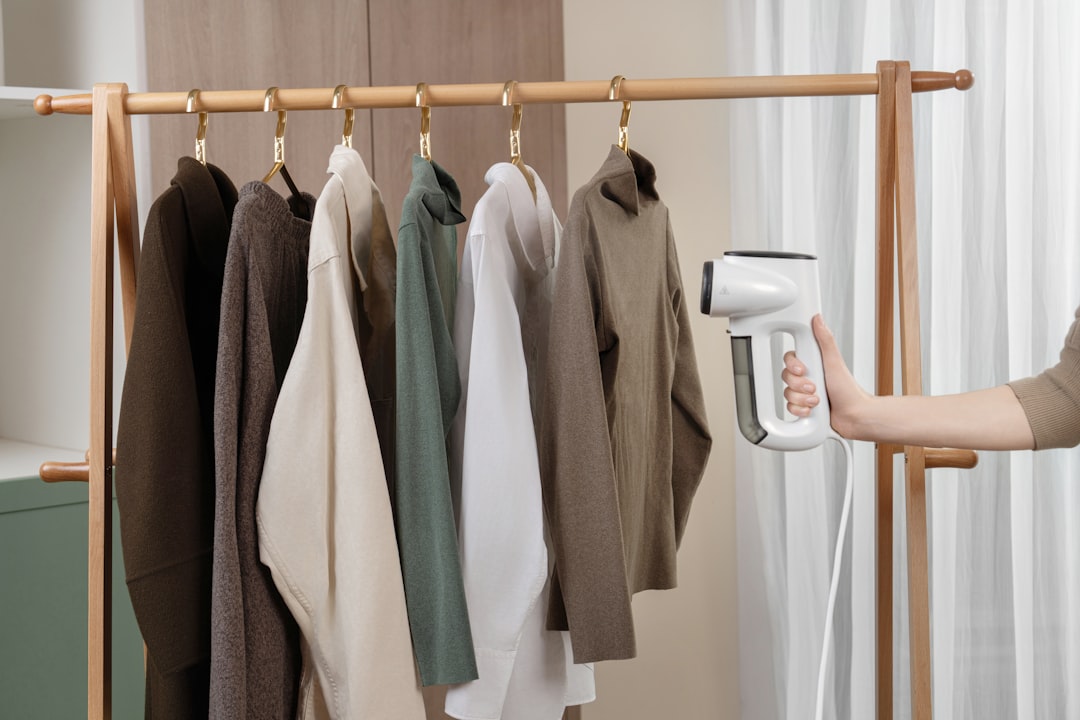
Even loaded perfectly, eight hours in a sleeve leaves a suit needing a little touch-up. The hotel iron is a lie — there’s always one, it’s always bolted to a board the size of a cereal box, and it has burned someone’s jacket before yours. Skip it. A handheld steamer does the job in the time it takes the room coffee to brew. The Jack & Rose travel steamer heats in fifteen seconds and runs dual voltage, and the OGHom 2-in-1 doubles as a dry iron for collar touch-ups — my editor used hers in a Best Western mirror-less corridor and reported success.
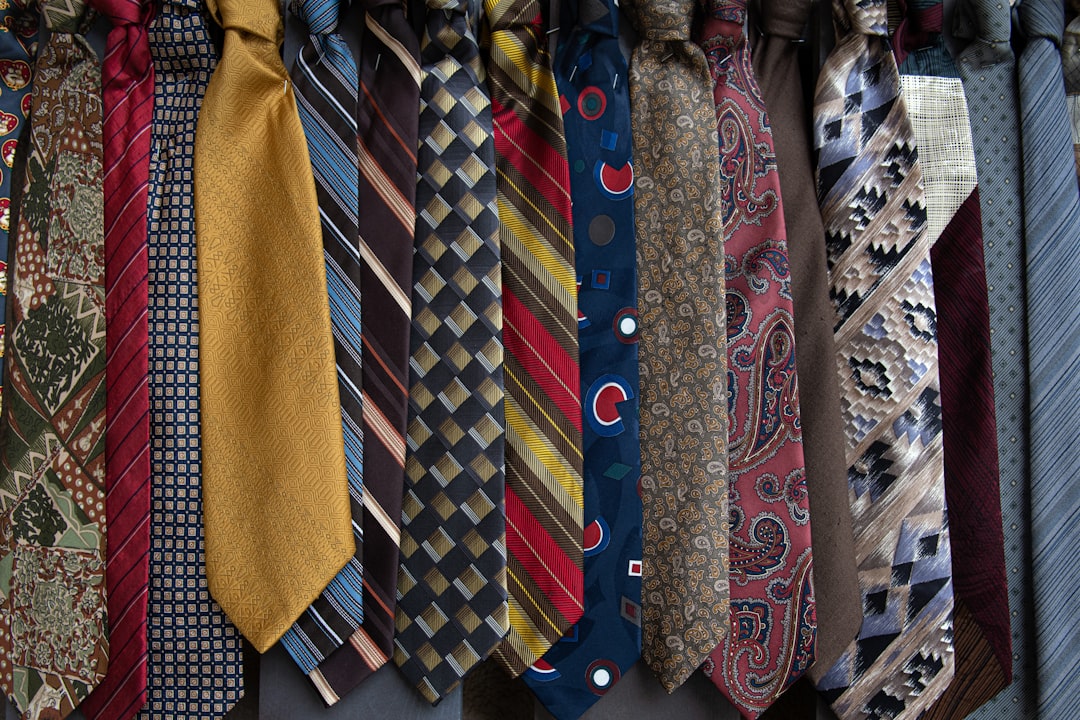
Shirts deserve their own discipline. Hang them the minute you arrive, and if you’re the organized type, a slim tie case keeps neckwear crease-free while the cufflink pocket prevents the traditional 7 a.m. search under the hotel bed. And if your dress shirts have collars that arrive looking defeated, the fix costs about ten dollars: stainless collar stays in three sizes have permanently retired the plastic ones that warp in a wash cycle. Small detail. Photographic difference.
Shoes, Shine, and the Details Nobody Photographs
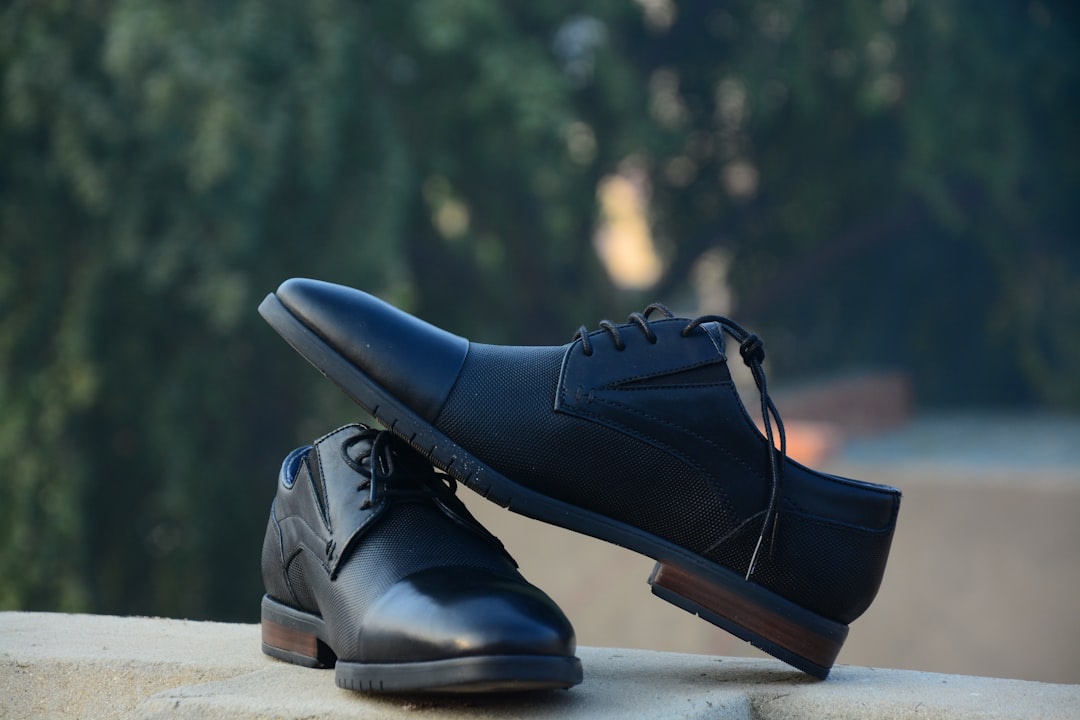
Wedding photos crop at the ankle more often than you’d think, but the reception line sees everything. Dress shoes travel best in dedicated pouches — the BeeGreen shoe bags keep the cedar polish off your suit lining and the luggage off your oxbloods. A scuffed toe is a five-minute fix with a compact horsehair shine kit that fits a dopp kit’s corner, and a travel lint roller handles the dark-suit-plus-golden-retriever situation that no one warns you about before a barn wedding. Toss the Scotch mini rollers in the side pocket; someone at the rehearsal dinner will ask to borrow one.
The Verdict After Three Weddings

I flew to three weddings this summer with a single bag and zero checked luggage, and I looked better at the last one than the first, which is the opposite of how a normal wedding season goes. The garment duffel is not a gimmick. It’s the rare piece of travel gear that solves the exact problem it advertises, provided you buy the right size for your torso and resist the urge to stuff the duffel end to capacity — it’s a garment bag first and a suitcase second.
Who should skip it? If you own exactly one suit and fly to one wedding a year, a careful fold and a bathroom steam will get you through. But if your calendar has two or more formal events a season, or you speak at conferences, or you’re the person in the wedding party, this is the upgrade. A quick word on fabric while we’re here: wool blends forgive travel in a way linen never will, and a midweight wool that shrugs off a July ceremony in Virginia is the same one that won’t wilt at an October barn reception. Buy the suit for the traveling life you actually lead, then buy the bag to protect it. It’s also worth noting what a garment duffel is not: it’s not a replacement for the everyday carry setup I tested in my cross-country backpack stress test, and it doesn’t compress like the packing cubes I ran through three trips. It’s a specialist. Specialists earn their spot in the closet by doing one thing no generalist can.
Wedding season will keep coming whether your luggage is ready or not. Mine, finally, is. The suit arrives hanging, the shoes arrive shiny, and I arrive at the ceremony looking like I traveled by car service instead of seat 24B. That’s the whole trick — and now you have it too.
1 thought on “One Bag, Two Suits, Zero Wrinkles: How a Garment Duffel Replaced My Suitcase for Wedding Season”