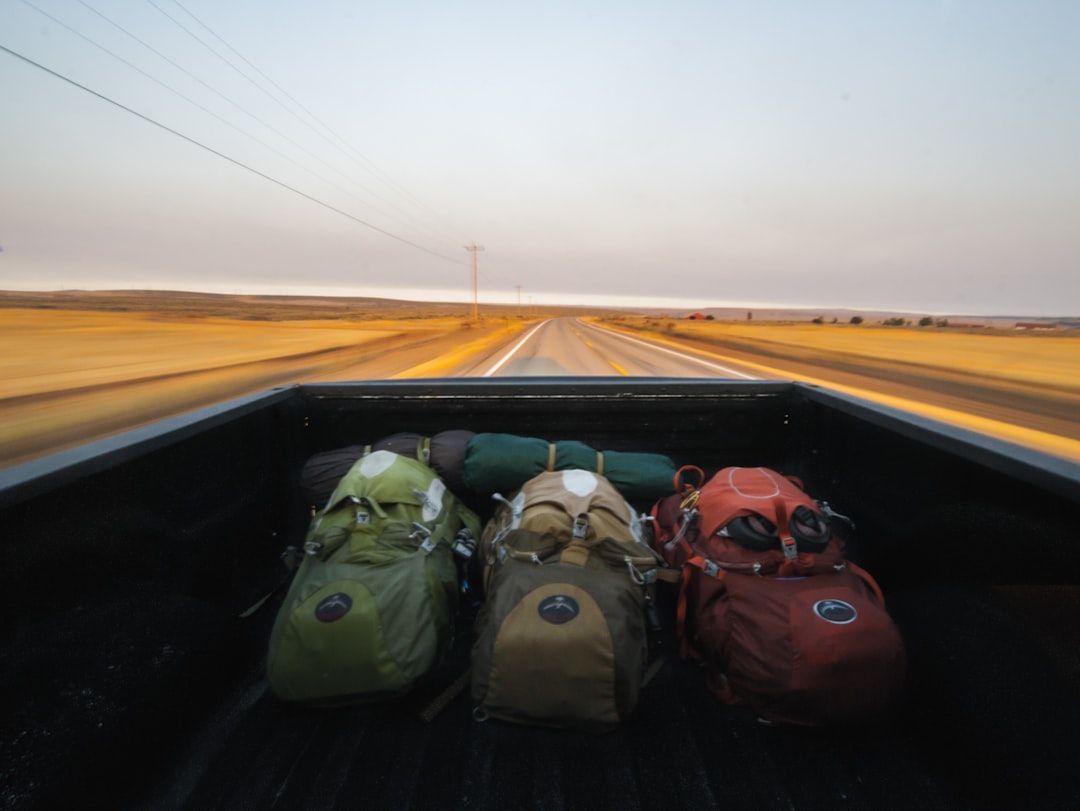
Three backpacks. Sixty bucks total. One cross-country trip that included a delayed flight, a torrential downpour in Denver, and a zipper failure at the worst possible moment. That is the unglamorous reality behind the TikTok hype surrounding Amazon’s most viral budget travel backpacks — and I wanted to know if any of them actually deserve a spot on your packing list.
My team and I ordered the three names that keep popping up in every “Amazon travel must-haves” video: the Taygeer Travel Backpack, the Matein Travel Laptop Backpack, and the Maelstrom Travel Backpack. Combined cost? Less than a single dinner at an airport restaurant. Combined expectations? Modest at best. Combined surprises? More than I bargained for.
Why These Three Bags Ended Up on My Radar
If you have spent any time watching travel content on social media in the last year, you have seen these bags. The Taygeer specifically has become Amazon’s #1 best-selling travel backpack, with over 20,000 five-star ratings. It shows up in People magazine roundups, Travel + Leisure sale alerts, and seemingly every other TikTok under the travel hashtag. The Matein has been the default “affordable laptop backpack” recommendation for years. And the Maelstrom has carved out a niche as the slightly more rugged, outdoorsy option in the same price tier.
What struck me was how little actual field testing existed for these bags. Plenty of unboxing videos. Plenty of “look how much fits inside” demos on bedroom floors. Almost zero evidence of someone actually taking them on a real trip — the kind where your bag gets tossed into overhead bins, rained on, stuffed under bus seats, and pulled by the straps through airport security at a dead sprint.
So that is exactly what we did. Each member of my crew took one bag on a four-day, 2,400-mile loop from the East Coast to the Rockies and back. Same routes, same weather, same abuse. Here is what happened.
The Taygeer Travel Backpack: $24 and Surprisingly Clever
Let us start with the crowd favorite. The Taygeer Travel Backpack arrived in packaging that screamed “budget Amazon find” — a plastic bag inside a cardboard envelope. But pulling it out, the first thing I noticed was the weight. At roughly 1.5 pounds, this bag is genuinely featherlight. The water-resistant nylon exterior has a slightly slick feel that initially made me skeptical, but it proved more durable than it looks.
The layout is where the Taygeer punches above its weight class. There is a main compartment that opens clamshell-style like a suitcase, a separate laptop sleeve that fits up to a 15.6-inch machine, a front organizer pocket with pen slots and a key clip, two side water bottle pockets, and a hidden anti-theft pocket on the back panel. Oh, and a built-in USB charging port with an internal cable that connects to your own power bank. For twenty-four dollars, the feature list reads like a bag costing five times as much.
I loaded the Taygeer with three days of clothes, a laptop, a toiletry kit, and compression packing cubes to keep everything tidy. The bag carried comfortably on my shoulders for the mile-long walk between terminals at Chicago O’Hare — though I will say the shoulder straps are noticeably thinner than what you would find on a premium travel pack. They work fine for airport-to-hotel transitions. I would not want to wear this bag on a four-mile urban hike.

The one real issue surfaced at the worst time: the zipper on the front organizer pocket caught and separated during the return flight. I had overstuffed that pocket — that is on me — but the zipper teeth felt noticeably lighter-duty than the main compartment’s. A quick field repair with a TSA-approved cable luggage lock threaded through the zipper pulls kept everything secure for the rest of the trip. Still, it confirmed my suspicion that the hardware is where the budget price shows.
Verdict: The Taygeer is the best organizer of the three. If you are the type who wants a designated pocket for everything and you treat your gear with reasonable care, this bag delivers exceptional value. I would happily recommend it for weekend trips, gym-to-office commutes, and casual travel. Just do not push the front pocket to its limits.
The Matein Travel Laptop Backpack: The $19 Workhorse
The Matein Travel Laptop Backpack is the bag that practically invented the “cheap Amazon backpack that is actually decent” category. It has been around long enough that several members of my team already owned one. The version we tested is the classic 15.6-inch model that currently sits near the top of Amazon’s best-seller list with over 100,000 ratings.
Out of the box, the Matein feels more substantial than the Taygeer. The fabric is a denser polyester with a textured weave that hides scuffs well. The zippers are smooth and feel slightly beefier. The back panel has a layer of padding that the Taygeer lacks entirely. And the shoulder straps are wider, with contoured padding that distributes weight more evenly across the shoulders.

Where the Matein falls short is organization. The main compartment is essentially one large space with a laptop sleeve on the back wall. There is a front pocket with a modest organizer panel, but compared to the Taygeer’s nine-pocket layout, it feels basic. You will absolutely want packing cubes to keep things from becoming a jumbled mess — something I have written about extensively in my compression cube experiment from earlier this summer.
On the trail — er, the airport trail — the Matein performed the best of the three in terms of comfort. My colleague carried it through three airports and a half-mile walk to a downtown Denver hotel without complaints. The thicker straps and back padding made a real difference during extended wear. The built-in USB port worked as advertised, and the hidden anti-theft back pocket held a passport and wallet securely.
The Matein’s weakness showed up during the Denver downpour. The fabric is listed as water-resistant, and light rain beads up fine. But after ten minutes of genuine deluge walking from the hotel to a rideshare pickup, the front of my colleague’s shirt was damp where the bag rested against her back. The laptop stayed dry — the sleeve has its own padding that acted as a buffer — but the outer pockets were soaked through. A waterproof backpack rain cover would be a smart add-on if you travel to places where afternoon storms are routine. I learned this lesson the hard way on my rain kit trip across three countries earlier this year.
Verdict: The Matein is the bag I would hand to someone who prioritizes comfort and durability over pocket count. It is not flashy, but it does the fundamentals well. For nineteen dollars, the build quality borders on unreasonable. If the Taygeer is the organizer, the Matein is the workhorse.
The Maelstrom Travel Backpack: The $30 Middle Ground That Almost Got It Right
The Maelstrom Travel Backpack sits in an awkward position. At thirty-plus dollars, it costs more than the other two. It looks more technical, with external compression straps, a shoe compartment at the bottom, and a more aggressive color palette. The promise is a bag that bridges the gap between budget travel pack and legitimate outdoor daypack.

The shoe compartment is the headline feature, and honestly, it is more useful than I expected. Being able to separate sweaty gym shoes or dirty hiking boots from clean clothes without a plastic bag is a genuine quality-of-life upgrade. The compartment is ventilated with mesh panels and sits at the base of the bag, which also gives the whole pack some structural rigidity that the Taygeer and Matein lack.
Where the Maelstrom stumbles is the laptop sleeve. It is positioned awkwardly close to the back panel, and while it fits a laptop fine, there is minimal padding between your back and the computer. With a 15-inch laptop inside, I could feel every edge through the back panel during extended wear. My colleague solved this by sliding a slim travel document organizer behind the laptop as an impromptu padding layer, but that is a workaround, not a design solution.
The external compression straps are useful for cinching down a partially packed bag, and they held a rain jacket securely during our Denver day. The side handle is well-placed for grabbing the bag from an overhead bin. And the overall build quality — zippers, stitching, fabric — felt a half-step above the Taygeer, though not quite at the Matein’s level for raw comfort.
One thing the Maelstrom does that neither competitor offers: it comes with a rain cover. A basic one, stashed in its own pocket at the bottom of the bag. This is a thoughtful inclusion that saved my gear during that Denver storm while my colleague’s Matein was absorbing water like a sponge.
Verdict: The Maelstrom is the most feature-rich of the three, and the included rain cover is a meaningful value-add. But the laptop sleeve design flaw holds it back from being the easy recommendation. If you travel with a smaller laptop or a tablet, this is a strong pick. If you carry a 15-inch-plus machine, look elsewhere or plan for extra padding.
The Cross-Country Stress Test: How Each Bag Held Up
After four days and roughly 2,400 miles — two flights, a rental car, a hotel-to-hotel move, and one genuinely miserable walk through a Rocky Mountain thunderstorm — here is the damage report.
The Taygeer has a separated zipper on the front organizer pocket. The main compartment zipper held fine, the fabric shows no tears, and all stitching is intact. The USB port still works. The bag looks slightly more wrinkled than when it started, but structurally, it is sound outside of that one zipper failure. Not bad for a twenty-four-dollar bag that was pushed past its intended use case.
The Matein came through essentially unscathed. There is a small scuff on the bottom corner from being dragged across pavement, and the water exposure left no lasting damage after a full drying session. Every zipper works. Every strap is intact. If I had to award one bag a survival trophy, this is it. The same conclusion my team reached when I tracked my luggage through three airlines earlier this season — simple bags that are built well tend to outlast clever ones that are not.
The Maelstrom has a slight warp to its shape from being stuffed into an overhead bin that was slightly too small for it. The compression straps are fraying slightly at the edges where they rub against the bag body. The rain cover performed well. The shoe compartment now has a permanent odor that I cannot seem to eliminate. But all zippers work, and the structural integrity is solid.
Which One Should You Actually Buy?
After all of this, my team and I reached a consensus that surprised me. There is no single winner — there is a right bag for each type of traveler.
If you are an organization obsessive — the type who wants a pocket for everything and delights in a place for every item — the Taygeer Travel Backpack is your pick. Just respect the front pocket’s limits, and consider sizing up to the Taygeer 35L Carry-On version if you need more capacity. Pair it with a digital luggage scale to make sure you stay under airline weight limits, since the bag’s lightness makes it easy to overpack without noticing.
If you want one bag that will not quit — comfort, durability, and zero drama — the Matein Travel Laptop Backpack remains the benchmark. It is not exciting, and the organization is basic. But it will survive things that destroy bags costing four times as much. For longer trips, the Matein 17-inch TSA-approved version adds a few features without losing the core durability.
If you want features over refinement — shoe compartment, included rain cover, external compression — the Maelstrom Travel Backpack gives you the most hardware for your dollar. It is the least polished of the three, but the most versatile. Hikers and outdoor-leaning travelers should also look at the Maelstrom 40L Hiking Backpack, which is built for actual trail use rather than airport use.
The Accessories That Made These Bags Better
None of these bags is perfect out of the box. Each one benefited from a few low-cost additions that addressed their weaknesses without breaking the budget.
Packing cubes are non-negotiable for the Matein and the Maelstrom, both of which have relatively open main compartments. I used the same OlarHike compression cube set across all three bags, and it made a visible difference in how much I could fit and how organized everything stayed. If you have not experienced the difference compression cubes make, my earlier packing cube comparison breaks down exactly which brands are worth it.
A rain cover is essential for the Taygeer and Matein, neither of which includes one. The Joy Walker backpack rain cover is affordable, packs down to nothing, and fits all three bags. Mine lives permanently in a side pocket now. After watching a storm soak through one of these bags, I will not travel without one again.
A collapsible water bottle saves space when empty and keeps you hydrated without buying overpriced airport water. The TakeToday silicone collapsible bottle rolls up small enough to fit in any of the three bags’ side pockets.
A TSA-approved lock is a five-dollar insurance policy. Thread it through the zipper pulls on any of these bags when you check them or gate-check them. The cable-style combination lock I carried was literally the thing that kept the Taygeer’s failed front pocket closed for the rest of the trip.

The Bottom Line on Budget Travel Backpacks
Sixty dollars bought three bags. One survived everything I threw at it without a scratch. One survived with a battle wound that was partly my fault. One offered the most features but had a design flaw I could not ignore. None of them is perfect. All of them are genuinely usable for real travel — not just bedroom-floor packing demos.
Here is the honest truth that the TikTok videos do not tell you: a twenty-dollar backpack will never match the engineering, materials, or comfort of a $150 Osprey or a $200 Peak Design. But it does not have to. The question is whether it gets your stuff from point A to point B without failing catastrophically. All three of these bags passed that test — barely, in the Taygeer’s case, but they passed.
If I had to pick one to keep? I would grab the Matein. Not because it is the most exciting or the most feature-packed, but because it is the one I would trust to not fall apart on the next trip. And at nineteen dollars, the value is almost absurd. The Maelstrom is my backup for trips where I need the shoe compartment and built-in rain protection. The Taygeer I am giving to my niece for her college commute, where it will face significantly less abuse than a cross-country travel marathon.
Sometimes the cheapest option is the best option. Sometimes it is just the cheapest. Knowing which is which is what these tests are for — and now you know.
3 thoughts on “Three Viral Amazon Travel Backpacks, One Cross-Country Stress Test: The Sub-0 Showdown”