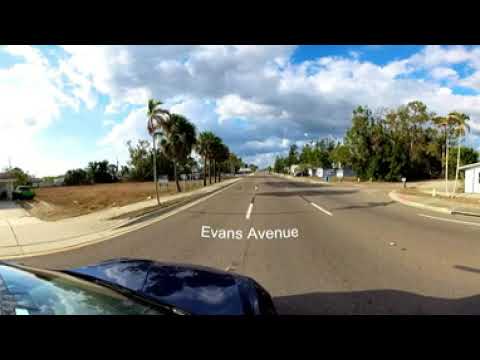
Most travelers touch down at Southwest Florida International Airport, grab their rental car, and gun it straight for Sanibel Island or Fort Myers Beach without so much as a backward glance. It’s understandable — the Gulf Coast pulls hard when you’ve been dreaming about white sand and warm water through a long northern winter. But the city sitting between the airport and those barrier islands deserves more than a drive-through on your way to somewhere else.
Fort Myers is a river town. Not a beach town, not a resort town — a genuine, working Florida city built along the Caloosahatchee River, with a downtown core that has spent the last decade quietly reinventing itself. The streets are wide, the palm trees are impossibly tall, and the light hits different here than it does on the coast. If you give it a day — even half a day — you’ll understand why this city rewards the traveler who slows down.
Downtown Fort Myers: Where Old Florida Meets New Energy
The downtown core centers around First Street, where restored early-20th-century buildings house locally owned restaurants, craft breweries, and independent shops. On a Wednesday morning, the pace is unhurried. Business owners chat outside their storefronts. The smell of fresh-ground coffee drifts from a half-dozen cafes. A farmer’s market sets up weekly during season, bringing out the kind of produce that reminds you Florida is still an agricultural state underneath all the theme parks and golf courses.
What makes downtown Fort Myers different from the manufactured “main streets” you find in newer Florida developments is authenticity. These buildings survived hurricanes, real estate cycles, and the mid-century flight to the suburbs. The brick facades aren’t faux-finishes applied to steel studs — they’re the genuine article, and the businesses inside them reflect a community that chose to invest in its urban core rather than abandon it.
If you’re planning your first visit, a good Florida travel guide book will point you toward the basics, but the real pleasure of downtown Fort Myers is simply parking the car and walking. The grid layout makes navigation effortless, and you’re never more than a few blocks from the riverfront.
The Caloosahatchee: The River That Built the City
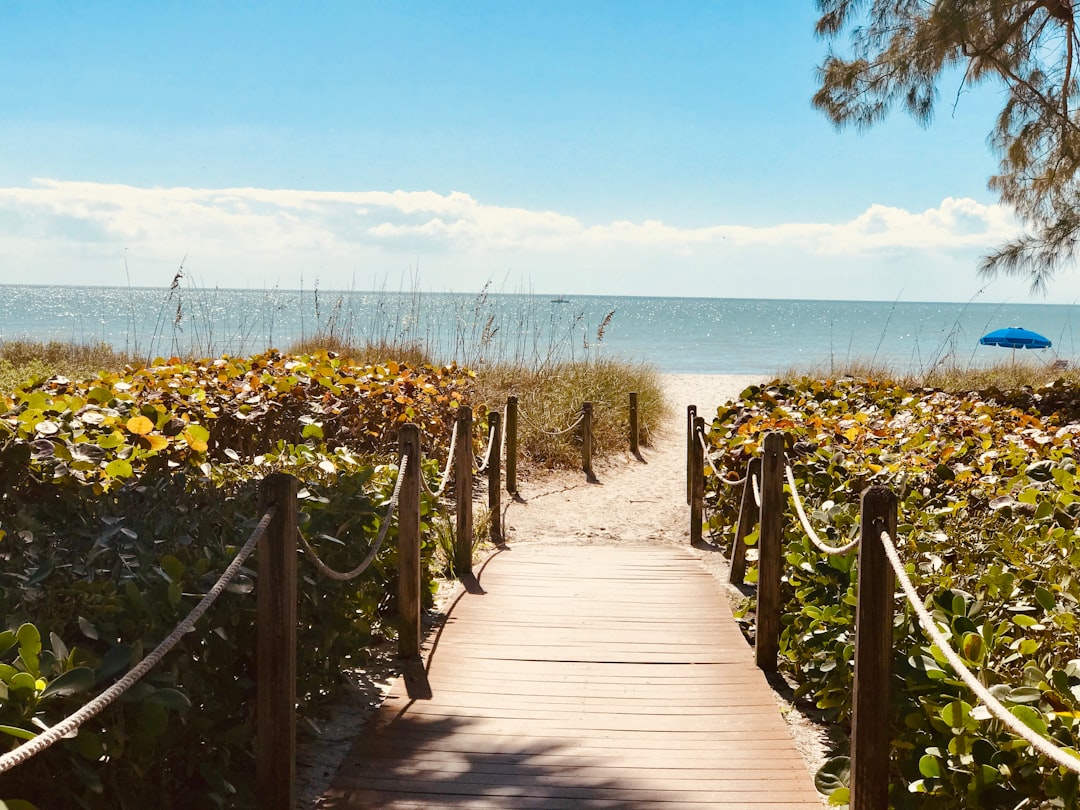
The Caloosahatchee River is the reason Fort Myers exists. It connects Lake Okeechobee to the Gulf of Mexico, and in the late 1800s, it was the primary highway for moving cattle, citrus, and supplies across Southwest Florida. Today, the river is the city’s front yard — the downtown streets literally slope down to its banks, and the views across the water to North Fort Myers give you a sense of how wild this coastline still is.
Centennial Park is the main riverfront gathering spot, with a fishing pier, boat ramps, and open green space that hosts everything from food truck rallies to holiday fireworks. The park’s location, right at the base of the downtown bridge, makes it an ideal place to watch the sunset without fighting the beach traffic. On any given evening, you’ll find locals fishing off the seawall, families picnicking under the palms, and couples walking the riverfront path as the sky turns orange behind the Caloosahatchee Bridge.
The river is also your gateway to the Gulf. Several marinas along the downtown waterfront offer boat rentals and charters, and if you’ve ever wanted to spend a day exploring the intracoastal waterway, this is one of the most accessible launch points on Florida’s west coast. A good pair of polarized sunglasses will cut the glare off the water and help you spot dolphins, manatees, and the occasional tarpon rolling near the surface.
City of Palms Park: Spring Training’s Spiritual Home

Fort Myers is a baseball town, and not just in the casual way every Florida city hosts spring training. This is where the Boston Red Sox and the Minnesota Twins hold their annual preseason camps — two major-league franchises sharing one mid-sized city, which means that for six weeks every February and March, the entire population of New England and the Upper Midwest seems to converge here.
JetBlue Park, the Red Sox spring training facility, is a near-replica of Fenway Park, complete with its own Green Monster. Hammond Stadium, where the Twins play, is a more intimate venue that offers some of the best sightlines you’ll find in the Grapefruit League. Tickets for March games sell out months in advance, but the back fields at both complexes are open to the public for free during practice sessions, and there’s something deeply satisfying about watching big-leaguers run drills fifty feet away while you eat a hot dog in the Florida sun.
If you’re visiting during the season, the spring training apparel shops around the complexes offer team gear you won’t find anywhere else. Even outside of baseball season, the City of Palms Park facility in downtown Fort Myers is worth a walk-by — the stadium has hosted professional baseball since the early 1990s and remains a point of civic pride.
Historic Foundations: Edison, Ford, and the Winter Elite
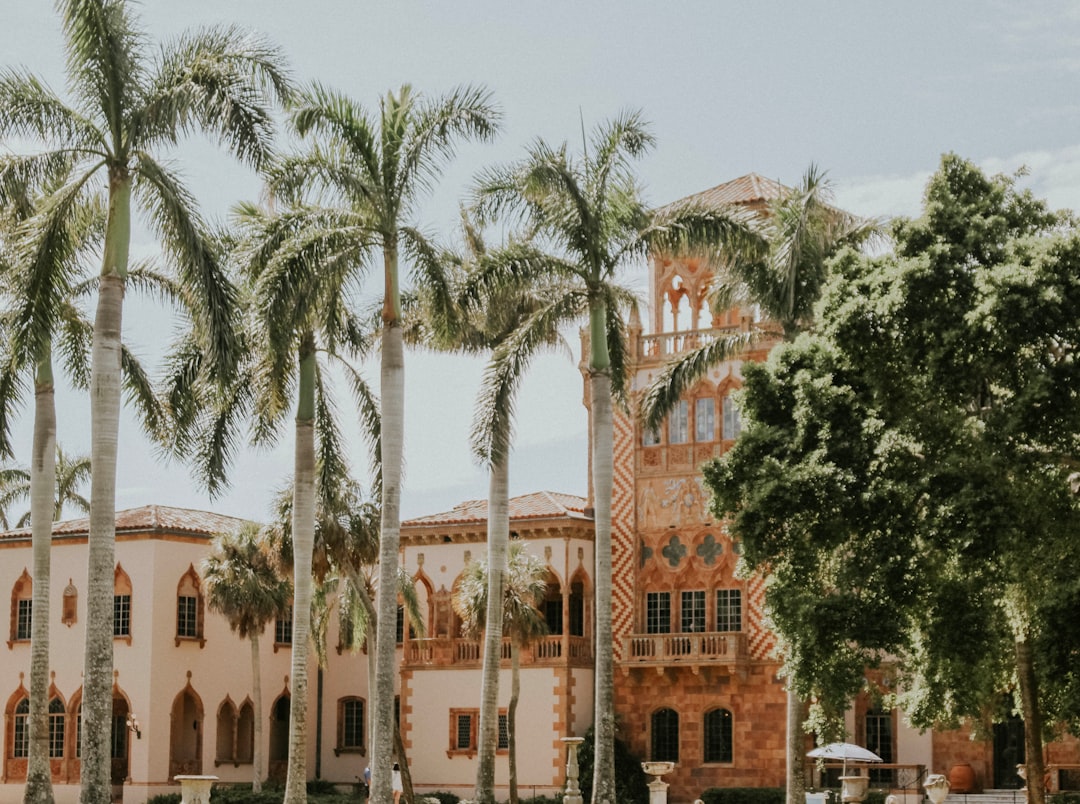
Fort Myers’ most famous winter residents were Thomas Edison and Henry Ford, whose adjacent estates along McGregor Boulevard are now the region’s premier historical attraction. Edison built his winter home, Seminole Lodge, in 1886, and Ford purchased the neighboring property in 1916. The two inventors spent their winters together — working, experimenting, and entertaining friends on the riverfront grounds.
The Edison and Ford Winter Estates are open daily, and the site is far more than a couple of old houses. Edison’s laboratory, where he experimented with rubber production from goldenrod plants, is preserved in working condition. The botanical gardens contain more than 1,700 plants, including a massive banyan tree that was planted in the 1920s and now covers nearly an acre. It’s one of the largest banyan trees in the continental United States, and standing beneath its canopy of aerial roots gives you a sense of scale that photographs simply can’t convey.
McGregor Boulevard itself, lined with nearly 1,800 royal palms, is one of the most beautiful drives in Florida. Some of those palms are more than 80 years old, planted during the era when Fort Myers was known as the “City of Palms” and served as a winter retreat for the Edisons, Fords, and Firestones of the world. For anyone interested in the history behind the hype, the book Hidden History of Fort Myers digs into the lesser-known stories that shaped this city.
Practical Exploration: Getting Around Fort Myers
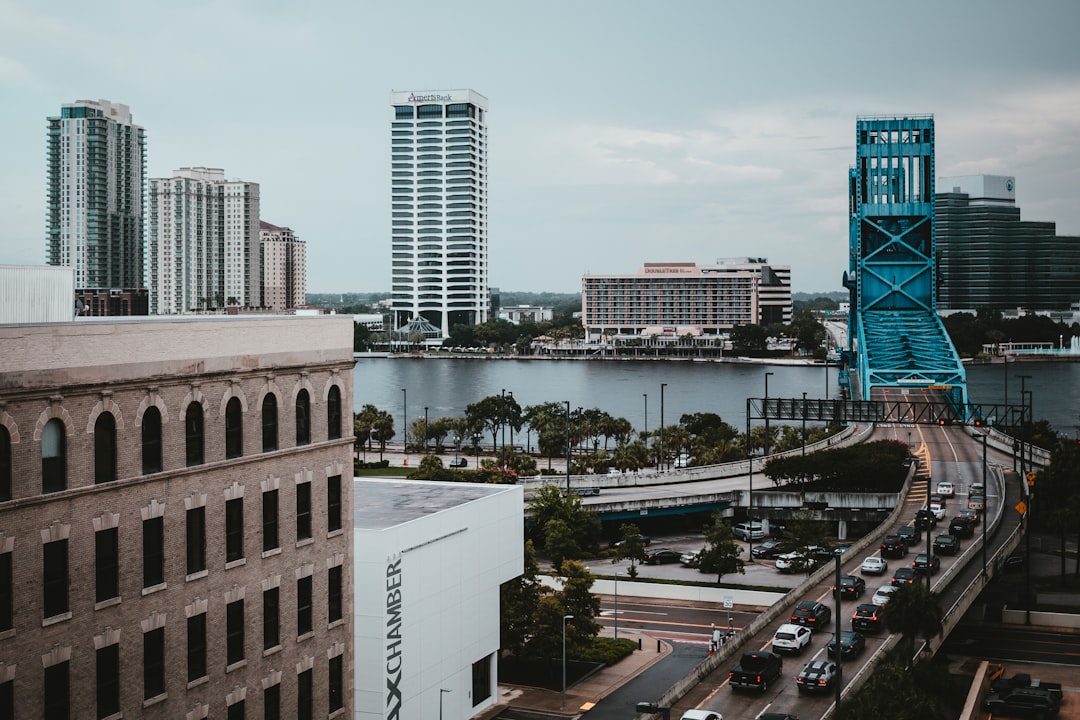
Fort Myers is a car city — there’s no getting around that. The urban sprawl extends miles in every direction, and public transit is limited. But the downtown core is compact and eminently walkable once you’ve parked. Most of the restaurants, shops, and riverfront attractions are within a fifteen-minute walk of each other, and street parking is both available and affordable compared to beachfront rates.
If you’re planning to explore beyond downtown — and you should, because some of the best attractions are a short drive away — having a reliable portable phone charger is essential. GPS navigation will drain your battery fast when you’re weaving through the side streets near the Caloosahatchee, and the last thing you want is a dead phone when you’re trying to find your way back across the bridge from North Fort Myers.
The driving itself is straightforward. The major arteries — U.S. 41 (Cleveland Avenue), McGregor Boulevard, and Colonial Boulevard — form a grid that’s easy to navigate once you orient yourself. Traffic can back up during snowbird season (January through April), but outside of those months, getting around is stress-free. For deeper local context, the book 100 Things to Do in Fort Myers & Sanibel Before You Die is exactly the kind of comprehensive resource that earns its shelf space.
The River District’s Food Scene
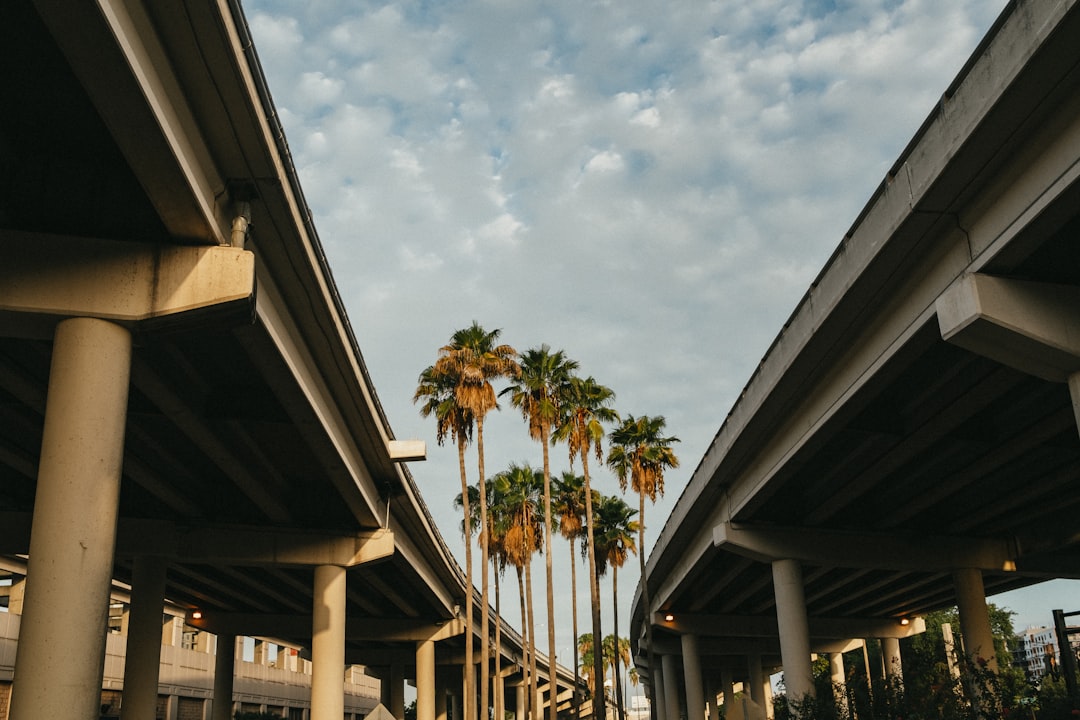
One of the most pleasant surprises in downtown Fort Myers is the concentration of independent restaurants within the River District. This isn’t the chain-heavy landscape you find along the highway corridors near the airport. These are chef-driven kitchens, craft cocktail bars, and farm-to-table concepts that have taken root in historic buildings and created something genuinely worth driving for.
Oysters are a local specialty — the waters around Fort Myers produce some of the best in the state, and several downtown establishments feature raw bars that would hold their own against anything in New Orleans or Apalachicola. The craft beer scene has also taken off, with local breweries producing everything from hazy IPAs to barrel-aged stouts in warehouses that have been converted from industrial spaces into inviting taprooms.
For families, the downtown area offers a relaxed alternative to the chaotic beachfront dining scene. You can eat well, let the kids walk around between courses, and not worry about sand in your food or a two-hour wait for a table. A well-packed UPF sun hat and a refillable insulated water bottle will keep you comfortable if you decide to extend your downtown walk into the early afternoon.
North Fort Myers and the Wild Side
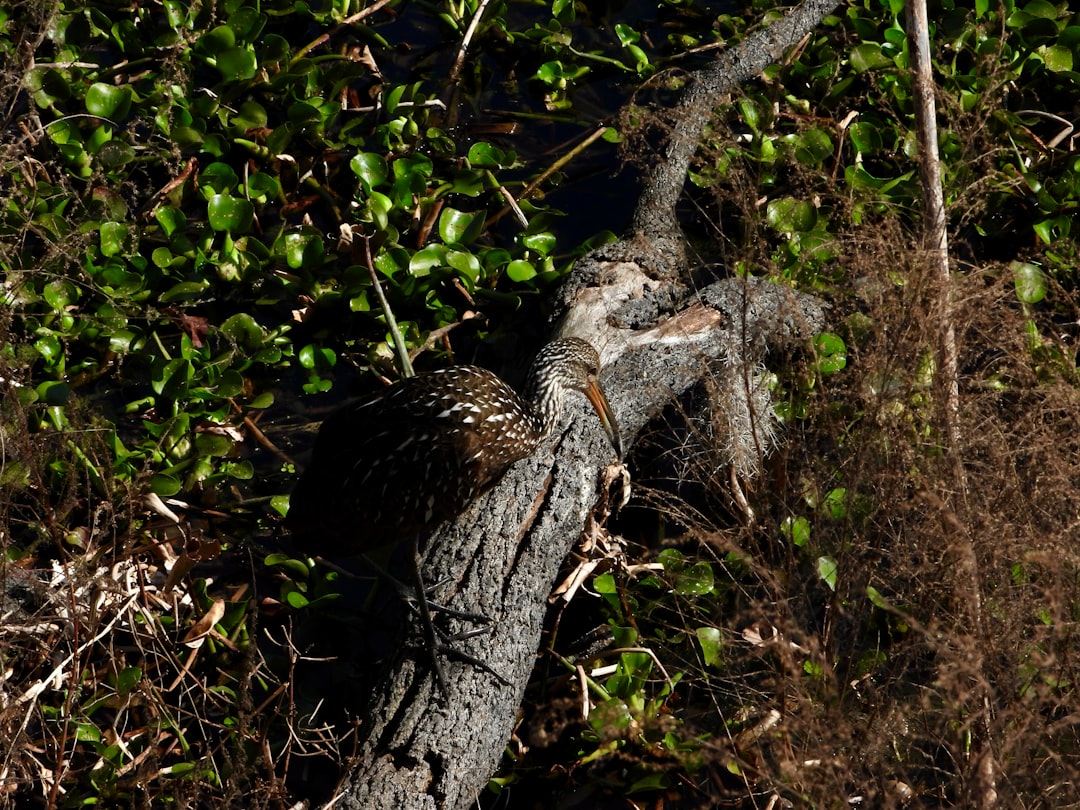
Crossing the Caloosahatchee Bridge into North Fort Myers feels like entering a different country. The development thins out. The land flattens. The air smells different — less concrete, more earth and salt and growing things. This is where the river widens and the wetlands begin, and it’s some of the best wildlife watching in Southwest Florida that doesn’t require a boat or a park entrance fee.
The North Fort Myers area is home to several nature preserves and wildlife rehabilitation centers. If you’ve brought your own kayak gear or rented one from the downtown marinas, the paddling trails along the northern bank of the Caloosahatchee are exceptional — quiet, shaded by mangroves, and full of wading birds, alligators, and the occasional manatee. The fishing here is also outstanding, and a travel-ready Florida fishing rod can turn a riverside lunch break into the highlight of your afternoon.
What North Fort Myers really offers is perspective. When you stand on the north bank and look back across the river at the downtown skyline — just a handful of mid-rise buildings framed by palms — you realize how compact and intimate this city actually is. It’s not a metropolis. It’s a river town that grew up at the intersection of a river and a Gulf, and it’s still small enough that you can know your neighbors, walk to dinner, and watch the sunset from a different spot every night of the week.
Timing Your Visit: When Fort Myers Shines
The sweet spot for visiting Fort Myers is mid-October through late November, or mid-April through early June. During these windows, you get the best of Florida weather — warm enough for short sleeves, cool enough to walk around comfortably — without the peak-season crowds and prices. The December through March high season brings perfect weather but also brings the snowbird migration, when restaurant reservations become scarce and traffic on U.S. 41 slows to a crawl.
Summer in Fort Myers is hot, humid, and punctuated by afternoon thunderstorms that arrive with theatrical suddenness and disappear just as fast. If you’re visiting between June and September, plan your outdoor activities for the morning, carry weather-appropriate Florida gear, and embrace the indoor hours — the local museums, breweries, and restaurants are air-conditioned oases. The annual thunderstorm season has its own kind of beauty, and there’s something to be said for watching a Florida sky open up from the covered patio of a downtown coffee shop.
Why Fort Myers Deserves More Than a Drive-Through
The temptation on any Southwest Florida trip is to treat Fort Myers as a waypoint — the city you pass through between the airport and the beach. But the travelers who actually stop, park, and walk a few blocks discover something the beach towns can’t offer: a genuine Florida city with a river at its front door, baseball in its back yard, and a history that includes two of America’s most famous inventors choosing it as their winter home.
For those who love exploring Florida’s lesser-known corners — like the old-Florida charm of Pine Island or the vibrant waterfront of Matlacha — Fort Myers is the natural hub. It’s the place where the river meets the road, where spring training meets spring break, and where you can eat a world-class meal downtown and still catch the sunset over the Caloosahatchee.
Skip it if you must. But you’ll be missing one of the most honest, interesting, and quietly confident cities on Florida’s Gulf Coast. And honestly, after enough trips to the same beaches, isn’t it time to see what’s been hiding in plain sight?