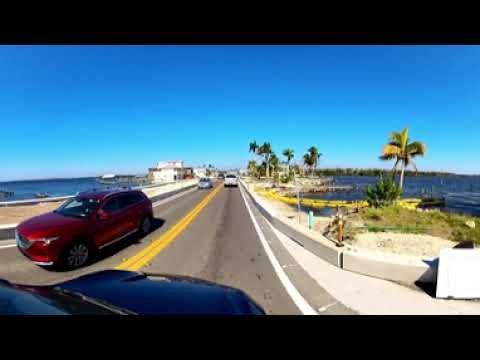
If you blink crossing the bridge from the mainland onto Pine Island, you’ll miss it. But that would be a mistake. Matlacha, Florida — pronounced “mat-la-SHAY” — occupies a sliver of land so narrow that the Gulf of Mexico laps at one side of the road while the back bay bleeds into the other. It stretches for maybe a quarter mile before dissolving into the causeway that carries you west toward Cape Coral and points beyond. In that quarter mile, though, you’ll find one of the most improbable communities on the Gulf Coast: a jumble of candy-colored galleries, bait shops, seafood shacks, and cottages perched on stilts above water the color of steeped tea.
I first encountered Matlacha on a Florida Gulf Coast road trip that was supposed to be about somewhere else entirely. The GPS said turn left for Pine Island. The eye said stop the car. So I did.
A Village Built on a Sandbar and Refusal
Matlacha wasn’t supposed to survive. When Hurricane Ian tore through Southwest Florida in September 2022 with 150-mile-per-hour winds and a storm surge that exceeded fourteen feet in places, this little strip of land took a direct hit. The water didn’t just flood the buildings — it broke the road itself, washing away chunks of the narrow causeway and cutting Pine Island off from the mainland. For days, the only way on or off was by boat or airlift.
What the storm couldn’t take was the community’s stubbornness. Within weeks, residents were back, pumping mud out of galleries and repainting walls in the same defiant turquoise, mango, and flamingo pink that had made the place famous. Today, the scars are still visible — empty lots where houses used to stand, a dock or two that hasn’t been rebuilt yet, the occasional vacant slab where a business is still deciding whether to return. But the core of Matlacha is very much alive, and the galleries and eateries that line the main drag are open, vibrant, and hungry for visitors in the way that only places that nearly disappeared can be.
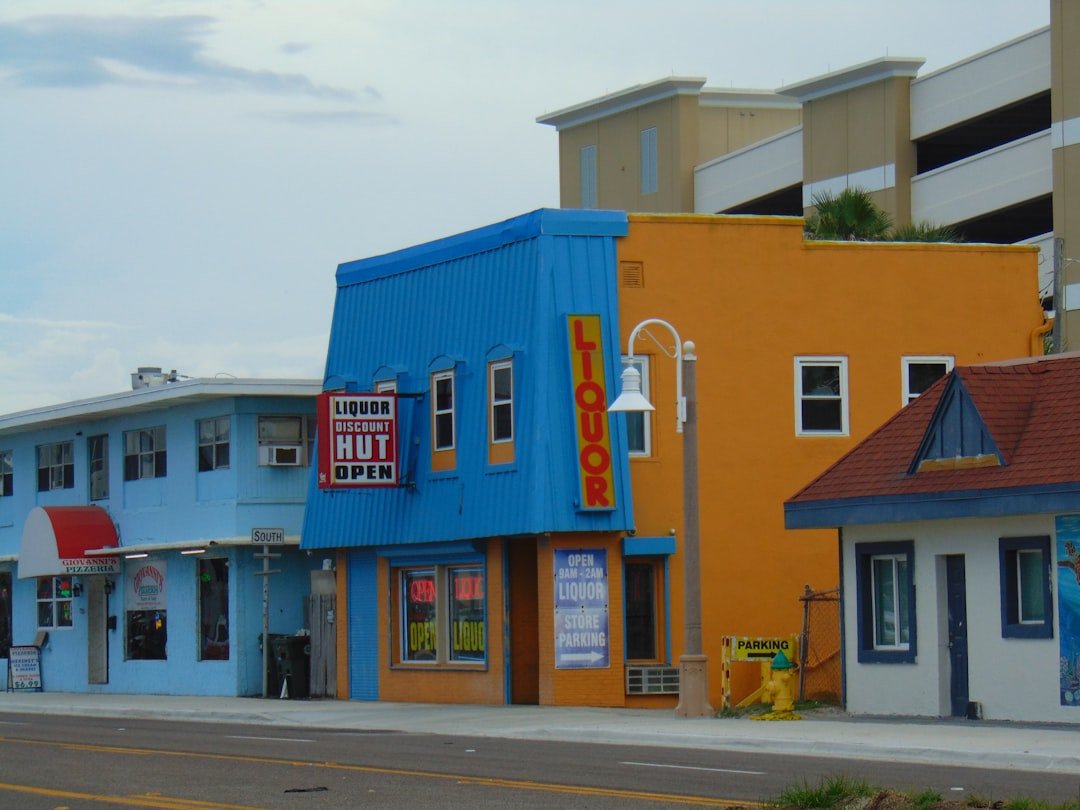
Driving through Matlacha today feels like scrolling through a time-lapse. On one side, you see fresh paint and new construction. On the other, there are still tangible reminders of what happened — a section of seawall that hasn’t been repaired, a mangrove line that’s noticeably thinner than it was in older photos. The road itself, rebuilt after the storm, is smooth and new, a strange contrast with the weathered buildings on either side. If you want to understand what resilience looks like in a place that doesn’t have the budget of a major resort town, Matlacha is a living classroom.
The Art That Refused to Wash Away
Before it was a fishing village, before it was a hideout for snowbirds, Matlacha was an artists’ colony. That identity crystallized in the work of Leoma Lovegrove, a painter whose immersive gallery became one of Southwest Florida’s most recognizable creative spaces. Lovegrove’s work — bright, tropical, unapologetically joyful — captured the spirit of the place so completely that for many visitors, her gallery was Matlacha. The hurricane damaged the building and scattered inventory, but the gallery has rebuilt, and new work hangs alongside the pieces that survived.
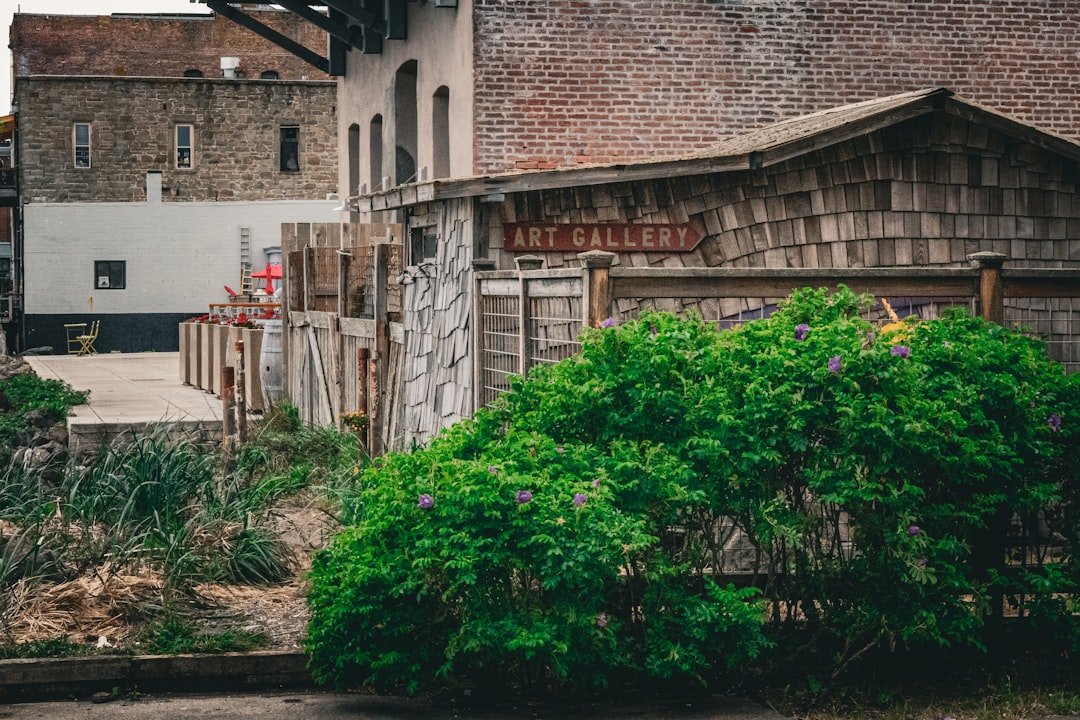
But Lovegrove is just the beginning. A walk down the main drag takes you past half a dozen smaller galleries and studios, each with its own personality. You’ll find driftwood sculptures, hand-painted tiles, jewelry made from sea glass collected along Pine Island Sound, and paintings of herons and dolphins rendered in every style from photorealistic to pure abstract. The quirky local art and souvenirs you can pick up here are unlike anything you’ll find in a Sanibel gift shop or a Naples boutique — they’re made by the people who live here, and they carry the texture of a community that’s rebuilding itself one brushstroke at a time.
If you’re the type who likes to bring home something that tells a story, Matlacha delivers. The locally inspired goods range from affordable prints to original canvases, and many of the artists are on hand to talk about their work, their storm experience, and why they chose to stay.
Pine Island Sound: The Water You Came For
Behind the galleries and restaurants, Matlacha fronts one of the most productive estuarine ecosystems on the Gulf Coast. Pine Island Sound stretches between the mainland and the barrier islands of Sanibel, Captiva, and North Captiva. It’s a mosaic of mangrove tunnels, seagrass flats, oyster bars, and hidden channels that holds tarpon, snook, redfish, trout, and the occasional manatee. The water is tannin-stained — that distinctive tea color comes from mangrove roots leaching tannins into the back bays — and it’s warm, shallow, and endlessly explorable.
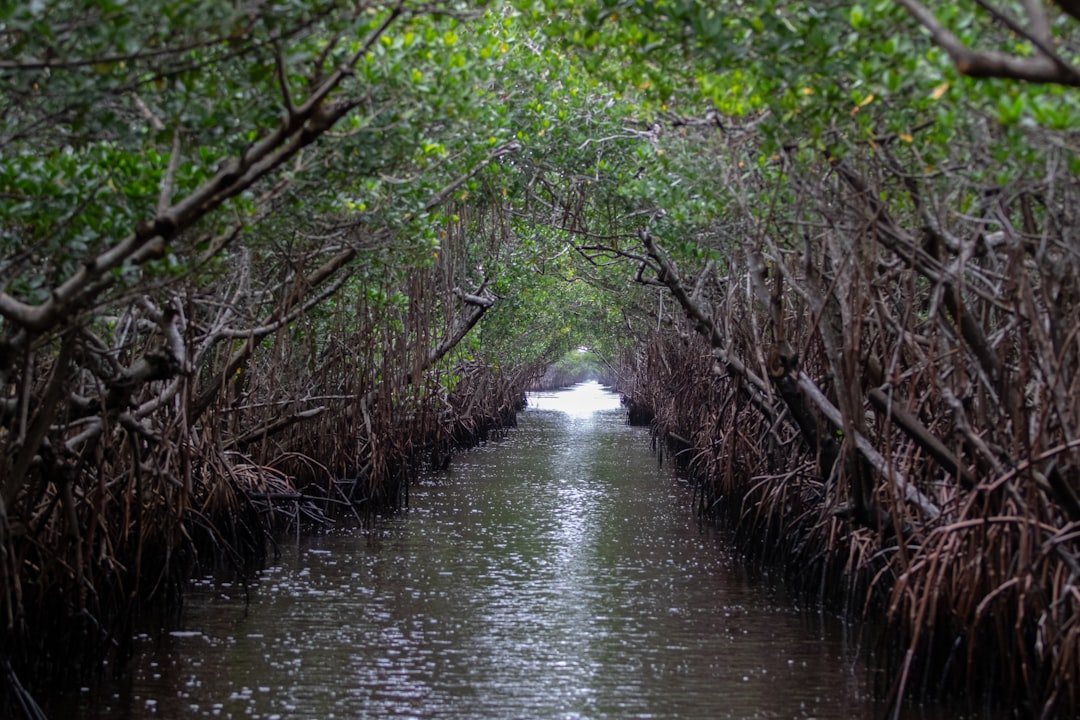
The best way to see it is by kayak. Several outfitters along the Matlacha corridor rent sit-on-top kayaks and offer guided paddles through the mangrove creeks that thread behind the village. If you’ve never paddled a mangrove tunnel, it’s an experience that sticks with you — the canopy closes overhead, the water goes glassy and still, and the only sounds are your paddle dipping and the occasional pop of a mullet jumping somewhere out of sight. A good two-person inflatable kayak can open up these waterways even if you don’t have roof racks or a truck.
A few essentials will make the paddle more comfortable: a waterproof dry bag for your phone and keys, and a secure paddle leash so you don’t lose your propulsion in a gust. The tannin water is clean but not something you want to dunk an unprotected phone into — seal your electronics in the bag before you push off.
The fishing is equally remarkable. Matlacha Pass, on the back side of the village, is a designated aquatic preserve and one of the most consistent snook fisheries in Southwest Florida. You can cast from the shore near the bridge, wade the flats at low tide, or hire one of the local guides who run skiffs out of the back bay. A pair of polarized fishing sunglasses aren’t just for comfort here — they’re essential for reading the water and spotting fish on the flats. If you’re wading, water shoes with grip will save your feet from oyster shells, which are sharp and everywhere.
Where the Locals Eat (and You Should Too)
Matlacha’s restaurant scene is small but mighty, and it’s built around the same principle that guides everything else here: keep it local, keep it fresh, and don’t pretend to be something you’re not. The most iconic spot is probably Bert’s Bar & Grill, a Matacachele institution that sits on the back bay with views of the mangrove islands. Bert’s was devastated by Ian — the storm gutted the building and scattered the dock — but it rebuilt and reopened with the same laid-back vibe, the same cold beer, and the same grouper sandwich that has been drawing people off Pine Island Road for decades.
A few hundred yards down the road, you’ll find other options: a seafood market where you can buy shrimp and grouper straight off the boat, a tiki bar that serves conch fritters to a backdrop of live acoustic guitar, and a coffee shop that doubles as an art gallery. The “Mayhem in Matlacha” mystery novel by a local author captures the colorful cast of characters who populate these establishments — pick up a copy before your trip and you’ll feel like you know the place before you arrive.
For a village with fewer than 800 year-round residents, the food scene punches well above its weight. Just don’t expect white tablecloths. The best meals here come on paper plates, eaten at a picnic table, with a view of the water and a osprey circling overhead. Pack a soft cooler bag with drinks and snacks for the drive home — you’ll want to linger.
Beyond the Quarter Mile
Matlacha is the gateway to Pine Island, which is itself one of Florida’s most underrated destinations. Unlike the barrier islands to the west, Pine Island is agricultural — palm nurseries, mango groves, and commercial fishing docks. The communities of St. James City (to the south) and Bokeelia (to the north) each have their own waterfront dining, fishing piers, and access to the sound. It’s the kind of place where you can rent a canal-front house for a week, drop a kayak in the water from your back lawn, and paddle to a different restaurant every night.

If you have a boat — or if you’re willing to hire one — Cabbage Key and Useppa Island sit just offshore in Pine Island Sound. Cabbage Key is accessible only by water and is famous for its dollar-bill wallpaper (thousands of them, signed and stapled by visitors) and its role as a possible inspiration for Jimmy Buffett’s “Cheeseburger in Paradise.” The nature trail on Cabbage Key winds through a tropical hardwood hammock to a Calusa Indian shell mound, the highest point in the area and a spot where you can see the entire sound laid out below you. Bring compact binoculars for the wildlife — the sound is home to dolphins, manatees, roseate spoonbills, and white pelicans in winter.
Closer to the mainland, the Four Mile Cove Ecological Preserve in Cape Coral offers a free boardwalk through a mangrove forest that was also damaged by Ian but is steadily recovering. It’s an easy 20-minute stop on your way to or from Matlacha and gives you a ground-level view of the ecosystem that makes this entire stretch of coast so productive. If you’re planning a broader Gulf Coast beach town tour, Matlacha and Cape Coral make a perfect pair.
Planning a Visit That Respects the Place
Matlacha is not Sanibel. It’s not Naples. It’s not trying to be. What it offers instead is something increasingly rare on Florida’s developed coastlines: a working community of artists and fishermen that welcomes visitors without rearranging itself around them. The businesses here are small, locally owned, and in many cases still recovering from a catastrophe that happened years ago but is still very much present in their daily lives.
The best time to visit is between November and April, when the humidity drops and the snowbirds bring the population to its seasonal peak. Restaurants and galleries may have shorter hours during the summer off-season, but the water is calmer, the crowds are thinner, and the afternoon thunderstorms put on a free show. Whenever you go, bring reef-safe sunscreen — the back bays are sensitive ecosystems, and the chemicals in standard sunscreens contribute to the water quality issues that plague Pine Island Sound. A packable sun hat will also serve you well; the Florida sun is no joke, even in December.
If you want to capture the experience the way the locals do — in full, immersive 360 degrees — an Insta360 action camera is the tool of choice for many Pine Island regulars. The panoramic views from the Matlacha bridge alone are worth the effort, especially at sunset when the sky goes pink over the mangroves and the pelicans glide home in single file.
For navigation and context, a good Florida Gulf Coast travel guide will help you build Matlacha into a larger itinerary. Pair it with a stop at Fort Myers Beach, a drive up to Tampa, or a ferry to the barrier islands. Or just come for the day, park near the bridge, and walk. Matlacha is small enough that you can see most of it in an afternoon — but the kind of place that makes you want to cancel your evening plans and stay for dinner. And then breakfast the next morning.
That’s what happened to me. I stopped for a photo and stayed for three days. The village has a way of doing that.
3 thoughts on “Paint, Piers, and Pine Island Sound: Why Matlacha Is Florida’s Best-Kept Gulf Coast Secret”