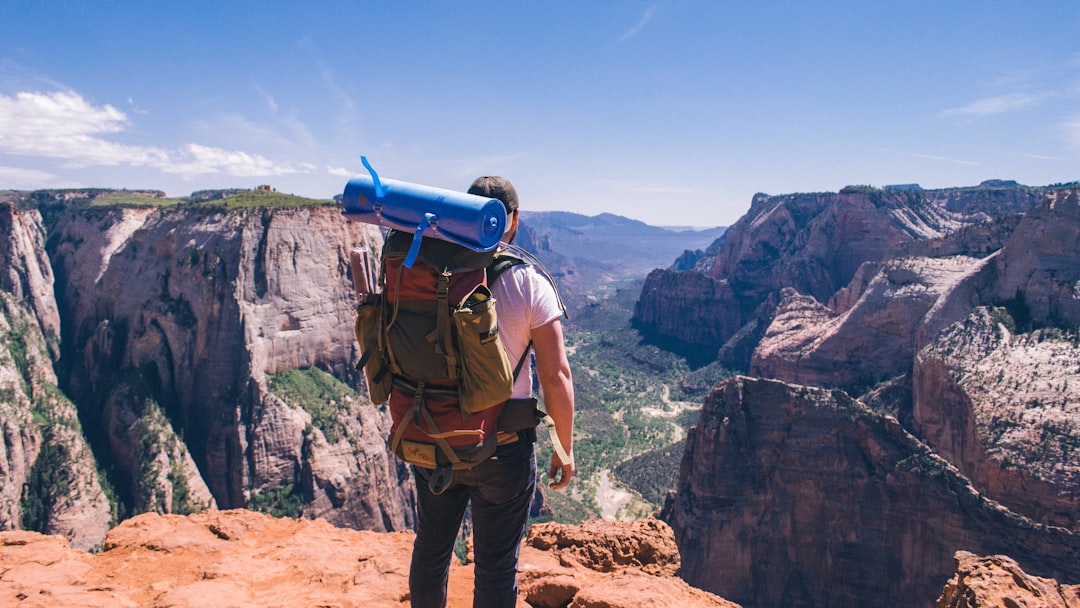
I saw it all over my feed for months before I finally caved. The Maelstrom travel backpack — the one with the shoe compartment, the USB port, the hidden anti-theft pocket — had become the “it” bag for anyone under thirty who travels with more than a change of clothes and less than a full suitcase. So when I mapped out a two-week, 2,000-mile loop through the Southwest — Phoenix to the Grand Canyon, up through Monument Valley, across to Zion, and back through Sedona — I decided this was the perfect crucible. Could a $35 backpack actually survive the kind of punishment I usually reserve for $200 gear?
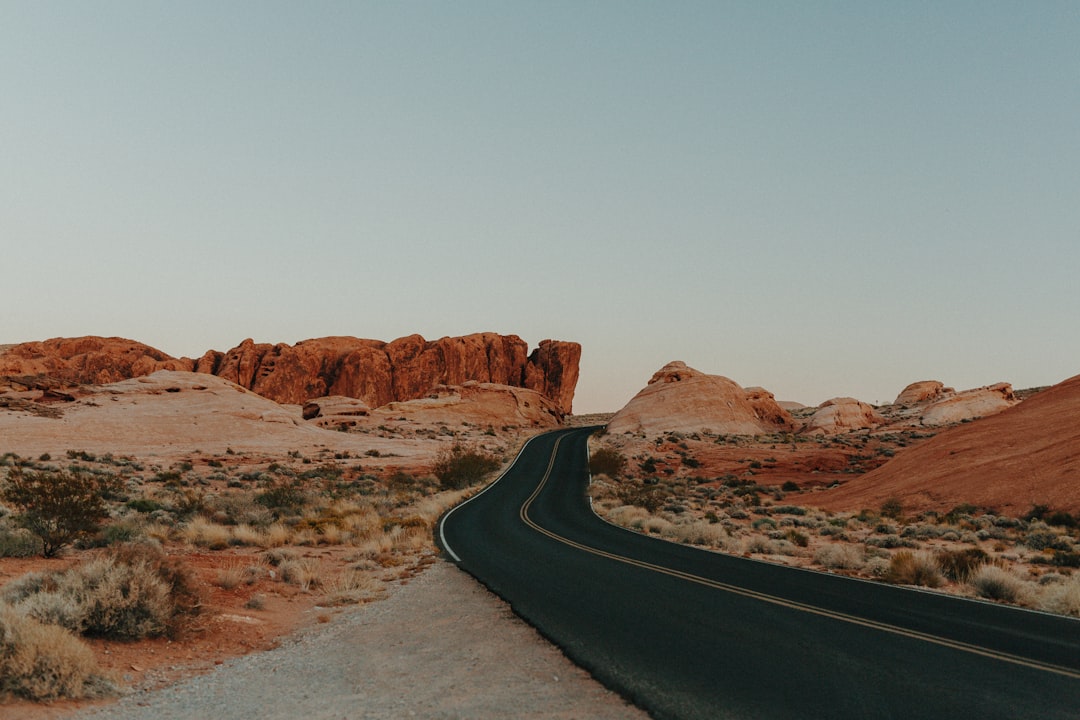
The Setup: What I Packed and Why It Mattered
Here’s the thing about Southwest road trips — the environment is brutal on gear. You’ve got temperature swings from 40°F at the Grand Canyon rim to 110°F in the valley. Red dust that gets into every zipper and seam. Long stretches between laundry facilities. And if you’re moving between hiking trails, scenic overlooks, and the occasional restaurant that frowns on trail-worn clothing, you need a bag that can transition without making you look like you just crawled out of a ravine.
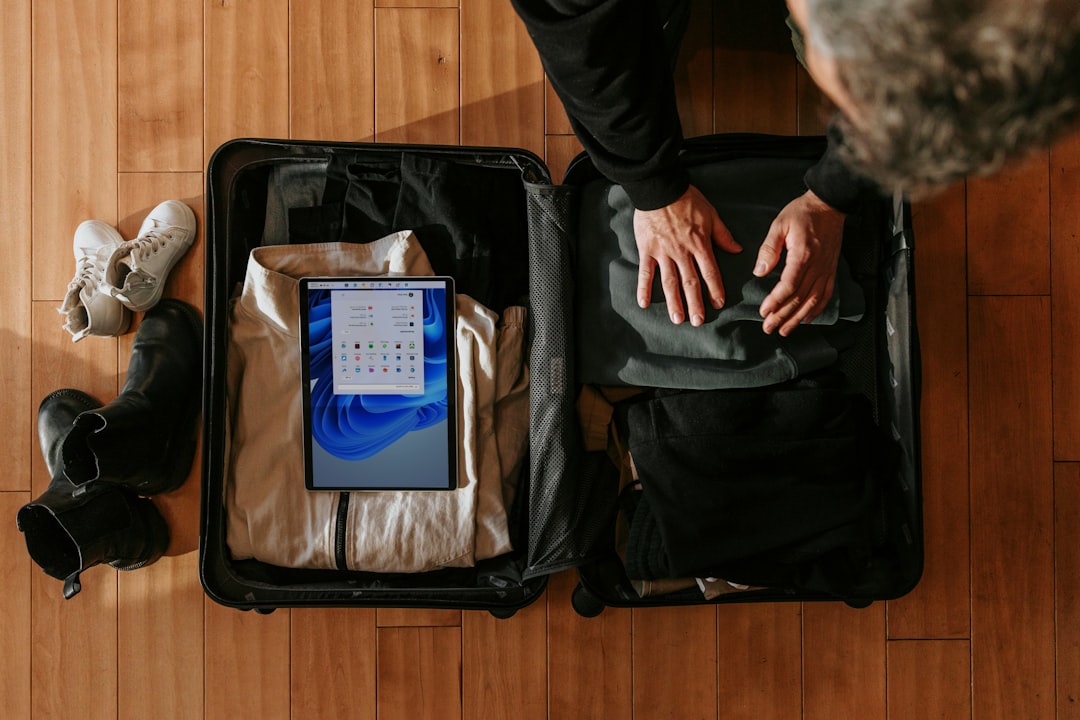
I loaded the Maelstrom 35L backpack with everything I’d need for a 14-day trip: three sets of hiking clothes, two “restaurant-appropriate” outfits, toiletries, a 17-inch laptop, chargers, and the kind of miscellaneous gear that seems to multiply when you’re not looking. The bag also came with a detachable crossbody bag and a toiletry pouch — a nice touch that meant I wasn’t rummaging for lip balm at the bottom of a packed compartment.
The first test came before I even left Phoenix. I needed to fit all of this into a bag that qualifies as a personal item on most airlines, because the eventual plan was to fly home from Las Vegas. At 35 liters, the Maelstrom sits right at the upper edge of what budget airlines consider a “personal item.” It’s a tight squeeze, but with packing cubes compressing my clothes and a bit of strategic rolling, everything fit — barely.
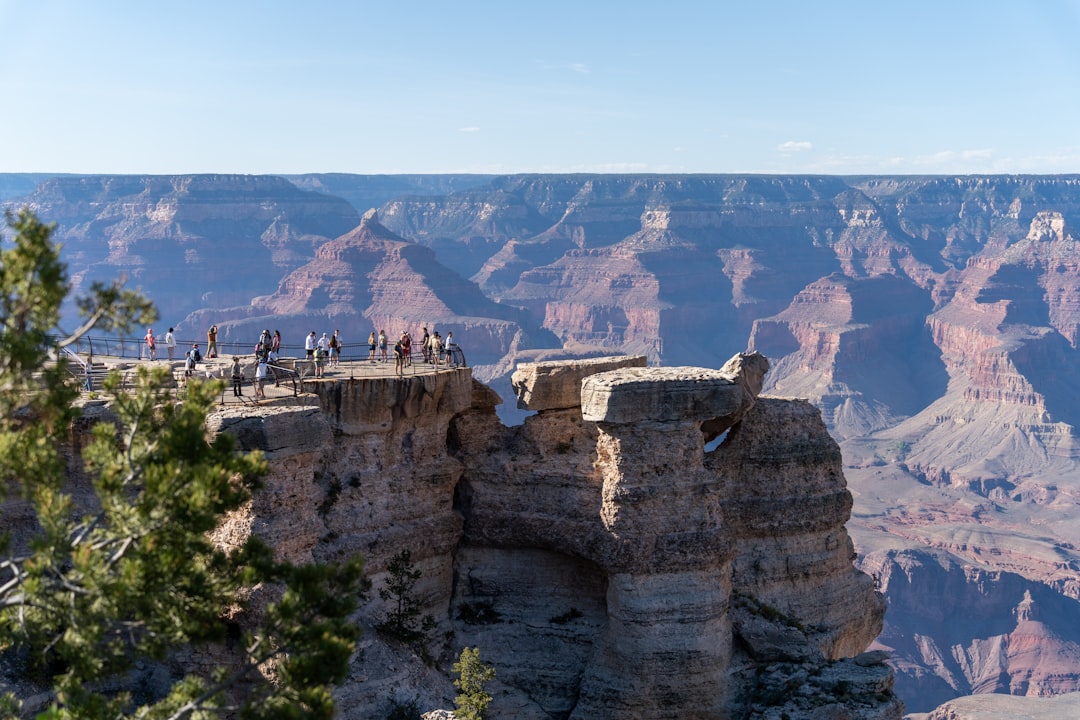
Day One to Three: Phoenix to the Grand Canyon
The drive from Phoenix to the South Rim is about three and a half hours if you don’t stop, which of course I did. The Maelstrom rode shotgun, wedged between the center console and the passenger door, and this is where I discovered its first real strength: the luggage pass-through strap. Slipped over the handle of my rolling duffel at the hotel, it stayed put. In the car, the flat bottom meant it didn’t tip over every time I took a curve.
At the Grand Canyon, the bag’s water-resistant exterior faced its first real test — a dust storm that rolled through around 4 PM on my second day. I’d left the bag in the car (not about to take a full travel backpack on the rim trail), but the fine red silt that coats everything in northern Arizona found its way through a cracked window. A quick wipe-down with a damp cloth and the bag looked fine. The interior stayed completely clean.
What I was starting to notice, though, was the zipper. The main compartment zipper has a satisfying weight to it — not the flimsy plastic teeth you find on budget bags — but it catches occasionally at the curved seam where the side pocket meets the body. Not a dealbreaker, but I had to learn to zip slowly at that spot rather than yanking. A small thing, but it’s the kind of detail that separates a $35 bag from a $100 one.
The Hidden Anti-Theft Pocket: Gimmick or Game-Changer?
One of the Maelstrom’s selling points that gets repeated endlessly on social media is the hidden anti-theft pocket. It sits flush against your back when you’re wearing the bag — invisible from the outside, accessible only if you take the pack off or reach behind you in a way that looks deeply suspicious in public.
I stashed my RFID-blocking travel wallet, passport, and a backup credit card in there. Over two weeks, through gas station stops, crowded visitor centers, and a particularly chaotic night in a Flagstaff hostel, nothing was ever disturbed. The pocket is genuinely well-designed — deep enough to hold a passport without it peeking out, positioned where it doesn’t create an awkward bulge against your spine.
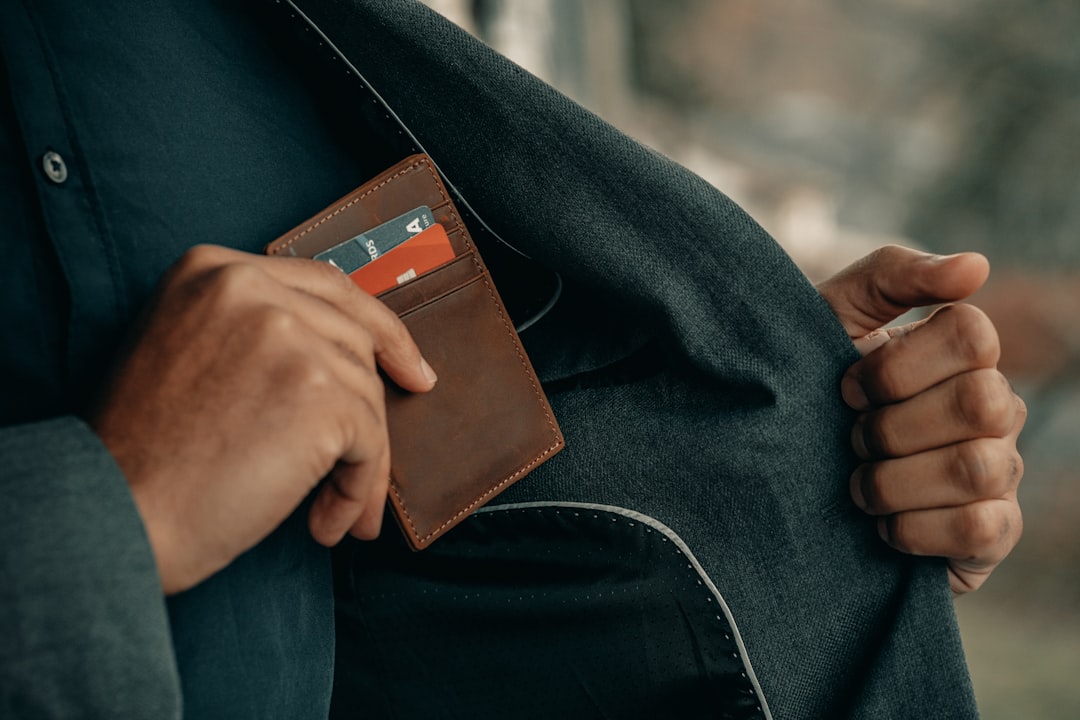
That said, accessing it on the go is not practical. If you’re the kind of traveler who likes to grab your wallet without removing your bag, this isn’t the pocket for that. Think of it as a portable safe — you put your critical documents in at the start of the day and retrieve them when you get to your room. For daily spending, I kept a small amount of cash and one card in the front zippered pocket, which is much more accessible but also more exposed. An anti-theft carry-on backpack with locking zippers would offer more security for urban environments, but for the remote Southwest, the Maelstrom’s setup was more than adequate.
Days Four to Seven: Monument Valley and the Long Empty Highways
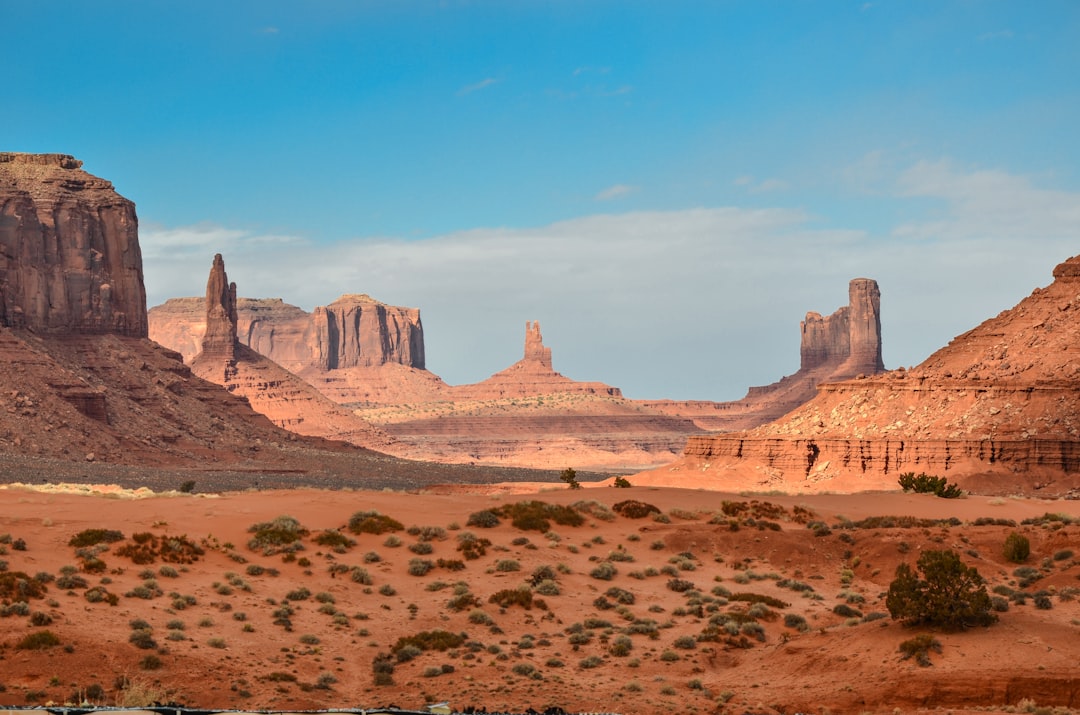
This is where the trip got serious. From the Grand Canyon, I drove east on Highway 64 to Highway 160, cutting through the Navajo Nation toward Monument Valley. If you’ve never done this drive, understand that it’s the kind of empty that makes you check your gas gauge every fifteen minutes. Cell service is sporadic. Services are nonexistent for stretches of sixty miles or more.
The Maelstrom became my day bag during this stretch. I’d stripped it down to essentials — water, snacks, first aid kit, phone, charger, and a light jacket — and it performed well as a hiking pack. The shoulder straps have decent padding, and the back panel has a breathable mesh layer that kept me from turning into a sweat monstrosity during a midday hike in 95°F heat. The chest strap helped distribute the weight, though at lighter loads it felt a bit unnecessary.
The built-in USB port is one of those features that sounds more useful than it is. You still need to connect your own portable power bank to the internal cable — the port is just an extension cord, not a battery. But it does mean you can leave the power bank zipped inside the bag while your phone charges on the outside, which is genuinely convenient when you’re navigating and charging simultaneously. I paired it with a cable organizer pouch to keep the various cords from turning into a nest.
The Shoe Compartment: Actually Useful, Surprisingly
I was ready to hate the shoe compartment. It seemed like one of those features that looks great in a product photo but wastes space in real life. Here’s the reality: after a dusty hike in Zion, being able to isolate my trail runners from the rest of my gear without resorting to a plastic grocery bag felt luxurious. The compartment is ventilated, separated from the main interior by a fabric divider, and sized for men’s shoes up to about a size 12. My size 11 hiking shoes fit with a bit of a squeeze.
On the flip side, when I wasn’t carrying shoes, the compartment ate into the main pack’s volume. It doesn’t collapse flat — the divider is sewn in — so you lose roughly two liters of usable space whether you’re using it or not. For a 35L bag, that’s a meaningful chunk. If you’re someone who never travels with extra shoes, this feature is dead weight. But for multi-activity trips where you’re switching between trail and town, it’s a genuine value-add.
I also found the compartment worked well for separating dirty laundry on the return leg. Stuff your worn clothes in, zip it up, and the rest of your bag stays fresh. Combined with compression packing bags for clean clothes, this system kept odors contained for the full two weeks.
Days Eight to Fourteen: Zion, Bryce, and the Real Endurance Test
By the second week, the honeymoon phase was over. I’d been living out of this bag for eight days straight, unpacking and repacking it every morning, hauling it in and out of the car, wearing it on trails, and subjecting it to the general abuse of a dirt-and-sweat-soaked desert trip. How was it holding up?
Pretty well, honestly. The zippers had loosened up slightly but showed no signs of failing. The bottom of the bag, which gets the most abuse from being set down on pavement, rock, and dirt, had a few scuffs but no tears. The shoulder strap stitching was intact. The water-resistant coating was still beading light moisture, though I wouldn’t trust it in a downpour without a rain cover.
The laptop compartment — padded and sized for a 17-inch machine — kept my laptop safe through the entire trip, even when the bag took a tumble off a rock ledge in Bryce Canyon (don’t ask). I’d slipped it into a protective laptop sleeve for extra insurance, which turned out to be a smart move given the fall.
What Didn’t Work: The Honest Critique
Here’s where the “what didn’t” part of the title comes in. The Maelstrom is a good budget travel backpack, but it’s not a great one, and pretending otherwise would be dishonest.
The side water bottle pocket is too shallow. A standard 20-ounce bottle sits precariously and will launch itself out when you set the bag down at any angle. I ended up stashing my insulated water bottle inside the main compartment, which defeated the purpose of having an external pocket. A deeper, elastic-topped pocket would fix this instantly.
The included crossbody bag — a small detachable pouch that clips to a strap — is almost too small to be useful. It fits a phone, a passport, and maybe a granola bar. I used it twice and then left it in the car. A slightly larger version that could function as a proper sightseeing bag would add real value.
And then there’s the weight. Empty, the Maelstrom 35L weighs about 2.2 pounds. That’s not heavy for a travel backpack, but it’s not ultralight either. Every feature — the shoe divider, the USB routing, the anti-theft layer, the extra pouches — adds ounces. If you’re a minimalist who counts every gram, this bag will frustrate you. But if you value organization over weight savings, it’s a reasonable trade-off.
Would I Recommend It? The Verdict
After 2,000 miles, four national parks, and fourteen days of constant use, the Maelstrom travel backpack earned a spot in my gear rotation — with caveats. At its price point (usually $30-40 on Amazon), it outperforms anything else I’ve tested. The construction quality punches well above its weight class, and the feature set, while not perfectly executed, covers the bases that matter for road-trip travel.
Where it falls short is in the details that experienced travelers care about — the shallow bottle pocket, the non-collapsible shoe compartment, the zipper that catches at one specific spot. None of these are trip-ruining flaws, but they’re the difference between “good for the price” and “just plain good.”
If you’re planning a Southwest road trip — or any trip that mixes outdoor adventure with the occasional night in civilization — this bag will get the job done. Pack it with quality packing cubes, bring a separate hanging toiletry bag for bathroom organization, and don’t forget polarized sunglasses because the desert sun is no joke. For more gear recommendations worth the investment before your next trip, check out our travel gear upgrades guide.
And if you’re hitting the road through this part of the country, do yourself a favor and plan your food strategy in advance. Gas station dining gets old fast — our road trip food strategy guide breaks down exactly how to eat well without blowing your budget.
For travelers who want to go even lighter, the carry-on essentials we’ve previously covered pairs well with this bag’s capacity. And if your Southwest loop includes the Grand Canyon, you won’t want to miss the spectacular depths of Crater Lake as a complementary stop.
The Maelstrom isn’t the best backpack on the market. But for under $40, it might be the best backpack for the money — and on a 2,000-mile Southwest loop, that distinction matters more than you’d think.
1 thought on “2,000 Miles, Four Parks, One 5 Backpack: My Southwest Road Trip Stress Test”