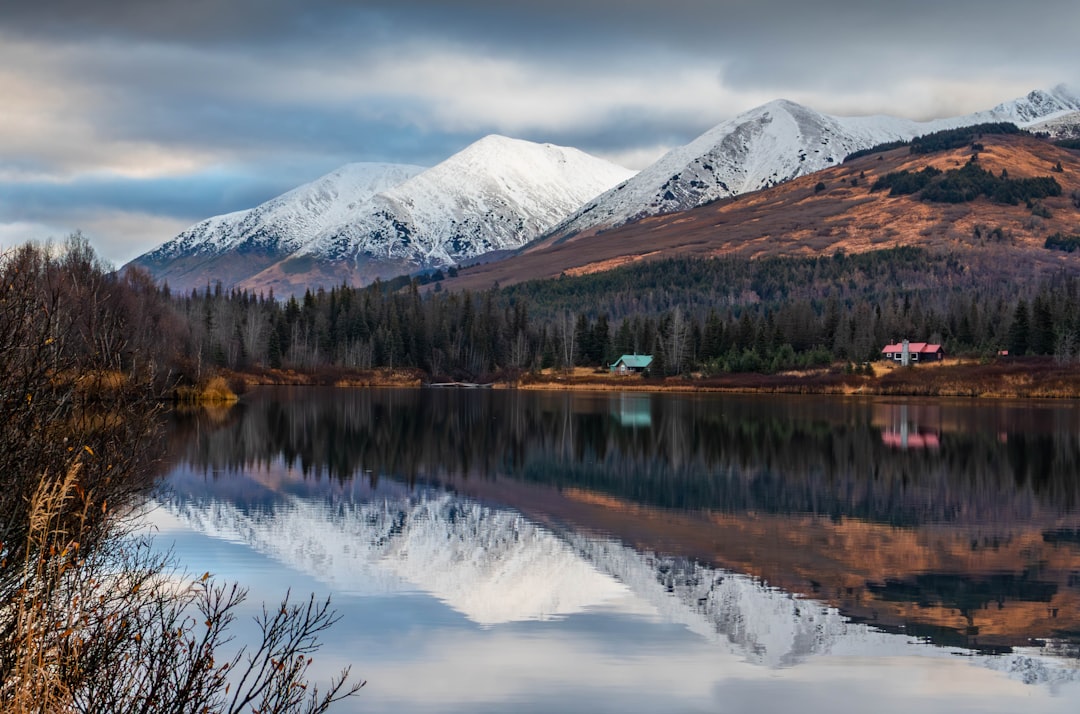
I’m standing at the base of Mount Marathon in Seward, Alaska, watching people sprint up a mountain that most sane humans would prefer to climb slowly. It’s the Fourth of July, and this grueling 3.5-mile race — straight up 3,022 feet of scree, shale, and suffering, then straight back down — has been a Kenai Peninsula tradition since 1915. A woman covered in mud crosses the finish line, collapses into the arms of two volunteers, and grins like she just won the lottery. Maybe she did. The crowd goes absolutely berserk.
This is how I started my Kenai Peninsula trip, and honestly, it set the tone for everything that followed. Because Alaska’s Kenai doesn’t do anything halfway. Not the scenery, not the wildlife, not the weather, and definitely not the adventures. It’s roughly the size of West Virginia, sits about two hours south of Anchorage, and packs in more dramatic coastline, glacier-carved fjords, and world-class fishing than some entire countries manage. And July? July is when this place peaks.
The Seward Highway: America’s Most Underrated Scenic Drive
I rented a SUV in Anchorage and pointed it south on the Seward Highway, and within twenty minutes I understood why this 127-mile stretch gets voted onto every “most scenic drive” list that exists. The road hugs the eastern edge of the Turnagain Arm — a narrow inlet of Cook Inlet famous for its bore tide, a wall of water that rolls in twice a day and can reach six feet tall. I pulled over at Beluga Point (named for the white beluga whales that sometimes follow the tide in) and watched the mudflats do their eerie, shimmering thing in the late afternoon light.
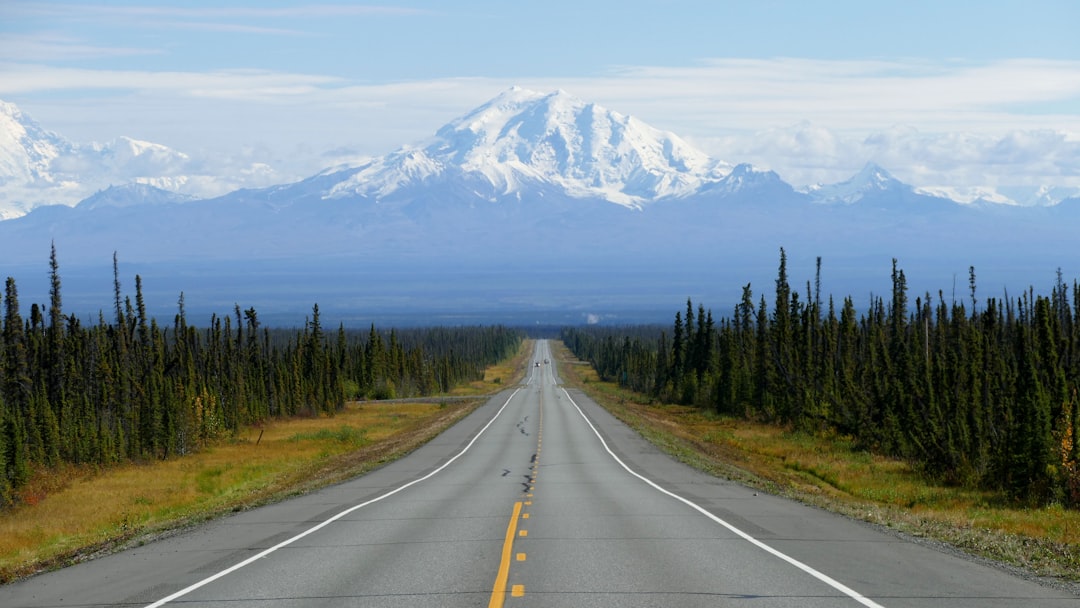
The highway then climbs through the Chugach Mountains, past hanging glaciers and waterfalls that seem to pour directly onto the road. There’s a moment around Milepost 70 where the terrain opens up and you can see the Kenai Mountains stretching south toward Seward, their peaks still patched with snow in early July. I’d driven a lot of American roads by this point — the Blue Ridge Parkway, the Going-to-the-Sun Road, the Pacific Coast Highway — but nothing quite prepared me for this. The scale is just different up here.
If you’re planning this drive, I can’t stress enough how much a good pair of waterproof hiking boots matters. You’ll want to pull over constantly, and many of the best viewpoints involve scrambling down to riverbanks or up to overlooks on loose rock. The trailhead parking areas along this route are also where I learned that Alaska’s state bird is the mosquito — more on that later.
Seward: Gateway to Kenai Fjords National Park
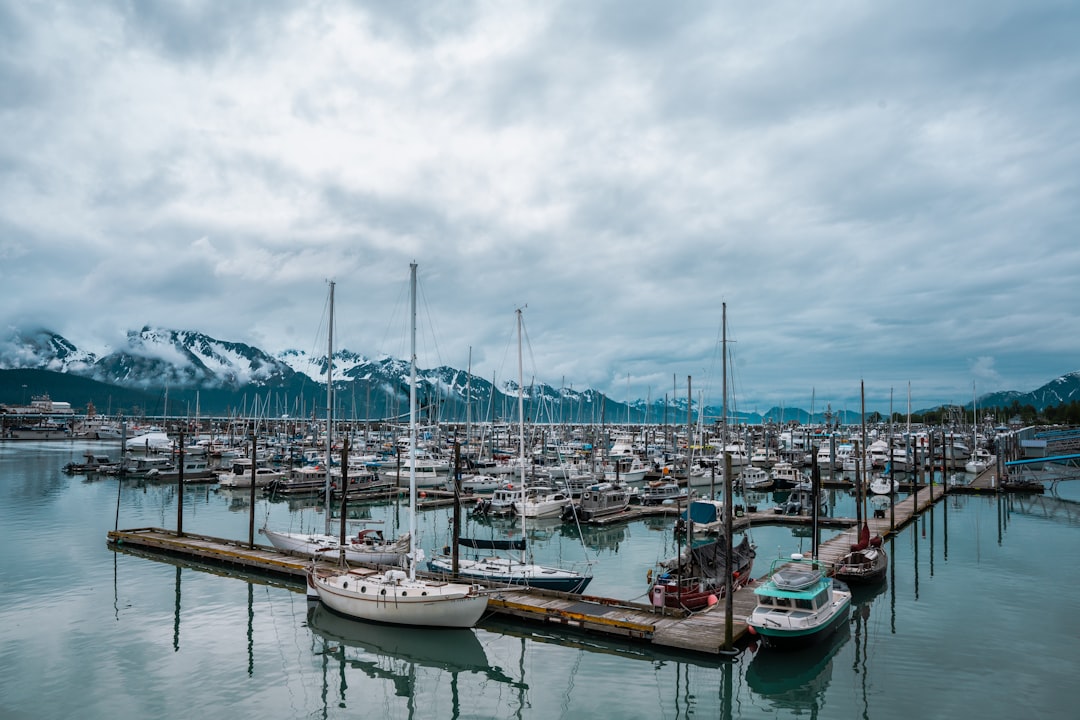
Seward is a town of about 2,700 people that swells to five times that in summer, and it wears its seasonal madness well. The harbor is packed with charter boats, tour operators, and the kind of weathered fishing vessels that look like they’ve survived things you don’t want to know about. I spent my first evening walking the docks, eating halibut tacos from a food truck, and watching sea otters float on their backs in the harbor like they hadn’t a care in the world.
The main event here is Kenai Fjords National Park, and there are two ways to experience it: by land and by sea. I did both, and they’re completely different experiences that complement each other perfectly.
Exit Glacier and the Harding Icefield Trail
Exit Glacier is the only part of Kenai Fjords accessible by road, and it’s a stunner. A short loop trail takes you to the glacier face — a wall of blue-white ice that looks impossible, like something a special effects team built. Signs along the trail mark the glacier’s retreat over the decades, and the visual of how much ice has disappeared since 2005 is sobering.
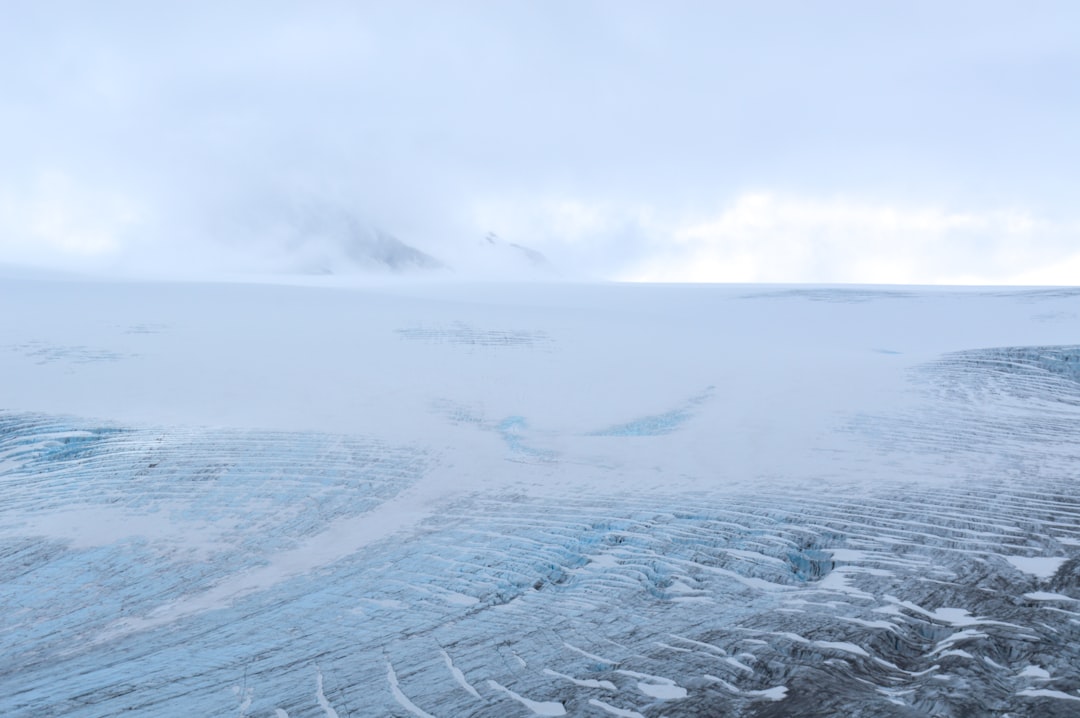
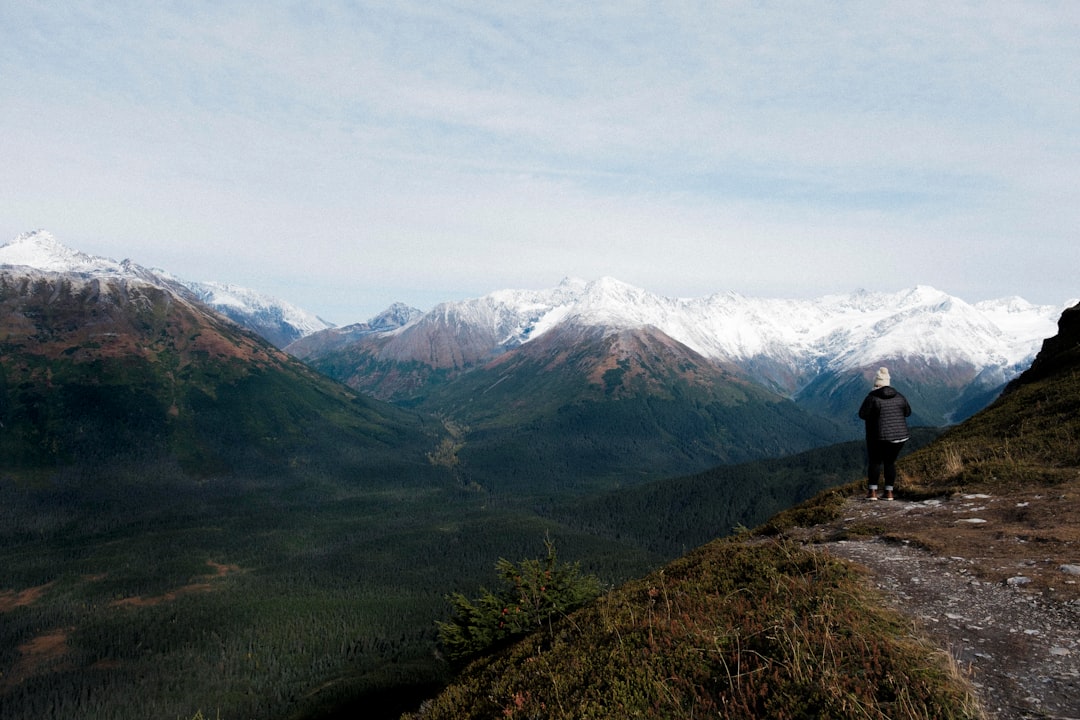
But the real adventure is the Harding Icefield Trail, a strenuous 7.4-mile round-trip that climbs roughly 1,000 feet per mile alongside the glacier. I started early with a packed day hiking backpack loaded with water, layers, and enough snacks to feed a small expedition. The trail switchbacks through alder and cottonwood, then breaks above treeline into a landscape that looks like another planet — marmots whistling from boulders, mountain goat tracks in patches of snow, and then the icefield itself. The Harding Icefield spans 700 square miles and spawns 38 named glaciers. Standing at the overlook, watching ice roll out to the horizon in every direction, I felt genuinely small for maybe the first time in my life.
Word to the wise: carry bear spray on this trail. Black bears are common in the area, and while I didn’t have an encounter, the hiker coming down behind me had spotted one about fifty yards off-trail that morning. The trail is also almost entirely above treeline and exposed, so a lightweight waterproof rain jacket isn’t optional — it’s mandatory. Alaska weather can flip from sunny to sideways rain in the time it takes to eat a granola bar.
Kenai Fjords Boat Tour: Where the Glaciers Meet the Sea
The next morning, I boarded a catamaran for a six-hour tour of Resurrection Bay and the tidewater glaciers of Kenai Fjords. This is the only way to see the park’s crown jewels — massive glaciers that calve apartment-sized chunks of ice directly into the ocean. Our captain navigated through floating icebergs the color of sapphire, and we pulled up to Aialik Glacier just in time to watch a slab the size of a bus crash into the water. The sound arrived two full seconds after the ice hit — a deep, resonant crack that echoed off the fjord walls.
The wildlife on the boat tour was relentless. Humpback whales, orcas, Steller sea lions, puffins, and a sea otter raft of maybe forty animals all made appearances. I went through an entire memory card on my camera, and I wasn’t even mad about it. This is also where a decent pair of binoculars for wildlife viewing earns its keep — the whales can surface hundreds of yards from the boat, and the difference between “I think I see something” and “that’s a pod of orcas” is entirely dependent on optics.
Wildlife on the Kenai: More Than Just the Ocean Show
If the boat tour wildlife felt curated, what I encountered driving the peninsula felt like a nature documentary that wouldn’t stop playing. In a single day, I spotted a cow moose and her calf browsing in a roadside pond, a bald eagle perched on a driftwood snag about thirty feet from my rental car, and a black bear ambling across the Seward Highway near dawn like it had somewhere important to be.
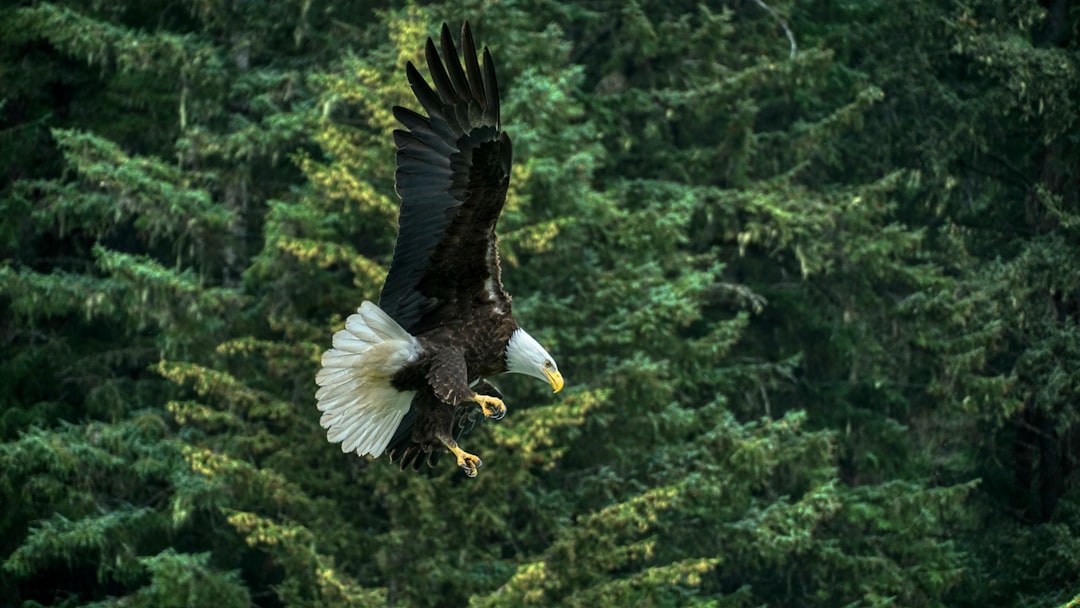
The Kenai National Wildlife Refuge covers nearly two million acres of the peninsula, and it’s one of the best places in North America to see wildlife without a guide. I hiked the Skilak Lake Trail in the early evening — golden light, wildflowers everywhere, and the odd sensation of knowing I was being watched by animals I couldn’t see. A rechargeable waterproof headlamp in my pocket gave me confidence to stay past sunset, because Alaska in July gives you roughly 19 hours of daylight and the sun barely dips below the horizon. Twilight at 11 PM is a real thing here, and it’s magical.
The Kenai River: Salmon Country
The Kenai River runs 82 miles from Kenai Lake to Cook Inlet, and it’s one of the most famous salmon fisheries on the planet. The world-record sport-caught chinook salmon — a 97-pound, 4-ounce monster — came out of these waters in 1985, and anglers have been chasing that record ever since.
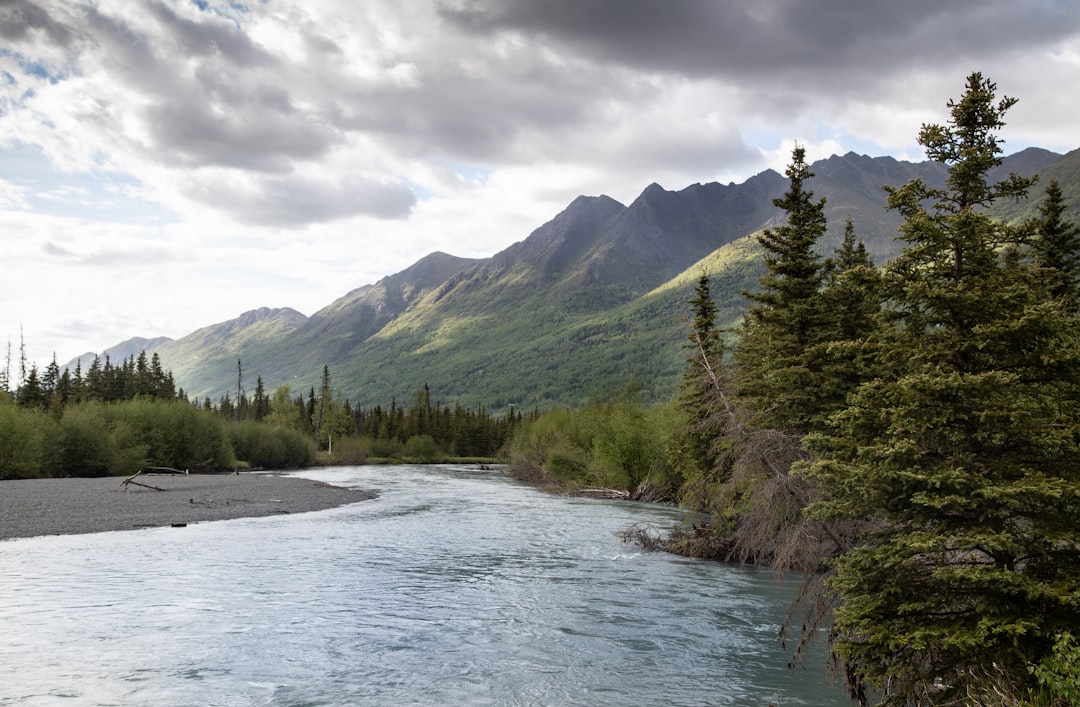
I’m not what you’d call an expert angler, but I booked a half-day guided trip out of Soldotna and had the time of my life. July is prime sockeye (red) salmon season on the Kenai, with runs that can exceed a million fish. My guide, a guy named Doug who’d been fishing the river for thirty years, had me into a sockeye within twenty minutes of our first cast. The fight was electric — these fish are fresh from the ocean, muscular, and absolutely determined to not end up in your net.
Even if you never pick up a rod, the river itself is worth your time. The turquoise water (caused by glacial flour — fine rock particles ground up by ancient ice) winds through forests of spruce and birch, and the banks are dotted with anglers, families picnicking, and the occasional bear doing some fishing of its own. Bug spray is non-negotiable here — I used DEET-based insect repellent wipes and still got eaten alive around dusk.
Homer: The End of the Road (Literally)
The drive from Soldotna to Homer takes about an hour and a half, and the final approach along Kachemak Bay is genuinely stunning. Homer sits at the end of the Sterling Highway — you literally can’t drive any further west without falling into the ocean. The town is famous for two things: the Homer Spit, a 4.5-mile gravel bar extending into the bay, and its thriving community of artists, fishermen, and people who decided the lower 48 just weren’t their thing.
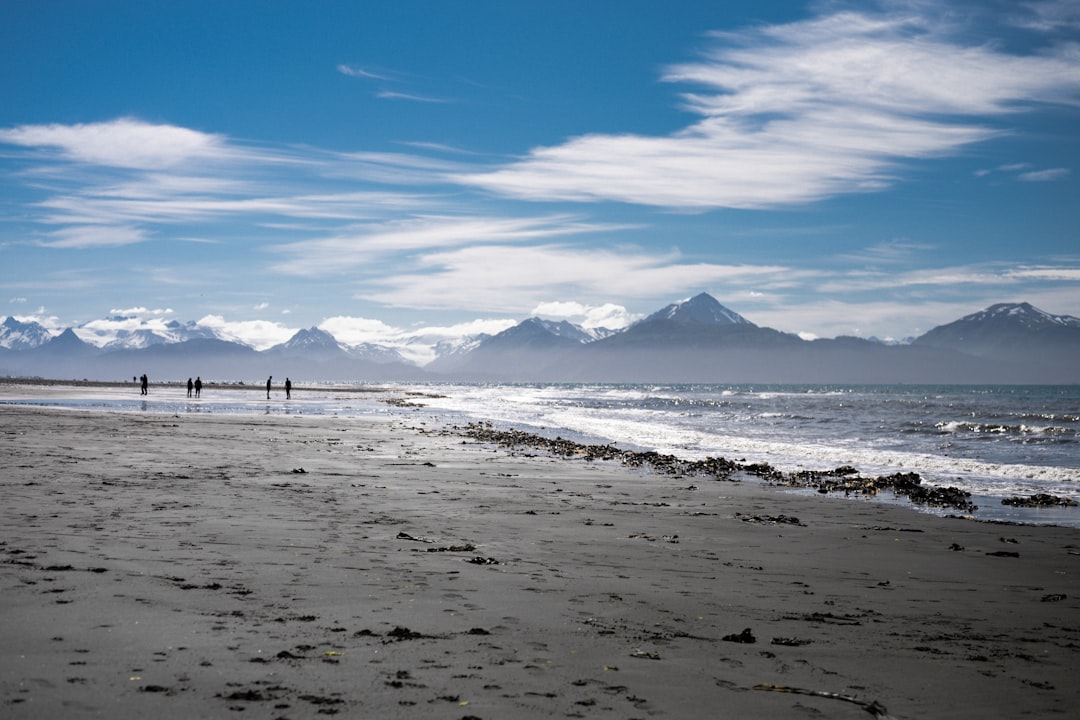
I spent two days in Homer and could have stayed a week. The Spit is lined with shops, restaurants, and charter offices, and it has the kind of ramshackle charm that makes you want to open a bookstore and never leave. I ate the best halibut fish and chips of my life at the Salty Dawg Saloon — a historic bar inside a lighthouse where everyone writes on the walls and dollar bills hang from the ceiling like strange, financial stalactites. Across the bay, the peaks of Kachemak Bay State Park rose out of the clouds, and I booked a water taxi over for a day of hiking that felt like stepping into a country that hadn’t been mapped yet.
Homer is also the halibut fishing capital of the world, and the charter fleet runs daily trips into Cook Inlet and beyond. If you’ve ever wanted to catch a fish taller than you are wide, this is the place. Just make sure you have a waterproof dry bag backpack for the boat — things get wet out there, and Alaska water is cold enough that you don’t want your extra layers soaking through.
What to Pack for the Kenai Peninsula in July
Alaska in July is a land of contradictions. Temperatures can hit 70°F under clear skies, then drop into the 40s when a front rolls in. Rain is always a possibility — Seward averages 18 rainy days in July — and the sun barely sets. Here’s what I was glad I brought:
- Layers, layers, layers. A merino wool base layer was my best friend. It regulates temperature beautifully, doesn’t stink after three days of hiking, and works equally well under a rain shell or on its own during a sunny afternoon.
- Quality rain gear. Not an umbrella. Not a windbreaker. A proper waterproof rain jacket that can handle a downpour without turning into a sponge — I mentioned this one earlier, and I’ll mention it again because it matters that much.
- Sun protection for glacier country. The UV reflection off ice and water is no joke. Polarized sunglasses protect your eyes and help you see into the water for wildlife spotting.
- A way to keep your phone dry. Between boat spray, rain, and the occasional stumble into a creek, a waterproof phone case is cheap insurance for your most important camera.
- Something warm for your hands. I drank approximately nine thousand cups of coffee and tea on this trip, and having an insulated travel mug that actually kept things hot for hours was a small luxury that felt enormous when I was standing on a windy glacier overlook.
Where to Stay: Camping, Cabins, and Everything Between
The Kenai Peninsula has a solid range of accommodations, from riverside RV parks to remote wilderness lodges that you can only reach by bush plane. I mixed it up: two nights camping at Exit Glacier Nature Center (walk-in sites, $10/night, no reservations — first come, first served), a night at a Seward harbor-side B&B, and a cabin outside Homer that I found on a vacation rental site. The camping was my favorite, partly because waking up to the sound of a glacier-fed creek outside your tent is the kind of thing that recalibrates your brain.
For campground planning, Alaska State Parks manages excellent sites along the Kenai River and around Skilak Lake. These fill up fast in July, so arriving before noon gives you the best shot. National Forest Service cabins — rustic, no running water, but in spectacular settings — are another option and can be reserved through recreation.gov. They’re incredibly affordable and put you right in the middle of the wildlife action.
Budget-wise, the Kenai is more affordable than you might expect, especially compared to places like Banff or Jackson Hole. I’ve written about visiting national parks on a budget before, and many of the same principles apply here. A park pass, a cooler full of groceries from the Soldotna Fred Meyer, and a willingness to camp keeps costs surprisingly low. The most expensive things will be the boat tour ($200-300) and fishing charters ($250-400), both of which are absolutely worth it.
The Drive Home: What I Keep Thinking About
Driving north back toward Anchorage on my last evening, the sun was hanging low over the Chugach Mountains, painting everything gold. I passed a pullout where three cars had stopped, their occupants standing in a line along the guardrail, phones out, photographing a moose standing knee-deep in a pond. Nobody was talking. Nobody needed to.
That’s the thing about the Kenai Peninsula. It has a way of making you quiet. Not bored-quiet or disappointed-quiet, but the kind of quiet that happens when something exceeds your expectations so thoroughly that your brain needs a minute to catch up. I’ve explored a lot of American landscapes — from the glacier-crumpled Cascades of Washington to the boreal water wilderness of Voyageurs — but Alaska hits different. It’s the vastness. The feeling that the land doesn’t particularly care whether you’re here or not, and there’s something deeply freeing about that.
If you’re thinking about a Kenai Peninsula trip, July is the month. The salmon are running, the wildflowers are blooming, the daylight is endless, and the weather — while never entirely predictable — is about as good as Alaska gets. Just do me a favor: don’t try to sprint up Mount Marathon unless you’ve trained for it. Some traditions are better enjoyed from the base with a beer in hand, cheering for the mud-covered lunatics who do.