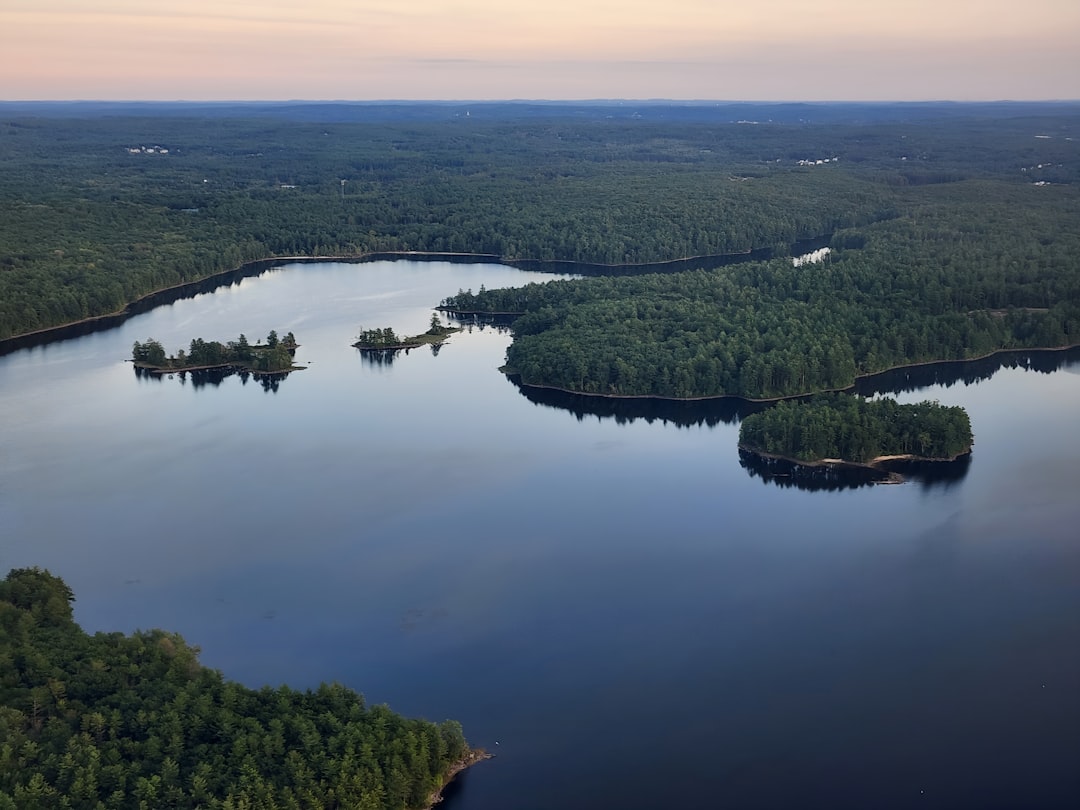
I’ve been to a lot of national parks. I’ve driven the Going-to-the-Sun Road, hiked into the Grand Canyon, and watched Old Faithful from a bench surrounded by three hundred strangers. But nothing prepared me for a park where you can’t actually go anywhere without a boat.
That’s Voyageurs National Park — 218,000 acres of northern Minnesota wilderness where four massive lakes bleed into each other through narrow channels and rocky islands, and the only way in is by water. No scenic drive. No overlook parking lot. No shuttle bus. You either get in a boat or you don’t see it.
I spent six days there last July, and by the second afternoon, I understood why the park service calls it “a park of waters.” Everything — the camping, the hiking, the history, even the stargazing — revolves around getting out on the lakes. It’s the most interactive national park I’ve visited, and also the most peaceful.
Arriving in the North Woods
The drive up from Minneapolis takes about five hours if you push it. I flew into International Falls, the tiny border town that serves as the main gateway to the park, and picked up a rental car for the short drive to the Rainy Lake Visitor Center. The town itself feels like a frontier outpost — fur trading history, paper mills, and a bridge to Canada visible from downtown.
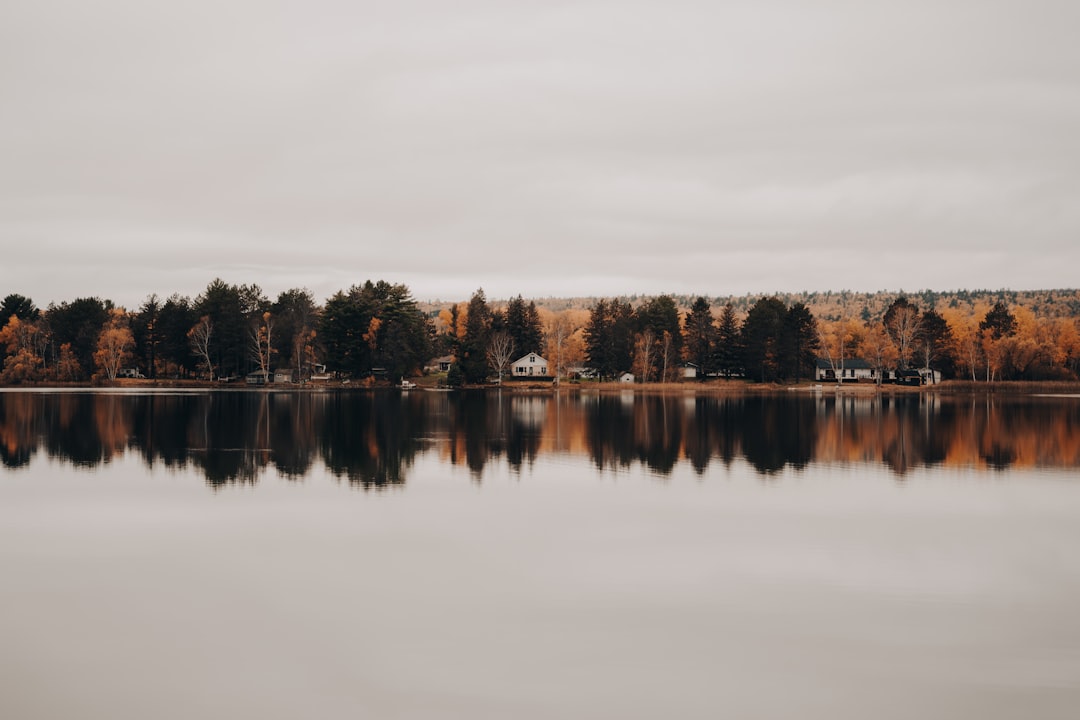
What hits you first is the silence. Not the absence of sound, but a specific kind of quiet that comes from being surrounded by millions of acres of forest and water. The kind of quiet where you can hear a loon call from a mile away. I checked into a lakeside cabin near Kabetogama Lake, dropped my bags, and walked down to the dock. The water was glass. Somewhere across the bay, a bald eagle screamed.
I’d done my homework, but standing on that dock, I realized no amount of reading prepares you for the scale. Voyageurs has four main lakes — Rainy, Kabetogama, Namakan, and Sand Point — plus 26 smaller interior lakes, all interconnected, dotted with hundreds of islands. The park stretches 55 miles along the Canadian border. And almost none of it is reachable by car.
Getting On the Water (Because You Have To)
On day one, I booked a spot on a ranger-led boat tour out of the Ash River Visitor Center. This is the single best move for first-timers — the rangers handle the navigation while narrating the human and natural history of the lakes. We motored past granite cliffs covered in lichen, through narrow channels between islands, and into bays so quiet you could hear your own heartbeat.
The ranger explained that the park is named after the French-Canadian voyageurs — canoe-paddling fur traders who route-marched through these waters in the late 1700s, hauling 90-pound packs of beaver pelts across portages while singing to keep cadence. Standing on the bow as the wind hit my face, I could almost hear them.
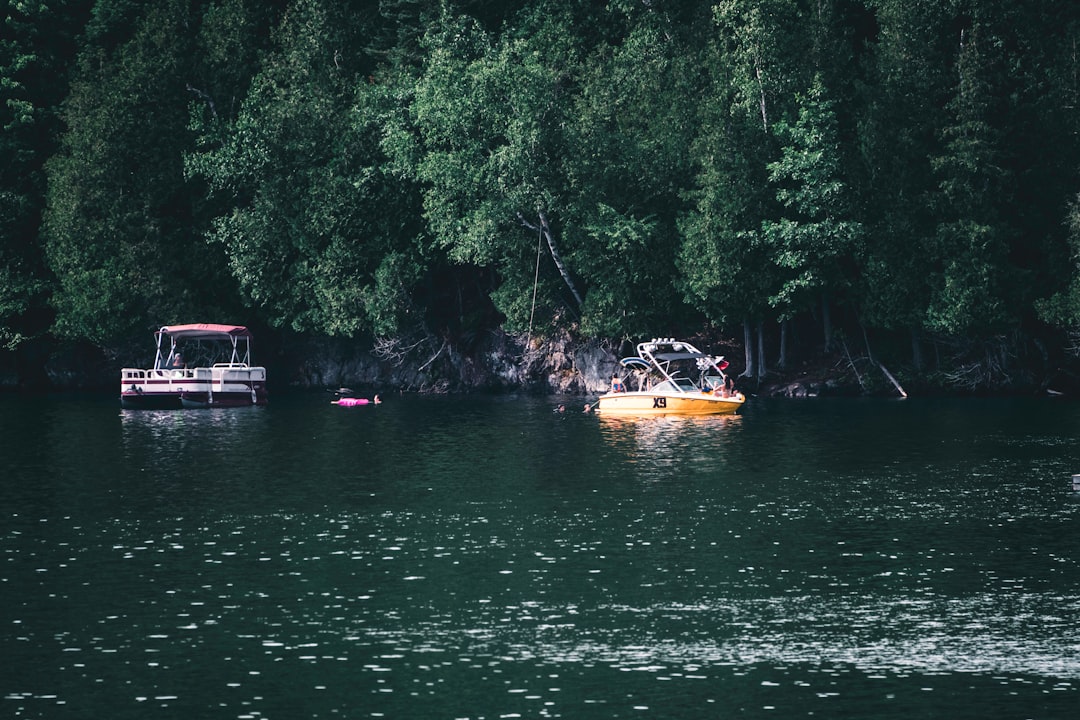
If you’re planning your own trip, I can’t overstate this: you need to get comfortable with being on water. Whether that’s a rented motorboat, a kayak, a canoe, or even a houseboat (yes, you can rent those here, and they’re incredible), your entire experience hinges on it. I brought my own waterproof dry bag from a previous trip and it earned its keep every single day — between spray, rain, and the occasional clumsy boarding maneuver, keeping my phone and camera dry was a constant battle.
I also picked up a waterproof phone pouch with a lanyard at the last minute, and it turned out to be one of the smartest purchases I made for the trip. Between snapping photos from a moving boat and checking navigation on Rainy Lake’s endless channels, having my phone accessible and protected from water was non-negotiable.
The Ellsworth Rock Gardens: A Beautiful Weird Surprise
Halfway through day two, our boat pulled up to a granite outcrop on the north shore of Kabetogama Lake. I stepped off expecting another scenic overlook. Instead, I found myself standing in the middle of one of the strangest things in the entire national park system.
Jack Ellsworth, a businessman from Chicago, spent 22 summers starting in the 1940s building terraced flower beds, winding stone paths, and dozens of quirky rock sculptures on this remote outcrop. He hauled soil by boat. He planted thousands of flowers. He carved steps into the granite. And he did all of it 15 miles from the nearest road, accessible only by water.
Walking through the gardens today, you can still see the foundations of his elaborate design — the lower terraces, the reflecting pools, the odd little stone figures that look like something from a folk art museum. It’s beautiful and strange and deeply personal, the kind of place that makes you stop and wonder what compels a person to build something this ambitious in a spot almost no one will ever see.
Wildlife You Can Actually See
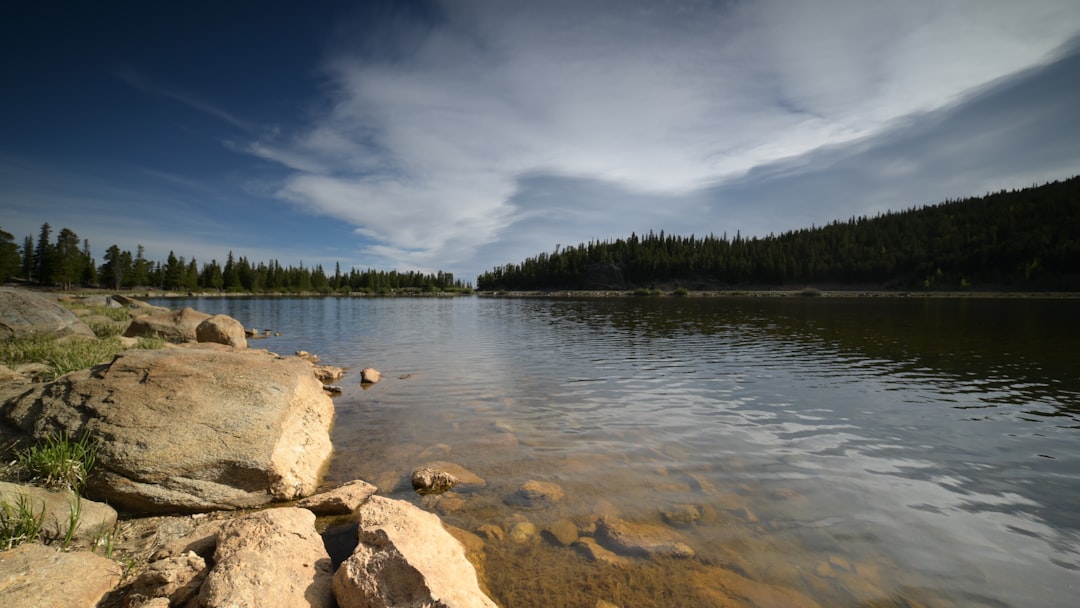
Here’s a number that surprised me: Voyageurs has one of the highest densities of bald eagles in the lower 48 states. I counted eleven in a single morning on Kabetogama Lake. They perch in the white pines along the shoreline, scanning the water for fish, and if you’re quiet, you can drift close enough to see their yellow eyes tracking you.
The park also has moose, black bears, gray wolves, beavers, and one of the largest concentrations of common loons in the contiguous United States. The loons are everywhere — their haunting calls echo across the lakes at dawn and dusk, and if you’ve never heard one in person, it’s worth the trip alone.
I brought a pair of compact binoculars for wildlife viewing and they were genuinely essential. Without them, I would have missed a cow moose and her calf feeding in a marshy bay on Namakan Lake, and a family of river otters playing on a rocky point near the Ash River entrance. The moose sighting lasted maybe 30 seconds before she caught my scent and disappeared into the willows, but it’s burned into my memory permanently.
For the photographers: a lightweight packable rain jacket is a must. I’ve tested several over the years — if you want a deep dive into the best options, I wrote about my favorite travel rain jackets here. Weather on these lakes changes fast, and getting caught in a squall without protection is miserable.
The Darkest Skies I’ve Ever Seen (And I’ve Looked Hard)
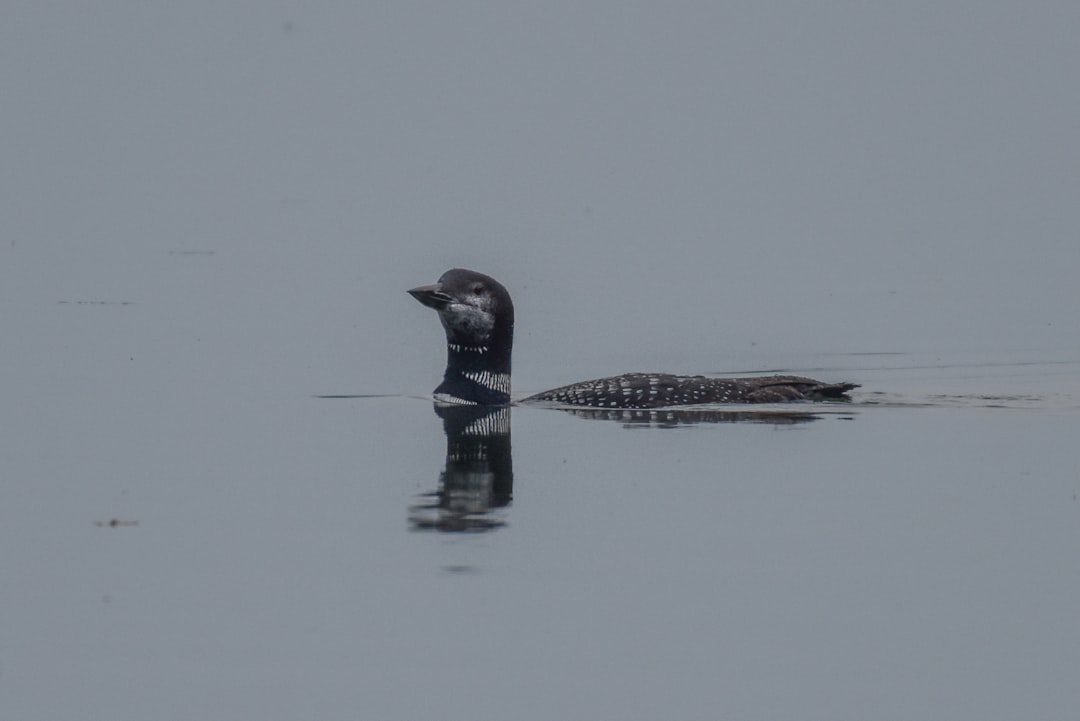
Voyageurs is a certified International Dark Sky Park, and after spending three nights there, I understand why. There’s almost no light pollution for a hundred miles in any direction. On a clear night, the Milky Way stretches from horizon to horizon, bright enough to cast a faint shadow on white surfaces.
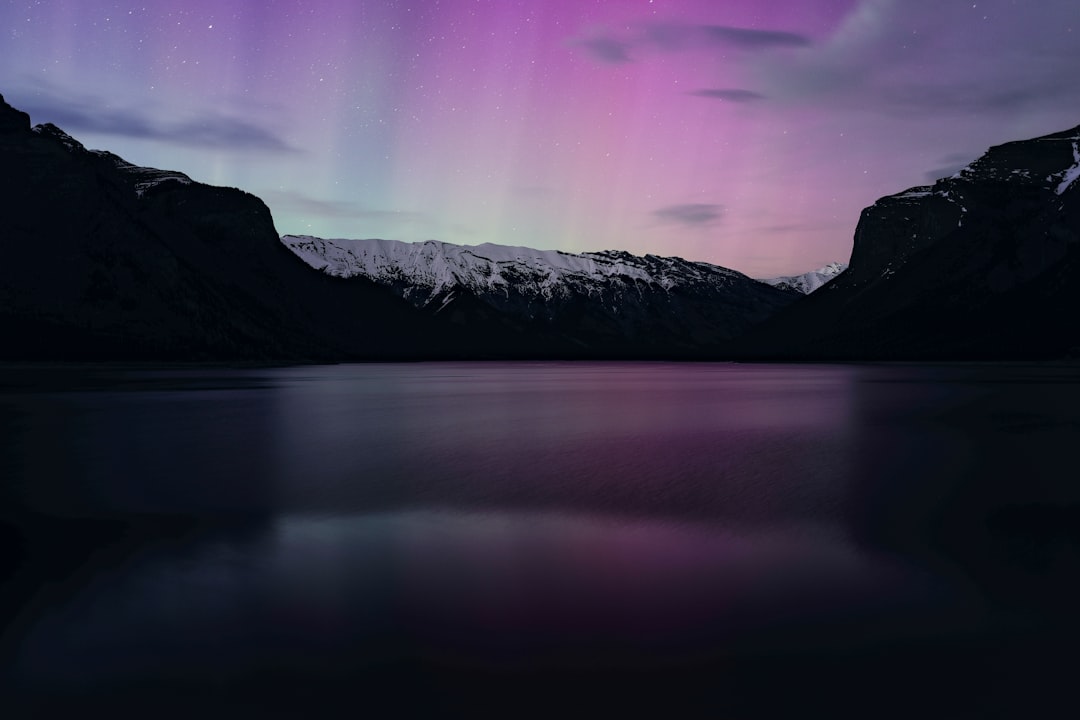
I brought a headlamp with a red-light mode for stargazing — critical for preserving your night vision — and spent hours on the dock just looking up. On the second night, around 1 AM, a faint green glow appeared on the northern horizon. Northern lights. Not the explosive, sky-filling aurora you see in Iceland photos, but a soft, pulsing band that drifted and shifted for 40 minutes before fading. It reflected off the still water of Kabetogama Lake, doubling the effect.
If you’re planning a dark sky trip, I highly recommend reading my guide to summer stargazing at America’s best dark sky parks — Voyageurs deserves a top spot on that list, and the best viewing windows are late July through September when the nights get longer.
Camping on Your Own Island
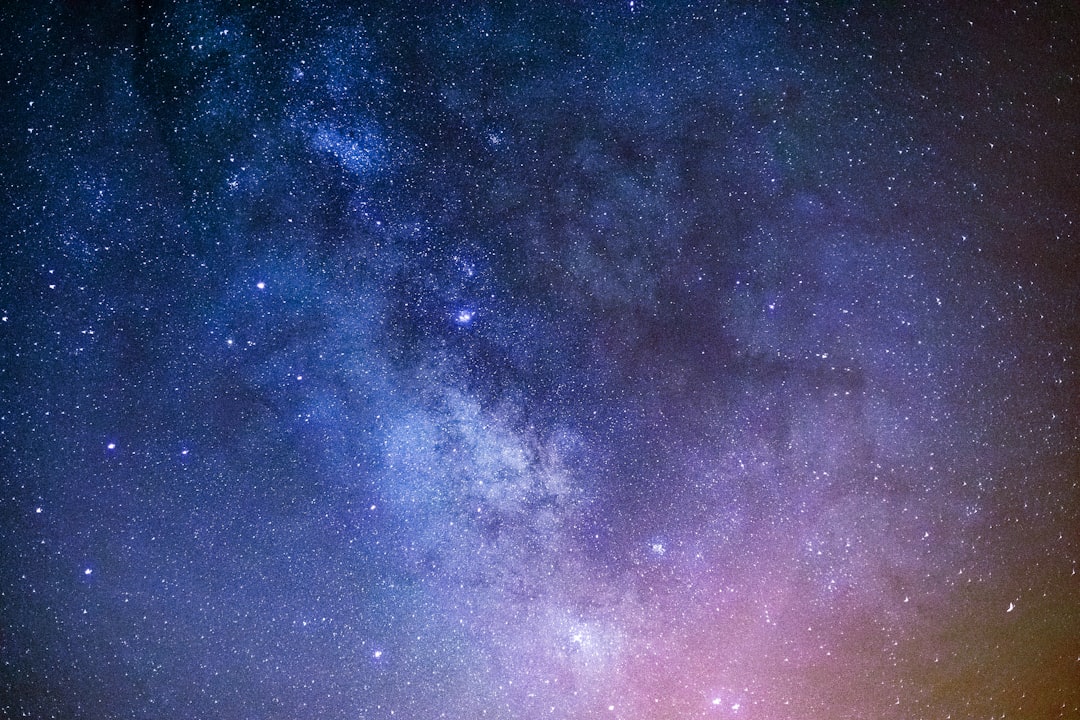
One of the signature Voyageurs experiences is booking a boat-in campsite on one of the park’s hundreds of islands. These sites come with a tent pad, a fire ring, a picnic table, and a privy — and that’s it. No hookups, no running water, no cell service. Just you, the trees, and the water lapping at the shoreline.
I reserved Site B-12 on a small island in eastern Kabetogama Lake. The process is straightforward: book through Recreation.gov, pick up your permit at the visitor center, and motor or paddle to your site. Sites cost nothing beyond the park entrance, but they fill up fast for summer weekends — I booked mine in March and half the sites were already taken.
The first night on the island was the quietest night of my life. Not “quiet for a campground” — actually, genuinely, profoundly quiet. No traffic hum. No distant sirens. No neighbor’s music. Just wind in the pines, water on the rocks, and those loons.
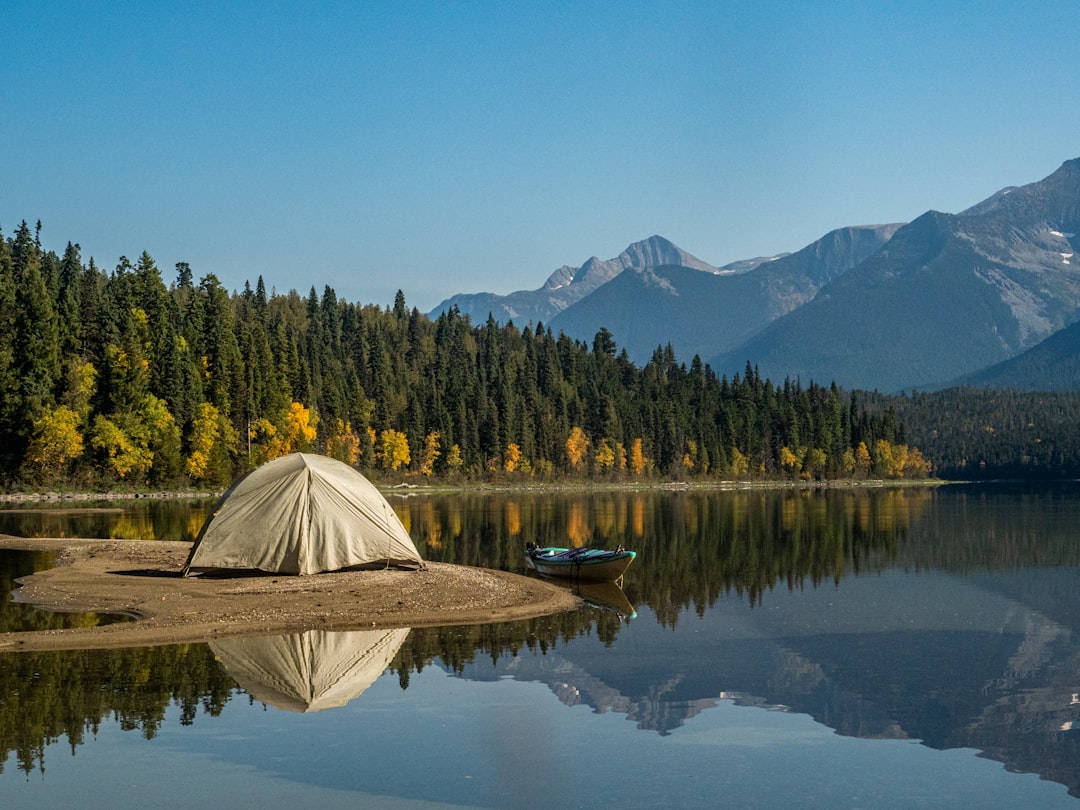
If you’re planning to camp or do any extended backcountry time, a portable water filter is essential. The lake water in Voyageurs is generally clean, but I never drink untreated surface water — I’ve tested several filters over the years and wrote about the best portable water filters I actually trust. Bring one. You’ll use it constantly.
What to Pack for a Water-Based Park
Voyageurs demands a different packing list than your typical national park. You’re going to get wet, you’re going to be in the sun, and the bugs can be intense in early summer. Here’s what I actually used:
- A proper PFD (life jacket): Mandatory on park waters, and you’ll want your own if you rent a boat. I recommend getting a comfortable kayaking PFD designed for all-day wear — the cheap orange ones outfitters loan you are bulky and uncomfortable.
- Water shoes: You’ll be stepping in and out of boats constantly on rocky, sometimes slippery shorelines. A good pair of water shoes with grip will save your ankles and your sanity.
- Bug spray with DEET: Northern Minnesota in summer is legendary for mosquitoes and black flies. Don’t mess around — bring strong insect repellent and reapply obsessively.
- Reef-safe sunscreen: The sun reflecting off water will burn you faster than you think. I use SPF 50 reef-safe sunscreen because it doesn’t run into my eyes when I sweat.
- A dry bag: Already mentioned, but I’ll say it again. Everything that can’t get wet goes in the dry bag. No exceptions.
Kettle Falls: Where History Meets Geography
On day four, I took a longer boat trip to Kettle Falls, a remote spot near the eastern edge of the park where a historic hotel sits beside a dam on the international border. Because of a geographic quirk, you can stand at the dam and look south into Canada — one of the only places where the border creates this optical illusion.
The Kettle Falls Hotel was built in 1913 and still operates as a rustic lodge with a bar that looks like it hasn’t changed since the Prohibition era — fitting, because this was a major bootlegging route during the 1920s. Canadian whiskey came across the frozen lakes in winter, and the hotel was a notorious waypoint. Sitting on the porch with a beer, watching the sun drop behind the pines, it wasn’t hard to imagine the spectacle of those smuggling nights.
Planning Your Trip: The Practical Details
When to go: Late May through September is prime season. July is ideal — warm enough for swimming, long days, and the water is at its most inviting. If you want northern lights, plan for late August or September when nights are longer, but July gives you the best overall experience.
How to get there: Fly into International Falls (INL) or drive from Minneapolis (5 hours). The three main entry points are Rainy Lake, Kabetogama Lake, and Ash River, each with visitor centers, boat ramps, and outfitters.
Where to stay: Options range from lakeside resorts and cabins near the park boundary to houseboat rentals (the classic Voyageurs experience) to backcountry island campsites. If you want a cabin, book by January for summer dates. If you want a houseboat, book even earlier.
How long: Bare minimum is two nights — one for a boat tour, one for stargazing. The sweet spot is four to six days, which gives you time for a ranger tour, a day of paddling, a night or two of island camping, and a trip to Kettle Falls.
What it costs: There’s no entrance fee for Voyageurs National Park. Your costs are boat rentals ($150-300/day for a motorboat, $40-80/day for a kayak), ranger tours ($25-45), cabin rentals ($120-300/night), and if you’re going all-in, houseboat rentals ($800-2,000 for a multi-day trip). It’s one of the most affordable national park trips you can take if you keep the boating simple.
For more inspiration on off-grid camping and finding remote spots, check out my field guide to the best boondocking spots in America — Voyageurs’ island campsites belong in that conversation.
Why Voyageurs Changed How I Think About National Parks
Most national parks are passive experiences. You drive to an overlook, take a photo, walk a trail, get back in the car. Voyageurs demands participation. You have to learn the water. You have to read the wind and the waves. You have to navigate between islands using a map and markers, not road signs. It’s the first national park that made me feel like I was actually doing something, not just observing.
And the reward for that effort is access to a wilderness that most Americans will never see. Voyageurs gets about 240,000 visitors per year — less than 1% of what Yellowstone or Zion get. On Kabetogama Lake in early July, I went hours without seeing another boat. The only crowds are the loons congregating in quiet bays, and they’re not impressed by your presence.
I left Voyageurs with a sunburn, sore shoulders from paddling, a phone full of photos that don’t do it justice, and a deep, almost stubborn conviction that this is the most underrated national park in America. If you’ve already done the big names — Yellowstone, Yosemite, the Grand Canyon — and you’re looking for something that actually feels wild, drive north. Bring a boat. Bring binoculars. Bring bug spray. And leave your expectations at the dock, because this place will exceed all of them.
1 thought on “No Roads, No Crowds, Just Water and Wolves: What Nobody Tells You About Voyageurs National Park”