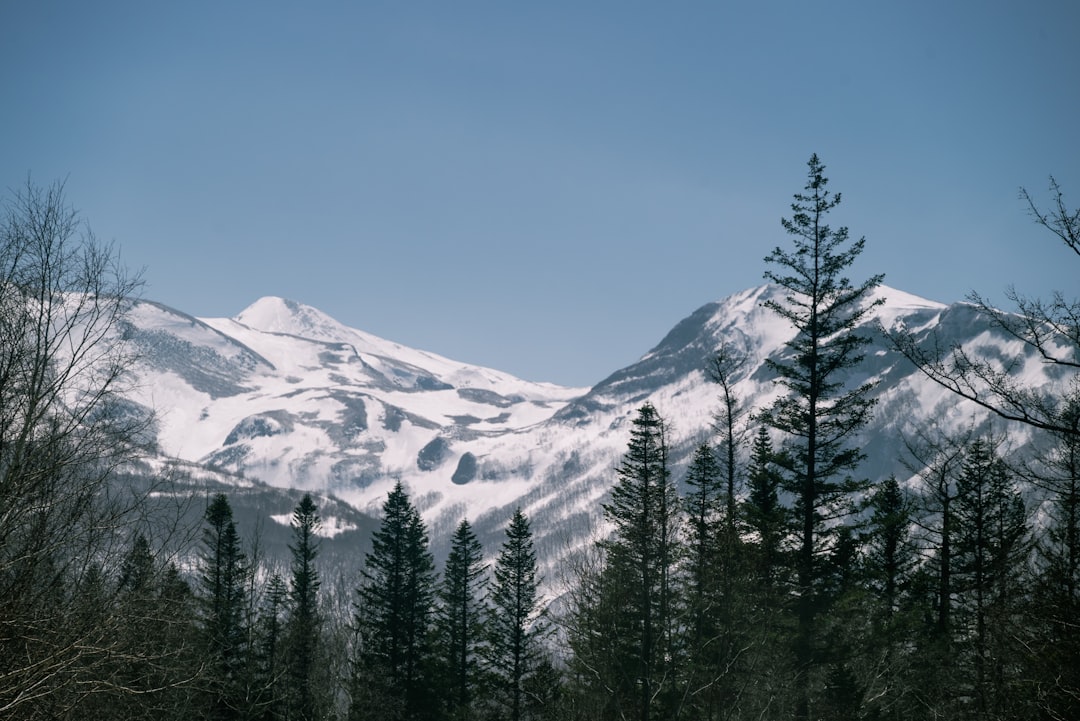
I almost didn’t write about North Cascades. There’s a selfish part of me that wanted to keep quiet about the one national park where you can show up on a Friday in July and still find an empty trailhead. But that’s exactly why more people need to know — because this park is too extraordinary to stay hidden, and because the small number of people who do visit are the kind of travelers who treat wilderness like it matters.
Let me put this in perspective. Mount Rainier sees over a million visitors a year. Olympic gets nearly three million. North Cascades? Roughly 47,000. That’s not a typo. One of the most spectacular mountain ranges in the United States — a place with more glaciers than Glacier National Park, peaks so jagged they earned the nickname “the American Alps,” and turquoise alpine lakes that look digitally enhanced — receives fewer visitors in a year than some parks get in a weekend. And in July, when the wildflowers explode across the meadows and the high country finally shakes off its snow blanket, it becomes one of the most stunning places you can stand in this country.
Why July Is the Sweet Spot
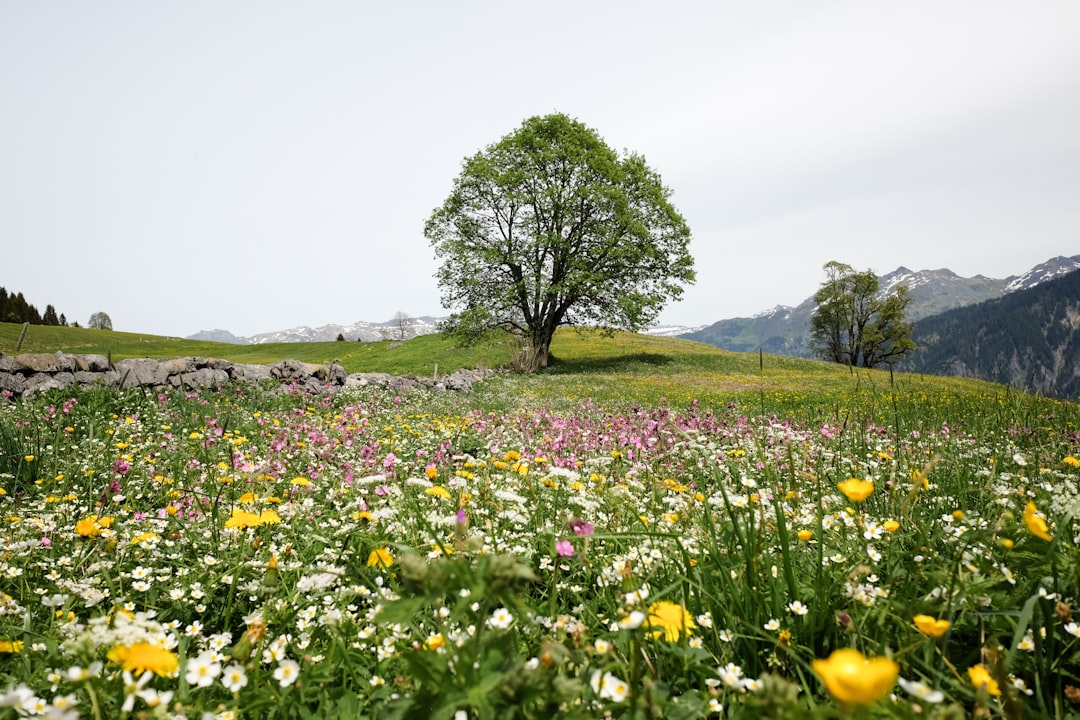
The window for North Cascades is narrow, and that’s part of what makes it special. State Route 20, the only road that crosses the park, typically closes for winter around November and doesn’t fully reopen until late spring. Snow lingers on the high trails well into June. By July, though, everything opens up. The wildflowers — avalanche lilies, lupine, paintbrush, beargrass — turn the subalpine meadows into something that doesn’t look real. The trails above 5,000 feet finally become passable without ice axe and crampons. The weather stabilizes into that perfect Pacific Northwest summer pattern: cool mornings, warm afternoons, long golden evenings that keep you outside until nearly ten.
I’ve timed most of my visits for mid-to-late July, and it’s never been the wrong call. The bugs can be persistent in the lower forest sections, so I always pack reliable insect repellent, but the tradeoff is worth it. You’re seeing this landscape at its absolute peak — literally blooming.
The Drive In: Highway 20
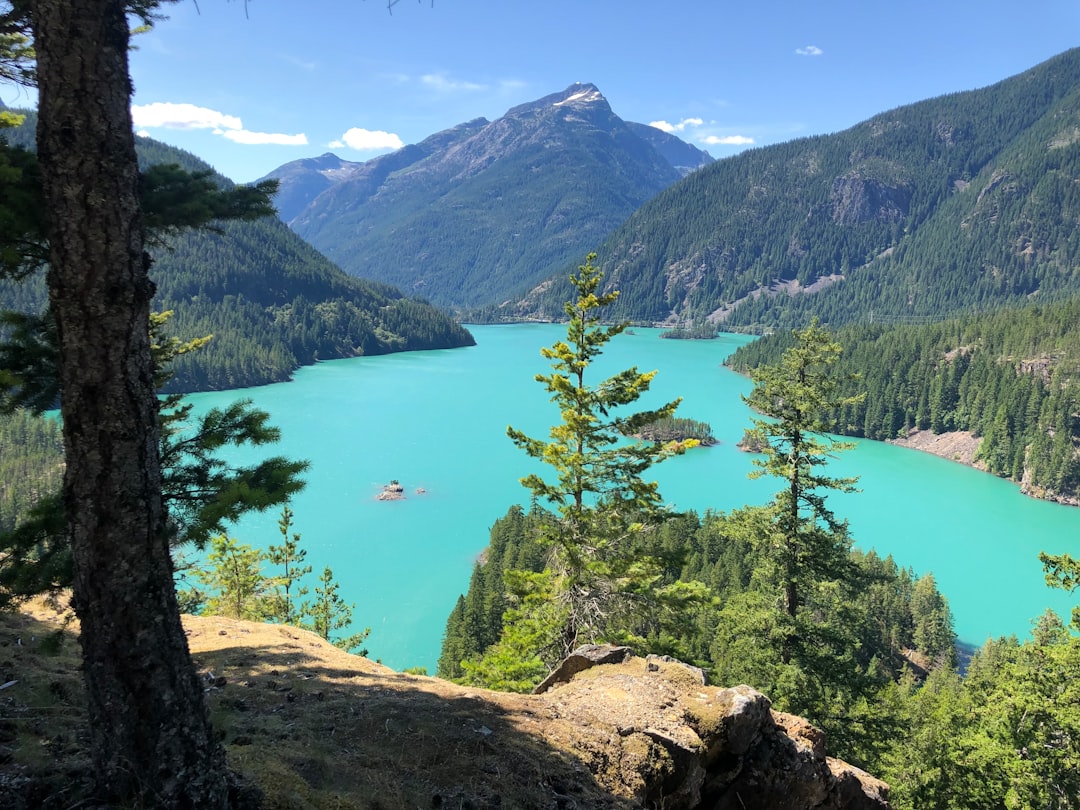
Most visitors experience North Cascades through the windshield first, and honestly, that alone is worth the trip. Highway 20 cuts east-west through the Skagit River valley, climbing through dense old-growth forest before opening up to reveal ridge after ridge of snow-streaked peaks. The road threads between three reservoirs — Gorge, Diablo, and Ross — each one a different shade of blue-green that you won’t believe until you see it in person.
The first mandatory stop is the Diablo Lake Vista Point, about an hour east of Sedro-Woolley. You’ll know it by the cars pulled over and the people standing at the railing looking slightly stunned. Diablo Lake is that turquoise — a color caused by glacial flour, microscopic rock particles ground up by the glaciers upstream and suspended in the meltwater. It looks like someone tipped a bottle of mouthwash into a mountain basin. Photographs don’t prepare you for it.
Further along, the Washington Pass Overlook delivers the other iconic view of the park: Liberty Bell Mountain rising sheer above the highway curve, with Early Winters Spires jabbing skyward like broken teeth. This is the view that ends up on postcards and park service calendars. Pull over, get out, and spend twenty minutes just looking. The scale of these mountains doesn’t register at speed.
A good packable rain jacket lives in my daypack on every visit, because mountain weather in the Cascades can turn on a dime even in July. I’ve gone from t-shirt weather to full downpour in twenty minutes on Highway 20, and the storm passed just as quickly. That’s the Cascades — dramatic in every sense.
The Hikes That Define the Park
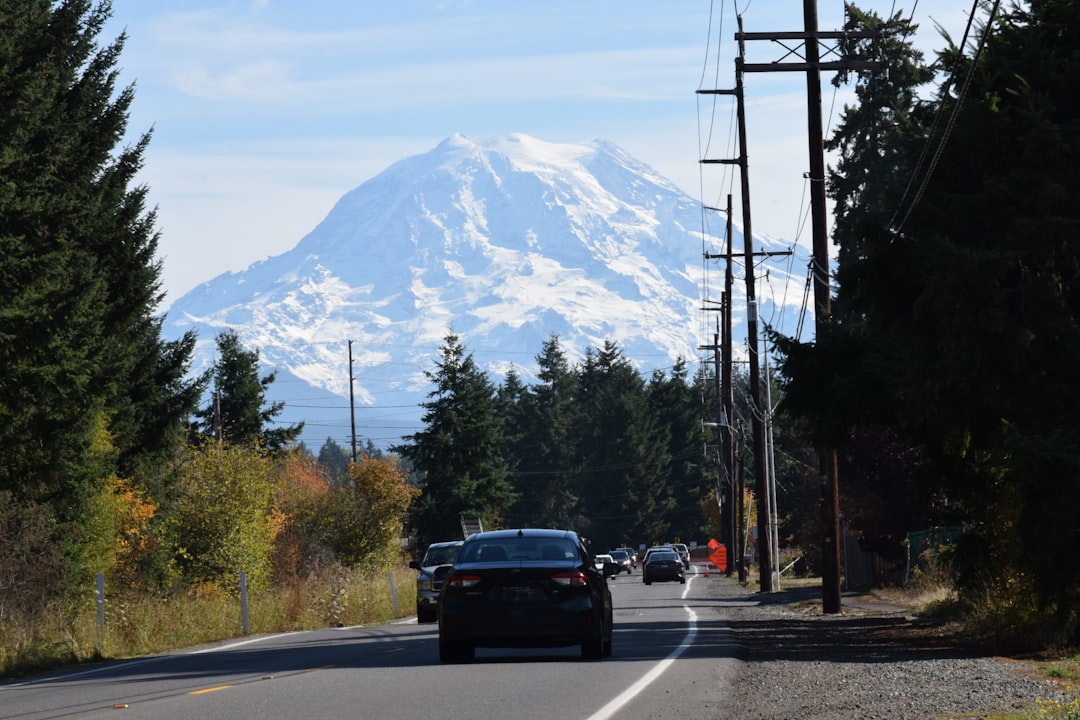
North Cascades doesn’t hand itself to you from a parking lot. The scenic drives are gorgeous, but the park doesn’t fully reveal itself until you’re on foot. There are over 400 miles of trails here, ranging from paved nature walks to multi-day backcountry expeditions, and the ones I keep coming back to are the trails that earn their views.
Cascade Pass and Sahale Arm
This is the hike I tell everyone about. The Cascade River Road — 23 miles of gravel that branches south from Highway 20 near Marblemount — leads to one of the most rewarding trailheads in the American West. The Cascade Pass trail switchbacks steadily through forest and then breaks above treeline into a hanging valley framed by Johannesburg Peak and the massive bulk of Mix-Up Peak. When you reach the pass itself, at about 5,400 feet, the entire cascade of peaks stretching north opens up before you.
From the pass, the trail continues up Sahale Arm — a steep ridge climb through wildflower meadows that gets more absurd with every step. I’ve sat at the Sahale Glacier campsite and watched mountain goats pick their way across scree fields while marmots whistled from the rocks below. It feels like being inside a nature documentary. This trail demands good waterproof hiking boots — the gravel and loose rock are unforgiving in trail runners, especially on the descent. I also never hike here without bear spray; this is grizzly country, and while encounters are rare, preparedness is non-negotiable.
Maple Pass Loop
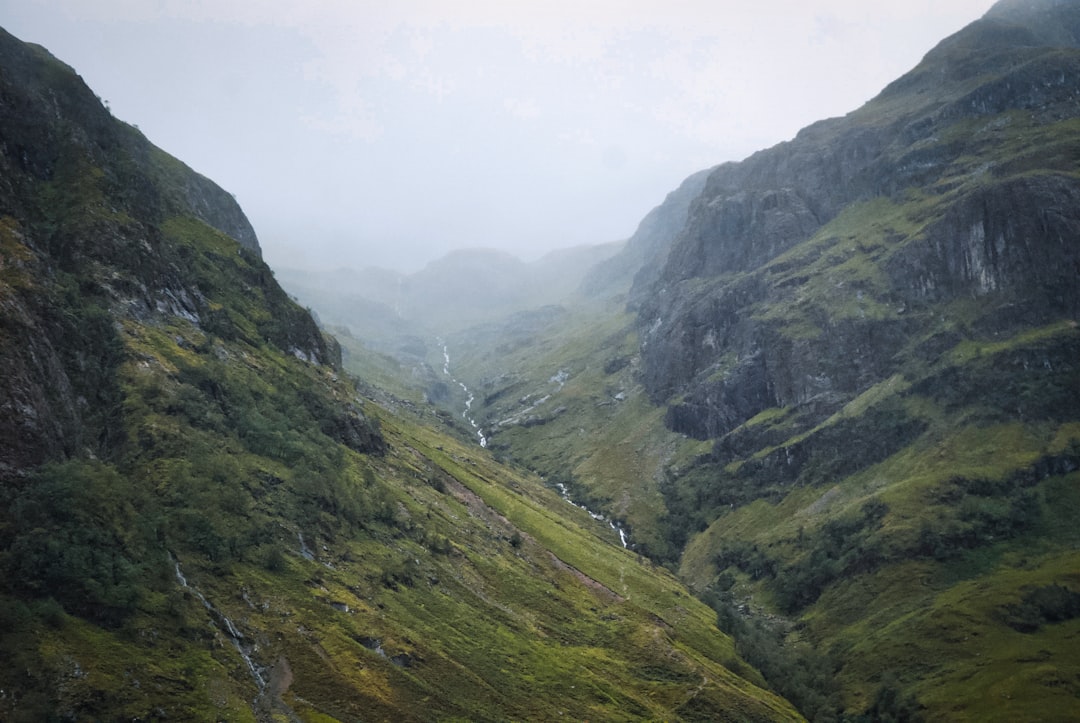
If Cascade Pass is the park’s signature hike, Maple Pass Loop is its hidden masterpiece. Technically sitting just outside the park boundary, this 7.2-mile loop serves up everything the North Cascades has to offer in a single afternoon: old-growth forest, a pristine alpine lake, meadows bursting with wildflowers in July, and 360-degree views from the ridgeline that will make you question why anyone bothers with more crowded destinations. The trail climbs steadily from Rainy Pass trailhead on Highway 20, and the final stretch along the ridge crest delivers the kind of sweeping alpine panorama that you usually have to backpack for days to reach.
I carried adjustable trekking poles on my last Maple Pass traverse and was grateful for them on the steep northern descent. The loop has about 2,000 feet of elevation gain, and while it’s absolutely doable as a day hike for anyone in reasonable shape, the downhill at the end is where knees complain. Pack extra energy bars — you’ll want to linger at the summit, and that means you’ll be out longer than planned.
Thunder Knob and Rainy Lake
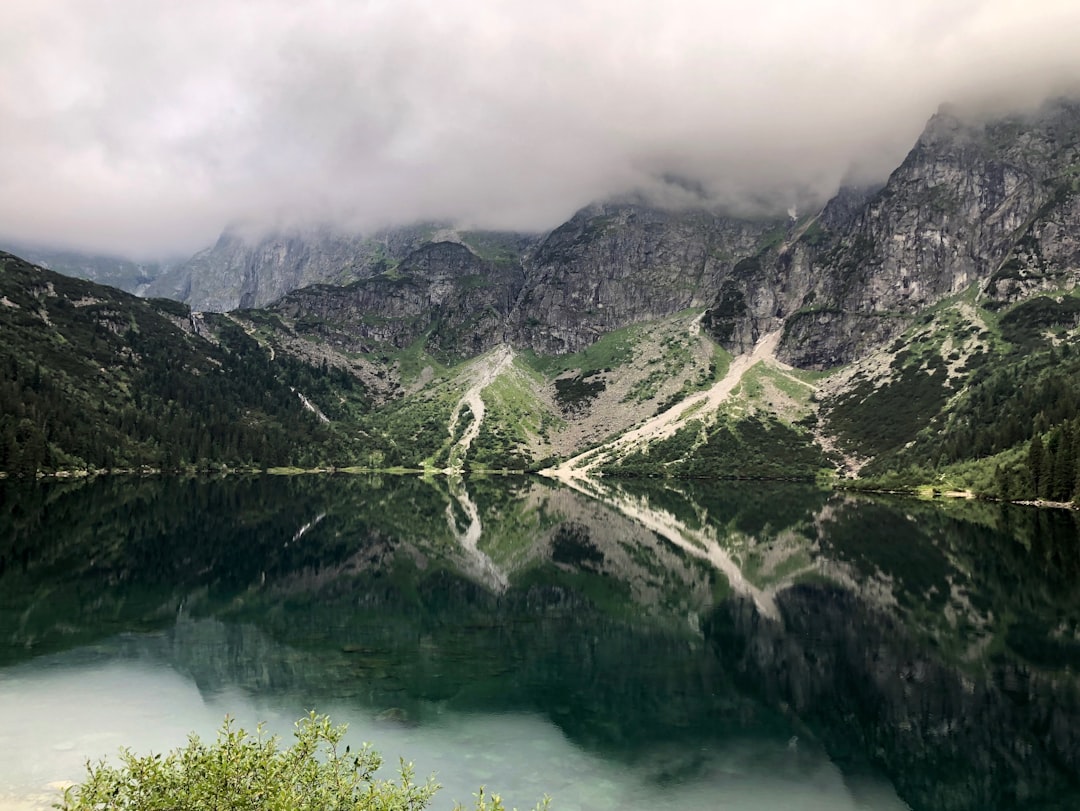
Not every trail in North Cascades requires a major commitment. Thunder Knob is a gentle 3.6-mile round trip that delivers outsized views of Diablo Lake and the surrounding peaks for relatively modest effort. It’s the hike I recommend to anyone traveling with kids or anyone who wants a taste of the Cascades without committing to a full mountain assault. Rainy Lake, accessed from the same Rainy Pass trailhead as Maple Pass, is a short paved walk to a stunning alpine lake nestled beneath sheer cliffs. You can literally drive to the trailhead, walk half a mile, and be looking at a scene that rivals anything in the Swiss Alps.
For a park that sees so few visitors, I’m always surprised by the quality of its easier trails. This is a place that rewards every level of effort, which makes it ideal for groups with mixed abilities. If you’re planning a broader Washington state trip — maybe combining this with time in Spokane or the San Juan Islands — North Cascades fits neatly into a loop without requiring expert-level planning.
Stehekin: The Village at the End of the Road
There are no roads to Stehekin. You reach this tiny community at the northern end of Lake Chelan by ferry, floatplane, or on foot via backcountry trail — and that isolation is exactly the point. Stehekin sits within the Lake Chelan National Recreation Area, part of the broader North Cascades complex, and it represents something increasingly rare: a place genuinely cut off from the grid of American highway infrastructure.
The ferry ride from Chelan takes about four hours up the 55-mile lake, with the mountains growing more dramatic as you push deeper into the wilderness. Once there, you’ll find a handful of residents, a historic lodge, a legendary bakery (the Stehekin Pastry Company is worth the trip alone), and access to trails that see almost no traffic. The Agnes Gorge Trail is a highlight — a relatively moderate hike to a dramatic overlook of Agnes Gorge and the peaks beyond.
I spent two nights in Stehekin on my last visit and didn’t want to leave. There’s something about a place with no cell service, no gas station, and no grocery store that recalibrates your entire nervous system. You read by lamplight. You eat when the restaurant is open. You talk to people. It’s the kind of disconnection that feels increasingly luxurious in 2026.
Glaciers, Goats, and the Wildest Range in the Lower 48
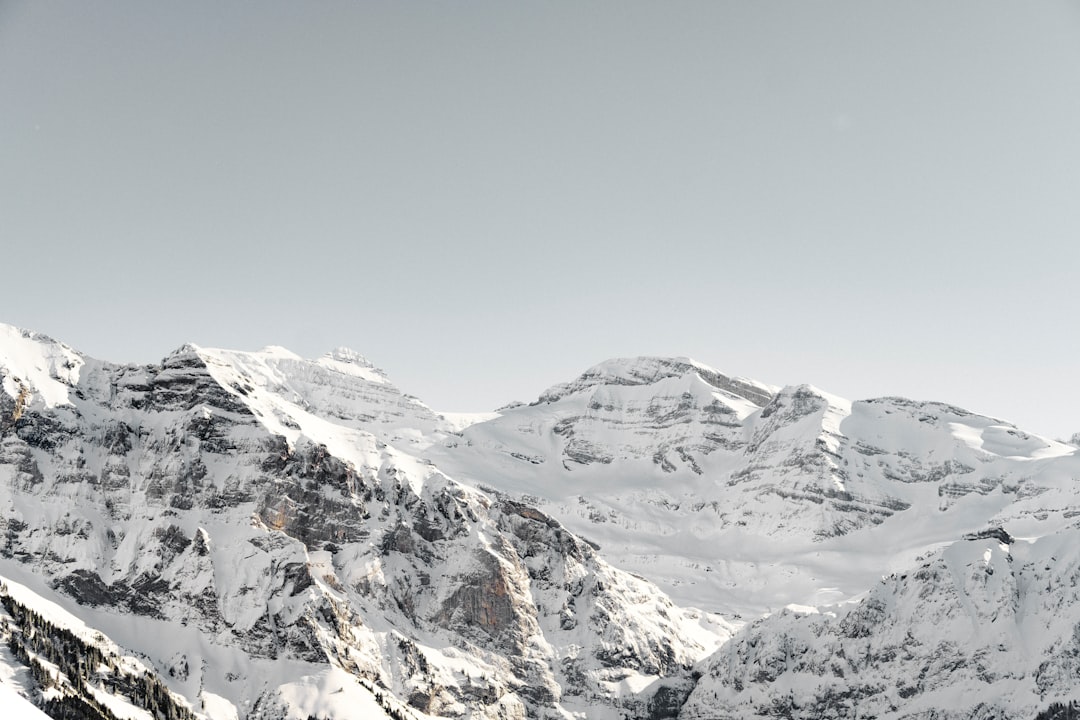
Here’s a fact that stops people: North Cascades contains more than 300 glaciers. That’s the largest glacial system in the contiguous United States. These aren’t remnant ice patches — they’re living, moving rivers of ice that carved the dramatic valleys and cirques you’re hiking through. The park’s backcountry includes the Picket Range, a cluster of peaks so remote and technically demanding that even seasoned mountaineers treat them with reverence. Peaks with names like Mount Terror, Mount Fury, and Phantom Peak — names that tell you something about the experience of being there.
On a more accessible note, the wildlife in North Cascades is abundant and relatively undisturbed. Mountain goats are commonly sighted along the high trails, particularly around Cascade Pass and Sahale Arm. Black bears are widespread. The park is also within the historic range of grizzly bears, and while the population is small, the North Cascades Grizzly Bear Restoration Plan is actively working to reestablish them. This is wild country in a way that most national parks — hemmed in by development and overwhelmed by visitors — simply aren’t anymore.
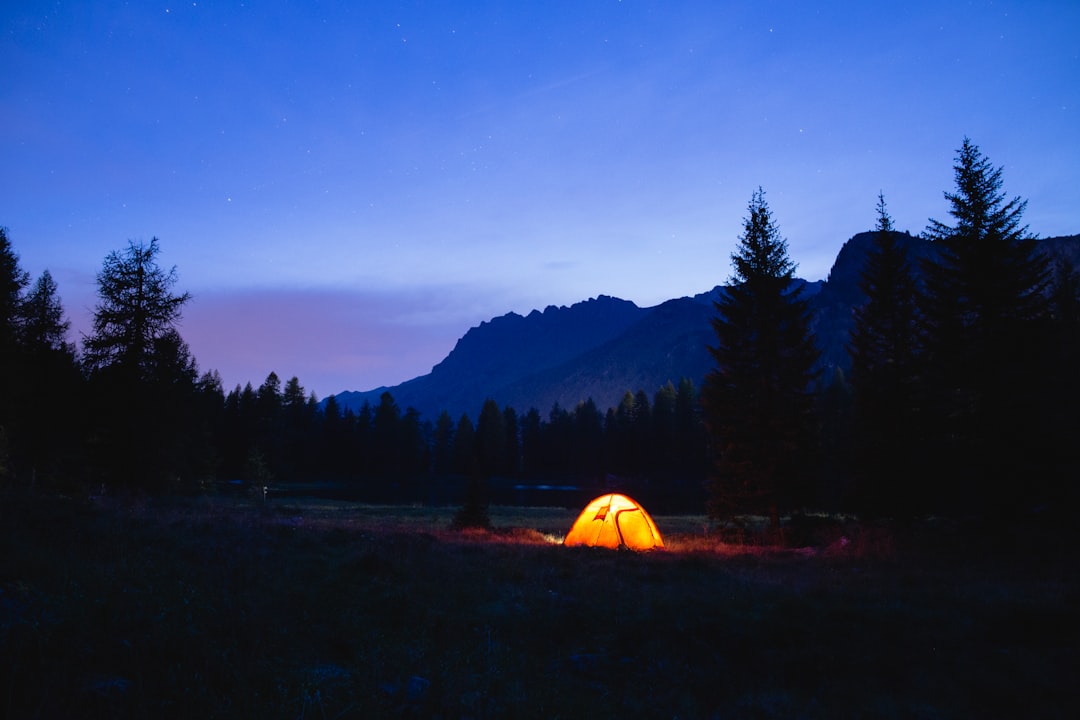
For photographers and nature lovers, a rechargeable headlamp is essential gear. The long summer twilights in the North Cascades are extraordinary, and if you’re camped anywhere near a lake or ridgeline, you’ll want to be out for golden hour — which at this latitude in July can stretch well past 9 PM.
What to Pack for the Cascades
The gear requirements for North Cascades in July are straightforward but specific. The weather can swing from hot sun to cold rain in the same afternoon, especially at elevation. Here’s what I don’t leave the trailhead without:
- A properly fitted day hiking backpack — something in the 20-30 liter range that carries your layers, food, and water comfortably. I wrote about my favorite packs in my day hiking backpack guide if you want specifics.
- Sun protection — the UV exposure at altitude is no joke. I always wear a UPF-rated sun hat and reapply sunscreen obsessively.
- A backpacking water filter or purification tablets. The park’s streams are pristine, but you should never drink untreated mountain water regardless of how clean it looks.
- Extra food. Trails here are longer and more demanding than they look on paper. Bring more snacks than you think you need.
Where to Stay
The park has several campgrounds along Highway 20, including the popular Goodell Creek and Newhalem Creek campgrounds near the western entrance. These fill up on summer weekends, so I recommend arriving Thursday or booking through recreation.gov well in advance. For a more immersive experience, the backcountry permits here are surprisingly easy to score compared to places like Yosemite or Zion — another benefit of being one of the least-visited parks in the system.
If camping isn’t your thing, the towns of Sedro-Woolley, Concrete, and Winthrop offer lodging on the western and eastern sides of the park respectively. Winthrop, with its old-west boardwalks and frontier charm, makes a particularly fun base camp. You can read about more of Washington’s underrated destinations to build a full Pacific Northwest itinerary.
The Park That Changes You
I’ve been to a lot of national parks. I’ve stood at the rim of the Grand Canyon, watched Old Faithful erupt, driven Going-to-the-Sun Road in Glacier. And North Cascades is the one I can’t stop thinking about. There’s something about the combination of overwhelming beauty and genuine solitude that gets under your skin. You hike for hours through terrain that feels untouched by human hands. You stand on a ridgeline with nobody else in sight, looking out at peaks that stretch to the horizon in every direction. And you realize that this — this quiet, this wildness, this feeling of being small in a vast and ancient landscape — is exactly what the national park system was created to protect.
If you’re looking for a park that still feels like an adventure, where the trails are yours alone and the mountains are close enough to touch, North Cascades in July is about as good as it gets. Just do me one favor: leave the trailhead cleaner than you found it, respect the wildlife, and maybe don’t tell everyone you know. Some things are worth protecting precisely because not everyone knows about them yet.
And if you’re already planning a route through America’s least-crowded parks, pair this with a visit to Voyageurs National Park — another stunner that flies under the radar. The quiet parks are where the real magic happens.
2 thoughts on “North Cascades in July: Why America’s Least-Visited National Park Is Its Best-Kept Mountain Secret”