Some travel lessons arrive as gentle realizations. Others hit you like a delayed boarding announcement after you’ve already finished your second overpriced airport beer. I’ve had plenty of both over the years, and somewhere between my first chaotic international connection and last month’s smoothly executed three-city loop, a set of rules quietly crystallized. These aren’t the generic “roll your clothes” tips you’ve read a hundred times. These are the hard-won principles that actually changed how I move through the world — and the ones I wish someone had handed me about ten trips earlier.
The Two-Hour Buffer Rule (Non-Negotiable)
I used to be a “arrive 45 minutes before departure” traveler. I considered it a badge of honor, like I was somehow beating the system by sprinting through security with my shoes half-tied. Then I missed a flight in Denver because the TSA line wrapped around the terminal like a ride at Disneyland, and the “system” beat me right back.
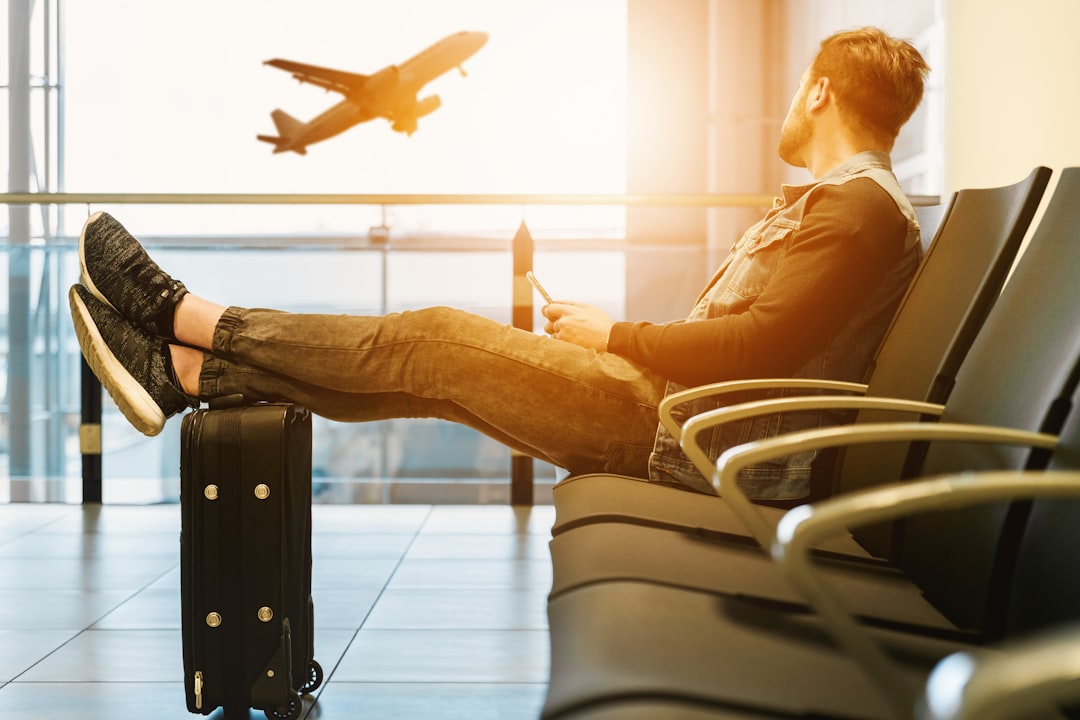
Now I arrive two hours early for domestic flights and three for international. Not because I enjoy lingering near Cinnabon, but because the mental cost of rushing ruins the first half of any trip. That buffer time is when I answer emails, grab a real meal, and start shifting my brain into travel mode. It’s not wasted time — it’s the transition period your nervous system needs to go from “I have 47 things to do at home” to “I’m actually doing this.”
That buffer also gives you a cushion when things go sideways. A decent memory foam neck pillow turns that extra airport time from a slog into genuine rest. I’ve watched too many travelers slump against cold metal armrests when they could have been sleeping through their delay in relative comfort.
Pack for the Person You’ll Be at 6 PM, Not the Person Packing at Midnight
Midnight-you is an optimist. Midnight-you thinks they’ll wake up at dawn to jog, attend three museum openings, and still have energy for a nice dinner outfit. Six-PM-you is exhausted, hungry, and wants clean underwear and a hoodie.
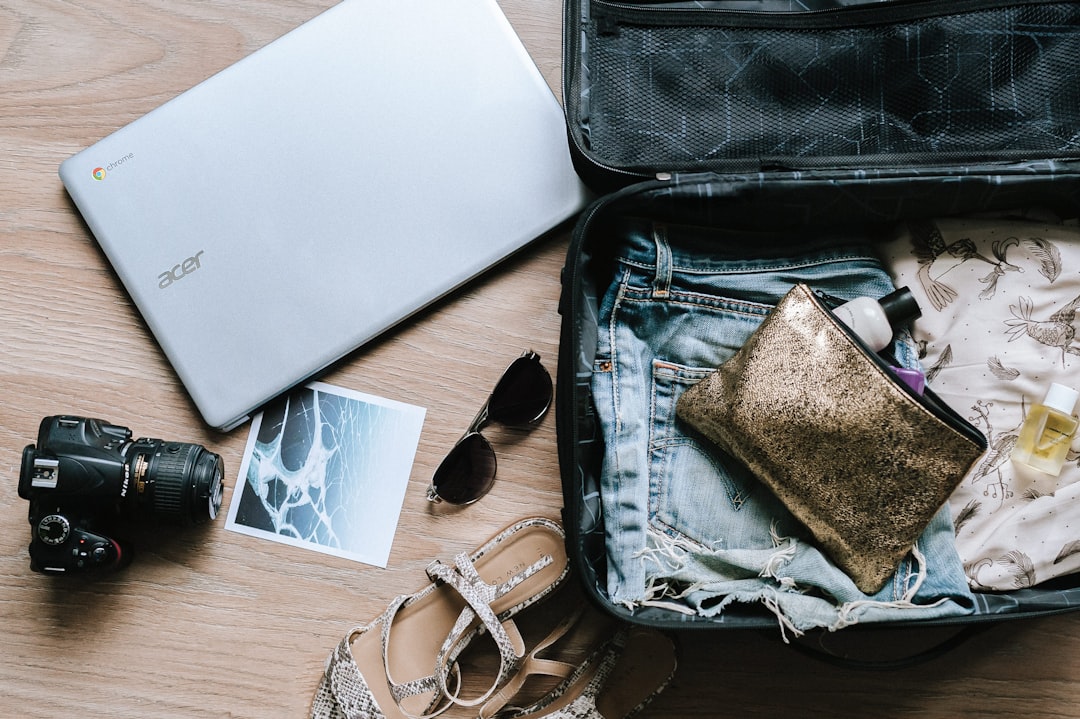
I learned this the hard way on a trip to Sedona where I packed for a fitness influencer and arrived as a regular human who just wanted to eat trail mix and stare at red rocks. Now I pack around my lowest-energy self. Comfortable shoes I can walk in for hours. Layers that work for unpredictable weather. A set of packing cubes that lets me find things without unpacking my entire bag on a hotel floor at midnight.
The cubes were a revelation, honestly. I spent years treating my suitcase like a trash compactor and wondering why I could never find my phone charger. Now everything has a designated cube — shirts in one, bottoms in another, electronics and chargers in a third. It takes the chaos out of both packing and living out of a bag.
The First Day Is a Write-Off — Plan Accordingly
This is the rule I break most often and regret most consistently. You arrive at your destination after hours of travel, and you want to immediately become the version of yourself who does things. So you book a dinner reservation, map out a walking route, and set three alarms for the morning.
Here’s what actually happens: you’re running on recycled airplane air and bad sleep, and by 4 PM you’re arguing with your travel companion about whether a nap counts as “wasting the day.” It does not. The nap is the day. The nap is essential.
I now structure every trip with a deliberately soft landing. The first day has one plan: arrive, eat something real, walk around the neighborhood, and sleep early. No museums. No “quick hikes.” No scheduled experiences. If I’m driving a long distance to get there, I build in a recovery afternoon before doing anything ambitious. The trip doesn’t really start until day two, and that’s fine.
Keep Your Documents in One Place, Always
I used to be the person with boarding passes crumpled in three different jacket pockets, my ID buried somewhere in a backpack, and my hotel confirmation in an email folder I could never find while standing at the front desk at midnight. It was, in hindsight, a deeply stressful way to travel.
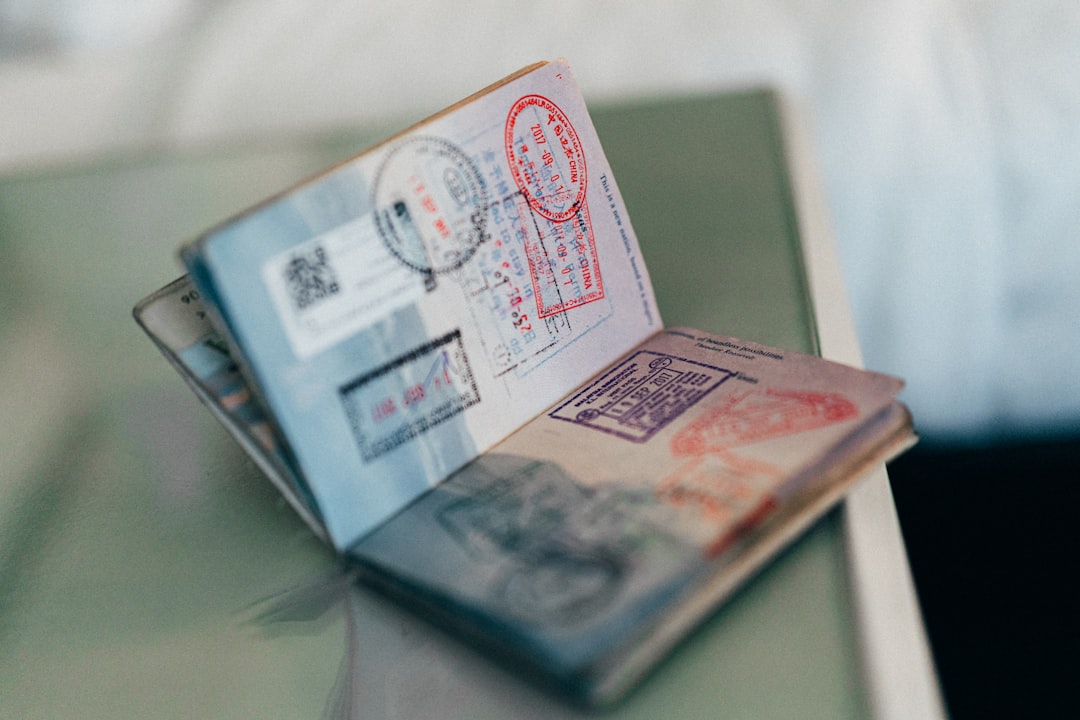
The fix was embarrassingly simple: a dedicated travel wallet that holds everything I need for the journey. Boarding pass, ID, passport, insurance card, a backup credit card, and a few emergency bills. It goes from my pocket to the security bin to my pocket, and I never have to dig through a bag while fifty people wait behind me.
I also take photos of everything — passport, driver’s license, insurance, itinerary — and store them in a secure cloud folder. If my wallet vanishes in Lisbon, I can access everything I need from any browser. That five-minute task has saved me more anxiety than any other travel preparation I do.
Never Trust Hotel Wi-Fi — Bring Your Own Power
Hotel internet is like weather in the mountains: if you don’t like it, wait five minutes, but don’t count on it improving. I’ve been in $400-a-night resorts where the Wi-Fi couldn’t load a email, and $60 roadside motels with blazing fiber. You never know.
My solution: I travel with a high-capacity portable charger and a multi-port USB adapter that can charge three devices from one outlet. Because here’s the thing about hotel rooms — they never have enough outlets. You’re always choosing between charging your phone or your earbuds or your watch, and something ends up dead at the worst moment.
The power bank lives in my personal item, fully charged, and I top it up every night. It’s saved me in airports, on trailheads, and during a truly grim six-hour bus delay in rural Utah. When your phone is your map, your camera, your boarding pass, and your lifeline, keeping it alive isn’t optional.

Eat Where the Locals Eat, Not Where the App Tells You
This isn’t revolutionary advice, but it took me years to actually follow it. I’d arrive in a new city, open the usual restaurant apps, and end up at the same highly-rated tourist spots with menus in five languages and prices that made my credit card weep.
The shift happened when I started asking one question to anyone I interacted with — hotel desk staff, Uber drivers, the person at the coffee shop: “Where do you eat when you’re not working?” Not “what’s good around here” (that gets you the tourist answer) but specifically where they go on their own time. That question has led me to some of the best meals of my life: a tiny pho place in San Jose that didn’t have a sign, a barbecue joint outside Austin where the line started at 6 AM, and a family-run trattoria in a Rome suburb where nobody spoke English and the pasta was transcendent.
If you’re on a road trip through unfamiliar territory, this question matters even more. Gas station food is fine in a pinch, but the real meals — the ones you remember years later — come from following someone’s personal recommendation to a place you’d never find on your own.
Write Things Down While They’re Happening
I have a terrible memory for details. I can tell you that the sunset in Valley of Fire was stunning, but I couldn’t tell you what day it was, what the temperature was, or what I ate beforehand. These details evaporate, and without them, the stories flatten into vague impressions.
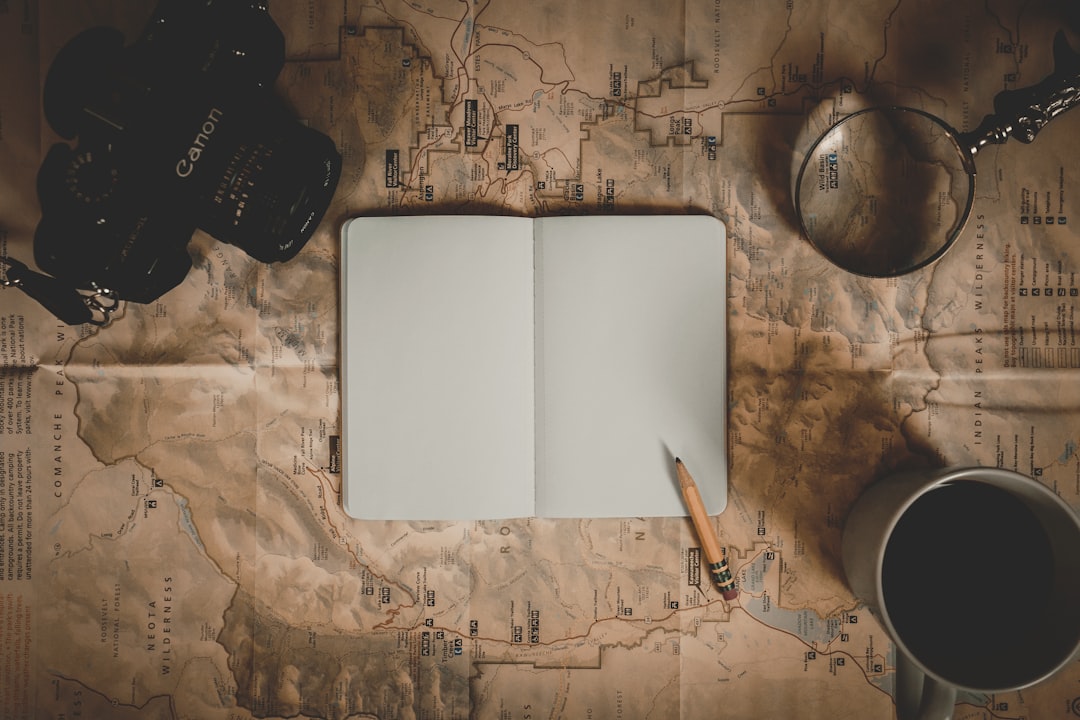
I keep a small notebook in my bag — not for journaling in the Instagram sense, but for capturing fragments. The name of a trail. A conversation overheard. How the air smelled at a specific overlook. These take thirty seconds to jot down, and they’re worth their weight in gold when I want to remember a trip with any specificity months or years later.
A simple pocket-sized notebook works better for me than a phone app because writing by hand feels different. It’s slower, more deliberate, and doesn’t come with the temptation of checking notifications. The notes don’t need to be poetic. “Red dirt, heat, lizard on rock, best tacos of the trip at a gas station in Moab” — that’s enough to unlock the whole memory later.
The 24-Hour Rule for Bookings
When I find a flight or hotel I’m excited about, I force myself to wait 24 hours before booking. Not because I’m indecisive — because the initial surge of enthusiasm is a terrible negotiator. I’ll talk myself into a 6 AM departure, a hotel with no reviews, or a rental car that’s double what I should be paying, all because the idea of the trip feels so good in that moment.
The next day, with fresh eyes, I can evaluate whether the logistics actually make sense. Sometimes the answer is “yes, book it.” Often it’s “why are you flying out of an airport two hours away to save $40?” Giving yourself a cooling-off period prevents the kind of impulsive decisions that compound into miserable travel days.
This also applies to activities. That 5 AM whale watching tour sounds romantic at midnight when you’re planning. At 4:30 AM when the alarm goes off, you’ll wish you’d thought it through. The 24-hour rule would have told you: book the 9 AM tour, see the same whales, arrive human.
Always Have a Backup Plan for Movement
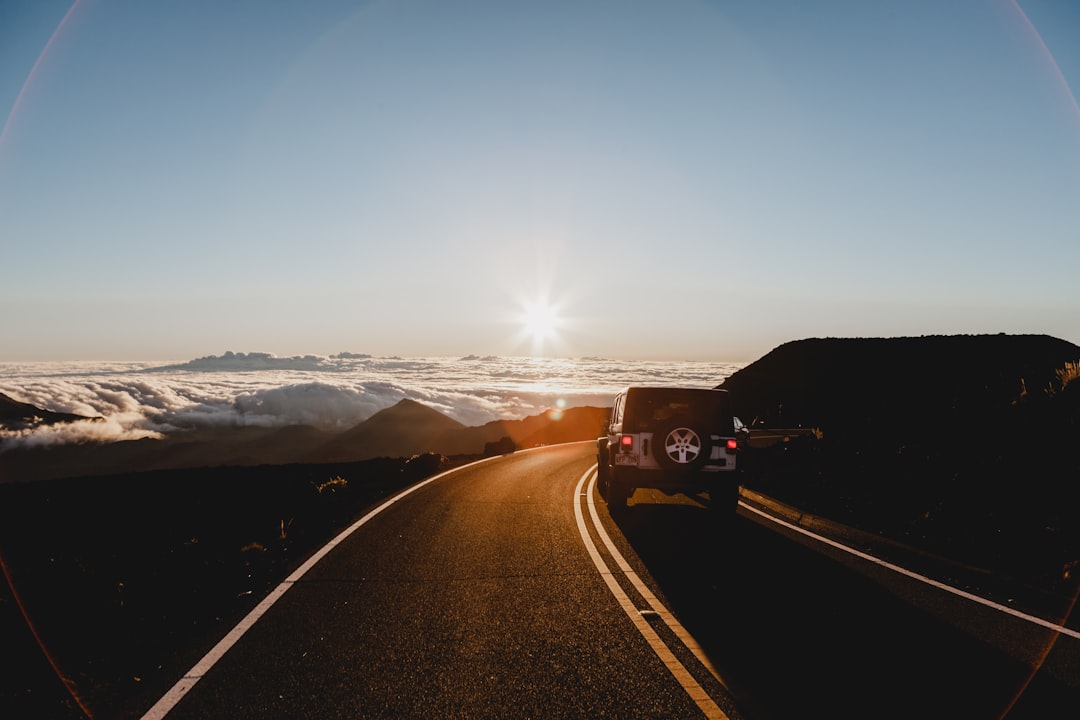
The best trips include a moment where you throw away the itinerary and follow something unexpected. But you can only be spontaneous if you have the infrastructure to be spontaneous safely. That means knowing your backup transportation options, having a compact daypack with essentials, and carrying enough cash for an emergency ride.
I learned this in Catalina State Park last spring. I had a planned route, a timed return, and absolutely zero flexibility built in. When I stumbled onto a side trail that looked incredible, I couldn’t take it because I’d built my whole day around a rigid schedule. Now I always build in what I call “flex time” — an extra hour or two that exists specifically for the thing I didn’t plan for.
Some of my best travel memories come from those unplanned detours: a hidden hot spring outside Tonopah, a roadside produce stand in Vermont that turned into an hour-long conversation with the owner, a state park I’d never heard of that ended up being the highlight of the drive. You can’t plan for these moments, but you can leave space for them.
Invest in the Things That Touch the Ground
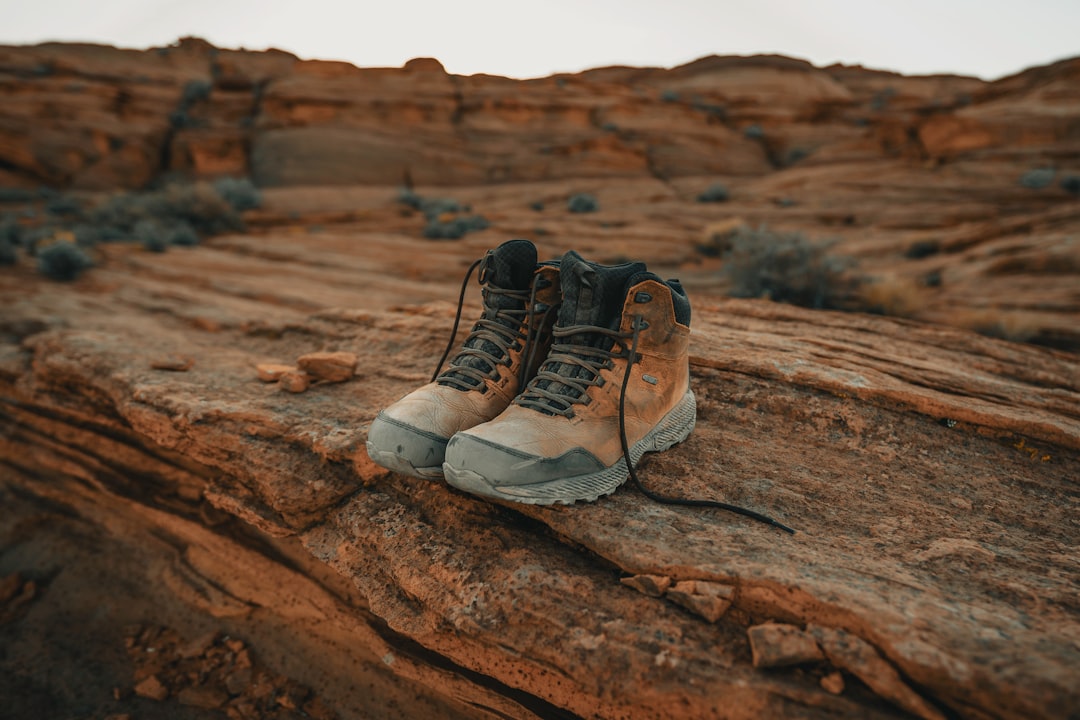
Shoes, socks, and tires. These three things determine whether your trip is glorious or miserable, and yet they’re the items people most often cheap out on. I spent years wearing $15 blister-prone socks and wondering why my feet hurt after every hike. The answer wasn’t better shoes — it was better socks.
I now treat footwear as the foundation of every trip. For urban exploration, I bring shoes I’ve walked at least ten miles in already. For trails, I bring broken-in hiking boots that I know won’t betray me at mile eight. For both, I bring quality merino wool socks that wick moisture and resist odor for days.
The same logic applies to the things that keep you connected and comfortable in transit. A good pair of noise-canceling earbuds changes the entire experience of a long flight. A quality insulated water bottle means you’re never at the mercy of overpriced airport vendors. These aren’t luxuries — they’re infrastructure that pays for itself in comfort and sanity within the first day.
The People Who Live There Know Things You Don’t
This connects to the food advice, but it goes further. Park rangers know which trail actually has the best views (not the one on the brochure). Hotel front desk staff know which neighborhoods to avoid after dark. Coffee shop regulars know about the festival that’s happening this weekend that isn’t on any tourism site.
I make it a habit to ask questions everywhere I go. Not in an interrogating way — just genuine curiosity. “What’s the most surprising thing about living here?” is a question that opens doors. Park rangers in particular are goldmines of information, and they’re almost always happy to share if you show genuine interest rather than treating them like a search engine.
This is especially true if you’re traveling solo. As someone who does a fair amount of solo backcountry trips, I’ve learned that the five-minute conversation with the ranger at the trailhead is worth more than two hours of internet research. They know conditions, recent wildlife activity, which trails have shade in the afternoon, and where the cell signal dies. Ask, listen, and thank them.
Stop Optimizing and Start Experiencing
Here’s the paradox of all these rules: they exist to reduce friction, not to engineer perfection. The goal isn’t to execute a flawless trip. The goal is to remove enough stress and chaos that you can actually be present when something remarkable happens.
I’ve watched travelers with perfectly optimized itineraries completely miss the magic of where they were because they were too busy checking the next box. I’ve also watched travelers with no plan at all end up hungry, lost, and miserable because they confused spontaneity with preparedness. The sweet spot is having enough structure to keep yourself fed, rested, and safe — and enough flexibility to say yes when the unexpected appears.
The rules I travel by now aren’t about control. They’re about creating conditions where the good stuff can actually reach you. Pack smart so you’re not fighting your own bag. Arrive early so you’re not sprinting through terminals. Eat well so you have energy. Write things down so you remember. And when the day goes sideways — because it will — you’ll have the margin to handle it without the whole trip collapsing.
That’s it. That’s the whole philosophy. Ten trips ago I didn’t know any of this. Five trips ago I knew it but didn’t practice it. Now it’s just how I travel, and the difference is night and day. Not because the trips have gotten fancier — they haven’t — but because I’m no longer fighting my own poor preparation at every turn. The rules do the heavy lifting so I don’t have to.
1 thought on “The Rules I Travel By Now (That I Wish I’d Learned Ten Trips Ago)”