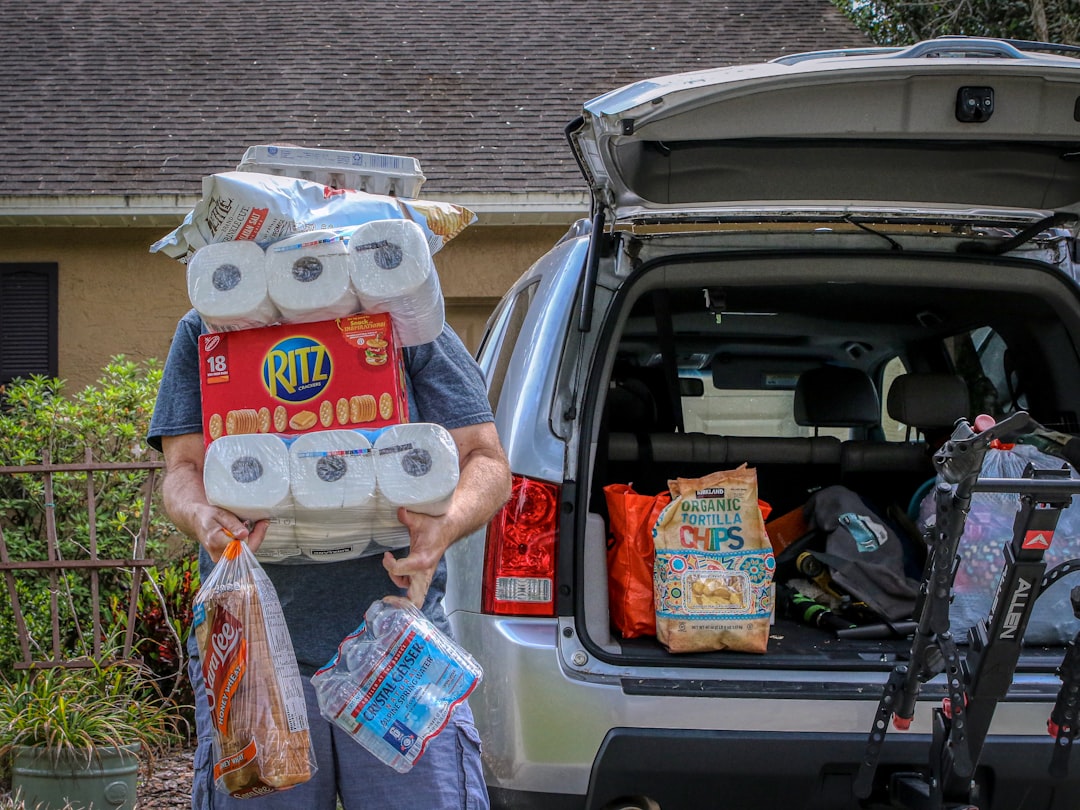
Every road trip starts the same way. You promise yourself this time will be different. You’ll eat well, save money, and avoid the fluorescent-lit trap of gas station food courts. Then hour six hits, your stomach growls, and you find yourself holding a warm chicken sandwich and a bag of chips that cost fourteen dollars. I’ve been there more times than I care to admit, and I’ve learned that the difference between eating garbage on the road and eating well comes down to about forty-five minutes of preparation and the right gear.
After logging thousands of miles across American highways, from the winding passes of the Beartooth Highway to the straight-shot interstates of the Midwest, I’ve developed a road trip food system that keeps me fed, hydrated, and reasonably healthy without ever setting foot in a convenience store. It’s not complicated, but it works.
The Foundation: Choosing the Right Cooler
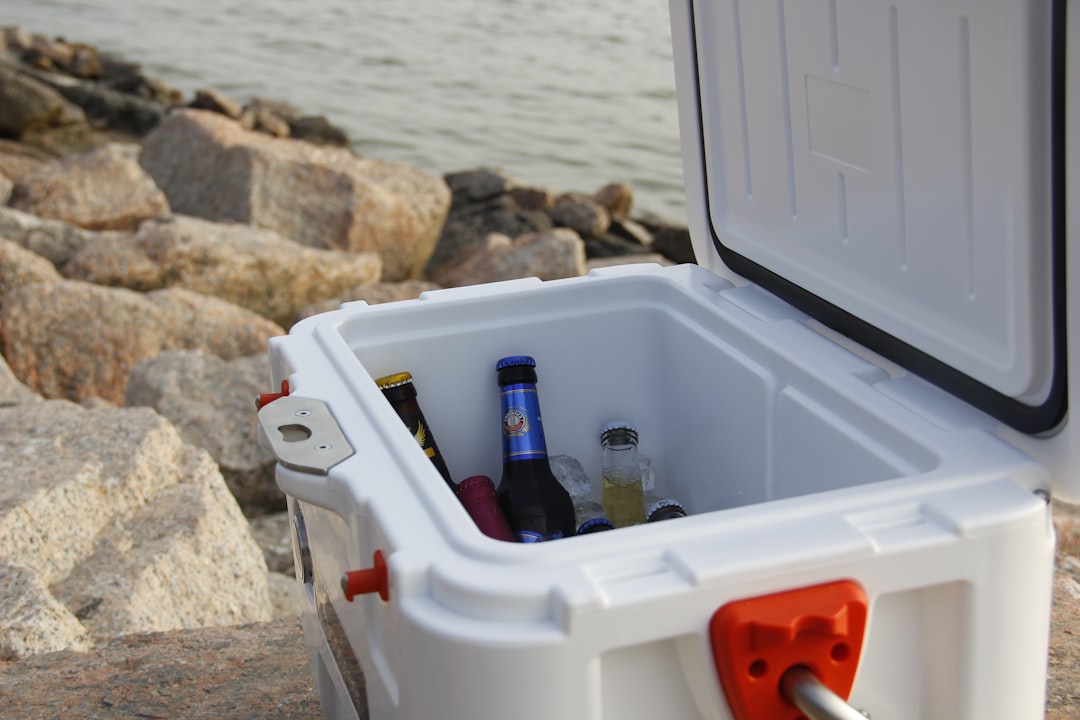
Your cooler is the heart of your road trip kitchen. I spent years using cheap Styrofoam coolers that turned into soggy puddles by day two, ruining whatever food I’d packed inside. The upgrade to a proper insulated cooler changed everything about how I travel.
For most road trips, you want a hard-sided cooler in the 16-quart range. That’s large enough to hold meals and drinks for two people over a long weekend without taking up half your backseat. The RTIC 16 Qt Road Trip Cooler is purpose-built for exactly this use case, with enough insulation to keep ice solid for days and a strap that makes it easy to carry from car to picnic table. If you’re traveling solo or just need something for snacks and drinks within arm’s reach, the compact RTIC 8 QT Personal Cooler tucks neatly behind the passenger seat.
For shorter trips or when trunk space is tight, a soft-sided cooler works surprisingly well. I’ve used the Titan by Arctic Zone Zipperless Cooler on weekend trips where I needed something that could squish into a packed car. The zipperless lid is genuinely useful when you’re rummaging for a sandwich with one hand while driving.
Hot Food That Actually Stays Hot
One of the biggest misconceptions about road trip food is that everything has to be cold. Sandwiches get boring after day two, and sometimes you just want something warm. That’s where a quality insulated food jar earns its place in your kit. Pre-heat it with boiling water for five minutes, dump the water, then fill it with hot soup, chili, or oatmeal. A good jar will keep food at a safe, enjoyable temperature for six to eight hours.
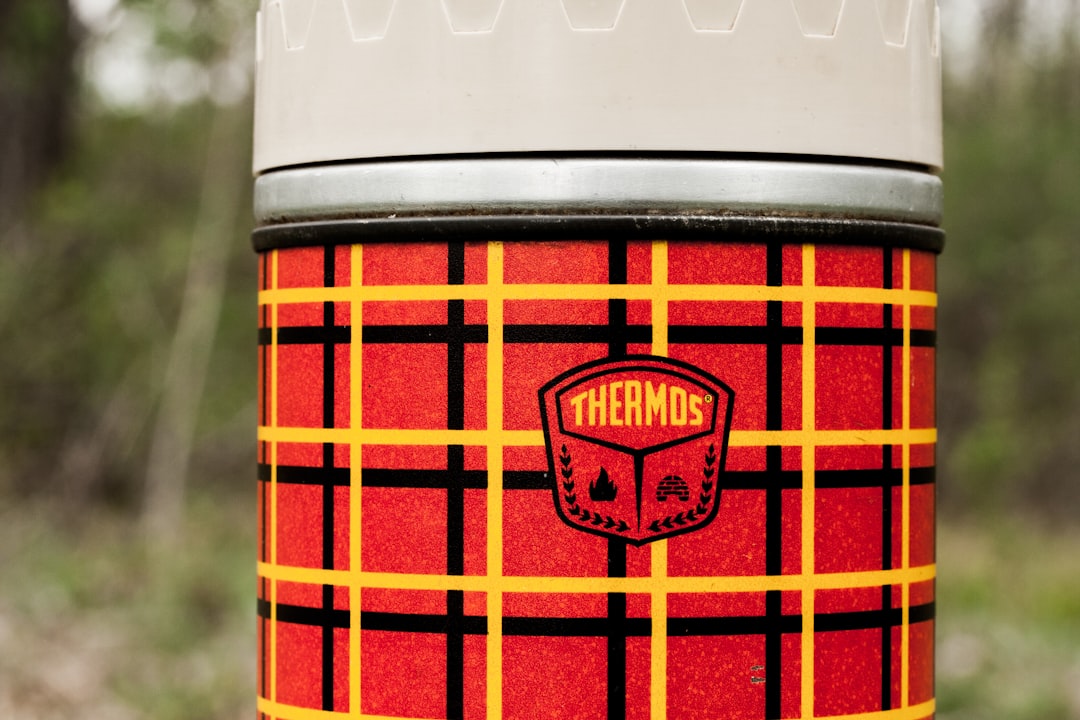
The Hydrapeak 25oz Stainless Steel Food Jar has been my go-to for two years. It holds a full meal portion, the wide mouth makes it easy to eat from directly, and it has never leaked in my bag. For a budget option, the Goodful Stainless Steel Food Jar offers similar performance in a slightly smaller 16-ounce size that’s perfect for kids or smaller appetites.
My favorite road trip thermos meal is a simple one: leftover chili or stew from the night before departure. I heat it piping hot on the stove, pour it into the pre-warmed jar, and by the time I’m ready for lunch at a scenic overlook, it’s still steaming. If you’re traveling through areas with good BBQ or regional specialties, grab a pint of something local and keep it warm for later. You can also check out our guide to campervan kitchen setups for more cooking-on-the-road inspiration.
Building a Better Road Trip Sandwich
Sandwiches are the backbone of road trip food, but most people make them wrong. The classic mistake is building a sandwich with wet ingredients against the bread, turning everything into a soggy mess by noon. The fix is layering: dry ingredients against the bread, wet ingredients in the middle, and a barrier of cheese or lettuce separating the two.
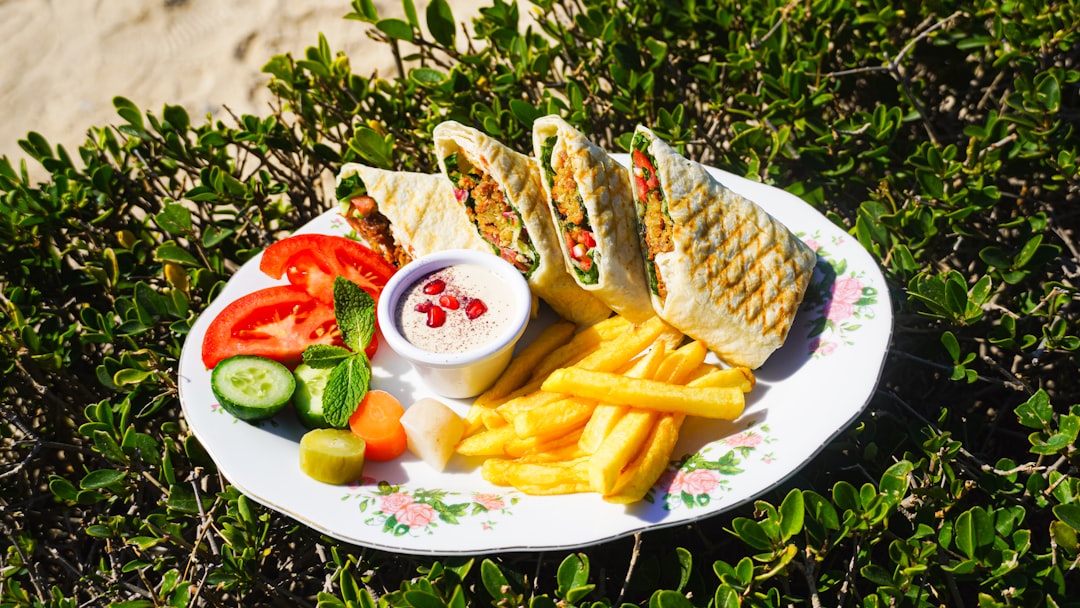
Wraps are even better for road trips than traditional sandwiches. Tortillas don’t get soggy, they compress more tightly in a cooler, and they’re easier to eat with one hand. I batch-make a dozen wraps before a long trip: hummus, turkey, spinach, and feta. Or peanut butter, banana, and granola for a sweeter version. Store them wrapped in parchment paper, not plastic, and they’ll stay fresh for three days.
For storing assembled meals, I’ve switched almost entirely to compartmented bento boxes. They keep wet and dry ingredients separate, portion-control your meals, and stack neatly in a cooler without squishing each other. The four-compartment design means you can pack a main, a side, some fruit, and a treat all in one container.
The Strategic Snack Arsenal
Snacks are where most road trippers sabotage themselves. A bag of chips and a candy bar from a gas station will give you twenty minutes of satisfaction followed by a sugar crash that makes the next two hundred miles feel like a fever dream. The key is building a snack arsenal before you leave home, focused on protein, fiber, and sustained energy.
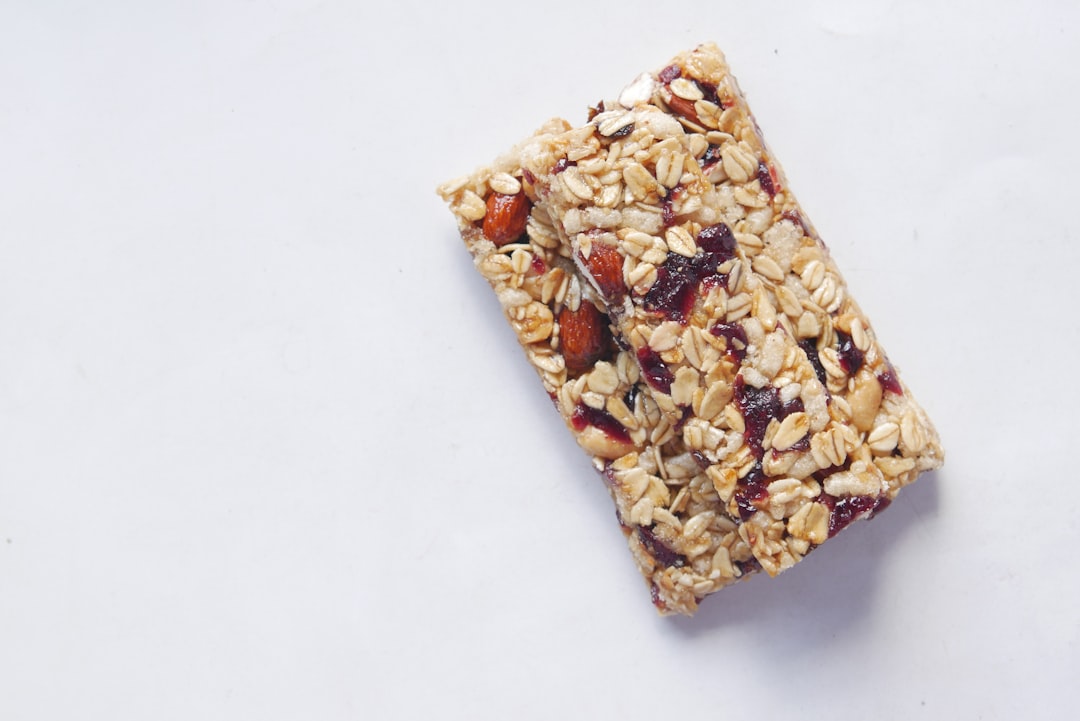
My standard snack kit includes trail mix with nuts and dark chocolate, beef jerky, apples, string cheese, and popcorn. I pre-portion everything into small servings so nobody is elbow-deep in a family-size bag. Reusable silicone storage bags are perfect for this. They’re leakproof, washable, and they eliminate the single-use plastic waste that piles up on long trips. I use the Stasher four-pack for everything from trail mix to sliced fruit to leftover cheese.
The other snack secret: pack things that take time to eat. Trail mix lasts longer than a candy bar. An apple requires actual chewing. Beef jerky forces you to slow down. These foods naturally regulate your intake because you can’t mindlessly inhale them while watching the road.
Fresh Food That Survives the Drive
People assume fresh produce and road trips don’t mix. That’s only true if you pack the wrong produce. Berries, grapes, cherry tomatoes, baby carrots, and celery sticks will all survive days in a cooler if stored properly. The key is keeping them dry and separated from your ice.
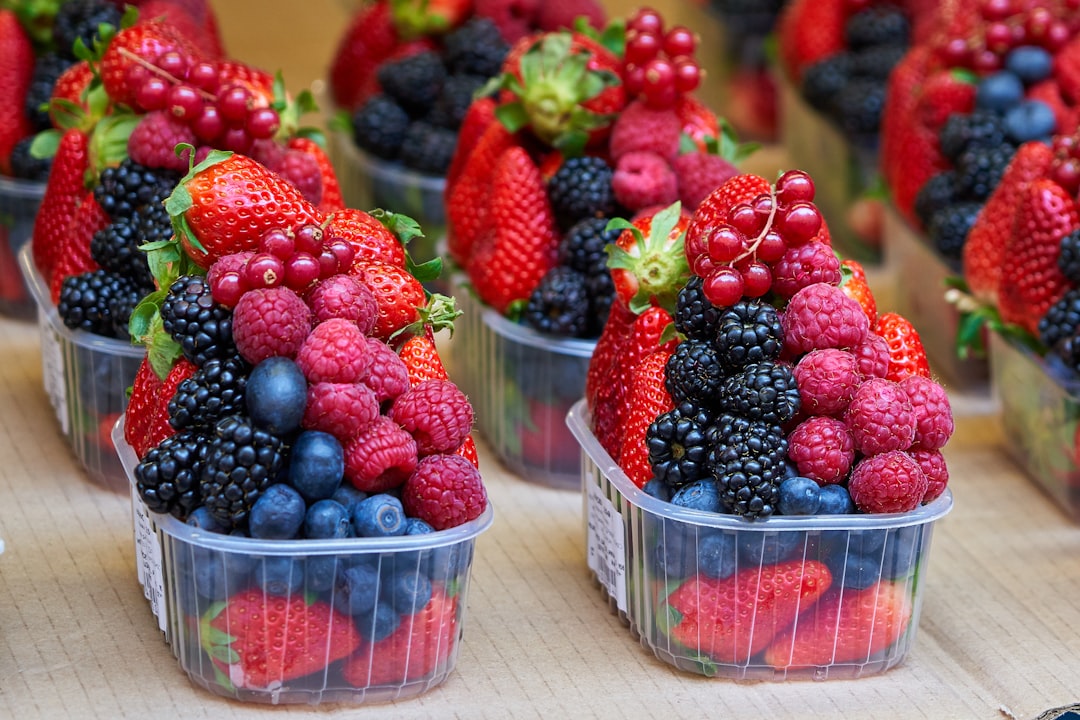
I use the bottom of the cooler for the coldest items, then layer produce on top in its own containers. If you’re using loose ice, everything gets wet, which accelerates spoilage. Frozen water bottles solve this problem. They melt slowly over the first day, providing cold without pooling water, and you get cold drinking water as a bonus. By day two, you add fresh ice from any gas station, but the bottles have already done the heavy lifting.
Hard cheeses like cheddar, gouda, and parmesan are road trip champions. They don’t need constant refrigeration, they pair with everything, and a block of sharp cheddar can survive a three-day trip in a cooler without complaint. Soft cheeses are riskier, so save those for the first day.
The Art of the Roadside Picnic
One of the best upgrades I made to my road trip routine was stopping at scenic overlooks for real meals instead of eating while driving. Not only is it safer, but it transforms the meal from a necessity into an experience. Some of my best travel memories involve sitting on a guardrail somewhere in Montana, eating a turkey wrap and watching the landscape do its thing.
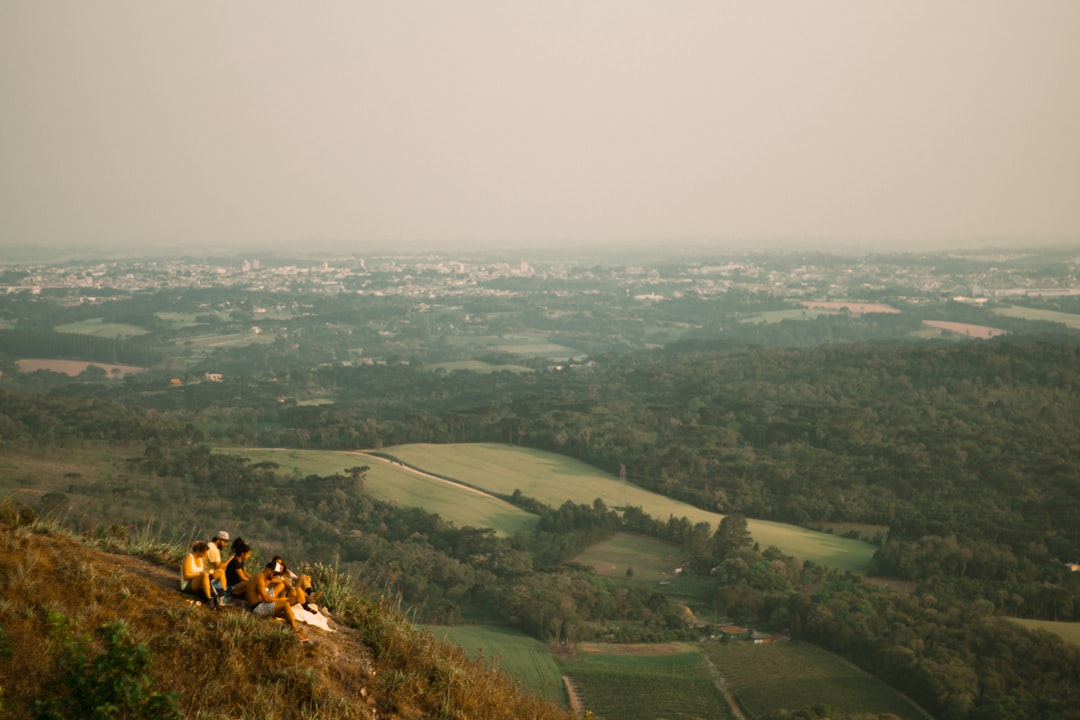
To pull this off, you need a few basics. A small cutting board doubles as a plate. A travel utensil set with a real knife, fork, and spoon means you’re not trying to eat pasta salad with your fingers. And a collapsible silicone bowl gives you a proper vessel for anything that doesn’t work on a plate, then packs down to almost nothing.
If you’re planning a longer road trip, check out our essential road trip gear guide for the full kit. But for food specifically, the bare minimum is a cooler, a food jar, something to eat from, and something to eat with. Everything else is a nice-to-have.
Drinks: Hydration Without the Sugar Spiral
It’s easy to forget about hydration when you’re focused on food, but dehydration is the sneaky culprit behind most road trip fatigue. Soda and energy drinks are the default beverages at every gas station, and while they taste good in the moment, they contribute to the crash-and-craving cycle that ruins the last few hours of driving.
I travel with a large insulated water bottle that I refill at every stop. The Owala FreeSip Insulated Water Bottle has a clever two-way drinking mechanism that lets you sip through the built-in straw or tilt it back for a chug. It fits in a car cup holder, keeps water cold for twenty-four hours, and the lockable lid means it won’t dump ice water in your lap when you hit a pothole.
For something with more flavor, I pre-make iced tea or infused water in a second bottle. Cucumber-mint or lemon-basil water tastes like a spa treatment after six hours of highway driving, and it costs about twelve cents per batch compared to four dollars for a bottle at a rest stop.
Packing It All In
The final piece of the system is organization. A cooler full of loose containers, bags, and bottles turns into chaos within the first hundred miles. Everything shifts, crushes, and mixes together. By day two, you’re digging through a refrigerated jigsaw puzzle to find the cream cheese.
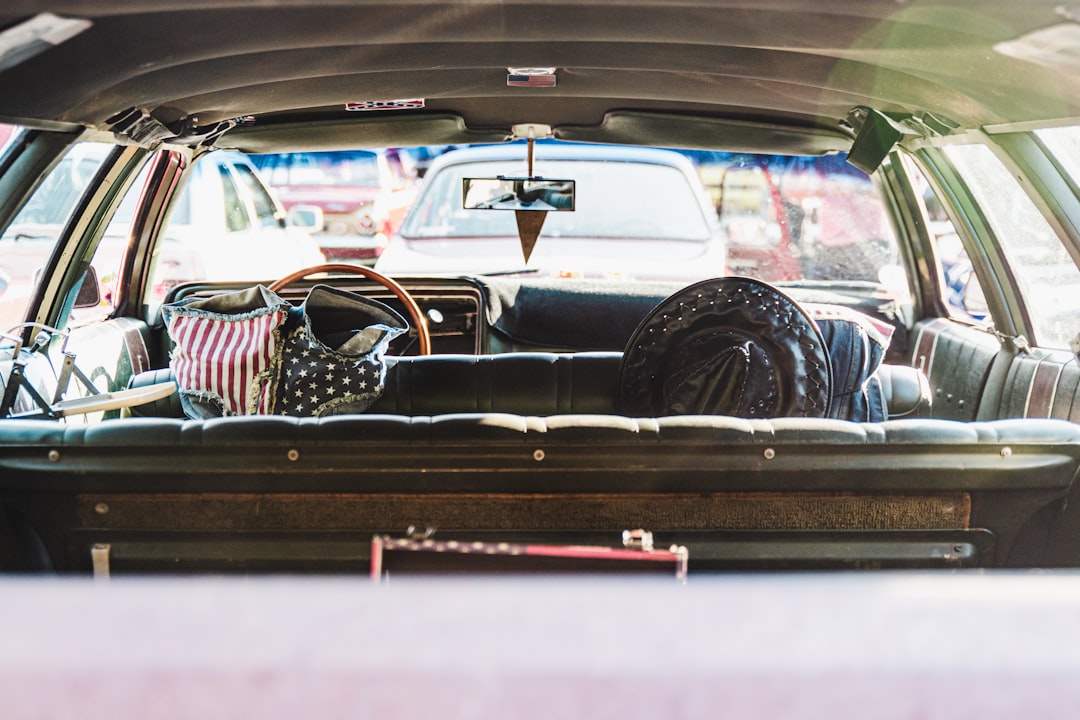
The solution is simple: pack your cooler like you pack a backpack. Heavy items on the bottom, fragile items on top. Group meals together in logical clusters so you can pull out everything you need for lunch in one grab. Use the frozen water bottles as dividers between sections. And keep a separate snack bag in the front seat so nobody is opening the cooler every thirty minutes, letting cold air escape.
If you want to go deeper on organization, the same cable management principles we recommend for tech gear apply to food. Separate zones, clear boundaries, and everything in its place.
A Sample Three-Day Road Trip Menu
Here’s what I actually pack for a three-day drive. This feeds two adults, fits in a single 16-quart cooler plus a dry bag, and costs roughly $45 total compared to easily $120-plus at restaurants and gas stations along the way.
Day One: Turkey and hummus wraps for lunch, pasta salad with vegetables and vinaigrette for dinner. Snacks: trail mix, apple slices, string cheese.
Day Two: Overnight oats in jars (pre-mixed with milk, chia seeds, and berries) for breakfast. Chicken salad in pita pockets for lunch. Hot chili from the thermos for dinner at a scenic stop. Snacks: beef jerky, grapes, popcorn.
Day Three: Hard-boiled eggs and cheese for breakfast. Whatever wraps survived day one, or a stop at a small-town grocery store for fresh supplies. Peanut butter and banana on tortillas for a late lunch. Snacks: remaining trail mix, celery sticks with peanut butter.
The menu isn’t fancy, but it’s varied, it travels well, and it keeps you from feeling like garbage by the end of the trip. More importantly, it means your road trip budget goes toward experiences, not overpriced gas station sandwiches that taste like regret.
The beauty of this system is that it scales. Heading out for a day trip? Pack a small cooler with sandwiches and drinks. Doing a two-week cross-country epic? Multiply the quantities and add a second cooler for overflow. The principles stay the same: prepare ahead, pack smart, and give yourself food that actually makes the drive better instead of just tolerable.
1 thought on “The Road Trip Food Strategy: How to Eat Well, Save Money, and Skip the Gas Station Cycle”