I stood at the Visitor Center in Zion last July, sandwiched between a family of five and a busload of tourists all photographing the same shuttle bus. The thermometer read 104 degrees. The line for the restroom wrapped around the building. And I thought: there has to be a better way.
That’s when I started looking at state parks. Not the small ones with a playground and a picnic table — I mean the heavy hitters, the places that geologically and ecologically rival anything the National Park Service manages, but without the two-hour entrance lines and $30 campsite reservations booked eight months in advance. What I found changed how I plan summer trips entirely.
Here are seven state parks that consistently deliver national-park-level spectacle with a fraction of the crowds. I’ve been to all of them. Each one made me wonder why I’d been waiting in line anywhere else.
Valley of Fire State Park, Nevada
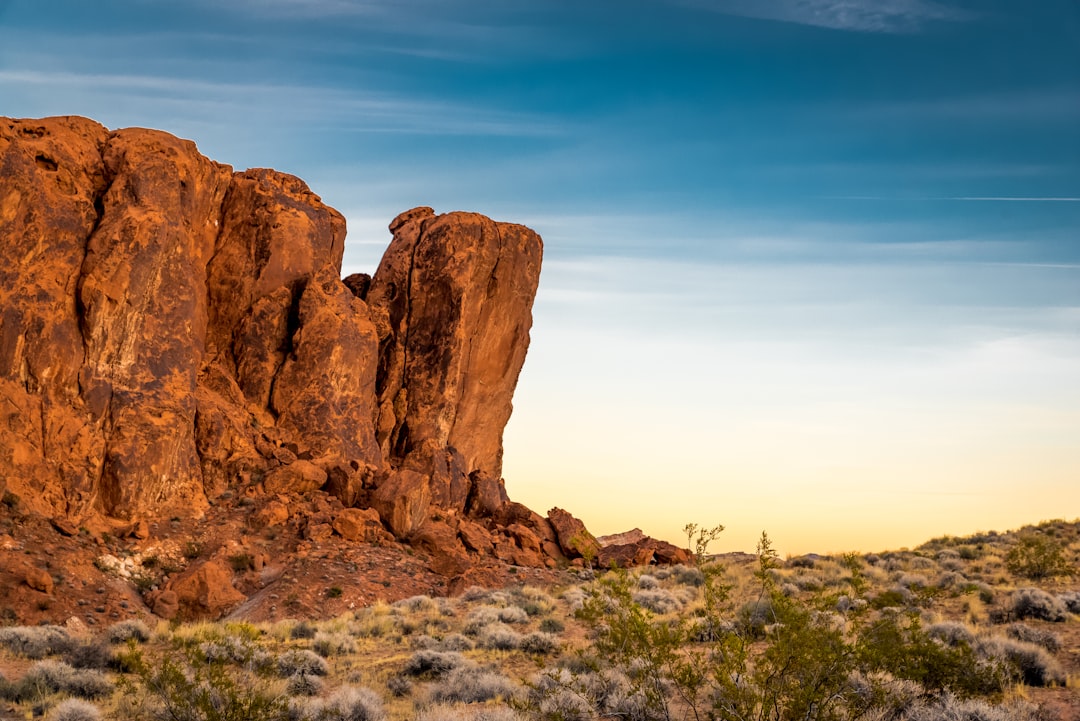
Forty-five minutes from the Las Vegas Strip, Valley of Fire looks like someone took the most dramatic parts of Zion and Arches, crammed them into 46,000 acres, and forgot to build a visitor center with a three-story gift shop. The park’s Aztec sandstone formations glow genuinely fire-orange at sunset — the namesake is not an exaggeration — and you’ll share them with maybe a dozen other people on a weekday.
I hiked the Fire Wave Trail on a Tuesday morning in late June and passed four people. Four. The same hike in Zion’s Angels Landing would have meant gripping chains alongside 300 strangers. The trail leads to a swirling formation where red and white sandstone bands ripple like a frozen ocean, and the panoramic views from Mouse’s Tank Road rival anything in Red Rock Canyon (which is also gorgeous but increasingly packed).
Bring at least a gallon of water per person. There’s zero shade, and summer temps regularly clear 110 degrees. A good insulated stainless steel bottle is non-negotiable here — lukewarm water at 110 degrees is honestly worse than no water. Start before 7 AM if you’re visiting between June and September.
Dead Horse Point State Park, Utah
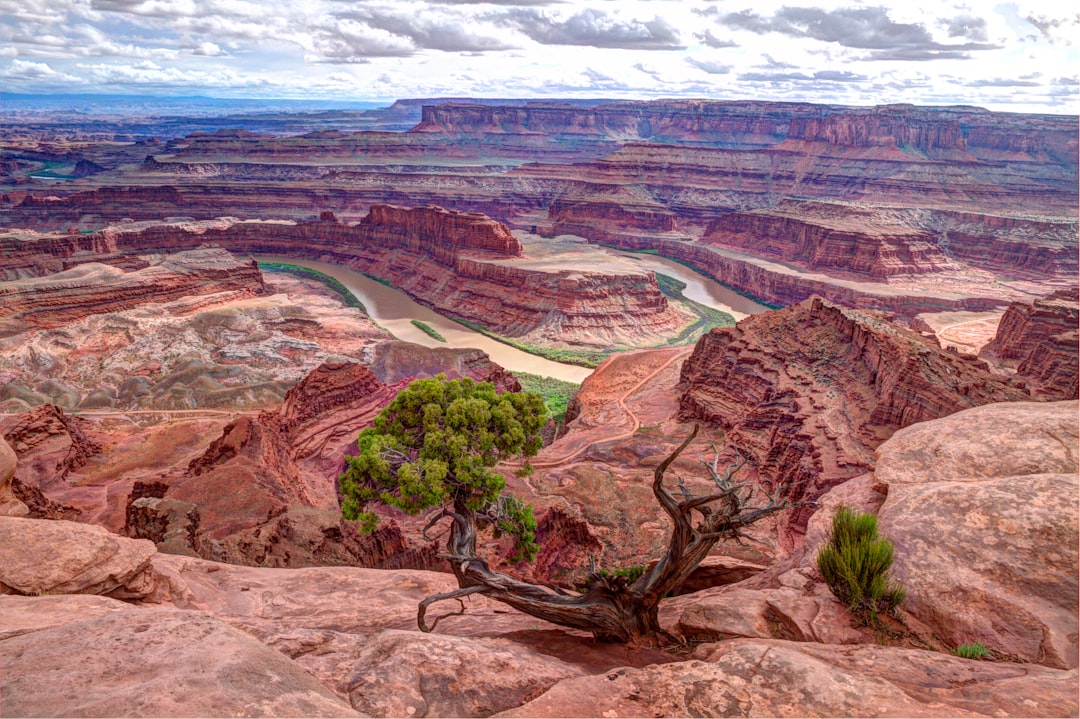
I’ll say something controversial: the overlook at Dead Horse Point is better than any single viewpoint at the Grand Canyon. There, I wrote it. The Colorado River makes a dramatic gooseneck bend 2,000 feet below the rim, and the layered rock strata glow in colors that shift from burnt orange to deep purple as the sun drops. The fact that it sits 30 minutes from Arches National Park means most visitors blow past it on their way to Delicate Arch — their loss, your gain.
The park’s small campground ($40/night) has electric hookups and some of the most spectacular sunrise views you’ll ever wake up to. I spent two nights here last summer and watched the canyon fill with morning light from my tent vestibule. No shuttle bus. No timed entry. No crowds jockeying for tripod position.
If you’re already planning a Mighty Five Utah road trip, Dead Horse Point is the perfect counterweight to the national park circuit. Spend a day at Arches, then escape here. The Intrepid Trail System offers three rim-side hikes with panoramic views that make you forget Moab’s main drag exists.
Watkins Glen State Park, New York
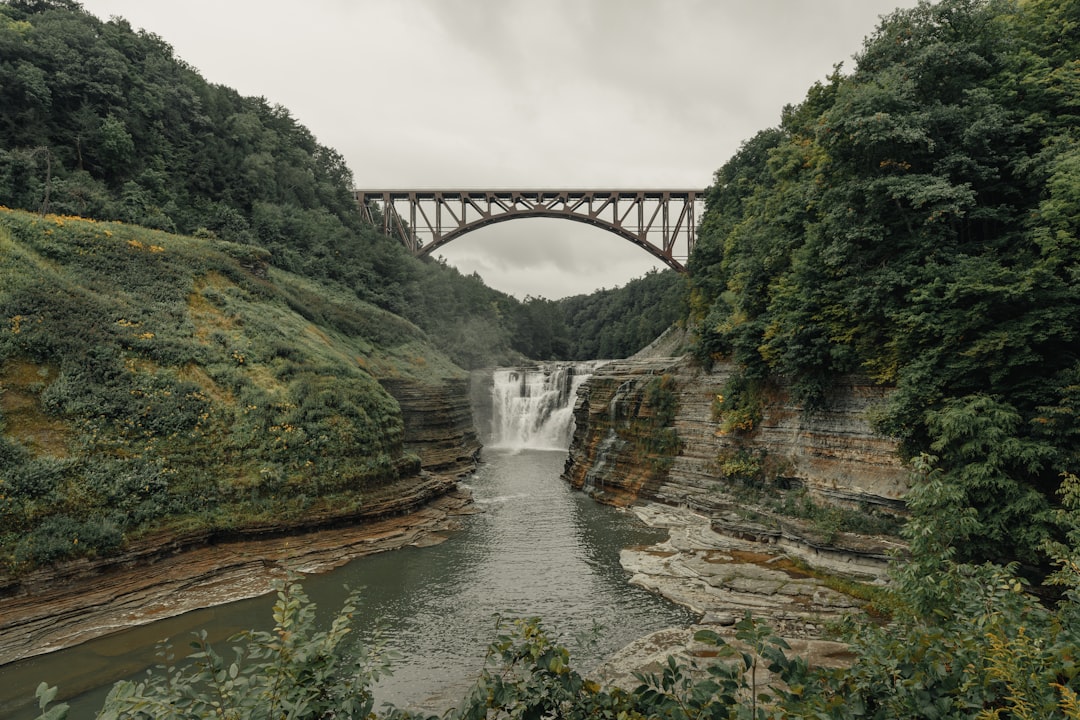
Deep in the Finger Lakes, Watkins Glen carved a gorge so impossibly beautiful that I had to keep checking the trail map to confirm it was real. Nineteen waterfalls cascade through a two-mile slot canyon, with 200-foot cliff walls draped in moss and ferns. The lowest falls drop 60 feet into a natural amphitheater that feels like a cathedral designed by water and time.
I visited in mid-July, peak tourist season for the Finger Lakes. The gorge trail had people on it, sure, but nothing close to the human traffic you’ll find on Yosemite’s Mist Trail, which features comparable (though larger) waterfall scenery. And unlike Yosemite, where you’re driving an hour from lodging to trailhead, Watkins Glen’s entrance is literally in the village. You can walk from your B&B.
The gorge trail is open year-round but closes during ice conditions. Summer is ideal — the waterfalls run reliably through September. Wear amphibious hiking sandals or shoes with serious grip; the stone steps get slick from waterfall mist. If you’re already exploring New York beyond the city, pair Watkins Glen with a trip through the Catskills for a genuinely underrated East Coast mountain circuit.
Fall Creek Falls State Park, Tennessee
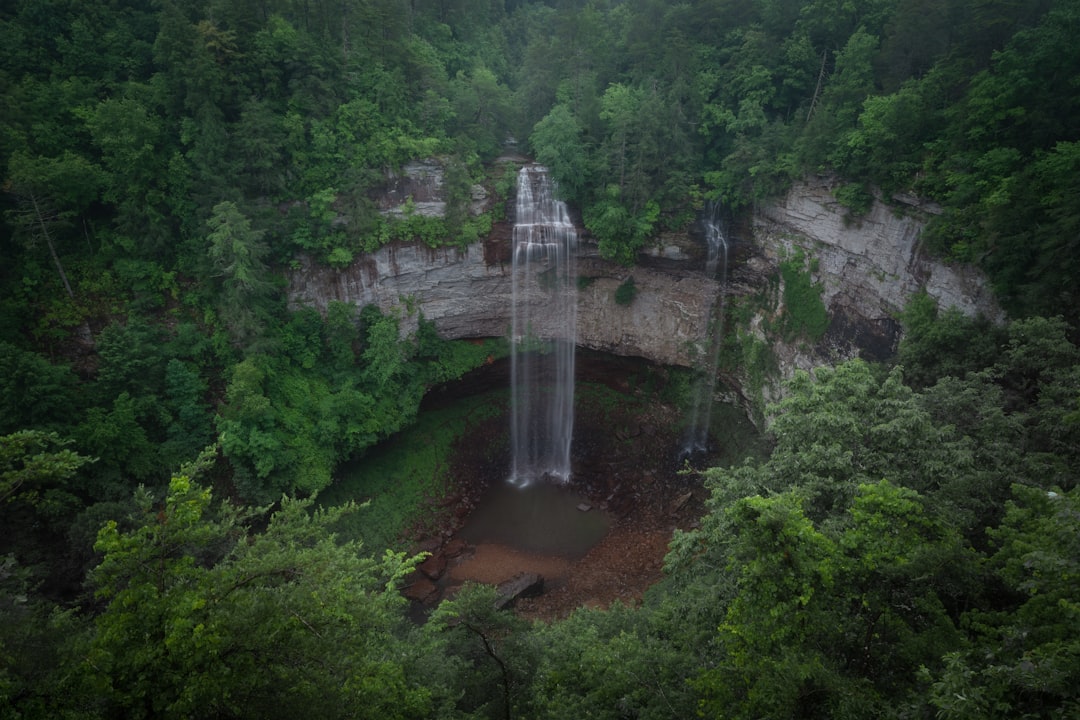
Tennessee’s Cumberland Plateau hides one of the highest waterfalls east of the Mississippi — 256 feet of free-falling water that launches off a rock overhang so far that the cascade frequently turns to mist before it reaches the pool below. The first time I saw it, I stood at the base and craned my neck until my hat fell off.
The 26,000-acre park has more than just the namesake falls. There’s a 345-acre lake, six smaller cascades, 56 miles of hiking trails, and a canopy challenge course that I spent an embarrassing amount of time on. The terrain is pure Appalachian lush — rhododendron tunnels, hemlock groves, and sandstone gorges that stay 15 degrees cooler than the surrounding lowlands.
This is the kind of place that makes you question why anyone fights the crowds at Great Smoky Mountains National Park, two hours southeast. The Smokies get 14 million visitors a year. Fall Creek Falls gets a fraction of that, with comparable mountain scenery and significantly better parking. If you’re into chasing hidden swimming holes, the base of Cane Creek Falls (a shorter, 85-foot cascade in the park) has one of the best natural swimming pools in the South.
Bring a cooling towel for the hike down to the base of Fall Creek Falls. It’s a steep half-mile, and Tennessee humidity in July is no joke. Trust me on this one.
Catalina State Park, Arizona
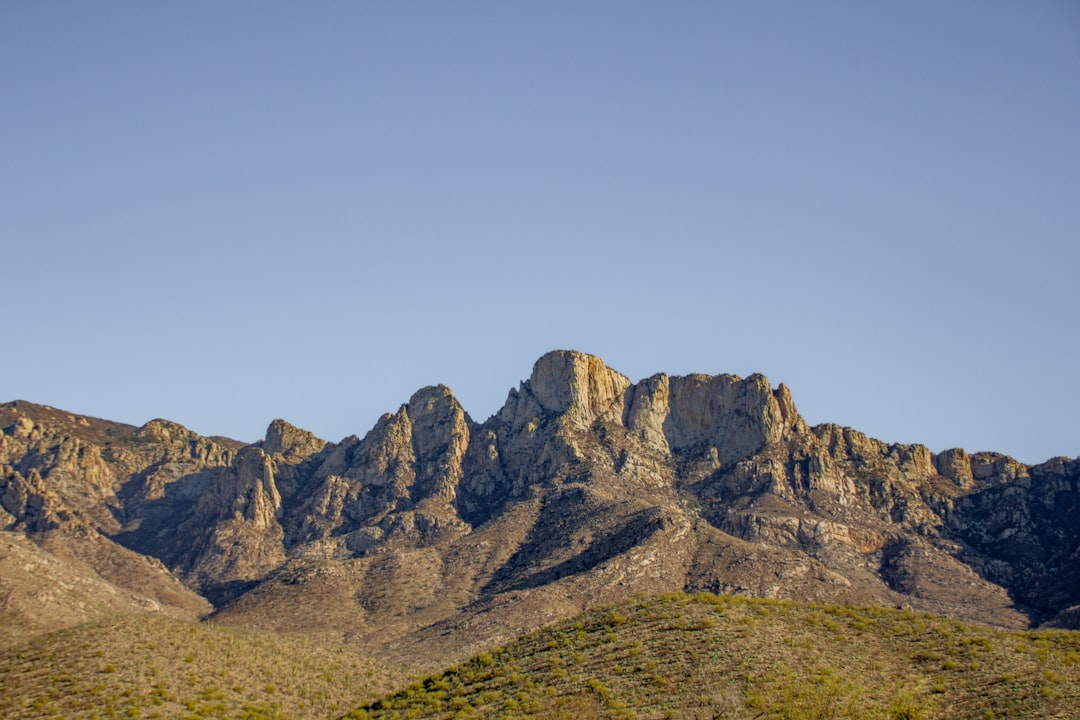
Twenty miles north of downtown Tucson, Catalina State Park sits at the base of the Santa Catalina Mountains and protects 5,500 acres of pristine Sonoran Desert. I camped here last June and woke up to a sunrise that lit up the saguaro cacti like they were on fire — golden light hitting 50-foot-tall sentinels that have been growing since before the Revolutionary War.
The park has over 5,000 saguaros, plus mesquite bosques, washes filled with wildflowers after summer monsoons, and the Romero Ruins, an archaeological site with Hohokam structures dating back 1,500 years. The hiking is excellent: the Romero Canyon Trail climbs 3,000 feet to montane forest, passing three waterfalls (seasonal) along the way. Where else can you start in desert and end in pine forest in a single morning?
Saguaro National Park borders Tucson on both east and west, and it’s wonderful — but Catalina gives you the same ecosystem without the NPS entrance fee or the visitor center crowds. July and August bring dramatic monsoon thunderstorms that light up the sky and fill the desert washes. Time your hikes for early morning and carry a high-capacity power bank — monsoon season can knock out cell service, and you’ll want your phone for storm photography.
Hunting Island State Park, South Carolina
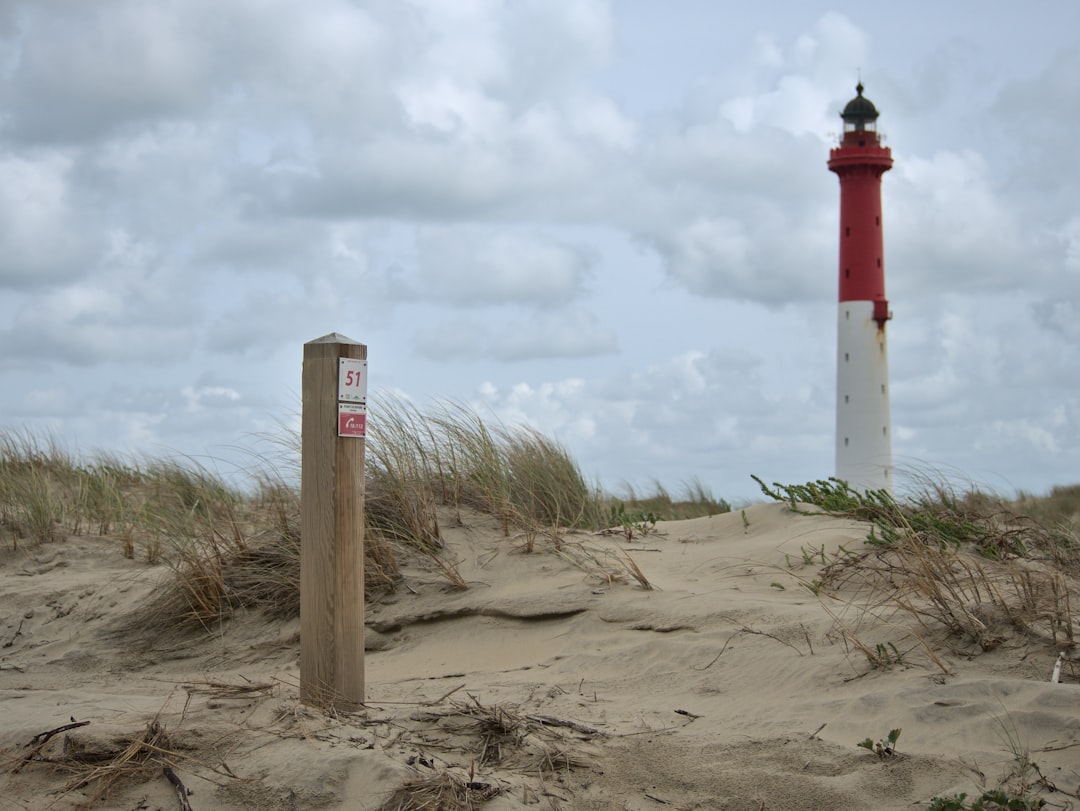
South Carolina’s only undeveloped barrier island opens to the public as a 5,000-acre state park with four miles of beach, a saltwater lagoon, a maritime forest, and a 19th-century lighthouse you can climb for panoramic views of the Atlantic. I’ve been to Cumberland Island National Seashore (stunning, but requires a ferry reservation booked months ahead) and Hunting Island delivers a similar castaway experience with zero ferry required.
The northern end of the island is where the real drama lives. An ongoing process called “erosion” — which sounds boring until you see it — has pushed the beach into the maritime forest, leaving dead trees standing in the surf like something from a post-apocalyptic film. Driftwood the size of cars litters the sand. It’s eerie and beautiful and one of the most photographed coastlines on the East Coast for good reason.
The campground sits under a canopy of palmettos and live oaks, a five-minute walk from the beach. At $26/night for a full hook-up site, it’s one of the best camping values on the Atlantic coast. Pack a lightweight daypack for the island’s nature trail — it winds through five distinct ecosystems in under two miles, from beach to forest to marsh.
Porcupine Mountains Wilderness State Park, Michigan
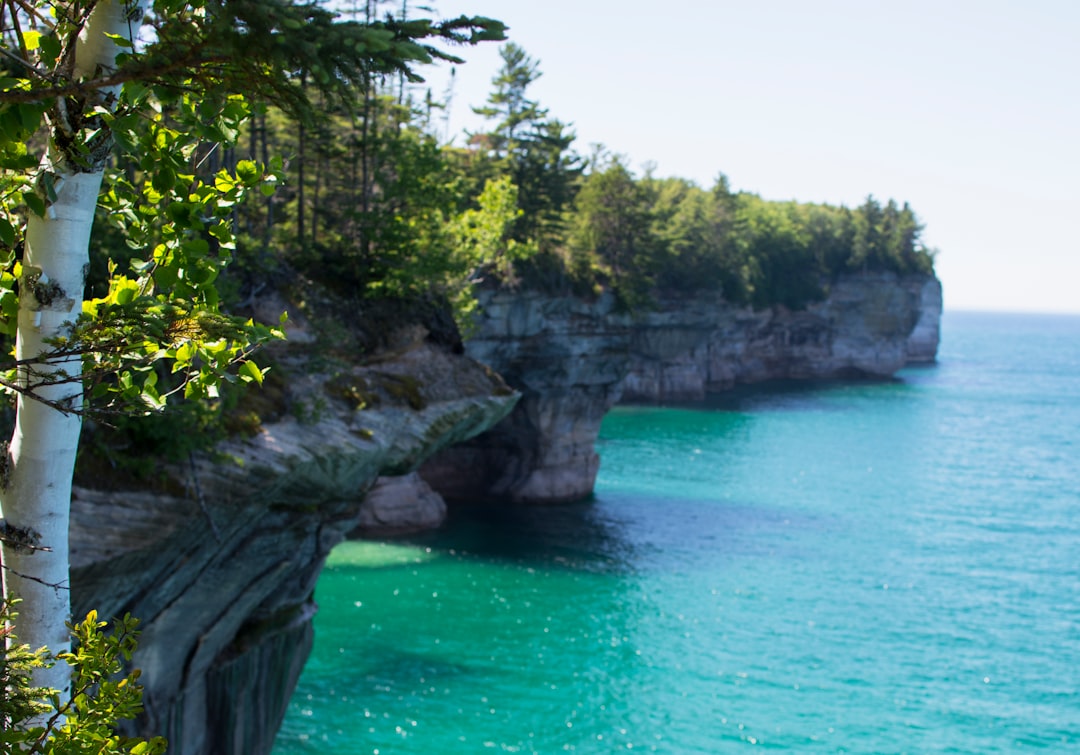
Sixty thousand acres of old-growth hemlock-hardwood forest on the shore of Lake Superior. That sentence should be enough, but let me elaborate. The “Porkies,” as locals call them, contain one of the largest remaining tracts of virgin forest in the Upper Midwest — trees that were already old when the Civil War started. Walking through them feels like trespassing in a cathedral.
The park’s crown jewel is the Lake of the Clouds, an inland lake cradled in a glacial valley surrounded by 300-foot escarpments. The overlook at sunset stopped me in my tracks — golden light reflecting off still water, ringed by dark green wilderness stretching to the horizon. No cell signal. No road noise. Just wind, water, and the occasional bald eagle.
I recommend pairing the Porkies with a broader Upper Peninsula road trip — the kind where you lose cell service for three days and don’t miss it. Summit Peak (1,958 feet) offers a fire tower with 50-mile views on clear days. The Presque Isle River waterfalls, on the park’s western edge, cascade through volcanic rock in a series of drops that rival anything in any national park I’ve visited.
Summer in the Porkies means cool nights (40s and 50s even in July), so pack a real sturdy hiking boot with ankle support — the trails here are root-heavy and rugged, not the groomed paths you find in more developed parks. The park is remote (nearest grocery store is 25 miles away in Ontonagon), so arrive provisioned.
What to Pack for a State Park Summer
State parks tend to have fewer amenities than their National Park siblings. Visitor centers are smaller, cell service is spottier, and you’ll rarely find a lodge restaurant waiting at the end of your hike. After spending most of last summer state-hopping, here’s what I actually used:
- A real hiking daypack — Not a school backpack. Something with a hip belt and ventilation. Your shoulders will thank you on mile eight. A properly fitted daypack is the single biggest upgrade you can make.
- Sun protection that works — A UPF-rated sun hat beats sunscreen on your face and neck. The desert parks (Valley of Fire, Catalina) will punish you without one.
- Trekking poles — I was a skeptic until I hiked out of the Grand Canyon with screaming knees. Now I don’t leave without adjustable trekking poles, especially for gorge hikes like Watkins Glen and the steep descent at Fall Creek Falls.
- A compact first-aid kit — State parks don’t have ranger stations every two miles. Carry a trail-ready first-aid kit with moleskin, antihistamines, and a compression bandage at minimum.
If you’re serious about visiting state parks regularly, grab a state parks passport book. Most states have their own program, and collecting stamps became genuinely motivating for me — a silly little gamification that got me to parks I’d never have visited otherwise.
The Bottom Line
America’s national park system is a national treasure. I’m not arguing otherwise. But the crowds, the reservation systems, the timed entries, the campgrounds booked solid at 6 AM six months in advance — it’s all added up to something that feels less like wilderness and more like a theme park with better scenery.
State parks aren’t a consolation prize. Valley of Fire gave me my most memorable desert sunset. Dead Horse Point gave me the best canyon view I’ve ever seen. Watkins Glen made me believe in magic for an afternoon. These places aren’t hidden — they’re just overlooked, and that’s exactly why you should go now, before everyone else figures it out.
Pick one within driving distance. Pack the essentials. Leave the national park crowd-fighting to someone else this summer. I promise you won’t feel like you’re settling.
3 thoughts on “Skip the Crowds: 7 State Parks That Put Their National Park Neighbors to Shame This Summer”