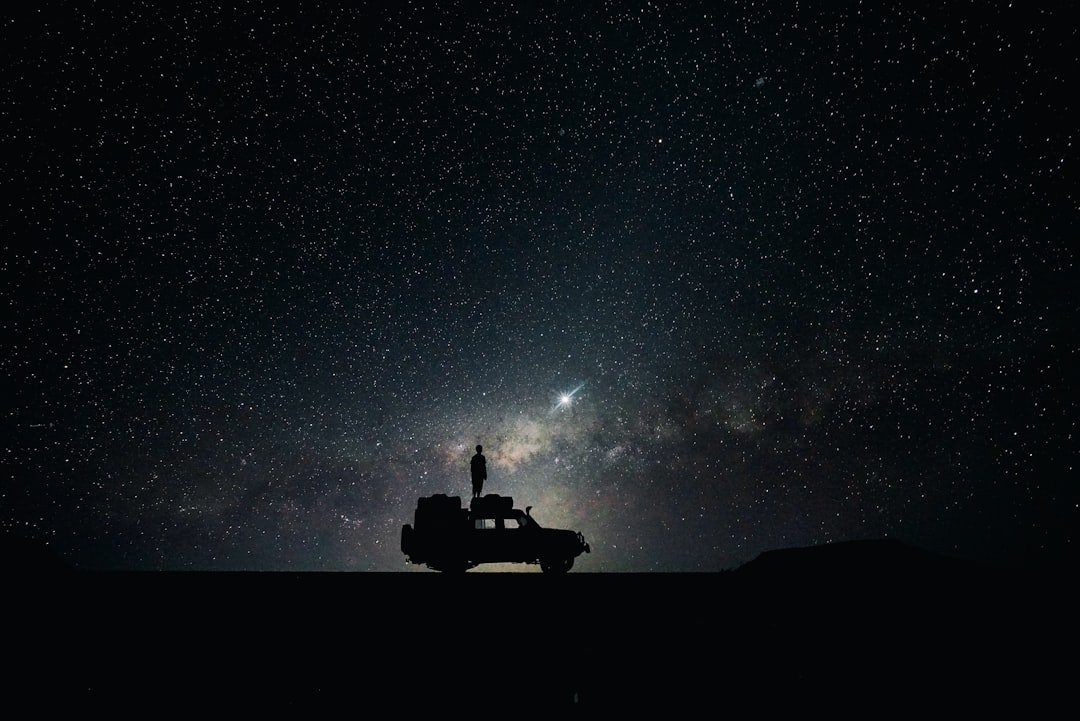
There’s a moment that happens about two hours after sunset in Great Basin National Park, somewhere around 9,000 feet elevation, when the last trace of twilight bleeds out of the sky and the Milky Way detonates overhead like someone cracked open the universe. I’d driven six hours from Salt Lake City to see it, and I’ll be honest — no photograph, no planetarium show, no desktop wallpaper prepares you for the actual experience of standing under a truly dark sky. It’s humbling in a way that few things still are in 2026.
If you’ve never planned a trip around stargazing, this summer is the time to start. America’s Dark Sky Parks — certified by DarkSky International for their exceptional nighttime conditions and commitment to light pollution reduction — represent some of the last places on the continent where you can see the cosmos the way our ancestors did. And with the Perseid meteor shower peaking August 12-13 this year, timing has never been better to plan your first (or fiftieth) stargazing adventure.
What Makes a Dark Sky Park Different
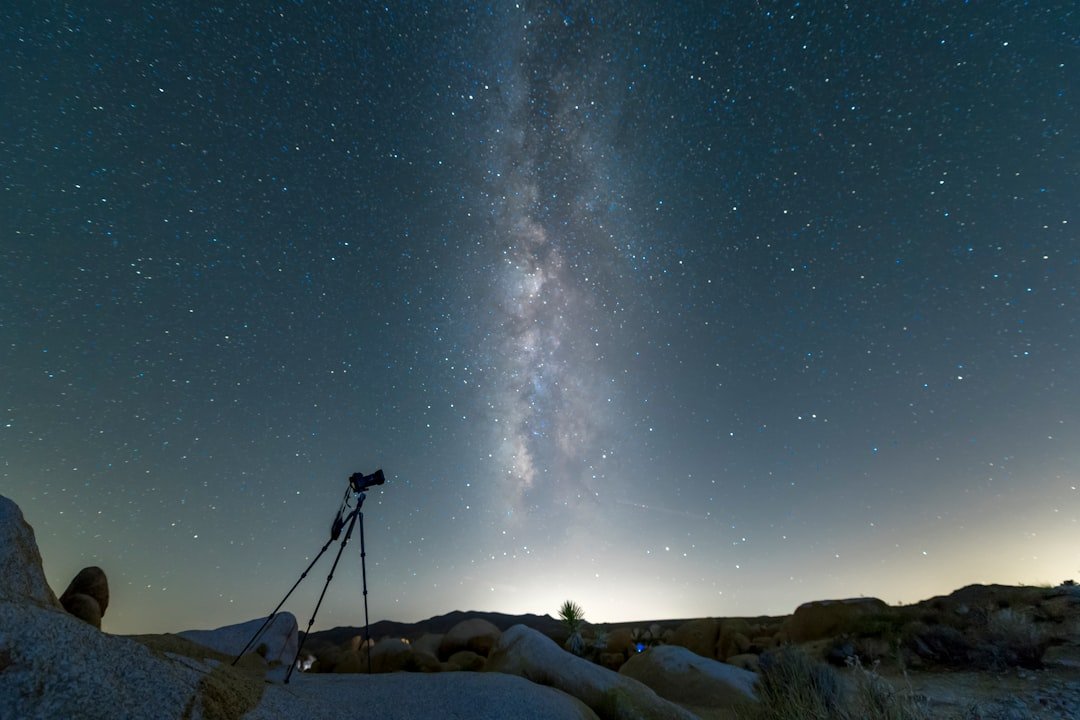
Not all night skies are created equal. DarkSky International (formerly the International Dark-Sky Association) certifies parks that meet rigorous criteria for sky quality, natural darkness preservation, and public education about light pollution. These aren’t just remote places — they’re actively protected spaces where local governments and park services have committed to keeping artificial light to an absolute minimum.
What that means in practice: minimal or no streetlights, strict lighting ordinances in nearby communities, and ranger-led astronomy programs that draw serious amateur astronomers from hundreds of miles away. The difference between a Dark Sky Park and your average campground is like the difference between front-row seats at a concert and listening from the parking lot. You can see the Andromeda Galaxy with your naked eye. You can count the Pleiades without binoculars. The Milky Way casts a faint shadow on the ground.
I learned this the hard way on my first dark sky trip to Acadia National Park a few summers ago. I showed up with a cheap flashlight and zero preparation, expecting a slightly better version of my backyard. What I got was a three-hour cosmic education from a retired astrophysicist named Herb who set up his telescope next to my campsite and insisted I look at Saturn’s rings. I was hooked.
The Seven Best Dark Sky Parks for Summer 2026
Great Basin National Park, Nevada
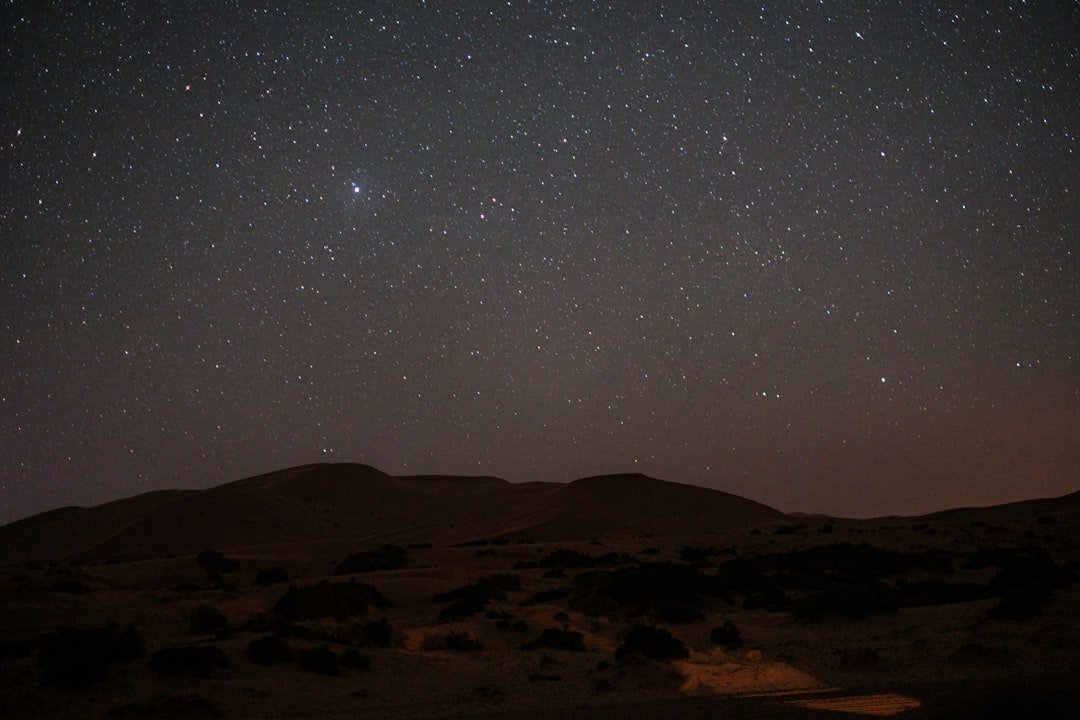
Let’s start with the crown jewel. Great Basin sits in eastern Nevada, far from any major city’s light dome, and its elevation (the park rises above 13,000 feet) means you’re looking through less atmosphere. The result is some of the clearest, darkest skies in the lower 48. The park runs regular astronomy programs from its Lehman Caves visitor center area, and on weekend nights during summer, you’ll find a small village of telescopes set up by volunteers who are genuinely thrilled to share their passion.
Pro tip: Book a campsite at the Wheeler Peak Campground well in advance. At 9,800 feet, it’s above much of the haze and offers unobstructed views in every direction. Bring a quality cold-weather sleeping bag — even in July, nighttime temperatures at that elevation can drop into the 30s. And pack a reliable red-light headlamp, because white light will wreck your night vision and earn you dirty looks from every serious astronomer within a quarter mile.
Big Bend National Park, Texas
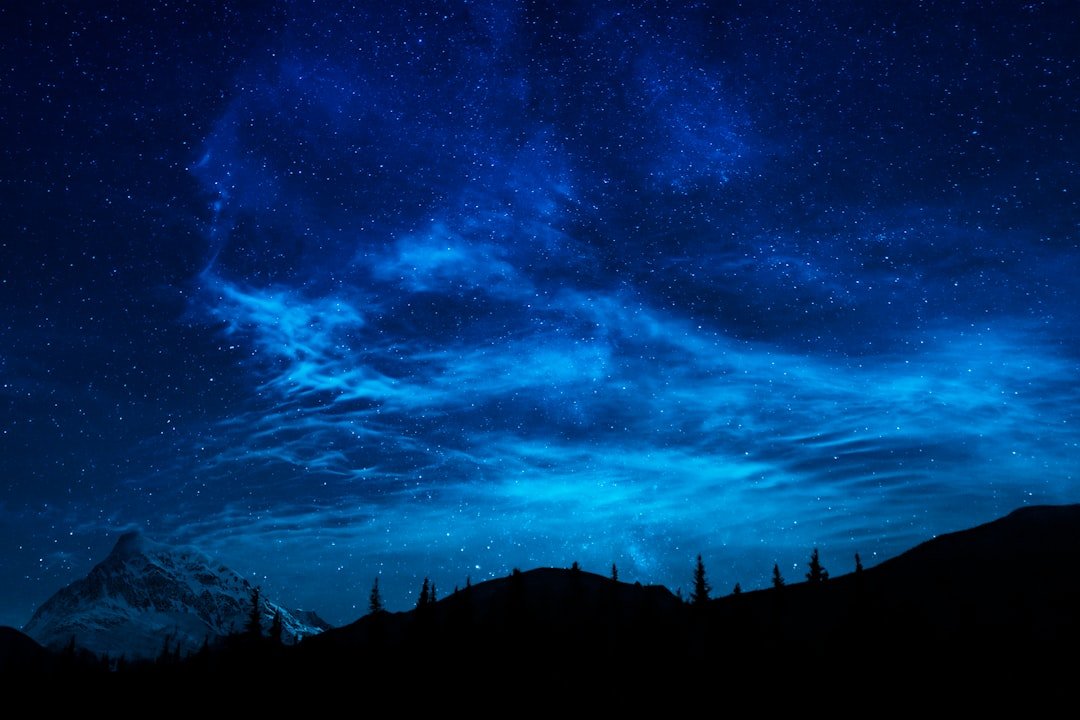
Big Bend is one of the least-visited national parks in the lower 48, and that isolation is exactly what makes it extraordinary for stargazing. Located in far West Texas along the Rio Grande, the park is so remote that the nearest significant source of light pollution is literally in another country. On a clear night, you can see roughly 5,000 stars with the naked eye — compared to maybe a few dozen in a typical suburb.
The Chisos Basin area is the most popular spot for stargazers, with relatively accessible trails and a lodge if camping isn’t your thing. I recommend the Window View Trail at sunset — you’ll watch the sun drop behind the Chisos Mountains, and within 30 minutes, the sky transforms into a planetarium show. Pair the trip with some astronomy binoculars for an experience that rivals what you’d see through many entry-level telescopes.
Death Valley National Park, California
Yes, the hottest place in North America is also one of the best places to see the stars. Death Valley holds Gold-tier International Dark Sky Park status — the highest certification — and for good reason. The park spans over 3.4 million acres of mostly untouched desert, and the dry air means minimal atmospheric disturbance. Summer stargazing here requires serious planning around the heat (nighttime temperatures can still exceed 100°F in June), but the payoff is immense.
Mesquite Flat Sand Dunes and the area around Harmony Borax Works are popular stargazing spots with relatively easy access. Bring a large insulated water jug, plan your viewing for after midnight when temperatures start to drop, and consider booking one of the air-conditioned rooms at the Inn at Death Valley. As I learned during my trip exploring mountain towns out West, sometimes the best stargazing destinations require creative logistics.
Glacier National Park, Montana
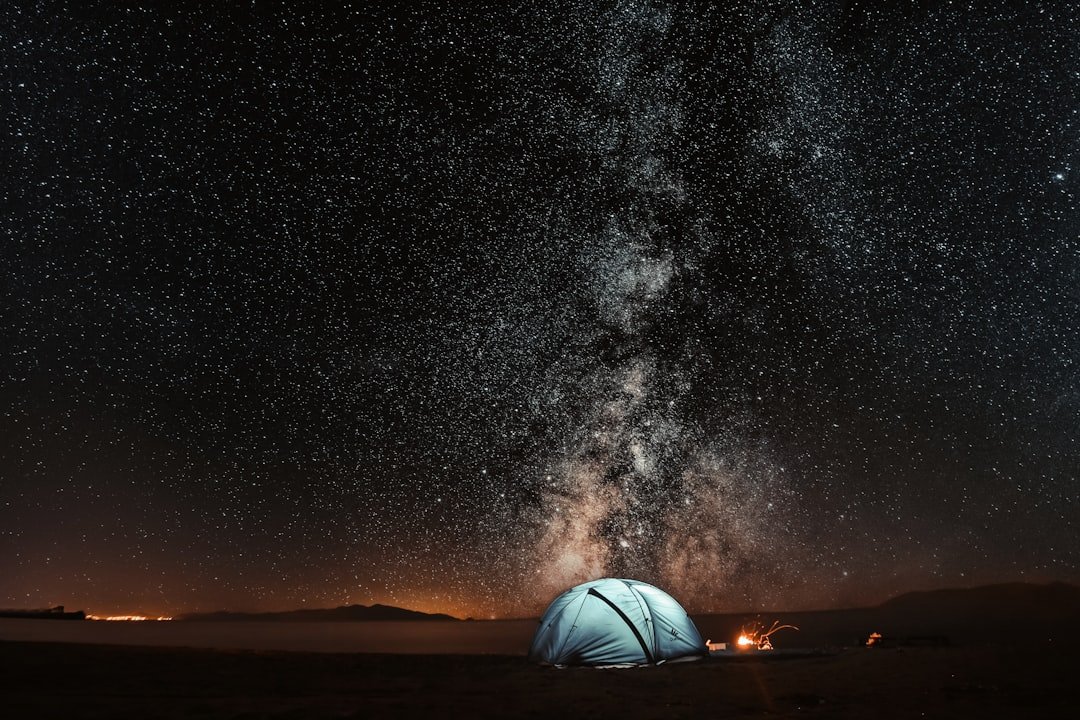
Glacier’s certification comes through its partnership with Waterton Lakes National Park in Canada as the Waterton-Glacier International Peace Park — one of the first transboundary dark sky designifications in the world. The Going-to-the-Sun Road, which we covered in our Glacier National Park summer guide, provides access to some of the most dramatic stargazing terrain you’ll find anywhere. Watching the Milky Way rise over Logan Pass at dawn is the kind of experience that makes you understand why ancient cultures built entire mythologies around the stars.
The park’s annual Glacier Night Sky program runs throughout summer, with rangers providing telescopes and guided constellation tours. For the best experience, stay at the Fish Creek or Apgar campgrounds on the west side, where the wide shoreline of Lake McDonald provides an unobstructed horizon. A good compact camping chair is essential — you’ll be looking up for hours, and your neck will thank you.
Cherry Springs State Park, Pennsylvania
Here’s one for the East Coast crowd. Cherry Springs sits in the Pennsylvania Wilds region, and it’s one of the darkest spots on the entire eastern seaboard. The park has a dedicated Astronomy Field with a 360-degree horizon and concrete pads for telescope setups. It draws astronomers from New York, Philadelphia, and Washington D.C. — all within a day’s drive.
The park is small but well-equipped for stargazers, with electrical outlets on the observation field and a separate camping area. Summer weekends fill up fast, especially around the Perseids, so reserve through the Pennsylvania State Parks system months ahead. I bring a planisphere (a rotating star chart) to help identify constellations — it’s a low-tech tool that’s genuinely more useful than most phone apps because you don’t have to look at a glowing screen.
Bryce Canyon National Park, Utah
Bryce Canyon combines out-of-this-world geology with out-of-this-world skies. The park’s famous hoodoos — tall, thin rock spires — create a surreal foreground for astrophotography, and the park’s astronomy program is one of the most robust in the National Park System. Their annual Bryce Canyon Astronomy Festival typically draws over 1,000 visitors for telescope viewing, guest speakers, and model rocket launches.
Even without the festival, Bryce offers roughly 100 astronomy programs per year. The overlooks along the rim are ideal for naked-eye viewing, and the relatively high elevation (8,000-9,000 feet) keeps the air thin and clear. Invest in a decent travel tripod if you want to try long-exposure shots — the hoodoos under the Milky Way are one of the most photographed night sky scenes in America for good reason.
Kissimmee Prairie Preserve State Park, Florida
Florida might not be the first place that comes to mind for dark skies, but Kissimmee Prairie Preserve — Florida’s first certified Dark Sky Park — offers a surprisingly pristine viewing experience. The preserve protects the largest remaining expanse of dry prairie in Florida, and its flat, open terrain means zero obstructions on the horizon. On clear nights, you can see the Zodiacal Light — a faint triangular glow caused by sunlight reflecting off interplanetary dust — which is invisible from 99% of the eastern United States.
The park offers special “astronomy camping” sites with extra-wide pads for telescope setups. It’s also one of the few Dark Sky Parks where winter is actually the prime season — Florida’s summer humidity and frequent thunderstorms can cloud the skies. But if you time it right between weather systems, the combination of warm temperatures, flat horizons, and dark skies is tough to beat. Don’t forget effective insect repellent — this is still Florida, after all.
Essential Gear for Your First Dark Sky Trip
You don’t need to drop a thousand dollars on a telescope to have an incredible stargazing experience. In fact, I’d argue that most first-timers are better off with a pair of 10×50 binoculars and a red-light headlamp. Binoculars reveal craters on the moon, Jupiter’s four Galilean moons, the Orion Nebula, and thousands of stars invisible to the naked eye — all without the setup time and learning curve of a telescope.
Here’s my short packing list for a summer stargazing trip: a compact ground blanket for lying back (looking up standing gets old fast), layers for temperature drops, your binoculars, that red-light headlamp, and a printed star chart. Leave the white flashlight at home. Seriously. One flash of white light and you’ve lost 20-30 minutes of dark adaptation. It’s the stargazing equivalent of blinding oncoming traffic with your high beams — don’t be that person.
For those ready to take the plunge into astrophotography, start with your smartphone mounted on a tripod using a phone adapter. Most modern phones have a “night mode” or “astrophotography” setting that can capture surprisingly decent Milky Way shots with a 10-30 second exposure. It’s not going to win you a National Geographic contest, but it’ll look incredible on your Instagram.
Planning Your Trip Around the Perseids
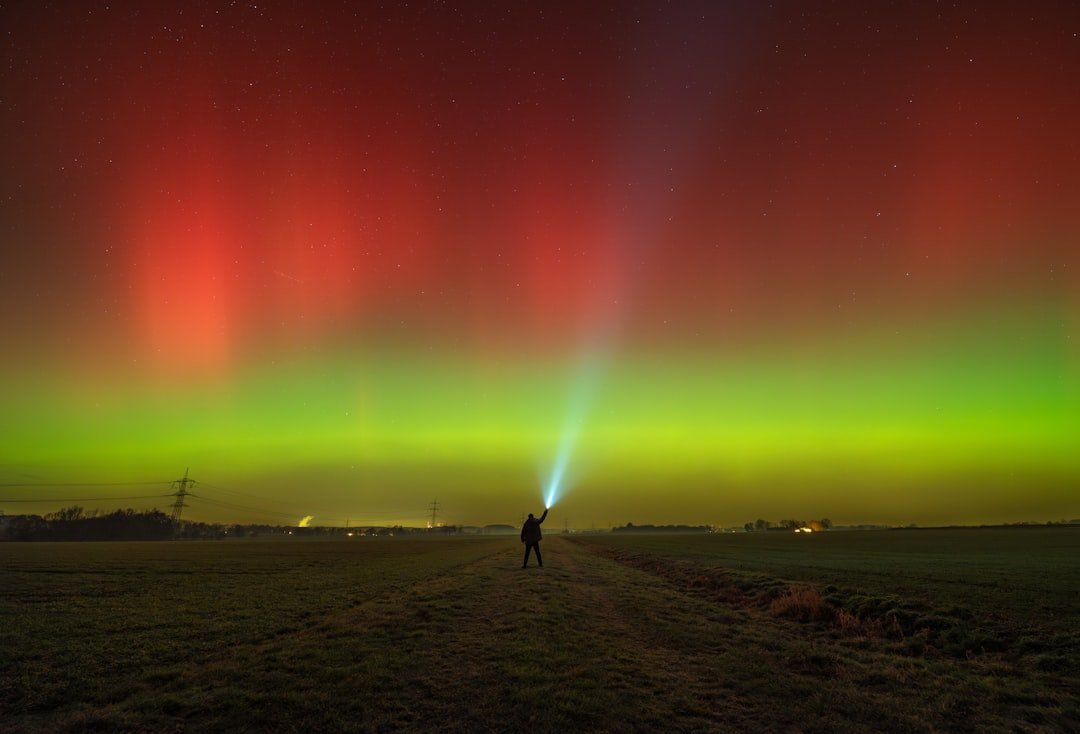
The Perseid meteor shower peaks on the night of August 12-13, 2026, and this year’s viewing conditions are looking excellent. The moon will be in a thin waning crescent phase, meaning minimal moonlight to wash out the fainter meteors. Under dark sky conditions, you can expect to see 60-100 meteors per hour — roughly one every 40 seconds at peak.
My advice: arrive at your chosen park a day or two early to scout locations and acclimate to the darkness. The best meteor viewing happens after midnight when the radiant point (the constellation Perseus) climbs high in the sky. Find a spot with open views to the northeast, set up your chair or blanket, and resist the urge to check your phone. The meteors come in bursts — you’ll see nothing for five minutes, then three in quick succession. Patience is the single most important piece of stargazing equipment you can bring.
If you want to combine stargazing with a broader national park adventure, check out our guide on visiting national parks on a budget — many of the same money-saving strategies apply, and camping is doubly rewarding when you’re falling asleep under a sky full of shooting stars.
A Few Things Nobody Tells You
First: it takes a full 20-30 minutes for your eyes to fully adapt to darkness. Not five minutes. Not ten. Half an hour. Plan accordingly and protect your night vision like gold. Second: the best stargazing often happens in the hours before dawn, not just after sunset. If you’re willing to set an alarm for 3 AM, you’ll be rewarded with views most visitors never see.
Third: many Dark Sky Parks are at elevation, and even in summer, it gets cold at night. Great Basin at 10,000 feet in August can be 35°F. Death Valley in June can still be 95°F at midnight. Check the overnight forecast and pack layers you wouldn’t normally associate with a summer trip. A good packable down jacket takes up almost no space in your bag and can save your entire experience.
Finally, and I cannot stress this enough: tell someone where you’re going. These parks are dark and remote by design. If you’re wandering to a trail overlook at 2 AM to catch the Milky Way’s core rising, make sure someone knows your plan. Carry a personal locator beacon if you’re heading into backcountry areas with no cell service.
The night sky is one of the last truly shared human experiences — every culture, every generation has looked up at the same stars and wondered. America’s Dark Sky Parks give us a rare chance to experience that wonder in something close to its original form. Pick a park, pack your binoculars, and go. The universe is putting on a show every single night. You just have to show up somewhere dark enough to see it.
4 thoughts on “Summer Stargazing 2026: America’s Best Dark Sky Parks and When to Plan Your Trip”