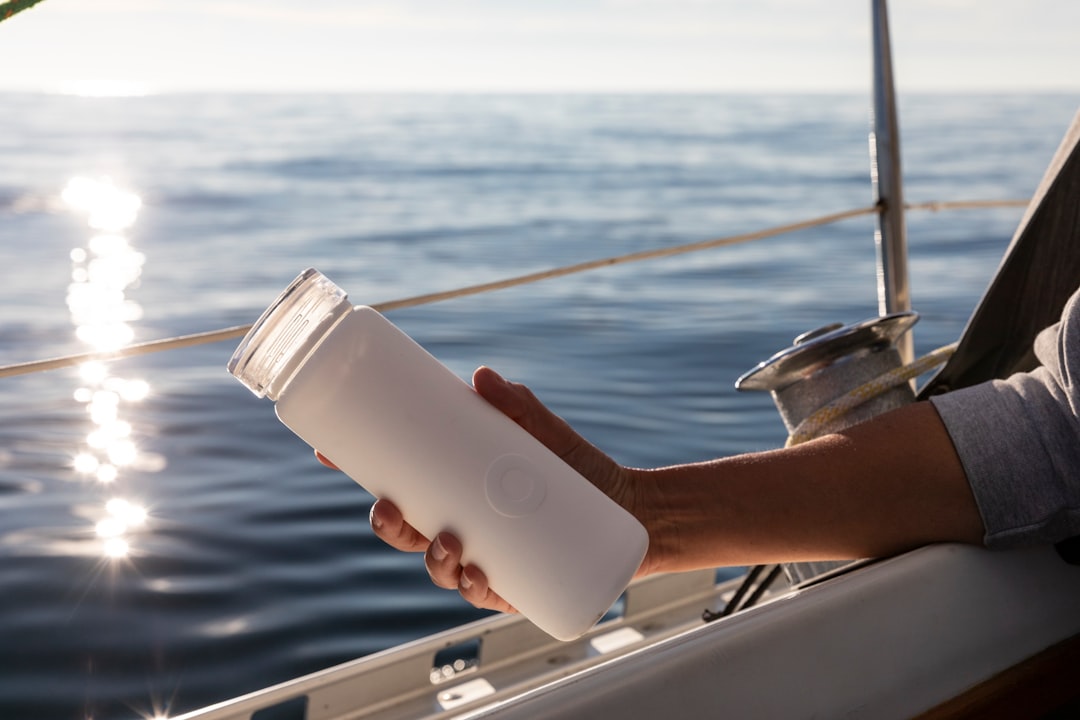
I never thought I’d be the person who travels with a blender. For years, my road trip nutrition strategy was whatever gas station protein bars I could grab between stops, supplemented by the occasional sad airport salad. But after three weeks crisscrossing the Southwest last summer — hiking in Zion, climbing around Sedona, sleeping in everything from tent camps to budget motels — I realized something was off. I felt sluggish. My recovery after long trail days was terrible. The convenience food I was relying on was quietly undermining the adventures I’d traveled thousands of miles to experience.
That’s when one of my teammates, who’d been blending post-hike smoothies in the back of her van the entire trip, handed me a mango-spinach-protein concoction from what looked like a oversized water bottle. It was cold, actually well-blended, and made entirely with a USB-rechargeable device that fit in her cupholder. I was converted on the spot.
I’ve spent the months since testing six portable blenders across road trips, campground setups, hotel rooms, and even a couple of flights. Some genuinely impressed me. Others now live in a box destined for Goodwill. Here’s what I learned — and which models actually earn their space in a travel bag.
What Actually Matters in a Travel Blender
Before getting into specific models, it’s worth talking about what separates a useful portable blender from a novelty gadget that’ll gather dust after one trip. My testing process was simple but thorough: I took each blender on at least two outings, made everything from simple protein shakes to fibrous green smoothies with frozen fruit, and paid attention to the things that matter when you’re far from a real kitchen.
Battery life is the make-or-break factor. A blender that dies after one smoothie on a three-day camping trip isn’t useful — it’s a paperweight taking up valuable pack space. The best models I tested delivered 15+ blends per charge, which is enough for a long weekend even if you’re sharing. USB-C charging is non-negotiable at this point; anything using legacy micro-USB or, heaven forbid, proprietary chargers gets an immediate demerit because it means carrying yet another cable. My portable power bank setup already handles my phone, headlamp, and GPS — adding a blender to that ecosystem only works if it speaks the same charging language.
Blade power matters more than marketing suggests. Some manufacturers throw around impressive wattage numbers, but what actually counts is whether the blades can handle frozen fruit and ice without stalling, choking, or leaving you with a lumpy mess. I tested every model with the same smoothie recipe — frozen mango, banana, spinach, protein powder, and almond milk — because consistency in testing reveals which motors are actually built for real-world use.
Cleanup is the hidden dealbreaker nobody talks about. In a hotel room or at a campsite, you don’t have a dishwasher or a deep utility sink. If a blender has parts that trap food in hard-to-reach crevices, or if the blade assembly isn’t detachable, you’ll eventually stop using it because cleaning becomes a chore. The models that earned permanent spots in my rotation all had dishwasher-safe components and could be quickly rinsed in a hotel sink.
And then there’s size. Every cubic inch in your travel bag is contested territory. A blender that’s too tall won’t fit in a standard cupholder, and one that’s too wide eats into food storage. When you’re trying to pack light for extended travel, a bulky appliance better justify its footprint.
The Contenders: Six Blenders, Thousands of Miles
My testing methodology was straightforward but demanding. Each blender went on at least two trips — one road-trip scenario with vehicle access and one more remote outing where I was working from a backpack or campervan kitchen. I evaluated them on blending performance, battery endurance, cleanability, portability, and overall durability. Here’s how the field shook out.
The Front-Runner: Ninja Blast Max
If I had to recommend just one portable blender to a traveling friend, the Ninja Blast Max would be it. The 22-ounce capacity is generous — large enough for a substantial post-hike smoothie without needing a refill — and the twist-and-go operation is satisfyingly simple. You load your ingredients, twist the base, and it blends. No buttons to fumble with, no complicated settings.
What set the Blast Max apart was its motor consistency. Frozen mango and ice that stalled lesser blenders barely slowed this one down. The blade design creates a vortex that pulls ingredients down rather than pushing them against the walls, which means fewer stops to shake the bottle and restart. Over a four-day Utah national parks trip, my team made at least 20 smoothies on a single charge, and the battery indicator was still showing two bars when we got home.
USB-C charging, dishwasher-safe parts, a leakproof lid with a sip spout — the design touches add up. My one complaint is the weight. At roughly a pound and a half, it’s not the lightest option here. But that extra mass translates to a motor that actually delivers, and I’ll take a few extra ounces over a blender that can’t handle frozen fruit any day.
The Budget Pick: Hamilton Beach 14-Ounce
Not everyone needs — or wants — to spend premium money on a travel blender. The Hamilton Beach Portable Blender retails for less than half what the Ninja costs, and honestly, it handles 80% of what most travelers will ask of it. The 14-ounce jar is smaller, yes, but for quick protein shakes or simple fruit smoothies, it’s perfectly adequate.
Where it falls short is with more demanding ingredients. Frozen strawberries and large ice cubes gave it noticeable trouble — I had to stop, shake, and restart multiple times to get an even consistency. If your typical smoothie leans toward soft fruits, protein powder, and liquids, this won’t be an issue. But if you’re packing in frozen ingredients at a campsite, you’ll need patience.
Still, for the price, it’s hard to complain. I’ve kept this one in my campervan as a backup, and it’s been reliable for morning protein shakes when I don’t need the full power of the Ninja.
The Original Ninja Blast (Still Going Strong)
The Ninja BC151 Blast — the 18-ounce predecessor to the Max — deserves mention because it’s still widely available and often discounted. The 18-ounce vessel is noticeably smaller than the Max’s 22, and the motor doesn’t quite match the newer model’s power. But during my testing, it handled everything I threw at it, just with occasional pauses to shake ingredients down.
If you find this model on sale and don’t need the extra capacity, it’s a solid choice. The USB-C charging, leakproof lid, and dishwasher-safe design are all present. Just know that the battery life is slightly shorter — I averaged about 12 blends per charge versus the Max’s 20+.
The Wildcard: QUIK 24-Ounce
The QUIK Portable Blender caught my attention with its 24-ounce capacity — the largest in my test group. That’s a real meal replacement smoothie, not a snack. The triple-battery design promises extended runtime, and in practice, it delivered roughly 18 blends per charge, which is excellent.
The blending performance was inconsistent, though. Simple shakes came out perfectly smooth, but when I loaded it with frozen fruit and leafy greens, the results were chunky and uneven. The blade design seems optimized for liquids and powders rather than whole-food ingredients. I also found the fit and finish slightly behind the Ninja models — the seal between the blade base and the jar required careful alignment, and I had one minor leak when I didn’t twist it perfectly.
For travelers who primarily make protein shakes rather than green smoothies, the QUIK’s large capacity and battery life make it a compelling option. Just manage your expectations on blend quality with heavier ingredients.
The Compact Option: Mulli USB Rechargeable
The Mulli Portable Blender is the smallest model I tested — small enough to slip into a backpack side pocket. The six-blade design is impressive for the size, and it handled soft-fruit smoothies better than I expected. Battery life was the weakest in the group at roughly 8-10 blends per charge, which limits it to shorter trips.
Where the Mulli shines is as a supplementary blender. I brought it on a weekend kayak camping trip where pack space was at an absolute premium, and it was just enough for two people to have a quick morning smoothie before hitting the water. For anything longer, or for anyone serious about post-workout nutrition on the road, you’ll want something with more capacity and endurance.
The USB-C Newcomer: 17oz LED Display Model
I’ll be honest — I was skeptical of the portable blender with LED display that’s been popping up in my social feeds. The digital battery percentage display felt like a gimmick. Turns out, it’s genuinely useful. Knowing exactly how much charge remains eliminates the anxiety of wondering whether your blender will die mid-smoothie on day three of a trip.
The 17-ounce capacity puts it between the Ninja Blast and Blast Max. Blending performance was middle-of-the-pack — it handled frozen fruit adequately but needed a few extra seconds compared to the Ninja models. The six stainless steel blades create a decent vortex, and the build quality feels solid for the price point.
Would I choose it over the Ninja Blast Max? No. But for someone who wants a capable blender with modern charging and a clear battery readout at a mid-range price, it’s a legitimate option.
Why Not Just Use a Shaker Bottle?
Fair question. For years, I did exactly that — carried a BlenderBottle Sport Stainless shaker and mixed protein powder the old-fashioned way. Shake vigorously, accept the lumps, move on. For protein powder and water or milk, a shaker bottle works fine and requires zero battery power.
But a shaker bottle can’t blend frozen fruit, can’t incorporate leafy greens, and can’t produce the smooth texture that makes a smoothie actually enjoyable rather than something you choke down for nutrition. If your travel nutrition is simple — powder and liquid — save your money and stick with a shaker. The Stanley Vitalize shaker is particularly good, with insulated stainless steel construction that keeps drinks cold and a storage compartment in the base for powder.
The moment you want real food in your travel nutrition — fresh or frozen fruit, vegetables, nut butters, ice — a blender becomes essential. That’s the threshold I crossed, and once I did, there was no going back to the shaker-only approach.
Making It Work on the Road: Practical Tips
Having a portable blender is one thing. Actually using it well while traveling requires some planning. Here’s what I’ve learned from months of real-world use.
Pre-Pack Your Smoothie Ingredients
The biggest barrier to using a travel blender isn’t the equipment — it’s prep. At home, I have a freezer full of ingredients and a blender ready to go. On the road, I’m starting from zero every morning. The solution that worked best for me was pre-packing smoothie kits in zip-top bags before leaving home: measured portions of frozen fruit, protein powder, and any add-ins like chia seeds or cacao powder. Each morning, I dump a bag into the blender, add liquid from a water bottle, and blend. Total prep time: about 30 seconds.
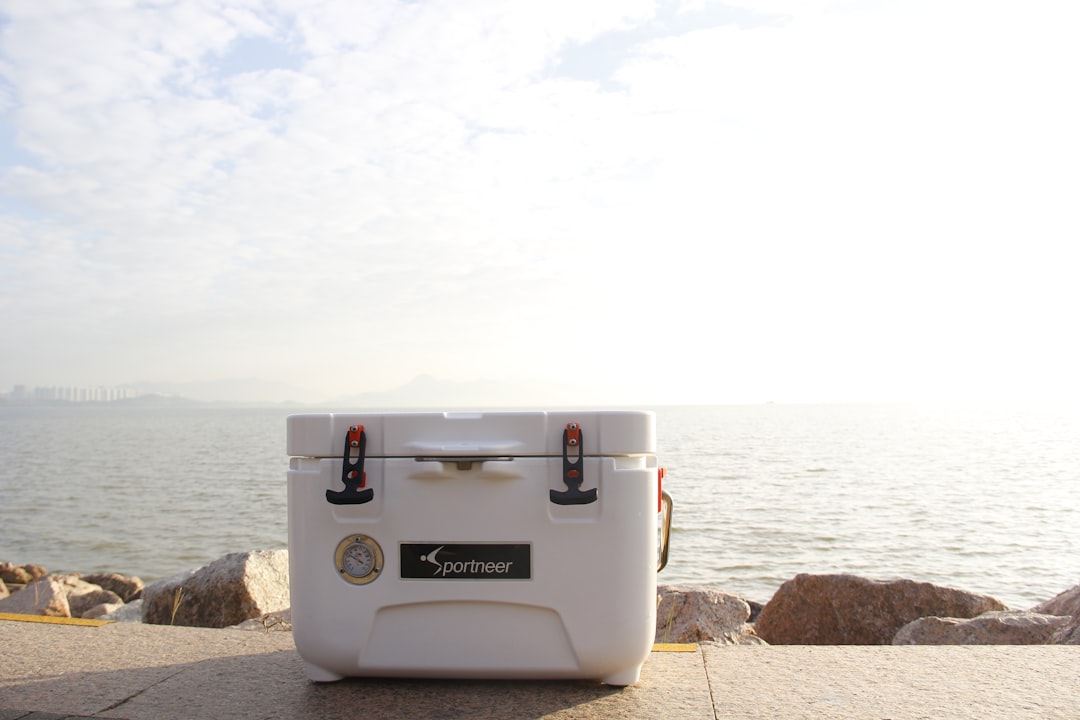
For longer trips where I can’t carry enough pre-made kits, I stop at grocery stores along the route. Bananas are available everywhere and don’t need refrigeration. Frozen fruit bags can live in a collapsible soft cooler with a couple of reusable ice packs, and they’ll stay frozen for a full day of driving if you pack them smart.
Manage Your Power Budget
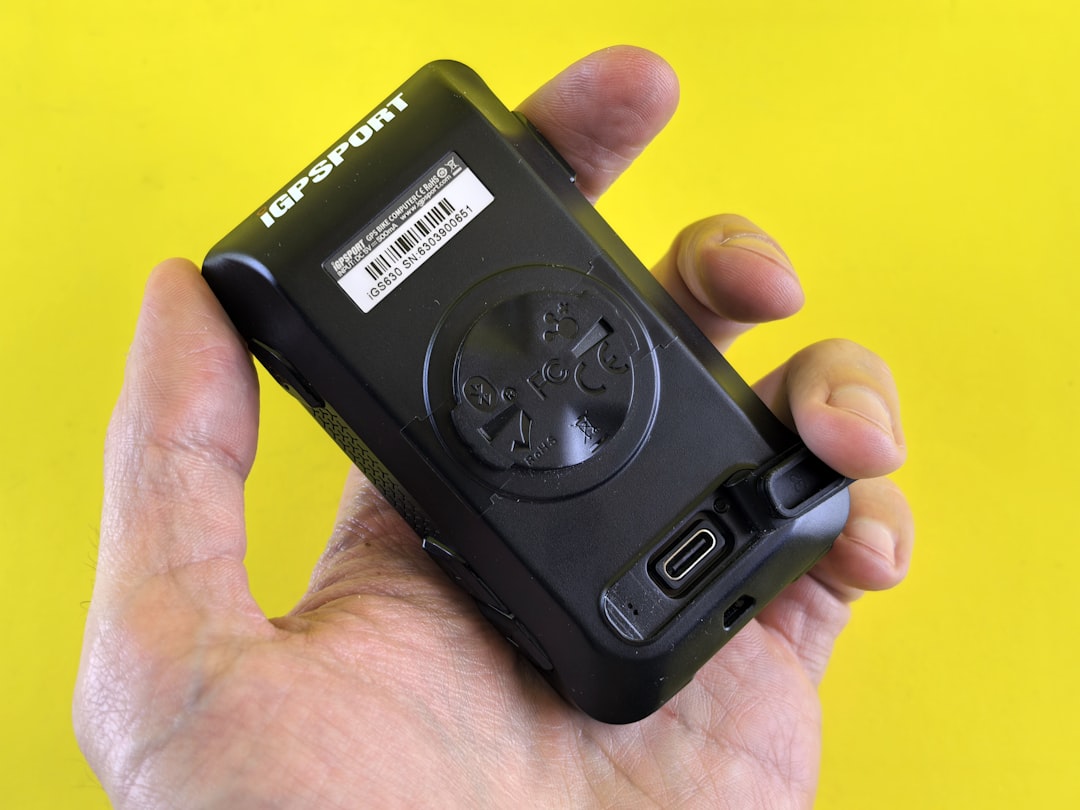
If you’re car-camping or van-living, charging a blender is trivial — plug it into a USB port or 12V outlet. But if you’re backpacking or working from a day pack, every USB-C device competes for the same limited battery capacity. I charge my blender every night alongside my phone and headlamp, and I travel with a power bank rated for at least 20,000mAh. The beauty of USB-C standardization is that one cable and one power source handles everything.
Clean Immediately
This is the single most important habit I developed. The moment you finish your smoothie — not in ten minutes, not after you’ve broken camp — rinse the blender with water, add a drop of dish soap if you have it, and run it for five seconds. This flushes out every crevice of the blade assembly and prevents protein powder and fruit residue from drying into cement. At a campground with no running water, I use my drinking water bottle to rinse. Yes, it uses some water, but it’s far less wasteful than trying to scrub dried smoothie out of blade housing later.
Think Beyond Smoothies
A portable blender is more versatile than most people realize. My team has used ours to make salsa for campfire nachos, pancake batter at a campervan kitchen setup, whipped cream for a particularly decadent trail-side coffee, and even compound butter to spread on grilled corn. Once you have a blending tool available, you start finding uses for it beyond the morning smoothie routine.
The Verdict After Real Mileage
After months of testing across thousands of miles of highway, trail, and everything in between, the portable blender category has proven itself to be more than a gimmick. The best models — particularly the Ninja Blast Max and, for budget-conscious travelers, the Hamilton Beach — genuinely deliver on the promise of real nutrition on the road. They’ve changed how I eat while traveling, and that’s changed how I feel during and after adventures.
If you’re on the fence, consider what your current road food situation looks like. If you’re happy with trail mix and gas station fare, a blender won’t change your life. But if you’ve ever ended a long hike feeling depleted and wished for something cold, fresh, and actually nutritious — something that would help you recover rather than just fill your stomach — a portable blender might be the most impactful piece of travel gear you add this year.
The KOIOS 900W personal blender is worth a look too if you want something that can pull double duty in a vacation rental kitchen — it comes with three to-go cups and handles more like a traditional countertop blender while still being packable for road trips where you’ll have a base of operations.
Just like investing in a good portable coffee maker changed my mornings on the road, adding blending capability changed my afternoons and recovery. The right gear makes remote nutrition possible, and possible beats hypothetical every single time.