I almost didn’t write this article. Not because Whitefish, Montana doesn’t deserve the attention — it absolutely does — but because part of me wants to keep it quiet. This is the kind of town that makes you reconsider your entire life plan, and I’m not entirely sure I want the secret getting out. But here we are.
I showed up in Whitefish on a late June afternoon with zero expectations. I’d been spending a week exploring Glacier National Park and needed a place to crash before my early morning hike to Iceberg Lake. What I found was a mountain town so genuinely charming that I ended up staying four extra days, blowing my itinerary to pieces and not regretting it for a second.
Why Whitefish Hits Different Than Other Mountain Towns
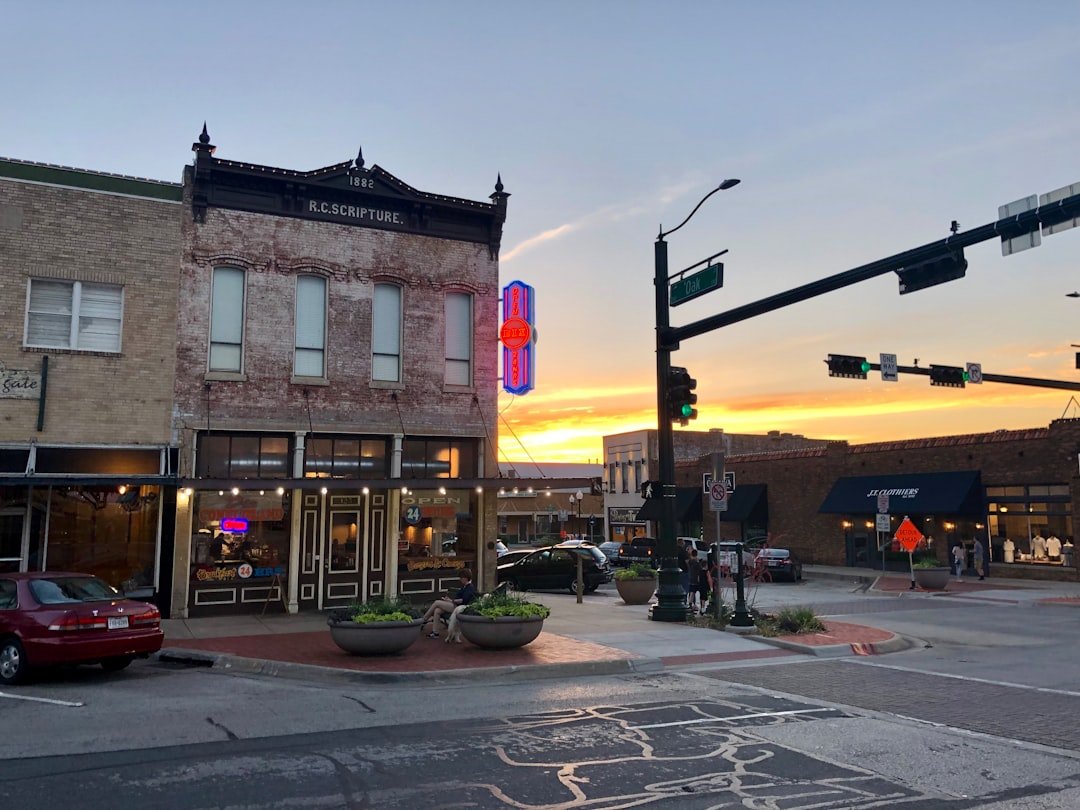
Look, I’ve been to Aspen. I’ve wandered through Park City and Sun Valley and Jackson Hole. Those places are beautiful, sure, but they’ve also been polished into something that feels more like a luxury mall than an actual town. Whitefish hasn’t been sanded down. It still has rough edges in the best way possible — dive bars next to farm-to-table restaurants, locals who’ll actually tell you where the good fishing spots are, and a main street that hasn’t been entirely taken over by $200 t-shirt shops.
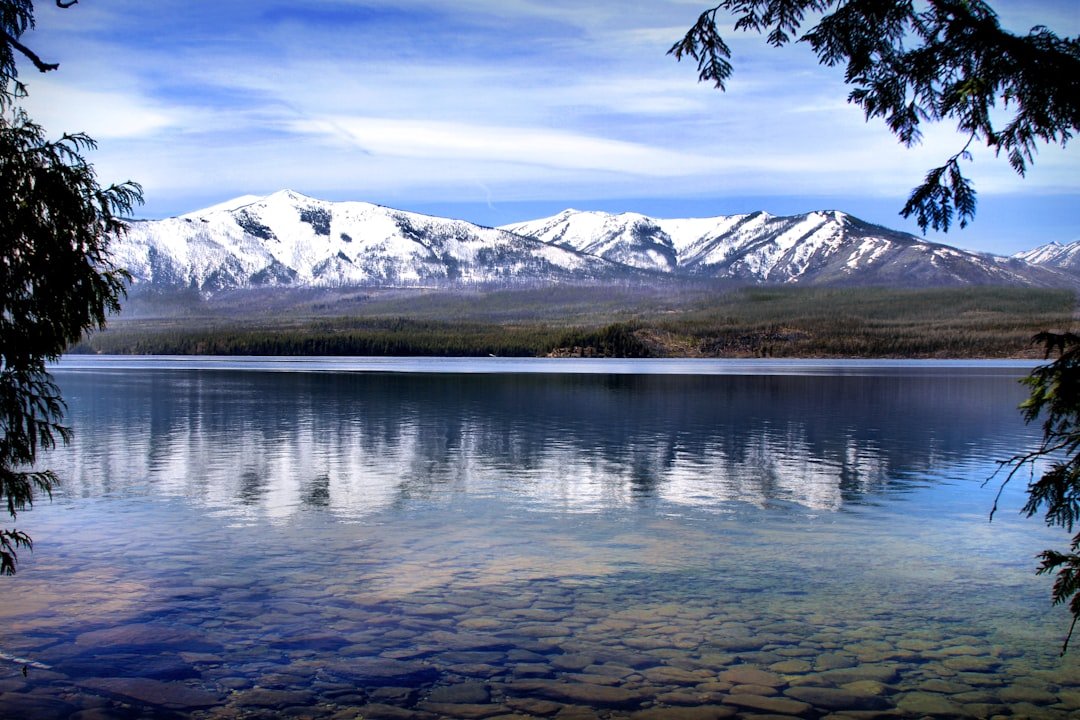
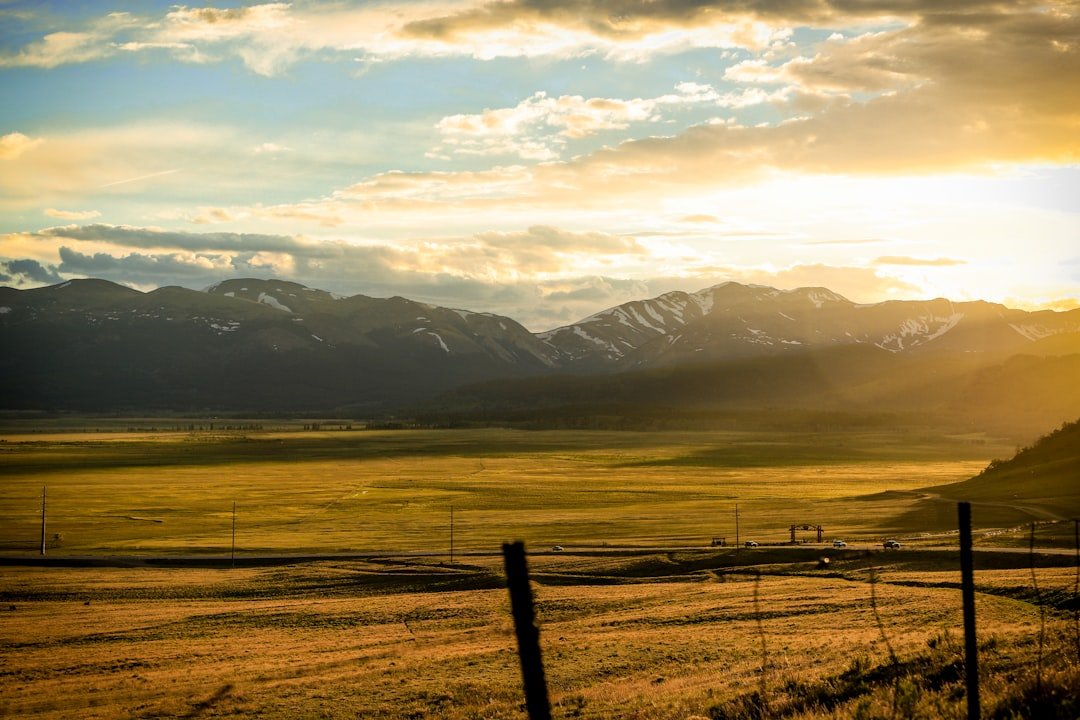
The town sits at the edge of Whitefish Lake, with Big Mountain rising up behind it and Glacier National Park’s peaks filling the horizon to the east. About 8,000 people call it home year-round, and there’s a kind of easygoing rhythm here that I’ve rarely found anywhere else in the Mountain West. People wave when you pass. The barista remembers your order on day two. The guy at the gear shop spends twenty minutes explaining trail conditions because he actually hiked them yesterday.
Getting There and When to Go
Whitefish is about 30 miles west of Glacier National Park’s west entrance, which makes it the most convenient base camp for exploring the park without actually staying inside it. The closest airport is Glacier Park International in Kalispell, about 20 minutes south, with direct flights from Seattle, Denver, Minneapolis, and a handful of other cities. If you’re road-tripping — and honestly, you should be — it’s a stunning drive from either Spokane to the west or Great Falls to the east.
Summer is peak season, running roughly from late June through September, when the Going-to-the-Sun Road is fully open and the trails are snow-free. But here’s what nobody tells you: September might be the sweet spot. The crowds thin out, the huckleberries are at their peak, and the larch trees turn gold along the mountainsides. I’m already planning a return trip for early fall. If you’re planning your own visit, I’d strongly recommend packing a solid 20-liter hiking daypack — you’ll use it every single day here.
Whitefish Lake: The Town’s Liquid Centerpiece
My first morning in town, I walked down to City Beach — yes, that’s really the name — and found a handful of locals doing their daily swim in Whitefish Lake. The water was cold enough to make your teeth ache, and they were all just casually chatting like this was normal behavior. By July, the lake warms up enough to be genuinely swimmable, and on a hot afternoon, there’s nothing better than floating on a stand-up paddleboard with the Swan Range reflected in the glassy surface.
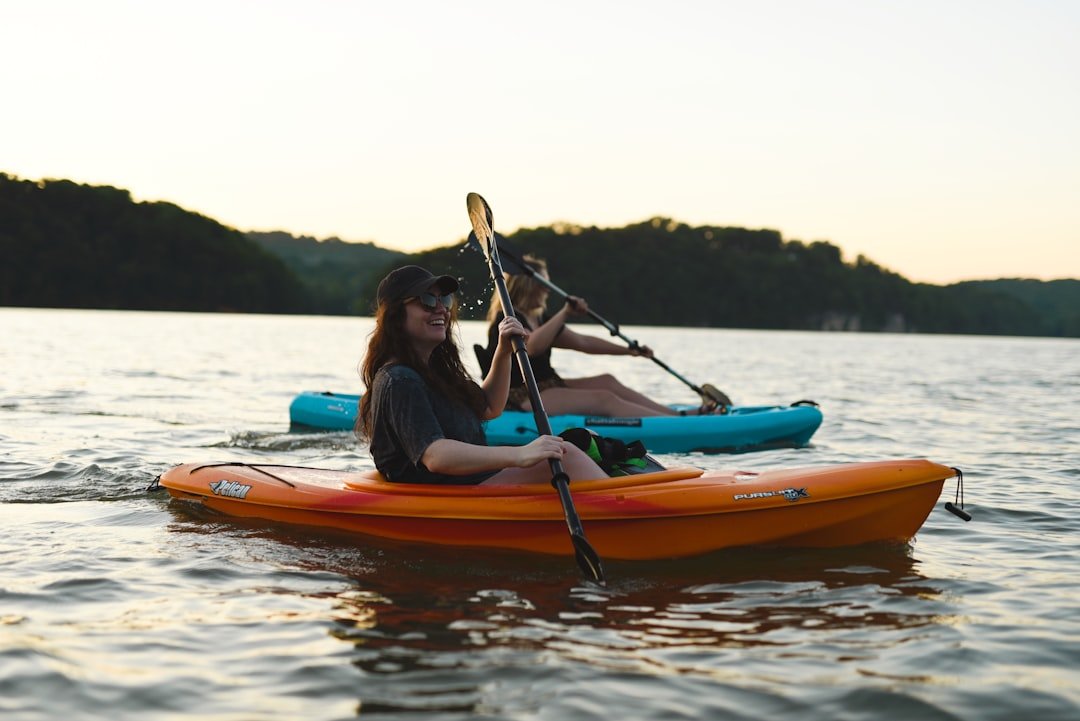
You can rent kayaks, canoes, and paddleboards right at the beach. I spent an entire afternoon paddling the shoreline, watching bald eagles fish from the snags along the north shore. It’s one of those experiences that costs almost nothing but sticks with you for years. A decent waterproof dry bag is worth its weight in gold if you’re planning to get out on the water — I learned that lesson the hard way when my phone took an unplanned dip.
Whitefish Mountain Resort: Not Just for Winter
I’ll be honest — I didn’t expect much from a ski resort in summer. I figured maybe a chairlift ride and an overpriced burger. What I got was a full day of mountain biking trails that ranged from genuinely beginner-friendly to absolutely terrifying, a zip line course that had me screaming like a child, and an alpine slide that I rode four times in a row. The mountain biking gear you’ll want depends on your skill level, but the resort rents everything you need if you’re traveling light.
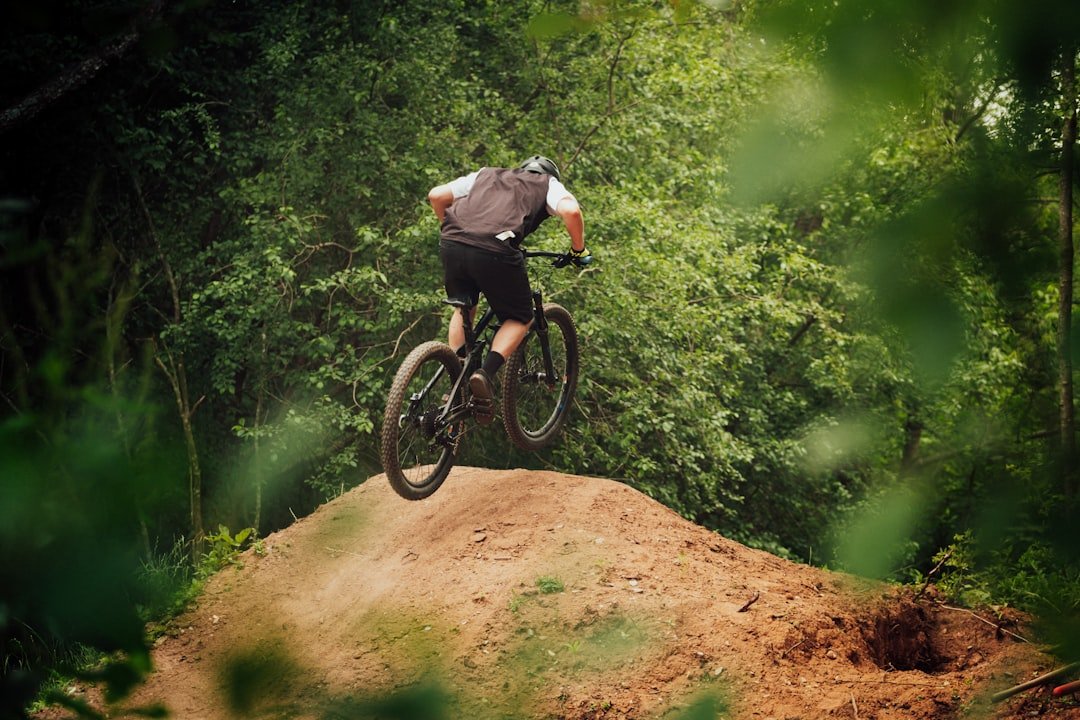
The Summit Trail, accessible via the scenic chairlift, gave me one of the best panoramic views I’ve seen anywhere in Montana — and I’ve driven the Beartooth Highway, so that’s not a statement I make lightly. On a clear day, you can see into Glacier, across the Flathead Valley, and all the way to the Canadian Rockies. Pack a good insulated water bottle because there’s zero shade at the summit and the sun at that elevation is relentless.
Downtown Whitefish: Where I Spent Way Too Much Money
Central Avenue runs about six blocks through the heart of town, and somehow I managed to spend an entire afternoon walking its length. The Bookworks is an independent bookstore with a curated selection that genuinely reflects the region — I picked up three books on Montana history that I absolutely did not need but couldn’t resist. The Whitefish Pottery Company sells gorgeous, functional stoneware made right in town.
When it comes to food, Whitefish punches way above its weight class. Cafe Kandahar, tucked inside the Kandahar Lodge, serves European-inspired mountain cuisine that’s worth every penny. For something more casual, the Great Northern Brewing Company has solid pub fare and excellent beer brewed on-site. And I’m legally obligated to mention that the huckleberry pie at the Buffalo Cafe should probably have its own zip code.
Glacier National Park: Your Backyard Playground
Let’s be real — most people come to Whitefish because it’s the gateway to Glacier, and I was no exception. Having already written about my experiences in Glacier National Park, I won’t rehash everything here. But I will say that staying in Whitefish rather than inside the park gave me a completely different experience. Each evening, I’d return from a day of hiking to hot showers, a real bed, and restaurants that didn’t require a 45-minute wait. Then I’d head back into the park the next morning refreshed instead of exhausted.
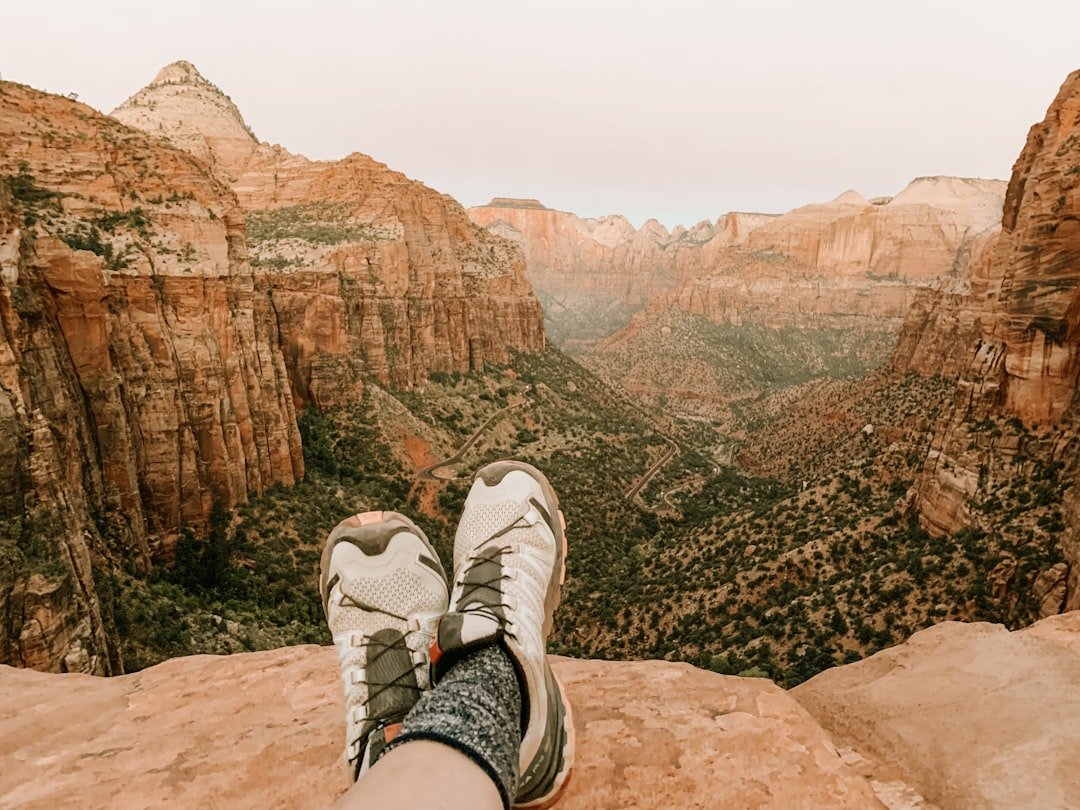
The drive from Whitefish to the West Glacier entrance takes about 35 minutes, and it’s a gorgeous warm-up for what’s ahead. If you’re planning to tackle some of the park’s spectacular waterfall hikes, I’d recommend investing in a pair of waterproof hiking boots — the trails in Glacier can be soggy well into July, and wet feet will ruin your day faster than anything else in the backcountry.
Huckleberry Season: The Wild Treasure Hunt
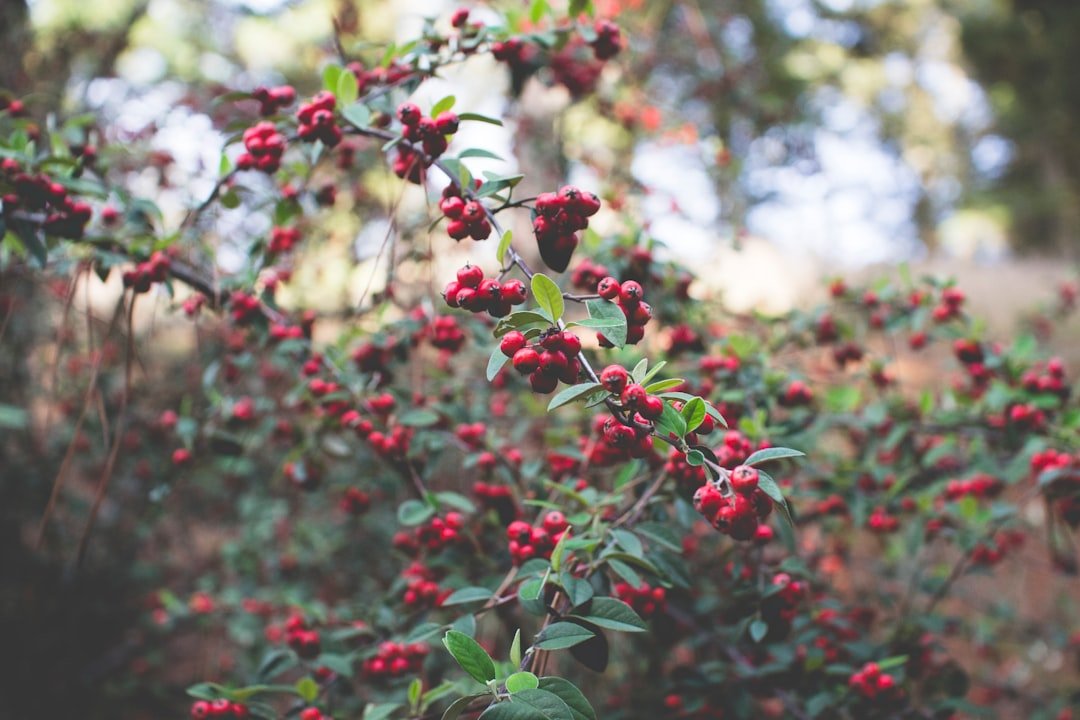
Somewhere between my second and third slice of huckleberry pie, I became mildly obsessed with finding wild huckleberries. These tiny, tart-sweet purple gems grow at mid-to-high elevations throughout the region, and they’re the defining flavor of northwest Montana. The season typically runs from late July through September, depending on elevation.
Finding them is another matter entirely. Locals guard their picking spots with the same ferocity that fishermen protect their secret holes. Whitefish Mountain Resort sometimes posts huckleberry reports during the season, and the trails around the summit can be productive. I’ll just say this: if you’re lucky enough to find a patch, pick only what you need and leave plenty for the bears. Yes, the bears. This is grizzly country, and they take huckleberry season very seriously. Carrying bear spray isn’t optional here — it’s as essential as your sunscreen.
Where to Stay
Whitefish has a surprisingly wide range of accommodations for a town its size. The Lodge at Whitefish Lake is the splurge option — lakefront, full-service, with a spa that I absolutely used after three consecutive days of hiking. For something more budget-friendly, there are a handful of motels along Spokane Avenue that are clean and comfortable without breaking the bank.
If you’re like me and prefer to visit national parks on a budget, there are several Forest Service campgrounds within a short drive of town. Whitefish Lake State Park has campsites right on the water for a fraction of what you’d pay for a hotel. I met a couple from Minnesota there who’d been coming back every summer for twelve years, which tells you everything you need to know about this place. A good compact sleeping bag and a lightweight camping chair will make your campground experience infinitely more comfortable.
Practical Tips I Wish Someone Had Told Me
First: cell service in Glacier is spotty at best, and even in Whitefish it can be inconsistent depending on your carrier. Download your maps and trail information before you head out. A high-capacity portable charger is absolutely essential — I drained mine completely on more than one long day in the park.
Second: make dinner reservations. I showed up at Cafe Kandahar on a Thursday without one and had to eat at the bar — which honestly turned out great, but you might not get as lucky during peak season. Third: the Going-to-the-Sun Road requires a vehicle reservation during summer 2026, so plan ahead through recreation.gov. Fourth: bring layers. Even in July, mornings in the mountains can be brisk, and the weather changes fast. A packable lightweight rain jacket saved me more than once.
Finally, and I can’t stress this enough: slow down. Whitefish isn’t a place you rush through. It’s a place you settle into. Order a coffee, sit on a bench overlooking the lake, and let the mountains do what mountains do. They’ll remind you that your deadlines and your inbox can wait. Trust me — they’ll still be there when you get back. The magic of Whitefish, though, might not.