The Game-Changing Freedom of Powering Your RV While You Drive
There’s a particular kind of anxiety that strikes every RVer when you’re miles from the nearest campground, watching your battery monitor dip toward that dangerous red zone. Maybe you’ve been there— parked in some stunning dispersed camping spot, far from electrical hookups, doing the mental math about whether you can run the furnace tonight or if you’ll need to pack up and hunt down a powered site tomorrow. That tension between staying in beautiful places and needing electricity has defined off-grid RV travel for decades. But what if you could recharge your RV’s batteries while simply driving down the highway toward your next adventure? That’s the revolutionary promise of using your truck’s built-in generator to power your travel trailer, and it’s fundamentally changing how we think about extended road trips and boondocking.

Why This Changes Everything for Off-Grid Campers
The appeal of boondocking—camping without hookups—has always been about accessing those spectacular, secluded spots that RV parks simply can’t offer. We’re talking about dispersed sites on BLM land, forest service campgrounds with basic amenities, or that perfect pullout you found with an unmatched view of the sunset. But the tradeoff has always been power management. Every light you turn on, every hour you run the furnace, every time you charge your phone or laptop—it all draws from your battery bank, and once it’s gone, you’re either packing up or investing thousands in solar panels and generator setups. Many RVers eventually accept this as just part of the lifestyle, learning to live with diminished power or spending big money on solar installations that still depend on sunny weather.
But imagine a different paradigm: what if the truck you’re already using to tow your trailer could also serve as a high-output mobile generator? Not the noisy, fuel-guzzling portable generators that some campers reluctantly set up (and that many campgrounds restrict), but a quiet, integrated system that produces clean power while you’re driving between destinations. Suddenly, that battery anxiety starts to dissolve. You can camp further from civilization, stay longer in beautiful spots, and use your RV’s electrical systems more freely—all because your tow vehicle is quietly replenishing your batteries every time you drive to a trailhead, resupply in town, or simply explore scenic byways. This isn’t just about convenience; it’s about fundamentally expanding the possibilities of where and how you can travel with an RV. For those of us who prioritize off-grid camping experiences, it represents a significant leap forward in self-sufficient travel.
How Truck-to-RV Charging Actually Works
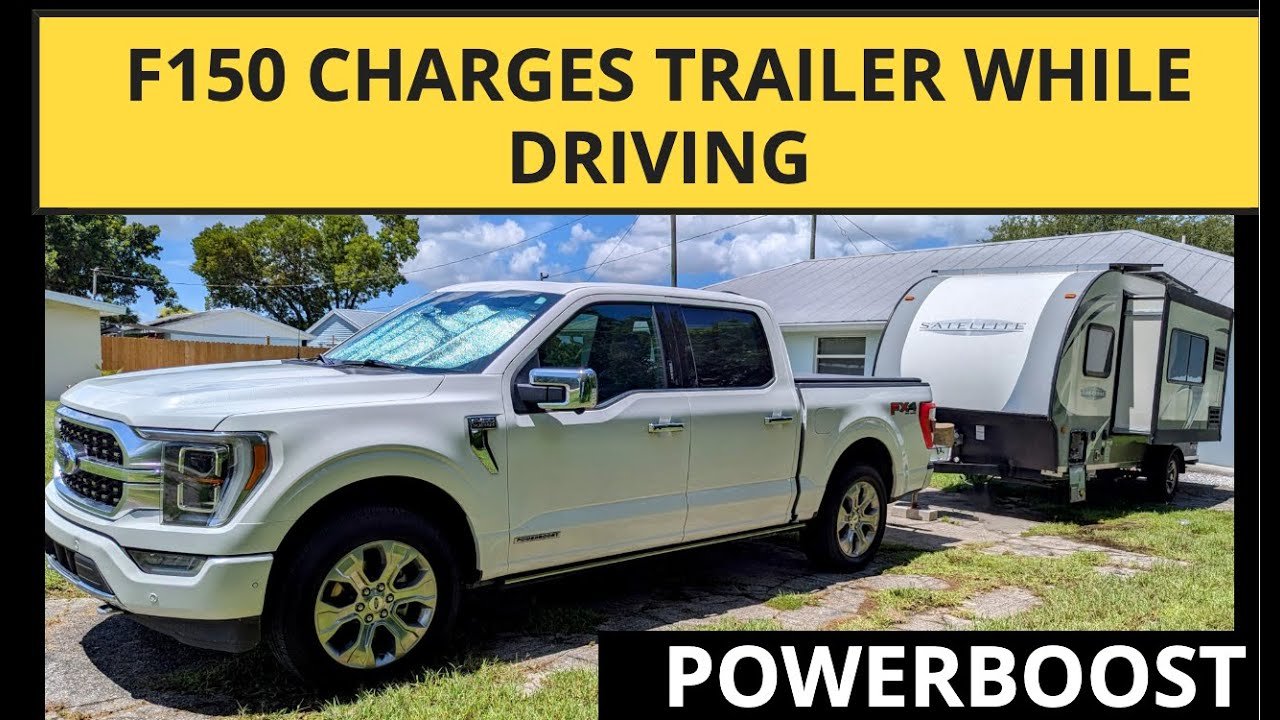
The technology that makes this possible has been hiding in plain sight for several years, particularly in Ford’s F-150 PowerBoost hybrid trucks. These trucks come equipped with what Ford calls Pro Power Onboard—essentially a built-in generator system that can deliver substantial electrical power through outlets in the truck bed. The 30-amp, 240-volt version (available on certain trim levels) produces up to 7.2 kilowatts of power, which is serious electrical capacity. While most owners use these outlets for job site power tools, tailgating equipment, or emergency backup power during outages, a growing community of RVers has discovered that this same system can charge their travel trailer’s batteries while driving.

The setup typically involves creating a connection between your truck’s Pro Power outlet and your trailer’s battery charging system. Most travel trailers have a 30-amp shore power connection designed for campground hookups, and with the right cable and adapters, you can route power from the truck’s generator outlet to this trailer inlet. The truck’s generator produces clean, stable AC power that your trailer’s converter/charger can use to replenish the house batteries. Because the system runs off the truck’s engine and hybrid battery system, it’s producing this power regardless of whether you’re actively driving or just idling in a parking spot (though for efficiency and safety, most operators charge while driving). The result is a continuous, substantial flow of power into your RV’s batteries—potentially delivering 2,000-2,700 watts depending on your specific setup.
What You Need to Make This Work
Implementing a truck-to-RV charging setup requires some specific components and electrical know-how, but it’s increasingly within reach for DIY-capable RVers. First and foremost, you need a compatible truck with a built-in generator system—currently, that means Ford F-150 PowerBoost models with the available Pro Power Onboard system (other manufacturers are beginning to introduce similar technology, but Ford’s implementation is currently the most developed for this application). You’ll need the 30-amp/240-volt version, not the smaller 2.0kW system, to deliver meaningful charging capacity to your RV.

On the connection side, you’ll need a custom cable that bridges the truck’s generator outlet (typically a L14-30P locking plug) to your trailer’s power inlet. Many RVers create this cable themselves using heavy-duty generator cables and appropriate adapters, ensuring all connections are weatherproof and secure. The routing of this cable requires some consideration—you’ll want it positioned so it doesn’t drag on the ground, interfere with turning, or create tripping hazards. Creative solutions include routing the cable through protective loom and securing it along the trailer tongue or bumper so it stays safely out of the way during travel.
Inside your trailer, you’ll want to ensure your converter/charger is up to the task of efficiently converting incoming AC power into DC power for your batteries. Many modern RVs come equipped with decent multi-stage chargers, but older models might benefit from an upgraded battery charger that can handle the incoming power more effectively. You’ll also want to assess your battery bank itself—lead-acid batteries will charge differently than lithium, and having adequate capacity means you can store more of that power you’re generating while driving. Some RVers choose to supplement their charging setup with solar panels for additional charging when parked, creating a robust multi-source power system.
The Real-World Benefits for Your Travels
So what does this all look like in practice? Imagine you’re driving through the Southwest, heading toward a week of dispersed camping on BLM land. Under traditional RV power management, you’d need to carefully ration your electricity—maybe limiting furnace use, being mindful of water pump usage, and hoping your solar panels (if you have them) can keep up with demand. But with truck-to-RV charging, every mile you drive is actively replenishing your batteries. That three-hour drive between national parks? That’s potentially six hours of charging time (round trip) that’s adding substantial capacity back into your system. The grocery run into town? More charging. The day trip to a scenic viewpoint? You guessed it—more charging.
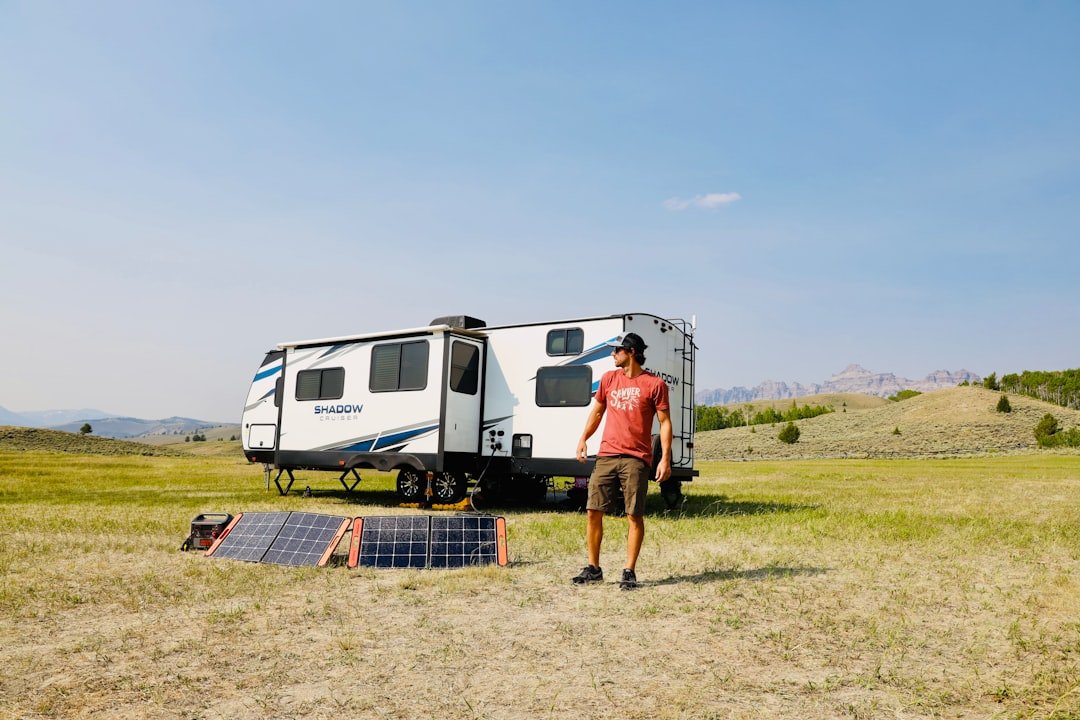
This paradigm shift opens up new possibilities for how you travel. Instead of feeling tethered to campgrounds with electrical hookups, you can confidently book longer stays in beautiful dispersed locations. Instead of carefully calculating every amp-hour of battery usage, you can use your RV’s electrical systems more freely—run the furnace on chilly nights, charge laptops and cameras, power a small electric cooler, or even run a coffee maker in the morning. The psychological shift is significant: you’re no longer constantly monitoring your battery monitor with anxiety, but rather driving with the knowledge that every mile is adding capacity back into your system.
For families, this means more flexibility in travel planning. You can stop at interesting places along your route without worrying about depleting your power budget. For full-time RVers or those taking extended road trips, it reduces the frequency of needing to find paid campsites for electrical recharge. And for anyone who’s ever had to cut a boondocking stay short because of low batteries, this technology offers a way to extend those off-grid adventures while still maintaining the electrical comforts that make RV travel enjoyable.
Understanding the Limitations and Considerations
As exciting as this technology is, it’s important to understand its limitations and think through the practical considerations. First, you’re still fundamentally dependent on driving to generate power—if you stay in one place for an extended period without moving the truck, you won’t be getting this charging benefit (though many RVers combine this approach with solar for stationary charging). The system also adds complexity to your towing setup—you’ve got an additional cable connection to manage, and you’ll want to develop a routine for safely connecting and disconnecting before and after travel.
There’s also the question of whether this approach is right for your specific travel style. If you primarily stay in developed campgrounds with hookups, you might not see as much benefit. If your travel involves mostly short hops between locations, the charging time during drives might be minimal. This technology shines brightest for RVers who travel significant distances between destinations, who prefer boondocking over developed campgrounds, and who want the freedom to use their RV’s electrical systems more liberally while off-grid.

It’s also worth noting that this is relatively new technology in the RV world, and best practices are still evolving within the community. You’ll want to do your research, connect with other RVers who have implemented similar systems, and perhaps start with conservative use as you get familiar with how everything works. Safety is paramount—ensure all connections are secure and weatherproof, and never leave cables connected when they could be damaged or create hazards during hookup/unhook procedures.
Looking Toward the Future of RV Power
What’s particularly exciting about this technology is that it represents just the beginning of a broader trend toward more sophisticated power integration between tow vehicles and RVs. As truck manufacturers continue to develop hybrid and electric platforms, we’re likely to see even more powerful and efficient systems for transferring energy between vehicles. Some electric trucks already have substantial battery capacity that could potentially be tapped for RV charging in new ways. The line between “vehicle” and “mobile power station” is blurring, and that’s great news for RVers who value independence and flexibility in their travels.
We’re also seeing innovation in complementary technologies—lithium batteries that can accept faster charging, more efficient solar controllers, smart energy management systems that optimize power sources automatically. The RV of the future might seamlessly draw power from solar when parked, from the tow vehicle while driving, and from shore power when available—all managed by intelligent systems that maximize efficiency and minimize user intervention. For now, the ability to charge from your truck while driving represents a significant step toward that integrated future.
The Freedom to Roam Further
At its heart, this innovation isn’t really about cables, outlets, or electrical specifications—it’s about freedom. The freedom to stay longer in that perfect dispersed campsite. The freedom to explore without constantly calculating your remaining battery capacity. The freedom to use your RV’s electrical systems in ways that make travel more comfortable and enjoyable. That’s the transformative potential of truck-to-RV charging: it removes one of the persistent constraints that has shaped off-grid RV travel for generations.
As this technology becomes more widespread and understood, we’re likely to see a shift in how RVers approach route planning, camping choices, and equipment purchases. The traditional calculus of “how long can I stay off-grid” is being rewritten, replaced by more expansive questions about where we want to go and what we want to do when we get there. For those of us who believe the best RV experiences happen away from crowded campgrounds and electrical hookups, that’s a very welcome evolution indeed.
Getting Started with Your Own Setup
If you’re intrigued by the possibilities of truck-to-RV charging, the first step is assessing whether your current tow vehicle (or your next vehicle purchase) can support this capability. For Ford F-150 buyers, this means specifically seeking out PowerBoost models with the available Pro Power Onboard system—particularly the 30-amp version. Research the different trim levels and packages, as not all PowerBoost trucks come equipped with the full generator capability. If you already own a compatible truck, you’ll want to explore the specific requirements for safe connection to your RV’s electrical system.

For those comfortable with electrical projects, creating a custom charging cable can be a rewarding DIY project. You’ll need quality components—locking plugs, appropriate gauge wire, weatherproof connections—and a clear understanding of both your truck’s generator output and your RV’s electrical input requirements. If electrical work isn’t your forte, there’s a growing community of RV service providers who are becoming familiar with these installations. Don’t hesitate to reach out to experienced RV technicians who can assess your specific setup and recommend safe, effective solutions.
The investment in this technology goes beyond just the financial cost of components and installation—it’s an investment in a different way of RVing. One where you’re less constrained by electrical limitations and more empowered to follow your travel instincts wherever they lead. For many RVers, that investment pays dividends in the form of longer stays in beautiful places, more spontaneous travel decisions, and a deeper sense of independence on the road. And in a lifestyle that’s fundamentally about freedom and exploration, that’s worth quite a lot.