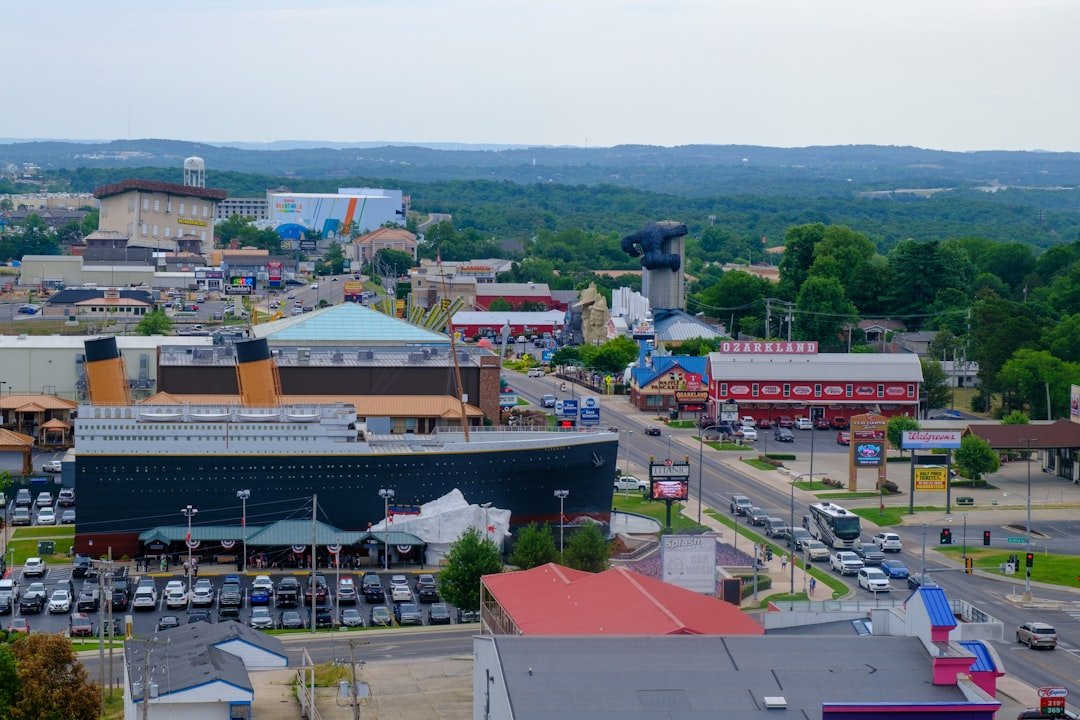
I rolled into Eureka Springs on a Tuesday afternoon in late May, windows down, winding through the Ozark hills on Highway 62, and by the time I pulled into town I was already recalculating my entire itinerary. I’d given myself two days. I needed five. Maybe a week. This little Victorian village tucked into the northwest corner of Arkansas is the kind of place that makes you lie to yourself about how long you’re staying.
Eureka Springs has been drawing visitors since the 1870s, when rumors of healing springs turned a remote Ozark hollow into one of the most popular resort destinations in the South. The springs themselves — there are supposedly more than 60 of them bubbling up around town — gave the place its name and its original reason for being. But what kept people coming back, and what keeps them coming now, is something harder to bottle: the town’s absolutely unreplicable character.
Getting Oriented: What Makes Eureka Springs Different
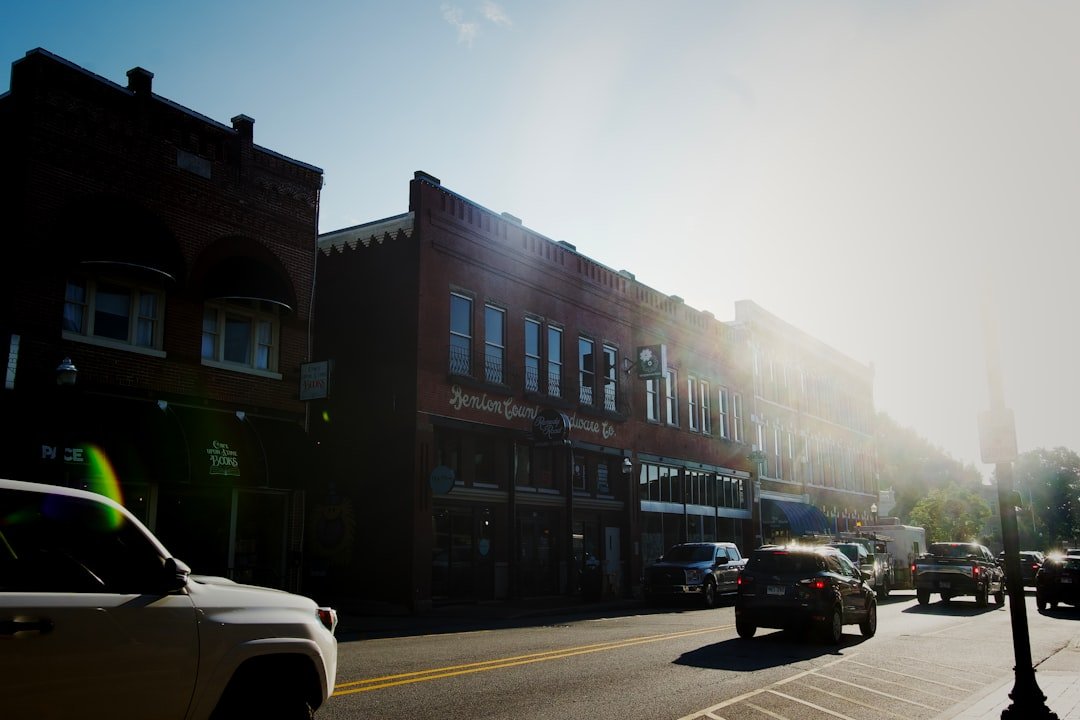
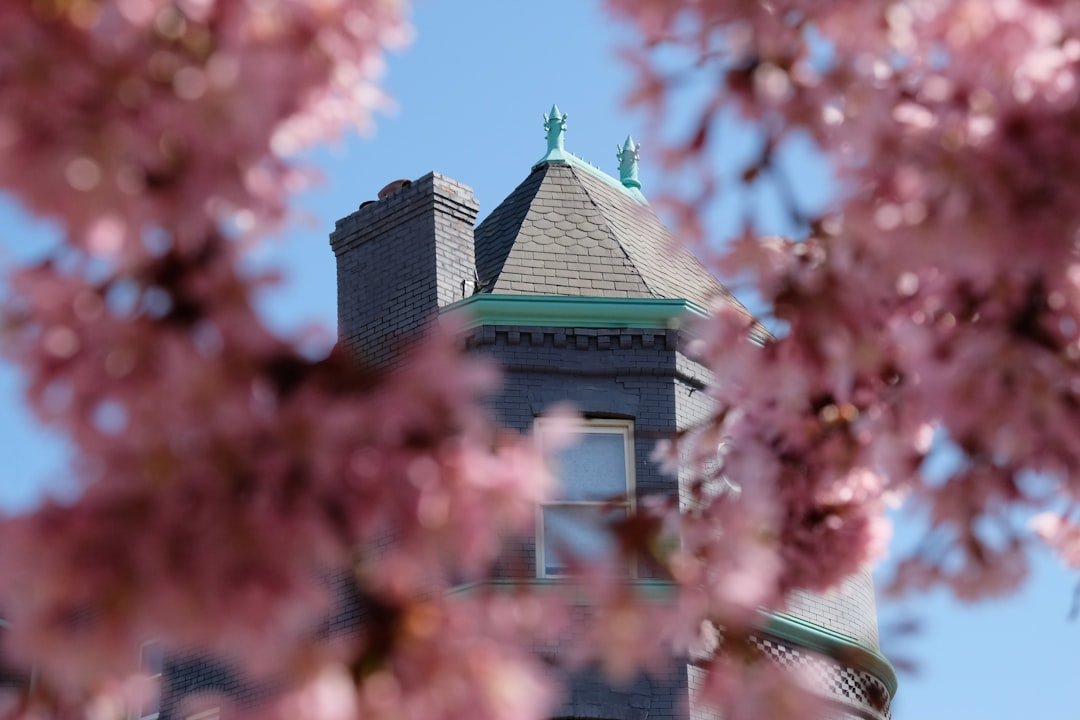
Let me start with the layout, because it matters more here than almost anywhere else I’ve visited. Eureka Springs is built into the sides of steep hills, with the historic downtown snaking along narrow valleys and residential streets climbing sharply upward in every direction. There is no grid. There is no logic. There are one-way streets that seem to change direction based on mood. And somehow, that’s the entire point. The town was designated a National Register Historic District in 1970 — the entire town — and the architecture is a sprawling, gorgeous collision of Victorian, Queen Anne, and whatever else someone decided to build into a hillside between 1880 and 1910.
What this means practically: bring comfortable shoes, pack your patience for parking, and prepare to walk. A lot. The town is compact but vertical. That restaurant you can see from here? It’s a ten-minute walk involving stairs. Bring a good lightweight daypack because you’ll be carrying water, a camera, and probably a few things you picked up in the shops along Spring Street.
Downtown and the Historic Loop
Spring Street and Main Street form the spine of downtown, running roughly parallel through the heart of the historic district. This is where you’ll spend most of your walking hours, ducking in and out of art galleries, boutiques, antique shops, and restaurants that have been operating in the same buildings for decades. The shops here aren’t the mass-produced tourist trap variety — I talked to several gallery owners who live in town and create their work on-site. The pottery scene alone is worth the trip.
For food, I had a surprisingly excellent meal at a small bistro tucked into a converted Victorian house. The dining room had twelve tables and a fireplace, and the chef came out to ask how everything was. That’s the energy of this town. It’s not pretending to be quaint. It actually is. Grab a good insulated water bottle to stay hydrated as you explore — you’ll be walking more than you think.
Thorncrown Chapel: Architecture in the Woods
About four miles outside of town, on a wooded ridge off Highway 62, sits one of the most remarkable buildings I’ve ever walked into. Thorncrown Chapel was designed by E. Fay Jones, a student of Frank Lloyd Wright, and completed in 1980. It’s a slender glass-and-wood structure that rises 48 feet into the Ozark canopy, with repeating vertical trusses that echo the surrounding trees. The American Institute of Architects ranked it among the top buildings of the 20th century, and standing inside it, you understand why immediately.
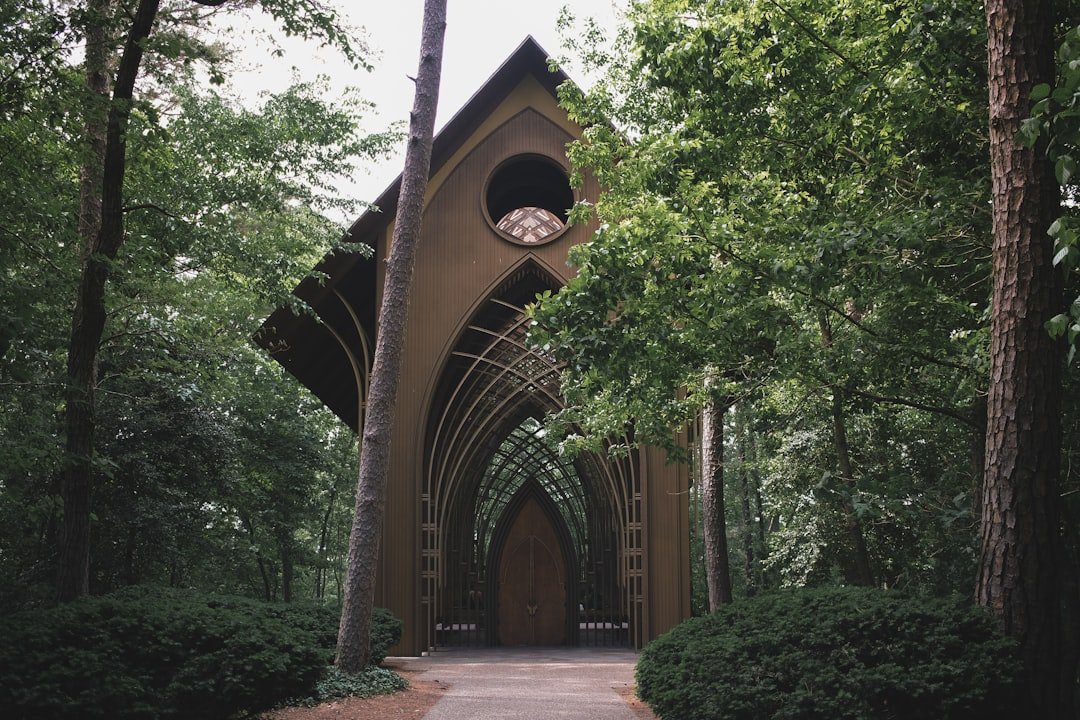
The chapel is nondenominational and open to visitors most daylight hours. There’s no admission fee, though donations are welcome. I sat on one of the pews for maybe thirty minutes, just watching the light shift through the glass. It’s one of those places that photographs beautifully but hits differently in person — the scale, the silence, the way the building seems to disappear into the forest. If you do one thing outside of downtown Eureka Springs, make it this. If you’re planning to hike afterward, a solid hiking daypack will serve you well for carrying layers and snacks.
Christ of the Ozarks and the Great Passion Play Grounds
Towering 67 feet above a hilltop on the east side of town, the Christ of the Ozarks statue is visible from miles away and impossible to miss once you know it’s there. Completed in 1966 by sculptor Emmet Sullivan (who also worked on Mount Rushmore), it’s the third-tallest statue in the United States. The surrounding grounds include a section of the Berlin Wall, a Bible museum, and a replica of the Holy Land that you can walk through. It’s quirky and earnest and very much of its era, which is exactly what makes it worth seeing.
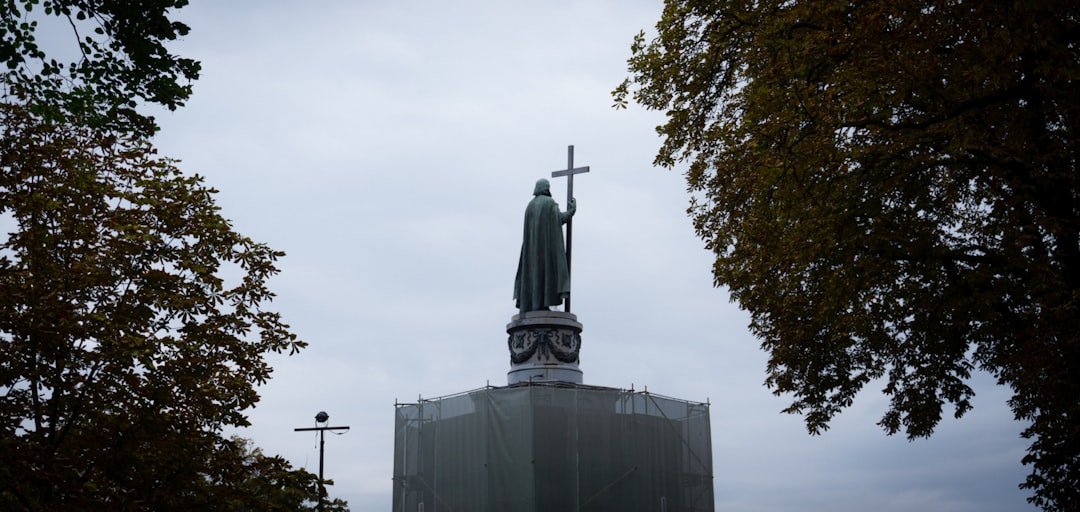
The Great Passion Play, an outdoor dramatic production, runs on select evenings from May through October and has been performed since 1968. Even if outdoor religious theater isn’t typically your thing, the production values are genuinely impressive — live animals, a massive cast, and a stage built into the Ozark hillside. The site also offers great sunset views even if you skip the show.
Lake Leatherwood and the Trail System
When you need a break from the vertical streets and Victorian gingerbread, head west on Highway 62 to Lake Leatherwood City Park. This 1,600-acre park surrounds a spring-fed lake and offers over 25 miles of hiking and mountain biking trails, plus a disc golf course and picnic areas. The dam that created the lake was built by the Civilian Conservation Corps in the 1940s from native stone, and it’s listed on the National Register of Historic Places.
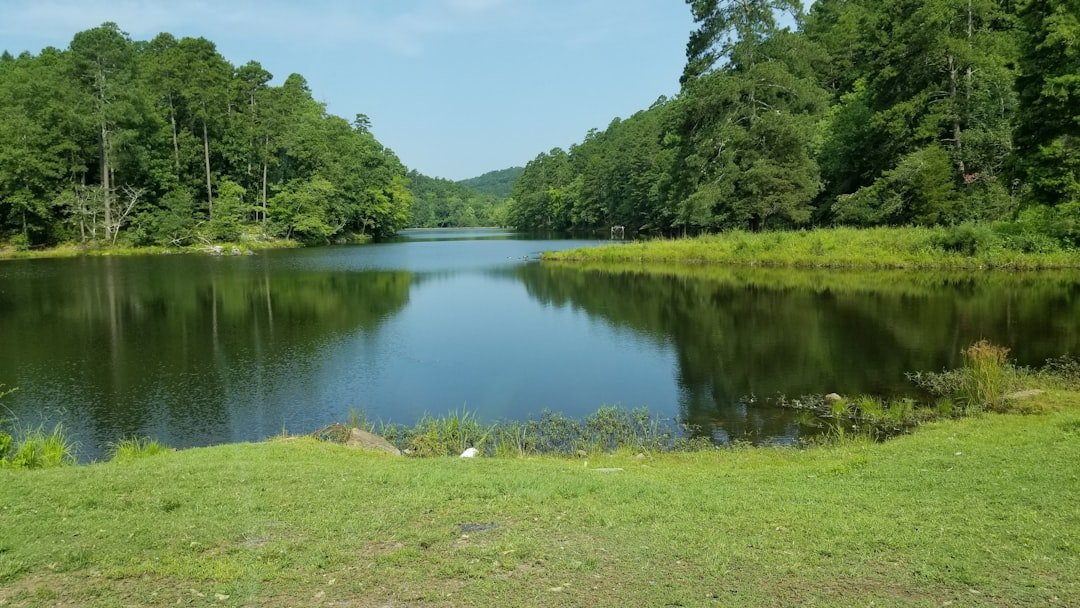
I hiked the Beacham Trail loop, which runs about two miles along the lakeshore and through hardwood forest. It’s moderately easy — some rocky sections and elevation change, but nothing that would stop a reasonably fit walker. The trail was quiet on a weekday morning; I saw maybe four other people. If you’re into trail running or trail running shoes, this park is a hidden gem within a hidden gem. Pack your hydration pack and plan for a couple of hours minimum.
Turpentine Creek Wildlife Refuge
Seven miles south of town on a winding gravel road, Turpentine Creek Wildlife Refuge is one of the largest big cat sanctuaries in the United States. Founded in 1992, this USDA-licensed nonprofit provides lifetime care for tigers, lions, cougars, leopards, and other exotic animals that were rescued from private ownership, roadside attractions, and abusive situations. The refuge currently houses over 70 animals across a sprawling campus of natural habitats.
The self-guided walking tour takes about two hours, and the experience is genuinely moving. These are animals that were someone’s poor idea of a pet, and seeing them in spacious enclosures with grass and trees and pools is a powerful reminder of why places like this need to exist. Admission funds go directly to animal care. Bring a sun hat with UPF protection because large sections of the tour are unshaded, especially in summer.
Where to Stay: A Town Full of Unique Lodging
Eureka Springs might have the highest concentration of bed and breakfasts per capita of any town in America. Victorian homes converted into inns line the hillsides, each one different from the next. I stayed at a small inn perched on a hillside with a wraparound porch overlooking the valley, and morning coffee on that porch — with fog settling into the hollows below — was worth every penny of the room rate.
If B&Bs aren’t your style, there are historic hotels downtown (the Basin Park Hotel has been operating since 1905 and is supposedly haunted, which either excites or terrifies you), vacation rentals tucked into the woods, and cabins on the outskirts of town. Book early for weekends and holidays — the town fills up, especially during the car shows and music festivals that run throughout the summer and fall. I’d recommend packing a quality travel neck pillow if you’re driving more than a few hours to get here — the Ozark roads are scenic but winding.
Getting There and Practical Tips
Eureka Springs sits in the far northwest corner of Arkansas, about 45 minutes east of Bentonville (home of the Crystal Bridges Museum of American Art, which is worth a day trip on its own). The closest major airport is Northwest Arkansas National Airport (XNA) in Bentonville, with direct flights from most major U.S. hubs. If you’re road-tripping, it’s about three hours from Kansas City, four from Memphis, and five from Dallas.
A few things I wish I’d known before my first visit: First, the town is genuinely hilly — if you have mobility limitations, check with your accommodation about accessibility because many historic buildings have stairs and no elevator. Second, cell service is spotty in the valleys, so download offline maps before you arrive. A portable power bank is essential since you’ll be using your phone for photos and navigation all day. Third, the weather changes fast in the Ozarks — I experienced sunshine, a brief thunderstorm, and cool fog all in the same afternoon. Pack layers.
If you’re planning a broader Ozark adventure, Eureka Springs pairs well with a road trip mindset. The swimming holes scattered across the Ozarks are within driving distance, and if you’re heading west afterward, you could connect to a Black Hills road trip with some creative routing.
Why Eureka Springs Belongs on Your List
I’ve visited small towns all over the country that claim to be “charming” or “historic” or “like stepping back in time.” Most of them are selling a vibe they’ve manufactured for tourists. Eureka Springs isn’t that. It’s a real place with real people who’ve been building something weird and wonderful in the Ozark hills for 150 years. The architecture is genuinely stunning. The natural setting is beautiful. The pace is slow in a way that doesn’t feel forced. And there’s enough to do — from hiking and wildlife to galleries and theater — that you won’t get bored, even if you stay a week.
My advice: give it more time than you think you need. Drive slow. Walk the hills. Sit on a porch. Let the town do what it does, which is quietly, stubbornly being itself. That’s the rarest thing in travel, and Eureka Springs has it in abundance. Pack your packing cubes and a travel umbrella, because once you get there, you’re going to want to stay a while.