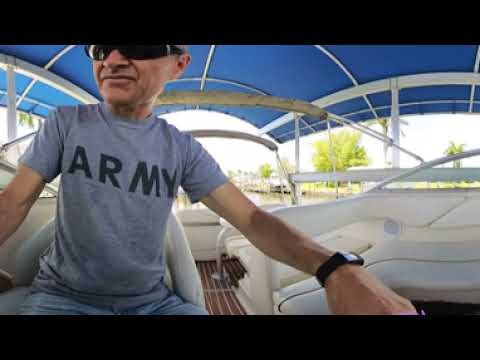
Most visitors experience Florida through a rental car window, shuttling between theme parks and beachfront hotels. But there’s an entirely different Florida that most travelers never see — one that unfolds at six knots along the Intracoastal Waterway, through mangrove tunnels, past barrier islands, and into sleepy waterfront towns where the fish is hours fresh and the sunset arrives without a single skyscraper blocking the view. To reach this hidden Florida, you need a boat. And not just any boat — a small cabin cruiser with overnight capabilities turns Florida’s 8,400 miles of tidal shoreline into the most extraordinary scenic route you’ll ever travel.
The Waterway Most Travelers Never Consider
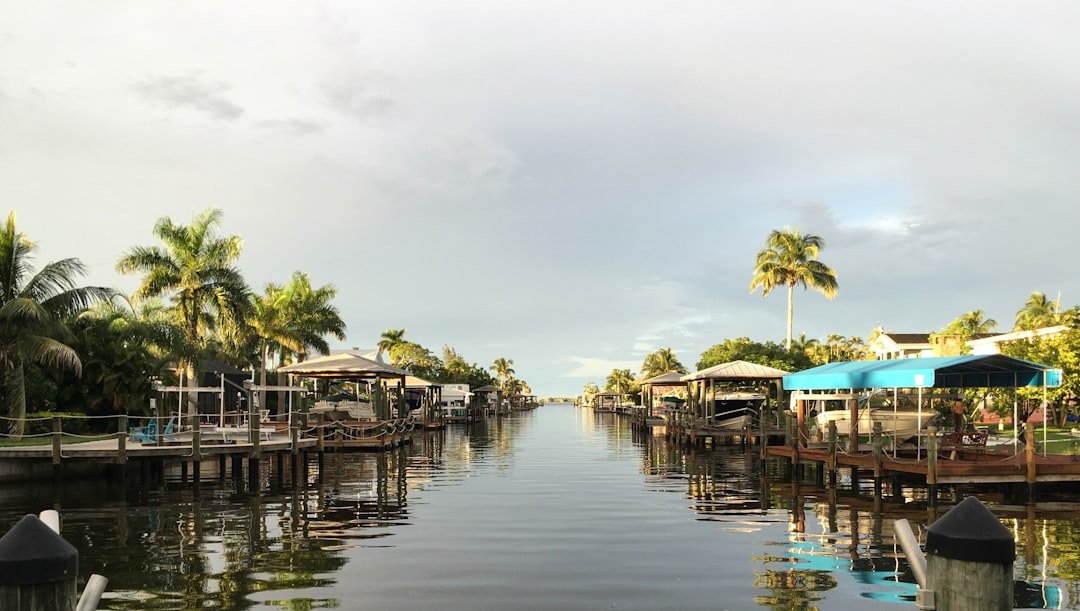
The Atlantic Intracoastal Waterway stretches from Boston to Key West, but its most beautiful stretch runs along Florida’s Gulf Coast. From Tarpon Springs down to the Ten Thousand Islands, this protected channel weaves through a maze of barrier islands, sounds, and passes that create a natural highway for small boats. Unlike the ocean beyond, the waterway is typically calm, sheltered from swells by those same barrier islands that make Southwest Florida so appealing to beachgoers.
What makes this route magical is the access it provides. Communities like Pine Island’s waterfront establishments — reachable by water but not easily by land — represent the authentic “Old Florida” that developers haven’t found yet. You can dock at a fish house, eat grouper caught that morning, and watch dolphins work the shallows while you finish your coffee. Try doing that from a rental car.
The same protection that makes the waterway navigable for small boats also creates ideal conditions for wildlife. Manatees gather in warm-water discharge zones. Roseate spoonbills work the tidal flats. Tarpon roll in passes between islands. This isn’t a theme park version of nature — it’s the real thing, and a cabin cruiser puts you right in the middle of it without the crowds that pack the state’s more accessible natural attractions.
Why a Cabin Cruiser Changes Everything
Day boats are wonderful for an afternoon, but they limit you to marina-to-marina trips with strict time constraints. A cabin cruiser — even a compact twenty-four-foot model — removes every one of those limitations. With sleeping quarters, a galley, a marine head, and enough fuel capacity to cover serious distance, a cabin cruiser transforms Florida’s coastline into an endless campground where every anchorage is a new destination.
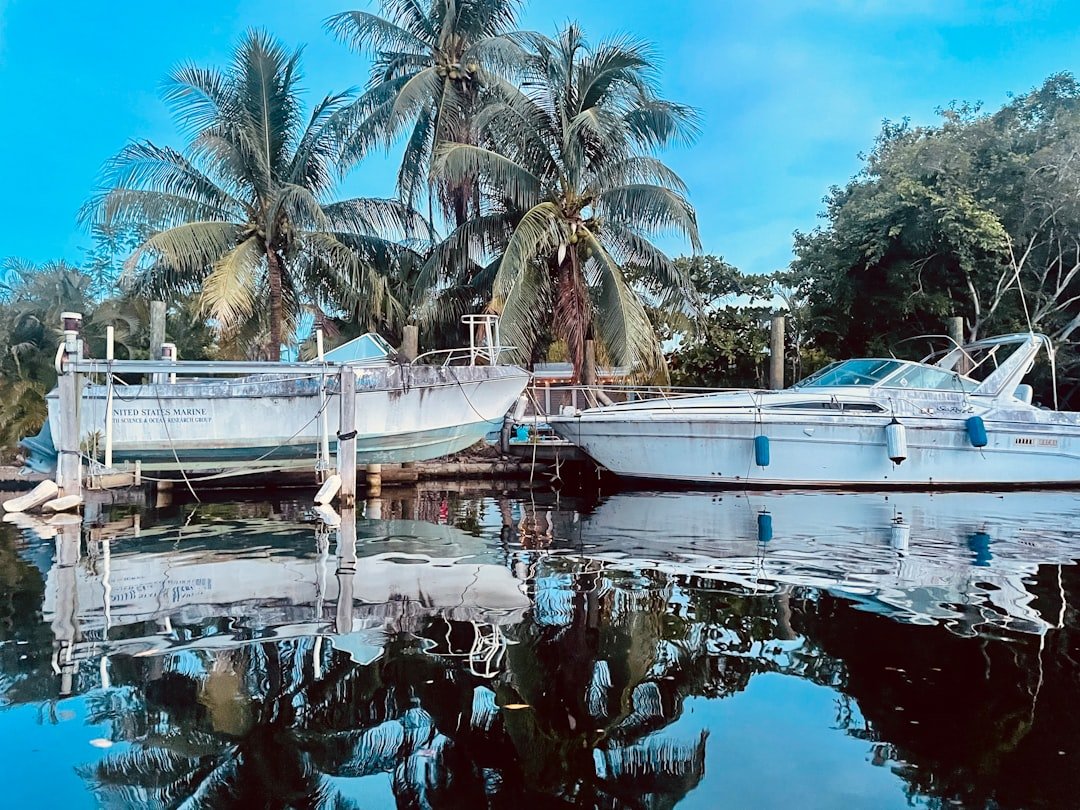
The sweet spot for this kind of travel is the twenty-two to twenty-eight-foot range. Boats this size are manageable for a couple, trailerable behind a properly equipped vehicle, and small enough to navigate the shallow passes and narrow channels that larger vessels simply can’t attempt. Yet they still offer genuine overnight comfort — a V-berth that converts from dining area to bed, a compact galley with a single-burner stove and refrigerator, and an enclosed head with a shower. It’s essentially a floating tiny home that happens to deliver you to a new view every morning.
Freshwater capacity on boats this size typically runs fifteen to twenty-five gallons, which is enough for a weekend of conservative use — washing dishes, rinsing off salt, and a quick shower after a swim. Add a small deep-cycle marine battery system and you’ve got power for navigation electronics, cabin lighting, and a bilge pump without needing constant shore power connections. The self-sufficiency is what makes multi-day island-hopping possible.
The Floating Kitchen: Eating Well on the Water
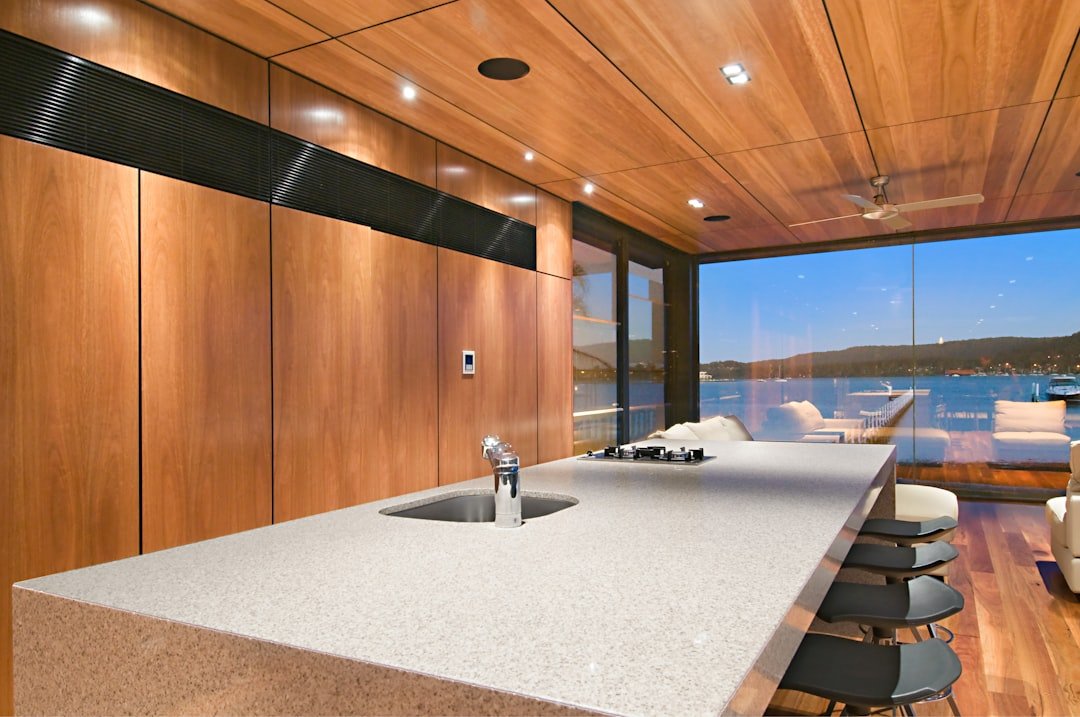
One of the unexpected pleasures of boat-based travel is how it changes your relationship with food. A cabin cruiser’s galley may be compact — sometimes just a single burner and a small refrigerator — but the simplicity forces a kind of culinary focus that many travelers find refreshing. You carry exactly what you need for the next two meals. You buy shrimp directly from the boats you pass. You grill freshly caught snapper on the transom while anchored off a spoil island watching the sky change colors.
The galley setup on most cabin cruisers follows a similar pattern: a small sink with a hand pump or electric faucet, a single-burner alcohol or electric stove, a twelve-volt refrigerator that runs off the house battery, and minimal counter space that forces efficiency. It’s not glamorous, but neither is backpacking, and both produce some of the best meals you’ll ever eat because every ingredient earns its place on board. For keeping provisions dry and organized, a set of waterproof dry bags is essential — salt spray finds its way into everything.
What surprises first-time boat travelers is how quickly the rhythm of galley cooking becomes meditative. Boil water for coffee while the anchor settles. Heat a pan for eggs while watching pelicans dive outside the cabin window. The constraints of the space actually slow you down in the best possible way, turning meal preparation from a chore into a ritual that connects you to the water outside.
Sleeping Where the Road Doesn’t Reach
The first night spent anchored behind a mangrove island is unforgettable. The boat rocks gently with the tidal current. The only sounds are water lapping against the hull and the occasional splash of a feeding fish. There are no streetlights, no traffic noise, no neighboring campers — just stars reflecting off still water in every direction. This is the experience that no hotel, no matter how well-positioned, can replicate.
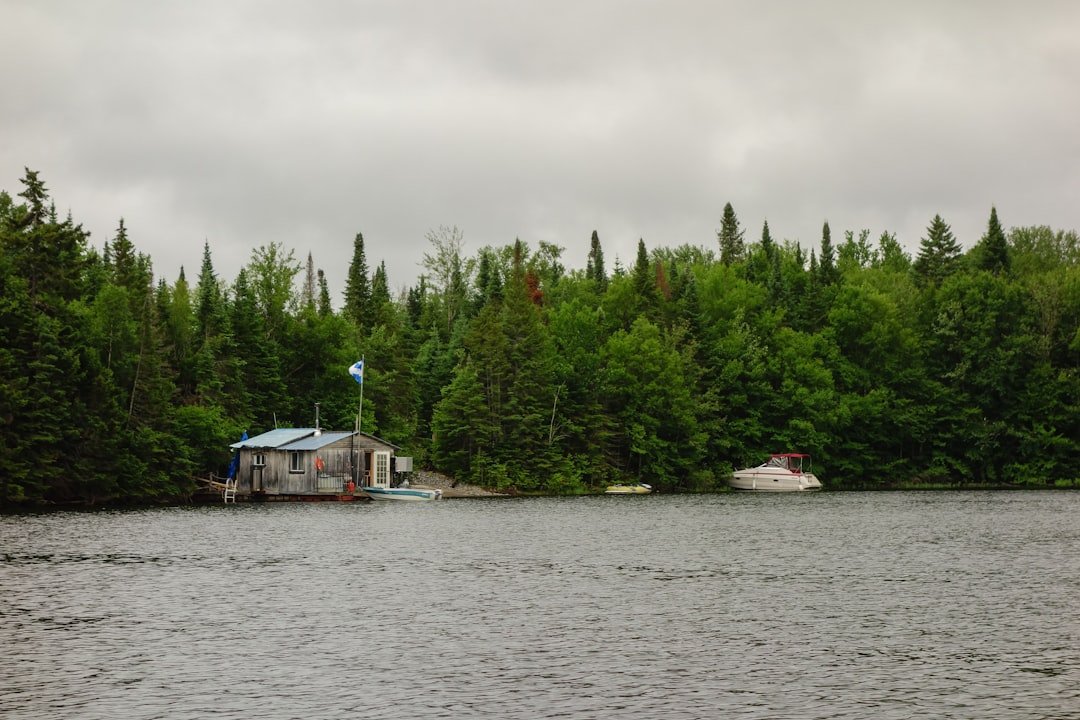
Cabin cruisers in the twenty-four-foot range typically offer two sleeping areas: a V-berth in the bow that converts from a daytime dinette, and a mid-cabin under the helm deck that’s surprisingly cozy for one or two people. The cushions are standard marine vinyl over foam — not luxurious, but functional, and easily upgraded with a quality cabin cruiser mattress topper if you plan extended trips. Ventilation is the real challenge; deck hatches and opening ports make a tremendous difference in comfort, especially during Florida’s warmer months.
For travelers accustomed to exploring Gulf Coast beach towns from a car, the boat-based alternative offers something fundamentally different: you’re not just visiting a destination, you’re living in the space between destinations. Every overnight anchorage becomes a private resort with a constantly changing view.
Navigating Like the Locals Do
Florida’s waterways are well-marked, but they demand respect. Shifting sandbars, tidal currents, and narrow passes require attention that driving never demands. The good news is that modern marine electronics make navigation dramatically more accessible than it was even a decade ago. A nine-inch chartplotter displaying GPS position, depth contours, and AIS targets transforms what was once an intimidating process into something remarkably manageable for careful operators.
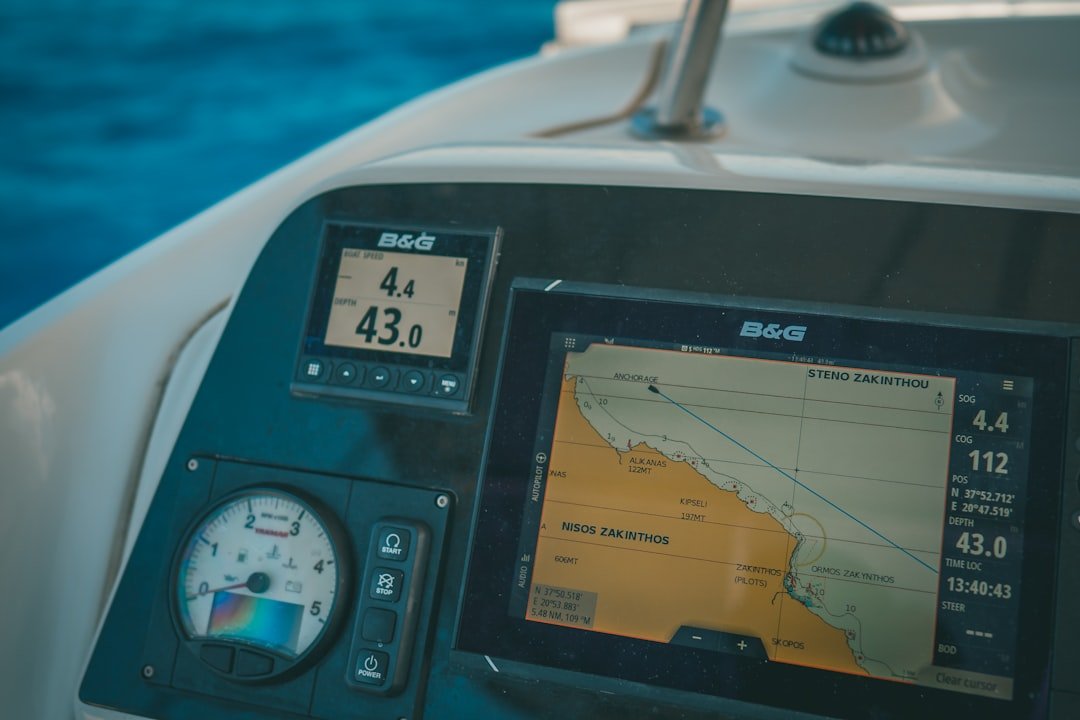
If you’re shopping for a marine GPS chartplotter, look for units that combine GPS positioning with detailed bathymetric charts — these show depth contours that help you avoid the shallow areas that plague Florida’s intracoastal routes. A VHF marine radio is equally essential for monitoring weather alerts and communicating with other vessels, particularly when navigating passes where boat traffic converges. Neither requires extensive training, but both demand familiarity before you venture far from port.
The other piece of safety equipment that no boat traveler should skip is a proper marine first aid kit. Waterborne adventures come with unique risks — hook punctures, sunburn, cuts from barnacles — that standard travel kits don’t fully address. Tuck one into a cockpit locker where it’s accessible but protected from spray.
Where the Water Takes You
Florida’s coastline divides naturally into regions, each with its own character and cruising possibilities. On the Gulf side, the stretch from Tampa Bay south to the Ten Thousand Islands offers the state’s most sheltered and varied cruising grounds. You can spend a week exploring Fort Myers Beach and its surrounding waters, never repeating an anchorage, moving from busy marina towns to deserted spoil islands with equal ease.
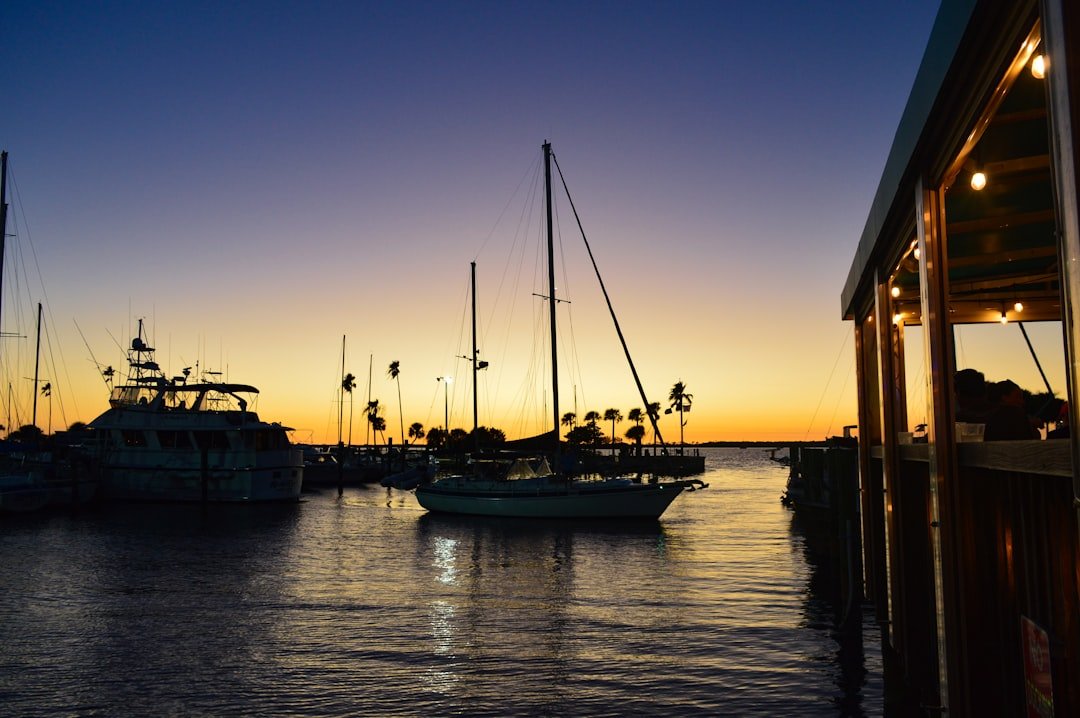
Further north, the Nature Coast around Crystal River and Homosassa offers spring-fed rivers that bubble up from the aquifer at a constant seventy-two degrees — manatee heaven in winter and a swimming paradise in summer. The Atlantic side has its own rewards: the stretch from Fort Lauderdale down to Biscayne Bay lets you experience the urban waterfront from an entirely different angle, while the Keys represent the ultimate boat-cruising destination with channel after channel leading to reefs, sandbars, and remote anchorages.
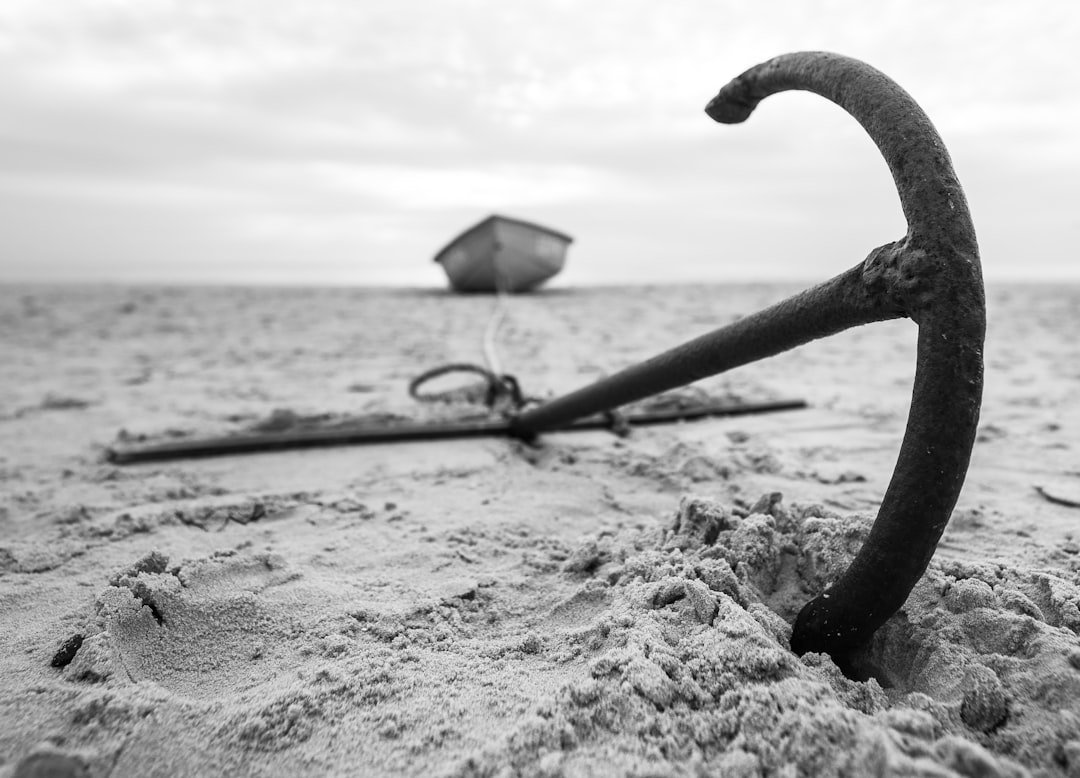
What unites these regions is the need for proper ground tackle. A reliable boat anchor kit with adequate chain and rode sized for your vessel is what separates a peaceful overnight from a midnight grounding. Carry at least two anchors — a primary and a stern anchor — and practice setting them before you need to do it in the dark.
The Practical Side of Boat-Based Travel
For travelers considering a cabin cruiser as a vacation vehicle, a few practical considerations deserve attention. First, everyone on board needs a properly fitted PFD life jacket — this isn’t optional, it’s the seatbelt of the water. Second, protect your hull and dock with adequate boat fenders and bumpers; nothing ruins a peaceful evening faster than hull damage from an awkward docking maneuver. Third, invest in a decent marine Bluetooth stereo — music sounds different on the water, and a good soundtrack turns an ordinary sunset into an event.
Perhaps the most important advice for aspiring boat travelers is to start small and build confidence gradually. A day trip to a nearby waterfront restaurant. An overnight at a marina with shore power and facilities. A weekend anchoring behind a barrier island. Each experience teaches lessons that textbooks and videos can’t fully convey — how the boat handles in a crosswind, where the shallow spots hide, how quickly a thunderstorm can build on a summer afternoon. Combine this practical learning with a well-maintained vessel and proper safety equipment, and Florida’s waterways open up in ways that no highway can match.
For travelers who have already explored Florida by road — and if you haven’t, this Florida road trip itinerary is an excellent starting point — the water represents the next frontier. The same state that draws millions to its theme parks and beaches contains an entirely parallel world just off the Intracoastal Waterway, waiting for anyone willing to trade four wheels for a hull. The fish are fresher. The crowds are thinner. The sunsets are the same — but somehow, from the deck of a small boat floating in a quiet anchorage, they feel brand new.
1 thought on “Florida’s Hidden Waterway: Why a Small Cabin Cruiser Is the Ultimate Scenic Route”