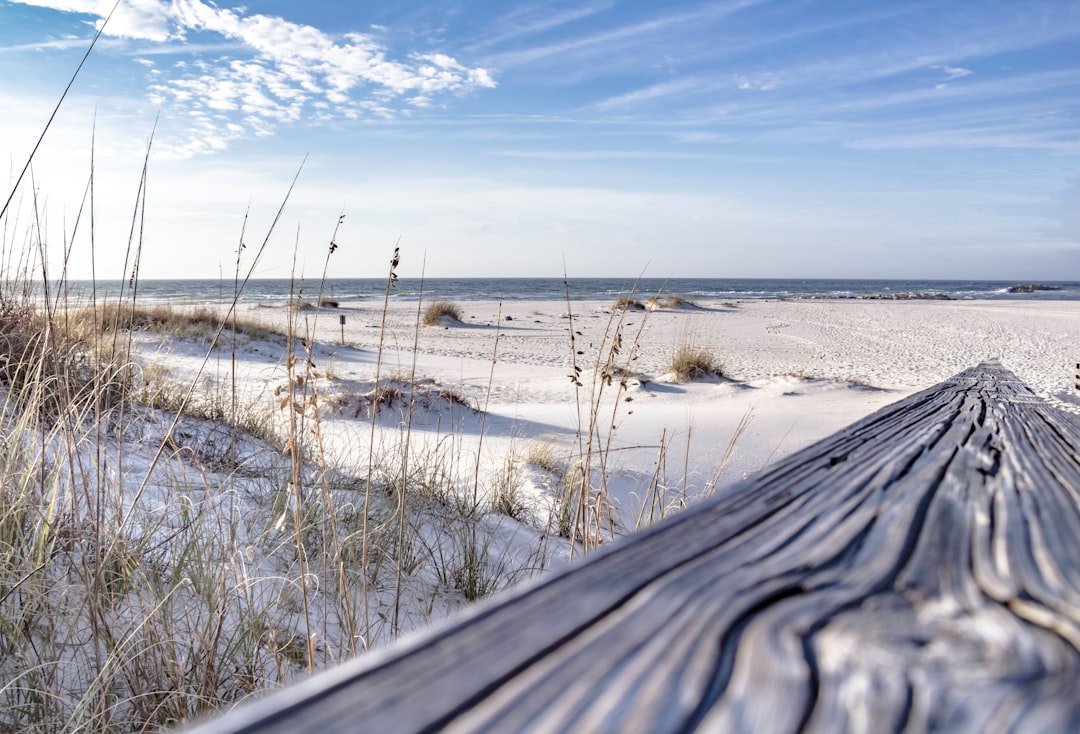
I’ve spent the last three summers chasing sunscreen-stained horizons along the Gulf of Mexico, and I’m going to let you in on something the resort brochures won’t tell you: the best beach towns on this coast aren’t the ones with the high-rise condos and swim-up bars. They’re the ones where the shrimp boats still come in at dawn, where you can walk a mile of sugar-white sand and pass maybe six people, and where the seafood on your plate was swimming that morning.
The Gulf Coast stretches over a thousand miles from the tip of Florida down around to the Texas-Mexico border, and most travelers funnel into the same half-dozen hotspots: Gulf Shores, Destin, Panama City Beach. Nothing wrong with those places — if you don’t mind sharing your sunset with ten thousand new friends. But if you’re the type who’d rather discover a forgotten oyster town or a barrier island where the most crowded thing is the heron rookery, I’ve got six small Gulf Coast beach towns that belong on your summer 2026 radar.
Apalachicola, Florida: The Oyster Town That Time Forgot
Let’s start with my personal favorite. Apalachicola sits on the Florida Panhandle, about 80 miles east of Panama City, and it feels like stepping into a Southern novel that nobody’s adapted into a movie yet. The downtown is a grid of historic brick buildings housing antique shops, art galleries, and restaurants that serve some of the best seafood on the entire Gulf Coast. This was once the third-largest port on the Gulf, and the ghosts of that era — cotton warehouses, sponge diving, and of course oystering — still haunt every street corner.
The beaches here aren’t technically in town. You’ll cross the bridge to St. George Island, a 28-mile barrier island with a state park at its eastern end and some of the most pristine sand you’ll ever sink your toes into. I’ve seen more dolphins from that beach than people. The island has a handful of vacation rentals and exactly one small grocery store, which is exactly the point. Bring a good beach canopy for sun protection because there’s precious little shade on those wide-open sands.
What makes Apalachicola special isn’t just the beach — it’s the convergence of culture and nature. The Apalachicola National Estuarine Research Reserve is one of the most productive estuary systems in the Northern Hemisphere. You can paddle through tupelo swamps, bike forest trails, or just sit on the dock at Battery Park watching shrimp boats unload the day’s catch. For accommodations, there are charming travel hammocks perfect for stringing up between the live oaks at one of the local campgrounds, or you can snag a room at one of the historic B&Bs downtown.
Fairhope, Alabama: Where Art Meets the Bay
Perched on the eastern shore of Mobile Bay, Fairhope is technically a bay town rather than a Gulf beach town, but don’t let that stop you. This place has been a magnet for artists, writers, and free spirits since 1894, when a group of idealists established it as a single-tax colony based on Henry George’s economic principles. That quirky origin story stuck — Fairhope still feels different from anywhere else in Alabama.
The downtown bluffs overlook the bay with a walkable strip of boutiques, galleries, and restaurants that would feel at home in a city three times this size. The Municipal Pier juts out into the water and serves as the town’s living room — locals gather there every evening to watch what are legitimately some of the most stunning sunsets on the entire Gulf Coast. Pack a lightweight beach chair and claim your spot early.
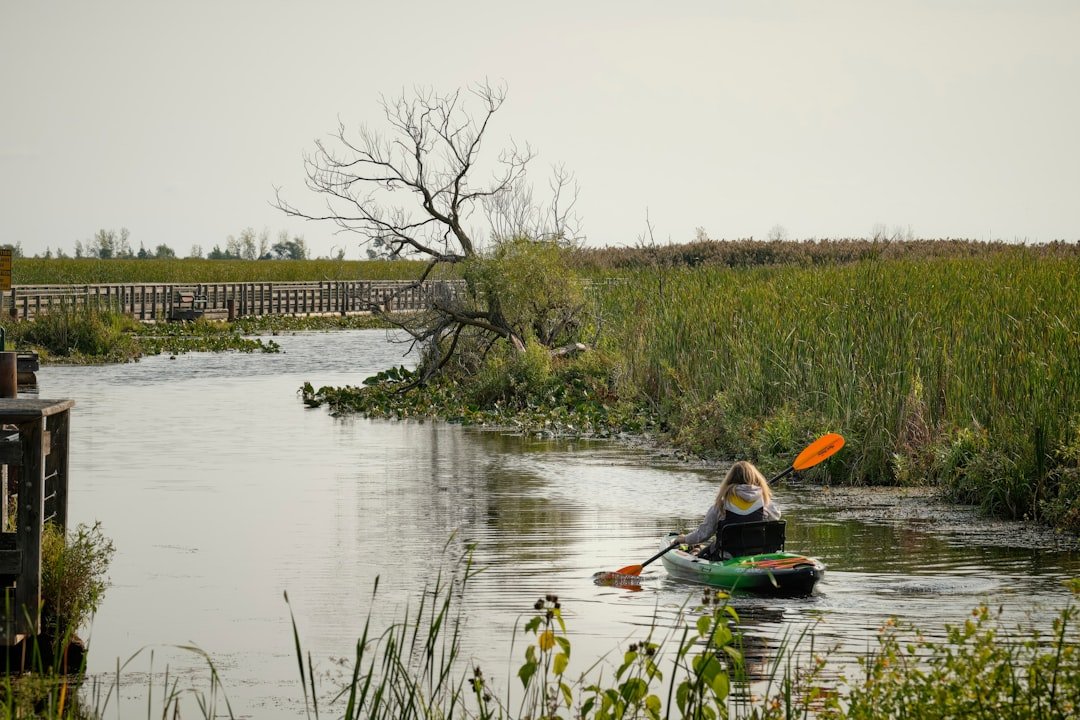
But here’s the thing about Fairhope that most visitors miss: the town sits directly on the Mobile-Tensaw River Delta, a sprawling wetland ecosystem that naturalist E.O. Wilson called “America’s Amazon.” You can launch a kayak from any number of public access points and paddle through cypress-tupelo swamps where alligators, turtles, and over 300 species of birds make their home. The Weeks Bay National Estuarine Research Reserve offers boardwalk trails through pitcher plant bogs — yes, carnivorous plants grow wild here, and yes, it’s as cool as it sounds.
Ocean Springs, Mississippi: The Artsy Gulf Coast Secret
Mississippi gets overlooked on the Gulf Coast, and that’s a shame because Ocean Springs is an absolute gem. Located just east of Biloxi, this town of about 18,000 has an art scene that punches well above its weight class, thanks in large part to the legacy of Walter Anderson, a prolific artist who spent decades exploring and painting the barrier islands off the Mississippi coast. The Walter Anderson Museum of Art downtown is worth the trip alone — his watercolors of Horn Island will make you see the Gulf in an entirely new way.
The beach here runs along Front Beach Drive, a tree-lined road with a narrow strip of sand and calm water perfect for families. It’s nothing like the wide resort beaches of Alabama — it’s quieter, more intimate, and infinitely less crowded. The town also sits at the gateway to the Gulf Islands National Seashore, where you can catch a ferry to Ship Island and explore Fort Massachusetts, a Civil War-era fortification surrounded by some of the most beautiful water in the entire Gulf.
Ocean Springs also has a surprisingly excellent food scene. The town hosts the annual Peter Anderson Arts & Crafts Festival every November (one of the Southeast’s largest), but year-round you’ll find excellent Gulf seafood, po’boys that rival anything in New Orleans, and a growing craft brewery scene. You’ll want to pack a good waterproof phone pouch because you’re going to want photos of those sunsets over the Biloxi Bay Bridge.
Grand Isle, Louisiana: The End-of-the-Road Beach Town
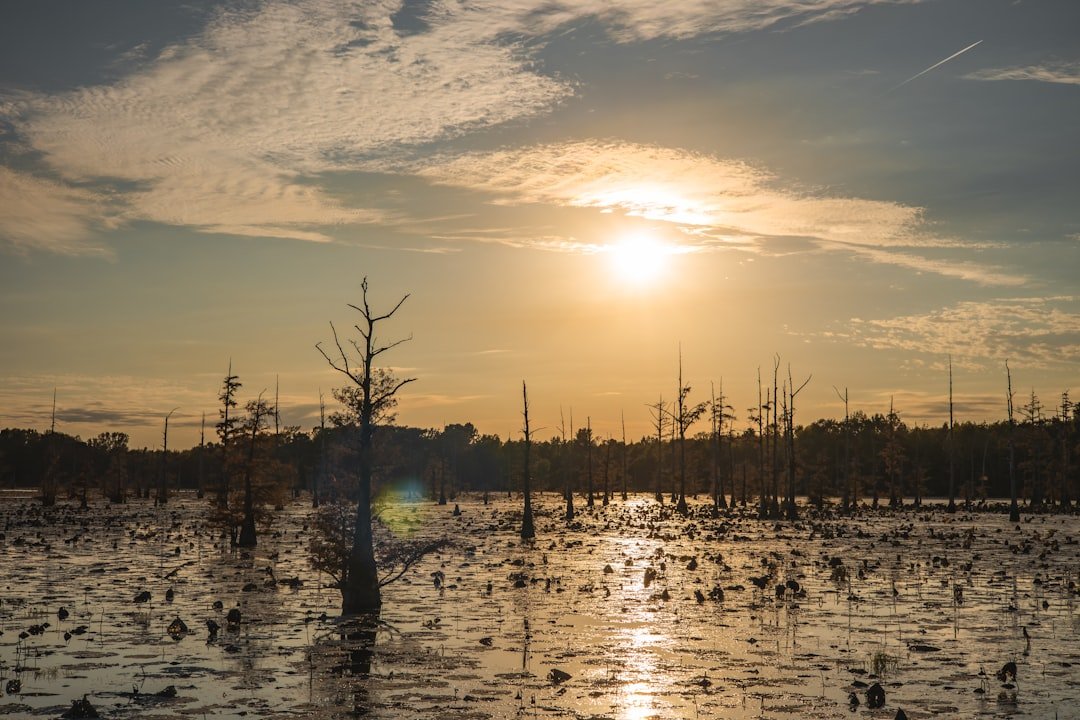
Grand Isle is Louisiana’s only inhabited barrier island, and getting there is half the adventure. You’ll drive through 60 miles of bayou country on LA-1, crossing bridges over marshes where egrets stalk the shallows and brown pelicans dive-bomb for fish. By the time you reach the island, you’ll feel like you’ve driven to the edge of the world — which, in a sense, you have.
This is not a polished resort destination. Grand Isle is a working fishing community with a beach, and that raw authenticity is exactly what I love about it. The beach itself is seven miles of coarse sand backed by a ridge of live oaks — the “chenier” — that provides shade and a windbreak. The water is murky compared to Florida’s crystalline Gulf, but the fishing is legendary. Anglers flock here for speckled trout, redfish, and tarpon, and the Grand Isle International Tarpon Rodeo (held every July) is the oldest fishing tournament in the United States.
The island was devastated by hurricanes multiple times, most recently by Ida in 2021, and the community’s resilience is woven into every aspect of life here. State park camping is available right on the beach — bring a sturdy wind-resistant camping tent because the Gulf breeze never really stops. The birding here is spectacular too; Grand Isle sits directly in the Mississippi Flyway migration path, and spring and fall bring waves of warblers, tanagers, and other songbirds dropping in to rest before crossing the Gulf of Mexico.
Port Aransas, Texas: Mustang Island’s Laid-Back Treasure
Before South by Southwest made Austin weird and before SpaceX turned Boca Chica into a launch pad, Port Aransas was doing its own thing on Mustang Island, and it still is. This town of about 4,000 sits on a barrier island reachable by a free ferry from Aransas Pass (or by road from Corpus Christi), and it has somehow maintained its small-town fishing village character despite being one of the best beach destinations in Texas.
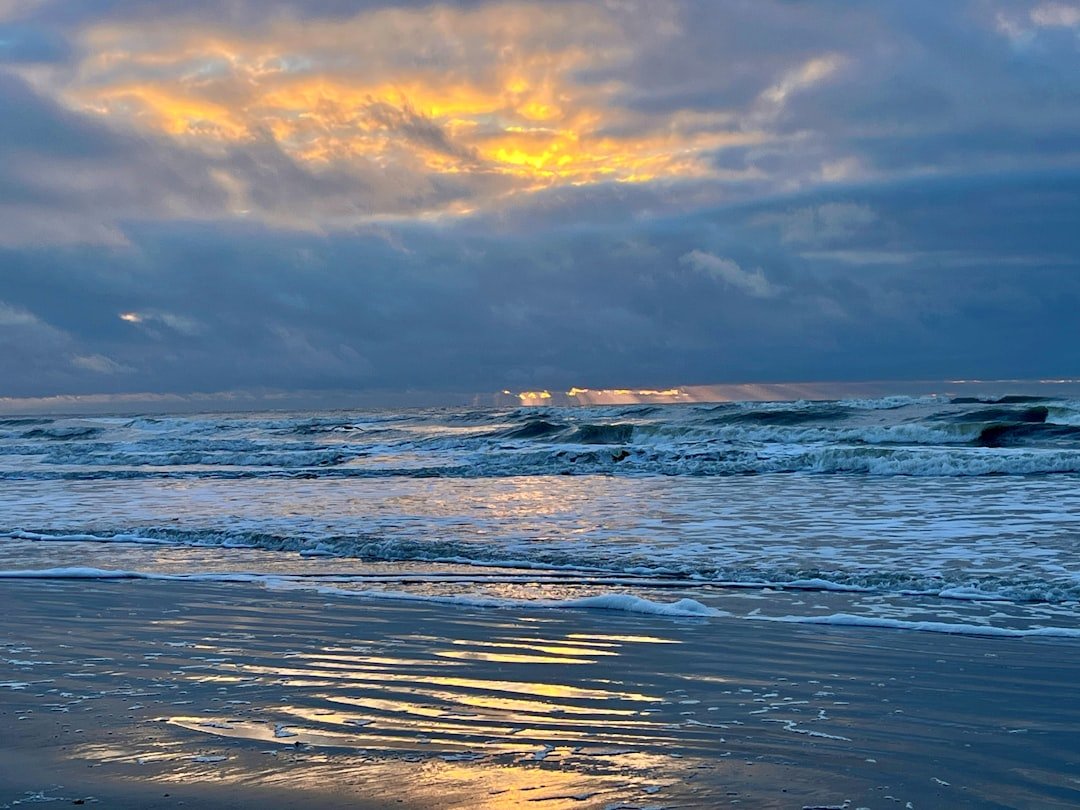
The beach here is an 18-mile stretch of hard-packed sand that you can actually drive on — one of the few places on the Gulf Coast where that’s still allowed. It’s liberating to pack the cooler, roll down the windows, and cruise down the shoreline looking for the perfect spot. Pack a quality wheeled beach cooler because you’ll be spending full days out there. The town itself is a delightful mix of seafood shacks, surf shops, and local art galleries, with none of the corporate chain proliferation you find in bigger Texas beach towns.
Port Aransas is also the closest town to the Aransas National Wildlife Refuge, winter home of the endangered whooping crane. Summer visitors won’t see the cranes (they’re in Canada by then), but the refuge is worth a visit for its trails, observation towers, and year-round wildlife. The nearby Lydia Ann Lighthouse, one of the oldest operating lighthouses on the Gulf, offers boat tours that combine history with dolphin watching. Bring a decent pair of waterproof travel binoculars for spotting dolphins and seabirds from the beach.
Mexico Beach, Florida: The Quiet Panhandle Comeback
Mexico Beach sits about 25 miles east of Panama City Beach, and the contrast between the two is staggering. Where PCB is a wall of high-rises, go-kart tracks, and spring break chaos, Mexico Beach is a low-key stretch of family-run motels, beach houses, and restaurants where the menu depends on what the boats brought in. This town was nearly wiped off the map by Hurricane Michael in 2018 — the Category 5 storm made landfall just a few miles east — but the community has rebuilt with a fierce determination that makes it even more compelling to visit.
The beach here is everything you want from a Florida Panhandle destination: sugar-white sand, emerald-green water, and a pace of life that suggests nobody has ever been in a hurry. The town has intentionally limited development to preserve its small character, and you won’t find a building taller than three stories anywhere along the shore. It’s the kind of place where you can walk the beach at dawn and find more shells than footprints. A good mesh beach bag is essential for collecting those pristine shells.
What I particularly love about Mexico Beach is how it works as a base camp for exploring the Forgotten Coast. Drive east and you’ll hit Port St. Joe, Cape San Blas, and eventually Apalachicola — all connected by a scenic coastal road that barely registers on most tourists’ radar. The Cape San Blas lighthouse is one of the most photogenic structures on the entire Gulf, and the reef-safe sunscreen you packed will come in handy for the long, shadeless stretches of pristine beach along the cape.
What to Pack for a Gulf Coast Summer Road Trip
Summer on the Gulf Coast means heat, humidity, and the ever-present possibility of afternoon thunderstorms. I’ve made the mistake of under-packing more than once, and I’ve learned that the right gear makes the difference between a miserable sweat-fest and an unforgettable adventure. Start with moisture-wicking clothing and a wide-brimmed hat, then layer in these essentials.
A quality travel first aid kit is non-negotiable — between jellyfish stings, shell cuts, and sunburn, the Gulf Coast has a way of testing your preparedness. I also never travel without a rechargeable portable fan, because waiting out a 30-minute thunderstorm in a car with no AC is an experience you don’t need to have.
For the water, invest in a good pair of water shoes — Gulf waters can have hidden shells, stingray shallows, and the occasional Portuguese man-of-war. And if you’re planning to fish (and you should — the Gulf is one of the most accessible recreational fisheries in the country), check out local charter options in each town. Half-day inshore trips typically run $400-600 and are absolutely worth it for the experience and the freezer haul.
Planning Your Gulf Coast Town-Hopping Route
The beauty of these six towns is that you can string several together into an incredible road trip. Start in Port Aransas, drive east along the Texas coast to Grand Isle, then hop across to Ocean Springs, Fairhope, and finally Apalachicola and Mexico Beach on the Florida Panhandle. The full route covers about 800 miles of coastal driving — perfect for a 10-day to two-week adventure. If you’re traveling by campervan or RV, each of these towns has camping options ranging from beachfront state parks to private RV parks. I covered a similar route last summer and wrote about Florida road trip planning with more logistics details.
The key insight I wish someone had given me before my first Gulf Coast road trip: slow down. These towns aren’t checklist items — they’re places that reward lingering. Spend at least two nights in each. Eat where the locals eat. Talk to the charter captains and the bait shop owners. Ask the bartender where the best sunset spot is. The Gulf Coast has a culture that’s distinct from anywhere else in America — part Deep South, part Caribbean, part frontier — and it reveals itself slowly to people who take the time to look.
If you’ve already explored our favorite underrated East Coast beach towns, the Gulf Coast is your next logical adventure. The water’s warmer, the seafood’s fresher, and the crowds are thinner. What more could you ask for?
One last piece of advice: pack your sense of adventure alongside your sunscreen. The best discoveries on the Gulf Coast aren’t in any guidebook — they’re the roadside seafood shack you almost didn’t stop at, the empty beach you found by taking the wrong turn, and the conversation with a local that changed your entire itinerary. That’s the real Gulf Coast, and it’s waiting for you this summer.
1 thought on “Best Small Gulf Coast Beach Towns for Summer 2026: Where to Find White Sand Without the Crowds”