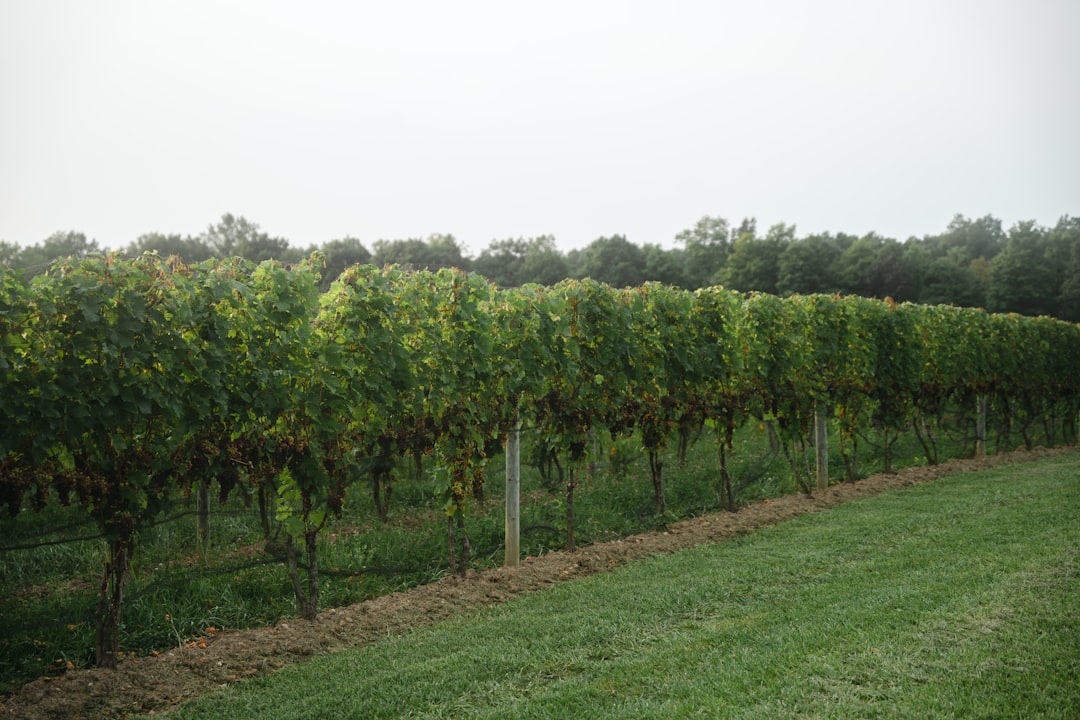
Every August, something shifts in upstate New York. The humidity breaks just enough to remind you that summer doesn’t last forever, and the grapevines strung across the hillsides around Keuka, Seneca, and Cayuga lakes start heavy with fruit. I’ve timed visits to wine regions across three continents — Mendoza, the Douro Valley, Stellenbosch — and I’m going to make a claim that might ruffle some Californians: the Finger Lakes harvest season is the most underrated wine experience in North America.
My team and I spent eight days last September driving the three main wine trails, and not a single winemaker charged us more than $5 for a tasting. Most waived the fee entirely when we bought a bottle. Compare that to Napa, where you’ll drop $40-$75 per person just to sit at a bar and swirl.
Why Harvest Season Is the Only Time to Go
The harvest window — typically mid-August through October — is when the Finger Lakes stops being a quiet summer lake destination and transforms into something genuinely cinematic. Trucks loaded with crates of Riesling grapes rumble down two-lane roads between vineyards. Crews work the rows at dawn before the heat builds. The whole region smells like crushed fruit and damp earth.
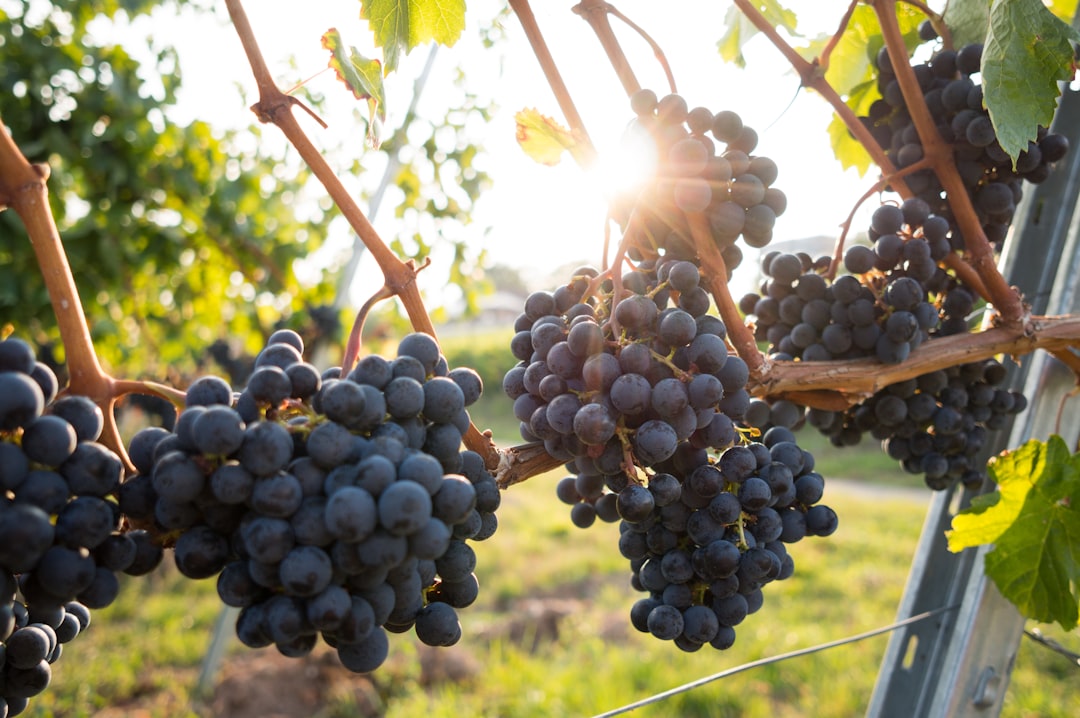
I’m not exaggerating when I say the air itself feels different. There’s an electricity that you only get in agricultural regions during the most important two months of the year. Everyone is tired, proud, and a little stressed — and it makes every tasting room conversation more honest. You’re not being sold to. You’re talking to people mid-grind.
The weather helps. Daytime highs sit in the mid-70s to low 80s, nights drop into the 50s, and the lake effect keeps frost at bay long enough to stretch the season. That diurnal shift — warm days, cool nights — is exactly what makes the grapes here so good. It’s the same reason Riesling thrives in Germany’s Mosel Valley.
Three Lakes, Three Different Experiences
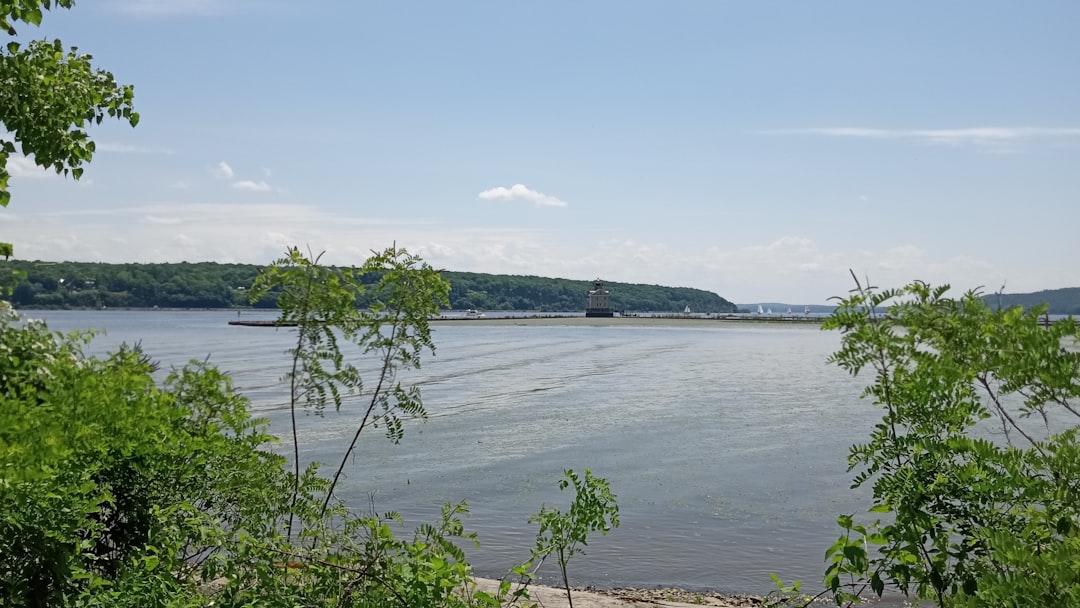
The Finger Lakes region has eleven lakes total, but three anchor the wine country: Seneca, Cayuga, and Keuka. Each has its own personality, and choosing the right base camp matters more than you’d think.
Seneca Lake: The Heavy Hitter
S Seneca Lake is the deepest and coldest of the three, which creates a microclimate that winemakers treat like gold. More than 50 wineries line the Seneca Lake Wine Trail, and the concentration of award-winning Riesling here is staggering. Hermann J. Wiemer, on the west side of the lake, is the name everyone mentions first. Their dry Riesling consistently beats German and Austrian bottles in blind international competitions — and their tasting room sits on a terrace overlooking vines that run straight down to the water.
What surprised me most was the range. Everyone knows the Finger Lakes for Riesling, but I had a Cabernet Franc at Boundary Breaks that completely redefined what I thought New York reds could do. The volcanic soil here — a legacy of ancient glaciers — gives reds a minerality you don’t find in California.
Cayuga Lake: The Scenic Route
Cayuga is the longest of the Finger Lakes, and its wine trail was the first organized trail in New York State. It’s quieter than Seneca, with fewer big-name wineries but more of the family-run operations that let you talk directly to the person who made the wine. We spent an entire afternoon at Six Mile Creek, sitting on their deck with a flight of reserve wines while their winemaker explained the difference between their oak programs. Nobody was rushing us.
If you’re planning a leisurely route, much like the approach I recommend for scenic fall drives elsewhere, the Cayuga trail rewards drivers who aren’t in a hurry. Route 89 hugs the west side of the lake, and every quarter mile offers a new angle of water between the hills.
Keuka Lake: The Character
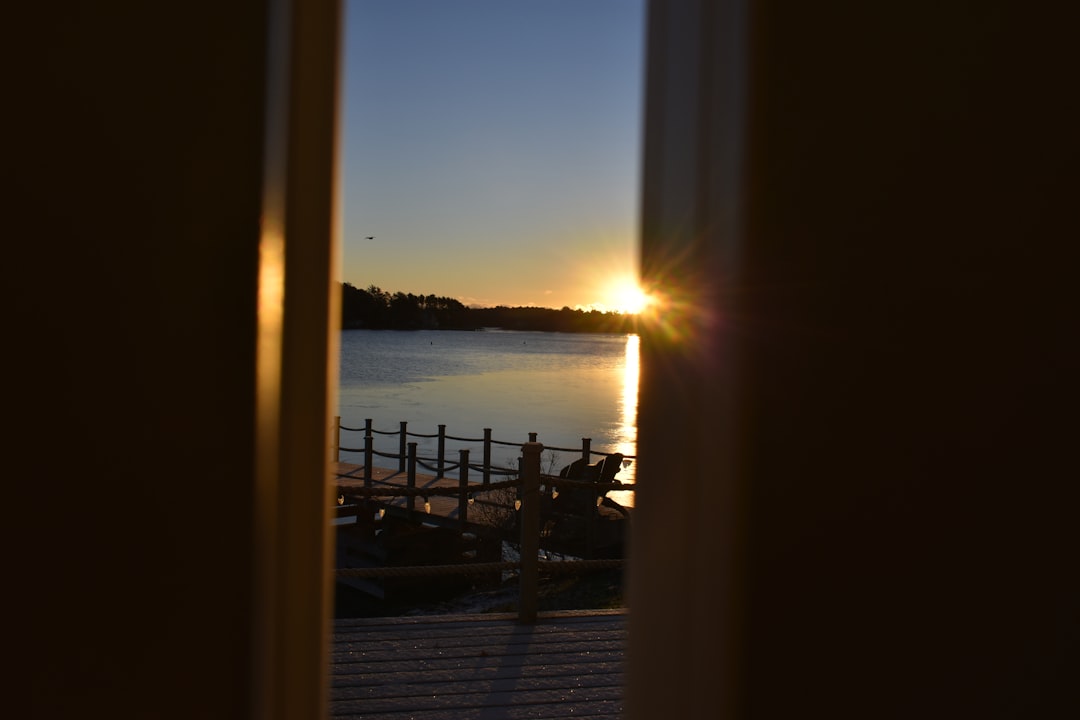
Keuka is the smallest of the three wine lakes and the only one shaped like a Y. It’s also where the New York wine industry was born — the first commercial vineyard in the state was planted here in 1860. The town of Hammondsport sits at the base of the lake and has the kind of Main Street that makes you want to park your car and walk for three hours.
Dr. Konstantin Frank put Keuka on the map by proving that European vinifera grapes could survive New York winters. His vineyard is still operational, still family-owned, and still producing some of the best sparkling wine in the eastern United States. I bought two bottles of their Blanc de Blancs and carefully transported them home — which brings me to gear.
The Gear That Made This Trip Work
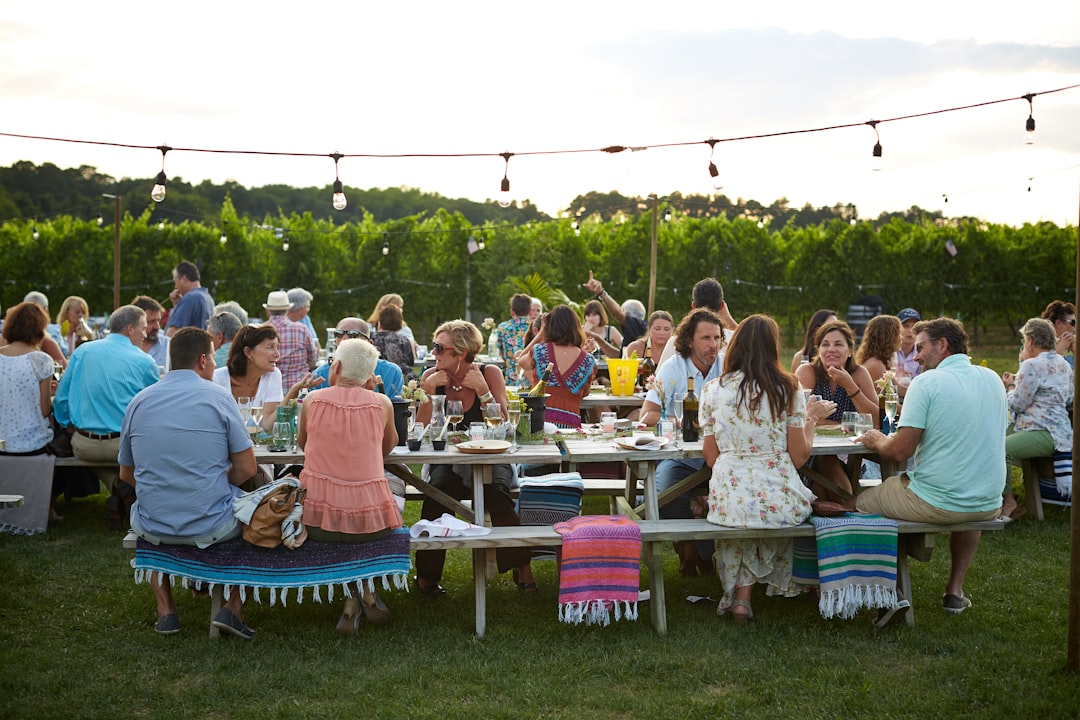
Wine country requires specific logistics. You’re buying bottles, driving between locations, and often picnicking at viewpoints that don’t have tables. My team and I refined our kit over multiple trips, and these are the items that actually earned their place.
Temperature-controlled bottle transport. If you leave a bottle of white in a hot car for two hours between tastings, you’ve ruined it. I carried a six-bottle insulated wine tote that kept everything at cellar temperature even when the trunk hit 85 degrees. For day trips where I only needed one or two bottles, a compact two-bottle neoprene carrier did the job without taking up the passenger seat.
Shatterproof glassware. Most winery picnic areas don’t provide glasses, and the ones that do aren’t washing them well. A set of Tritan stemless glasses survived being packed in a backpack, dropped on a stone patio, and sat on by my colleague. For the ultimate portable option, I also packed a few GOVINO flexible glasses — they flex, they don’t crack, and they’re recyclable when you’re done.
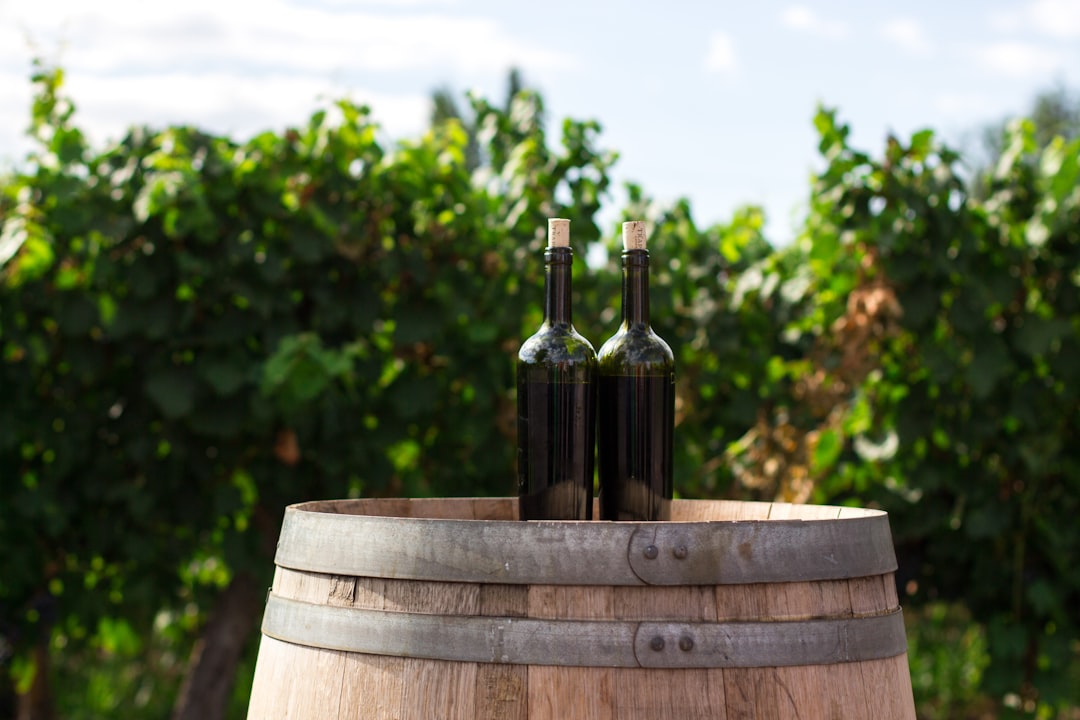
A proper corkscrew. I watched three different people struggle with cheap corkscrews at a viewpoint overlooking Seneca Lake, resulting in one cork crumbling into a $35 bottle of reserve wine. Don’t be that person. A double-hinged waiter’s corkscrew is the only tool worth carrying — it gives you the leverage for older corks and folds flat enough for a pocket. I also keep a TSA-compliant travel corkscrew in my carry-on for hotel wine emergencies.
Wine preservation. When you open something special and can’t finish it, a vacuum wine saver pulls the air out and buys you another 3-5 days of drinkability. This saved two half-bottles on the drive home that would otherwise have been poured out.
A real picnic setup. The lawns at many Finger Lakes wineries are designed for picnicking, but you need to bring everything. An 80-inch waterproof picnic blanket gave our group of four plenty of room and kept moisture from soaking through. For cheese and charcuterie that needs to stay cool in a warm car, a collapsible insulated cooler bag kept everything at serving temperature for six hours.
Beyond the Tasting Rooms
Here’s the thing about the Finger Lakes that most wine travel guides skip: you will get tasting fatigue. By day three, your palate needs a break, and there’s plenty to do that doesn’t involve swirling and spitting.
Watkins Glen State Park
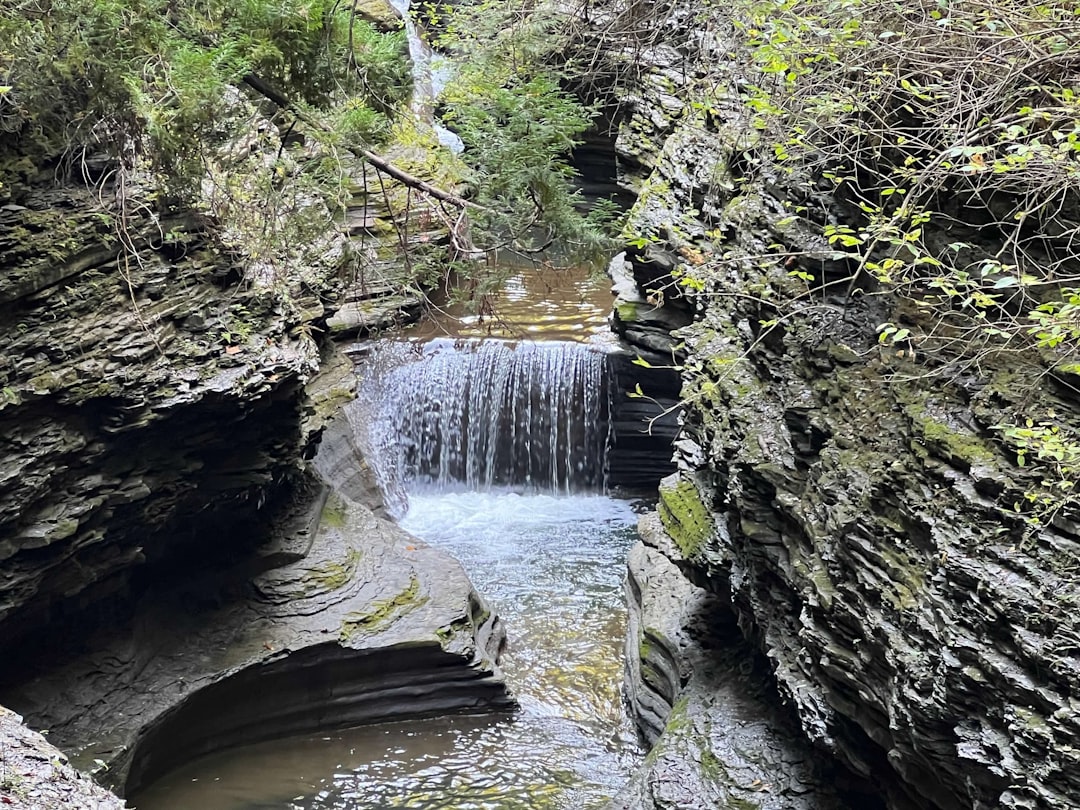
This is the non-wine highlight of the region. The gorge trail at Watkins Glen takes you through nineteen waterfalls over two miles, with stone steps carved into the cliff face and tunnels that feel like something out of a fantasy novel. My team’s photographer spent three hours here and complained we didn’t allot enough time. Go early — by 10 AM in September, the parking lot is full and the trail gets a flow of foot traffic that kills the solitude.
If you’re collecting dramatic hiking destinations, this region’s state parks consistently outperform expectations the way I’ve found in other parts of the country. Watkins Glen is the crown jewel, but Taughannock Falls — at 215 feet, taller than Niagara — is a ten-minute drive from Ithaca and requires almost no hiking to view.
The Towns
Hammondsport, Watkins Glen, and Geneva are the three anchor towns, and each is worth a half-day of exploration. Hammondsport has the small-town charm that reminds me why I keep returning to upstate New York — brick storefronts, a working soda fountain, and a village square that hosts live music on Saturday evenings in September. Geneva, at the north end of Seneca Lake, is a college town with genuinely excellent restaurants and a waterfront that’s been tastefully redeveloped.
For anyone who’s explored the Catskills and wants the next layer of New York State travel, the Finger Lakes is the natural progression. Same authentic character, same under-the-radar quality, but with wine.
Planning Your Harvest Trip
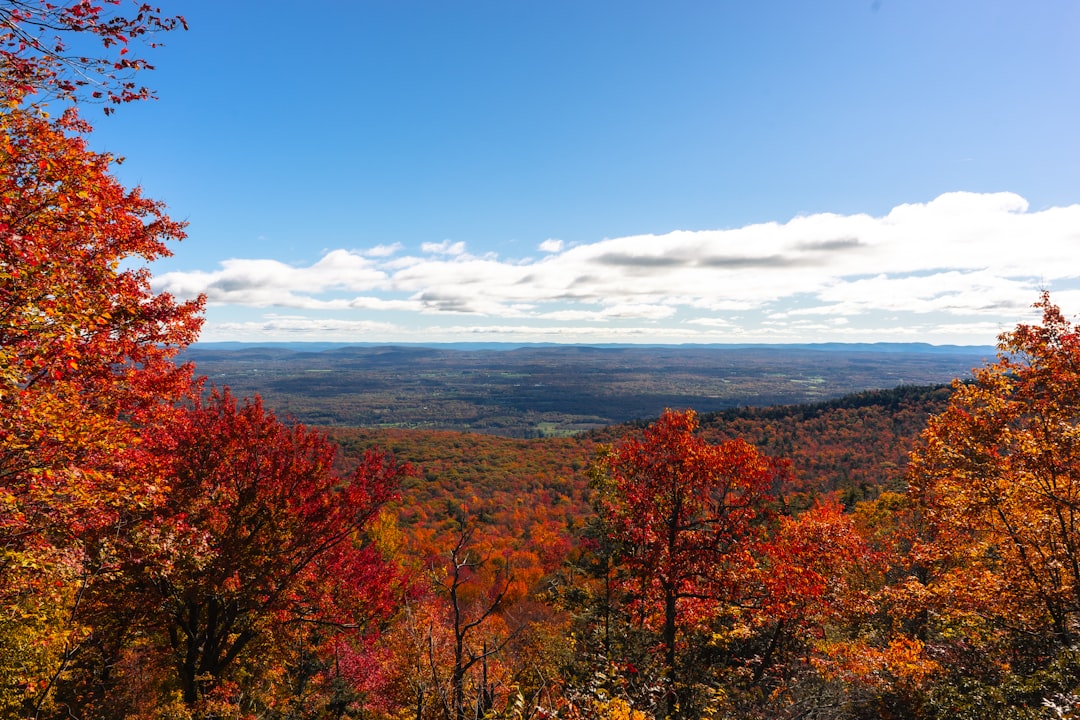
When to go: Late August through early October. Harvest timing varies by grape variety and year, but September is the sweet spot — the weather is still warm, most grapes are coming off the vines, and fall color starts at the higher elevations by mid-month.
How long: Minimum three full days. One day per lake is the baseline. Five days lets you slow down and revisit favorites.
Where to stay: I recommend basing yourself in two locations — one near Seneca Lake (Watkins Glen or Geneva) and one on Keuka (Hammondsport). This minimizes driving between tastings, which is both a safety consideration and a quality-of-life one.
Transportation: A car is mandatory. There’s no Uber between wineries, and the distances — 15 to 40 minutes between stops on different lakes — make rideshares impractical. Designate a driver or book a private wine tour service through any of the local companies. The roads are well-maintained and the scenery alone justifies the drive.
What to budget: Tastings average $5-15 per winery. A decent bottle starts around $18 and peaks around $40 for reserves. Lodging runs $120-250/night depending on season. You can do a four-day trip for two people comfortably under $1,500 including wine purchases.
What to bring home: Ship if you can. New York allows wineries to ship to most states, and the bulk rates are better than checked baggage fees. For bottles you carry, that insulated tote I mentioned earlier isn’t optional — it’s the difference between a $30 souvenir and $30 of vinegar.
The Bottom Line
Napa will always have the marketing budget. Sonoma has the weather. Willamette Valley has the food scene. But the Finger Lakes has something none of them can manufacture: authenticity at scale. These are farmers making world-class wine in a place that doesn’t take itself too seriously, and harvest season is when that character is most visible. You’ll talk to the winemaker. You’ll eat lunch on a porch overlooking a lake. You’ll pay $6 for a flight and walk out with two bottles of something you can’t buy anywhere else.
Go in September. Bring good walking shoes, a decent corkscrew, and a cooler that works. Don’t rush it.
1 thought on “Finger Lakes Harvest Season: Why New York’s Wine Country Peaks When the Crowds Leave”