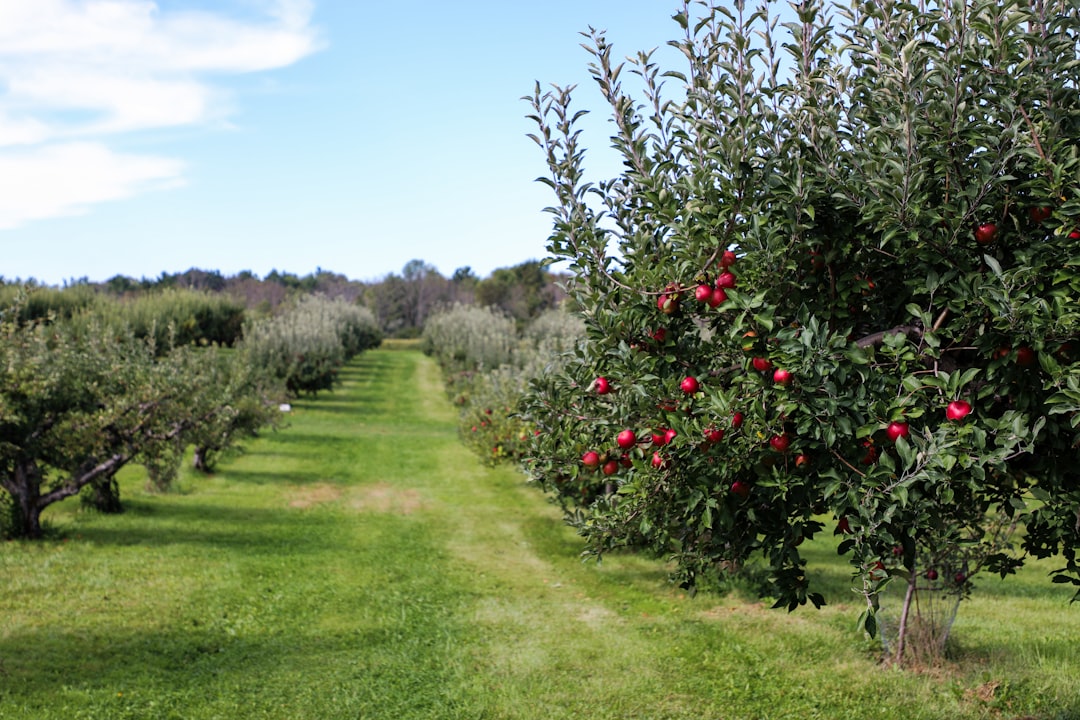
The first time I went apple picking as an adult, I got it completely wrong. It was the second weekend of October, I’d read exactly one blog post, and I showed up to a Hudson Valley orchard at eleven in the morning expecting Honeycrisp. What I got was a parking field the size of a county fair, a “picked out” sign on the rows I wanted, and a half-bushel of Cortlands I settled for because turning around empty-handed felt worse. The donuts saved the day. Barely.
Here’s what I know now that I didn’t know then: apple season isn’t a weekend, and it isn’t one season at all. It’s a ladder. Every variety ripens on its own schedule, and the orchard you visit on September 20 is a completely different orchard on October 20. My team and I have spent three falls chasing that ladder through four regions, calling crop lines the way other people check surf reports. This is the guide I wish someone had handed me in that parking lot.
Apple Season Runs on a Ripening Ladder, Not a Calendar
Orchards open for u-pick somewhere around mid-August in most of the country, but what’s actually on the trees changes week to week. Gala and McIntosh lead off in early-to-mid September. Honeycrisp — the variety everyone asks for — ripens around mid-September and tends to be picked clean by mid-to-late October. Then comes the second wave: Cortland, Empire, and Macoun hitting stride in early October, Jonagold and Fuji in mid-October, and Pink Lady and Granny Smith closing out the season in late October, sometimes stretching into November in the warmer regions.
The sweet spot, if you want maximum choice in a single trip, is the overlap: roughly the last week of September through the first two weeks of October, when Honeycrisp, McIntosh, Gala, Cortland, and early Fuji can all be ripe at once. That’s the window where a two-hour visit can fill a bag with five different apples for five different jobs — snacking, pies, sauce, cider, and the ones that just look good in a bowl on the counter.
One rule matters more than any date: call the orchard’s crop line or check their updates the morning you go. A rainy spring, a late frost, or a hot September can shift ripening by ten days in either direction. The ladder is reliable. The exact rung you’ll find is not.
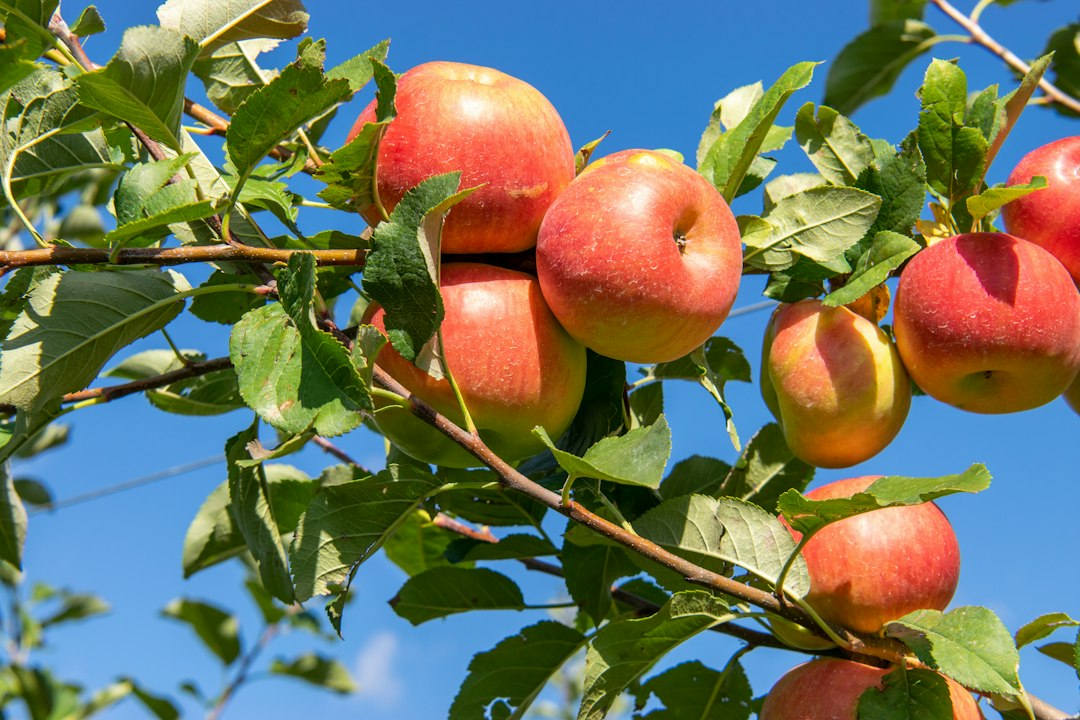
The Hudson Valley: Where the Apple Calendar Was Written
Start where American apple culture basically lives. The Hudson Valley, stretching north from just outside New York City, is dense with orchards that have been running u-pick weekends since before it was an Instagram format. The season here kicks off in early September and runs hard through late October, with the whole corridor wrapped in foliage color by the time the Macouns arrive.
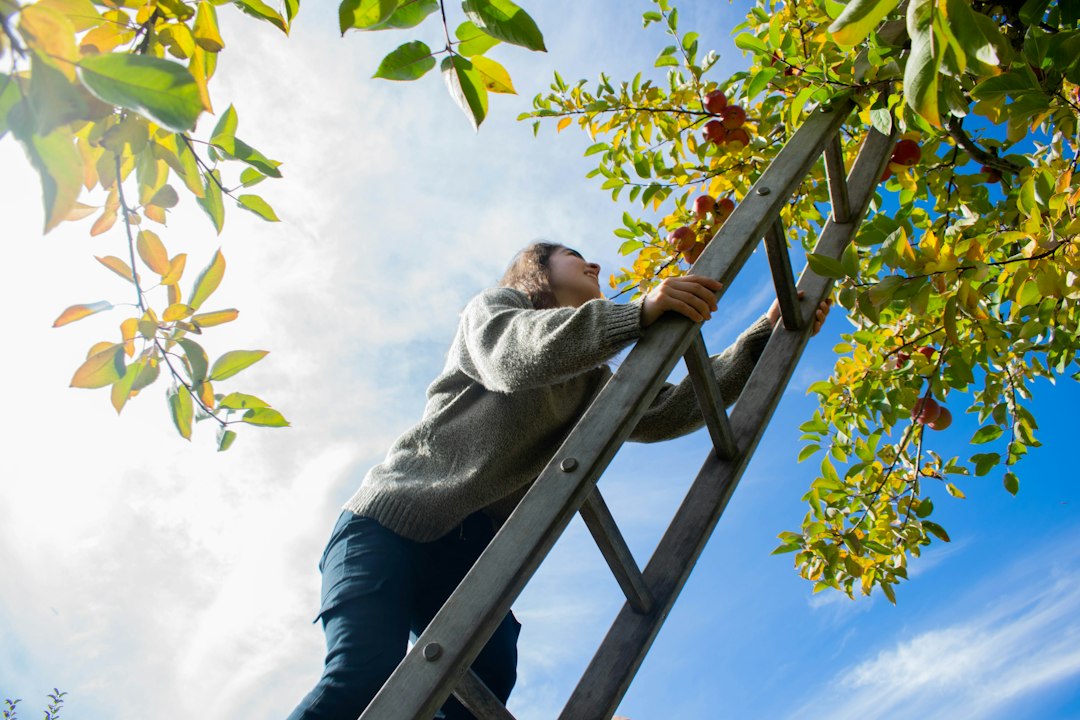
Two things make this region work. First, logistics: you can be in orchard country from Manhattan in under two hours, which is why Saturdays in October get busy enough that the smart move is arriving at opening or going Sunday morning. Second, variety: the valley’s growers run deep lists — dozens of varieties across the season — so the ladder is fully in effect. Bring a picking bag you don’t mind loading past the brim, because the per-pound price at most valley orchards beats what a single bag of Honeycrisp costs at a Brooklyn farmers market.
If you’re building a full weekend, point the car farther north or west, too. The same harvest logic that makes October magical here carries across the state — the Finger Lakes harvest season puts apples and wine country in the same two days, and barely anyone on the Orchard Road trail seems to know it.
Blue Ridge Foothills: Apple Country With a Southern Accent
The South doesn’t get enough credit for its apples, and North Georgia is the proof. Ellijay, in Gilmer County, bills itself as the apple capital of Georgia, and the orchards stacked against the mountains run u-pick from mid-September through late October. Because the season runs warmer and longer down here, this is the region where you can still be picking respectable apples into November — Pink Lady country, if you time it right.
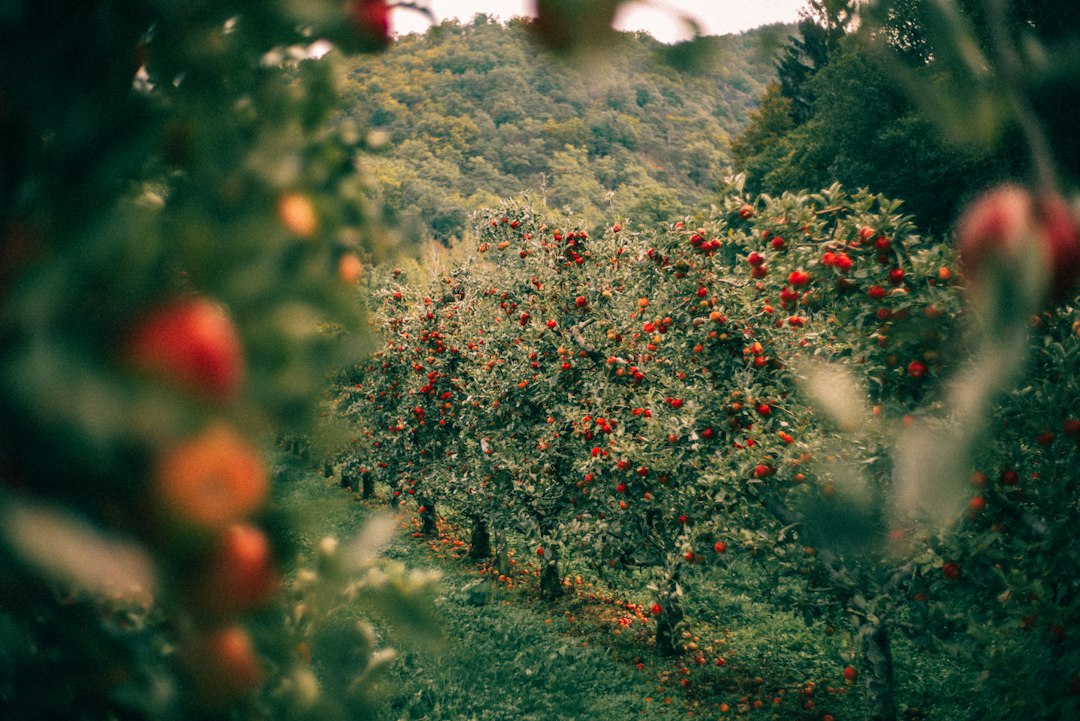
October is event season across the foothills — Ellijay’s apple festival runs two weekends every fall, and the orchards around it stack on hayrides, cider presses, and live music until the trees empty. The same rule applies an hour north in North Carolina, where the Hendersonville apple trail runs more than a dozen family orchards along quiet two-lane roads. What makes this region different from the Hudson Valley is the pace: parking is easier, lines are shorter, and the drive between orchards is half the reason to come. Pair it with a Blue Ridge Parkway foliage run and you’ve got the best of October in one loop.
Michigan’s Fruit Ridge: The Volume Play
Michigan grows more apples than any state except Washington, and the heart of it is the Fruit Ridge — a plateau northwest of Grand Rapids where the lake-effect climate sets up perfect orchard country. This is apple picking at industrial scale done with family-farm hospitality: markets the size of barns, cider mills running daily, and u-pick rows measured in acres rather than trees.
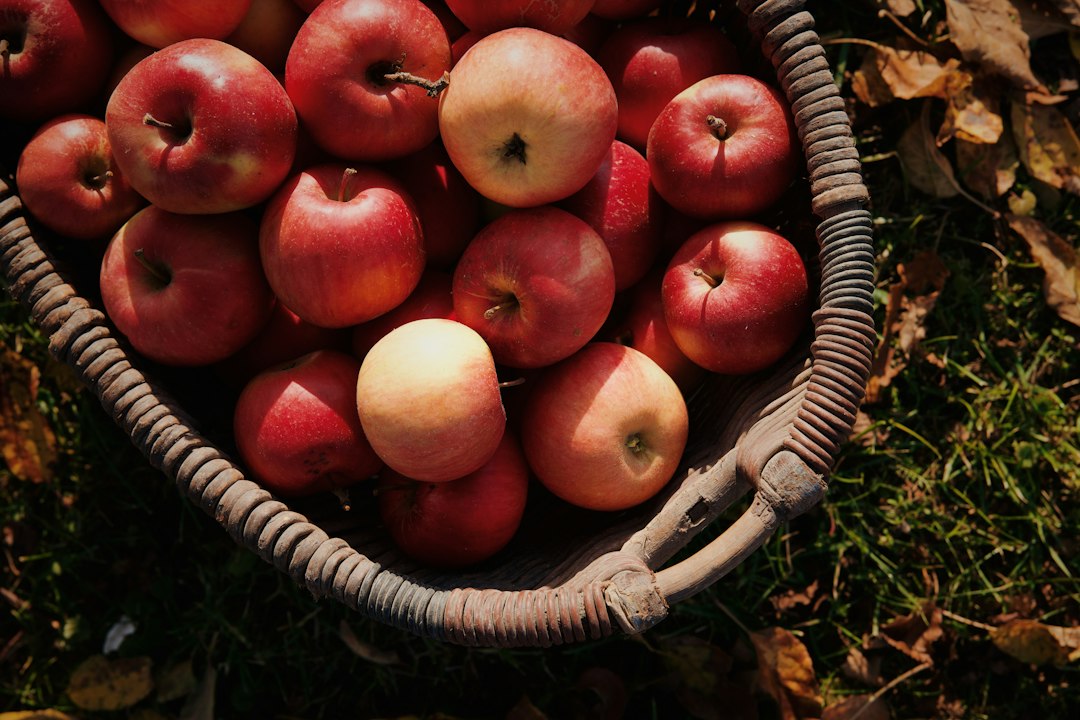
The season ladder in West Michigan runs mid-September through late October, with the lake keeping autumn temperatures steady enough that the varieties roll in reliably. Come the last two weekends of October, the action shifts north — Door County after cherry season is quietly one of the best late-fall orchard trips in the Midwest, where the apples keep giving after the summer crowds have gone home. If your October is already packed, Michigan is also the region most likely to still have fruit in the first week of November.
Washington: Where the Nation’s Apples Actually Come From
Roughly six in ten American apples grow in Washington State, and Wenatchee wears the title “Apple Capital of the World” on its water tower. Here’s the twist: because the industry runs on commercial harvest, genuine u-pick orchards are fewer and farther between than back east. What you get instead is quality over quantity — small family operations in the Yakima and Wenatchee valleys where the picking is spectacular and the scenery involves actual mountains.
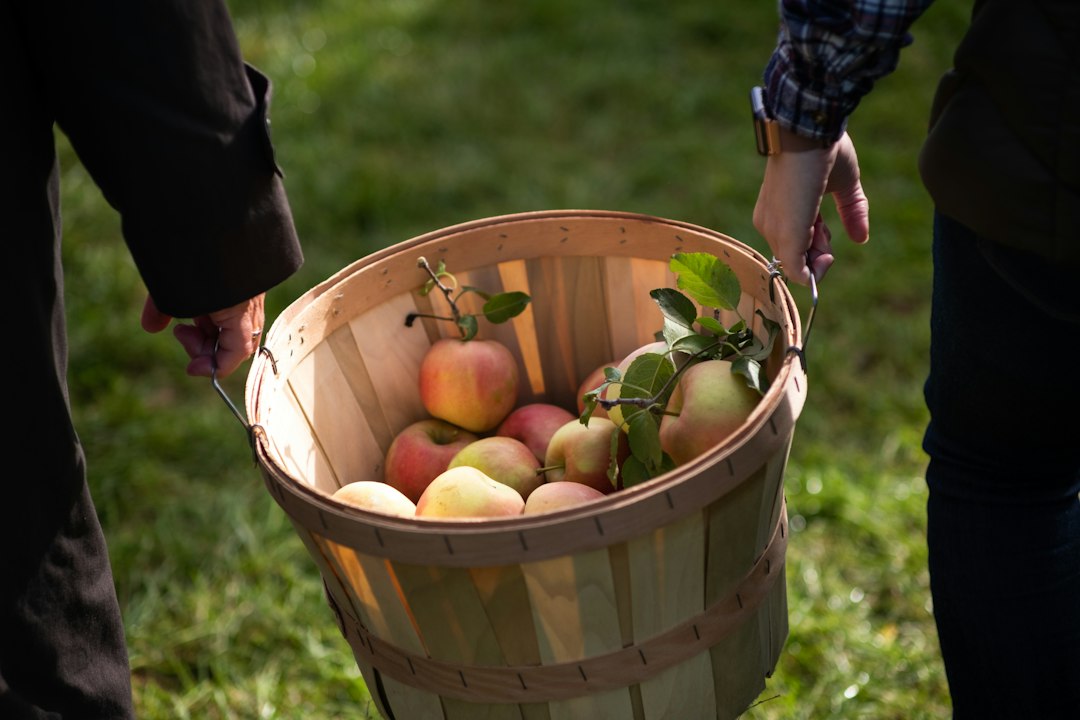
The Washington ladder starts earlier and runs longer than anywhere in the country — late August through early November — because the growing season is that steady. Hood River, just across the Columbia from Mount Hood, is the region’s best-kept pick: orchards stacked on hillsides with a volcano view, cider houses in every direction, and u-pick rows that rarely feel crowded on a weekday. If you live within a day’s drive of the Cascades, this is your region, and October is its best month.
What Rides in the Trunk
Three falls of this have refined my orchard kit down to what actually earns its space. The single biggest upgrade for families or anyone picking serious volume is a folding wagon — orchards rent them when they have them, but the Mac Sports collapsible wagon folds flat enough to live in the trunk permanently and hauls a half-bushel plus a small child without complaint. For the picker who wants to keep both hands on the tree, Barebones’ harvesting bag is the field-tested option — it hangs off your shoulder, loads from the top, and saves you the back-and-forth to the wagon on every tree.
A few smaller items matter more than you’d think. A good insulated bottle is non-negotiable in October sun, and a waterproof picnic blanket turns any orchard’s edge into lunch seating with a view. And if you come home with a trunk full of fruit every year like we do, the eventual conclusion is that a telescoping fruit picker for the backyard tree you keep ignoring is cheaper than four orchard trips — though it will never replace them, and it isn’t welcome in u-pick rows where orchards provide their own ladders. Read the rules; most limit you to what you can reach or what they hand you.
The Cider Donut Standard
Every orchard region in America has a bakery, and I have eaten my way through enough of them to formally declare cider donuts the correct unit of quality measurement for any u-pick operation. The correlation is real: orchards that fry donuts in cider batter on-site, to order, with a line that moves fast, are almost always the same orchards that manage their rows well. The donut is the culture test.
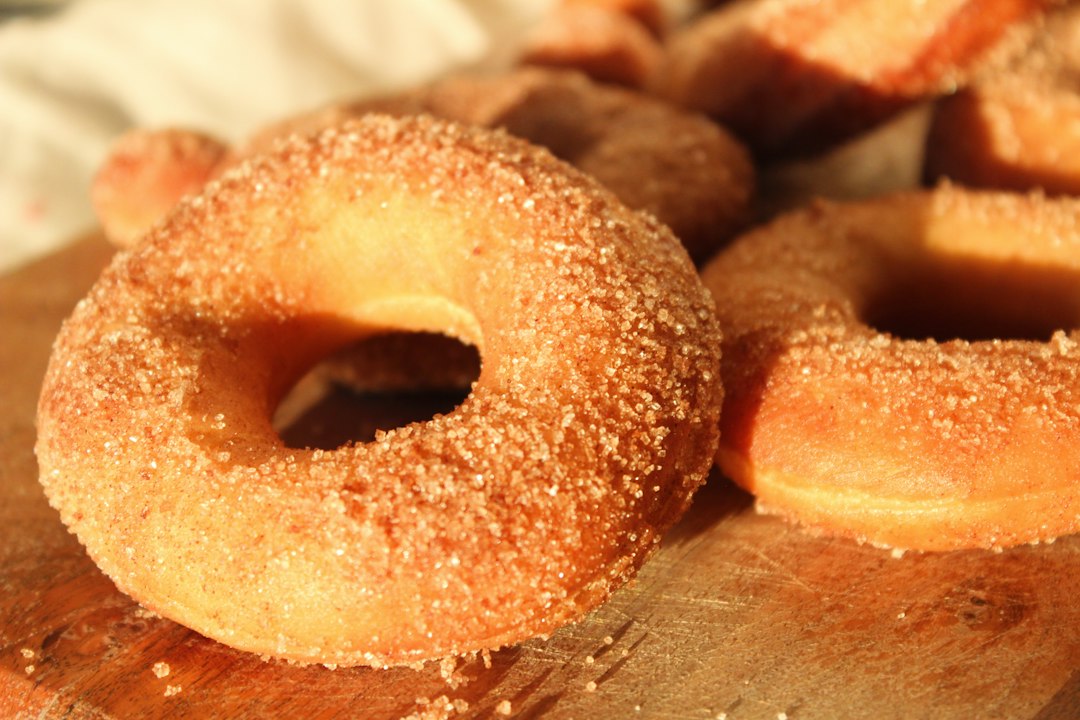
Practical advice: order before you pick, not after. The hot ones come out in waves, and the post-picking rush at two in the afternoon is when lines go fifteen deep. Get your dozen first, carry them out to the rows, and do what my team does now — coffee or hot cider from a proper vacuum bottle that stays hot for hours, donuts on the tailgate between trees. It is the single best fifteen minutes of the orchard day, and it costs about eight dollars.
Twenty Pounds Later: Winning the Aftermath
Nobody plans for how many apples they actually pick. The bags are big, the trees are heavy, and self-control left in the parking lot. So plan the aftermath before you leave home. Apples keep best cold — the crisper drawer buys you weeks, and ventilated produce storage containers with drainage buy you more, because the one bruised apple really does take the rest down with it. Sort the moment you’re home: perfect ones to the fridge, bruised ones straight to sauce.
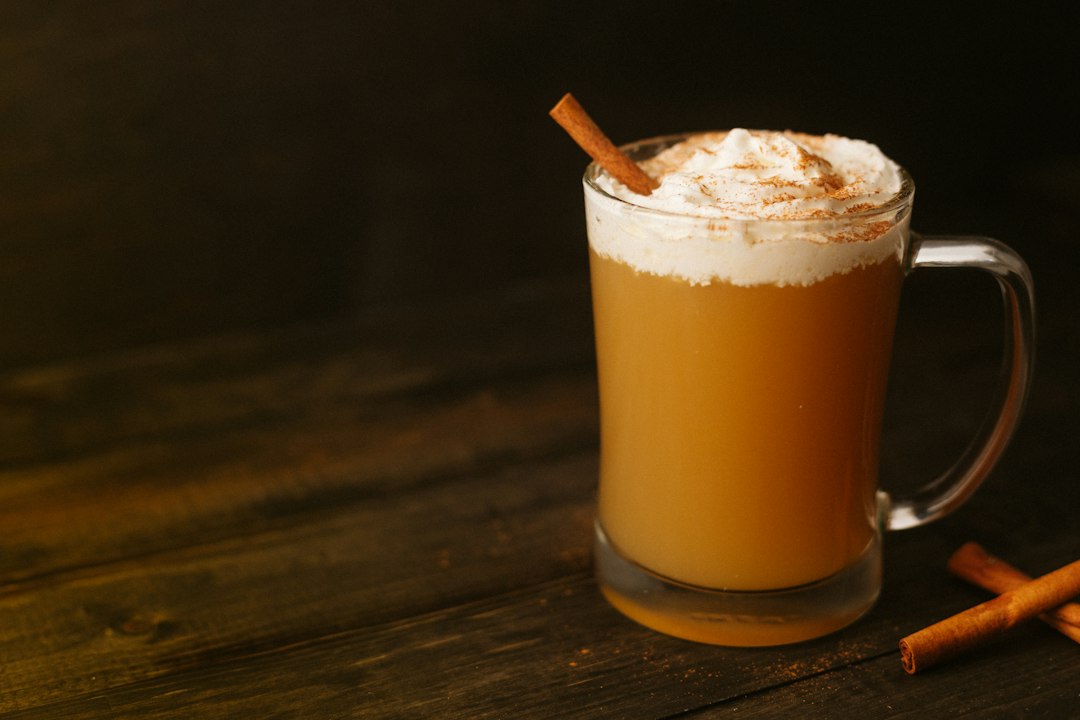
The processing stack can be as simple or ambitious as your kitchen allows. An OXO apple slicer turns pie prep from a chore into a five-minute job, and it’s the twelve-dollar tool every apple household should own. And for the truly committed — the people who picked forty pounds and know who they are — a manual cider press is the endgame purchase that turns every future October into a pressing party. For the drive home from the orchard itself, a jumbo insulated grocery bag keeps the fruit cool and the farmer’s-market extras from rolling around the trunk for three hours of highway.
Picking Your Weekend
Here’s the whole system in four moves. Pick your region by geography and your weekend by apple: early-to-mid September for Honeycrisp, early October for the Cortland-Macoun window, late October for Pink Lady and Fuji. Call the crop line the morning of — orchards update them religiously, and a two-minute call beats a two-hour drive to empty rows. Arrive at opening on weekends, or go weekday mornings when the rows are quiet and the donuts are fresh.
And if you’re the kind of planner who wants the leaves and the apples in one trip, you’re in luck — the windows overlap almost perfectly, and the 2026 foliage forecast tells you which regions are peaking when. Peak color and peak Macouns tend to show up the same week. October was built for people who plan. Now you’re one of them.