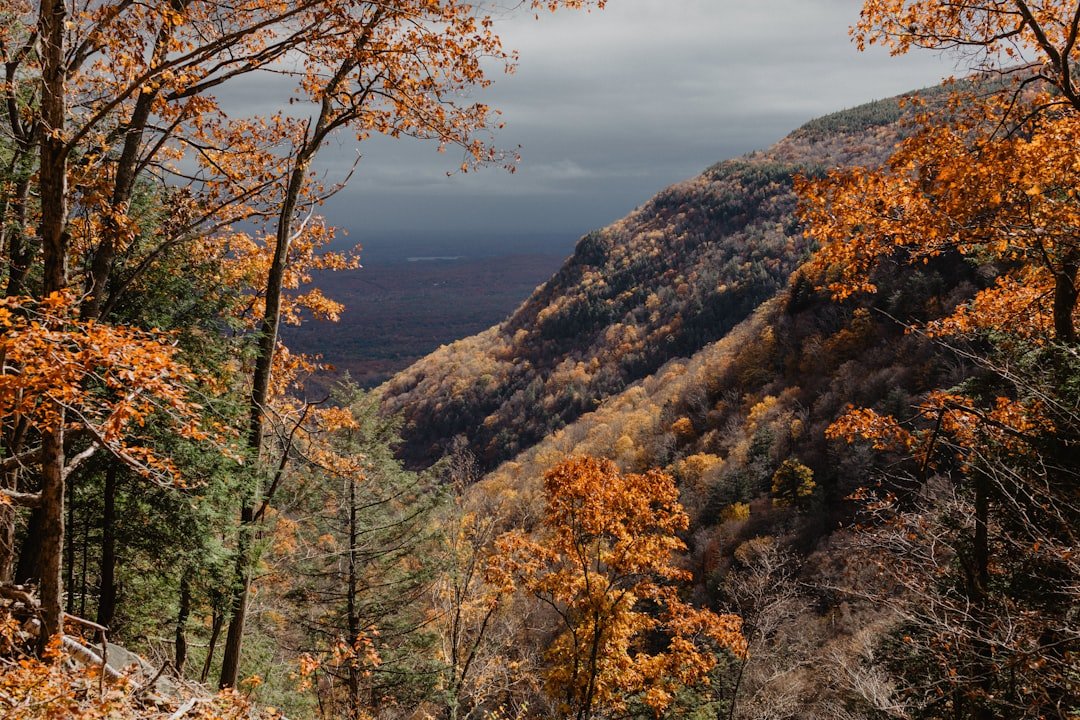
I almost didn’t write this article. Not because the Catskills didn’t deserve it — but because I was halfway hoping nobody else would discover what I found during ten days last June, driving through Greene and Ulster Counties with no plan beyond “find water and follow it.” What I found was a mountain region two hours north of Manhattan that somehow still feels like a secret, even as boutique hotels and farm-to-table restaurants pop up in restored barns alongside creeks you can drink from (almost). The Catskills didn’t just change my summer plans. They changed my entire understanding of what an East Coast mountain getaway could be.
I’ve spent summers in Saratoga Springs and driven the New England scenic byways more times than I can count. But the Catskills hit different. There’s a rawness here — a kind of organized wilderness that doesn’t ask you to rough it but doesn’t pamper you either. You can hike a mountain in the morning, swim in a creek at lunch, drink world-class coffee in a converted gas station by 3 PM, and be at a brewery listening to live music by sunset. That’s not a vacation itinerary. That’s a rhythm.
Why the Catskills Should Be Your Summer 2026 Destination
Here’s the thing nobody tells you about the Catskills: they’re not trying to impress you. There’s no gondola whisking you to a manufactured viewpoint, no Instagram board telling you where to stand. The Catskills are a place that rewards curiosity and punishes laziness. You have to want it. And once you do, the payoff is extraordinary.
The region spans roughly 6,000 square miles across Delaware, Greene, Sullivan, and Ulster Counties. That’s larger than some national parks. Within that footprint, you’ll find 98 peaks above 3,000 feet, six major river systems, and more waterfalls than anyone has bothered to formally count. The Catskill Park, established in 1904, protects roughly 700,000 acres of forest preserve — and it’s all within a two-and-a-half-hour drive from New York City.
Summer 2026 is an especially good time to visit. The region has seen a quiet renaissance over the past few years, with new breweries, distilleries, restaurants, and lodging options opening at a pace that rivals any major travel destination — except here, they’re opening in 200-year-old barns and refurbished general stores instead of glass towers. The crowds that descend on the Adirondacks and Berkshires haven’t quite caught on yet, which means you can still find a swimming hole on a Saturday in July and have it mostly to yourself.
Hiking the Catskills: Trails That Earn Their Views
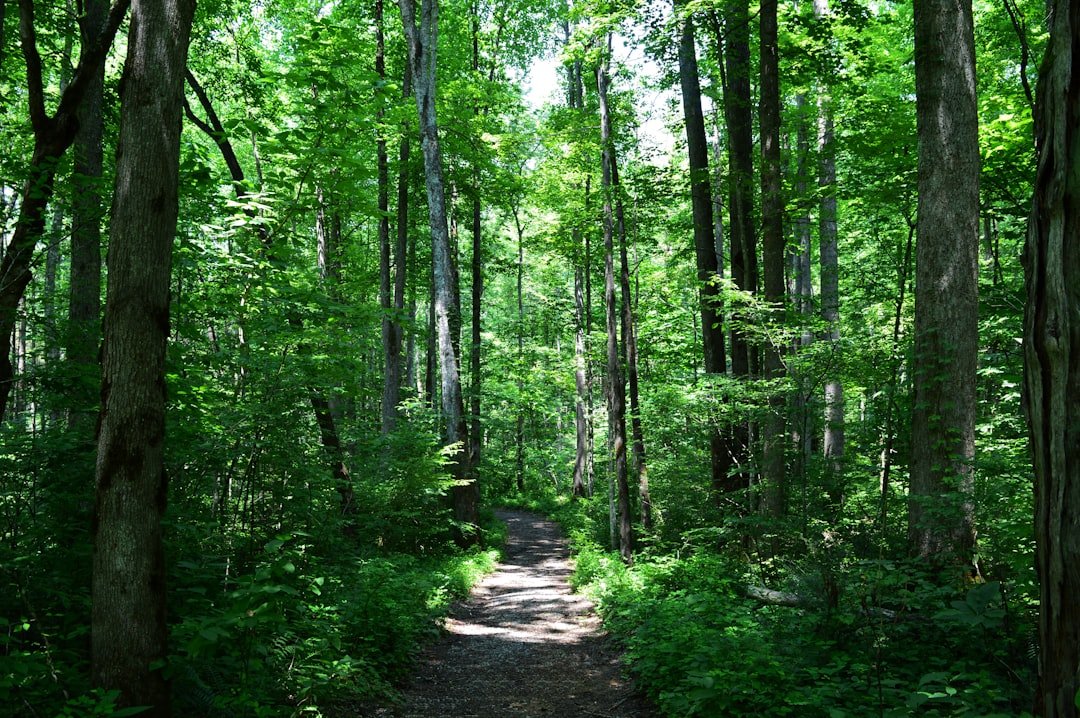
The Catskill High Peaks are the crown jewel, and yes, they live up to the name. But let me save you some trial and error: the best hiking in this region isn’t always about bagging the tallest summit. Some of my most memorable trail hours were on paths that barely registered on the elevation profile.
Kaaterskill Falls: The Two-Tier Wonder
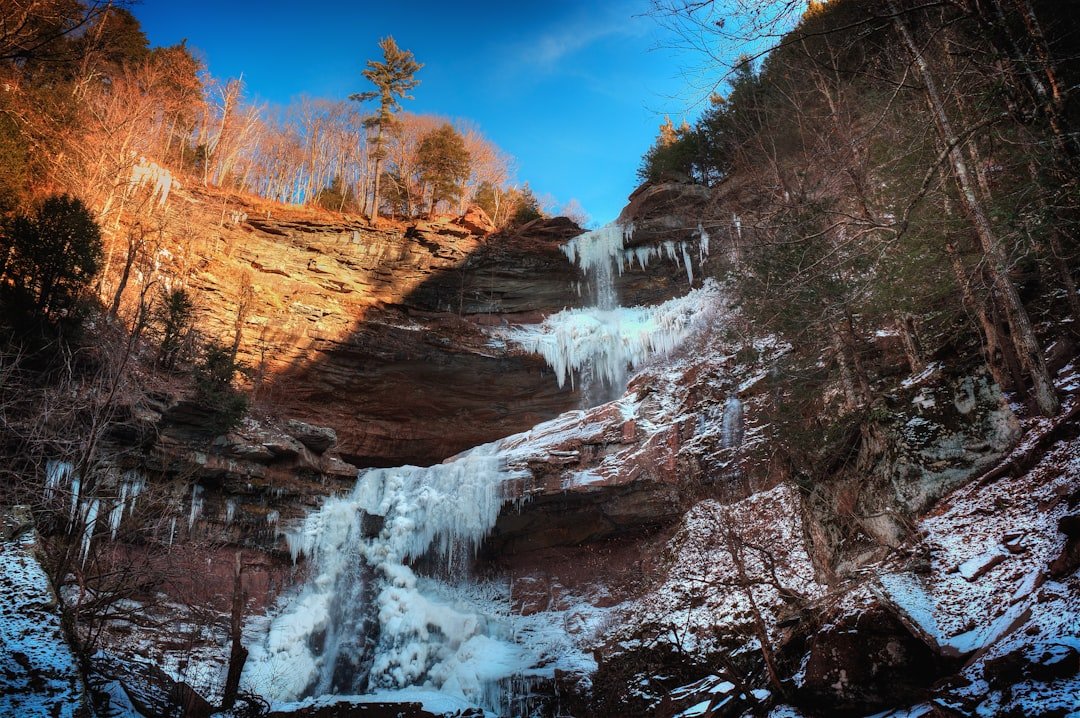
Kaaterskill Falls is the tallest waterfall in New York State — a 260-foot, two-tiered cascade that drops through a granite amphitheater so dramatic it looks computer-generated. The trailhead is right off Route 23A, making it one of the most accessible marquee hikes in the region. A well-maintained trail leads to an observation platform with a head-on view of both tiers, and from there, a steeper path climbs to the top of the falls.
Word of caution: the rocks at the top are deceptively slippery, even in dry conditions. Every year, someone gets too close to the edge for a photo. Enjoy the view from the safe, established areas. The observation platform alone is worth the trip. If you’re doing any serious hiking in the region, a sturdy pair of waterproof hiking boots will serve you far better than sneakers — the trails here are rocky, root-laced, and often wet from afternoon thunderstorms that roll through without warning in July and August.
The Devil’s Path: For When You Want to Suffer Beautifully
If you’re the type who reads “one of the hardest hikes east of the Mississippi” and immediately starts lacing up, the Devil’s Path is waiting. This 24-mile traverse crosses six High Peaks with cumulative elevation gain that rivals anything in the White Mountains. Most people do it as an overnight or in segments. I attempted the Indian Head portion as a day hike and it dismantled me in the best possible way. Pack more water than you think you need — a large insulated bottle that keeps water cold for hours is non-negotiable when you’re climbing 1,500 feet per mile in 85-degree heat.
For something more manageable, the Escarpment Trail offers 23 miles of cliff-edge walking with views that stretch to Massachusetts on clear days. You can segment it into day hikes of varying lengths. The section from North Point to Sunset Rock is about 5 miles round-trip and delivers the kind of panoramic payoff that makes you understand why the Hudson River School painters set up their easels here.
Swimming Holes: The Catskills’ Best-Kept Secret
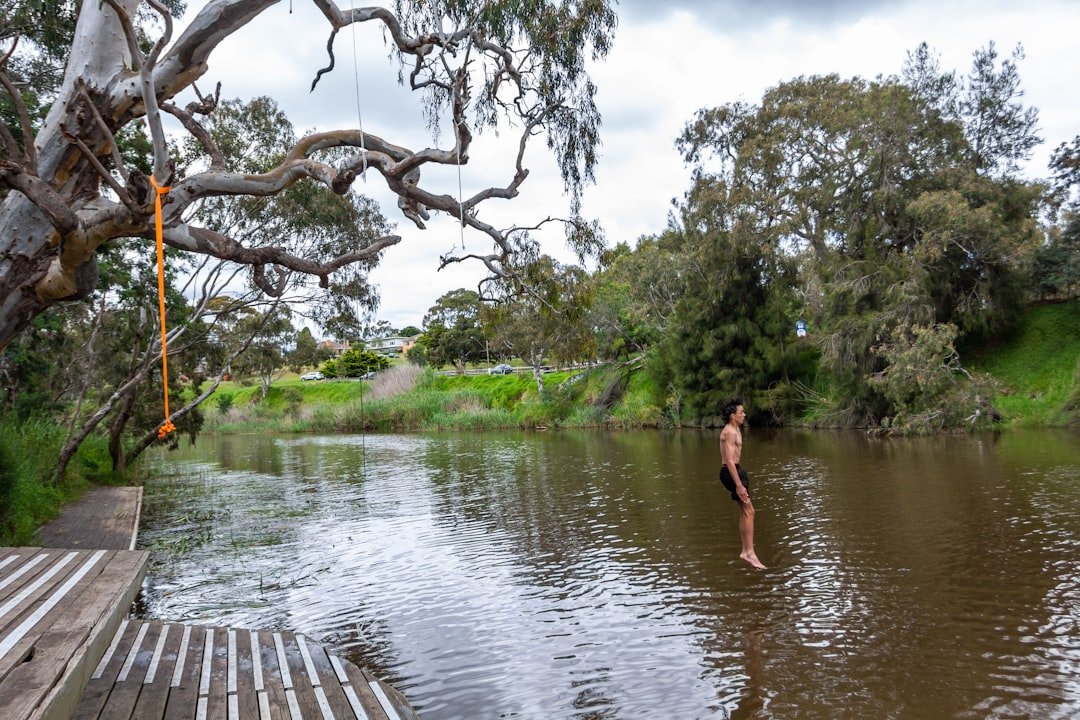
I’ve chased hidden swimming holes across America, and the Catskills have some of the finest I’ve ever plunged into. These aren’t chlorinated pools with lifeguards and snack bars. They’re natural basins carved into creek beds, fed by mountain runoff, surrounded by mossy boulders and eastern hemlocks. The water is cold — the kind of cold that makes you gasp and then immediately start laughing.
Fawn’s Leap, on the Kaaterskill Creek, is the iconic one. A 15-foot waterfall drops into a deep, swimmable pool with rocks you can jump from (if you know the right spots — watch the locals first). It’s accessible via a short walk from Route 23A, which means it can get busy on weekends. Go early on a Tuesday and you might have it to yourself.
The Peekamoose Blue Hole, in the Sundown Wild Forest, is another stunner — a perfectly circular pool of turquoise water that looks more Belize than upstate New York. It requires a permit on summer weekends (the state instituted a reservation system to manage crowds), so plan ahead. Bring a quick-dry travel towel because you will want to dry off in the sun on the rocks afterward, and a regular beach towel will stay wet in your pack for the rest of the day.
A reliable natural bug repellent is essential around any standing water in the Catskills. The black flies and mosquitoes are plentiful in June and July, and while they won’t ruin your experience, they’ll certainly test your patience if you come unprepared.
The Towns: Where the Catskills’ Soul Lives
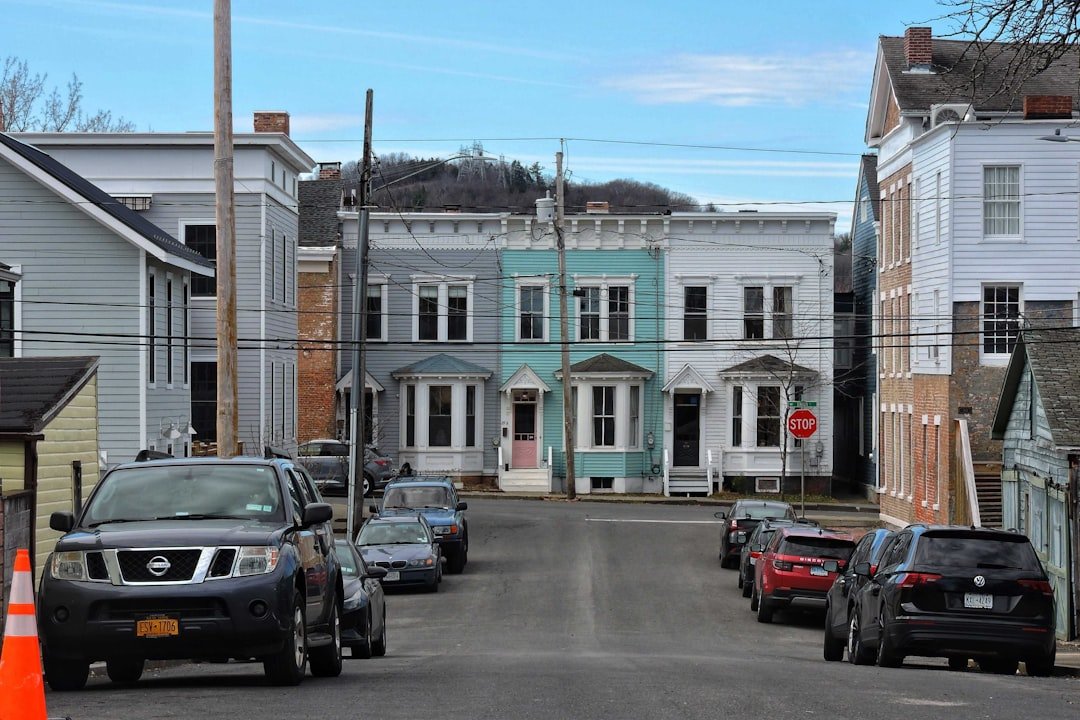
You could spend an entire trip just bouncing between the small towns that dot the region, and honestly, that wouldn’t be a bad vacation. Each has its own personality, its own rhythm, and its own version of the Catskills story.
Woodstock: More Than the Name
Yes, the famous 1969 concert was actually held 60 miles southwest in Bethel. But Woodstock the town has fully leaned into its legacy as a counterculture haven, and it works. The village green hosts drum circles on summer evenings. Art galleries line Tinker Street. The Woodstock Artists Association and Museum has been exhibiting regional art since 1919, long before the music made the name famous.
I spent an entire morning at Bread Alone Bakery on Mill Hill Road, eating sourdough and watching locals walk dogs the size of ponies. That’s a Catskills morning. Nobody’s rushing. The coffee is excellent. The bread is better. You can stock up on provisions for a day hike at the nearby health food store, or browse the independent bookshop for something to read by a creek later.
Phoenicia: Tiny Town, Big Character
Phoenicia sits along the Esopus Creek in the heart of the mountains, population roughly 300. It’s the kind of place where the hardware store also sells local honey and the gas station has better sandwiches than most delis. It’s also the tubing capital of the Catskills — on a hot Saturday, the Esopus is dotted with people floating downstream in inner tubes. Town Tuber and other outfitters rent everything you need for about $20.
If you’re planning a day of tubing or creek-hopping, a soft-sided cooler bag that you can sling over your shoulder keeps drinks and sandwiches cold without the bulk of a hard cooler. Fill it with ice at any gas station and you’re set for the afternoon.
Bethel: Where the Music Never Really Stopped
Bethel is where the actual Woodstock festival happened, and today the site is home to Bethel Woods Center for the Arts — a beautiful amphitheater and museum complex built on the original field. The 2026 summer concert schedule at Bethel Woods is stacked: James Taylor, Paul Simon, Santana, and Alabama Shakes are all on the calendar. The on-site museum walks you through the 1969 festival with artifacts, film footage, and interactive exhibits that even skeptics will find genuinely moving.

Adjacent to the venue, a glamping site lets you sleep in safari tents with real beds and linens — a far cry from the muddy chaos of ’69, but a comfortable base for a concert weekend. Tickets for marquee shows sell out months in advance, so check the schedule and book early.
The Food and Drink Revolution
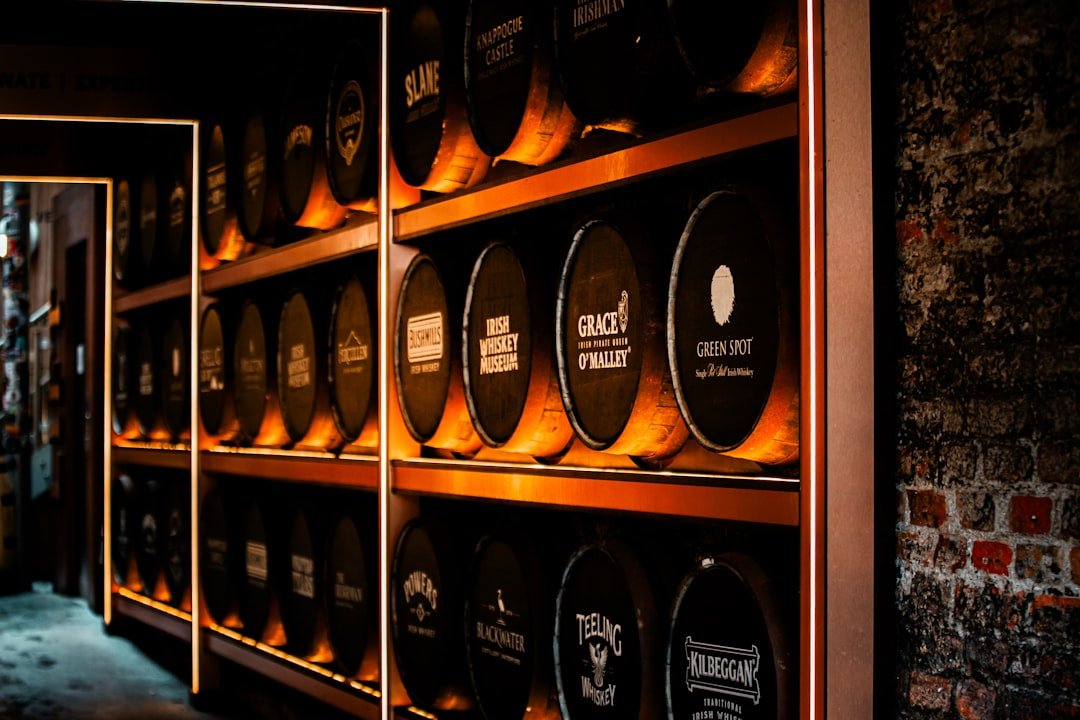
Ten years ago, dining in the Catskills meant diners, pizza places, and the occasional steakhouse. Today, the farm-to-table movement has transformed the region into a genuine culinary destination — and I don’t say that lightly. Chefs from Brooklyn and Manhattan have migrated north, bringing technique and ambition, but the ingredients are hyperlocal: trout from the Esopus, cheese from nearby creameries, produce from farms you can see from the road.
The Catskills Beverage Trail connects breweries, cideries, and distilleries across Greene County. To think that the craft beer selection in this rural region now rivals what you’d find in any major city — and that you can drink it overlooking a mountain valley instead of a concrete sidewalk — is pretty remarkable. Some standout stops include Catskill Brewery in Livingston Manor (their IPA is excellent), Crossroads Brewing in Catskill (rooftop deck with mountain views), and Arrowood Farms in Accord (brewery on a working farm with pick-your-own hops in season).
For food, two spots defined my trip. The first was Scribner’s Catskill Lodge in Hunter, where the restaurant serves elevated American fare with ingredients sourced from within 50 miles. The second was Peekamoose Restaurant in Big Indian, tucked inside a converted barn, serving what they call “Catskill Cuisine” — think venison, wild mushrooms, and seasonal vegetables so fresh you can taste the soil they grew in.
Where to Sleep: From Rustic to Boutique
Lodging in the Catskills runs the full spectrum, and that’s part of the appeal. You can go full backcountry at one of the many state-run campgrounds (Mongaup Pond and North-South Lake are the most popular), string up a portable camping hammock between two hemlocks, and fall asleep to the sound of a creek. Just make sure you pick up tree-friendly hammock straps that won’t damage the bark — the state park system is strict about Leave No Trace.
On the other end, the boutique hotel scene has exploded. The Kitten’s Nest in Halcott is a farmhouse B&B with mountain views that will make you want to extend your stay. The Wylder in Windham occupies a 12-acre hillside and has fire pits, lawn games, and rooms with floors made from reclaimed barn wood. And Scribner’s in Hunter combines a luxury lodge experience with trail access that lets you step out your door and onto a hiking path within minutes.
If you’re packing light, a good 40-liter hiking backpack is all you need for a long weekend — toss in a change of clothes, your swim gear, and a camera, and you’re set for anything from camping to a boutique hotel.
Planning Your Catskills Trip
The ideal Catskills trip, in my experience, is five to seven days. That gives you time for two or three solid hikes, a swimming hole day, a town-hopping day, a brewery or distillery afternoon, and at least one day where you do absolutely nothing except sit on a porch and stare at mountains. Anything less than three days and you’ll feel rushed; anything more than ten and you might start looking at real estate listings (I’m only half joking).
Getting there is straightforward. From New York City, it’s roughly two hours by car via I-87 North. From Boston, plan on about three and a half hours. There’s no major airport in the region, but Albany International is about 90 minutes north, and Stewart International in Newburgh is about an hour south.
The best time to visit is mid-June through September. June offers the lushest greenery and the most dramatic waterfalls (fed by spring runoff), but black flies can be intense early in the month. July and August are peak swimming weather and when the concert season at Bethel Woods is in full swing. September brings fall foliage and fewer bugs, though the swimming holes start getting cold.
One last thing: cell service is spotty across much of the region, especially in the valleys and on the trails. Download offline maps before you go, let someone know your hiking plans, and embrace the disconnection. Part of the Catskills’ magic is that you genuinely can’t check your email from the bottom of a swimming hole. I tried. The water doesn’t care about your inbox.
2 thoughts on “The Catskills, New York: The Mountain Escape That Made Me Rethink East Coast Summer Travel”