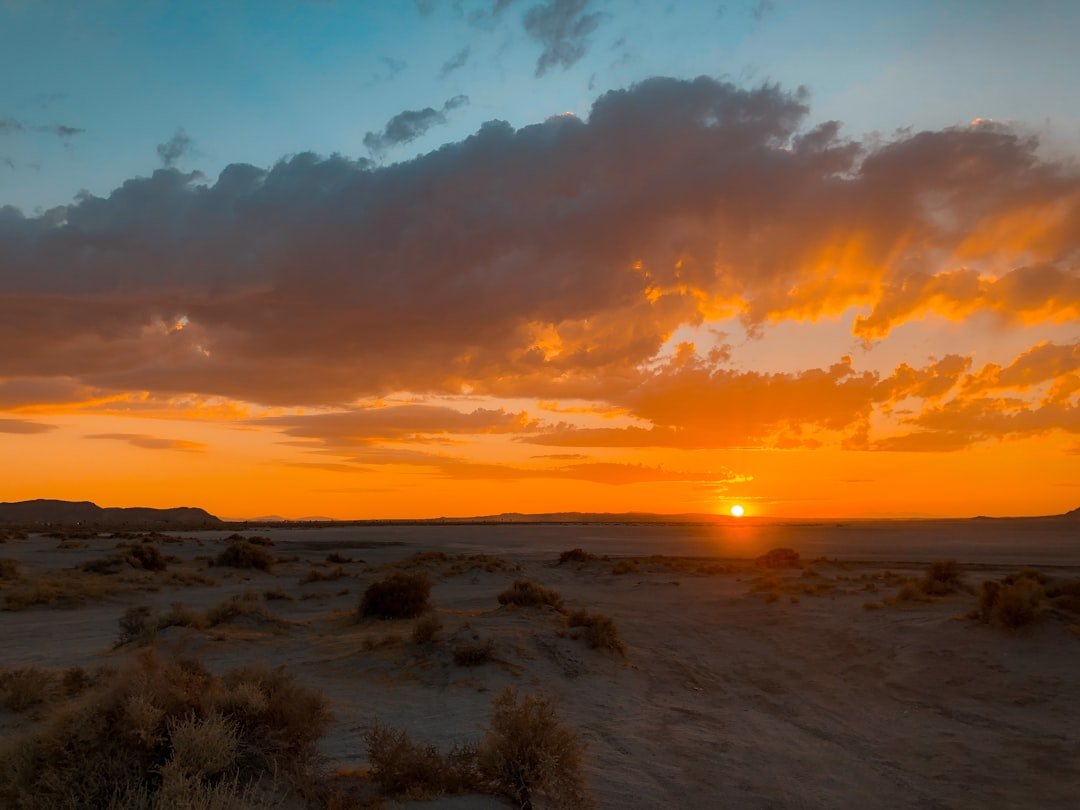
The first time I pulled off a dusty BLM road in southern Utah and killed the engine, the silence hit me like a physical thing. No highway drone. No neighbor’s TV. Just wind through the sage and a horizon so wide it made my chest open up. I’d spent months planning that trip — studying satellite imagery, reading forum posts from people who’d been there years before me, downloading offline maps like my life depended on it. Because in a very real sense, it did.
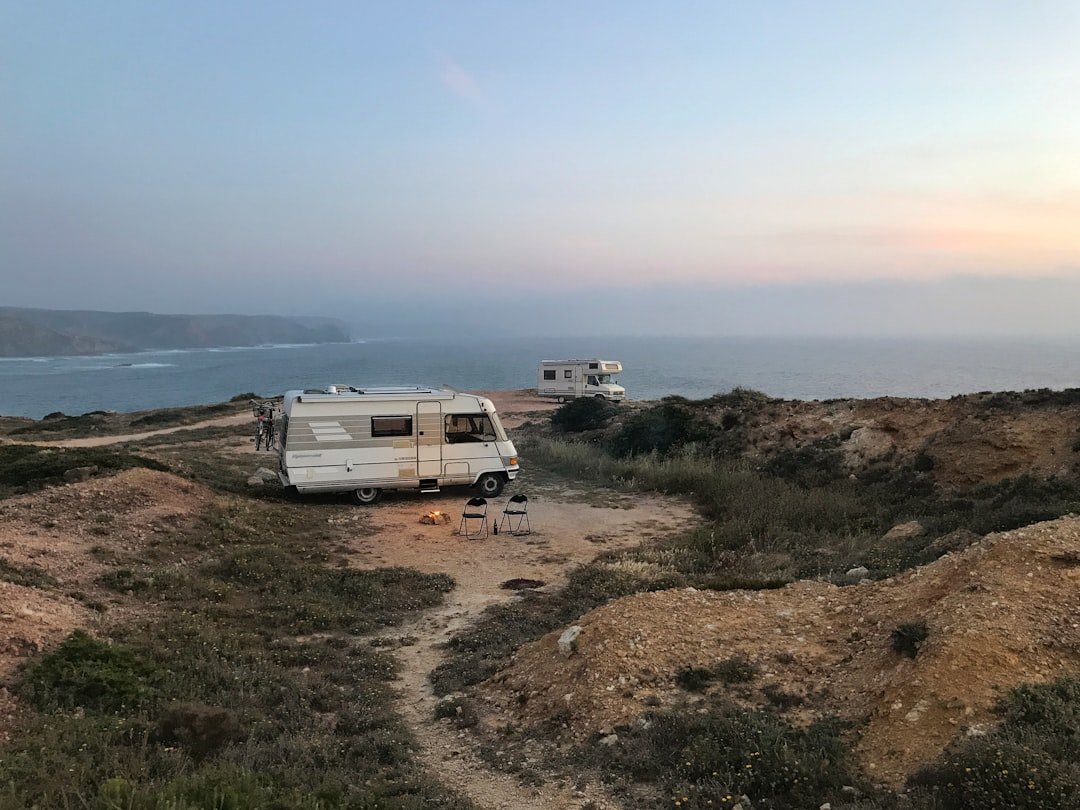
That night, parked on a mesa with zero cell service and a 360-degree view of nothing but red rock and sky, I understood why people chase boondocking the way surfers chase swells. It’s not just free camping. It’s a completely different relationship with the road.
If you’ve been curious about taking your campervan or RV off the beaten path — away from hookups, reservation systems, and the RV park shuffle — this is everything I’ve learned from three years and thousands of miles of dispersed camping across the American West.
What Boondocking Actually Means (And Why It’s Not Just “Free Camping”)
Boondocking — also called dispersed camping or dry camping — means parking and sleeping on public land without amenities. No water hookups, no electric pedestal, no dump station, no bathhouse. You bring everything you need and you pack out everything you create. The “free” part is real, but the trade-off is that you’re entirely responsible for your own comfort, power, water, and waste.
The United States has roughly 245 million acres of BLM land and 193 million acres of National Forest where dispersed camping is legal, plus scattered tracts managed by the Army Corps of Engineers, state forestry departments, and wildlife management areas. That’s an almost incomprehensible amount of open ground. But finding the right spot — one that’s accessible, scenic, safe, and legal — takes some know-how.
The Best Boondocking Regions I’ve Found in America
The Colorado Plateau: Southern Utah and Northern Arizona
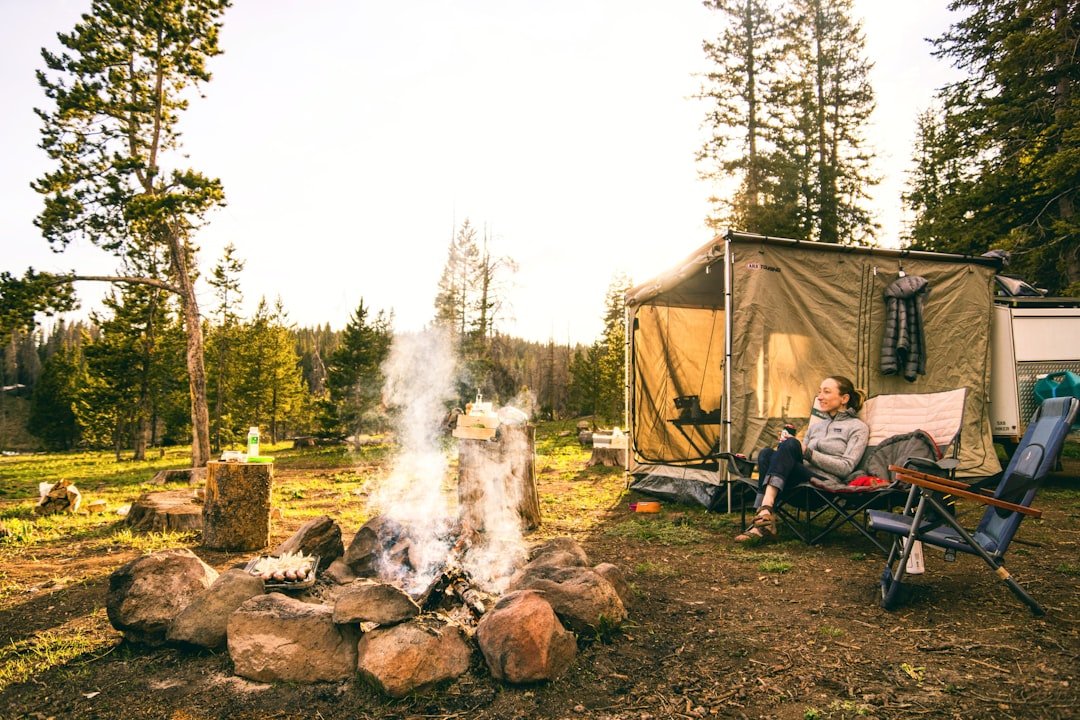
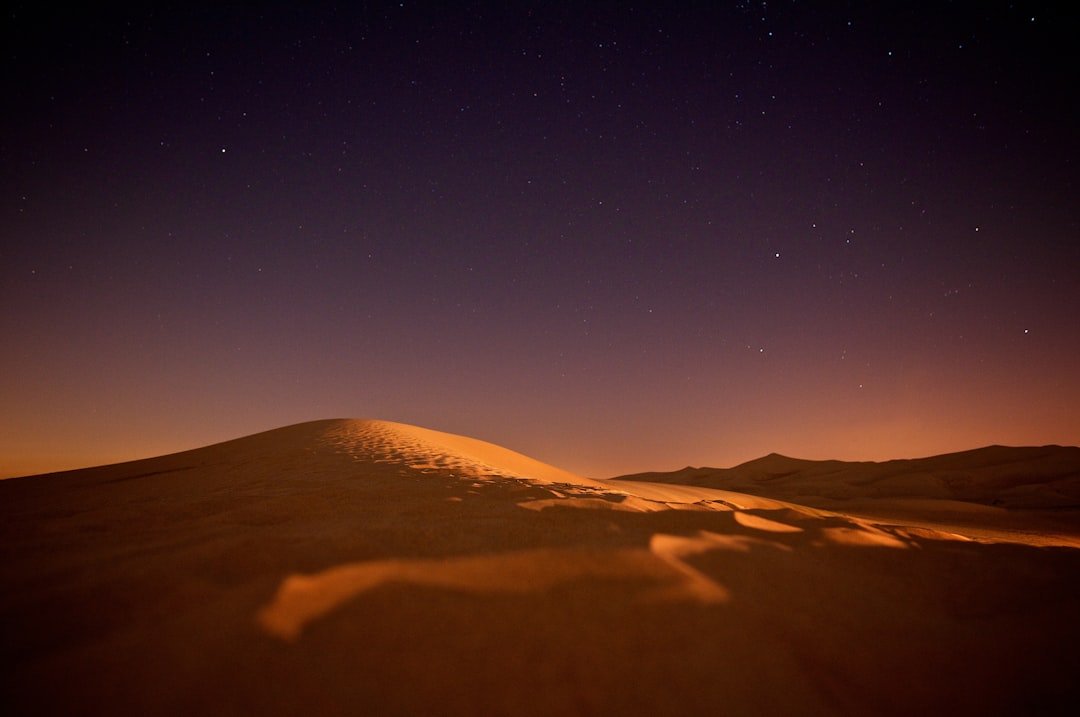
This is the holy grail. The strip of land between St. George, Utah and the Arizona border contains some of the most visually stunning dispersed camping I’ve ever experienced. Outside Bryce Canyon, the Dixie National Forest has miles of forest service roads leading to clearings with ponderosa pine and dark sky so thick with stars you’ll catch yourself whispering. Further east, the Grand Staircase-Escalante area offers free camping along Hole-in-the-Rock Road — though I’d only take a high-clearance vehicle down some of those side roads. I learned that one the hard way with a stock Sprinter and a very anxious afternoon.
On the Arizona side, the Coconino National Forest near Flagstaff delivers free campsites among the pines at elevations that keep you cool even when the desert below is roasting. If you want red rock without Sedona’s crowds, the areas around Cottonwood and the Verde River are quietly spectacular. And for the truly adventurous, the Sedona area has boondocking spots that will completely change how you think about Arizona.
The Pacific Northwest: Oregon and Washington Cascades
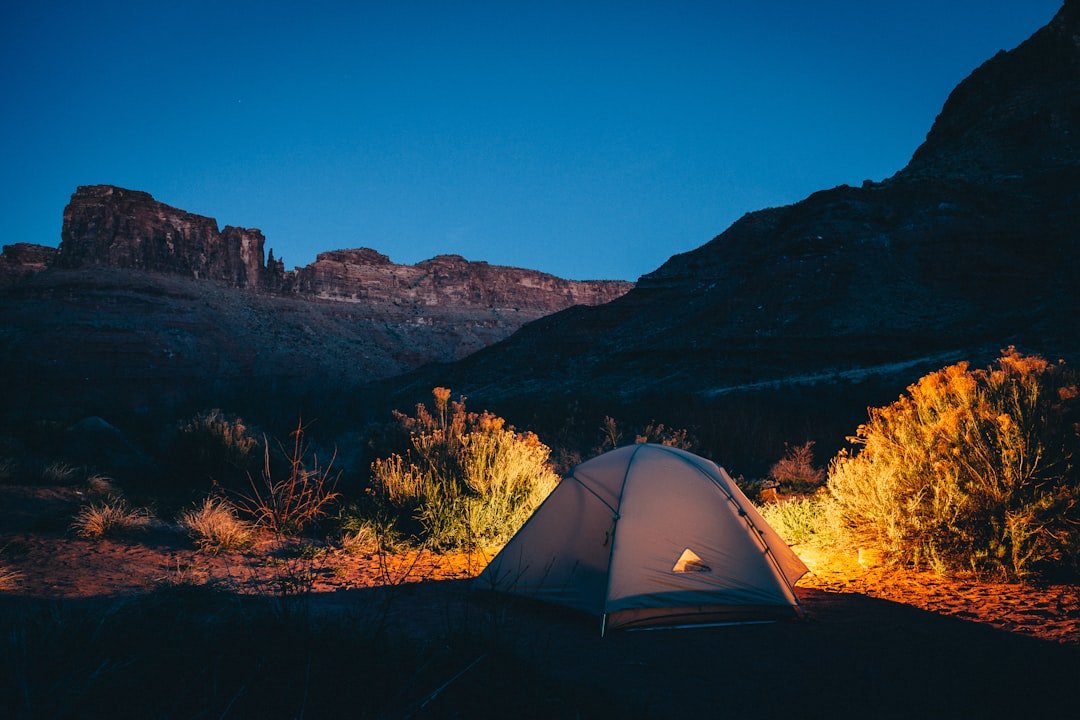
When the desert gets too hot in summer, I point the van north. The Cascade Range in Oregon and Washington is laced with Forest Service roads that branch into the mountains, where you’ll find dispersed sites along rivers, at alpine lake trailheads, and tucked into old-growth clearings. The Mount Baker-Snoqualmie and Deschutes National Forests are particularly generous with pull-outs that feel like private campsites. The key is getting there by midweek — Pacific Northwest boondocking spots fill up fast on summer weekends.
The Northern Rockies: Montana and Idaho
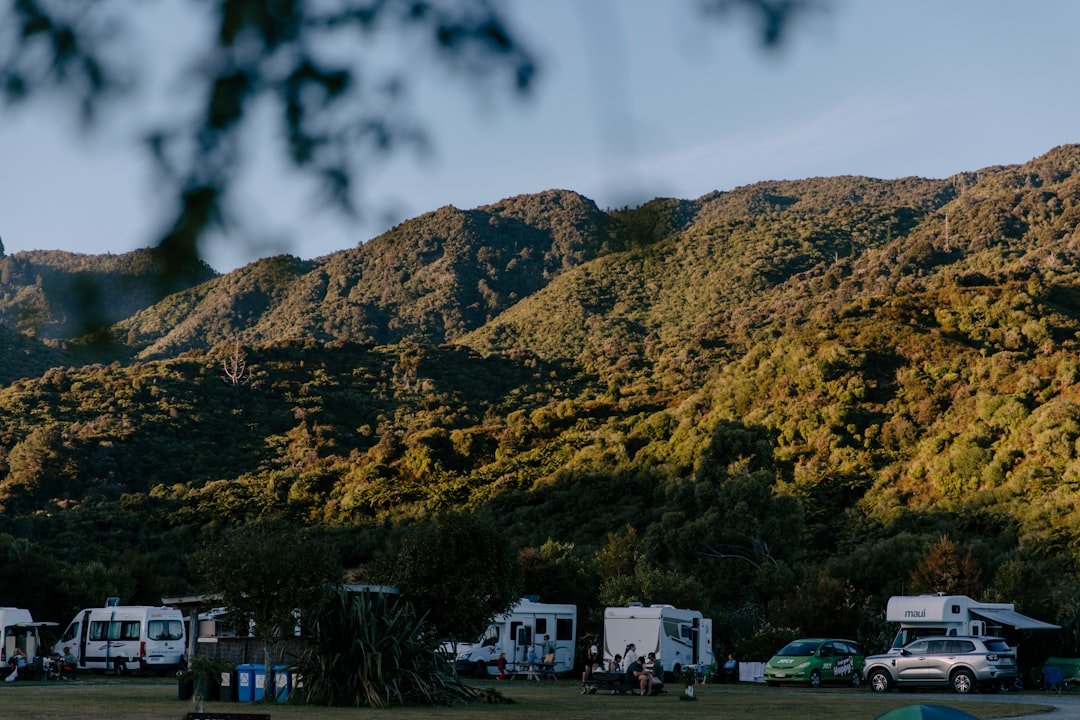
Wide-open, dramatically beautiful, and full of wildlife. The Beaverhead-Deerlodge National Forest in southwest Montana has some of my favorite spots — fly fish a blue-ribbon stream in the afternoon, cook dinner over a campfire, and fall asleep to elk bugling in the meadow below. The Sawtooth National Forest in central Idaho is another stunner, with free dispersed camping that rivals anything you’d pay for in a developed campground. Just keep your food secured; this is serious grizzly country in places, and a compact first aid kit belongs in every boondocker’s rig, no exceptions.
How I Find Boondocking Spots (Tools That Actually Work)
When I started, I wasted a lot of time driving down questionable roads based on outdated forum posts. Now I use a combination of apps and I almost never have a bad landing.
Campendium is my go-to for filtering free sites by road conditions, cell coverage, and user reviews. The photos and reviews from other travelers are genuinely useful — you’ll know if a spot has a tricky approach or if the road turns to gumbo after rain. For international and more adventurous spots, iOverlander is incredible, and it’s completely free.
Freecampsites.net is a solid backup, though the quality varies by region. And I always cross-reference with Avenza Maps — a GPS app that lets you download Forest Service Motor Vehicle Use Maps so you can see exactly which roads are legal for dispersed camping and which are off-limits. For navigation when cell service drops, I rely on a handheld GPS navigator with topo maps — it has saved me from more than one wrong turn in the backcountry.
The Gear That Makes Boondocking Work
You don’t need to spend a fortune to boondock comfortably, but you do need to think differently about power, water, and waste. Here’s what’s in my van after a lot of trial and error.
Power: Solar Is Non-Negotiable
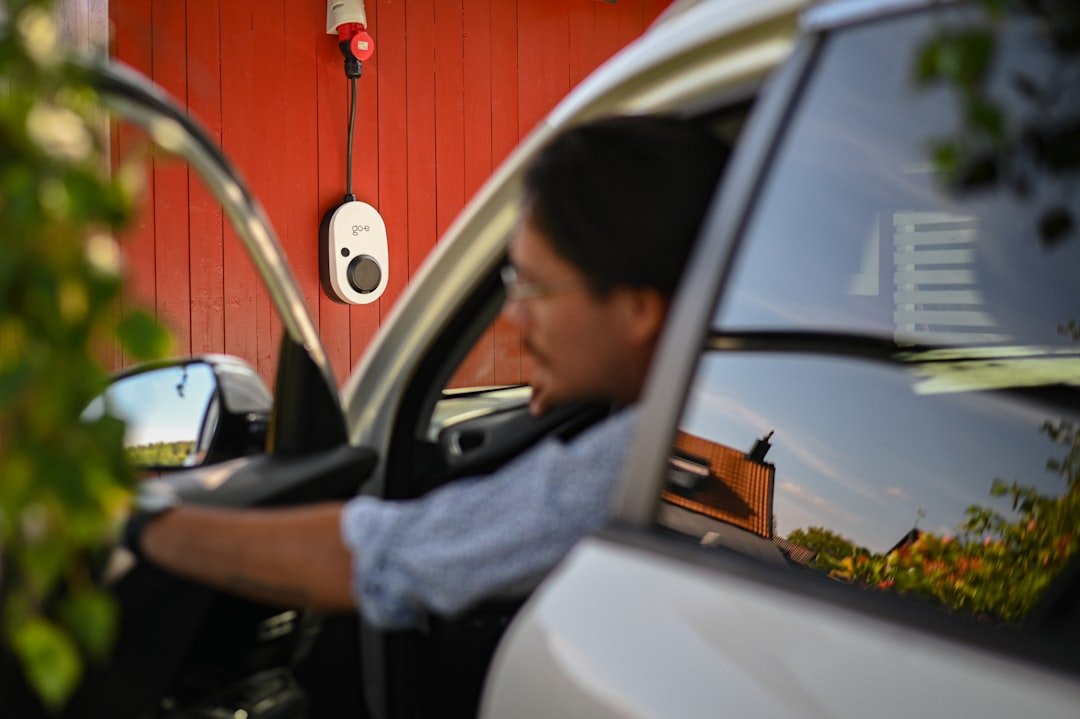
My first boondocking trip lasted four days and I killed my house battery by night two. Lesson learned. If you’re going to camp off-grid for more than a night, you need a real power strategy. For most van lifers, that means roof-mounted solar feeding a deep-cycle battery bank — and I wrote about my own 1,280-watt solar setup that changed everything about how I travel off-grid. If you’re not ready for a full install, a portable solar panel you can deploy outside the van is a great starting point, paired with a portable power station to store that energy. That combo can run lights, charge devices, and power a small fridge for days.
And if you’re designing your electrical system from scratch, don’t skip the safety side. Securing your battery system properly is what lets you sleep soundly — literally feet from a high-capacity lithium bank.
Water: Every Drop Is a Decision
When you’re hooked up, you never think about water. When you’re boondocking, it’s the first thing on your mind every morning. My van holds 25 gallons of fresh water, which lasts about five days for one person with conservative use. I also carry a LifeStraw personal water filter as a backup for emergencies, plus a Sawyer Mini filtration system that screws onto standard water bottles for when I’m near a stream and want to top off without driving to town.
The biggest water waster is dishes. I use a two-basin system: one for soapy wash water, one for rinse, and I’ve gotten a full day’s dishes down to about a quart of water total. Showers? That’s what solar shower bags and lake swims are for.
Waste: The Part Nobody Talks About
Here’s where boondocking meets reality. If you’re in an RV with holding tanks, a portable RV tote tank lets you dump grey and black water at a station without moving your rig. For van lifers without built-in tanks, a portable camping toilet with waste bags is the cleanest solution I’ve found — pair it with a privacy tent and you’ve got a functional bathroom anywhere. For a deeper dive into this topic, my complete guide to van life bathroom solutions covers every option I’ve tested.
Comfort: Small Upgrades, Big Difference
Boondocking is supposed to be an adventure, not a suffering contest. After a long day of exploring, being able to sit in a real chair with a lightweight camping chair instead of the van’s driver seat changes everything. A good rechargeable headlamp keeps your hands free for cooking and fire-tending. And proper campervan ventilation is the difference between waking up refreshed and waking up in a sauna — even in the desert, nights can be stuffy without airflow.
The Rules: BLM and Forest Service Camping Etiquette
Boondocking is a privilege, and the rules exist to keep these places open for everyone. Here’s the framework I follow without exception:
- Stay limits: Most BLM land allows 14 days within a 28-day period at any given spot. National Forests typically allow 14-16 days. After that, you must move at least 25 miles. These limits exist to prevent people from essentially homesteading on public land.
- Distance from water: Always camp at least 200 feet from streams and lakes. This protects riparian ecosystems and keeps water sources clean.
- Existing sites first: If you see a cleared area with a fire ring, use it. Creating new campsites damages vegetation and creates a visible scar that takes years to heal.
- Pack it all out: Everything you bring in leaves with you. That includes trash, food scraps, and grey water. Never dump grey water on the ground — it contains soap and food particles that attract wildlife.
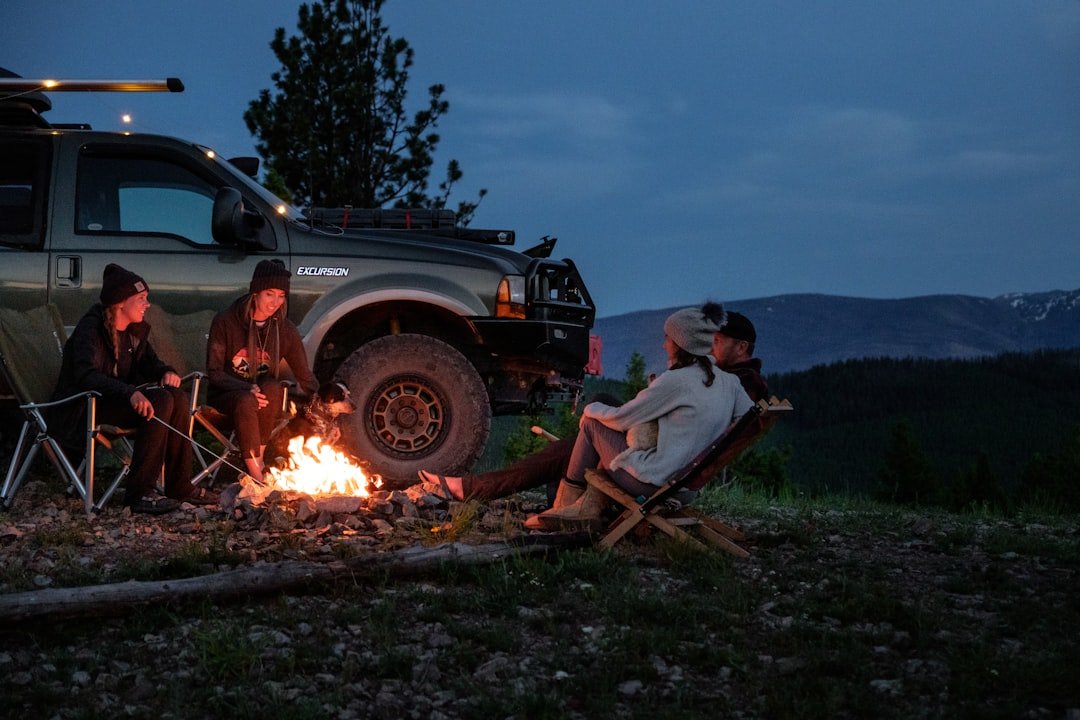
- Fire safety: Check for fire bans before you light anything. During dry season, even a spark can become a wildfire. Use existing fire rings, keep fires small, and drown them completely before sleeping or leaving.
What I’d Tell My First-Time Boondocking Self
Start close to civilization. Your first boondocking night doesn’t need to be 40 miles down a dirt road. Find a dispersed site within cell range of a town, test your systems, and build confidence. I spent my first night boondocking about 20 minutes outside of a small Arizona town, and knowing I could bail to a RV park if things went sideways made the whole experience enjoyable instead of stressful.
Always top off your fuel tank before heading to a site. Gas stations become very far apart when you’re exploring back roads. Same goes for water — fill up at every opportunity, even if your tanks are half full.
Tell someone where you’re going. I text my partner the GPS coordinates of my planned camp before I lose cell service, along with an expected check-in time. If you’re traveling solo, having a reliable internet solution on the road isn’t just convenience — it’s safety infrastructure.
And finally, slow down. The whole point of boondocking is to exist at the speed of the landscape. Some of my best nights on the road have been ones where I did absolutely nothing — just sat in my chair, watched the light change across a canyon wall, and let the silence do its work. There’s nowhere else you get that. Not at a KOA. Not at a national park lodge. Not at any price point in the hospitality industry.
The pavement ends, and something else begins. That’s the whole point.
6 thoughts on “Where the Pavement Ends: My Field Guide to the Best Boondocking Spots in America”