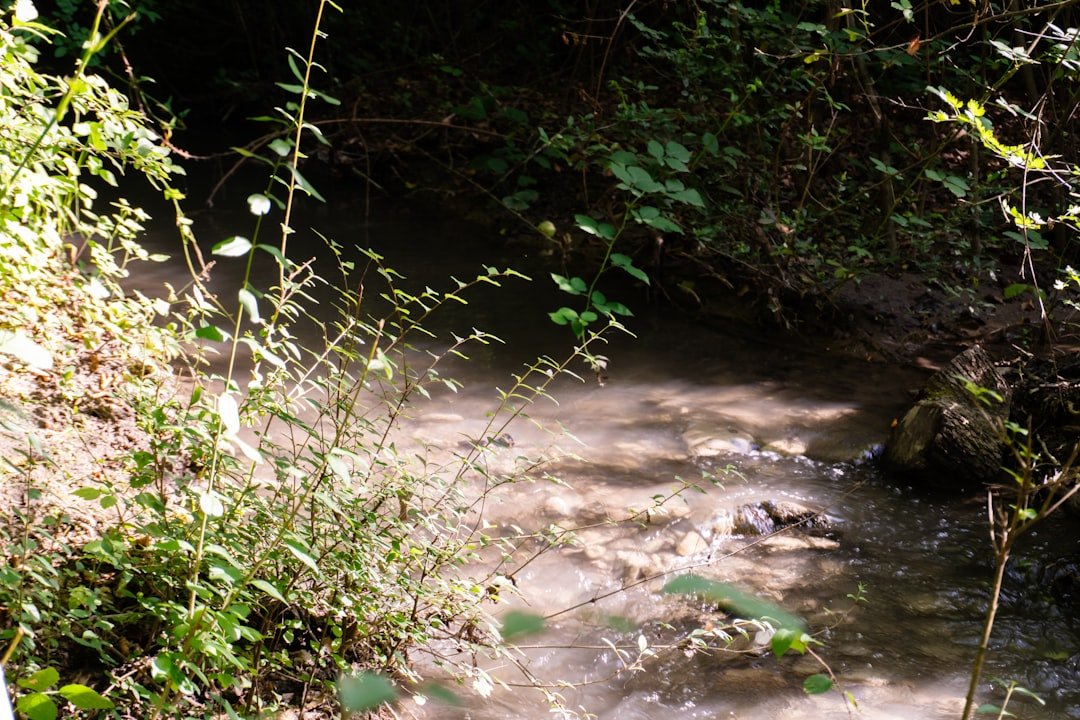
I’ve been dangerously sick from bad water exactly twice in my traveling life. Once from a seemingly innocent tap in a coastal Mexico town, and once from a backcountry stream in Wyoming that I was too tired to filter properly. Both times taught me the same lesson: clean water isn’t a luxury, it’s the foundation of every good trip. And the right portable filter is the single most important piece of gear you can carry.
After years of testing water filters across deserts, rainforests, international cities, and weekend campouts, I’ve developed strong opinions. Some filters are brilliant engineering that vanish into your pack. Others are bulky gimmicks that’ll leave you thirstier than you started. Here’s everything I’ve learned about choosing the right one.
Why You Actually Need a Portable Water Filter
Most travelers never think about water until they’re standing in a hostel bathroom staring at a tap they’re not sure about, or three miles into a desert hike with two warm liters and no trail ahead. I used to pack dozens of disposable bottles for every trip — heavy, wasteful, and honestly kind of stressful when the supply runs low. A good filter changes the math entirely.
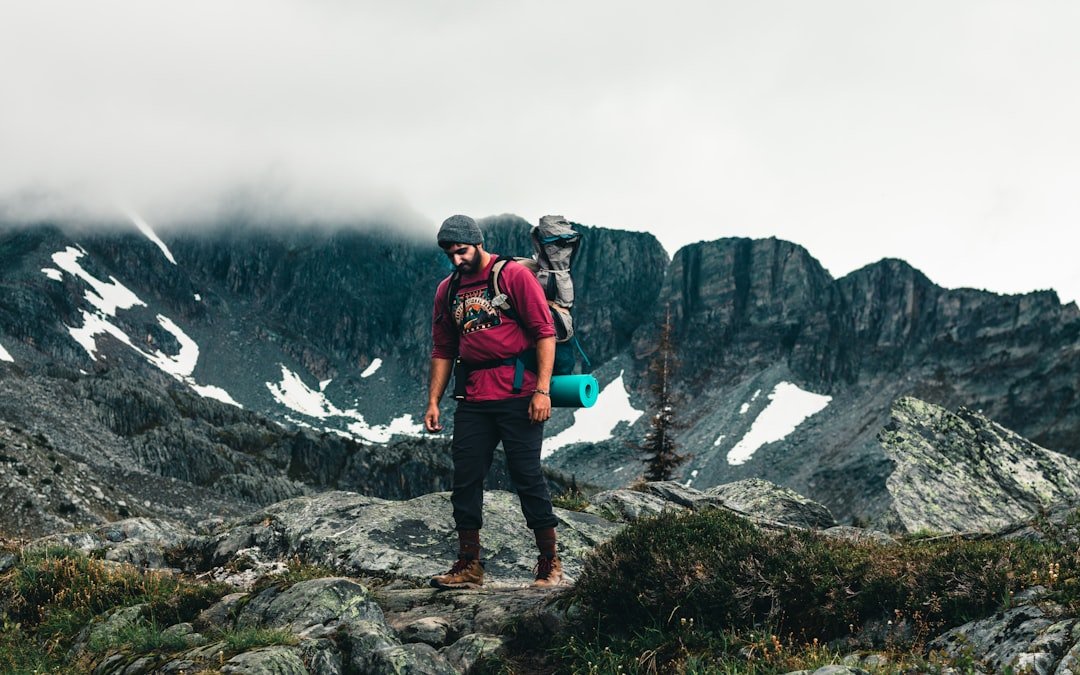
The reality is that waterborne pathogens don’t care about your itinerary. Bacteria like E. coli, parasites like Giardia, and the dreaded Cryptosporidium are waiting in streams that look pristine, in municipal taps with aging infrastructure, and in the kind of remote water sources that thru-hikers depend on daily. The CDC estimates that travelers’ diarrhea affects 30-70% of people visiting developing regions. That’s not a small risk — that’s a coin flip on whether your expensive vacation gets derailed.
A portable filter weighing less than three ounces can eliminate that risk entirely. I’m not being dramatic when I say it’s the highest value-to-weight item in my pack.
The Three Types of Portable Water Filters (And When to Use Each)
Not all filters are created equal, and the right choice depends entirely on where you’re going and how you’re traveling. Let me break it down the way I wish someone had for me before I bought my first one.
Squeeze Filters: The Backpacker’s Gold Standard
If I could only own one filter for the rest of my life, it would be a squeeze system. These are dead simple: fill a soft pouch with water from any source, attach the filter, and squeeze clean water directly into your mouth or another bottle. No pumping, no batteries, no waiting.
The Sawyer Squeeze with Cnoc bladder is my daily driver and the filter I recommend to every thru-hiker who asks. It weighs almost nothing, filters down to 0.1 microns (catching bacteria and protozoa), and the Cnoc Vecto reservoir is dramatically easier to fill from shallow water sources than the older Sawyer pouches. At around $65, it’s not the cheapest option, but it’s rated for 100,000 gallons — which is approximately 500 times more water than you’ll filter in a lifetime of adventure travel.
For an even lighter and more compact option, the Sawyer Mini shrinks everything down to a package smaller than a roll of quarters. I’ve carried this on international trips where pack space was measured in airline inches, and it performed flawlessly filtering tap water across Southeast Asia for three weeks straight.
If you want the Sawyer Squeeze system with the full accessory kit — dual pouches, a straw attachment, and a hydration pack adapter — the Sawyer Squeeze complete kit gives you the most versatility for about the same price. I keep one in my truck as a permanent backup.
Filter Bottles: Convenience Meets Protection
Squeeze filters are great when you’re willing to fill a pouch from a stream. But what about travel where you’re refilling from taps, fountains, or hotel sinks? That’s where filter bottles shine. You fill, you drink, you’re done. No extra steps, no assembly, no explaining to airport security what that hollow tube in your carry-on is.
The LifeStraw Go Series in BPA-free plastic is my go-to recommendation for casual travelers and day hikers. One-liter capacity, removes bacteria and parasites, and the replaceable cartridge means the bottle itself lasts years. It’s the kind of thing you toss in your daypack and forget about until you need it.
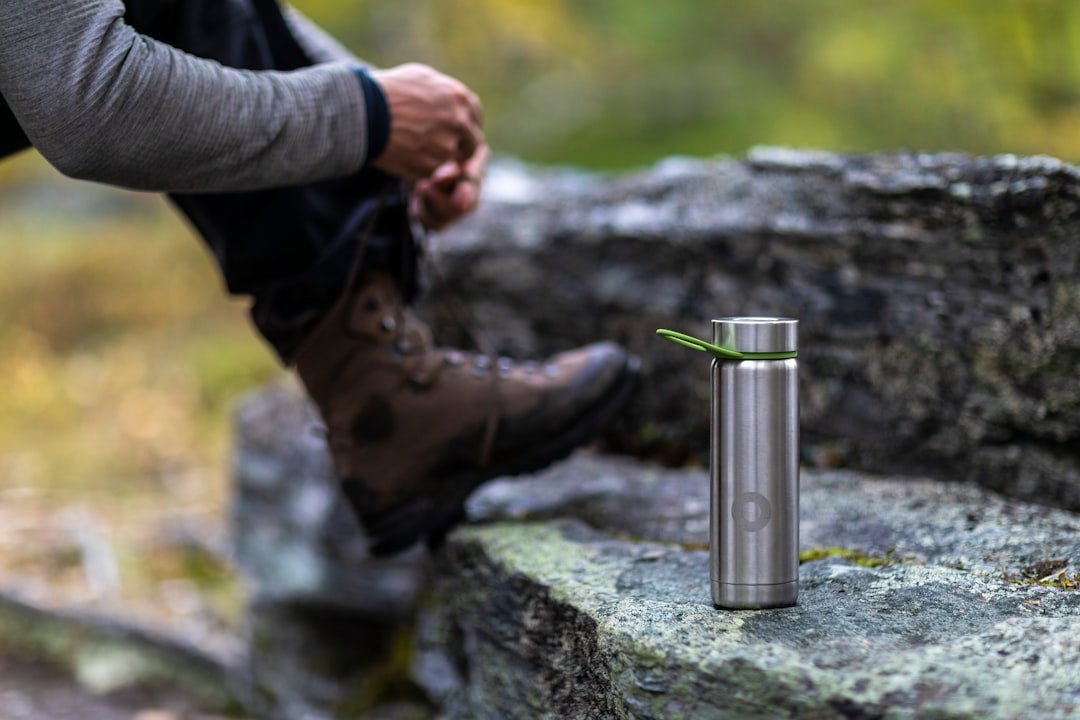
If you want temperature control along with filtration, the LifeStraw Go insulated stainless steel version keeps cold water cold for 24 hours in desert heat. I carried this through Joshua in 110-degree weather last September, and that first sip of still-cool, properly filtered water at mile six was genuinely one of the best moments of the trip.
Straw Filters: The Emergency Backup
The original LifeStraw Personal Water Purifier is the filter most people recognize, and honestly, it’s the one I see most often misused. This is not an everyday hydration solution — it’s an emergency tool. You can drink directly from a water source by submerging the straw, but you can’t easily carry filtered water with you. I keep one in my emergency kit, my wife keeps one in her travel backpack, and we’ve never had to deploy it. That’s exactly the point.
Where straw filters genuinely shine is ultralight fastpacking, where every gram matters and you’re never far from a water source. If your entire trip involves passing streams every few miles, a LifeStraw weighs just two ounces and needs no cleanup. Just drink and move.
The Katadyn BeFree: The One I Keep Coming Back To
I need to single out the Katadyn BeFree 1.0L because it solved a problem I didn’t know a filter could solve: flow rate. Most squeeze filters slow down over time as gunk builds up in the membrane. The BeFree’s EZ-Clean membrane lets you swish it in any container of water and it’s back to full speed. After watching friends struggle with clogged filters on the Appalachian Trail, the BeFree became my instant recommendation for multi-day trips where you can’t stop to backflush.
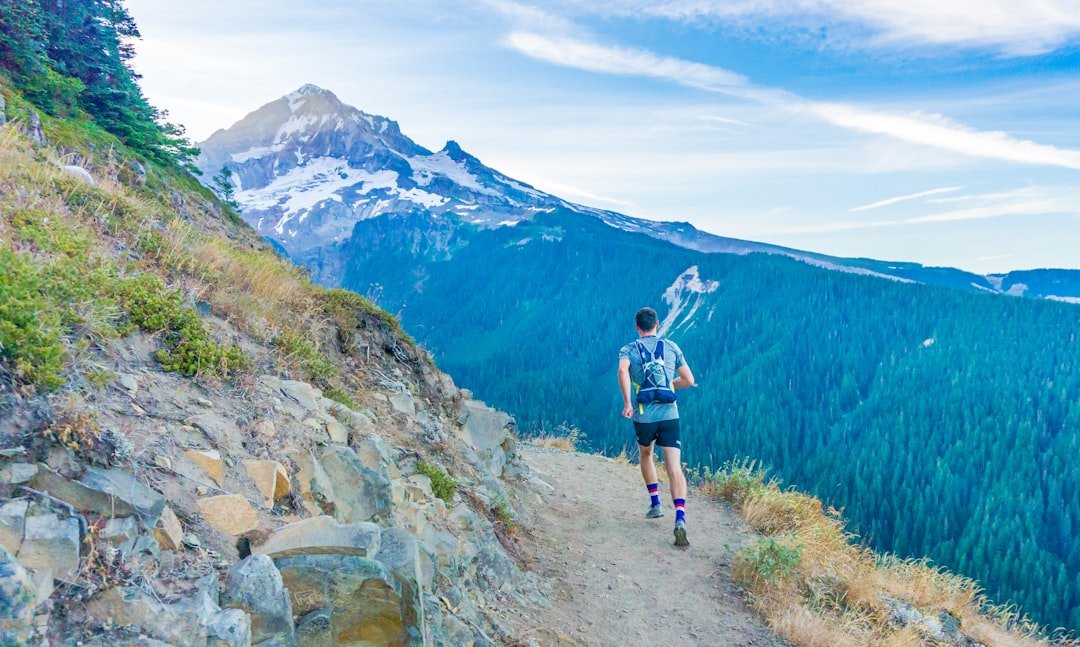
The bottle collapses completely when empty, which means it takes up almost zero space in your luggage on the flight out. And at 2.3 ounces, it’s lighter than most smartphones. The only downside is that the filter lifespan is shorter than the Sawyer (1,000 liters vs. 100,000 gallons), so it’s a consumable rather than a lifetime investment. For most travelers, 1,000 liters is still a year or more of regular use.
Beyond the Filter: Building Your Water System
A filter is the heart of your water setup, but it’s not the whole system. Over the years, I’ve built a modular kit that handles everything from airport departures to week-long backcountry traverses. Here’s what else lives in my pack.
Collapsible Bottles: Space-Saving Workhorses
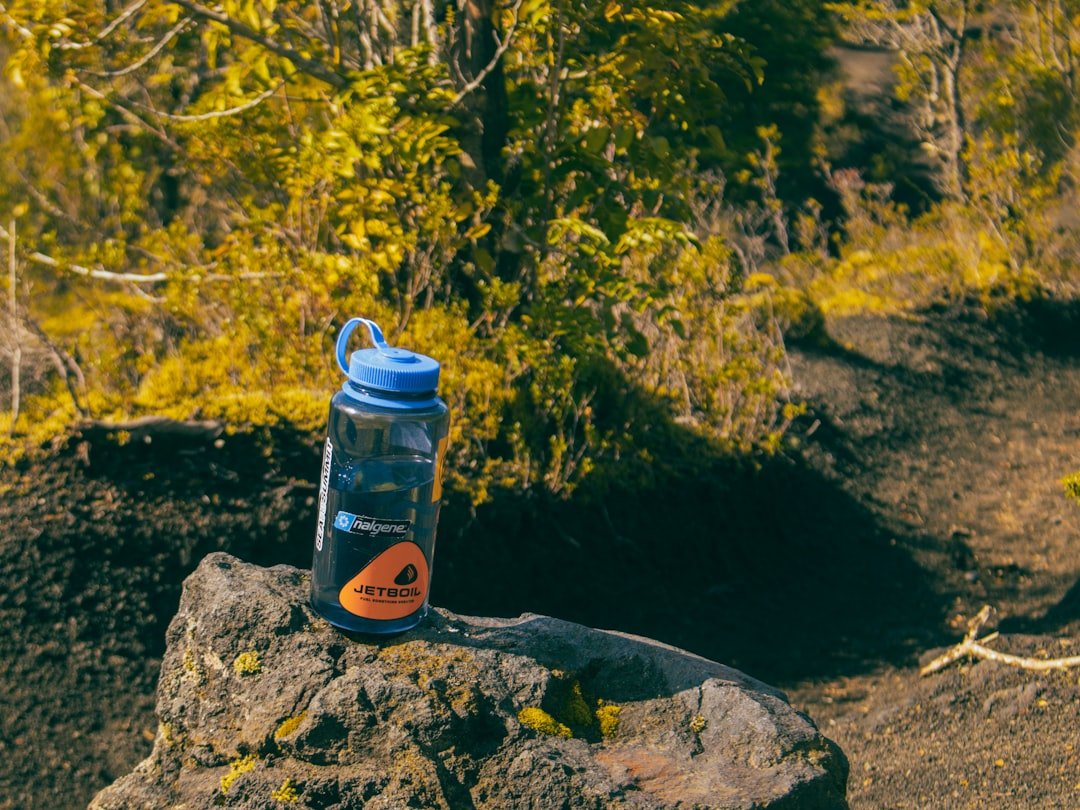
I used to carry rigid Nalgene bottles everywhere, and they’re great, but they eat pack space when empty and they’re heavy. Collapsible bottles changed my packing strategy entirely. The TakeToday 21oz silicone bottle rolls up to the size of a fist, has a carabiner clip for external pack attachment, and is TSA-approved for carry-on. I clip two to the outside of my pack on trail days and fill them whenever I reach a water source.
If you prefer a slightly different design, the Nefeeko 27oz collapsible bottle has a wider mouth that’s easier to fill from shallow taps and a rigid base that stands up on flat surfaces. Either way, collapsible bottles mean you’re carrying capacity, not air.
Hydration Bladders: Set It and Forget It
For long hike days or backcountry expeditions where you’re drinking continuously, nothing beats a hydration bladder. You run the tube over your shoulder and sip without breaking stride, which means you actually stay hydrated instead of rationalizing why you don’t want to stop and dig a bottle out. The 2L hydration bladder by Onmor is inexpensive, BPA-free, and fits any standard backpack with a sleeve compartment.
If you want the bladder and the pack in one purchase, the Unigear Hydration Pack with 2L bladder is a lightweight, breathable option that’s perfect for day hikes and trail runs. I keep mine loaded for quick Saturday morning adventures when I don’t want to think about assembling gear.
Water Purification Tablets: The Belt-and-Suspenders Backup
Even with a great filter, I always carry water purification tablets as a backup. They weigh nothing, cost almost nothing, and can make questionable water drinkable when your filter clogs, freezes, or you simply lose it. I dropped my primary filter into a river in Montana once (don’t ask) and those tablets saved the remaining four days of my trip. Chlorine dioxide tablets neutralize viruses too, which most hollow-fiber filters can’t catch — making them essential for international travel to regions with viral contamination risks.
What About International Travel?
Here’s where filters get nuanced. The filters I’ve mentioned are excellent at removing bacteria and protozoa — the threats you’ll encounter in North American backcountry. But international travel, particularly in regions with inadequate sanitation, introduces viruses (like norovirus and rotavirus) that are too small for mechanical filtration. For those destinations, you need either chemical purification (tablets or drops), a purifier designed to handle viruses, or UV treatment.
My international travel setup is a reliable power bank (for a UV sterilizer pen if I’m using one), a squeeze filter for the big stuff, and purification tablets for viral protection. Yes, it’s redundant. But waterborne illness when you’re 40 hours from home is a much bigger problem than a few extra ounces in your bag.
I also always pack gear that pulls double-duty. Check out my essential road trip gear guide for more items that work across different types of travel.
Real Talk: Common Mistakes I See
After watching countless hiking partners and travel companions handle water filtration, the same mistakes come up over and over. Here’s what I’d tell you to avoid:
Not backflushing regularly. Every squeeze filter needs periodic backflushing or cleaning to maintain flow rate. Do it after every trip, not when you’re standing at a stream frustrated that nothing comes through.
Letting filters freeze. If water is inside the filter membrane and it freezes, the expanding ice cracks the hollow fibers. Your filter is now decoration. Keep it in your sleeping bag on cold nights.
Not testing before you travel. I once watched a friend open a brand-new filter on day one of a five-day backcountry trip only to discover the seal was defective. Test your gear at home, where a faucet is ten steps away.
Over-filtering municipal water in developed countries. If you’re staying in a major European city with modern water treatment, you don’t need a filter. Save the weight for the parts of your trip where it actually matters. For more packing strategy, my packing cubes guide covers how to organize your gear for multi-environment trips.
My Current Kit (2026)
People ask me what I actually carry, so here’s the honest answer. For most trips, I run a Sawyer Squeeze with Cnoc bladder as my primary filter, paired with two TakeToday collapsible bottles for dirty and clean water separation. For day hikes and international travel, I carry the LifeStraw Go as an all-in-one solution. And buried at the bottom of my first-aid kit, always, are backup purification tablets and a LifeStraw for emergencies.
The total weight of my water system sits around 11 ounces, and it has never failed me across trips ranging from Guatemala to Glacier National Park. If you’re just starting to build your kit, I’d recommend beginning with either the Sawyer Squeeze or the Katadyn BeFree, adding a collapsible bottle, and expanding from there based on your needs.
For travelers looking at the broader picture of staying powered and connected on the road — because hydration and electronics are the two survival categories that derail the most trips — my portable travel gadgets guide covers the tech side of that equation.
The Bottom Line
A portable water filter is one of those rare travel items that costs less than a dinner out but can genuinely save your trip — or your health. The technology has gotten so good and so affordable that there’s really no excuse to travel without one. Whether you’re filtering tap water in a hostel in Lima or filling up at a trailhead spring in the Sierra Nevada, clean water should never be the thing that stands between you and a great adventure.
Pick the type that matches your travel style, learn to use it before you need it, and carry it everywhere. Your future, well-hydrated self will thank you.