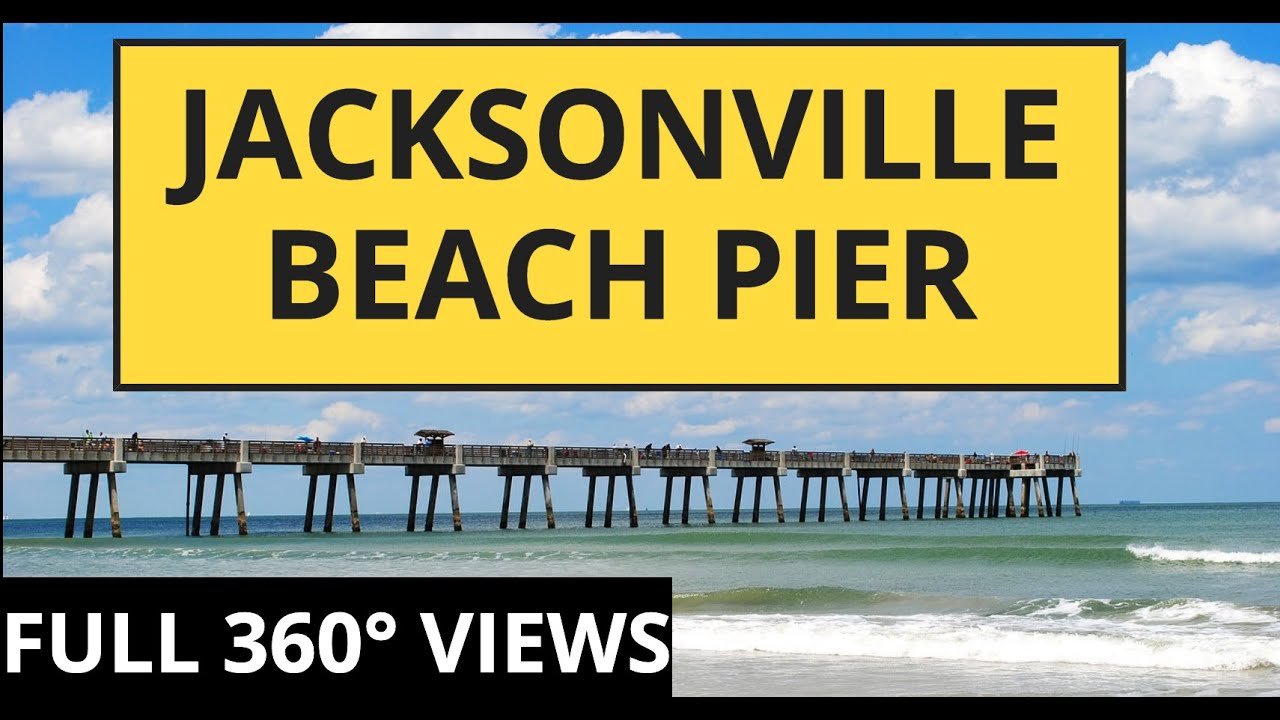
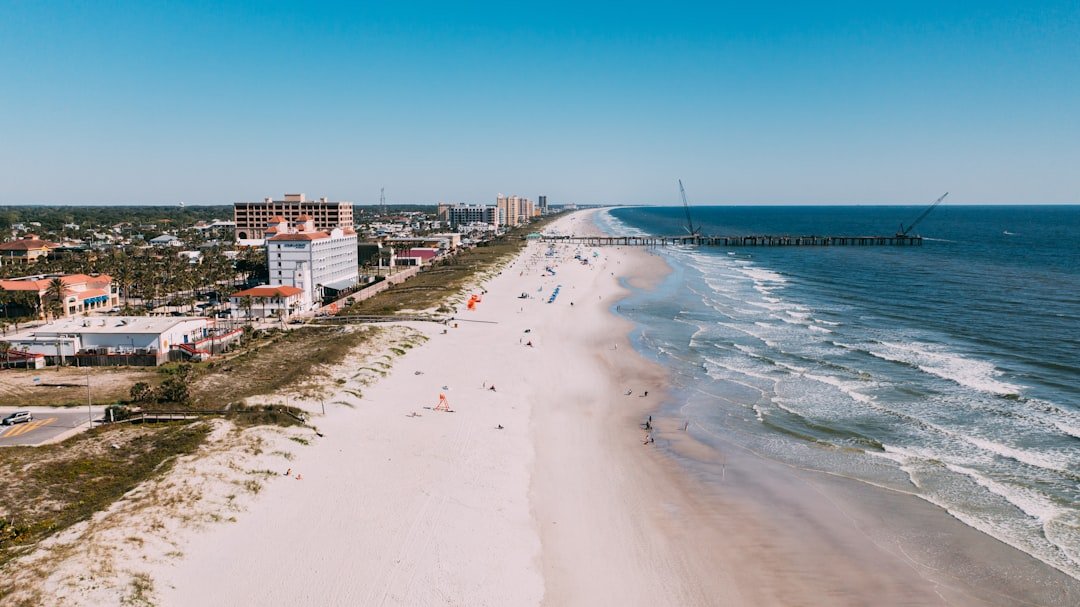
Florida’s Atlantic coast holds a treasure that most guidebooks gloss over in their rush to push travelers toward Miami or Daytona. Jacksonville Beach sits quietly at the northeastern edge of the Sunshine State, where the St. Johns River meets the Atlantic Ocean, offering nearly 22 miles of wide, sandy shoreline that never feels suffocating the way South Beach can on a holiday weekend. The crown jewel of this coastline is the Jacksonville Beach Pier — a quarter-mile of wood and steel that extends directly over the breaking waves, giving visitors a front-row seat to the Atlantic in all its moods.
What makes this stretch of Florida different from the panhandle’s emerald waters or the Gulf Coast’s calmer surf is its raw, unpretentious energy. This is a working beach town where surfers share the lineup with pelicans, where the fishing pier doubles as an observation deck, and where the sunset over the Intracoastal Waterway rivals anything you’ll find on the more celebrated coasts. If you’ve been looking for a Florida beach destination that doesn’t require a second mortgage or fighting through crowds, this might be exactly what you’ve been missing.
The Pier: More Than Just a Fishing Spot
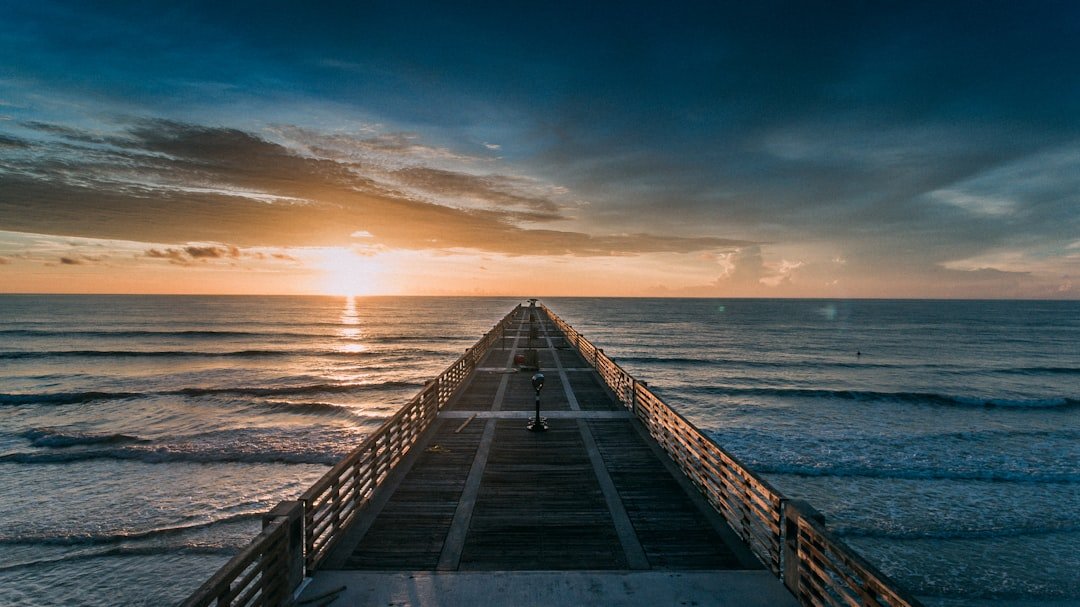
The Jacksonville Beach Pier stretches 976 feet into the Atlantic Ocean, making it one of the longest fishing and observation piers on Florida’s east coast. For a modest admission fee — typically under a dollar for sightseers and a few dollars for anglers — you get access to a vantage point that transforms depending on the time of day. Mornings bring glassy conditions and the occasional dolphin sighting, while afternoons kick up the sea breeze that keeps the coastline ten degrees cooler than inland Jacksonville.
Walking the pier on a Sunday afternoon reveals a cross-section of coastal life. Families lean against the railings pointing at sea turtles gliding beneath the surface. Surfers in wetsuits paddle past the pilings, using the pier’s shadow to time their takeoffs. Fishermen cast lines off the far end, hoping for pompano, whiting, or the occasional redfish that prowls the nearshore trough. The experience feels less like a tourist attraction and more like being invited into a community’s living room — if that living room happened to have an uninterrupted view of the Atlantic Ocean.
For anyone planning to spend serious time on the pier or beach, having the right lightweight folding beach chair makes a significant difference. The pier has benches, but a portable chair lets you set up wherever the view is best, whether that’s mid-pier for people-watching or the far end for maximum solitude.
Surfing Jacksonville Beach: A Well-Kept Atlantic Secret
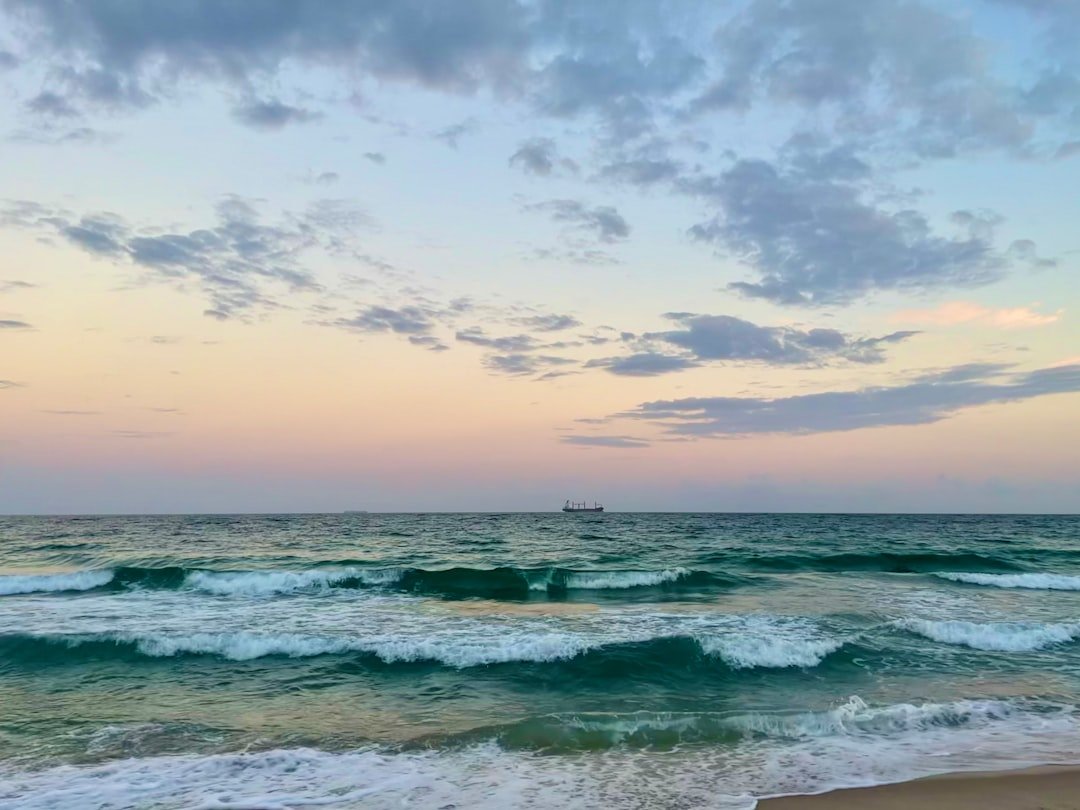
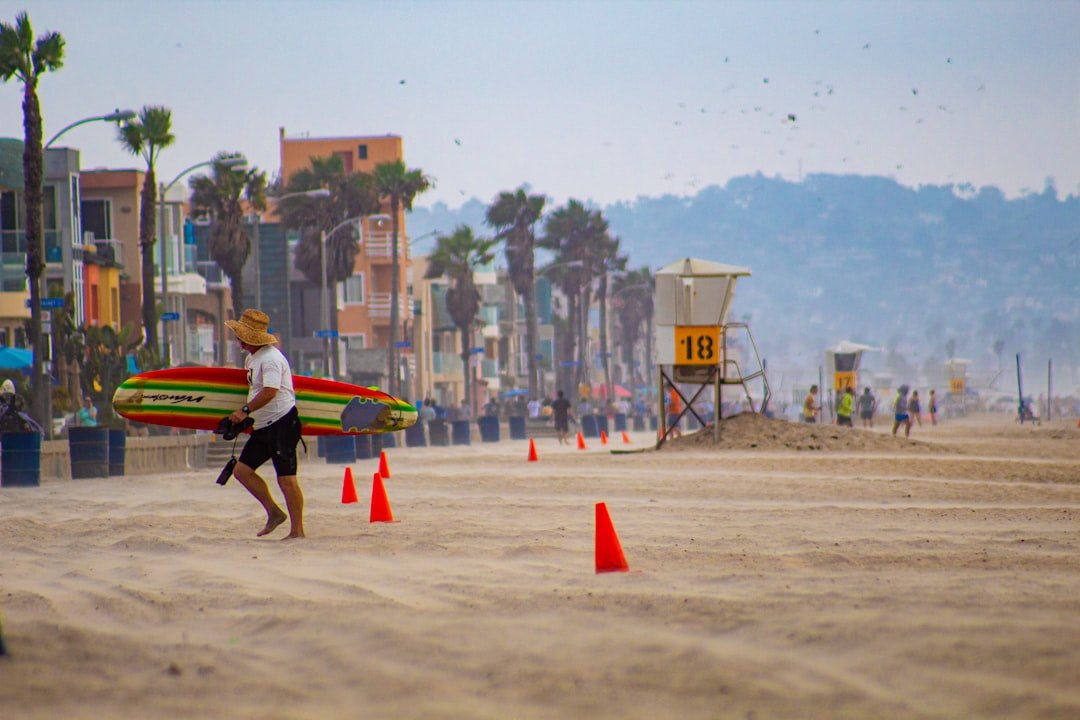
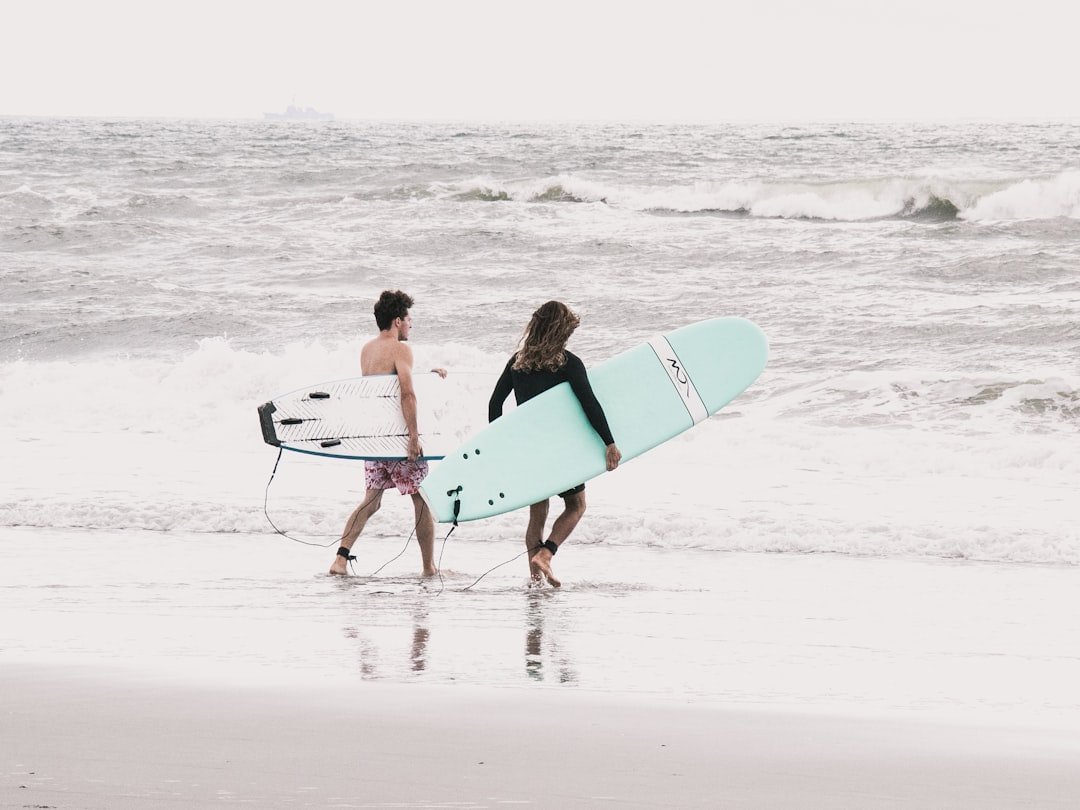
Most people associate Florida surfing with Cocoa Beach or New Smyrna, but Jacksonville Beach has been quietly building a reputation among those who know where to look. The sandbars here create consistent breaks that work on almost any swell direction, and the wider continental shelf means waves have time to organize before reaching shore. Winter nor’easters push in the best swells, but summer brings its own magic with early morning glass conditions before the thermal winds kick in around 10 AM.
The surf culture here is distinctly laid-back. Unlike some breaks in California or Hawaii where localism runs hot, Jacksonville Beach surfers tend to be welcoming — perhaps because there’s enough wave to go around. Several surf shops along 1st Street North offer board rentals and lessons, and the vibe is strictly instructional rather than intimidating. If you’ve never paddled out before, this is a remarkably forgiving place to try.
Protection from the Florida sun is non-negotiable, even on overcast days. The UV index along the Atlantic coast routinely hits 11 during summer months, and the reflection off the water amplifies exposure significantly. A quality reef-safe SPF 50 sunscreen protects both your skin and the marine ecosystem you’re swimming in. Pair that with a pair of polarized sunglasses, and you’ll be able to read the waves and spot wildlife without squinting through your entire session.
Fishing the Pier and Beyond
The Jacksonville Beach Pier isn’t just for looking — it’s a serious fishing platform. The structure creates an artificial reef effect, drawing baitfish that in turn attract larger predators. Anglers regularly pull in Spanish mackerel, bluefish, flounder, and sheepshead, with the occasional cobia or king mackerel showing up during seasonal runs. A valid Florida fishing license is required for anyone casting from the beach, but pier fishing includes a license in the admission fee, making it one of the most accessible ways to wet a line in the state.
For travelers who want to try surf fishing from the beach itself, a basic surf fishing rod and reel combo rated for 8-12 pound test will handle most nearshore species. The key is timing your outing around the tidal movement — the two hours before and after high tide tend to be most productive, as fish move into the shallower water to feed on disoriented baitfish. Local bait shops along Beach Boulevard will point you toward what’s biting and sell fresh shrimp or frozen mullet by the pound.
If you’re the type who likes to commemorate your fishing adventures, the classic Jacksonville Pier Fisherman retro t-shirt captures that old-Florida coastal aesthetic that never goes out of style. It’s the kind of shirt that starts conversations back home about that time you caught a pompano off a Florida pier at sunset.
Exploring the Jacksonville Beach Town Center
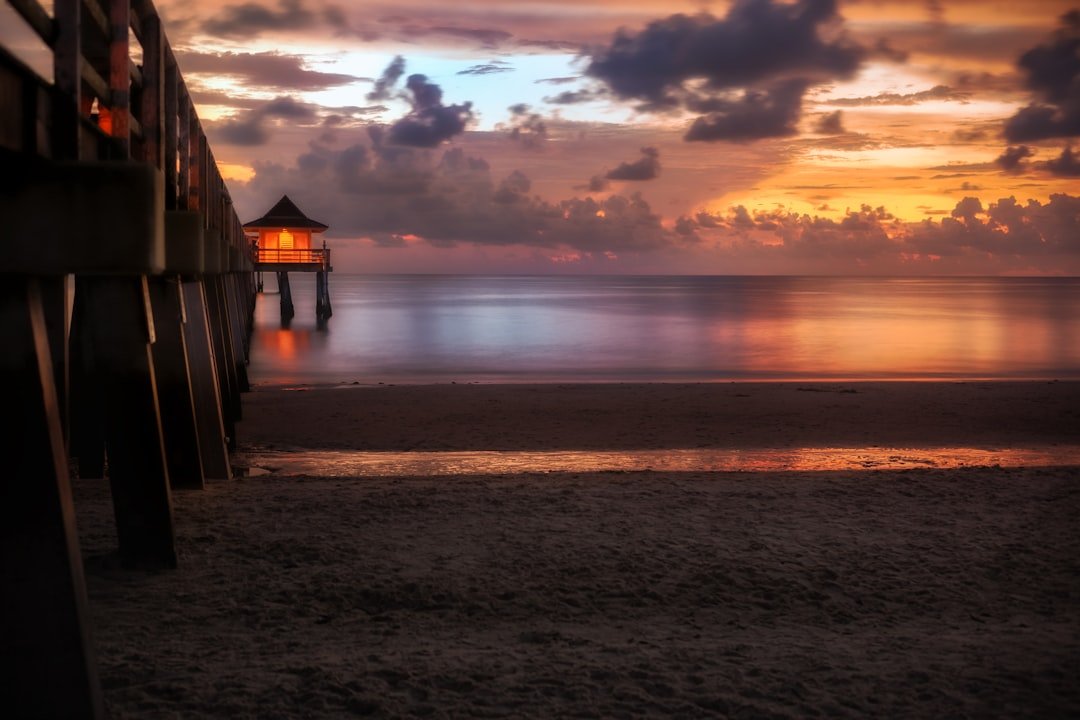
Step off the pier and you’re immediately in the heart of Jacksonville Beach’s entertainment district. 1st Street North is lined with locally-owned restaurants, surf shops, and bars that have been serving the community for decades. The atmosphere is casual — flip-flops and bathing suits are perfectly acceptable attire at most establishments, and you’ll find as many locals as tourists clustered around patio tables watching the surf.
Seafood is the obvious draw here. Several restaurants source directly from the fishing boats that dock at Mayport, about 20 minutes north. You can expect fresh grouper, shrimp, and seasonal catches like cobia and mahi-mahi prepared simply — grilled, blackened, or fried — without the pretension of finer dining establishments. For a town that sees over four million visitors annually, the restaurant prices remain surprisingly grounded, with most entrees landing between $15 and $30.
The town’s character shifts dramatically depending on when you visit. Winter brings a quiet, almost contemplative energy — perfect for long beach walks and cozy dinners. Summer cranks up the volume with weekly concerts at the Seawalk Pavilion, outdoor movie nights, and surfing competitions that draw participants from across the Southeast. Spring and fall might be the sweet spots, offering warm water temperatures without the peak-season crowds.
Planning Your Beach Day: Practical Essentials
A successful beach day at Jacksonville requires more than just showing up. The sun here is intense year-round — even in January, UV levels can reach 6 or 7 on the index. A beach umbrella with UV protection creates essential shade, particularly for families with young children or anyone planning to stay more than a couple of hours. The sand reflects heat surprisingly well, so a ground tarp or blanket underneath prevents the area from becoming uncomfortably warm.
Hydration is the other critical factor. The combination of salt air, sun exposure, and physical activity — whether that’s swimming, walking the pier, or playing volleyball — depletes fluids faster than most people realize. A well-insulated soft cooler backpack lets you carry water, snacks, and even a few cold ones without the bulk of a hard cooler. The backpack style is particularly useful because the walk from the public parking areas to the beach can be several blocks during peak season.
Beyond the Beach: Day Trips and Regional Context
Jacksonville Beach is part of a larger coastal ecosystem that deserves exploration. To the north, Fort Clinch State Park offers Civil War-era fortifications, hiking trails through maritime forest, and some of the best shoreline shelling in northeast Florida. The park’s pier extends into the Amelia River, and the campground sits directly on the beach — one of the few places in Florida where you can fall asleep to the sound of Atlantic waves breaking literally steps from your tent.
To the south, Ponte Vedra Beach and St. Augustine provide a different flavor of Florida coastal culture. St. Augustine, about 45 minutes south, is the oldest continuously inhabited European-established settlement in the continental United States. Its historic district features Spanish colonial architecture, cobblestone streets, and the imposing Castillo de San Marcos — a 17th-century stone fortress that has never been breached. If you’re planning a Florida coastal road trip, Jacksonville Beach makes an excellent northeastern anchor before working your way down toward the Gulf Coast communities like Matlacha or Cape Coral’s hidden mangrove boardwalks.
Where to Stay: From Budget to Boutique
Accommodation options in Jacksonville Beach run the gamut from chain hotels along 3rd Street to independently-owned boutique properties right on the oceanfront. The Ocean House and several similar properties offer direct beach access and balconies overlooking the surf — a worthwhile splurge if you’re celebrating a special occasion. Budget-conscious travelers will find reliable options along 1st Street and Beach Boulevard, where rates typically run $80-150 per night depending on season and proximity to the water.
For those traveling by RV or camper van, Hanna Park is less than ten minutes north and offers beachfront camping with full hookups, a freshwater lake, and its own private beach area. The park’s campsites sit among mature maritime forest, providing shade and a sense of seclusion that’s rare in beachfront camping. If you’ve been exploring Florida’s Gulf Coast destinations like the mangrove trails of Cape Coral or watching manatees in Fort Myers, the Atlantic coast offers a completely different ecological experience worth adding to your itinerary.
Taking a Piece of Jacksonville Home
One of the charms of visiting a less-commercialized beach town is that the souvenirs feel genuine rather than mass-produced. Local shops along 1st Street carry regionally-made goods, from sea glass jewelry crafted by local artisans to artwork that captures the pier’s silhouette against Atlantic sunsets. For readers who like to dig into local history, the Jacksonville Scavenger book offers an interactive way to explore the city’s hidden corners, while 100 Things to Do in Jacksonville Before You Die provides a comprehensive checklist for first-time visitors who want to go beyond the obvious attractions.
The Insiders’ Guide to Jacksonville goes deeper into neighborhood-level recommendations, covering everything from the best taco trucks to the most scenic biking routes through the Timucuan Ecological and Historical Preserve. And if you want to bring a literal piece of Jacksonville Beach into your living room, the canvas wall art featuring the Jacksonville Pier or a Jacksonville Pier and Sunset ceramic mug will remind you of Atlantic breezes long after your tan has faded.
Why Jacksonville Beach Deserves Your Attention
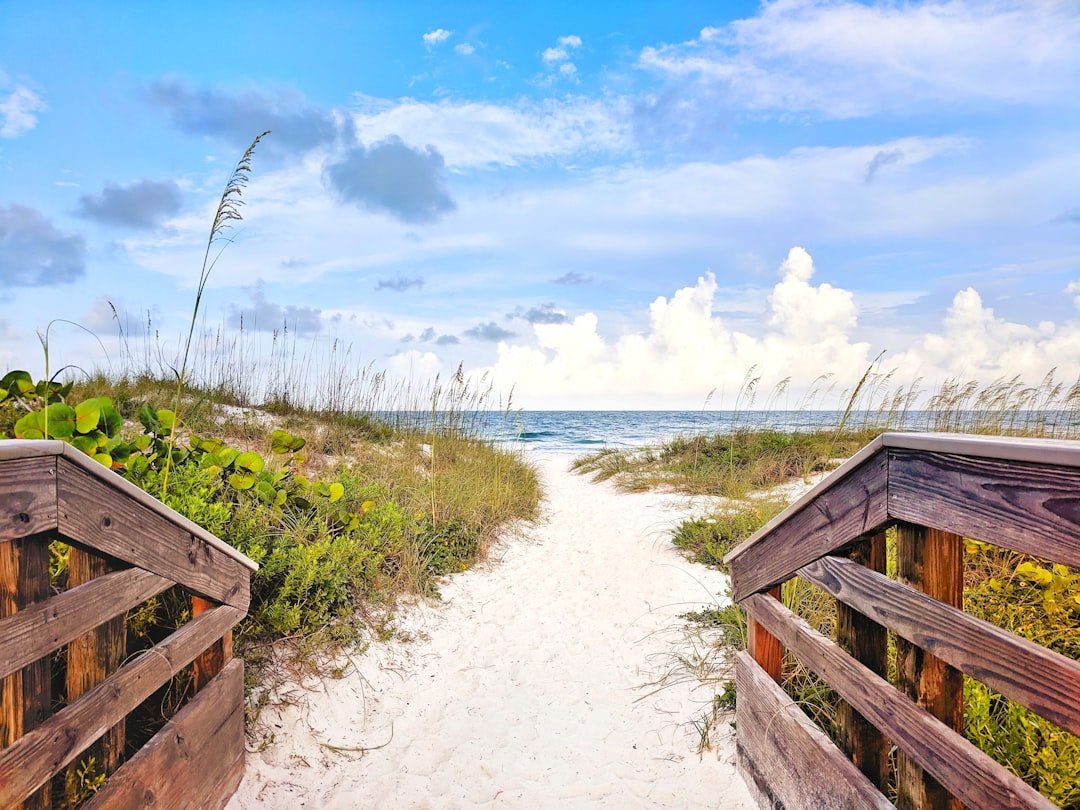
Florida has no shortage of beach destinations, and the competition for your travel dollars is fierce. What sets Jacksonville Beach apart is its authenticity. This isn’t a manufactured resort town or a spring break factory — it’s a real community that happens to sit on some of the nicest coastline in the state. The pier is the focal point, but the experience extends well beyond it: the surf culture, the fishing, the locally-rooted restaurants, and the accessibility of nearby state parks and historic sites all contribute to a destination that rewards longer stays.
The next time you’re plotting a Florida trip and instinctively scrolling past the northern part of the state, consider giving Jacksonville Beach a few days of your itinerary. You might find, as many travelers have before, that Florida’s Atlantic coast offers a different kind of magic — one that doesn’t require a filter or a reservation six months in advance. Just a pier pass, a folding chair, and the willingness to watch the Atlantic do what it’s been doing here for millennia.