There’s something that happens to your brain when a thousand-pound animal surfaces three feet from where you’re standing. Time slows down. Your breathing changes. You become acutely aware that you’re in the presence of something ancient, something patient, something that has been swimming in these waters since before humans figured out how to write. I’m talking about manatees — Florida’s most beloved marine mammals — and witnessing them in the wild is one of the most profound wildlife encounters you can have in North America without boarding a plane to Africa.
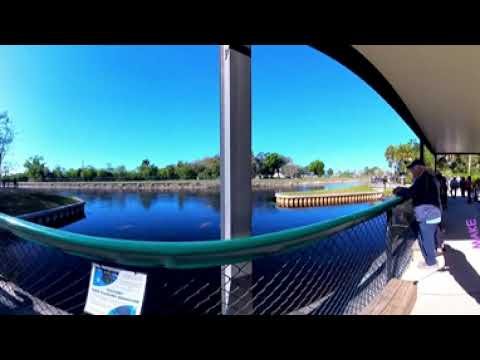
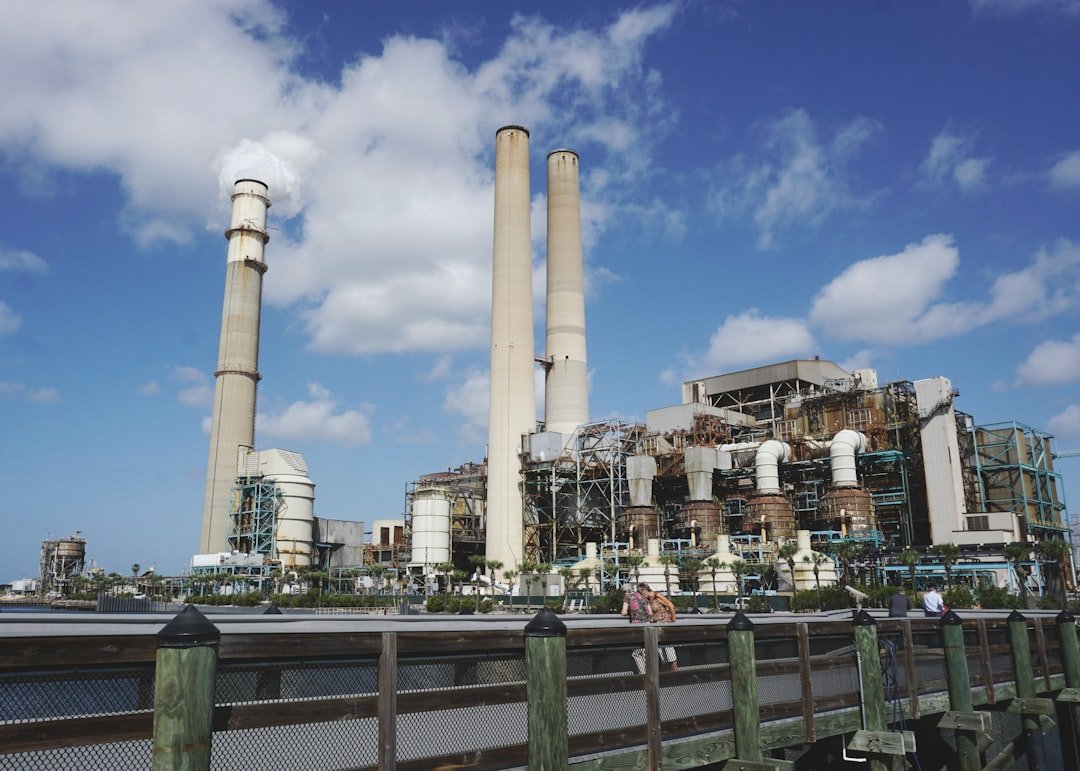
Every winter, something remarkable happens in the warm waters of southwest Florida. When the Gulf of Mexico drops below 68 degrees, manatees migrate inland toward natural springs and — oddly enough — power plant discharge canals that pump warm water into rivers and bays. One of the best places on earth to witness this gathering is Manatee Park in Fort Myers, a small county park built specifically around the warm-water outflow of the Florida Power & Light plant. On cold mornings, dozens of manatees congregate here, turning an unassuming stretch of the Caloosahatchee River into one of Florida’s most unforgettable wildlife spectacles.
Why Manatees Are Worth the Trip
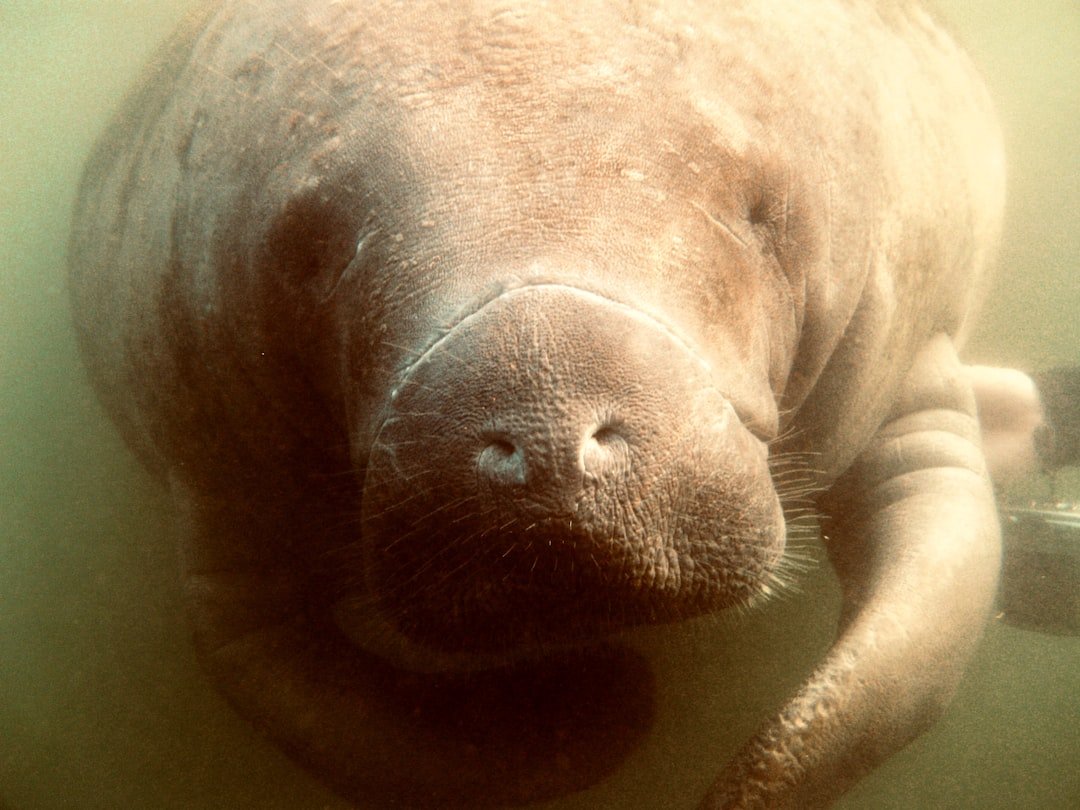
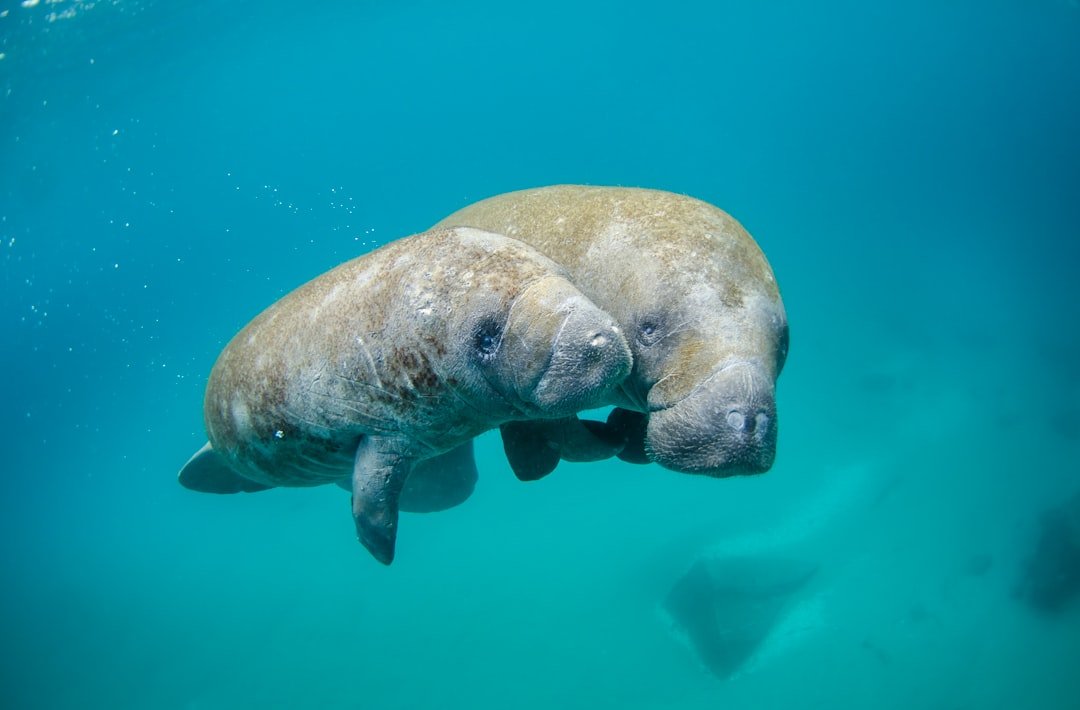
If you’ve only seen manatees in photos, you might underestimate their presence. These animals grow to 10-13 feet long and weigh between 1,500 and 1,800 pounds. They’re related to elephants, and you can see the family resemblance in their wrinkled gray skin, their gentle eyes, and the way they move with a slow, deliberate grace that makes everything around them feel rushed by comparison. They’re herbivores, eating up to 10% of their body weight in seagrass and aquatic plants every day, which means they spend a significant portion of their lives grazing — like underwater lawnmowers with personalities.
What makes manatees special isn’t just their size. It’s their temperament. These are genuinely gentle animals. They approach kayakers with what can only be described as curiosity, sometimes shadowing a paddleboard for hundreds of yards. They roll onto their sides to scratch their backs on dock pilings. Mothers nurse calves in shallow water while keeping one eye on anyone watching from shore. If you’ve ever wanted to feel a deep, almost spiritual connection to wildlife without traveling to a remote corner of the planet, manatee watching in Florida delivers.
Timing Is Everything: When to Go
The single most important factor in a successful manatee-watching trip is temperature. Manatees are tropical and subtropical animals, and they start seeking warm water when ambient water temperatures drop below about 68 degrees Fahrenheit. In Florida, this means the prime viewing window runs from late November through early March, with the peak occurring in January and February when cold fronts push through the state and send manatees flocking to warm-water refuges.
The best mornings are the cold ones — the days when you’re shivering on the observation deck and questioning your life choices. That’s when the manatees pack into the discharge canal by the dozens. On a morning following a night in the low 50s, you might see 30, 40, or even more manatees gathered in the warm outflow. The water literally bubbles with their presence. You’ll see noses break the surface for air, tails flicking, and the telltale flat circles on the water where a manatee has just dipped below.
By late morning, as the sun warms the shallows, many manatees will venture out to feed on seagrass beds in the river and Gulf. If you arrive at noon on a warm afternoon in March, you might see only one or two stragglers. The early bird doesn’t just get the worm — it gets the manatees. If you’re planning a broader Florida road trip itinerary, build your manatee watching into the coldest portion of your route.
Manatee Park, Fort Myers: The Inside Scoop
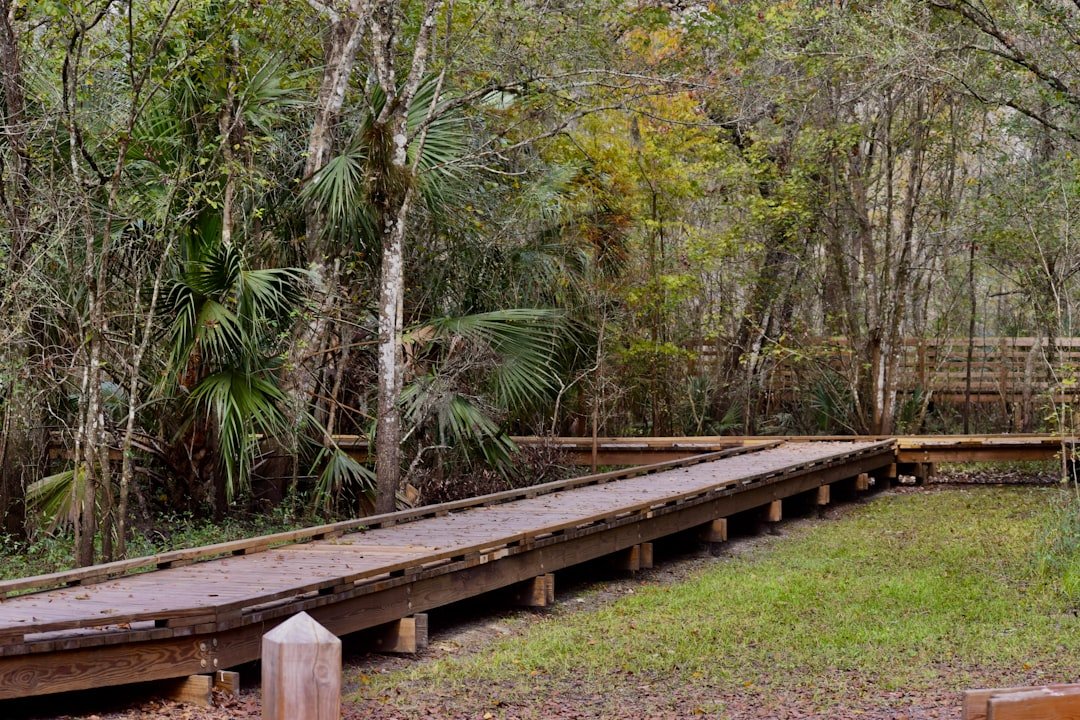
Manatee Park sits on a bend in the Caloosahatchee River in northeast Fort Myers, directly adjacent to the FPL power plant. The park was designed with manatee watching as its primary purpose, which means the infrastructure — boardwalks, observation platforms, and a terraced viewing area — is all oriented toward the warm-water canal where manatees gather. There’s no admission fee, which makes it one of the best free wildlife experiences in Florida.
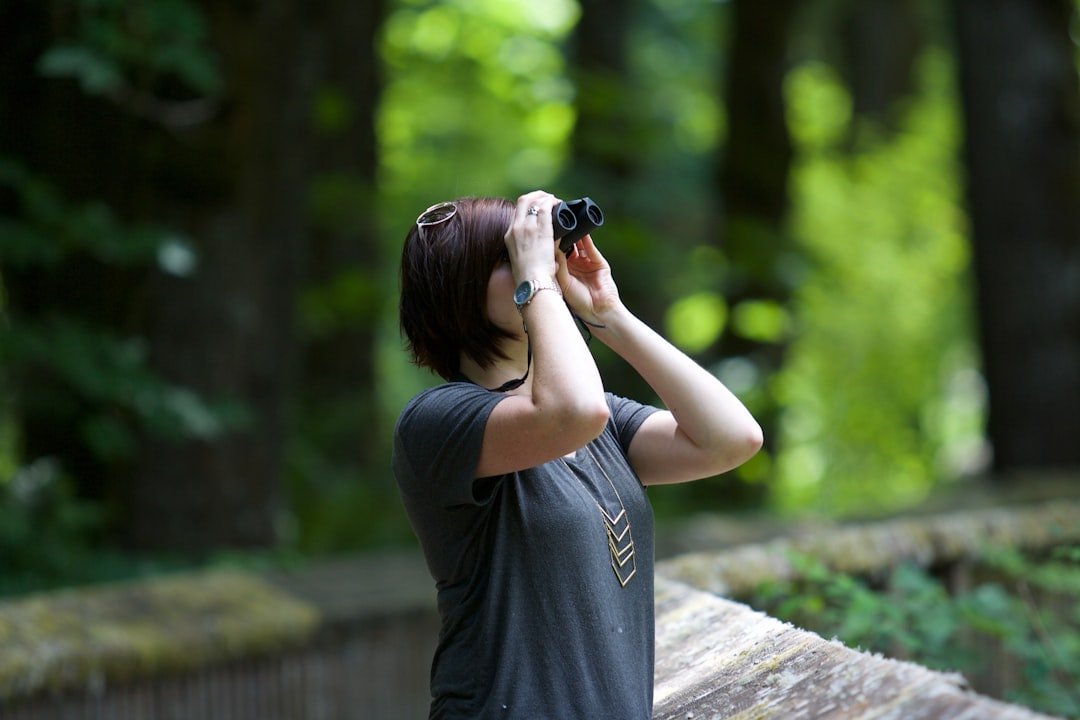
The park features a butterfly garden, fishing pier, and a kayak launch that provides paddle access to the Orange River and the larger Caloosahatchee. The water in the canal has a distinctive orange-brown tint caused by tannins leaching from mangrove roots — a natural phenomenon that tints much of southwest Florida’s inland water the color of iced tea. It doesn’t affect water quality; it’s actually a sign of a healthy mangrove ecosystem. Pack a solid pair of waterproof binoculars because manatees can be surprisingly hard to spot when they’re resting just below the surface, especially in tannin-stained water.
One thing that strikes first-time visitors is how many manatees bear scars on their backs from boat propellers. It’s a sobering reminder of the challenges these animals face in Florida’s crowded waterways. Manatees are protected under both federal and state law, and slow-speed zones are established throughout manatee habitat, but collisions remain a leading cause of manatee mortality. Seeing those scars up close transforms manatee watching from a passive activity into an conservation-minded experience.
Beyond Manatee Park: Other Prime Viewing Spots
While Manatee Park is excellent, it’s far from the only option. Florida has an entire network of warm-water refuges that attract manatees during cold snaps. Crystal River on the Gulf Coast is perhaps the most famous — it’s one of the few places where you can legally swim with manatees under the supervision of a permitted guide. The natural springs there maintain a constant 72-degree temperature year-round, creating an irresistible haven when the Gulf turns cold. Three Sisters Springs, part of the Crystal River National Wildlife Refuge, is the crown jewel, with turquoise water so clear you can see manatees resting on the bottom.
Blue Spring State Park near DeLand is another must-know destination. This first-magnitude spring pumps out millions of gallons of 73-degree water daily, and the park has been tracking manatee populations since the 1970s. On cold mornings, rangers count hundreds of manatees huddled in the spring run. The park even suspends swimming and kayaking when manatee counts are high, prioritizing the animals’ peace over human recreation — a refreshing approach in a state better known for tourist-first thinking.
For something closer to the Orlando area, try Haulover Canal in the Merritt Island National Wildlife Refuge. This tidal canal connects the Indian River Lagoon with Mosquito Lagoon and serves as a natural corridor for manatees traveling between feeding grounds. There’s an observation deck specifically built for manatee watching, and the refuge’s dirt roads and unspoiled shoreline make you feel like you’ve stepped back into Old Florida.
Kayaking With Manatees: The Ultimate Perspective
If watching from shore whets your appetite, kayaking takes the experience to an entirely different level. Paddling silently through manatee habitat gives you a water-level perspective that no boardwalk can match. Manatees are curious about kayaks and will often approach to investigate, surfacing just a paddle-length away with a gentle puff of breath that catches you completely off guard the first time it happens.
Manatee Park has an excellent kayak launch, and several outfitters rent boats nearby. If you’re traveling from out of state and don’t want to deal with roof racks, an inflatable kayak that packs into a suitcase-sized bag is a surprisingly practical option for Florida’s calm inland waters. Just remember: federal law requires you to maintain a respectful distance and never pursue, touch, or feed a manatee. Let them come to you — they will if you’re patient and quiet.
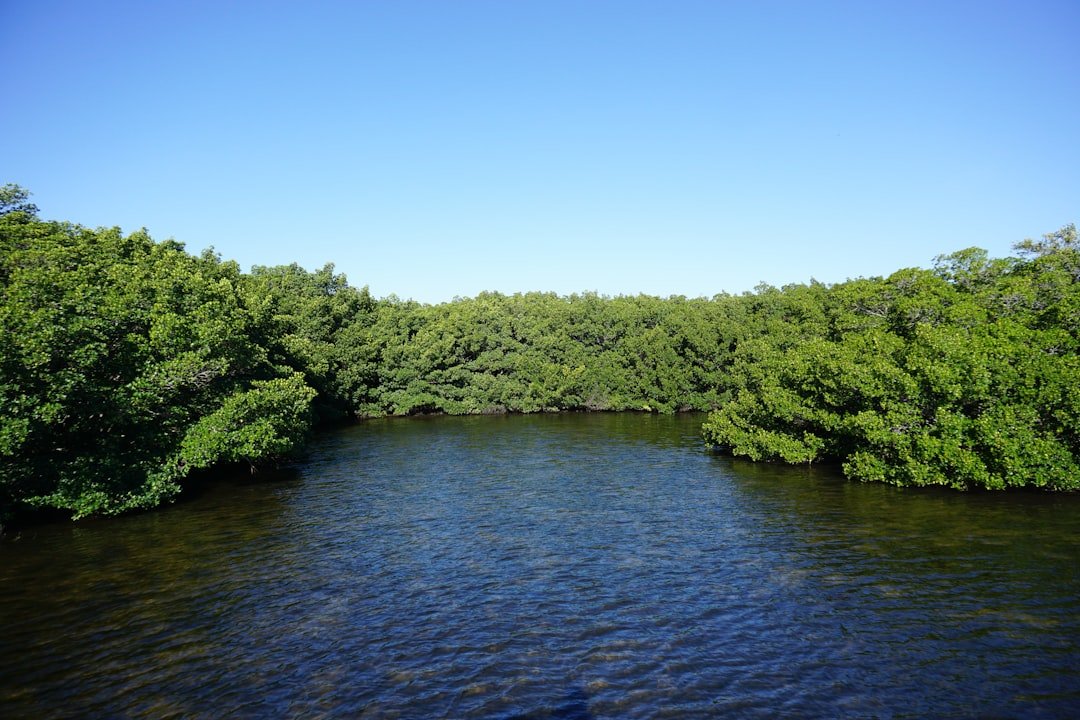
The mangrove tunnels and quiet backwaters near Matlacha and Pine Island offer some of the best paddling in southwest Florida, and manatees are frequently spotted in these channels year-round. Pack your gear in a waterproof dry bag, wear water shoes for the slippery launch areas, and time your paddle for the early morning when the water is glassy and the wildlife is most active.
What to Bring for a Successful Manatee-Watching Morning
Cold-weather manatee watching in Florida is a study in contrasts. You’re standing outside in 50-degree weather (which Floridians consider positively arctic) watching animals that are enjoying a relative hot tub. Layer up. A warm jacket, a good UPF-rated sun hat for when the sun rises, and reef-safe sunscreen are all essential. Even on overcast winter mornings, Florida UV is stronger than you think.
For photography, you don’t need a massive telephoto lens — manatees at Manatee Park come close enough to the shore that a smartphone will capture serviceable images. But if you want to document scars for citizen science or capture the moment a calf surfaces next to its mother, a waterproof phone case is non-negotiable. Dropping an unprotected iPhone into the Caloosahatchee is a rite of passage, but not one you want to experience firsthand.
If you’re serious about capturing the experience, consider a 360-degree camera like the Insta360 X4, which lets you record everything around you simultaneously. Manatees surface unpredictably, and with a traditional camera you’ll miss half the action while framing shots. A 360 camera captures it all, letting you reframe the best moments later. For wildlife that spends most of its time underwater, this is a game-changer.
Making a Day of It: Exploring Fort Myers Beyond the Park
Manatee Park makes a fantastic morning activity, but don’t let your Fort Myers experience end there. The Caloosahatchee River region is rich with Old Florida charm, historic sites, and natural areas that reward exploration. The park itself features a lovely boardwalk and nature trail system that winds through mangroves and along the river — a completely different experience from the manatee viewing area and worth the extra hour.
Downtown Fort Myers has experienced a genuine renaissance in recent years, with the River District offering farmers markets, art walks, and enough restaurants to fill a long weekend. The city is also the spring training home of the Minnesota Twins and Boston Red Sox, which means February and March visitors can catch a grapefruit league game in the afternoon after manatee watching in the morning. Pick up a copy of 100 Things to Do in Fort Myers & Sanibel Before You Die — it’s the single best resource for discovering attractions you wouldn’t otherwise stumble upon, from hidden beaches to historic estates.
If you’re road-tripping through the region, consider working your way south toward the Florida Keys, where manatees can be spotted in the canal systems of Key Largo and at the Blue Hole on Big Pine Key. The drive from Fort Myers to the Keys takes you through the Everglades, Big Cypress National Preserve, and some of the most unspoiled wilderness in the eastern United States — a worthy detour even without the manatees.
Manatee Conservation: How to Be a Responsible Observer
The story of Florida’s manatees is one of cautious optimism. After being placed on the endangered species list in 1967, manatee populations slowly rebounded, reaching an estimated 8,000-9,000 animals in recent years. They were downlisted from endangered to threatened in 2017, though conservationists debate whether that status change came too soon. Recent years have seen alarming die-offs in the Indian River Lagoon due to seagrass loss, a reminder that the manatee’s recovery is fragile and far from guaranteed.
As a visitor, you play a role in their protection. Follow all posted speed zones when boating — propeller strikes remain one of the leading causes of manatee deaths. Never pursue, touch, or feed manatees, even when they approach you. If you’re kayaking and a manatee surfaces nearby, hold still and let it pass. Report injured or distressed manatees to the Florida Fish and Wildlife Conservation Commission at 1-888-404-FWCC. And consider purchasing a manatee-themed gift from conservation organizations — proceeds often fund rescue and rehabilitation programs.
The most powerful thing you can do is simply pay attention. The manatees gathering at Manatee Park on a cold January morning aren’t performing for tourists. They’re surviving. They’re following an instinct older than human civilization, seeking warmth in a world that has been dramatically altered around them. Watching them — truly watching, not just photographing — you understand viscerally why these animals are worth protecting. They carry with them the slow, patient rhythm of a Florida that existed long before air conditioning and theme parks. That Florida is still there, beneath the surface, waiting for anyone willing to stand quietly by the water’s edge on a cold morning.
3 thoughts on “Chasing Gentle Giants: How to Experience Florida’s Wild Manatees Up Close”