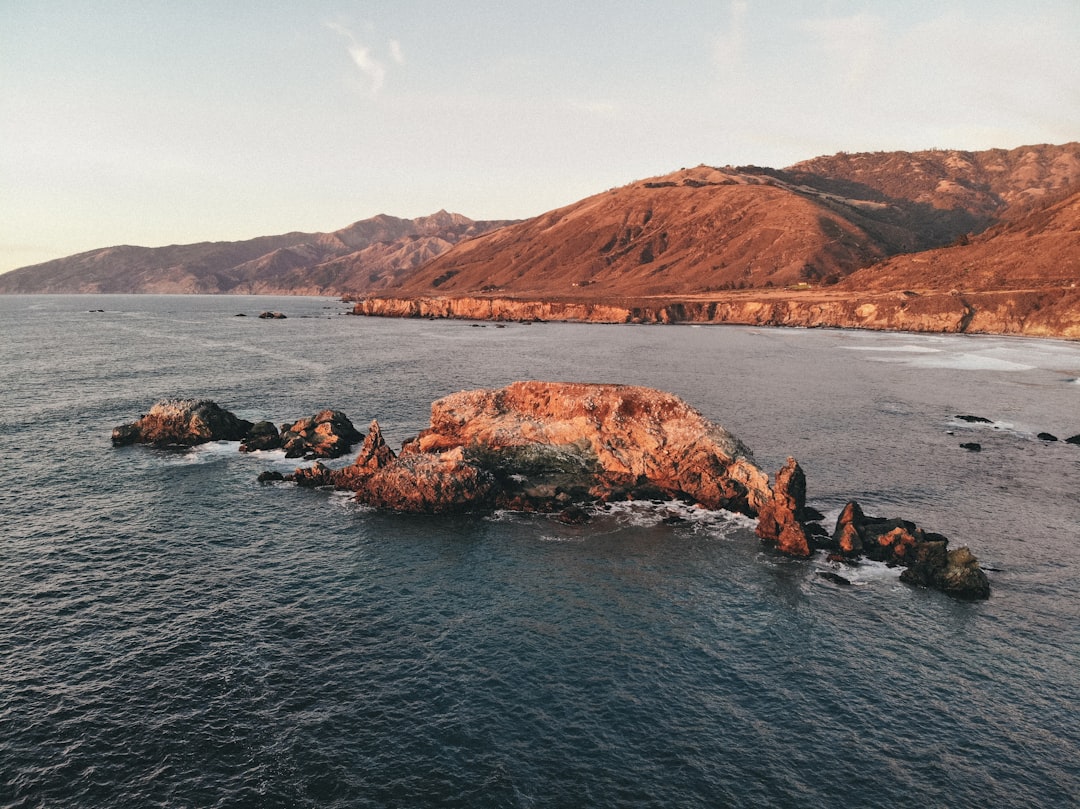
The ferry ride from Ventura Harbor takes about ninety minutes, and somewhere around the forty-minute mark, the coastline of Southern California shrinks into a thin brown smear behind you. That’s when it hits — the quiet realization that you’re heading toward a place most Californians have never bothered to visit, even though it sits right in their backyard. Five islands, scattered across 1,200 square miles of protected ocean, and almost nobody knows they’re there.
I’m talking about Channel Islands National Park — sometimes called “the Galapagos of North America” — and after spending three days poking around Santa Cruz and Anacapa Islands last summer, I can tell you that the comparison isn’t marketing fluff. It’s genuinely one of the most biologically unique places in the United States, and the logistics of getting there filter out about 95% of the crowds that jam Yosemite and Zion every weekend.
Why the Channel Islands Are Worth the Effort
Here’s the thing that makes these islands special: they’ve been isolated from the mainland for thousands of years. That separation created an evolutionary laboratory where species developed differently than their continental cousins. The island fox, for instance, is about the size of a house cat — a dwarf version of its mainland ancestor, shrunk by generations of limited food supply. The Santa Cruz Island scrub-jay exists nowhere else on Earth. Even the island fence lizards are different.
But it’s not just the biology. The landscape itself is raw, windswept, and dramatic in a way that catches you off guard if you’re used to the manicured coastline of Malibu or Santa Barbara. Sheer cliffs drop into impossibly clear water. Sea caves carved into volcanic rock ring the shorelines. Giant kelp forests sway just beneath the surface, sheltering more than 1,000 marine species.
If you’ve already explored Catalina Island at 100 and think you know Southern California’s islands, the Channel Islands will reset that assumption entirely. Catalina has restaurants, hotels, and golf cart rentals. The Channel Islands have none of that. Zero. No food. No water. No gift shops. Just you, whatever you packed, and 175,000 acres of wilderness.
Getting There: The Island Packers Ferry
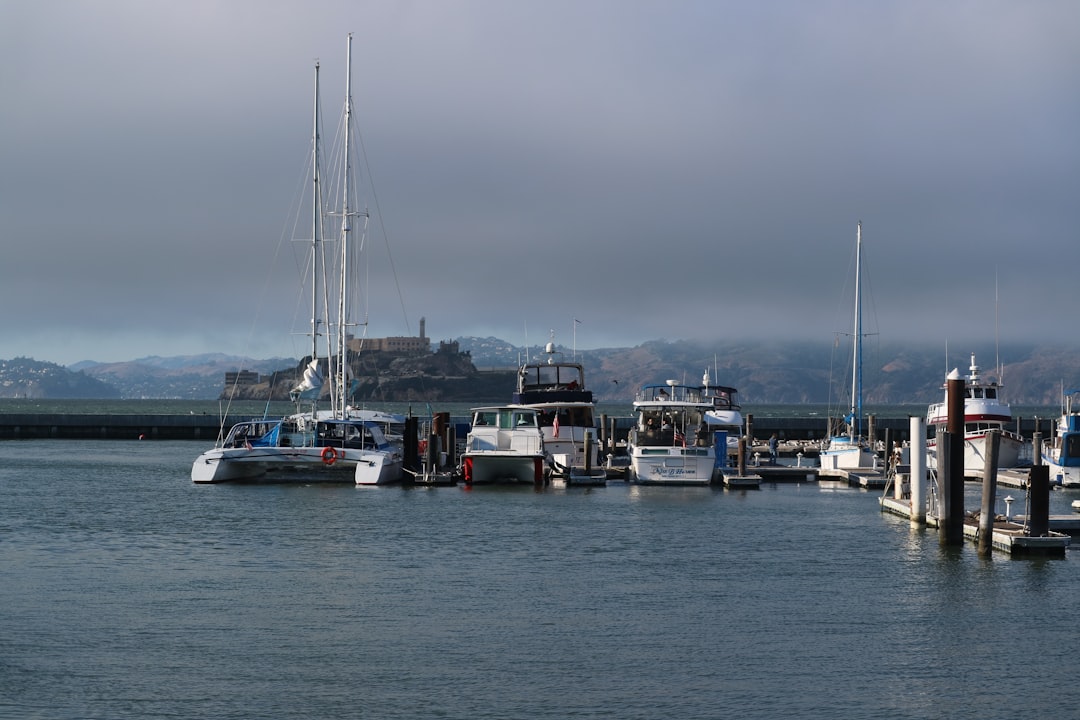
Only one company runs transportation to the islands: Island Packers, operating out of Ventura Harbor (with some departures from Oxnard). They’ve been the exclusive concessionaire since the park was established in 1980, and honestly, the ferry ride alone is worth the price of admission. On my crossing, we spotted a pod of common dolphins within twenty minutes of leaving the harbor — maybe forty of them, riding the bow wake in that effortless, choreographed way dolphins do.
Tickets run about $30-60 per person depending on the island and whether you’re doing a day trip or landing for camping. The ride to Anacapa is the shortest at roughly an hour. Santa Cruz takes ninety minutes. Santa Rosa and San Miguel are farther and more weather-dependent, with limited service.
Book early. Summer weekends fill up weeks in advance, and the boats carry a maximum of around 75 passengers. This is the single biggest bottleneck of the whole trip, so lock in your date before you plan anything else. And while you’re at it, secure your gear — I never board the ferry without a waterproof dry bag clipped to my pack. The crossing can get surprisingly choppy, and spray comes over the bow on rougher days.
Santa Cruz Island: The Main Event
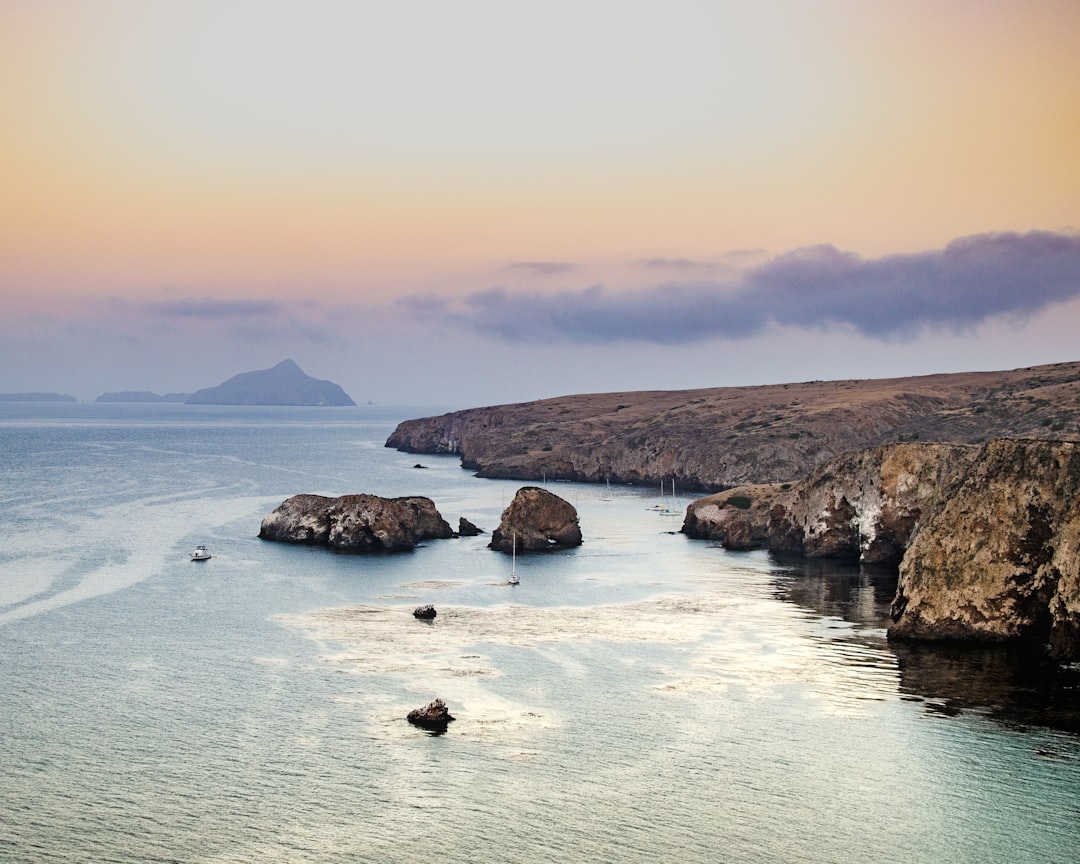
Santa Cruz Island is the largest and most visited of the five islands, and that’s where I’d send anyone on their first trip. The ferry lands at Scorpion Anchorage, a sheltered cove with a gravel beach that looks almost tropical when the sun hits the water right. Behind you, a row of historic ranch buildings dating back to the 1880s provides the only shade you’ll find all day.
From Scorpion, a network of trails fans out across the eastern end of the island. The most popular is the Cavern Point Loop — about 2 miles round trip with 400 feet of elevation gain that delivers the postcard view: sheer cliffs dropping into a turquoise channel, the mainland a hazy silhouette on the horizon. I stood there for fifteen minutes without seeing another person.
The Scorpion Ranch to Smugglers Cove hike is longer — roughly 7 miles round trip — and takes you through grasslands, past a historic adobe, and down to a remote beach where you can actually find pieces of wave-polished glass mixed in with the pebbles. The terrain shifts constantly, from exposed ridgelines to dense groves of island oak. It was on this trail that I spotted my first island fox, trotting across the path like it owned the place, which technically it does.
Wildlife You Won’t See Anywhere Else
The island fox is the star of the show, but it’s far from the only endemic species. Keep your eyes peeled for the Santa Cruz Island scrub-jay — significantly larger and bluer than its mainland relatives. I brought a pair of compact binoculars specifically for birdwatching, and they paid off within the first hour. The scrub-jays are bold and curious, often perching on fence posts near the campground as if posing for identification.
Out on the water, the wildlife show continues. California sea lions haul out on the rocks at every landing point, barking at each other in that grumpy, territorial way they have. Harbor seals lounge in sheltered coves. During summer months, you might spot humpback whales or even blue whales on the ferry crossing — the channel between the islands and the mainland is a major migration corridor.
Kayaking the Sea Caves: The Experience That Sold Me
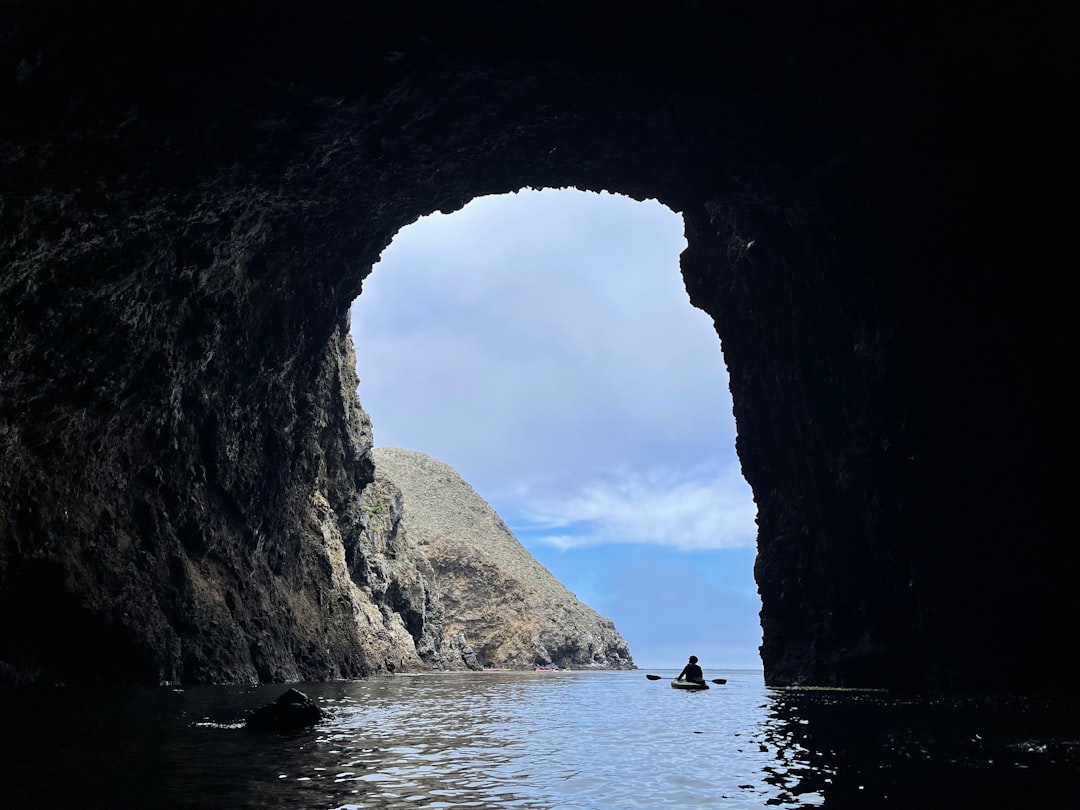
Here’s where the Channel Islands go from “really nice park” to “top five national park experiences I’ve ever had.” The sea caves around Santa Cruz Island — particularly along the north shore between Scorpion Anchorage and Potato Harbor — form one of the most extensive cave systems on the West Coast. Painted Cave, on the northwest end of the island, is the second-longest sea cave in the world. You can’t reach it from Scorpion, but the local caves you can explore are plenty dramatic.
I rented a kayak through Island Packers when I booked my ferry ticket — they have a partnership with a outfitter that delivers boats to the beach at Scorpion. You paddle out from the cove, round the first headland, and suddenly the coastline turns into a Swiss-cheese wall of volcanic conglomerate. Arches, tunnels, and cathedral-sized chambers that you can glide right into when the swell cooperates. The water inside the caves glows an electric blue from sunlight filtering through the kelp below.
The first cave I paddled into was maybe 80 feet deep, with a ceiling that rose about 15 feet above my head at low tide. Water dripped from the rock, and the sound echoed in a way that made the whole space feel like the inside of an instrument. A harbor seal popped up three feet from my boat, regarded me with those liquid black eyes for a beat, and disappeared. My hands were shaking a little — not from cold, but from the sheer adrenaline of being inside something that wild.
If you plan to kayak, bring gear that can handle water. My waterproof phone pouch was the single most important thing I packed. I also stuffed everything else into a rolling-top dry bag that stayed lashed to the kayak’s deck rigging. Stuff will get wet — plan for it.
Snorkeling and the Underwater Kelp Forest
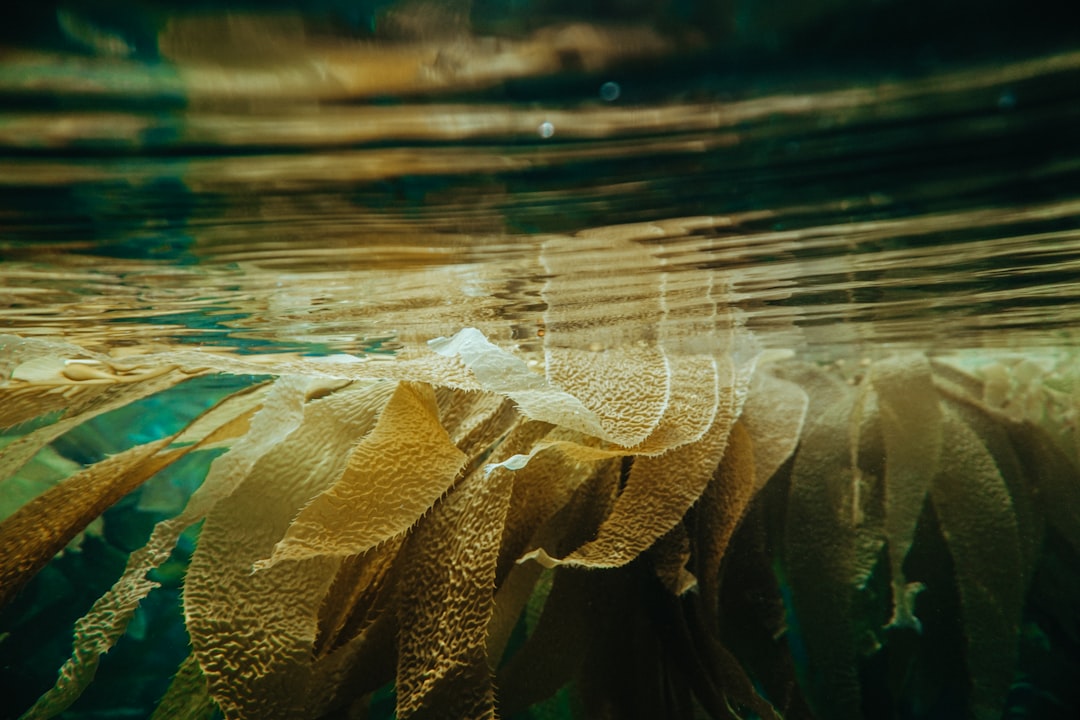
The marine preserve around the Channel Islands protects some of the healthiest kelp forest ecosystems on the planet, and snorkeling at Scorpion Anchorage is about as accessible as it gets. You walk into the water from the beach, swim about 50 yards, and the bottom drops from 10 feet to 40 feet — and suddenly you’re floating over a submerged forest of giant kelp that rises from the seafloor like redwood trunks.
Garibaldi — those impossibly bright orange damselfish that are California’s state marine fish — dart between the kelp fronds. Sheepshead, with their weird buck teeth, crunch on urchins on the rocks below. If you’re lucky, you’ll hear the clicking of dolphin echolocation underwater before you see them. I brought my own travel snorkel set because I’m particular about mask fit, and it turned out to be a smart move — the rental gear on the island gets picked over quickly in summer.
Water temperatures in summer hover around 60-65°F at the surface. That’s bracing. I wore a 3mm wetsuit and was comfortable for about 45 minutes before the chill crept in. If you don’t have a wetsuit, plan for shorter sessions and definitely apply reef-safe mineral sunscreen to the back of your neck and any exposed skin. The park strictly requires reef-safe formulations — anything with oxybenzone or octinoxate is banned, and they do check.
Anacapa Island: The Day Trip Perfection
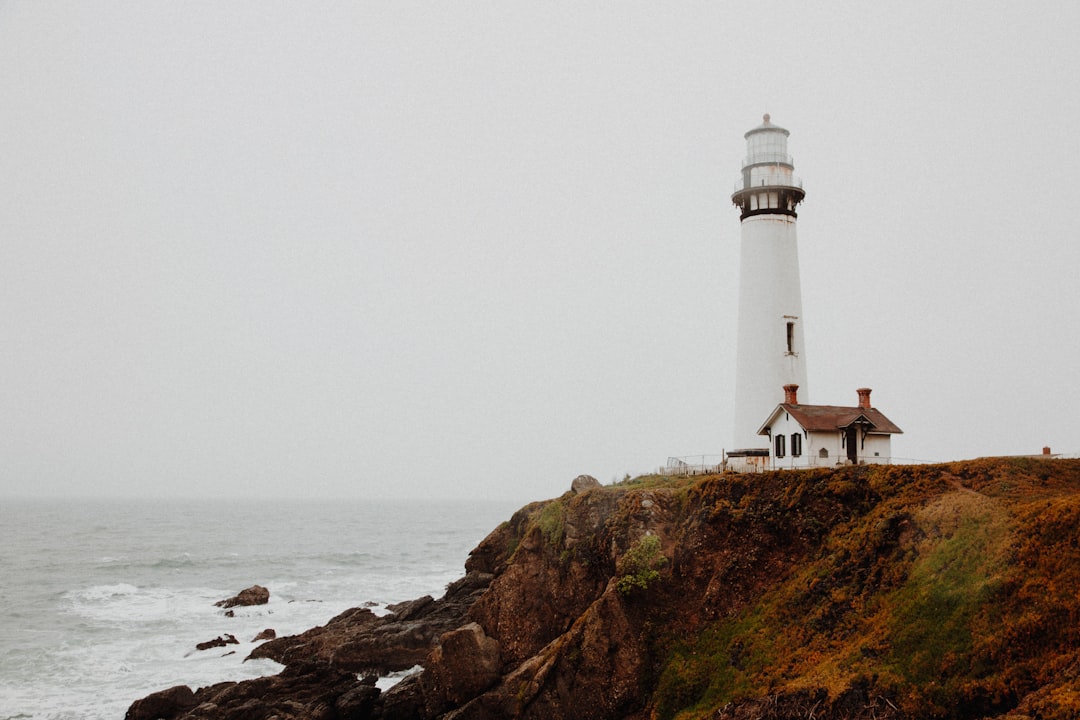
If you only have one day, go to Anacapa. It’s the closest island, the smallest of the five, and packs more drama per square mile than anywhere else in the park. The ferry docks at a tiny cove on the east end, and you climb 157 steps up a cliffside staircase to reach the top. Once there, a 1.5-mile loop trail takes you across the island to Inspiration Point — a overlook that stares directly at the other two islets of Anacapa, separated by churning channels of white water.
Anacapa is also home to the Anacapa Island Lighthouse, built in 1932, which sits at the eastern tip like a sentinel. The lighthouse itself isn’t open to the public, but the trail passes right by it, and the combination of white tower, golden rock, and cobalt ocean is the kind of view that makes you understand why people painted lighthouses for centuries.
In spring and early summer, Anacapa’s core population is roughly 15,000 western gulls. The noise is something else — a constant, raucous carnival of squawking. By July, the chicks are fledging, and you’ll see awkward teenagers testing their wings on the cliff edges. Stay on the trails (the park service is serious about this) and give the nesting areas a wide berth.
Camping on the Islands: What It’s Really Like
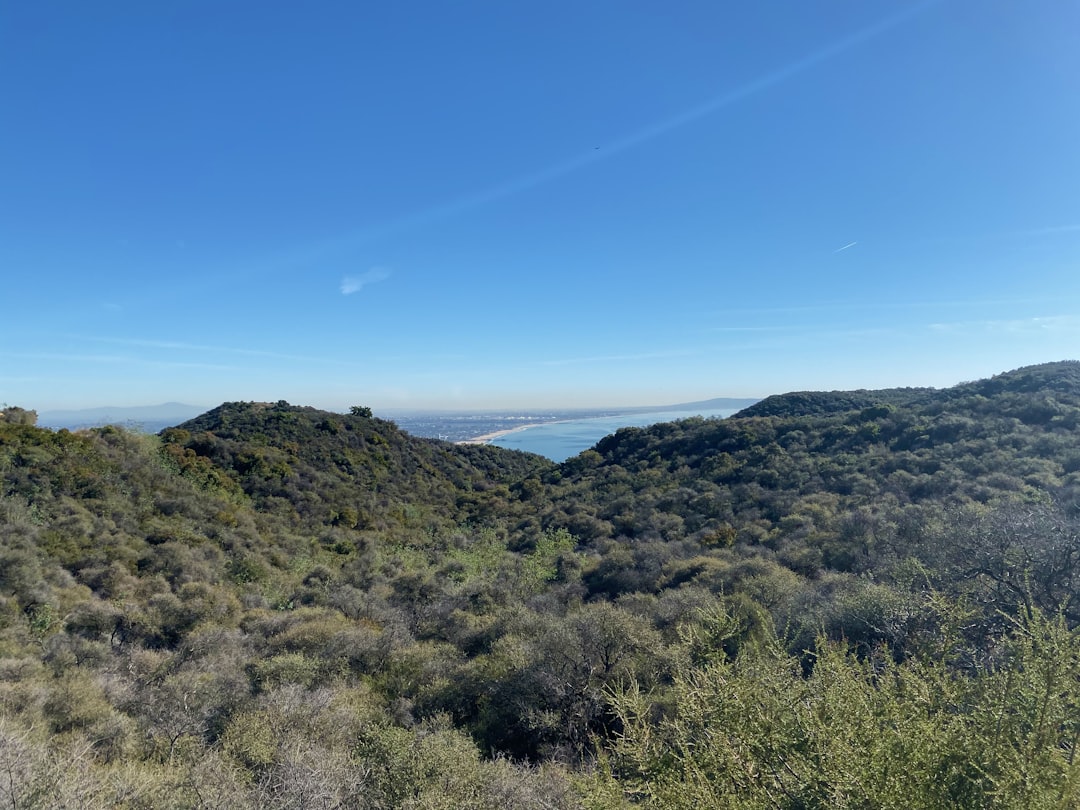
I camped one night at Scorpion campground on Santa Cruz, and it’s one of the more unique camping experiences I’ve had. The sites are tucked into a grove of eucalyptus trees near the historic ranch buildings, with picnic tables, pit toilets, and running water (treat it — the water is potable but doesn’t taste great). There are no fires allowed anywhere on the islands, so plan your cooking around a camp stove. The silence at night is almost disorienting after spending so much time in the noise of a city.
Reservations go through recreation.gov, and there are only about 40 sites across all five islands combined. They fill fast for summer weekends, but weekday trips are usually available with shorter notice. The camping fee is $15 per night, which is absurdly cheap for what you get — a campsite on a near-empty island in a national park.
Packing for an island camp trip requires more intention than a typical drive-in campground because everything goes in and out on your back. I used a 30-liter packable daypack for the ferry and day hikes, with my camp gear divided between that and a larger duffel. The packing cubes I grabbed for the trip kept my food, stove fuel, and clothes separated enough that I wasn’t rummaging through everything each time I needed a granola bar.
What to Pack for a Channel Islands Day Trip
Because there are zero services on the islands — no food, no water beyond campground spigots, no trash cans, no cell signal — what you carry is what you have. Here’s my hard-earned list:
- Water: At least 2 liters per person for a day trip. I carry a 32-ounce insulated bottle and refill it on the ferry. Dehydration sneaks up fast when you’re hiking exposed trails in summer sun.
- Food: Pack more than you think you need. There’s something about sea air and hiking that turns a normal appetite into a black hole. Sandwiches, trail mix, fruit, jerky — anything that doesn’t need refrigeration for a few hours.
- Layers: It can be 75°F on the trail and 60°F on the water within the same hour. A lightweight fleece or windbreaker lives in my pack on every island trip.
- Footwear: The trails are rocky and uneven. I wore closed-toe water sandals that handled both the hiking and the beach landings without needing a shoe change. Some people prefer trail runners, but anything with decent grip works.
- Towel: A compact microfiber travel towel takes up almost no space and handles everything from drying off after a swim to sitting on during lunch.
- Sun protection: Hat, sunglasses, and reef-safe sunscreen. There is essentially no shade on the trails.
When to Go
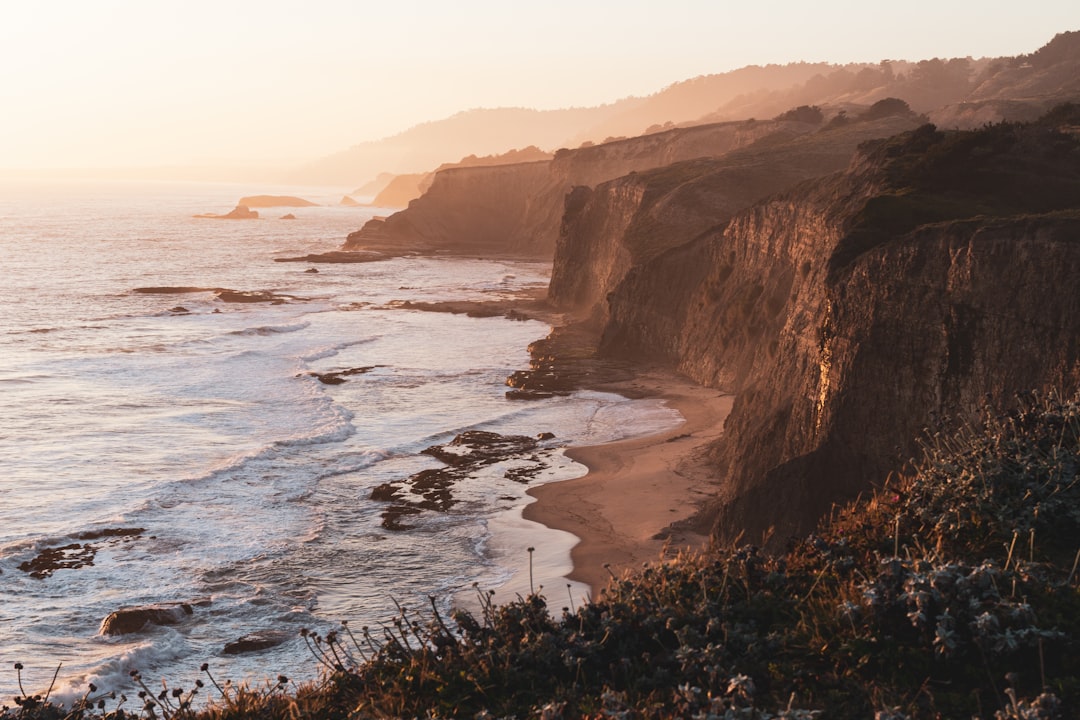
Summer is peak season, and for good reason — the ocean is calmest, the weather is most predictable, and the ferry runs on its fullest schedule. July and August offer the best odds of smooth crossings and comfortable kayaking conditions. September is the sleeper pick: fewer crowds, warmer water, and the light is incredible.
Spring (March through May) brings wildflower blooms to the islands — the giant coreopsis on Anacapa put on a show that turns the landscape yellow — but ocean conditions are more variable. Winter is beautiful in its own stark way, but ferry cancellations due to weather are common, and some islands see limited service.
Whatever season you pick, build flexibility into your schedule. I’ve had friends whose ferry was cancelled the morning of due to swell, and they had to reschedule for the following week. If you’re visiting from out of state, build in a buffer day on either side.
The Bottom Line
Channel Islands National Park isn’t a drive-up park. You can’t roll in, take a photo from an overlook, and roll out. It demands planning, a ferry booking, and willingness to carry everything you need on your back. But that’s precisely why it remains extraordinary — the friction of getting there is the filter that keeps it wild.
In a year when I’ve also stood at the edge of Lassen’s volcanic peaks and kayaked the backcountry of Voyageurs National Park, the Channel Islands were the place that surprised me the most. I expected a nice day on a boat. What I got was one of the most visually stunning, ecologically distinct landscapes in North America — and I had it almost entirely to myself.
If you’re within driving distance of Ventura County, book a ferry. If you’re not, plan a trip. The islands are waiting, and they’re better than you think.