Why Bathroom Solutions Matter More Than You Think
When most people picture the van life dream, they imagine sunrise views from a mountaintop, campfires under star-filled skies, and the freedom to go anywhere on a whim. What they rarely picture is where they’re going to go to the bathroom. But after spending months living in a van and talking with hundreds of fellow travelers, I can tell you that your bathroom setup quietly determines whether van life feels like liberation or a constant logistical headache.
The reality is that not every stunning boondocking spot comes with facilities. Public restrooms close. Gas station bathrooms aren’t always available at 3 AM. And the dread of finding a bathroom can overshadow even the most beautiful campsite. That’s why choosing the right portable toilet solution is one of the most important decisions you’ll make for your van build — right up there with your floorplan layout and power system.

The Three Main Categories of Van Life Toilets
Not all van life toilets are created equal, and the best choice depends on your travel style, budget, and how much space you’re willing to dedicate. Let’s break down the three main approaches that most van lifers end up choosing between.
Portable Chemical Toilets (The Classic Choice)
Chemical toilets like the Thetford Porta Potti have been the go-to for RV and van life bathrooms for decades. They use a small amount of water combined with chemical treatments to break down waste and control odors. The Thetford 365, for example, is compact enough to tuck under a bench seat and has a freshwater tank and waste tank that separate for easy dumping at any RV dump station or standard toilet. The seal between the bowl and waste tank is critical — when it wears out (which happens after a few years of regular use), you’ll notice water leaking from the bowl into the tank, and odors become much harder to control. Fortunately, replacement seals are inexpensive and take about ten minutes to swap out.
The biggest advantage of chemical toilets is simplicity. No power required, no special installation, and they work anywhere. The downside is that you need to empty and clean them regularly, and the chemical smell, while manageable, isn’t exactly pleasant. You can find a Thetford 365 Porta Potti for well under $200, making this the most budget-friendly option.
Dry Flush Toilets (The Modern Upgrade)
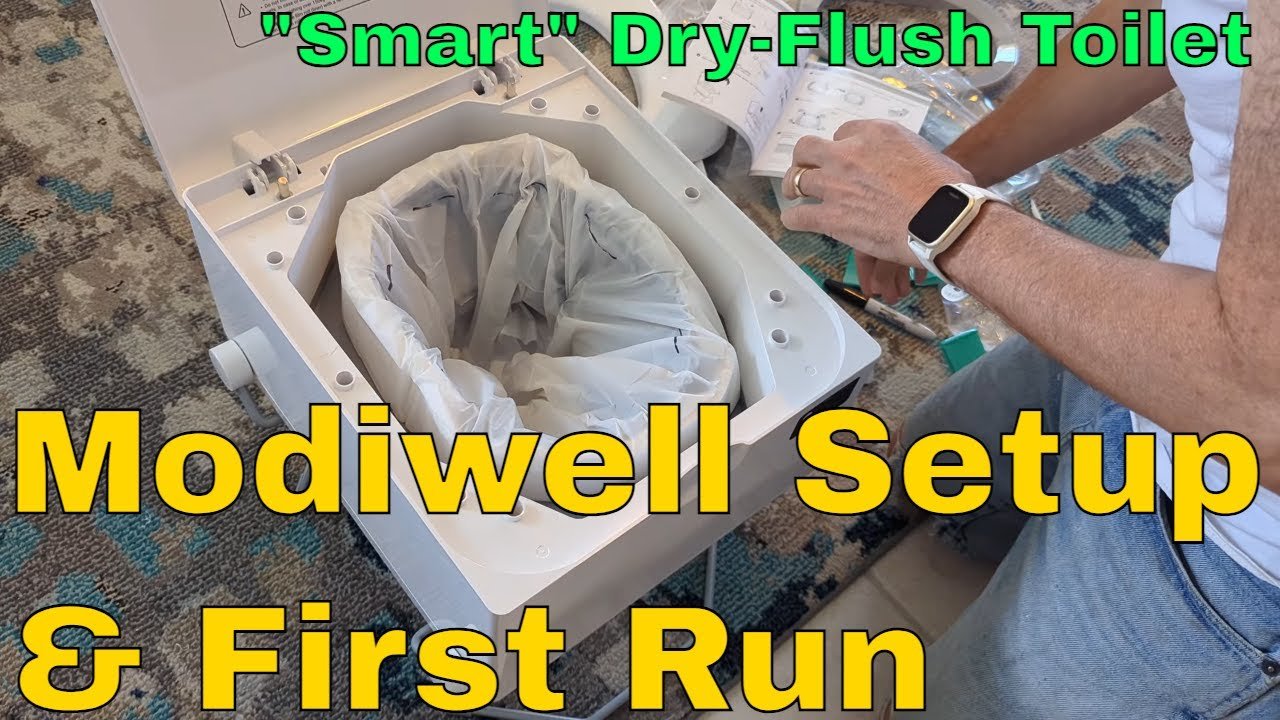
A newer category that’s gaining serious traction among van lifers is the dry flush toilet. These innovative devices use a continuous bag system that wraps and seals each waste deposit individually, similar to how a diaper genie works but far more sophisticated. The Modiwell Smart Dry Flush Toilet represents the latest evolution of this technology, offering one-button operation that automatically packages waste, heat-seals the bag, and cuts it off — all in about fifteen seconds.
What makes dry flush toilets appealing for van life is the complete elimination of liquid waste handling. There’s no tank to empty, no chemicals to add, and no water supply needed. The coagulant powder included with the system turns liquid into a gel-like substance that gets sealed into the bag along with solid waste. Each sealed package can be disposed of in regular trash, making it far more convenient than hauling a full waste tank to a dump station. The unit runs on a rechargeable 14-volt battery, so it works even when you’re completely off-grid, and the slow-close lid adds a touch of home-like comfort to the experience.
The trade-off is ongoing cost. Refill bags run about a dollar per flush, and you’ll need to keep coagulant packets stocked. For full-time van lifers using the toilet several times daily, that adds up. But for weekend warriors or those who primarily use public facilities, the convenience factor is hard to beat. You can compare dry flush toilet options to see current pricing and features.

Composting Toilets (The Eco-Friendly Route)
Composting toilets use natural decomposition processes to break down waste, separating liquid and solid waste into different compartments. The solid waste mixes with coconut coir, peat moss, or sawdust, which neutralizes odors and begins the composting process. Popular models like the Nature’s Head and OGO are specifically designed for the van life and boating communities, with compact footprints and agitator handles that make mixing easy.
The primary benefit is sustainability — no chemicals, no bags to buy, and the solid compost can eventually be disposed of in appropriate outdoor locations (check local regulations). Liquid waste goes into a separate bottle that needs emptying every couple of days. The downside is that composting toilets require more active management than other options. You need to keep the medium at the right moisture level, empty the liquid bottle frequently, and periodically empty the solid compartment. They also need a ventilation fan running constantly, which draws a small amount of power. Browse composting toilets designed for vans to see what’s available.
Space-Saving Installation Tips for Van Bathrooms
Regardless of which toilet type you choose, integrating it into your van build requires some thought. Most van lifers don’t have the luxury of a dedicated bathroom room, so creative space management becomes essential.
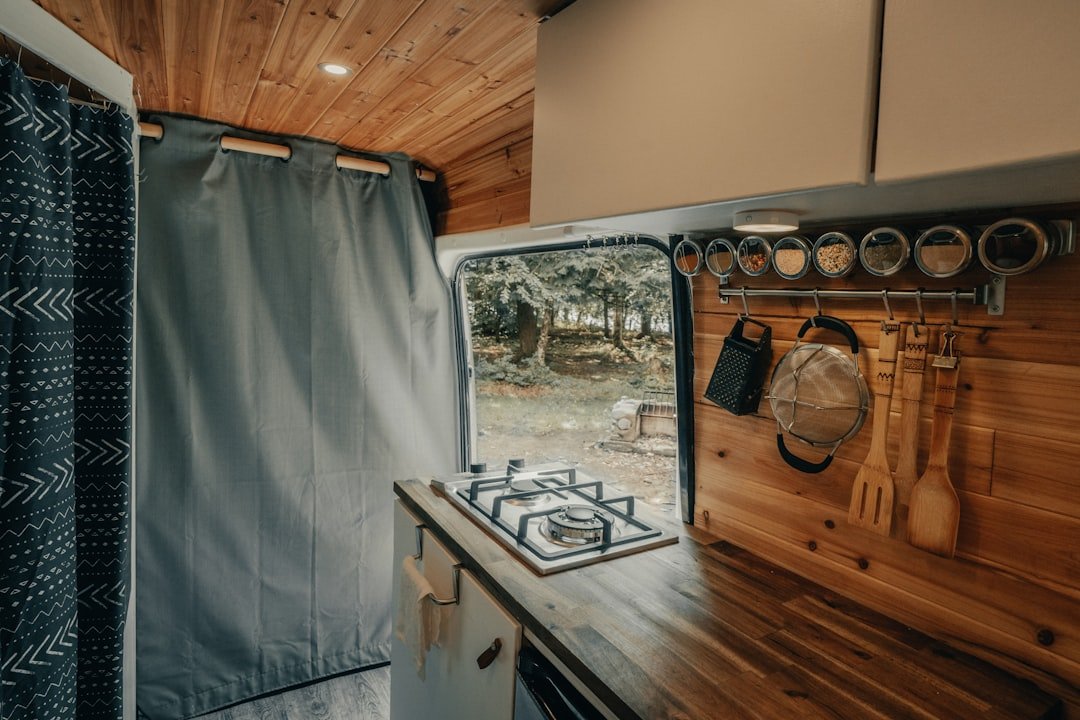
One popular approach is to build the toilet into a bench seat or storage cabinet with a removable top. The toilet stays hidden during the day and slides out when needed. This works especially well with portable chemical toilets and dry flush models. For privacy, a curtain track mounted to the ceiling or a folding privacy screen can create an instant bathroom enclosure without permanently dividing your living space.
If you’re designing your van from scratch, consider how the toilet location interacts with your floor insulation and layout. Some builders create a dedicated bathroom pod near the sliding door, using the door itself as one wall of the enclosure. Others tuck the toilet under a dinette seat, where it doubles as extra seating. The key is making sure you have enough headroom and ventilation wherever you place it.
Managing Odor in a Tiny Space
Let’s be honest — odor control is the make-or-break factor for any van life toilet setup. When your living space is 60 square feet, even minor smells become major problems. Here are the strategies that experienced van lifers swear by.
First, ventilation is non-negotiable. A roof-mounted vent fan running on low creates negative pressure that pulls air up and out, preventing bathroom odors from spreading through the van. Position the fan as close to the toilet as practical for maximum effectiveness. Some van builders install a small USB-powered exhaust fan directly behind or above the toilet for targeted ventilation.
For chemical toilets, using the right amount of treatment chemical is crucial — too little and odors escape, too much and you’re dealing with harsh chemical smells. Enzyme-based treatments like holding tank enzyme treatments are increasingly popular as a more pleasant alternative to formaldehyde-based chemicals. For dry flush toilets, odor is essentially a non-issue between flushes since the bag seals each deposit. And for composting toilets, keeping the right balance of compost medium and emptying the liquid bottle frequently is usually enough to keep things fresh.
Showering Without a Dedicated Bathroom
For many van lifers, the toilet is only half the bathroom equation. Showering on the road requires its own set of solutions, and the right approach depends heavily on your climate and travel style.
A simple solar shower bag is the lightest, cheapest option — hang it from your van’s roof rack in the sun for a few hours, and you’ve got warm water for a quick rinse. For something more substantial, propane-powered portable showers provide instant hot water anywhere, though they require ventilation if used inside the van. Some van builds include a dedicated shower floor with a drain that connects to a greywater tank, allowing you to shower inside using a pull-out faucet from the kitchen sink.
Gym memberships (Planet Fitness being the most popular among van lifers) offer another approach — unlimited hot showers and a place to work out for about $25 per month. Many full-time van lifers use a combination of all these methods depending on their location and weather.

The Hidden Water Management Challenge
What many first-time van builders don’t anticipate is how much bathroom-related water management complicates the overall plumbing system. Fresh water in, grey water out, and in some cases, black water too — each requires separate tanks, plumbing runs, and dump procedures.
A wheel well freshwater tank is a popular choice for van conversions, fitting snugly over the rear wheel arch without sacrificing interior space. For grey water, undermounted tanks bolted beneath the van floor keep the waste water completely outside the living area. Planning your water system in conjunction with your toilet choice from the beginning saves major headaches later — a chemical toilet means you need dump station access, while a dry flush or composting toilet can simplify your water system significantly.
For those building out their water systems, 12V water pumps and inline water filters are essential components that many beginners overlook. Having clean, pressurized water makes everything from cooking to showering to toilet maintenance much more pleasant on the road.

Making Your Choice: A Quick Decision Framework
Still unsure which route to go? Here’s a simple framework to help you decide. If budget is your primary concern and you don’t mind regular dump station visits, a chemical portable toilet is the proven, affordable choice. If convenience and odor control matter most and you’re willing to pay per flush, a dry flush system like the Modiwell is worth the investment. And if sustainability and off-grid independence are your priorities, a composting toilet gives you the most self-sufficient option.
The toilet decision is one you’ll live with every single day on the road, so it’s worth taking the time to get right. Check out how proper van windows and ventilation can complement your bathroom setup, and remember that seasonal camping preparation should include a plan for bathroom facilities that works in every weather condition.
Van life is about freedom, and the right bathroom setup keeps that freedom intact. Choose wisely, test thoroughly before your first long trip, and don’t be afraid to upgrade if your initial choice isn’t working out. The perfect van life toilet is the one you never have to think about — it just works, quietly and reliably, mile after mile.
1 thought on “Van Life Bathroom Solutions: The Complete Guide to Toilets, Showers, and Water Management on the Road”