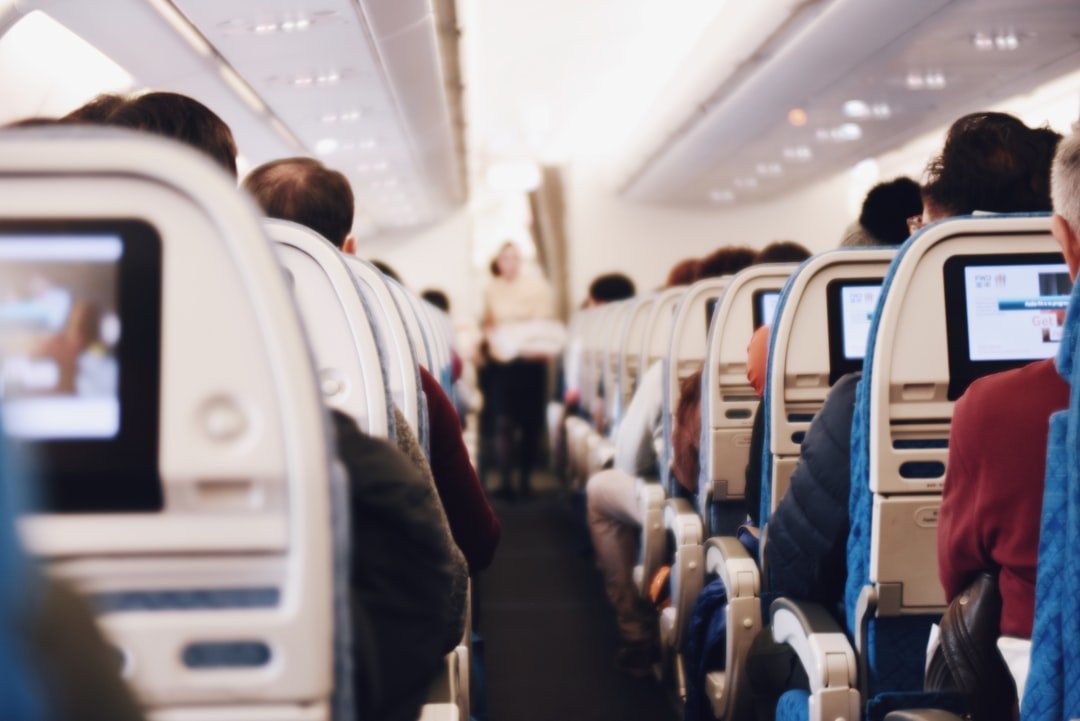
I used to be the person who scoffed at travel neck pillows. You know the type — standing in the terminal, watching people clip those horseshoe-shaped cushions to their backpacks like they’re heading to some kind of neck support convention. I figured I was tough enough to sleep on a plane without help. Then I took a 14-hour flight to Tokyo in a middle seat, woke up with a neck spasm so bad I couldn’t turn my head for three days, and immediately understood why the global travel pillow market is worth over a billion dollars. Sometimes the crowd knows something you don’t.
After that humbling experience, I went deep — really deep — into the world of travel neck pillows. Over the past two years, I’ve tested more than fifteen different models on flights ranging from quick two-hour hops to brutal sixteen-hour marathons. I’ve slept in economy, premium economy, and once in an airport lounge chair during an unexpected overnight layover in Reykjavik. And I’ve learned that the right neck pillow isn’t just a comfort accessory — it’s the difference between arriving at your destination functional versus spending your first day in a new country recovering from self-inflicted whiplash.
Why Your Neck Deserves Better Than the Airport Kiosk Special
Here’s the thing most travelers don’t realize: your neck is doing something on a plane it almost never does in normal life. When you’re sitting upright in a reclined seat, your head — which weighs roughly ten to eleven pounds — is supported by muscles and ligaments that evolved to keep you upright while walking, not tilted at weird angles while semi-horizontal. Fall asleep without support, and your head drops forward or lolls sideways, stretching your cervical spine into positions that would make a chiropractor wince. This isn’t just uncomfortable in the moment. Research published in the Journal of Physical Therapy Science found that prolonged awkward neck positioning during air travel can cause cervical spine strain that persists for up to a week.
The cheap memory foam pillows they sell at airport kiosks for $25? They’re barely better than nothing. Most use low-density foam that compresses completely after a few minutes, offering about as much support as a folded sweater. The covers are usually synthetic materials that trap heat, and the U-shape design — while iconic — actually does a poor job of preventing your head from dropping forward, which is the most common direction it falls during sleep. I know this because I bought three of them before I learned my lesson.
A quality travel pillow addresses the real biomechanics of sleeping upright. It cradles your cervical spine in a neutral position, supports your head from multiple angles, and — this is crucial — stays supportive for the full duration of your flight, not just the first hour. If you’re investing in a good memory foam travel neck pillow, the difference is immediately noticeable compared to the bargain-bin options.
The Three Styles That Actually Work
After testing extensively, I’ve narrowed the field to three pillow styles that genuinely deliver on their promises. Each has distinct strengths depending on how you sleep and what kind of travel you do most.
The Wraparound: Full Support for Side and Front Sleepers
This is the category where products like the 360-degree neck support pillows shine. Unlike traditional U-shaped pillows that leave the front of your neck unsupported, wraparound designs encircle your entire neck with a clasp or magnetic closure, keeping your head stable from every direction. I tested one of these on a red-eye from San Francisco to Boston and actually slept for five uninterrupted hours — something that had literally never happened to me on a plane before.
The key advantage is forward support. When you nod off sitting up, your head naturally drops forward, and a traditional U-pillow does nothing to catch it. Wraparound styles fill that gap. The downside is that some people find the enclosed feeling slightly claustrophobic, and they’re bulkier to pack. But if you’re a side sleeper or someone whose head always drops forward, this style is a revelation. Look for models with adjustable closures so you can dial in the fit.
The Hooded Pod: Maximum Privacy and Warmth
This newer style looks like someone combined a neck pillow with a cozy hoodie, and honestly, that’s basically what happened. The pillow wraps around your neck while an integrated hood blocks out light and reduces ambient noise. I was skeptical until I tried one on an overnight flight to London. The hood created this wonderful cocoon effect — I couldn’t see the cabin lights, the sound of the engines was muffled, and I felt enough privacy to actually relax. For anyone who struggles to sleep on planes due to sensory overload (which is most of us), this design is thoughtful.
The hood also serves a practical purpose: it keeps your head from rolling sideways by gently bracing against your shoulders. Some models include Bluetooth headphones built into the hood, which is either genius or overkill depending on your tolerance for multi-function travel gear. I found the audio quality decent enough for podcasts and white noise apps. If you travel with a noise-canceling sleep headphone anyway, having it integrated saves packing space.
The inflatable Minimalist: For Pack-Size Purists
Let’s say you’re a carry-on-only traveler who refuses to sacrifice a quarter of your bag to a pillow. I get it — I’ve been there too, especially on trips where I’m moving between cities frequently. That’s where high-quality inflatable travel pillows come in. Modern inflatables have come a long way from the crunchy vinyl tubes you might remember from the 90s. The best ones use soft, flocked materials that feel surprisingly pleasant against skin, and they deflate to roughly the size of a sandwich.
The trade-off is support. Even the best inflatable can’t match the plush, consistent support of high-density memory foam. But for flights under six hours, or for travelers who simply can’t justify the packing space, a good inflatable is miles ahead of no pillow at all. The trick is inflation level — I’ve found that slightly under-inflating gives a softer, more forgiving surface that actually feels better against your neck than rock-hard full inflation.
What I Actually Pack: My Travel Sleep Kit
A neck pillow alone won’t solve the equation of sleeping well while traveling. After years of refinement, here’s the complete sleep kit that lives in my carry-on for any flight over four hours.
First, the pillow — I rotate between a wraparound model for long-haul international flights and a compact memory foam pillow for domestic trips. The wraparound goes in a compression bag that reduces its size by about 40%, making it much more manageable in a backpack. The compact model clips to the outside of my bag, which is slightly dorky but entirely practical.
Second, a silk sleep mask. Not the cheap polyester ones airlines hand out in business class — a proper silk mask that blocks all light without pressing against your eyelids. The difference in comfort over a ten-hour flight is enormous. Silk also doesn’t crease or leave marks on your face, which matters if you’re landing and heading straight to a meeting or dinner.

Third, earplugs. Specifically, the high-decibel foam earplugs rated for 32+ NRR. I’ve tried the silicone moldable ones and the wax ones, and they’re fine, but nothing beats the NRR rating of dense foam for blocking out that one person who decides to have a phone conversation at 2 AM on a red-eye. Yes, I’m still bitter about that flight to Miami.
Finally, a lightweight scarf or buff that doubles as an extra neck layer. Airplane cabins are notoriously cold, and having something soft around your neck makes a surprising difference in comfort even when you’re not actively sleeping. It also covers your face partially when you’re using the neck pillow, which adds to that cocoon feeling that helps your brain accept that it’s okay to sleep in a metal tube surrounded by strangers.
The Mistakes I Made So You Don’t Have To
Beyond the pillow itself, there are a few things I’ve learned the hard way about sleeping on planes. Don’t eat a heavy meal right before a long flight — your body can’t digest properly while sitting upright, and the discomfort will keep you awake no matter how good your pillow is. Skip the alcohol too, tempting as that free wine may be. It might help you fall asleep faster, but the quality of that sleep is terrible, and you’ll wake up dehydrated and groggy. Water is your best friend at 35,000 feet.
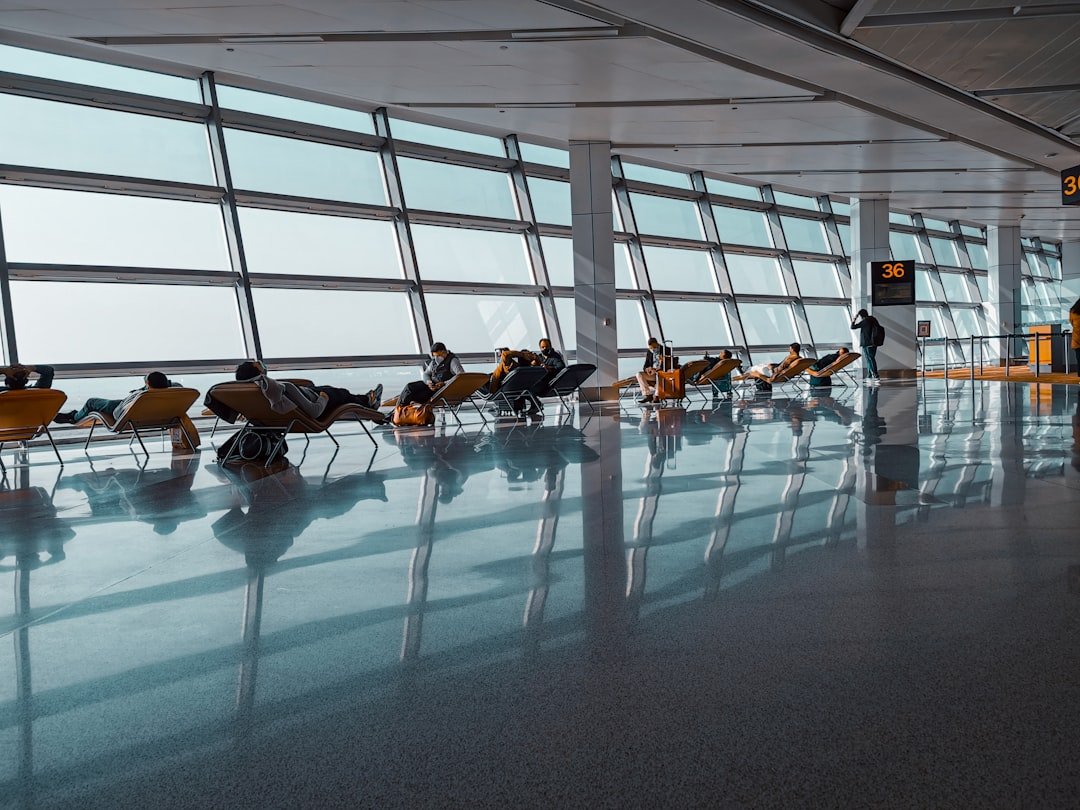
Seat selection matters more than any pillow. If you can swing it, grab a window seat — you can lean against the wall, which gives your pillow something to brace against. Aisle seats offer legroom but nothing to lean on, and middle seats are the worst of both worlds. If you’re stuck in a middle seat, the wraparound pillow style becomes even more valuable since you won’t have a wall to lean on.
And here’s a tip nobody tells you: test your pillow at home before your trip. Wear it while sitting on your couch watching a movie. If it’s uncomfortable in your living room, it’ll be miserable on a plane. I once brought a brand-new pillow on a twelve-hour flight without testing it first, only to discover that the material made my skin itch after about an hour. That was a very long flight to Tokyo, round two.
If you want to go deeper on arriving at your destination feeling human, I wrote about my complete science-backed strategy for beating jet lag, which pairs perfectly with good in-flight sleep. The two go hand in hand — a decent pillow gets you rest on the plane, and smart light exposure and melatonin timing get your circadian rhythm synced to your new timezone faster.
How to Choose the Right One for You
Let’s make this simple. Answer these three questions and you’ll know exactly which pillow to buy.
How long is your typical flight? Under four hours, go inflatable or skip it entirely. Four to eight hours, a compact memory foam pillow is the sweet spot. Over eight hours, invest in a wraparound or hooded model — the extra support pays for itself in the quality of your sleep.
How do you sleep? Back sleepers can get away with most styles since your head naturally leans back into the seat. Side sleepers and front-droppers need wraparound support. If you toss and turn even on planes (I’m raising my hand here), the hooded pod style keeps you contained.
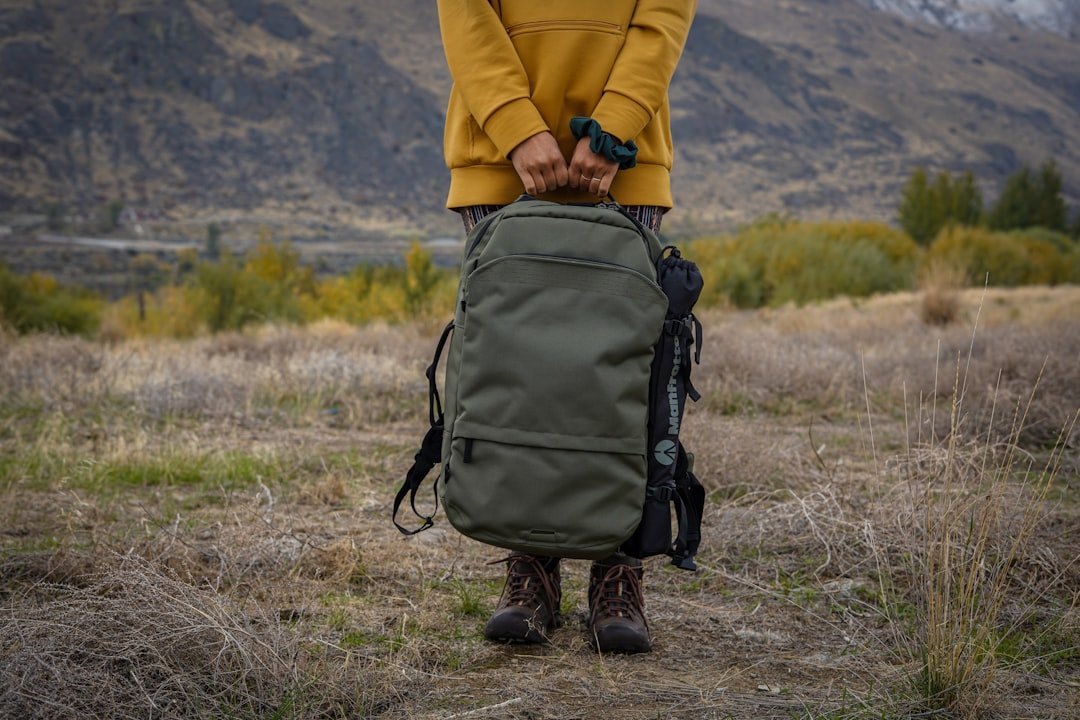
How much packing space can you spare? If you’re a one-bag traveler, inflatable or compact foam. If you check bags or carry a larger backpack, you have the luxury of choosing based purely on comfort. And if you travel with a 40-liter travel backpack with some room to spare, don’t compromise — bring the full-size wraparound.
Price Versus Value: What to Actually Spend
Travel pillows range from $10 inflatable gas-station specials to $80 memory foam masterpieces with built-in Bluetooth and washable covers. Here’s my honest take after testing across the spectrum: the sweet spot is $30 to $55. Below that, you’re getting low-density foam or cheap materials that won’t last. Above that, you’re paying for features (Bluetooth, heating elements, exotic materials) that provide diminishing returns for actual sleep quality.
The one exception is if you fly more than six times a year. In that case, spending $60-80 on a premium pillow with a multi-year warranty and replaceable cover is a smart investment. Spread across dozens of flights, the per-use cost drops to almost nothing, and your neck will thank you every single trip. I paid $65 for my primary travel pillow two years ago, and after roughly thirty flights, it still performs like new. That’s about $2 per flight for something that meaningfully improves how I feel upon arrival.
Don’t forget to factor in the cover. A washable pillow cover is non-negotiable if you’re using this thing on multiple flights. Airplane seats are not the cleanest surfaces, and your face is pressed against this pillow for hours. Being able to remove and wash the cover between trips is basic hygiene that will save you from the dreaded “travel skin breakout” that plagues so many frequent flyers.
Arriving Rested Changes Everything
I’ll leave you with this: the first trip where I actually slept well on the plane — thanks to finally finding the right pillow combination — I landed in Rome at 7 AM, dropped my bags at the hotel, and immediately walked four miles through Trastevere, had lunch in a piazza, and stayed awake until a reasonable local bedtime. The trip before that, same destination, same flight time, I spent the entire first day in a fog, wasted a $200 hotel night, and didn’t feel normal until day three. The difference wasn’t the destination. It was the sleep.
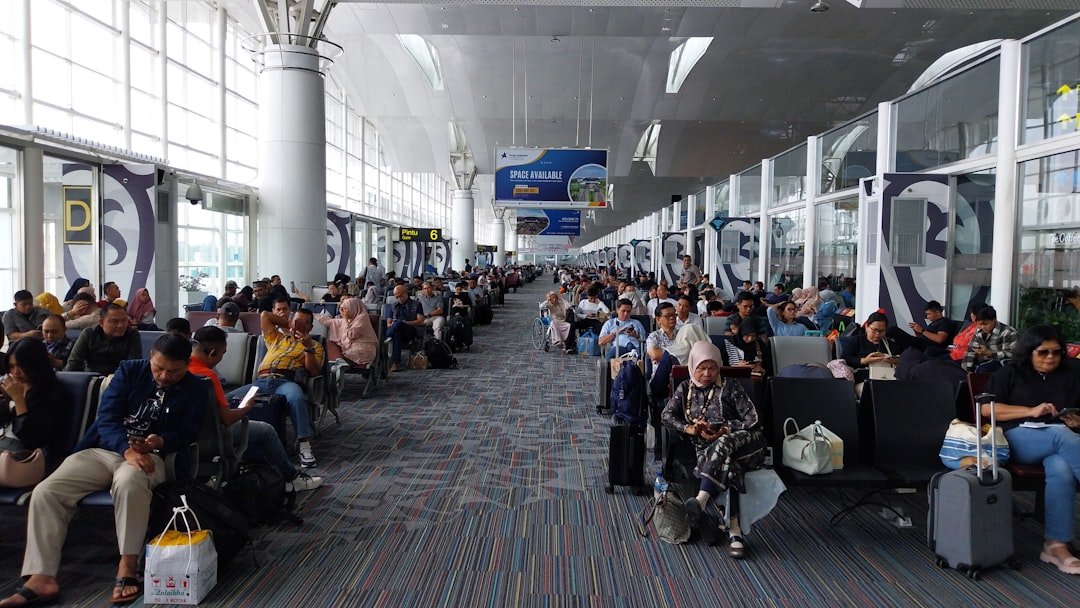
Your travel pillow is one of those small investments that compounds across every trip you’ll ever take. It’s not glamorous. It won’t be the highlight of your packing list. But it might be the single item that most directly affects whether you show up to your destination ready to explore or ready for a nap. After years of stubborn resistance, I’m officially a convert — and my neck has never been happier.
For more on making your flights more comfortable, check out my guide to the science-backed strategy for beating jet lag, our breakdown of the best small Gulf Coast beach towns for summer, and the complete guide to visiting national parks on a budget. Every mile of travel is better when you arrive rested.
1 thought on “Best Travel Neck Pillows of 2026: What I Actually Sleep With on Long Flights”