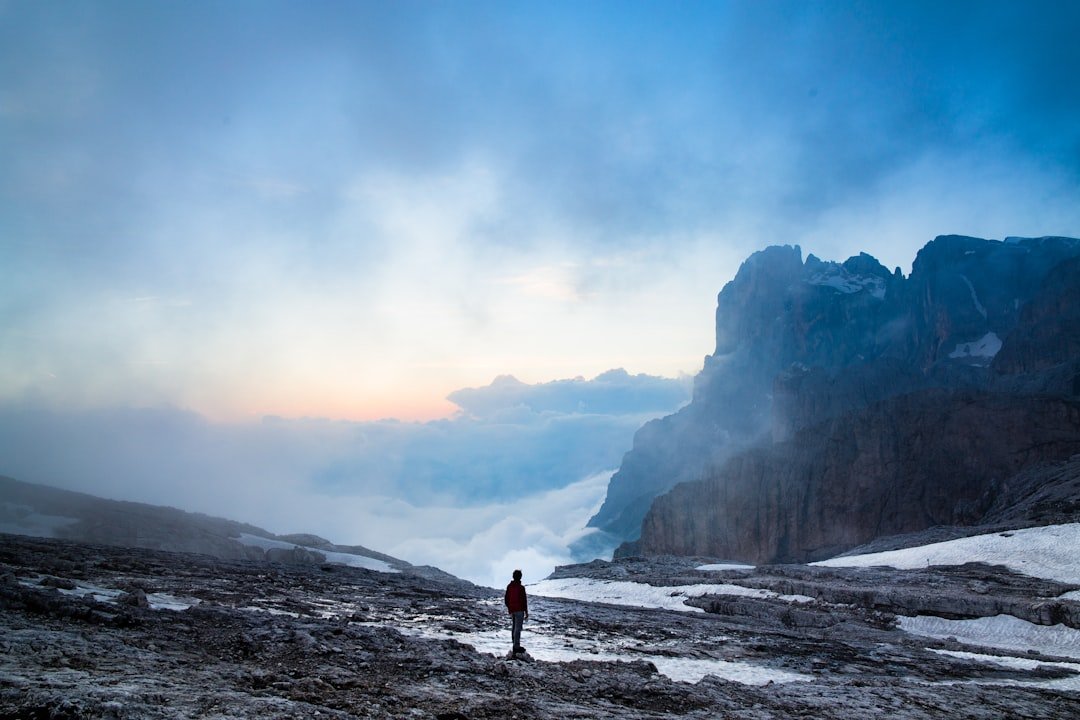
There’s a particular kind of freedom that comes with packing a bag, telling no one where you’re going, and disappearing into the backcountry for a week. No group chat consensus on dinner. No compromising on the route. Just you, whatever you crammed into your pack, and the trail ahead. I’ve been doing solo trips long enough to know exactly which pieces of gear earn their weight and which ones get left at the trailhead parking lot — and this year, Amazon Prime Day is dropping prices on several items I’d already recommend at full retail.
Prime Day runs June 23 through 26 this year, and the timing couldn’t be better for anyone planning a late-summer solo escape. The deals are live for a narrow window, so if something here catches your eye, bookmark the product page now and pull the trigger when the pricing drops. I’ve watched popular outdoor gear sell out mid-Prime Day before, and the regret of missing a $40 discount on something you actually need is a uniquely unpleasant feeling.
Here’s the kit I’m assembling for my own solo adventure this August — a mix of trail essentials, road-trip comfort upgrades, and a few items that simply make being alone in the middle of nowhere more enjoyable.
The Pack: Everything Starts Here
A solo trip lives or dies by what’s on your back. I’ve gone through at least a dozen daypacks over the years, and my current go-to for day hikes and short overnights is the Venture Pal Ultralight Backpack. It compresses down to barely larger than a fist, which means I can stash it inside my larger travel duffel and break it out at the trailhead. The thing weighs essentially nothing but handles a surprising amount of weight without the shoulder straps digging in. At 33 liters, it’s big enough for a water bladder, extra layers, first-aid kit, and food for a full day on the trail.
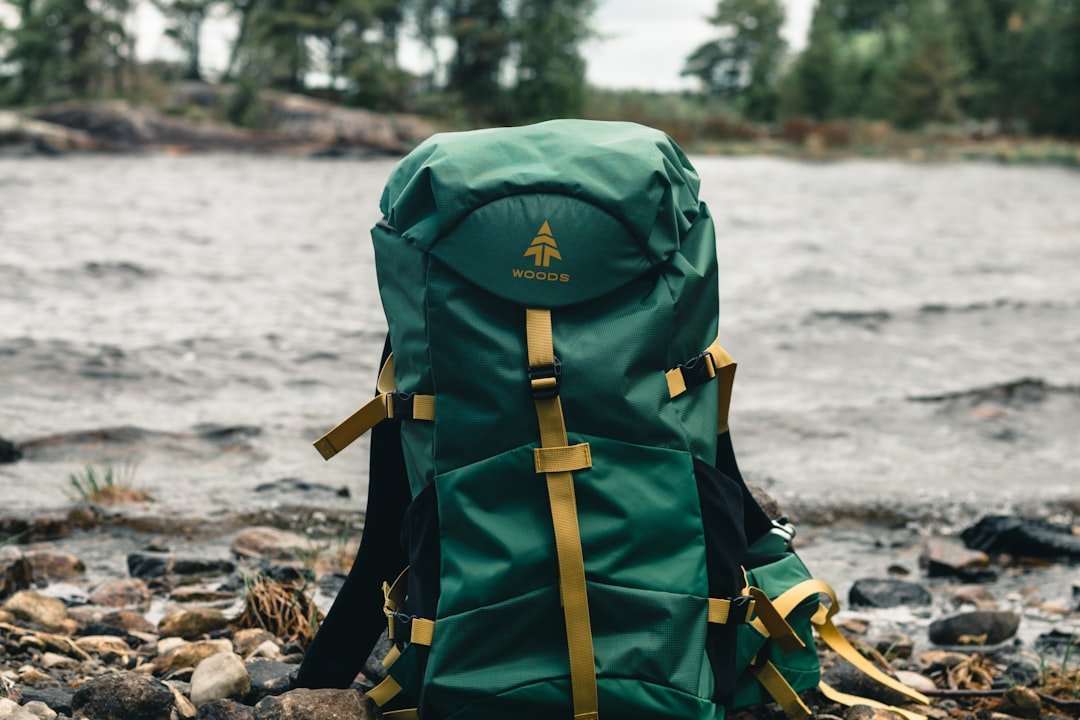
For shorter excursions — think wandering a new town on foot or a quick morning hike from camp — I’ve started carrying the Fjällräven High Coast Crossbody. It’s compact, water-resistant, and holds my phone, wallet, and keys without the bulk of a full backpack. The adjustable strap means I can wear it across the chest for security in crowded areas or slung over one shoulder on a quiet forest path. Fjällräven makes gear that lasts for years, and this piece is no exception.
Layering for Unpredictable Weather
Solo travel means there’s no one to lend you their jacket when the temperature drops. I learned this the hard way on a trip to the Catskills a few years back — the forecast said 72 degrees, but at elevation with wind chill, it felt closer to 50. Now I always pack two lightweight layers regardless of the forecast.
The Outdoor Ventures Packable Puffer Jacket is my insurance policy. It stuffs into its own pocket and lives at the bottom of my pack. The insulated hood makes a real difference when the wind picks up at a summit, and the whole thing weighs less than a water bottle. I’ve worn it in everything from Rocky Mountain thunderstorms to chilly desert mornings, and it hasn’t let me down yet.
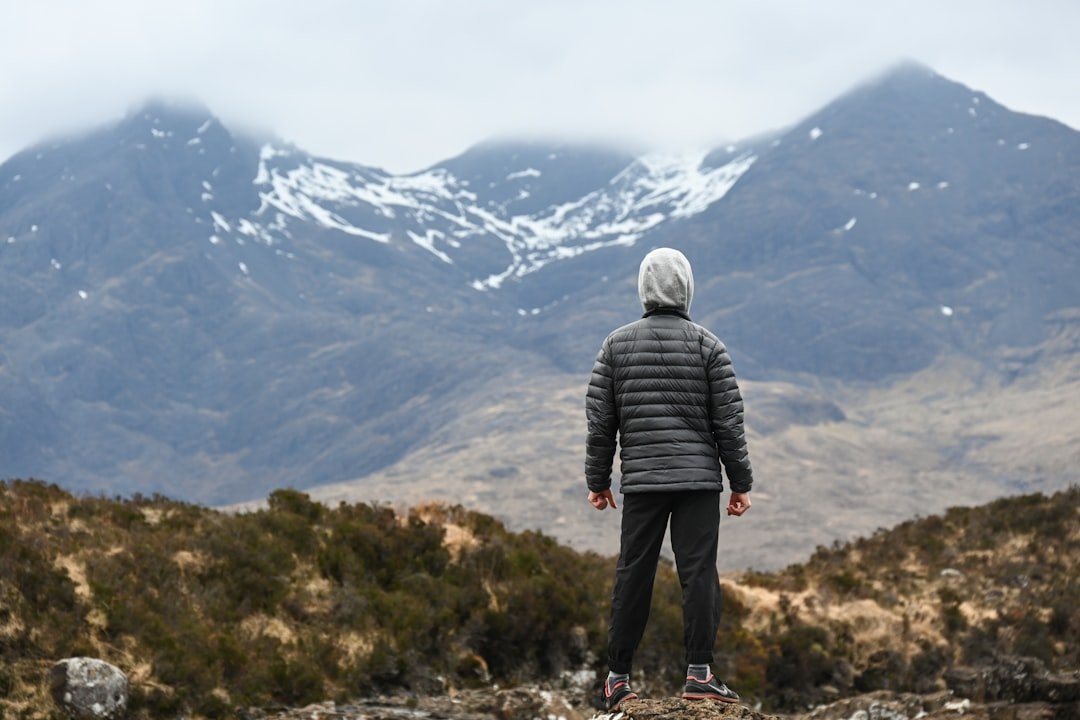
For a mid-layer that handles wind without the bulk of a full jacket, the Columbia Ascender II Softshell Vest is a versatile piece I reach for constantly. It keeps your core warm while leaving your arms free for trekking poles, setting up camp, or scrambling over rocks. Columbia’s softshell material sheds light rain and blocks wind effectively, and the vest layers cleanly under a shell if things get really nasty.
Protecting Your Eyes on the Trail
Sunglasses are one of those items people cheap out on, and it always shows. I’ve burned through gas-station shades that scratched within a week and offered roughly zero UV protection. For a solo trip where you’re navigating by yourself and relying on your vision to read trail markers and watch for wildlife, proper eyewear matters.
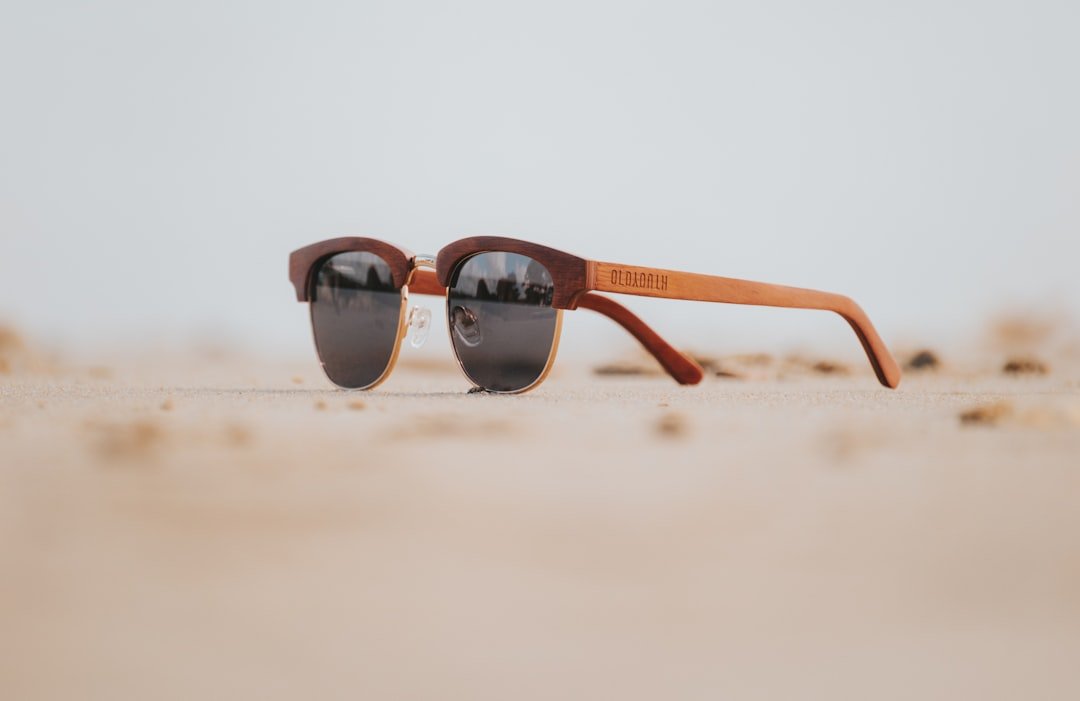
The Ray-Ban Polarized Rectangular Sunglasses have been my standard for three years running. The polarization cuts glare off water and rock faces dramatically, which reduces eye fatigue on long hiking days. They’re sturdy enough to survive being sat on once (don’t ask), and the classic rectangular frame works for most face shapes. If you’re looking at these on Prime Day, the discount typically makes them competitive with much lower-quality alternatives.
Safety Gear: What You Carry When No One’s Coming to Help
This is the section most group travelers skip — because someone else usually brings the first-aid kit, the headlamp, or the emergency shelter. When you’re solo, all of that falls on you. I take this category seriously because I’ve been in situations where a reliable light source was the difference between making it back to the trailhead before dark and spending an unexpected night in the woods.
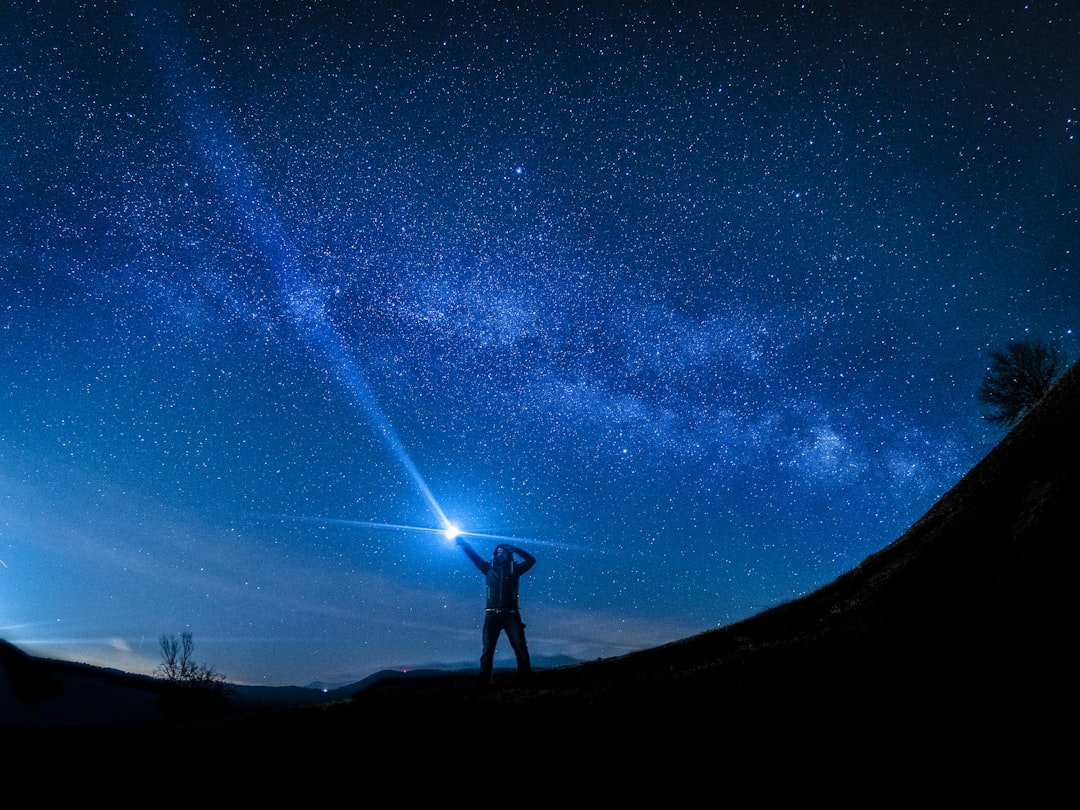
The ACEBEAM TAC AA Tactical Flashlight has earned a permanent spot in my kit. It runs on standard AA batteries, which means I can find replacements at any gas station or convenience store — no hunting for a proprietary rechargeable cell in the middle of nowhere. At 1,000 lumens with a 280-meter throw, it’s bright enough to light up an entire campsite or signal for help if needed. The compact size means it disappears into a pocket until you need it.
The Road-Trip Leg: Making Long Drives Bearable
Most solo adventures start with a long drive, and that drive can either be a meditative experience or pure misery depending on your setup. I once drove nine hours through Nevada with a dead phone charger and a back that felt like it had been beaten with a tennis racket. Neither was fun, and both were preventable.
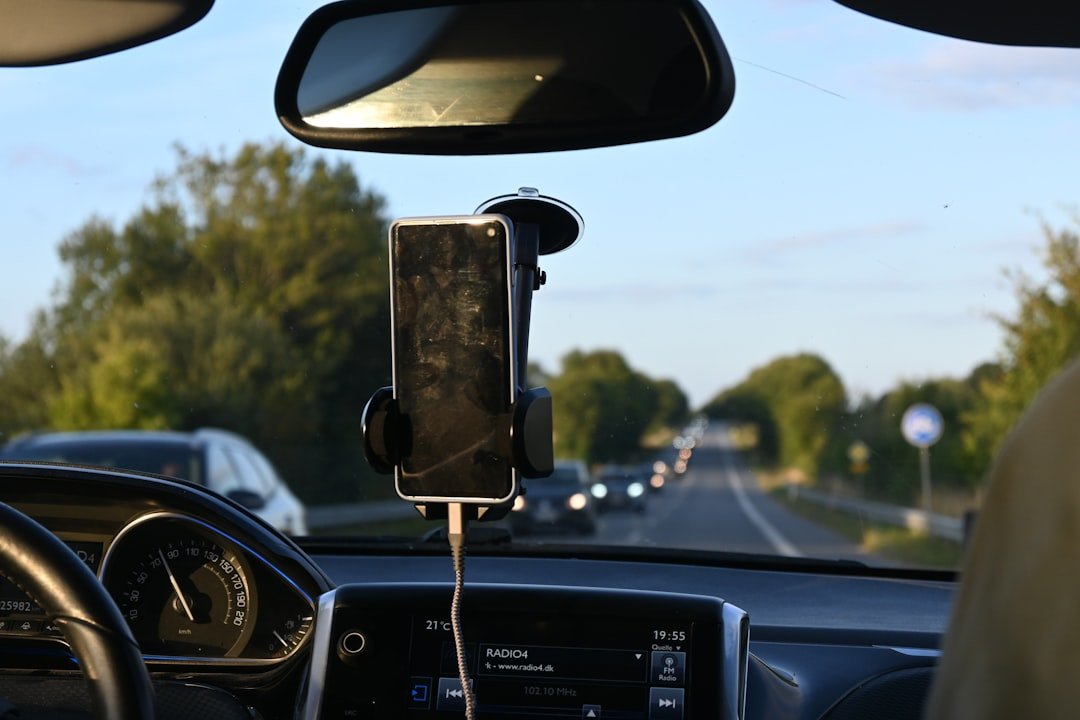
The Samsung Super Fast Dual Car Charger is a small investment that pays for itself on the first long drive. With both USB-C (45W) and USB-A (15W) ports, it charges a phone and tablet simultaneously at full speed. I use my phone for navigation, podcasts, and emergency communication on solo trips — having it die halfway through a forest service road is not an option. This charger stays plugged in permanently now.
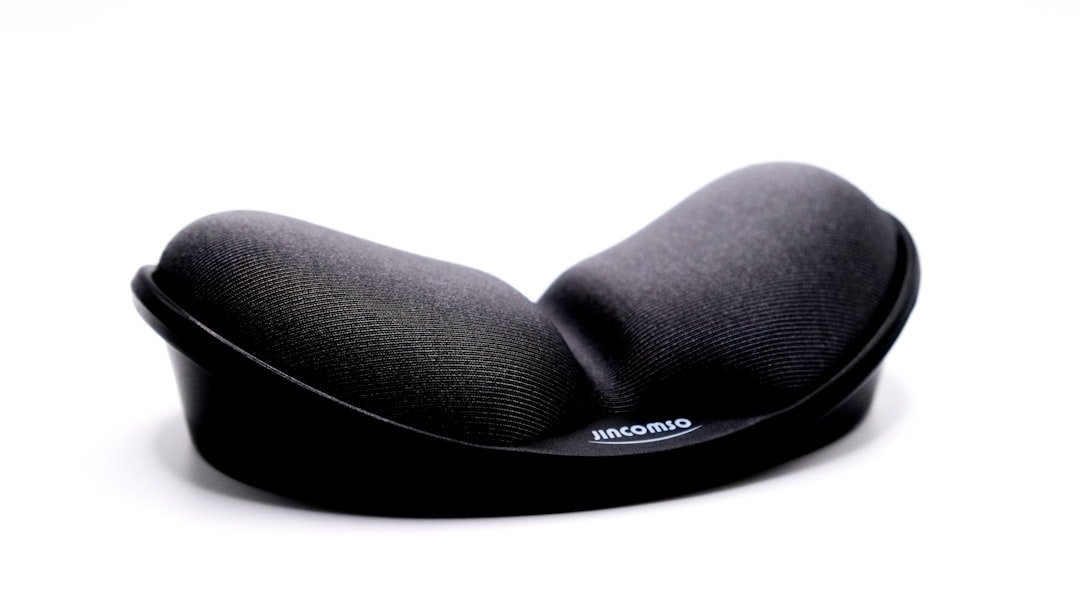
For comfort on those long hauls, the ComfiLife Premium Comfort Seat Cushion transforms a mediocre car seat into something your lower back doesn’t hate. The memory foam construction supports the tailbone properly, which makes a surprising difference after hour five. I also use it as a camp chair pad and a sitting cushion when the ground is cold or wet. It’s one of those unglamorous purchases that you’ll be grateful for every single time you use it.
Food and Drink: Because Hangry and Dehydrated Is No Way to Explore
A reliable cooler is non-negotiable for solo road trips, especially when the nearest grocery store might be 80 miles from your campsite. I’ve used the YETI Tundra 65 Cooler for the past two summers, and it keeps ice frozen for days in 90-degree heat. The 65-quart capacity is large enough for a week’s worth of food and drinks for one person without being so heavy you can’t move it solo. The rotomolded construction is practically indestructible — mine has been strapped to a roof rack, dragged across gravel, and used as an impromptu camp bench without a scratch.
For sitting around camp in the evening, the Crazy Creek HEX 2.0 Chair gives you a comfortable seat that weighs almost nothing and packs flat. I’m not someone who carries a full camp chair on a backpacking trip, but for car camping and short hikes to a base camp, this thing is worth its weight. The adjustable straps let you dial in the recline angle, and the waterproof material means damp ground isn’t a problem.
The One Luxury Item I Never Skip
Every solo traveler has that one item that isn’t strictly necessary but makes the experience infinitely better. For some people it’s a fancy coffee setup. For others, it’s a hammock. For me, it’s good audio. I spend a lot of time alone with my thoughts on these trips, and having a soundtrack for a sunset or a podcast for a long stretch of trail keeps me grounded.
The Soundcore Life A1 True Wireless Earbuds deliver sound quality that punches well above their price point. They’re IPX7 waterproof, which means sweat and rain aren’t concerns, and the 40-hour battery life (with the charging case) easily outlasts any trip I’ve taken them on. I keep one earbud in on the trail so I can still hear what’s around me — bears, other hikers, changing weather — and save the dual-bud experience for camp.
Capturing the Trip Solo
One of the challenges of traveling alone is getting photos that aren’t just selfies or tripod shots. I’ve tried everything from balancing my phone on rocks to asking strangers to take my picture (always a gamble). The DJI Osmo Mobile 7P Gimbal Stabilizer changed how I document solo trips. The built-in tracking means I can set it down, walk away, and it follows me as I move through the frame. The extension rod doubles as a selfie stick for wider shots, and the built-in tripod feature means I can set up time-lapse sequences at camp without carrying a separate stand.
For a recent trip through some of my favorite boondocking spots in America, the gimbal let me capture smooth walking footage through desert canyons without a second person operating the camera. It’s the kind of gear that makes solo content creation feel less like a compromise and more like an advantage.
Building Your Kit Before Prime Day Ends
The thing about solo adventure gear is that you don’t realize what you’re missing until you’re standing in the woods without it. I’ve built my kit over years of trial and error — and plenty of cold, uncomfortable nights — but Prime Day accelerates the process significantly. If you’ve been putting off upgrading a worn-out daypack, replacing cheap sunglasses, or finally getting a proper flashlight, this is the week to do it.
I’d also suggest checking out the trunk gear I recommended earlier this Prime Day season and the camp setup built entirely from Prime Day deals — both articles cover complementary gear that pairs well with this solo kit. And if you’re planning to venture into hot weather, my piece on portable cooling gear that saved my summer travel covers the items worth packing when the mercury climbs.
The beauty of solo travel is that your gear choices affect no one but you. There’s no group vote on whether to bring the heavy cooler or the light one. No debate about whether the extra layer is worth the weight. You make the call, you carry the pack, and you live with the consequences. Getting that equation right — packing light enough to move freely but prepared enough to handle whatever the trail throws at you — is what turns a good solo trip into an unforgettable one. Prime Day just makes it a little cheaper to get there.