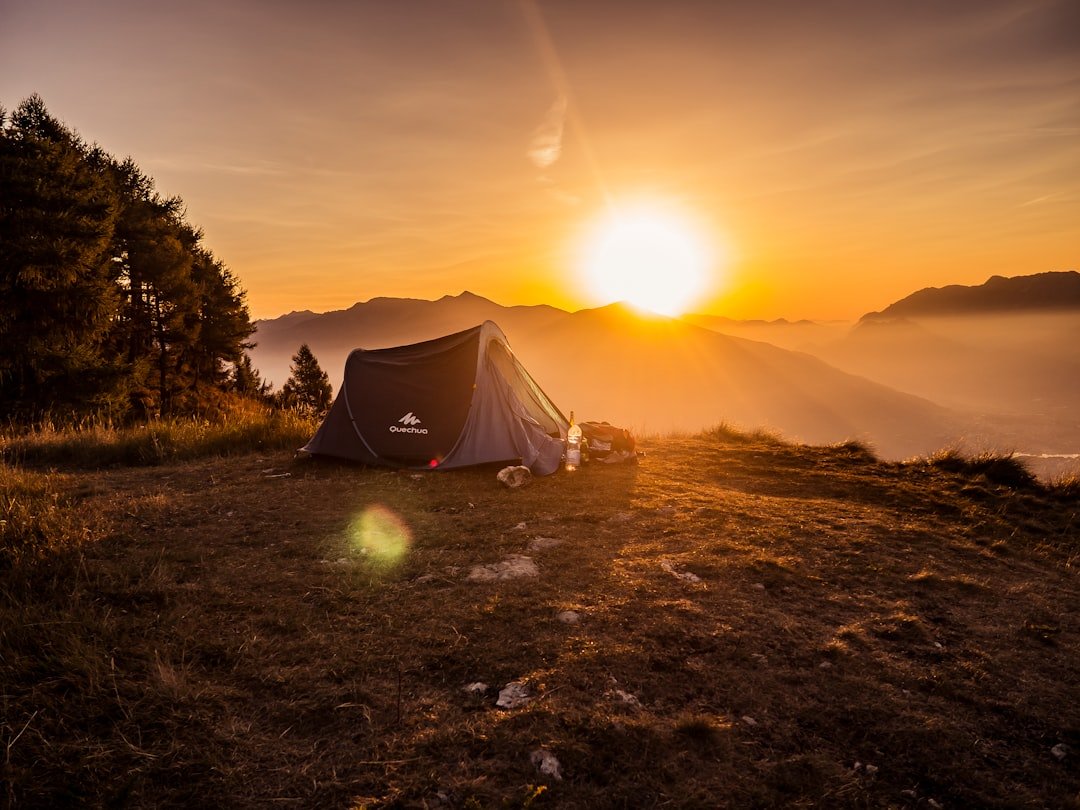
I’ve been camping long enough to know the difference between gear that earns its spot in your pack and gear that just sounds good on a product page. Last August, I watched a buddy struggle for forty minutes setting up a tent in a thunderstorm while I was already sipping coffee under my tarp. That evening, huddled around a sputtering fire, we made a pact: no more cheap gear that falls apart when the weather turns. With Amazon Prime Day arriving June 23rd through 26th, this is the window to upgrade your camp setup without gutting your wallet — but only if you know which items actually deliver.
I’ve spent the past several weeks researching the Prime Day promotional lineup, cross-referencing ratings, and filtering out anything that doesn’t belong in a serious camp kit. What follows is the gear I’d actually spend money on, organized by how it fits into a real backcountry trip — from the moment you pitch camp to the morning you pack out.
The Shelter Decision: What I’ve Learned About Tents That Actually Hold Up
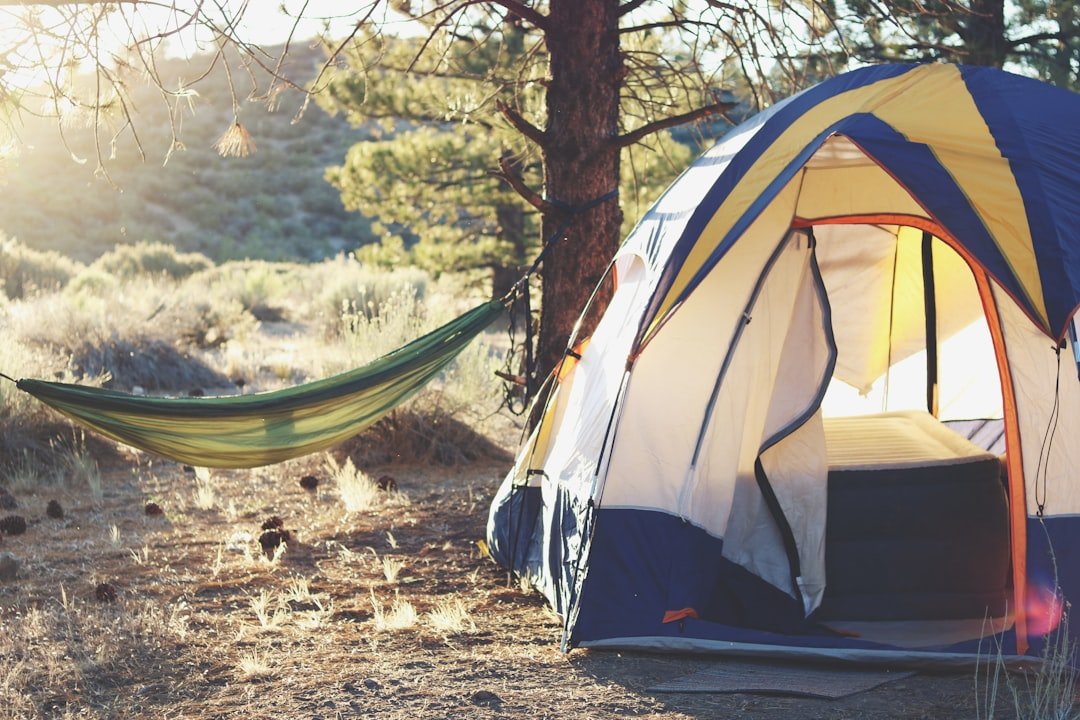
A bad tent will ruin a trip faster than bad weather. I learned this the hard way in the Oregon Cascades a few years back, when a budget tent’s rainfly turned out to be more decorative than functional. The CAMPROS CP camping tent keeps appearing on recommended lists for good reason — its double-wall design and waterproof rating hit the sweet spot between durability and affordability. The mesh windows mean ventilation isn’t an afterthought, which matters more than you’d think when you’re camping in humid environments where condensation builds up overnight.
What I appreciate about this tent is the setup process. Nobody wants to spend thirty minutes fumbling with poles when the light is fading and the mosquitoes are coming out. The quick-pitch design means you can go from bag to pitched in under ten minutes, even solo. For Prime Day, the promotional pricing typically drops these into impulse-buy territory — but I’d recommend bookmarking the product page now and pulling the trigger when the deal goes live, because camping tents in this price-to-quality ratio sell out fast during the sale window.
Sleep Systems: Why Your Bag Choice Dictates Everything About the Trip
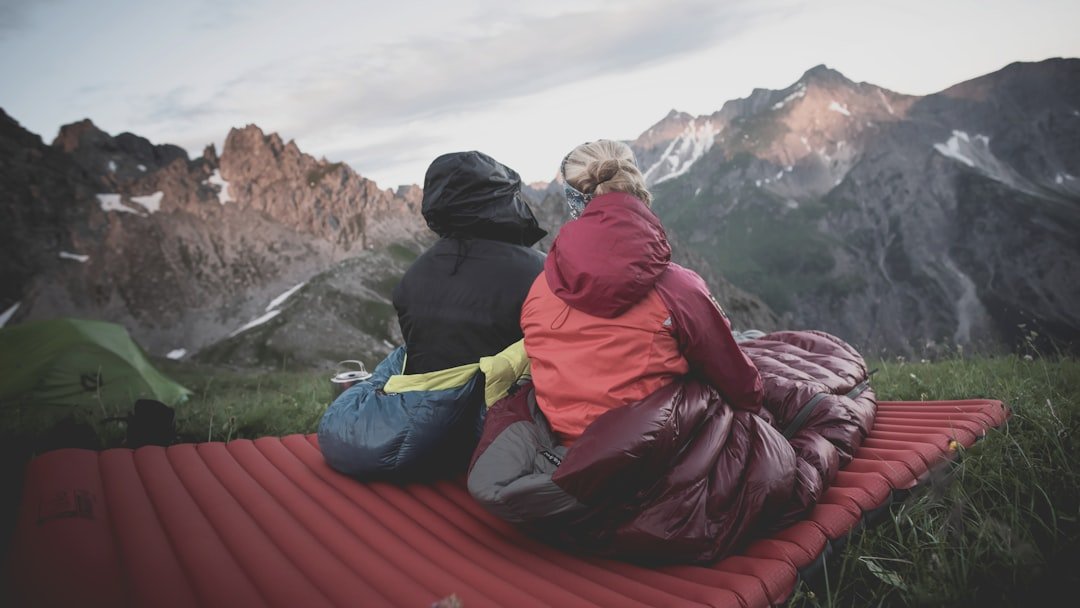
I’ve slept in bags that felt like body bags and bags that felt like a warm hug from someone who actually cares about you. The difference between a 4.3-rated bag and a cheap department store bag isn’t just comfort — it’s whether you wake up rested or wake up at 3 AM convinced you’ve made terrible life choices. The Bessport mummy sleeping bag handles 15-45°F temperatures, which covers the range most three-season campers actually encounter. It’s rated for cold weather but breathes well enough that you won’t wake up in a puddle of sweat during warmer nights.
Here’s the thing about sleeping bags that most buyers guides skip: the temperature rating is a survival number, not a comfort number. A 15°F bag will keep you alive at 15°F, but you’ll be genuinely comfortable around 25-30°F. Plan accordingly. If you’re a cold sleeper like me, the Nenolix travel pillow and blanket set adds a layer of versatility — it works as a camp comfort upgrade and pulls double duty for flights and road trips. The 280 GSM blanket is substantial enough for real warmth, not just a token layer, and the inflatable pillow means you’re not sacrificing pack space for neck support.
Water: The One Area Where I Never Cut Corners
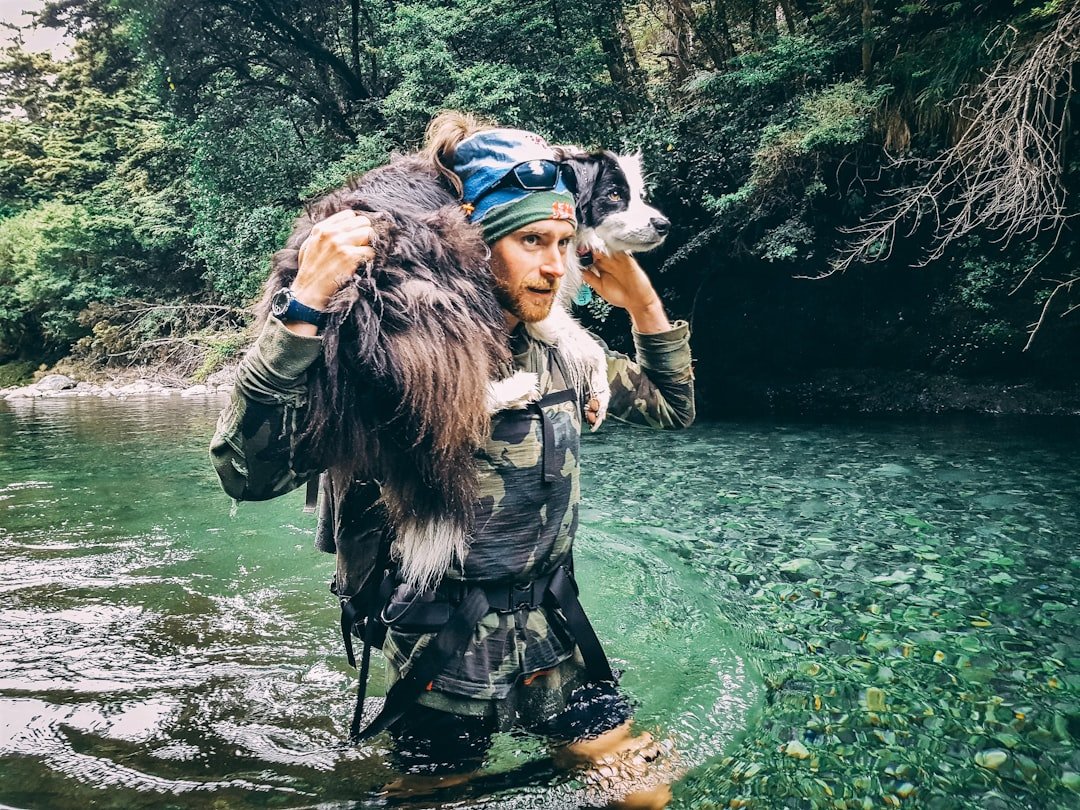
I’ve been sick from bad water exactly once in my life. That was enough. I spent three days in a guesthouse in Patagonia questioning every decision that led me to trust a clear mountain stream without filtration. Clear water doesn’t mean clean water, and the organisms you can’t see are the ones that’ll ruin your trip. The Katadyn Hiker Pro water filter is the filter I’ve trusted for years. It’s compact, field-maintainable, and pumps fast enough that you’re not standing over a stream for ten minutes per liter.
For day hikes away from base camp, I pair the filter with a MARCHWAY hydration bladder. The 2-liter capacity sits comfortably in a daypack, and the insulated tube means your water doesn’t turn into a slushy when you’re hiking in sub-freezing temps. The bite valve has a shut-off mechanism that prevents leaks — a feature you’ll appreciate the first time you toss your pack into the back of a truck without thinking about it. This is exactly the kind of small detail that separates gear designed by people who actually use it from gear designed by people who just make it.
If you’re building out a more complete water system, our guide to portable water filters covers additional options for different scenarios — from international travel to ultralight thru-hiking setups.
Food Storage: The Cooler That Separates Real Meals From Sad Snacks
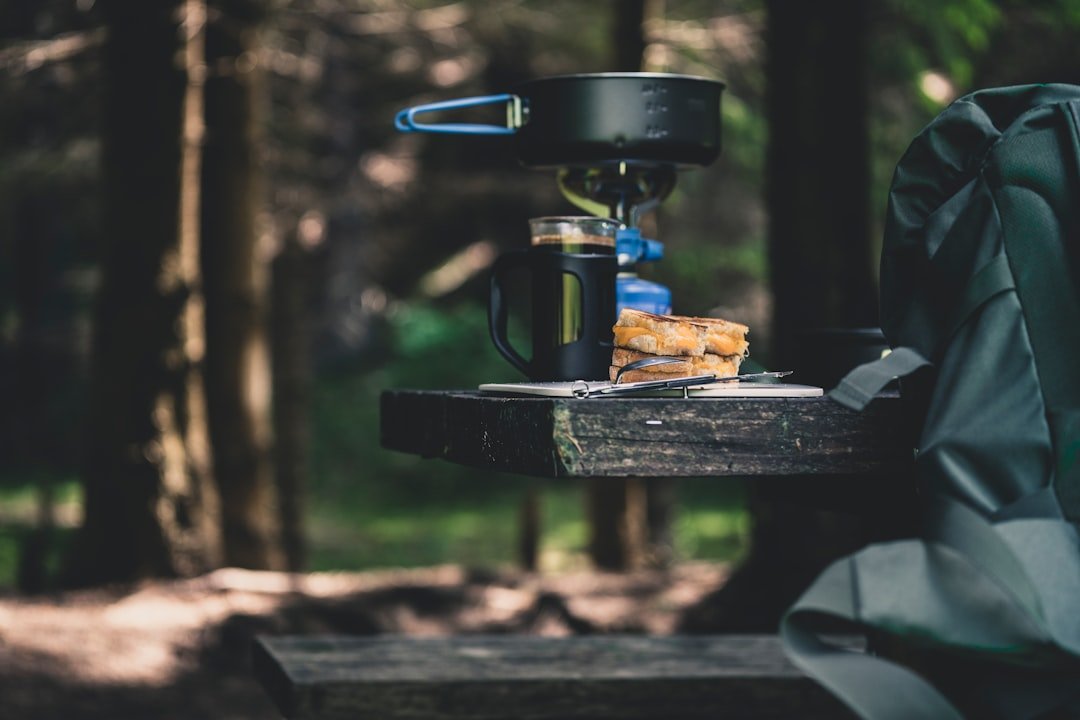
There’s a particular kind of misery that comes from opening your cooler on day three of a trip and finding everything floating in warm water. I’ve thrown away more spoiled food than I care to admit, which is how I eventually justified investing in a YETI Tundra 65 cooler. Yes, it’s expensive. Yes, it’s worth every penny. The rotomolded construction holds ice for days — not hours, days — and the bear-proof certification means you can store it at backcountry sites without worrying about wildlife helping themselves to your provisions.
The Tundra 65 hits the sweet spot for a group of three to four people on a long weekend trip. It’s large enough to hold real food (not just sandwiches and trail mix) but small enough that one person can carry it from the car to the campsite without needing a separate dolly. During Prime Day, I’ve seen these drop by 15-20%, which is about as good as it gets for a product that rarely goes on sale. If you’ve been waiting for a reason to upgrade from the $25 cooler that leaks cold every eight hours, this is your signal.
The Daypack Question: What Carries Your Gear on the Trail
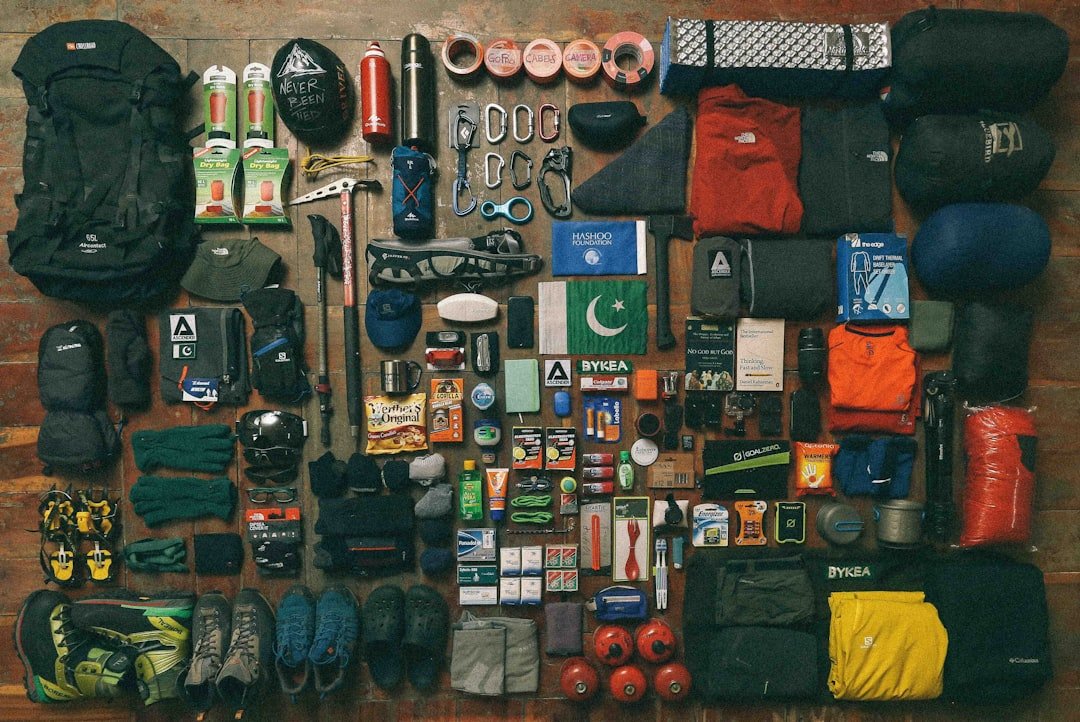
Your main pack gets you to camp. Your daypack gets you everywhere else — the afternoon scramble to the overlook, the quick hike to the lake, the supply run to the nearest town. The Venture Pal ultralight backpack folds into its own pocket, which means it lives in the bottom of your main pack until you need it. At under a pound, you barely notice it’s there. But when you do need it, the 20L capacity handles water, snacks, layers, and a first aid kit without feeling overstuffed.
The mistake I see most campers make is using their full-size hiking pack for short day trips. That’s like driving a moving van to the grocery store. A dedicated daypack keeps weight on your hips instead of your shoulders, breathes better against your back, and doesn’t snag on every branch you pass. For Prime Day pricing, this pack typically drops into the sub-$25 range, which makes it one of the highest value-per-dollar items on this entire list.
Quick-Dry Towels: The Item Everyone Forgets Until They Need It
I know what you’re thinking. “It’s just a towel. Why does this matter?” Because a wet cotton towel in a stuff sack is how you get mildew, and mildew is how you ruin the rest of your gear. The OlimpiaFit microfiber towel set includes three sizes — small for face and hands, medium for showering, and large for drying off after a swim. They absorb well, dry in a fraction of the time cotton takes, and pack down to nothing.
I started carrying these after a kayaking trip in the San Juan Islands where my regular towel stayed damp for three straight days. By the end of the trip, everything in my dry bag smelled like a damp basement. Microfiber towels solve a problem you don’t realize you have until you’re dealing with it. The fact that they come in a pack of three means you can rotate them — one in use, one drying, one packed — which is the kind of system that sounds unnecessary until you’re actually living outside for a week.
Lighting: What Keeps You Functional After the Sun Goes Down
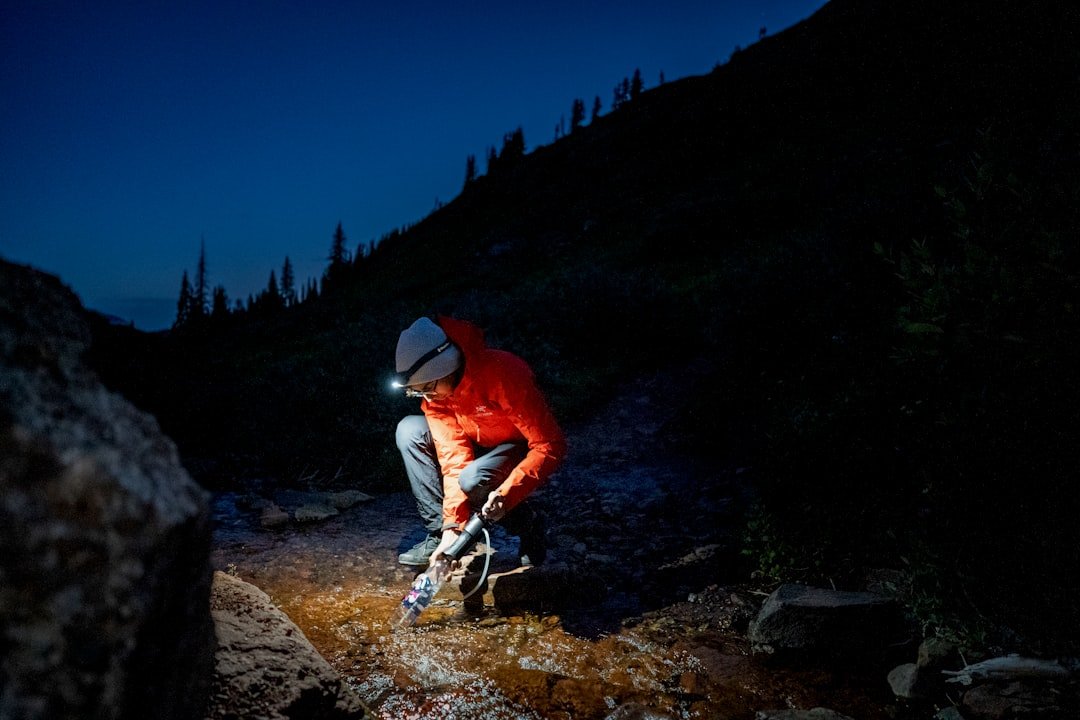
Camp lighting falls into two categories: ambient and task. Ambient is your lantern — the thing that turns your campsite from a dark void into a place where people can cook, eat, and hang out. Task is your headlamp — the thing that lets you find the bathroom at 2 AM without stepping on a cactus. You need both. The ACEBEAM E75 flashlight pumps out 4,500 lumens, which is frankly absurd in the best way possible. It’s rechargeable, IPX8 waterproof, and has a magnetic base that means you can stick it to your car while you’re loading gear in the dark.
For backup lighting and emergency situations, I keep a pack of Glow Mind emergency glow sticks in my first aid kit. They’re individually wrapped, last 12 hours, and require no batteries. I’ve used them to mark tent guylines at night, light the inside of a tent without waking everyone with a headlamp, and signal during a roadside emergency. At under a dollar per stick, they’re the cheapest insurance policy in my pack.
Fire and Comfort: The Details That Make Camp Feel Like Home
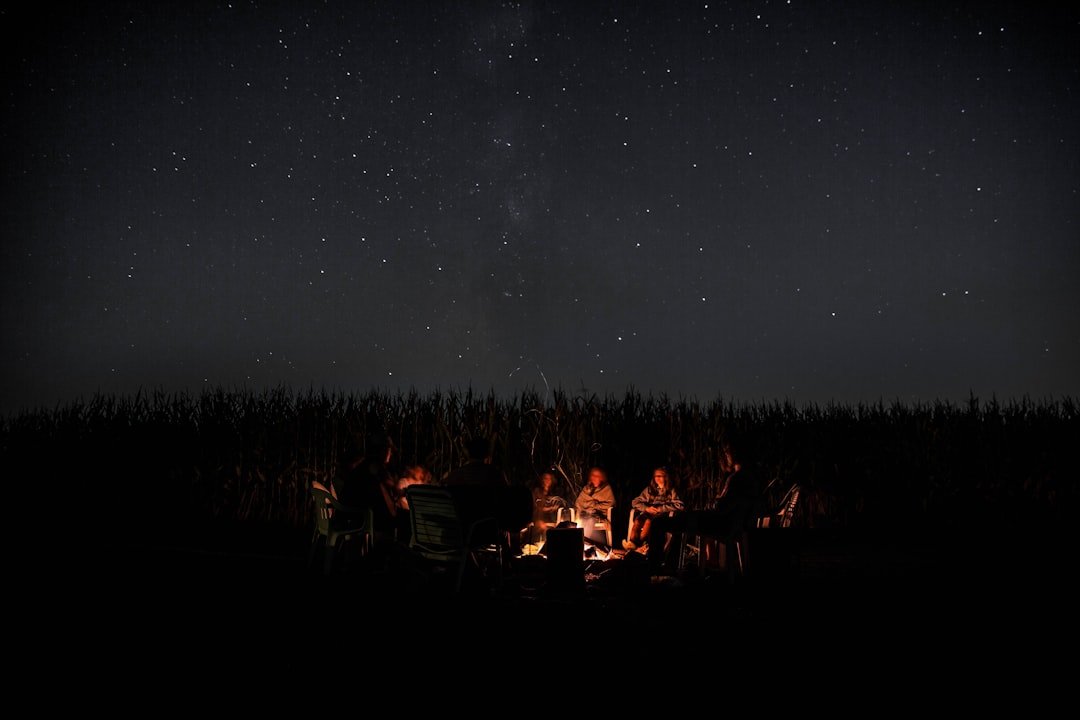
Fire is the original camp luxury. But starting a fire in wet conditions requires more than determination — it requires the right materials. The Dextreme natural pine fire starters burn for ten minutes each, work in any weather, and don’t smell like chemicals. I keep a handful in a ziplock bag inside my cook kit. They’ve turned would-be fire failures into roaring successes more times than I can count, especially in the Pacific Northwest where everything is perpetually damp.
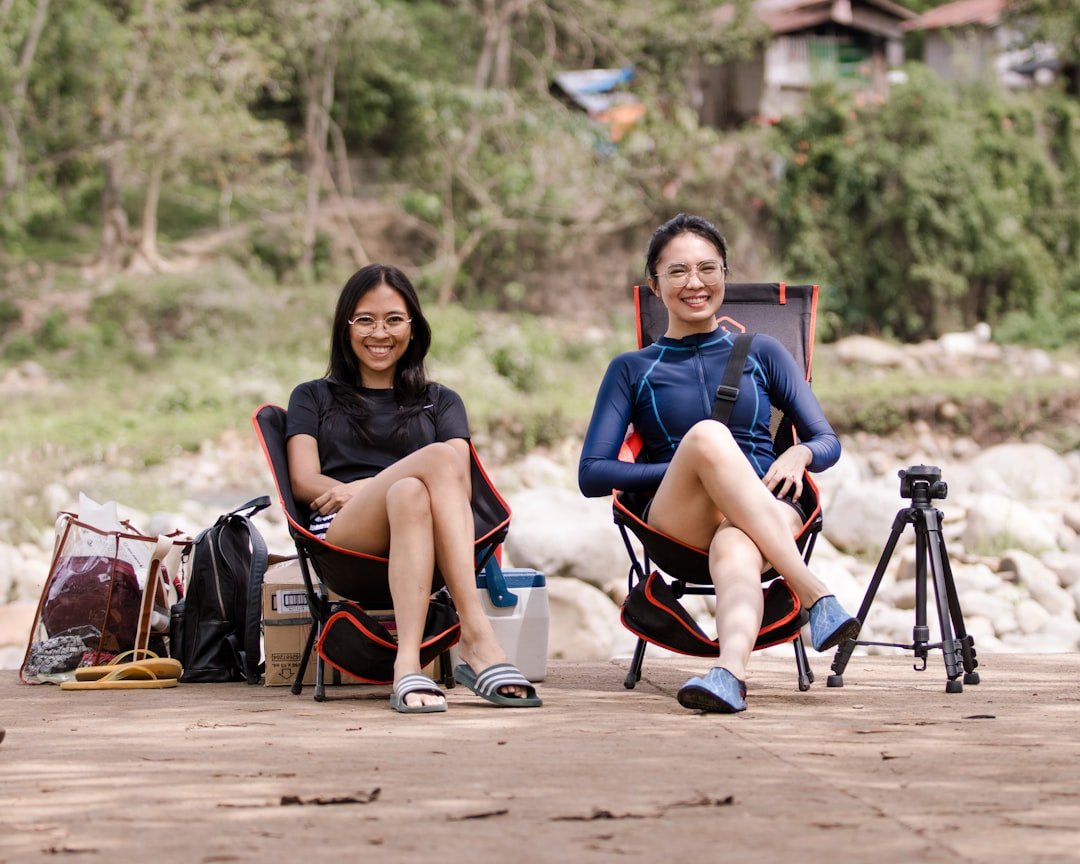
And then there’s the GCI Outdoor chair. I resisted camp chairs for years — they seemed like an unnecessary luxury for someone who was perfectly happy sitting on a log. Then I sat in one after a 14-mile day hike and realized that luxury and necessity exist on a spectrum, and after a certain amount of trail mileage, a chair with back support crosses firmly into necessity territory. The GCI folds compactly, sets up in seconds, and handles uneven ground better than most camping furniture.
How to Actually Shop Prime Day for Camping Gear
Here’s my approach to Prime Day, honed over several years of buying outdoor gear during this specific sale window. First, make your list now — not when the sale starts. The deals go live and the good stuff sells out within hours, sometimes minutes. Bookmark the product pages for everything on this list so you can check pricing the moment the sale opens on June 23rd.
Second, compare the promotional price against the historical low. Just because something is marked down doesn’t mean it’s the best price it’s ever been. I use a price tracker for big-ticket items like the YETI cooler to make sure the Prime Day discount is actually meaningful. For smaller items under $30, the calculation is simpler — if it’s on your list and it’s discounted, pull the trigger.
Third, think in systems, not individual products. A great tent doesn’t help if your sleeping bag is inadequate. A premium cooler is wasted if you don’t have a way to keep your food organized inside it. The gear on this list works together — the tent pairs with the sleeping bag, the filter pairs with the hydration bladder, the daypack carries the towel and fire starters on day hikes. Building a kit where each item supports the others is how you go from “I have a bunch of camping stuff” to “I have a camp setup that works.”
If you’re planning to take this gear off the beaten path, our guide to the best boondocking spots in America has some excellent destinations where a well-equipped camp setup makes all the difference. And for those building out a vehicle-based system, the van life water guide covers how to scale these water solutions for longer trips.
The Bottom Line
Prime Day creates an opportunity to build out a camp kit that would normally cost significantly more. But the window is narrow — four days, June 23rd through 26th — and the best deals don’t last. The gear I’ve listed here represents hundreds of nights of testing, failing, adjusting, and eventually finding setups that actually work in real conditions. Not product page conditions. Real conditions. Rain, cold, exhaustion, and the particular kind of problem-solving that only happens when you’re two days from the trailhead and something goes sideways.
Start with shelter and sleep. Add water and food storage. Round out with lighting and the small essentials that make camp functional after dark. Do it in that order, and you’ll build a kit that lasts for years and handles whatever the backcountry throws at it. The deals start June 23rd — get your list ready.