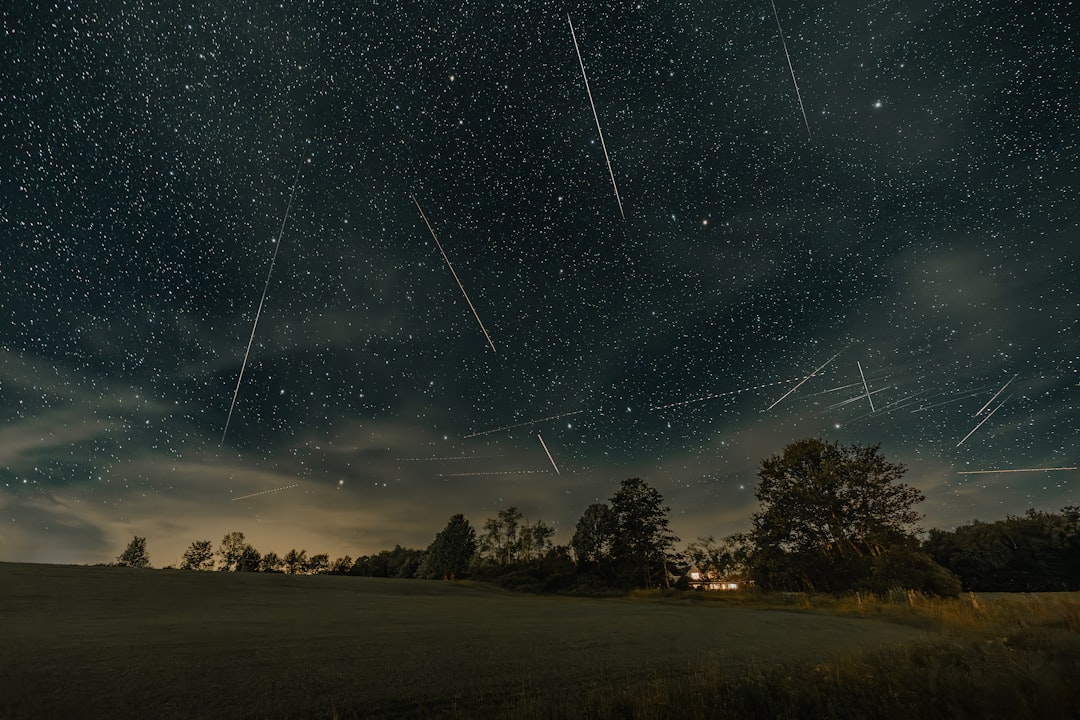
I’ll never forget my first real meteor shower. I was twelve, lying on a deflated air mattress in the back of my dad’s pickup truck, somewhere deep in the Oregon high desert. The sky was so thick with stars it looked like someone had spilled salt on black velvet. And then — a streak. Then another. Within an hour, I’d lost count at forty-something shooting stars, my neck ached from craning upward, and I was hooked for life.
That was the Perseids, and every August since, I’ve chased them across North America — from the lava fields of Idaho to the pitch-black coastline of Michigan’s Upper Peninsula. The Perseid meteor shower peaks August 11–13, 2026, and if you’ve never planned a trip around it, this is your year. Here’s everything I’ve learned about catching the show.
What Makes the Perseids So Special
The Perseids happen when Earth passes through the debris trail of Comet Swift-Tuttle, which last swung by our neighborhood in 1992. The comet left behind a river of dust and ice particles, and every August, our planet plows through it. Those tiny particles — most no bigger than a grain of sand — hit our atmosphere at 132,000 miles per hour and burn up in brilliant streaks of light.
Under ideal dark-sky conditions, the Perseids can produce up to 100 meteors per hour at peak. That’s roughly one every forty seconds. In practice, from a decent viewing spot, you’ll see 40–60 per hour, which is still one of the most reliable astronomical events of the year. And unlike some showers that require a telescope or binoculars to appreciate, the Perseids are a naked-eye event. All you need is darkness, patience, and a willingness to stay up past your bedtime.
Why Light Pollution Is Your Enemy (And How to Escape It)
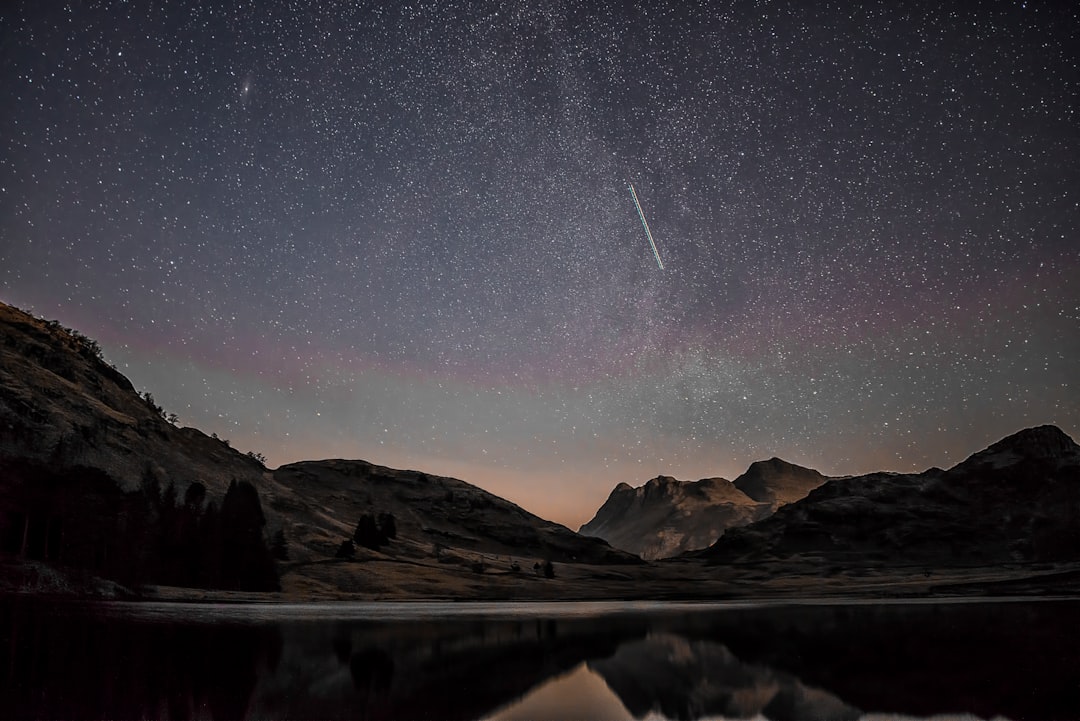
Here’s the hard truth: if you’re watching from a city or suburb, you’ll see maybe five to ten meteors in an entire night. Light pollution is the single biggest factor in what you’ll witness. The difference between a Bortle Class 8 sky (typical suburb) and a Bortle Class 2 sky (truly dark) is the difference between watching fireworks on a phone and being at the show.
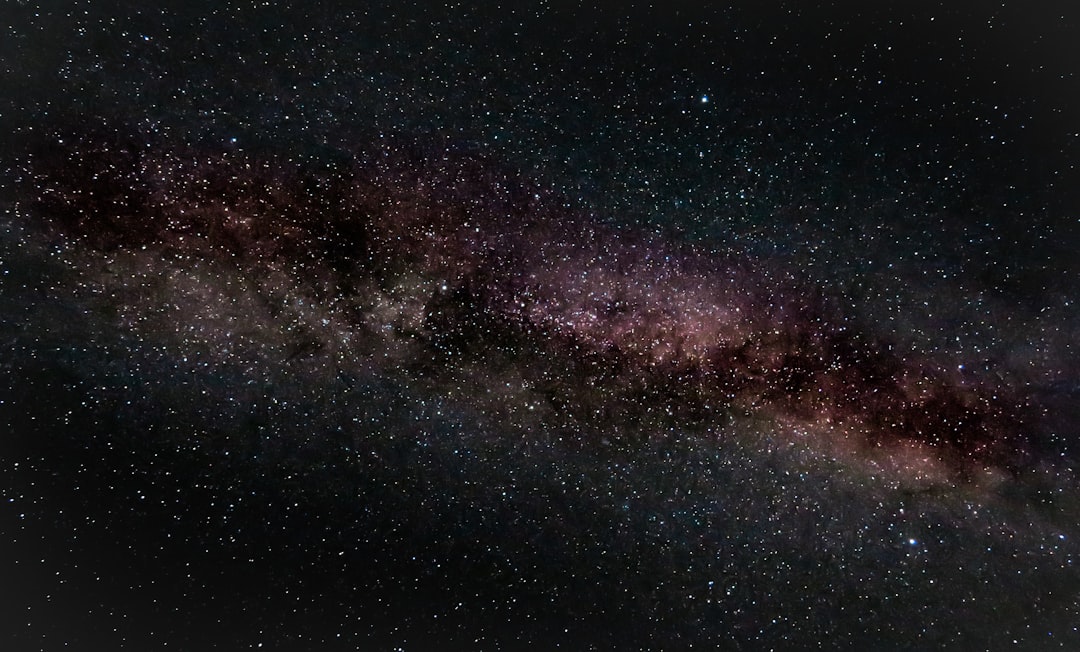
I use the Light Pollution Map to scout locations, aiming for Bortle Class 1–3 zones. These are areas where the Milky Way is clearly visible as a structured band across the sky, not just a faint smudge. The good news? Most of these dark zones are in beautiful places worth visiting for their own sake — national parks, remote coastlines, high desert plateaus.
If you’ve read my guide to America’s best dark sky parks, you already know that places like Great Basin, Voyageurs, and Crater Lake offer some of the most pristine night skies on the continent. Any of them would make an incredible Perseid base camp.
Choosing Your Perseid Viewing Location
Not all dark sky spots are created equal for meteor watching. You want three things: minimal light pollution, a clear view of the northeastern horizon (where the constellation Perseus rises), and open sky overhead. Here are the locations I keep returning to:
High Desert Plateaus (Idaho, Oregon, Nevada)
The volcanic plateaus of the Pacific Northwest are my go-to. Wide-open horizons, dry air (which means fewer clouds), and elevation that gets you above the haze. The area around Stanley, Idaho — population sixty-three — sits at 6,250 feet and is surrounded by the Sawtooth Mountains. It’s one of the darkest places in the lower forty-eight, and I’ve had some of my best Perseid nights there, stretched out on a compact outdoor blanket with a thermos of something warm.
If you want to go even more remote, Great Basin National Park in eastern Nevada offers Bortle Class 1 skies — the darkest rating possible. The park even hosts an annual astronomy festival that often coincides with the Perseids.
Lake Shorelines (Michigan, Minnesota)
There’s something magical about watching meteors over water. The boundary waters of northern Minnesota and Michigan’s Upper Peninsula offer vast, dark horizons over lakes that reflect the sky like a mirror. The cool air off the water also tends to keep mosquitoes down later in the night, which is a blessing in August.
Crater Lake and the Cascade Crest
At 6,173 feet, Crater Lake National Park in Oregon sits above much of the atmospheric haze that plagues low-elevation viewing. The lake itself creates a natural amphitheater, and the rim offers 360-degree views of the sky. On a clear August night, the Milky Way reflects off the water so vividly that meteors seem to streak both above and below you.
The Gear That Actually Matters
You don’t need much for a meteor shower. But after years of doing this the hard way, I’ve learned that a few pieces of gear make the difference between a magical night and a miserable one.
Red Light Headlamp (Non-Negotiable)
This is the single most important piece of gear, and it took me an embarrassingly long time to figure out why. White light — from your phone, a flashlight, a headlamp — destroys your night vision. It takes your eyes a full thirty minutes to fully dark-adapt, and one flash of white light resets that clock to zero. Red light preserves your night vision while still letting you see your surroundings.
I travel with the Celestron Night Vision Headlamp, which has dedicated red light modes and a 45-degree adjustable angle so you can aim it where you need it without blinding everyone around you. The battery life is exceptional — I’ve used the same set of batteries for an entire season of stargazing trips. If you want a dual-light option with both red and white beams, the DARKBEAM Red LED Headlamp is USB-rechargeable and waterproof, which matters if you’re viewing in dewy or drizzly conditions.
Something Comfortable to Lie On
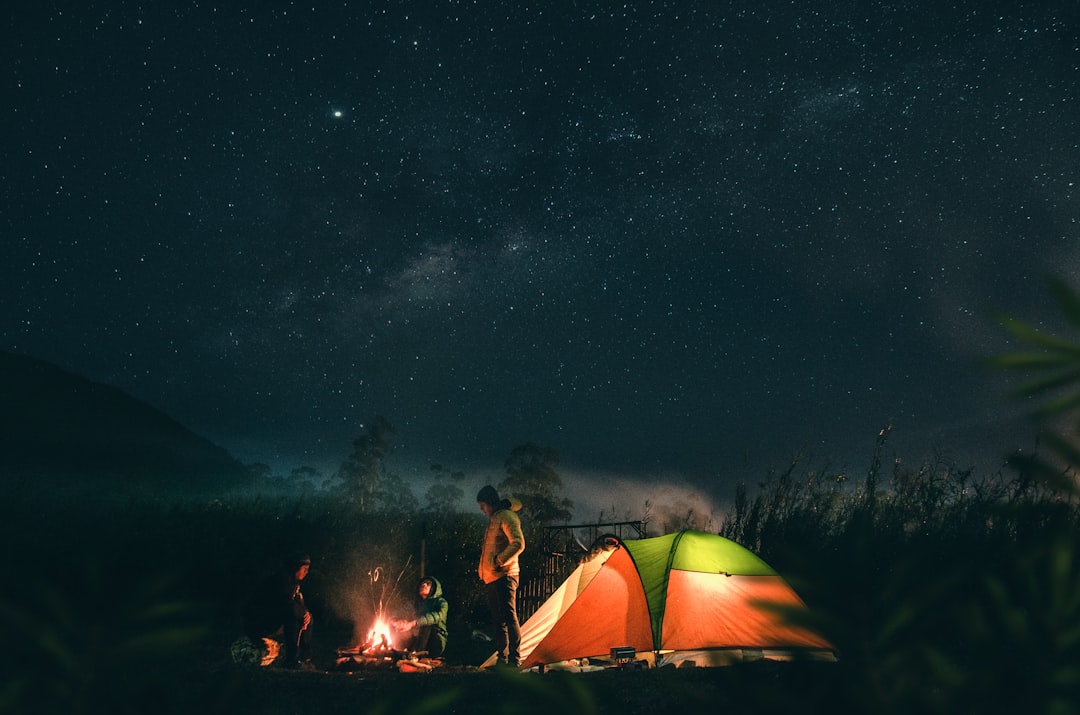
You’ll be on your back for two to four hours. The ground is hard. The ground in August is also covered in rocks, pinecones, and sometimes cactus depending on where you are. A good lightweight camping chair that reclines is one option, but honestly, I prefer lying flat — you see more sky that way. A packable travel blanket over a sleeping pad gives you the comfort of a bed with the portability of something that stuffs into a daypack. For overnight sessions, a proper camping cot pad with memory foam transforms a rough patch of desert into something almost luxurious.
Warm Layers and a Hot Drink
Even in August, nighttime temperatures at elevation can drop into the forties or lower. Desert locations are especially deceptive — it might be 95 degrees at 4 PM and 48 degrees by midnight. I always bring more layers than I think I need, plus a vacuum-insulated beverage bottle filled with hot chocolate or chai. Forty ounces of hot liquid stays warm for hours and turns a cold, uncomfortable vigil into something that feels genuinely cozy.

Binoculars or a Beginner Telescope (Optional but Fun)
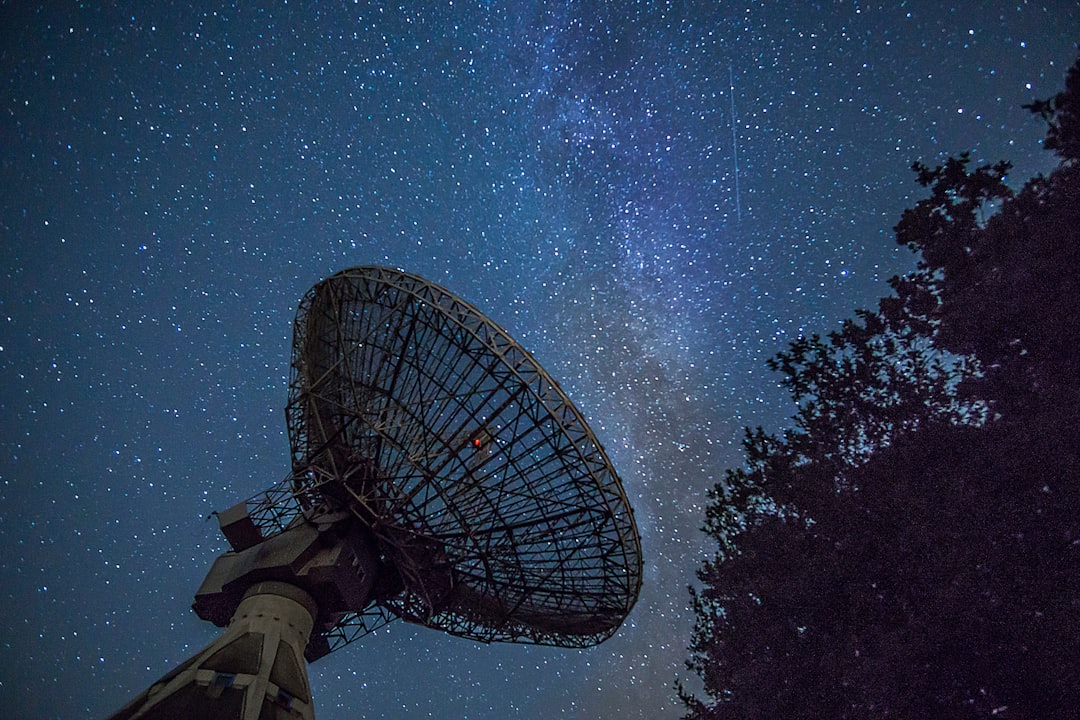
The Perseids are a naked-eye event — you don’t need optics to see them. But if you’re setting up for a long night, having a telescope along gives you something to do during the lulls between meteor bursts. The Milky Way is stunning through even a modest scope, and August is prime time for viewing Saturn and Jupiter, which are often well-positioned in the summer sky.
For beginners, the Celticbird 80mm refractor telescope hits a sweet spot of aperture, portability, and price. It comes with a backpack, phone adapter, and moon filter — everything you need to start exploring the sky while you wait for the next Perseid to streak through. If you want something even more compact for travel, the 70mm portable travel telescope weighs under three pounds and fits in a carry-on.
The viewing experience: what to expect and when
The Perseids are active from mid-July through late August, but the peak is narrow — just two or three nights around August 11–13. During peak, the radiant point (the spot in the sky where meteors appear to originate) rises in the northeast around 10 PM local time and climbs higher through the night. The best viewing is typically from midnight to 4 AM, when the radiant is highest and Earth’s rotation has turned your location into the debris stream.
Here’s my routine: I arrive at my viewing spot before sunset, set up camp while I can still see, eat dinner, and then settle in. The first hour after dark is usually slow — maybe five to ten meteors. By midnight, things pick up. By 2 AM, if the sky is clear and dark, it feels like a fireworks show. The meteors come in bursts — three or four in quick succession, then a ten-minute lull, then another burst.
Don’t look at your phone. I cannot stress this enough. Every glance at a screen resets your night vision. Put it in airplane mode, turn it face-down, and commit to the experience.
Dealing with August’s Biggest Nuisance: Mosquitoes
The universe has a cruel sense of humor. The best meteor shower of the year happens during peak mosquito season. Nothing ruins a stargazing session faster than swatting at your ankles every thirty seconds while trying to watch the sky.
My strategy is layered: treat clothing with permethrin before the trip, use a DEET-based repellent on exposed skin during setup and early evening, and switch to a natural spray for the actual viewing session (DEET melts plastic, and I’d rather not have it on my hands when I’m handling optics). The Murphy’s Naturals mosquito and tick repellent uses plant-based ingredients like lemon eucalyptus oil and lasts up to six hours. It’s not as aggressive as DEET, but for sitting still in a breezy open area at night, it does the job without the chemical harshness.
Positioning matters too. Even a gentle breeze dramatically reduces mosquito activity. If you can set up on a ridge or near a large body of water where air moves, you’ll have a far more comfortable night.
Planning Your Trip: Practical Logistics
Booking for Perseid peak requires more forethought than a typical weekend trip. Dark sky destinations are often remote, and August is high season for national parks and public lands.
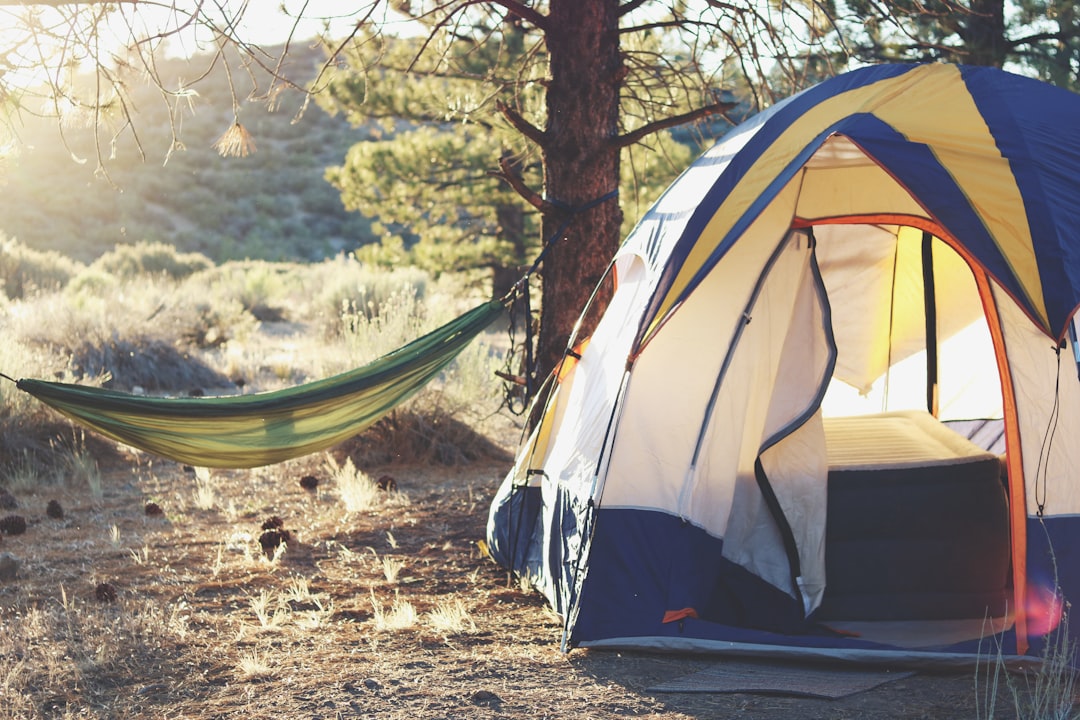
Book campsites early. Reserve campground spots as soon as windows open — typically six months out on Recreation.gov. Dispersed camping on BLM land or in national forests is a reliable backup and often puts you in darker locations than established campgrounds, though you’ll be trading facilities for darkness.
Check the moon phase. In 2026, the moon will be a waning crescent during the Perseid peak, which means it sets early and won’t wash out the sky. This is about as good as it gets for viewing conditions — some years, a bright moon effectively kills the show.
Have a cloud plan. August weather is generally cooperative in the western U.S., but the Southeast and Gulf Coast can be cloudy. I always check the NOAA forecast the morning of my trip and have a backup location within a two-hour drive in case the sky doesn’t cooperate.
What to Bring Home (Besides Memories)
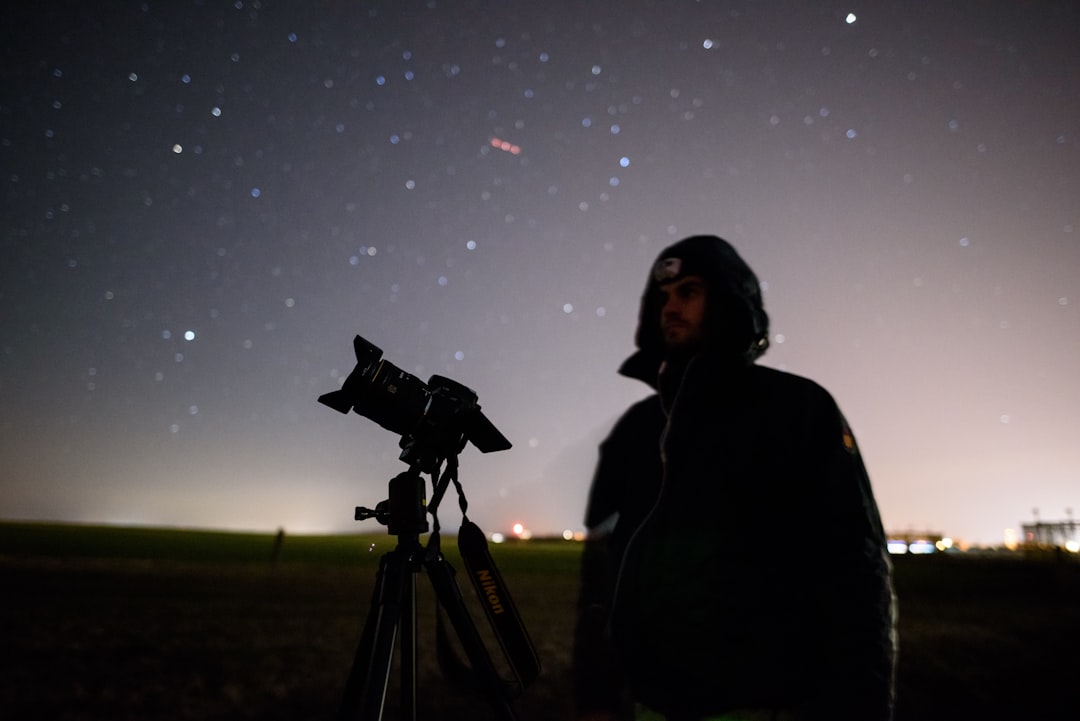
Photographing meteors is harder than it looks — you’re capturing brief, unpredictable flashes in near-total darkness. But with a DSLR or mirrorless camera, a wide-angle lens (14–24mm), a sturdy tripod, and some patience, you can capture the Milky Way with a meteor or two streaking through. Set your camera to manual mode, ISO 3200–6400, aperture as wide as your lens allows (f/2.8 or wider), and take 15–20 second exposures on continuous shooting. Point it at the sky and let it run.
You’ll end up with hundreds of frames, most empty. But the ones with meteors — those streaks of light you didn’t even see with your eyes — feel like gifts. I have a folder on my laptop of Perseid photos going back fifteen years, and every August I add to it.
The Perseids are more than an astronomical event. They’re an excuse to drive somewhere dark, turn everything off, and remember how much sky exists above the glow of our daily lives. Pack the right gear, pick a dark spot, and give yourself over to the show. Forty meteors an hour is nature’s fireworks — and it’s free for anyone willing to look up.
3 thoughts on “Chasing the 2026 Perseids: A Dark-Sky Field Guide to Nature’s Greatest Fireworks Show”