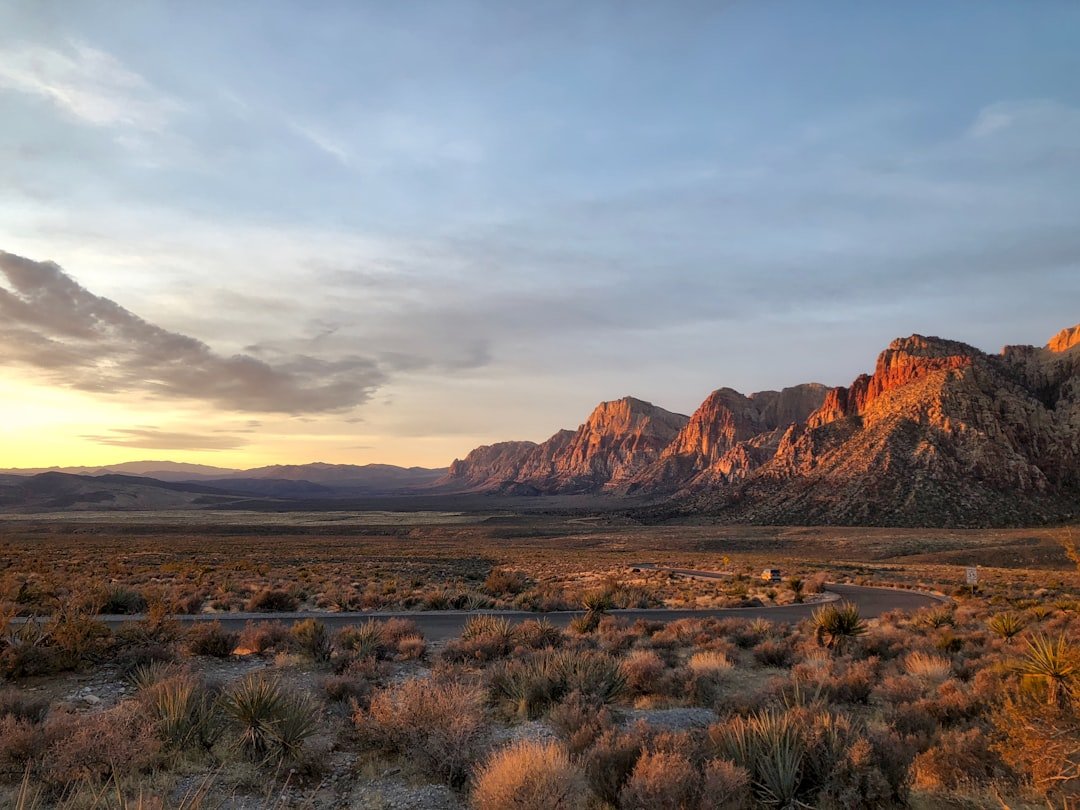
I’d been driving east on US-50 through Nevada for two hours without passing a single gas station, restaurant, or town worth more than a paragraph in a guidebook. My Celestron SkyMaster binoculars rode shotgun, ready for the dark skies ahead. The highway stretched ahead like a gray ribbon unspooling across alkali flats, and my phone had lost signal somewhere around Fallon. Most people would call that a problem. I called it the perfect entrance to Great Basin National Park — the most underrated national park in the Lower 48 and a place that made me rethink everything I thought I knew about Nevada.
Nevada conjures images of neon, blackjack tables, and the searing sprawl of Las Vegas. But the state’s eastern edge hides an entirely different character: 13,000-foot peaks, ancient bristlecone pines that were already old when Caesar ruled Rome, and night skies so dark that rangers host weekly astronomy programs with telescopes pointed at galaxies most people have never heard of. Great Basin sees roughly 130,000 visitors a year — compare that to Zion’s five million — and that solitude is precisely what makes it extraordinary. I spent four days here in early June and came away convinced this is the national park America forgot to hype.
Getting There: The Loneliest Road in America
Great Basin sits in eastern Nevada, about a four-hour drive from Salt Lake City or five hours from Las Vegas. The closest town of any size is Ely, population 4,000, which has a handful of motels, a grocery store, and a steakhouse called the Cellblock that occupies a former county jail. You’ll want to stock up on supplies here because the park itself has limited services — no gas, no cell service, and a small visitor center with a gift shop.
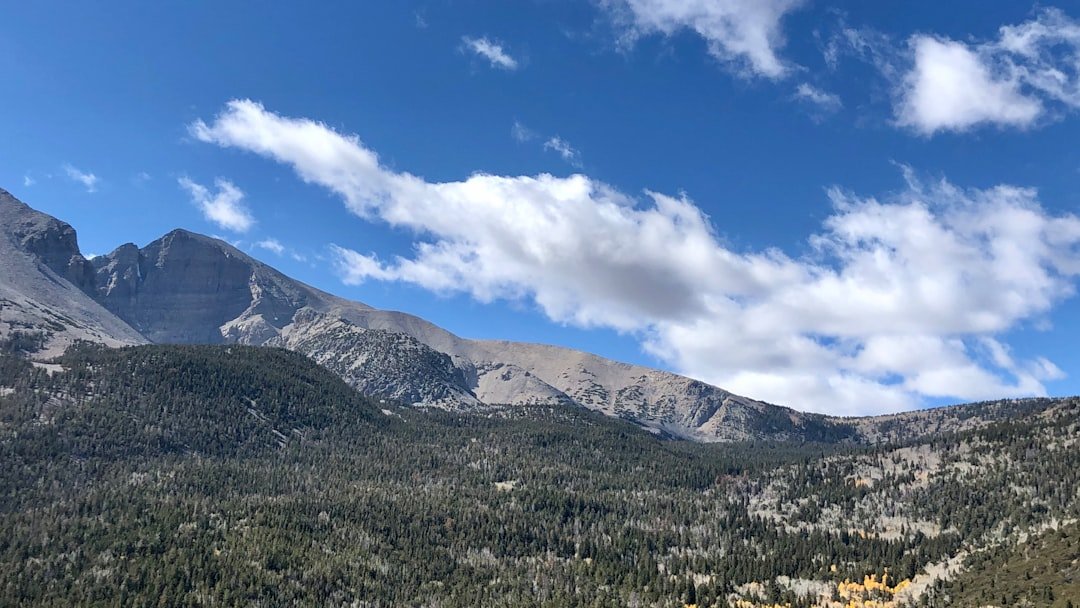
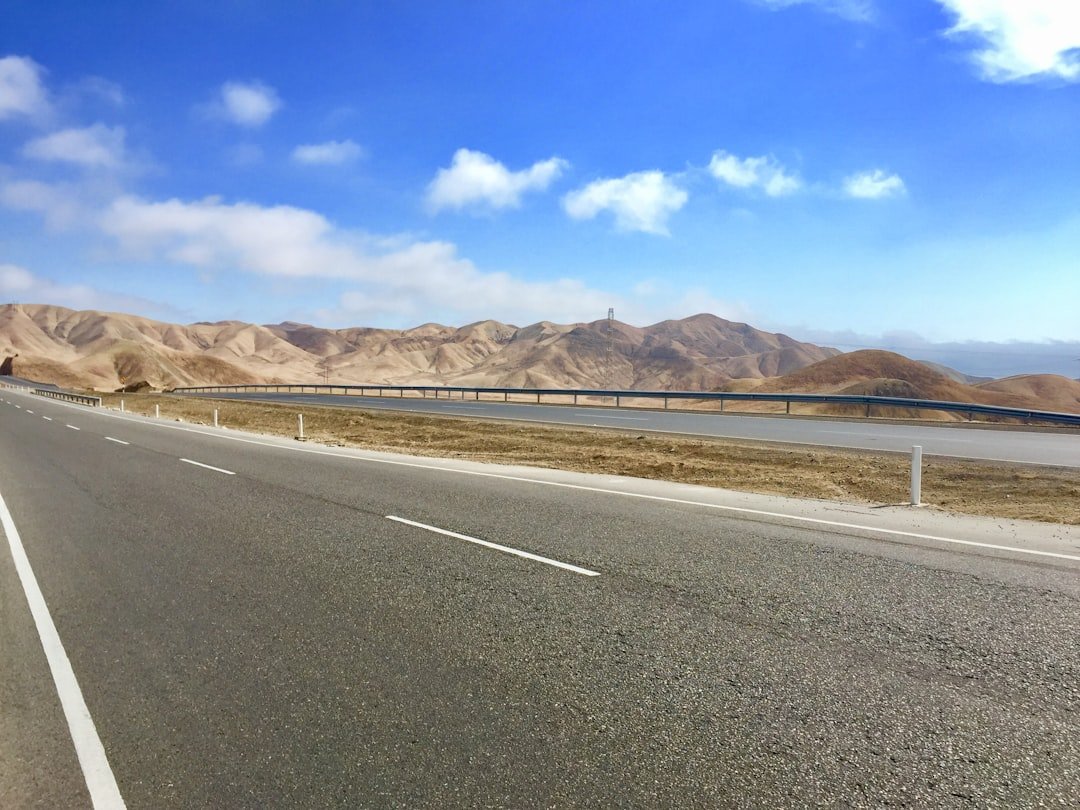
The approach along US-50, officially dubbed “The Loneliest Road in America,” is half the experience. Sagebrush valleys roll past in every shade of silver and green, and the Spring and Snake Mountain ranges rise on the horizon like walls around a secret kingdom. I stopped at the Ward Charcoal Ovens State Historic Park along the way — six beehive-shaped stone ovens built in 1876 to process silver ore — and had the entire site to myself on a Tuesday morning. If you’re planning this drive, a reliable daypack with room for water and layers is essential because the nearest convenience store is genuinely an hour behind you.
Wheeler Peak: The Summit That Changes Your Perspective
At 13,065 feet, Wheeler Peak is the second-highest point in Nevada and the crown jewel of the park. The standard route via the Summit Trail covers about 8.2 miles round-trip with roughly 2,900 feet of elevation gain. I started at dawn from the Summit Trailhead, and the first two miles wound through spruce and fir forest that felt more like Colorado than the Nevada I’d imagined. Around 11,000 feet, the trees thinned and the landscape opened into rocky alpine terrain where pikas chirped from boulder piles and the air turned sharp and thin.
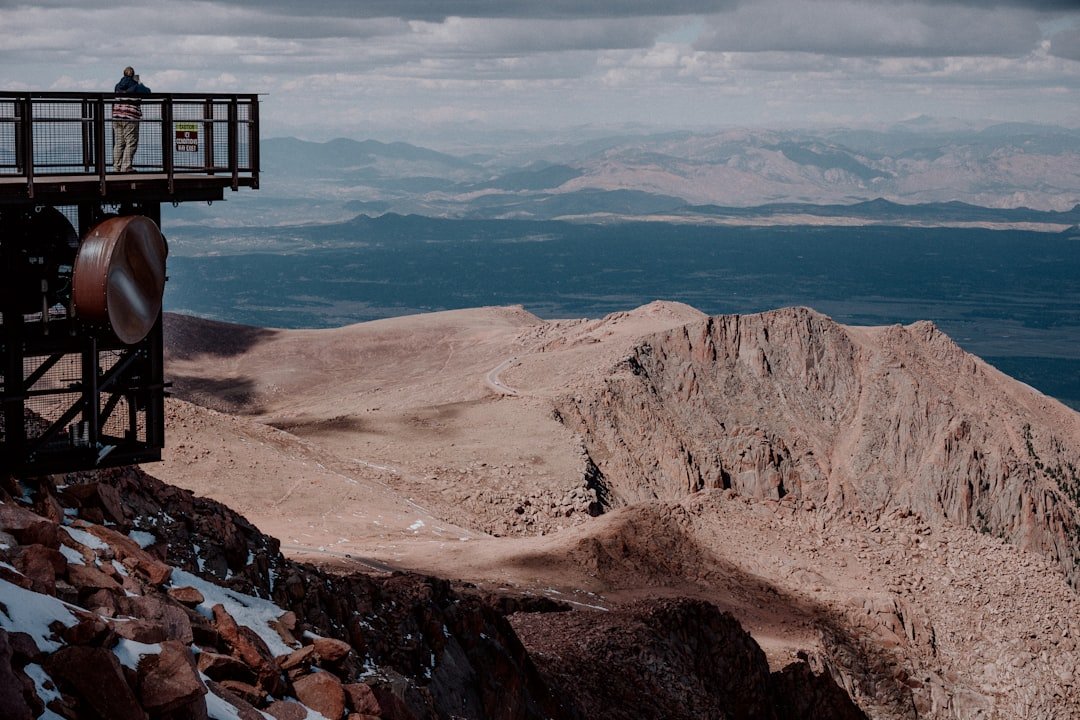
The final push to the summit involves some Class 2 scrambling over loose talus, and I was grateful for my waterproof hiking boots with solid ankle support — trail runners would have left my feet battered on the rocky descent. From the top, the view spans across Nevada’s basin-and-range topography: parallel mountain valleys stretching north and south like corrugated cardboard, with the faint white of the Bonneville Salt Flats visible to the east on a clear day. I sat on the summit block for forty minutes and didn’t see another human being. That doesn’t happen at Half Dome.
The Bristlecone Pine Grove: Living Among Ancients
Even if Wheeler Peak weren’t here, the bristlecone pine grove alone would justify the trip. These twisted, gnarled trees are among the oldest living organisms on Earth — some specimens in this grove exceed 4,000 years. The Bristlecone Trail branches off the Alpine Lakes Trail about 2.8 miles from the Wheeler Peak Campground and climbs through a stark, wind-sculpted landscape that feels more like a Dr. Seuss illustration than a forest.
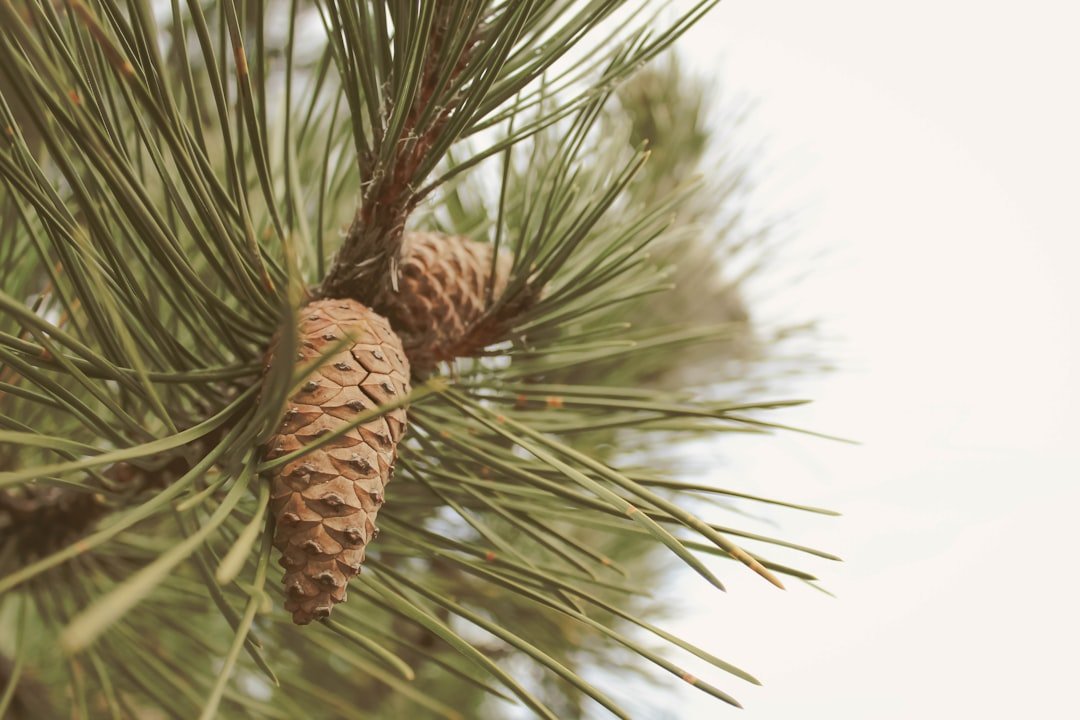
The oldest identified tree in the grove, nicknamed “Prometheus,” was cut down in 1964 by a graduate student who didn’t realize its age until he counted the rings. It was over 4,900 years old. The irony of discovering immortality by destroying it isn’t lost on anyone who visits. Today, rangers politely decline to identify which trees are the oldest — a lesson learned the hard way. Walking among these survivors, their bark stripped by millennia of wind into smooth, sculptural forms, I felt the particular smallness that only deep time can inspire. Bring a wide-brimmed sun hat with UPF protection for this trail — there’s zero shade above 10,000 feet, and the high-altitude UV hits harder than you’d expect.
Lehman Caves: An Underground World
When you’ve had enough elevation and sun — and at 10,000 feet, the sun is relentless even in June — Lehman Caves offers a cool, damp reprieve maintained at around 50 degrees year-round. Discovered by rancher Absalom Lehman in the 1880s, the cave system extends over a quarter mile and features some of the most distinctive formations in any American cave, including rare shield formations that look like circular stone pancakes growing out of the walls.
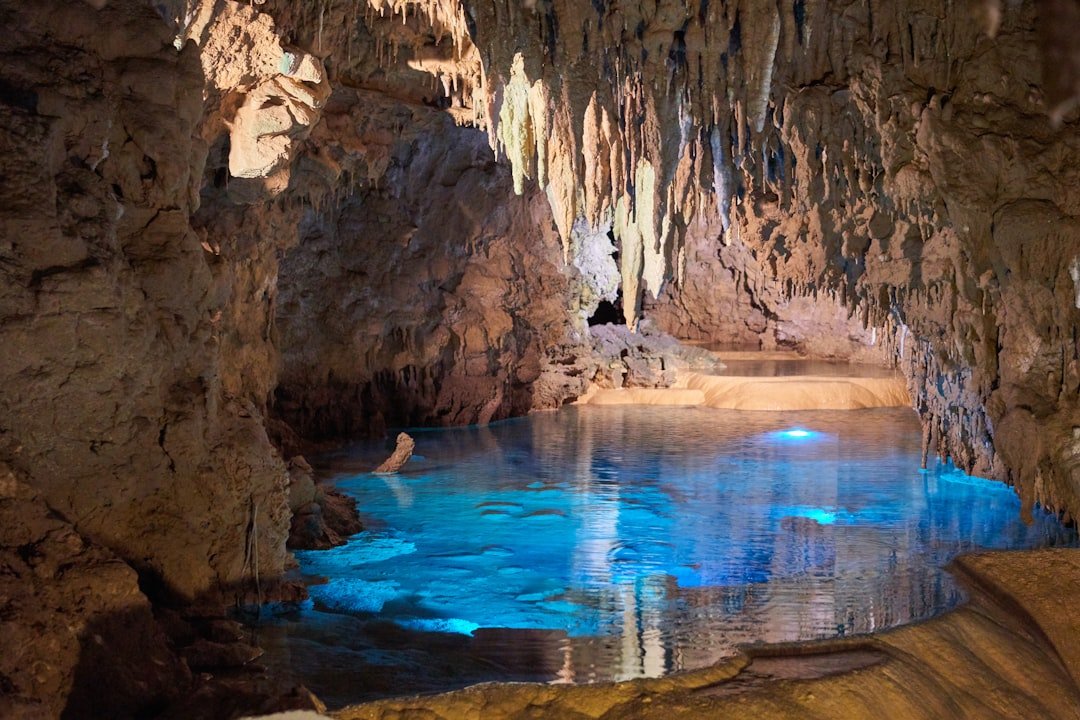
Tours run daily and reservations are strongly recommended in summer — the Grand Palace tour covers the full cave and lasts about 90 minutes. I booked the Lodge Room tour, which was 60 minutes of stalactites, stalagmites, and flowstone in colors ranging from cream to deep rust. Our ranger pointed out graffiti etched into the walls by early 20th-century visitors, a reminder that even underground, humans can’t resist leaving their mark. If you’re prone to getting chilly, a lightweight packable jacket stuffed in your daypack will make the cave portion far more comfortable.
Dark Skies: The Darkest Night in the Lower 48
Here’s the thing about Great Basin that separates it from nearly every other national park: the night sky. This is officially the darkest national park in the contiguous United States, and the difference between “dark” and “Great Basin dark” is staggering. The nearest significant light source is Salt Lake City, 230 miles northwest. On a moonless June night, the Milky Way doesn’t just appear as a faint smudge — it casts shadows.
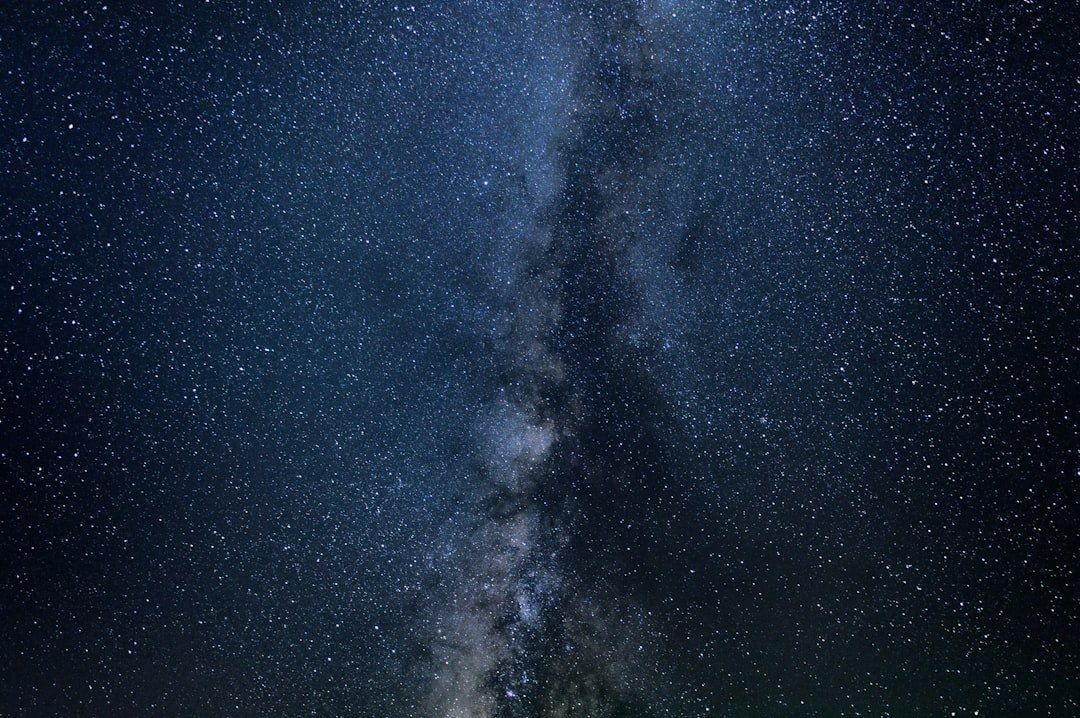
The park runs free astronomy programs throughout the summer, with rangers setting up telescopes at the visitor center and guiding visitors through constellations, planets, and deep-sky objects. During my visit, I attended one of these sessions and looked through a scope at the Andromeda Galaxy — 2.5 million light years away — while a ranger explained that the photons hitting my eye had been traveling since before Homo sapiens existed. I brought my own pair of astronomy binoculars and spent an hour after the program lying on a picnic table at the Wheeler Peak Campground, scanning the sky in silence. The annual Great Basin Astronomy Festival happens each September, and if you’re serious about stargazing, that’s the time to visit.
The Alpine Lakes Trail: A Perfect Day Hike
Not every hike here needs to be a summit bid. The Alpine Lakes Trail, which starts from the end of the Wheeler Peak Scenic Drive, covers about 2.7 miles to Stella Lake and Teresa Lake — two tarns nestled in glacial cirques beneath the peak’s east face. The trail gains about 600 feet and passes through aspen groves, wildflower meadows, and rocky outcrops with views that keep getting better.
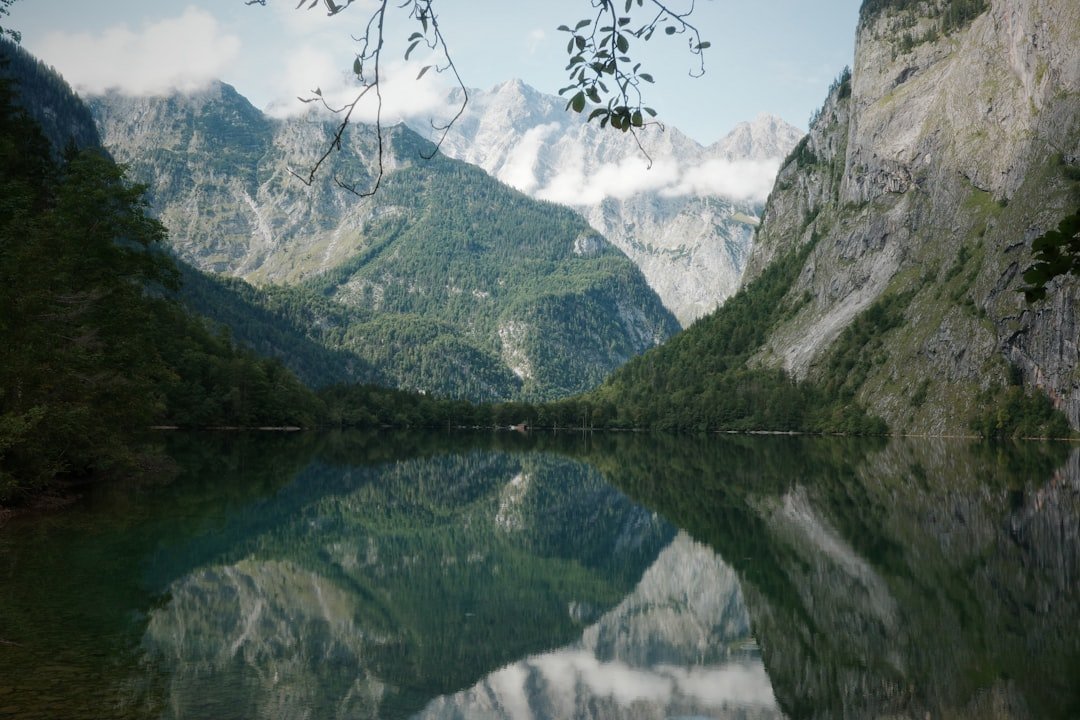
Stella Lake, named for its star-like shape when viewed from Wheeler Peak above, sits at about 10,500 feet and on a calm morning reflects the surrounding peaks like a mirror. I arrived at sunrise and photographed the reflection for a solid twenty minutes before another hiker appeared. Teresa Lake is smaller but equally photogenic, ringed by subalpine wildflowers in June. This trail is also the jumping-off point for the bristlecone grove, so you can combine both into a single day. Carrying a hydration backpack with a 2-liter bladder is the way to go at this altitude — you’ll drink more water than you think, and the convenience of sipping without stopping keeps you moving efficiently.
Practical Planning for Your Visit
Great Basin’s short season runs roughly June through September. The Wheeler Peak Scenic Drive, a 12-mile paved road climbing from 6,800 to over 10,000 feet, typically opens in late May or early June depending on snowpack. The campgrounds at Wheeler Peak and Lower Lehman Creek are first-come, first-served and rarely full — I arrived on a Friday afternoon in June and had my pick of sites.
I also never left camp without my UPF 50+ sun protection hat — at 10,000 feet, you burn faster than you’d believe. Temperatures swing dramatically here. Days in June can hit 80°F at the visitor center and 50°F at Wheeler Peak, with nights dropping into the 30s at elevation. Afternoon thunderstorms roll in without warning — I got caught in a hail storm at 11,000 feet on my second day and was glad I’d thrown a rain shell in my pack. The park entrance fee is a reasonable $15 per vehicle for seven days, and the America the Beautiful pass works here too.
Plan for at least three days: one for Wheeler Peak, one for Lehman Caves and the bristlecone grove, and one for stargazing. If you have a fourth day, the night sky programs here rival any dark sky park in America. And if you’re road-tripping the wider region, Great Basin pairs beautifully with Lake Tahoe to the west or Utah’s national parks to the east for a longer desert-and-mountains loop.
Great Basin National Park isn’t going to wow you with dramatic arches or thundering waterfalls. What it offers instead is something rarer: genuine solitude, landscapes that shift from desert to alpine in a single drive, and a night sky that reminds you how small and temporary everything really is. In a national park system increasingly defined by crowds and reservations, that feels like the most valuable thing of all.