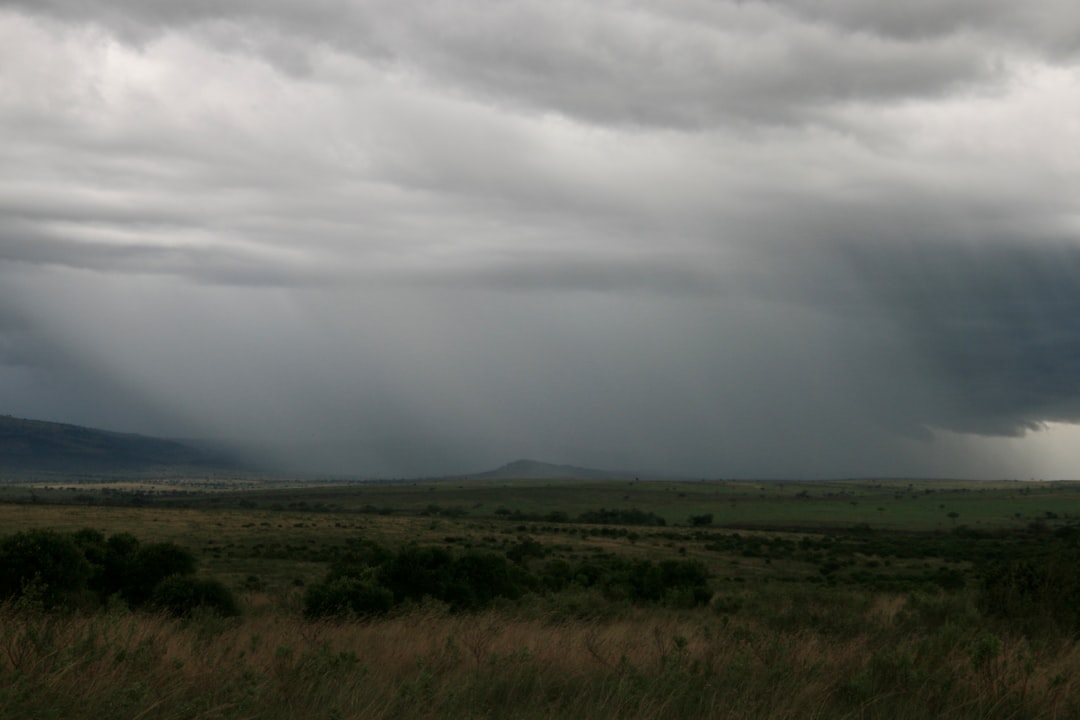
There’s a moment every traveler knows. You’re halfway through a perfectly planned trip — maybe day three of a coastal road trip or hour six into a mountain trek — and the sky turns the color of old dishwater. The wind shifts. And suddenly you’re standing in the middle of a downpour wondering why you packed three pairs of sandals but zero rain gear.
I’ve been that traveler more times than I care to admit. The worst was a trip to the Olympic Peninsula where I got soaked through a cotton hoodie in under twelve minutes. My phone died. My map disintegrated. My “water-resistant” daypack turned out to be a sponge with straps. That was the trip that broke me — and sent me on a multi-year mission to build a wet-weather kit that actually works.
What follows is everything I learned the hard way, distilled into a practical system. Not just rain jackets (though we’ll get there), but the full architecture of staying dry when the weather doesn’t care about your itinerary.
The Philosophy: Layers, Not Luck
Most people think rain preparedness means throwing a jacket in their bag and calling it done. After testing gear across three countries and more storms than I can count, I’ve landed on a four-layer approach: personal shell, gear protection, electronic defense, and recovery protocol. Each layer matters. Skip one and the whole system collapses at the worst possible moment.
My team and I have spent the better part of two years refining this kit. We’ve tested it in tropical downpours in Costa Rica, sideways rain in the Scottish Highlands, and surprise thunderstorms in the Smokies. Here’s what earned a permanent spot in my bag — and what didn’t.
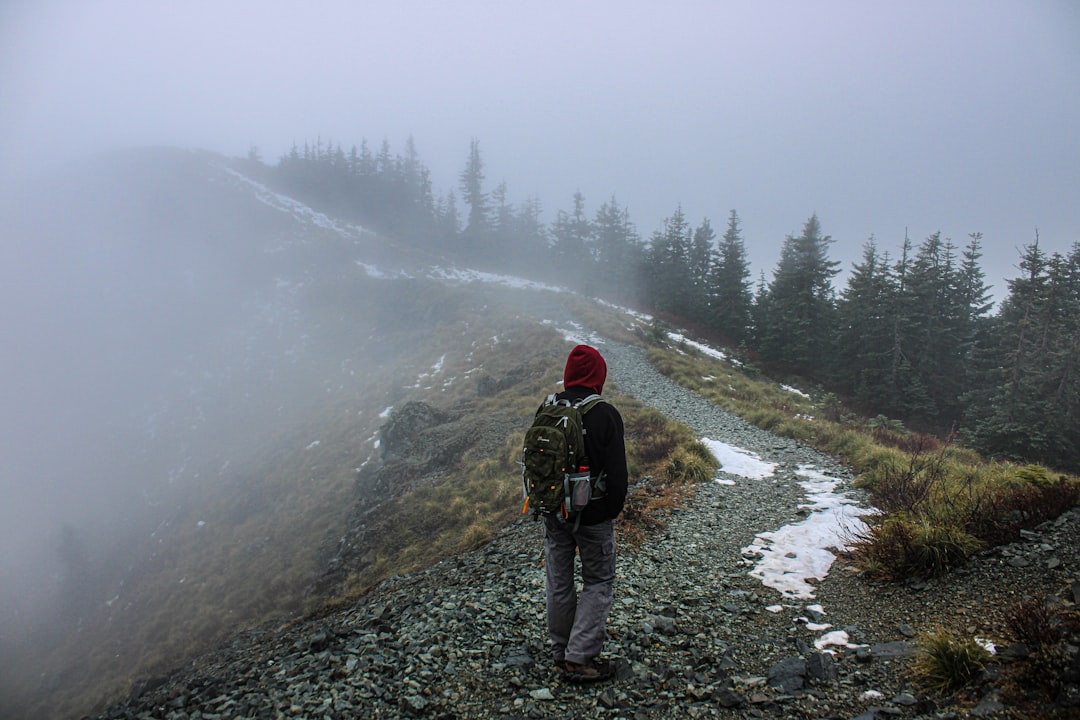
Layer One: Your Personal Rain Shell
This is where most of my testing energy went. A rain jacket isn’t just a rain jacket — it’s the difference between pushing through a rainy afternoon and retreating to your hotel room for six hours. The best travel rain jackets share three qualities: they’re genuinely waterproof (not “water-resistant” marketing speak), they pack small enough to forget about until you need them, and they don’t make you feel like you’re wearing a garbage bag.
The Jacket That Earned Its Permanent Spot
After running through six different options — from budget packable shells to high-end Gore-Tex — the one I keep reaching for is the Columbia Women’s Arcadia II Rain Jacket. It hits the sweet spot between price, performance, and packability. The Omni-Tech waterproofing has held up through sustained downpours without the interior clamminess that cheaper jackets suffer from. It stuffs into its own pocket, weighs under a pound, and the cut is fitted enough that you don’t look like you’re wearing a tarp.
For a men’s equivalent that performs similarly, the 33,000ft Packable Rain Jacket is a solid budget option. It’s not as breathable as jackets three times its price, but for under $40, the waterproofing is legitimate. I’ve worn it through two-hour sustained rain in the Appalachians and stayed completely dry underneath.

Here’s the thing about rain jackets that nobody tells you: the fit matters more than the waterproof rating. A jacket that’s too loose lets rain run down your neck. Too tight and you can’t layer underneath when temperatures drop. If you’re between sizes, size up — you can always cinch the hem, but you can’t add sleeve length.

Layer Two: Protecting Your Gear
A waterproof jacket keeps you dry. But what about everything in your pack? I learned this lesson in Costa Rica when an afternoon cloudbag turned my backpack into a swimming pool. Spare clothes, my journal, a paperback novel — all soaked. The rain jacket I was wearing kept me perfectly comfortable while my gear ruined itself behind me.
The Umbrella Question: Yes, You Still Need One
I resisted travel umbrellas for years. They seemed redundant if you had a rain jacket. But here’s the truth: an umbrella handles situations a jacket can’t. Walking through a city where you want to see architecture without rain in your eyes. Taking photos in light drizzle. Ducking between cafes in a place where rain comes and goes every twenty minutes.
The TUMELLA Windproof Travel Umbrella became my daily carry after it survived a gusty Edinburgh afternoon that turned two other umbrellas inside out. It’s compact enough to live in a water bottle pocket but sturdy enough to hold its own in serious wind. For a backup option that’s even smaller and lighter, the SY COMPACT Travel Umbrella weighs almost nothing and deploys fast — perfect for city travel where you need quick coverage between buildings.
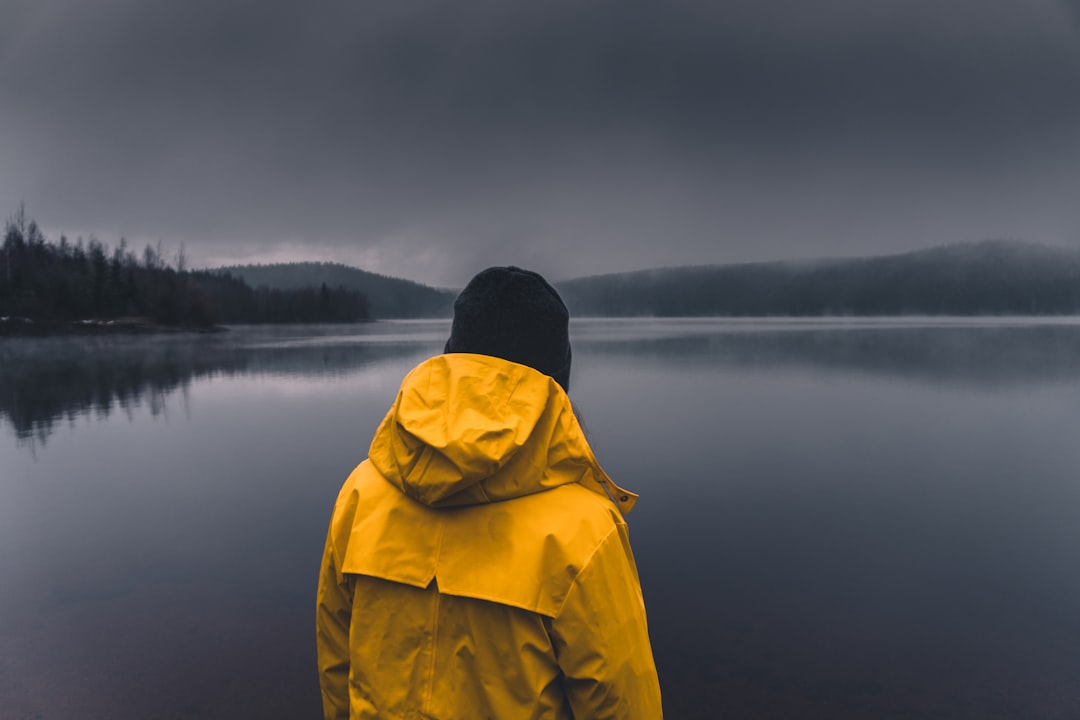
Backpack Protection: The Unsung Hero
This is the piece most travelers skip and almost always regret. A Frelaxy Waterproof Backpack Rain Cover costs about the same as an airport sandwich and saves you hundreds in ruined gear. It pulls over the outside of your pack in seconds, cinches tight, and keeps everything inside bone-dry through extended rain. I keep mine stuffed in the top pocket of my pack at all times — it deploys faster than a rain jacket.
The mistake I see most often: people buy rain covers that are too small. Measure your fully-packed bag and buy a size up. A cover that’s slightly oversized works perfectly. One that’s too small is useless.

Layer Three: Electronic Defense
Water and electronics don’t mix. This is not news. Yet I’m still amazed at how many travelers — myself included, for years — carry thousands of dollars in phones, cameras, and power banks with zero water protection beyond “I’ll be careful.”
“I’ll be careful” is not a strategy. It’s a eulogy waiting to happen.
Waterproof Phone Pouches: Cheap Insurance
The single best value in my entire wet-weather kit is the Hiearcool Waterproof Phone Pouch. It costs less than a movie ticket, fits any phone up to 8.9 inches, and lets you use the touchscreen through the pouch. I’ve taken mine into kayaking trips, beach days, and torrential downpours. The lanyard keeps your phone accessible around your neck, and the IPX8 rating means it can handle full submersion.
For a two-pack option (because you’ll want one for a travel partner), the Lamicall Waterproof Phone Pouch offers the same IPX8 protection with a slightly different seal mechanism. I keep both brands in my kit — one for my phone, one for a Kindle or backup device.
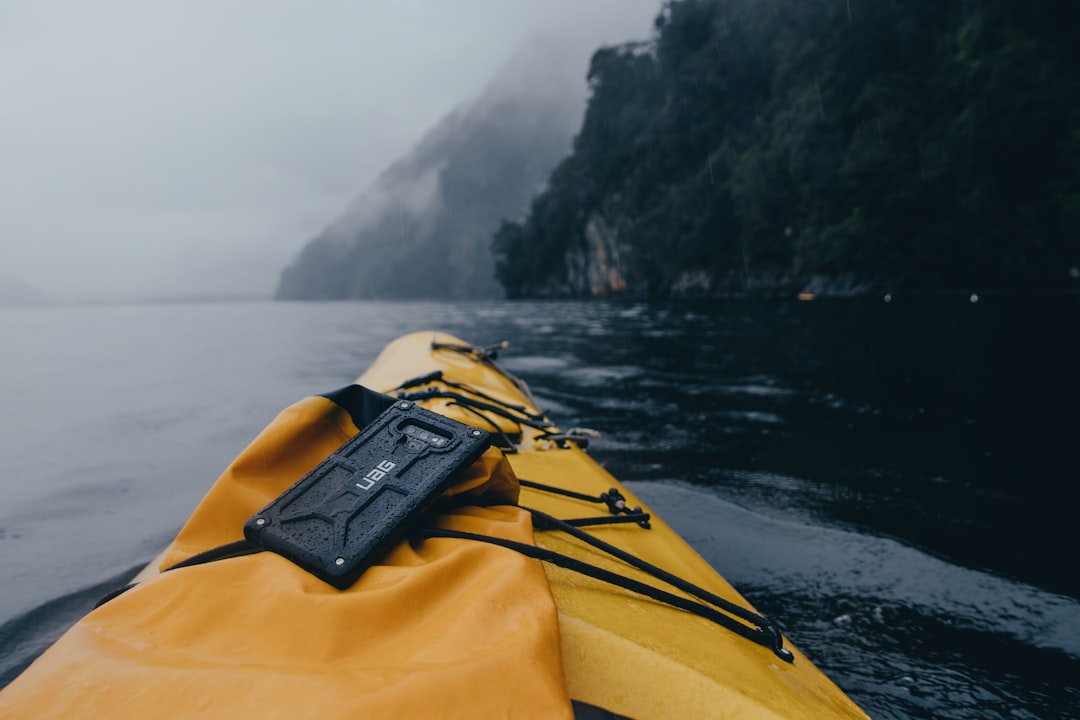
Beyond phone pouches, if you’re traveling with a camera, spare batteries, or anything else that can’t get wet, a roll-top Earth Pak Waterproof Dry Bag is essential. I use the 10L size for electronics and documents when I’m kayaking or boating. The roll-top closure is foolproof — fold it three times, clip it, and your gear is safe even if the bag goes overboard.
Layer Four: The Recovery Protocol
Even with the best preparation, things get wet. You get caught without your jacket. Sweat soaks through from the inside. A rogue wave catches you at the beach. The question isn’t whether you’ll get wet — it’s how fast you can dry out.
The Fast-Drying Towel That Changed My Routine
A Rainleaf Microfiber Travel Towel lives in the top of my pack at all times. Not for showering — though it works for that too — but for drying gear. Wet jacket? Wring it out, lay it flat, roll it in the microfiber towel, and step on it. The towel absorbs moisture like nothing else, and it air-dries in under an hour, ready for the next round. This technique has saved me from packing damp clothes more times than I can count.
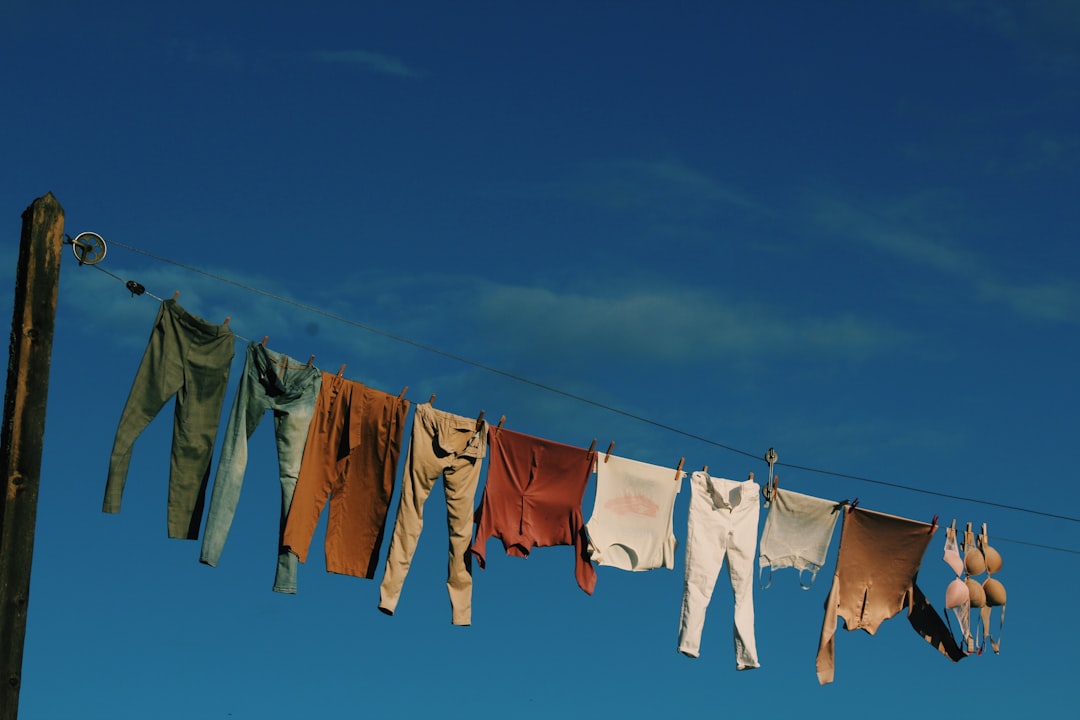
Compression packing cubes also play a role here. I use the Veken Compression Packing Cubes to separate wet and dry gear inside my pack. One cube for clean, dry clothes. Another for things that got caught in the rain. The compression zipper means even damp clothes take up minimal space while they finish drying. This separation strategy has prevented the dreaded “everything smells like mildew” scenario more than once.
Putting It All Together: My Daily Rain Kit
Here’s what actually lives in my travel bag on any trip where rain is even remotely possible:
- Personal shell: Packable rain jacket (worn or clipped to outside of pack)
- Quick coverage: Compact travel umbrella in side pocket
- Pack defense: Rain cover stuffed in top pocket for fast deployment
- Electronic armor: Phone pouch around neck or in hip belt pocket
- Dry bag: 10L roll-top for camera, chargers, documents
- Recovery: Microfiber towel for drying gear mid-trip
- Organization: Compression cubes separating wet and dry zones
Total weight: about two and a half pounds. Total cost: under $150 for everything. Total number of trips this kit has saved: more than I can count at this point.
The Mistakes I Made So You Don’t Have To
Every piece in this kit earned its place through failure. Here’s what I learned:
“Water-resistant” means “will eventually get wet.” If you need to stay dry, look for “waterproof” with a specific rating (IPX4 minimum, IPX8 for submersion). Water-resistant fabric works for fifteen minutes of light drizzle. After that, you’re wet.
Breathability matters as much as waterproofing. A jacket that keeps rain out but traps sweat inside just makes you wet from a different direction. Look for pit zips, mesh lining, or vented backs. If you’re buying budget, accept that you’ll sacrifice breathability.
Your daypack is not waterproof. Even packs marketed as “water-resistant” will soak through in sustained rain. My Southwest road trip stress test proved this definitively — the pack survived everything I threw at it, but the contents got wet every single time it rained without a cover.
Test your gear before you travel. Wear the jacket in the shower. Put tissue paper in the dry bag and submerge it. Do this at home, not on day one of your trip. Finding out your phone pouch leaks while you’re snorkeling in Hawaii is a terrible way to learn.
The Bottom Line
You don’t need to spend a fortune to stay dry on the road. You need the right four layers — personal shell, gear protection, electronic defense, and recovery — and the discipline to actually pack them every time. The system I’ve described here weighs less than a hardcover book and costs less than a single ruined phone replacement.
Rain doesn’t have to ruin a trip. With the right kit, it becomes just another part of the adventure. Some of my best travel memories involve getting caught in unexpected downpours — splashing through empty streets in Edinburgh, watching a thunderstorm roll over the Smokies from a dry viewpoint, kayaking through a tropical rain in Costa Rica with my phone safely sealed in its pouch.
The weather will do what it wants. Your only job is to be ready for it. Build your kit, test it, and then stop worrying about the forecast entirely.
If you’re also thinking about the bigger picture of travel preparedness, my travel first aid kit breakdown pairs well with this setup. And if you’ve ever wondered whether luggage tracking is worth it, my AirTag experiment across three airlines convinced me it’s non-negotiable. For keeping your devices charged through weather delays, the power banks I trust in the wild round out the full travel resilience kit.