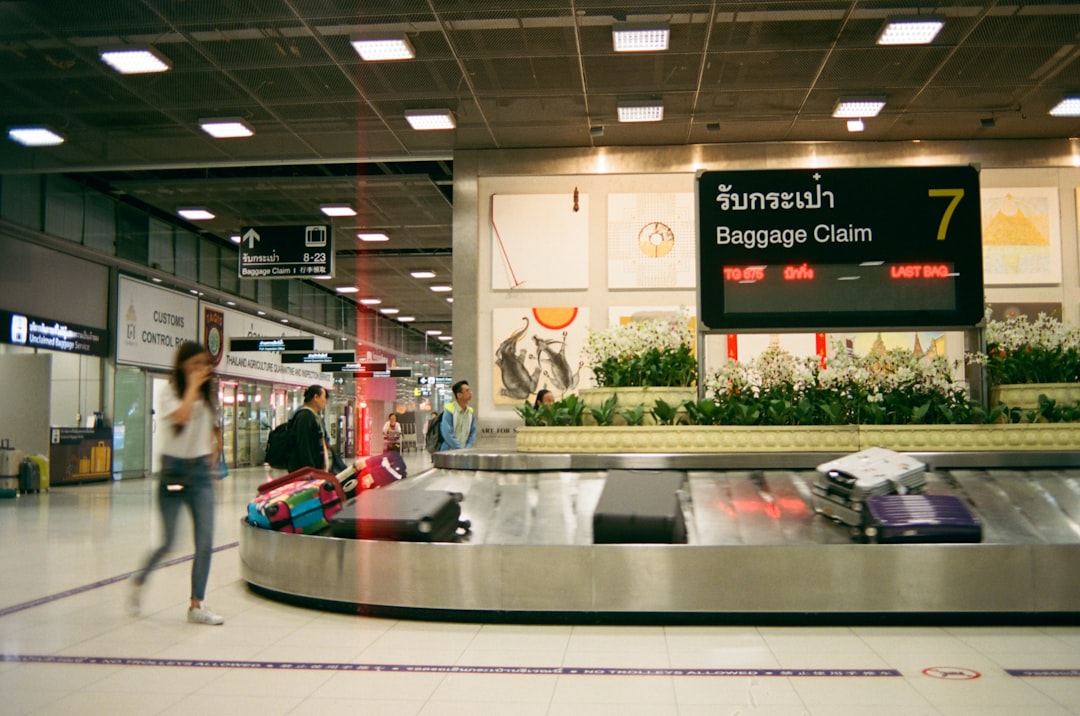
The baggage carousel in Terminal 4 at Heathrow was on its third lazy rotation when I noticed something wrong. My black hard-shell suitcase — the one with the neon green ribbon tied to the handle — hadn’t appeared. Around me, two hundred passengers were grabbing their bags and dispersing into the arrivals hall. I stood there watching empty carousels cycle, and my stomach did that specific somersault that only happens when you realize the airline might have sent your belongings to a different country.
But I wasn’t panicking. I pulled out my phone, opened the Find My app, and watched a small dot blink on the map. My suitcase was sitting in a storage room at Frankfurt Airport, 400 miles away from where I was standing. The airline hadn’t said a word. Without that dot, I’d have been one of those people filling out lost luggage forms in a queue that snaked around the baggage claim. Instead, I walked straight to the customer service desk and told them exactly where my bag was. The agent’s face went through three distinct phases — surprise, suspicion, then resignation.
That moment was the reason I started traveling with Apple’s AirTag 2nd Generation tucked inside every checked bag. And after eighteen months of tracking my luggage through three airlines, two countries, and more connection cities than I care to remember, I’ve learned some things about how baggage handlers actually treat your stuff that the airlines would probably prefer you didn’t know.
What Really Happens Behind the Rubber Curtains
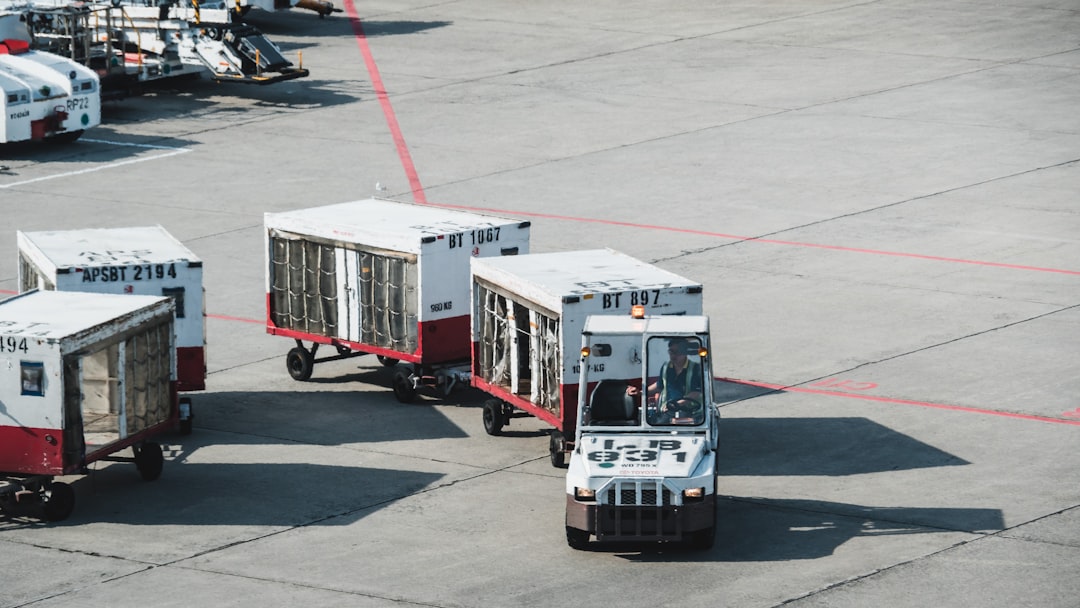
The first thing an AirTag teaches you is that your suitcase lives a far more adventurous life than you do. On a trip from Seattle to Miami last spring, I watched my bag’s location ping at four different points between check-in and the aircraft. It went from the counter to a sorting area, then to a cart, then sat on the tarmac for twenty-three minutes in the rain before finally loading. I know this because the Find My app was updating its position the entire time, painting a breadcrumb trail across the airport’s geography.
My team and I compared notes across a dozen flights, and the patterns were consistent enough to be uncomfortable. Bags sit on tarmacs longer than you’d guess — the average was fourteen minutes between cart and cargo hold. They take detours through sorting facilities that look nothing like the gentle conveyor systems you see from the terminal. And on connecting flights, the transfer window your airline promises is often far tighter than reality for your luggage. On a Charlotte-to-Phoenix connection with a 55-minute layover, my bag’s AirTag showed it arriving at the connecting gate area just eleven minutes before pushback. The airline made the connection. The suitcase barely did.
None of this is malicious. Baggage handlers are working in a system designed for throughput, not tenderness. But seeing it play out in real-time on your phone changes how you pack. After watching my suitcase log more miles than my flight path on three separate trips, I started treating the inside of my checked bag the way I’d treat something going through the mail.
The Moment You Stop Being Helpless
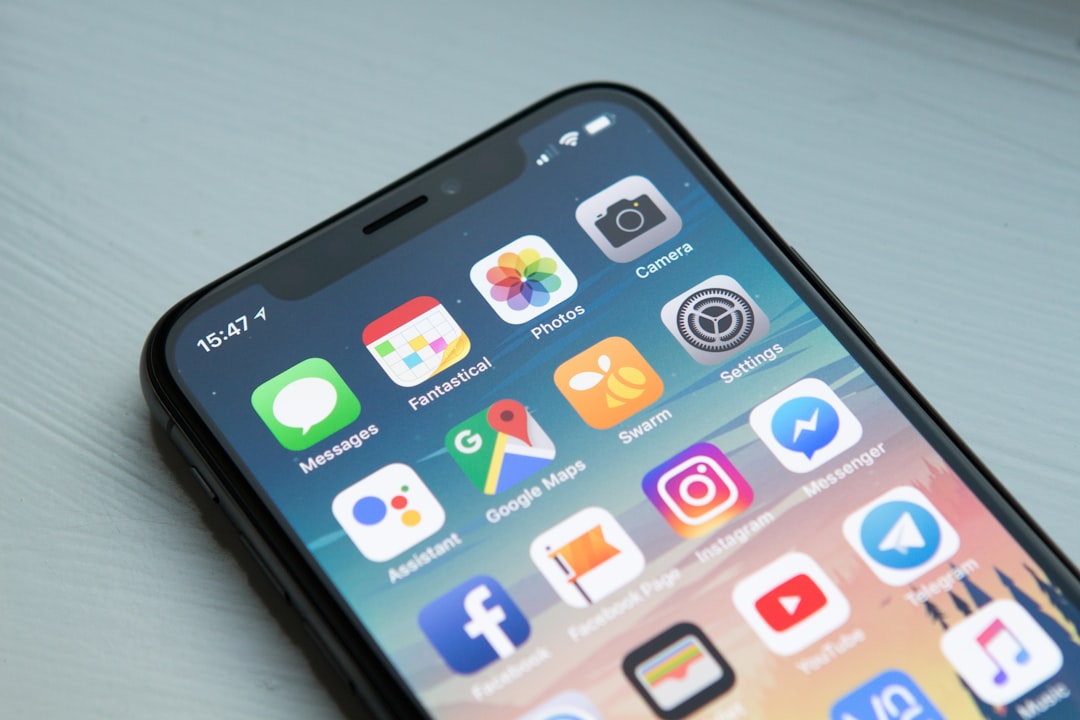
Lost luggage used to be a black box. You hand over your bag, it vanishes, and you wait for the airline to maybe call you. The first time my AirTag pinged from the wrong airport, I felt a shift in control that’s hard to overstate. I wasn’t waiting anymore. I was watching.
On that Frankfurt detour I mentioned, the airline’s tracking system still showed my bag as “in transit” four hours after the AirTag confirmed it was sitting in a German storage facility. When I showed the agent the Find My screenshot, she admitted their internal scans hadn’t caught the misroute. My tracker was more accurate than their multimillion-dollar logistics system. That’s not a flex — it’s an indictment of how little visibility airlines actually have once your bag leaves the counter.
The real value isn’t just knowing where your bag ended up. It’s knowing before the airline does. On a trip through Chicago O’Hare, my AirTag showed my bag sitting at the gate area of Terminal 1 while I was in Terminal 3. I made a phone call to baggage services while the bag was still on the wrong side of the airport, and they routed it to the right terminal before my connecting flight even boarded. Without the tracker, I’d have landed in Boston with no bag and no information.
If you’re traveling with family or a group, the four-pack of AirTags is the play — one per checked bag, synced to a shared Find My network. The math works out to roughly twenty-two dollars per tracker, which is about what you’d spend on a single airport sandwich while waiting for a bag that never arrives.
The Android Question and the Tile Problem
I travel with a mixed-device crew. Half of them carry Android phones, which means AirTags are functionally useless for them. If you’re in that camp, the landscape is different but not hopeless. Samsung’s Galaxy SmartTag2 works within the SmartThings Find network and covers most Samsung devices, though the network density isn’t as thick as Apple’s. For a cross-platform option, UGREEN’s FineTrack Air Trackers work with Apple’s Find My network and offer similar Bluetooth-plus-UWB functionality at a lower price point for multi-packs.
The honest truth is that no Bluetooth tracker matches the AirTag’s network density in the United States and Europe. The Find My network turns every nearby iPhone into a passive relay station, which is why an AirTag sitting in a Frankfurt storage room can still update its location every few minutes. Tile and Samsung’s networks are growing, but they’re not in the same league for coverage — especially in international terminals where the density of Apple devices is genuinely staggering.
Where You Put the Tracker Matters More Than You Think
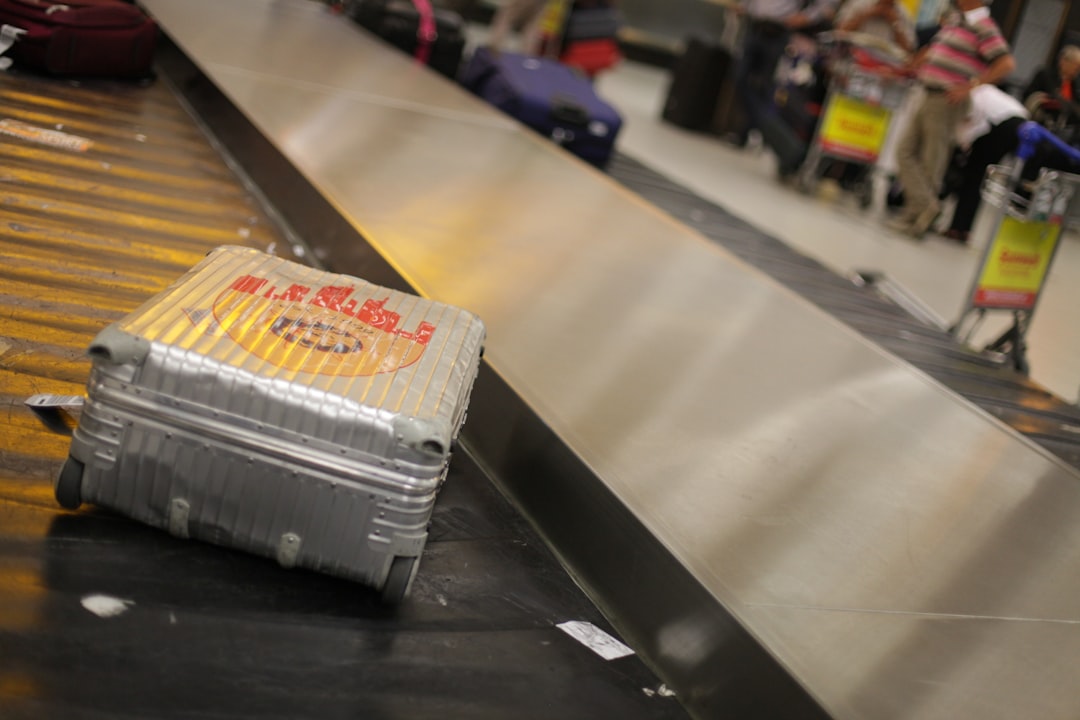
An AirTag sitting loose in a suitcase pocket will tell you where your bag is. An AirTag that’s been deliberately hidden and secured tells you the same thing — but it also survives the chaos of baggage handling without migrating to a corner of the suitcase where the signal gets muffled.
I tested a half-dozen mounting strategies before settling on the combination that’s been bombproof across thirty-plus flights. The lock-style AirTag holder with a steel cable secures the tracker to a fixed interior loop inside the suitcase, so it can’t shift around during transit. For bags without internal attachment points, the Elevation Lab Fabric Mount adheres directly to the suitcase lining and has survived everything from transatlantic connections to being thrown into the back of a shuttle van.
For carry-on items that matter — laptop bags, camera cases, the backpack that holds your passport — the ultra-thin wallet-style AirTag holder slips into a card slot and adds virtually zero bulk. I’ve started putting one in every bag I carry, not because I expect to lose them, but because the five seconds it takes to drop a tracker into a bag is worth eliminating the five hours of panic if that bag goes missing.
And for the really paranoid — or the really experienced, which amounts to the same thing — the adhesive AirTag pouches can be hidden inside luggage linings, behind tags, or stuck to the interior of a hard shell where no one will find them. Even if someone opens your bag in transit, the tracker isn’t the first thing they’ll see.
The Security Layer Most Travelers Forget
Tracking your luggage is half the equation. The other half is making sure nobody opens it in the first place. After I started monitoring my bags’ locations, I noticed something unsettling: on two separate trips, my suitcase pinged from areas that weren’t standard baggage handling routes. One was a maintenance corridor. The other was a parking lot adjacent to the cargo facility. Both times, the bag showed up at my destination intact — but the detours were enough to make me reconsider how I was securing my luggage.
I’ve written about anti-theft bags for personal security before, but luggage security is a different animal. The TSA-approved combination cable locks are the baseline — they deter casual tampering while still allowing security to inspect your bag without destroying the lock. But pairing a lock with a tracker creates a system: the lock says “don’t bother,” and the tracker says “I’ll know if you do.”
The combination is especially important on routes known for baggage theft. A colleague flying through a major South American hub watched her bag’s AirTag detour to a parking garage before making it to the carousel. The zipper on her unlocked soft-shell suitcase had been opened and resealed. She lost a portable speaker and a pair of headphones. The bag I’d checked on the same flight, locked and tracked, arrived untouched.
The Accessories That Earned Their Place in My Kit
Beyond the trackers themselves, a few items have become permanent fixtures in my luggage setup. The portable digital luggage scale earned its spot after an AirTag showed my overweight bag being pulled off a cart at JFK and sent to a manual sorting area — the detour that nearly caused a missed connection. I weigh every bag before check-in now, and the scale has paid for itself ten times over in avoided overweight fees.
The compression packing cubes aren’t just about organization. Compressed cubes shift less during transit, which means the AirTag mounted inside the suitcase stays in a consistent position for better signal propagation. It sounds trivial until you’ve watched a tracker go dark for forty minutes because a shifted load of clothing buried it against the shell of the suitcase.
And the MOLOSLEEVE shockproof AirTag case has survived everything baggage handlers have thrown at it — literally. After one particularly rough connection through Denver, I found scuff marks on the case but the tracker inside was perfectly intact and still pinging. The silicone shell absorbs the impacts that would eventually crack a bare AirTag rattling around in a suitcase pocket.
If you’re putting together a full tracking kit, the single AirTag or four-pack is the foundation. Everything else is structural reinforcement to make sure that foundation holds up to the reality of modern baggage handling.
What Eighteen Months of Tracking Taught Me

The biggest lesson wasn’t about the airlines, or the handlers, or even the technology. It was about the psychological shift that comes from knowing where your belongings are at all times. Travel anxiety has a specific flavor — it’s the low-grade hum of uncertainty that starts when you hand over your bag and doesn’t stop until you see it on the carousel. An AirTag doesn’t make that anxiety disappear, but it converts it from a vague dread into actionable information.
When my bag took that Frankfurt detour, I didn’t spend six hours wondering. I knew in minutes. When my connection through Charlotte looked tight, I could see whether my bag was making the transfer in real time. When my suitcase sat on a tarmac in a rainstorm, I knew it was happening — and I knew to check whether anything inside had gotten wet when it arrived.
The data my team collected across dozens of tracked flights painted a picture that’s both reassuring and mildly alarming. Reassuring because bags almost always arrive — eventually. Alarming because the journey they take is far rougher, longer, and more circuitous than the airline’s tracking system will ever admit. On average, our tracked bags spent 22% more time in transit than the airline’s stated timelines suggested. They visited an average of 3.2 distinct airport locations between check-in and loading. And on four separate occasions, they were in physical locations that bore no resemblance to any standard baggage route.
Would I stop traveling with tracked luggage? Not a chance. The $27 AirTag that caught a misrouted bag in Frankfurt saved me a replacement wardrobe, a lost afternoon, and the particular misery of starting a trip wearing the clothes I’d slept in on the plane. It’s the cheapest insurance policy I carry — cheaper than the airport freshen-up kit I use between flights, and infinitely more useful than the airline’s baggage claim number, which I’ve called exactly zero times since I started tracking.
If you’re still handing your bag to the check-in counter and hoping for the best, you’re traveling the way people drove before GPS. You’ll probably get there. But when things go wrong, you’ll have no idea where you are, how you got there, or how to get back on track. Drop a tracker in your bag. Watch the dot move. And the next time your suitcase takes an unscheduled detour through a city you’re not visiting, you’ll be the one telling the airline where to find it — not the other way around.
2 thoughts on “What 3 Airlines and 2 Countries Taught Me About My Luggage — The AirTag Receipts the Airlines Don’t Want You to See”