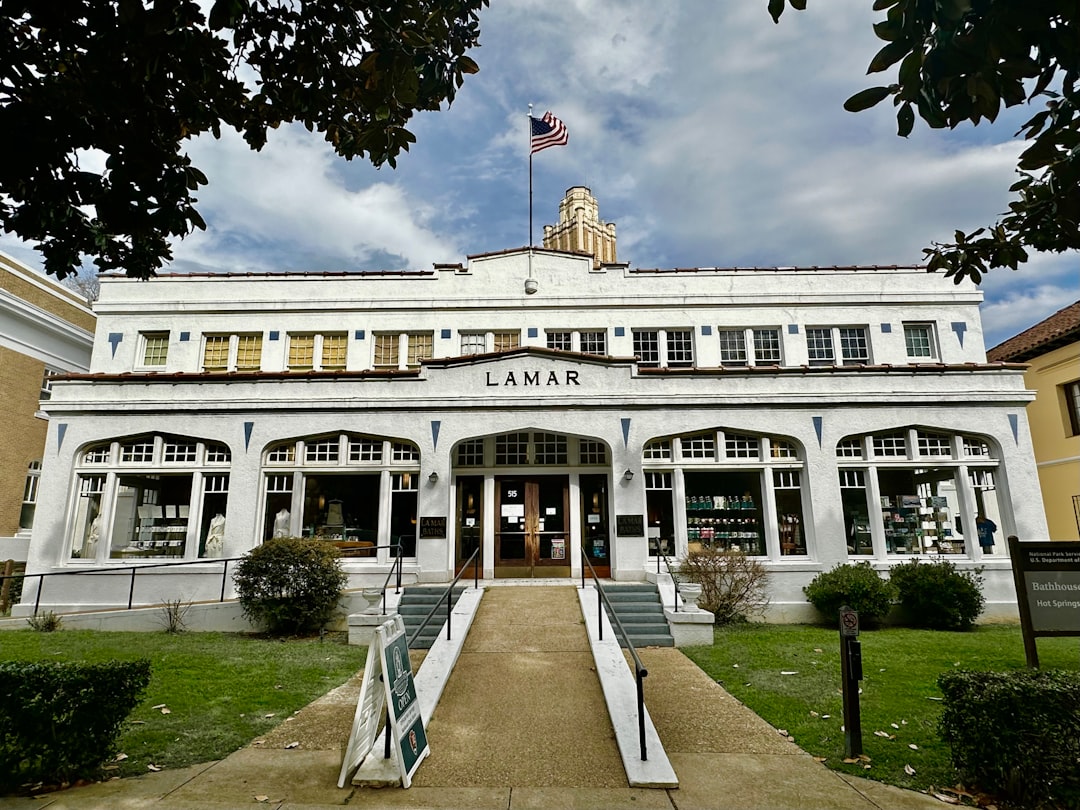
I smelled Hot Springs before I saw it. Rolling into town on a September evening, the windows down and the Ouachita Mountains turning the color of bruised plums behind me, there was sulfur in the air — faint, mineral, not unpleasant once you stop thinking about it. My itinerary had this stop penciled in as a one-nighter on the way somewhere else. I stayed four days. That’s the part nobody warns you about with this town.
Hot Springs, Arkansas has been quietly trending — searches for it spiked this year as travelers chase smaller, stranger cities over the usual suspects. And September might be the single best month to answer that pull: the summer humidity breaks, the lake water is still bathtub-warm, and the hiking trails have that post-Labor-Day emptiness I usually associate with the Smokies in late August. Here’s what a week in the Spa City taught me.
The Water Comes Out at 143 Degrees
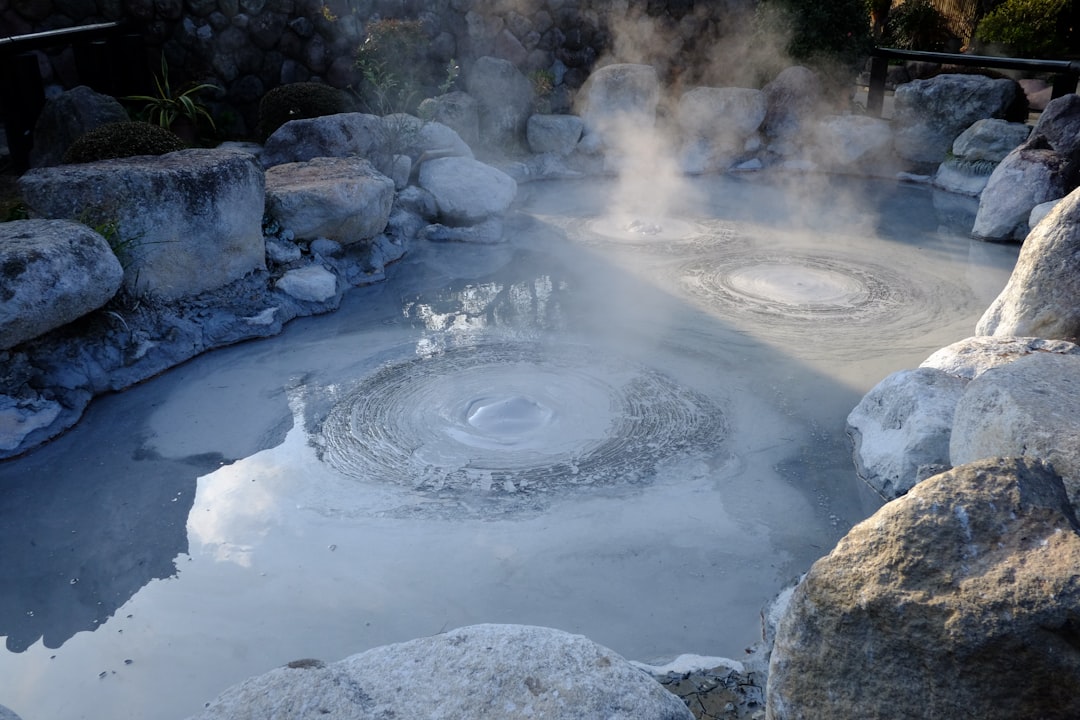
Let’s start with the obvious: the springs themselves. Rainwater falls on the ridges west of town, percolates down through cracked sandstone for what geologists estimate is thousands of years, heats up as it sinks, and then rushes back to the surface along a fault line at 143°F. Roughly 700,000 gallons a day. It’s been doing this since before there was a town, a state, or a country here — the quartz-strewn valleys were considered neutral healing ground long before anyone bottled the water.
You can drink it, free, from public fountains along Central Avenue. My crew and I filled bottles at the hillside jug fountains every morning like locals. The taste is mineral-forward, slightly flat, oddly comforting. I brought a 32-ounce insulated bottle and it kept the spring water cold through afternoon hikes — that thing earned its trunk space on day one.
Bathhouse Row Is the Main Event
The reason this town exists is stretched along one improbably elegant street. Eight bathhouses built between 1892 and 1923 face the mountain, stacked with marble foyers, stained glass, and stacks of private tubs — the grandest collection of bathing architecture in the country, designated a National Historic Landmark District in 1987. Behind them runs the Grand Promenade, a brick path above the springs where steam curls out of the hillside and the whole strange history of the place sits in your peripheral vision.
Start at the Fordyce Bathhouse, which is now the park’s free museum. It’s three floors of restored 1915 opulence — marble bathing halls, vintage workout equipment, and yes, a bowling alley in the basement, because apparently early bathhouse culture demanded post-soak strikes. Give it ninety minutes. My photographer lost two hours in there and came back raving about the light in the men’s bath hall.
Then book an actual bath. The Buckstaff has been running traditional treatments continuously since 1912 — tub bath, hot packs, sitz bath, the works — while the Quapaw offers modern private soaking pools on the roof of a restored 1922 building. I did the traditional route and walked out feeling like a wrung-out dishrag in the best possible way. One packing note that matters: if you’re doing the baths on a multi-stop trip, a quick-dry packable towel saves you from the damp-cotton-in-a-suitcase problem, and a cheap pair of non-slip shower sandals makes the locker-room shuffle between stations infinitely more civilized.
The Gangster History Is Everywhere
Here’s the part of Hot Springs I didn’t expect to love. Before Las Vegas existed, this was where America came to sin discreetly. From the 1920s through the early ’60s, the town ran wide-open: illegal casinos operated in plain sight, brothels flourished, and the local political machine made sure law enforcement stayed politely blind. Owney Madden — the man who helped launch Prohibition-era fortunes — retired here. Lucky Luciano vacationed here. And Al Capone kept a regular suite at the Arlington Hotel, with a registered escape tunnel rumored to run from the basement toward the baseball fields.
The Gangster Museum of America downtown walks you through all of it with actual artifacts, slot machines, and photos. It’s small, dense, and worth every minute. My favorite detail: baseball’s spring training teams trained here for decades, and the riffraff-and-rich mix meant a sitting senator, a pitcher, and a mob boss might share the same bathhouse waiting room on a given afternoon in March. Gambling didn’t die until a 1967 raid finally shut the casinos down for good.
The National Park Nobody Realizes Is a National Park
Plot twist: the town sits inside a national park. Hot Springs National Park — established as a federal reserve in 1832, four decades before Yellowstone got its designation — protects the springs and the forested mountains that rise directly behind downtown. It’s the smallest national park in the system and the only one threading through a city’s downtown, which means you can walk from a spa appointment to a genuine mountain trail in about ten minutes.
The trail network is better than it has any right to be. I spent a morning looping the Hot Springs and Gulpha Gorge trails, climbing through pine and oak while steam occasionally drifted across the switchbacks from spring overflow channels below. Because it’s a genuine four-season mountain hike, I packed the same lightweight merino base layer I’d bring to the Rockies — September mornings in the Ouachitas start cool even when afternoons hit 80, and merino handles the hot-cold-hot rhythm better than cotton ever will.
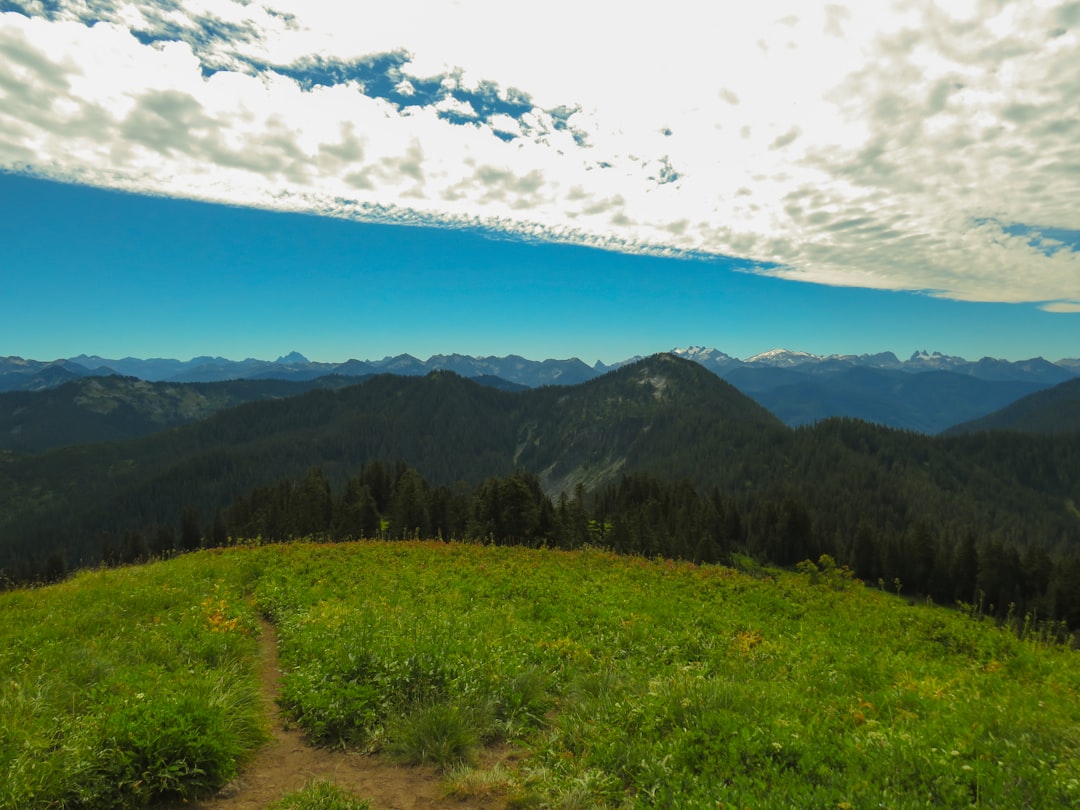
Summit Hot Springs Mountain and take the elevator up the historic Steel Observation Tower — 216 feet of mid-century concrete ambition with a wraparound deck. On a clear September afternoon you can see the lakes glittering west of town and the ridgelines rolling toward Oklahoma. My team’s resident birdwatcher had her compact travel binoculars glued to her face the entire time; the tower’s deck turned out to be a surprisingly good vantage for turkey vultures riding the thermals. Poetic, given the subject of this trip.
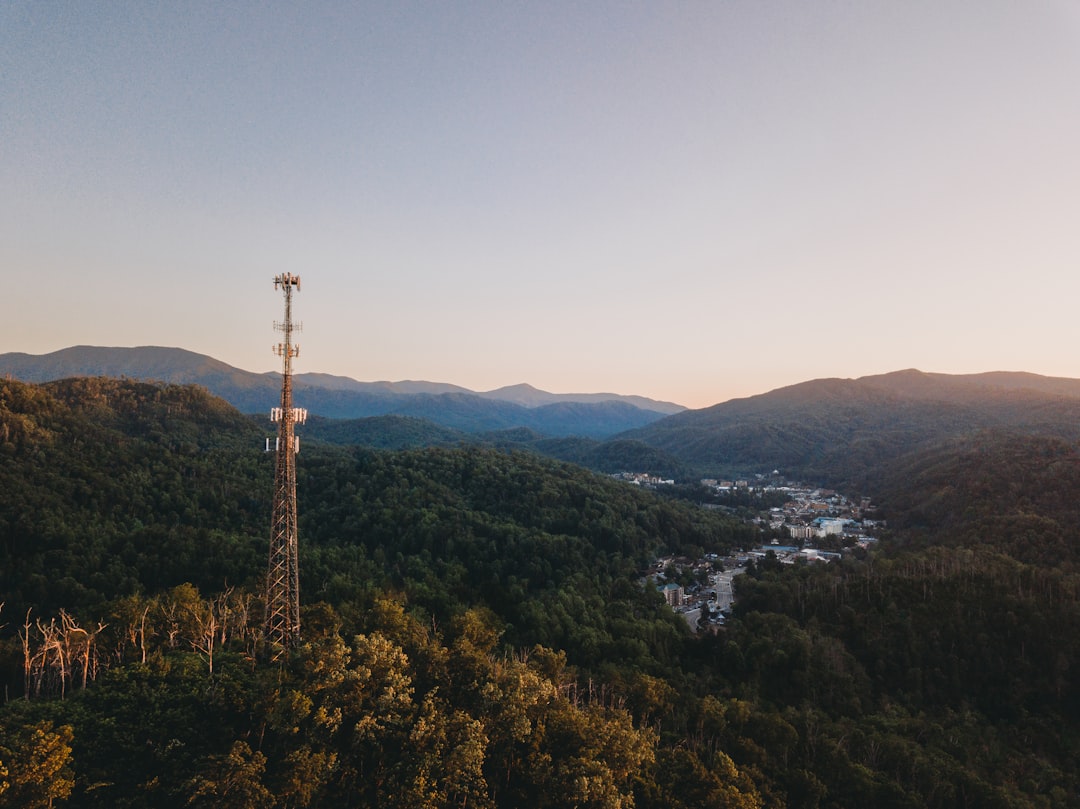
Lake Ouachita Is the Reason to Stay an Extra Day
Twenty minutes west of the steam and neon, Lake Ouachita does its best impression of a Caribbean lagoon. It’s the largest lake entirely inside Arkansas — 40,000 acres of clean water held between the Ouachita National Forest’s ridges, with over 200 uninhabited islands scattered across it. The water clarity is famous: snorkel off any island shore and you’ll see bass, bream, and the odd very confused turtle in three-meter visibility.
We rented a kayak for an afternoon and paddled out to a couple of islands with a cooler and zero schedule. The lake was still warm from summer, the air had just enough September crispness to make swimming feel earned, and the only company was a pontoon boat idling a half-mile off. If your trip has room for one splurge day, this is it. Wear quick-dry water shoes — the island shores are rock and submerged timber, not sand, and barefoot landings get old fast. The same shoes double for wading at the lake’s designated swim beaches.
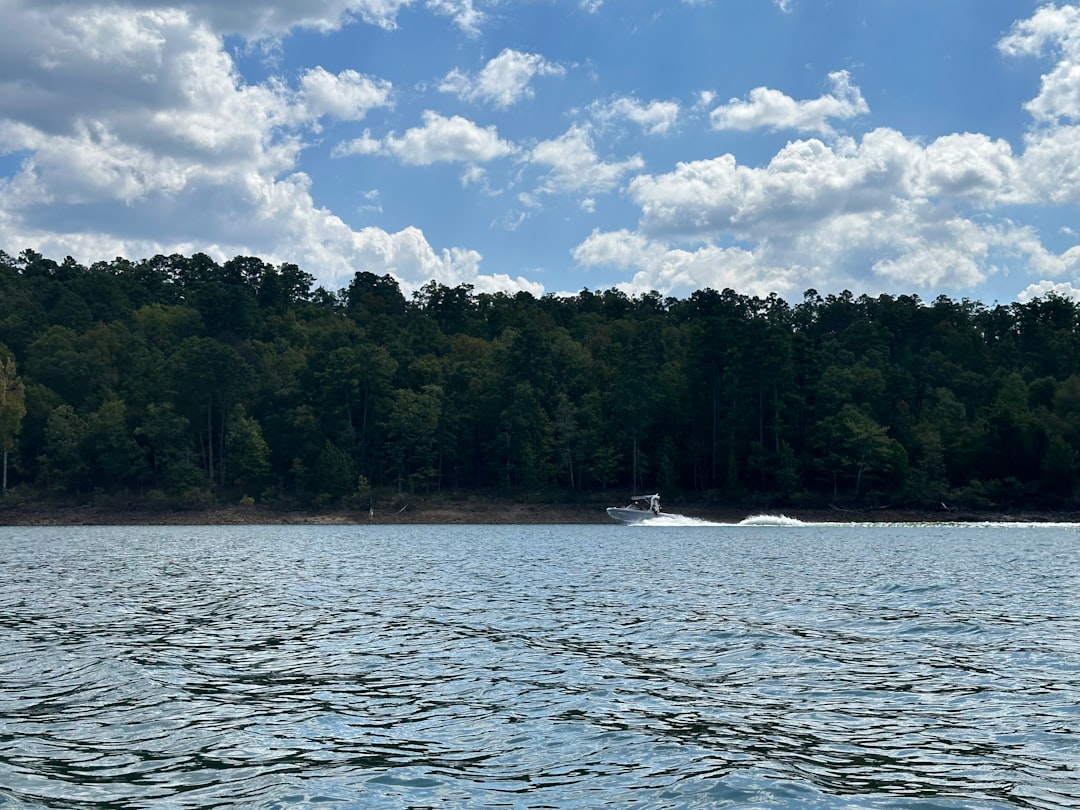
Houseboat camping on the islands is the move if you’re renting gear — the state park rents them, and September’s shoulder-season rates beat July’s considerably. One more note from the field: I stuffed a packable 24L daypack in my luggage for exactly this kind of side mission, and it carried the dry bags, sunscreen, and lunch out to the islands without complaint, then folded to the size of a paperback for the drive home.
Downtown After Dark
When the sun drops, Central Avenue lights up like a 1950s postcard. Bathhouse Row glows amber, the Arlington’s towers get washed in floodlight, and the downtown strip of boutiques, dive bars, and aquarium-topped restaurants hums with a crowd that skews pleasantly local in September. I had one of the best burgers of my travel year at a dimly lit bar where the bartender happily narrated the town’s racing history — Oaklawn’s thoroughbred season and, for the gearheads, the drag-racing strip out by the interstate draw crowds all year.
September evenings here run mild — low 60s, dry, no bugs to speak of. A packable lightweight rain jacket was the only outer layer I needed all week, and even that only came out once when a fast thunderstorm crossed the ridge and vanished within the hour. Mountain weather moves quick; the jacket weighs nothing; bring it.
Why September Specifically
Timing is the whole game here. In July, this town is a sauna with a skyline — highs in the high 90s and humidity that turns a two-mile hike into an endurance event. By late October, you catch early foliage but the lake season is over and some boat rentals go weekend-only. September is the overlap: lake still swimmable, trails already quiet, bathhouses running at full schedule with walk-up availability instead of weekend waits.
It’s also the shoulder-season sweet spot on lodging. I booked a downtown walk-up three days out without issue, something that would’ve been hopeless in June. If you’re building a longer Arkansas or regional loop — the kind of small-town-to-small-town road trip I keep finding myself on, like the time Stanley, Idaho ruined me for big resorts — Hot Springs makes a natural anchor. And if you’re chasing fall color at scale later in the season, pairing this trip with the Blue Ridge Parkway foliage guide we published is a decent two-trip autumn plan.
What I’d Tell a Friend Making the Trip
Three things. First, book one traditional bath and one modern soak — they’re different experiences and the comparison is half the fun. Second, do the Fordyce museum before your first bath; knowing what those marble rooms were like in 1920 makes sitting in one in 2026 hit completely differently. Third, don’t skip the lake. Everyone comes for the steam and leaves having fallen for the water instead.
Hot Springs is the rare American town that’s both a museum piece and a functioning destination — the bathhouses still bathe, the springs still flow, the mountain trails still start two blocks from dinner. It went on my list as a curiosity. It comes off the list as a repeat. September just happens to be when the town shows you all of it at once.
2 thoughts on “Hot Springs, Arkansas in September: Steam, Gangsters, and the Lake Everyone Underestimates”