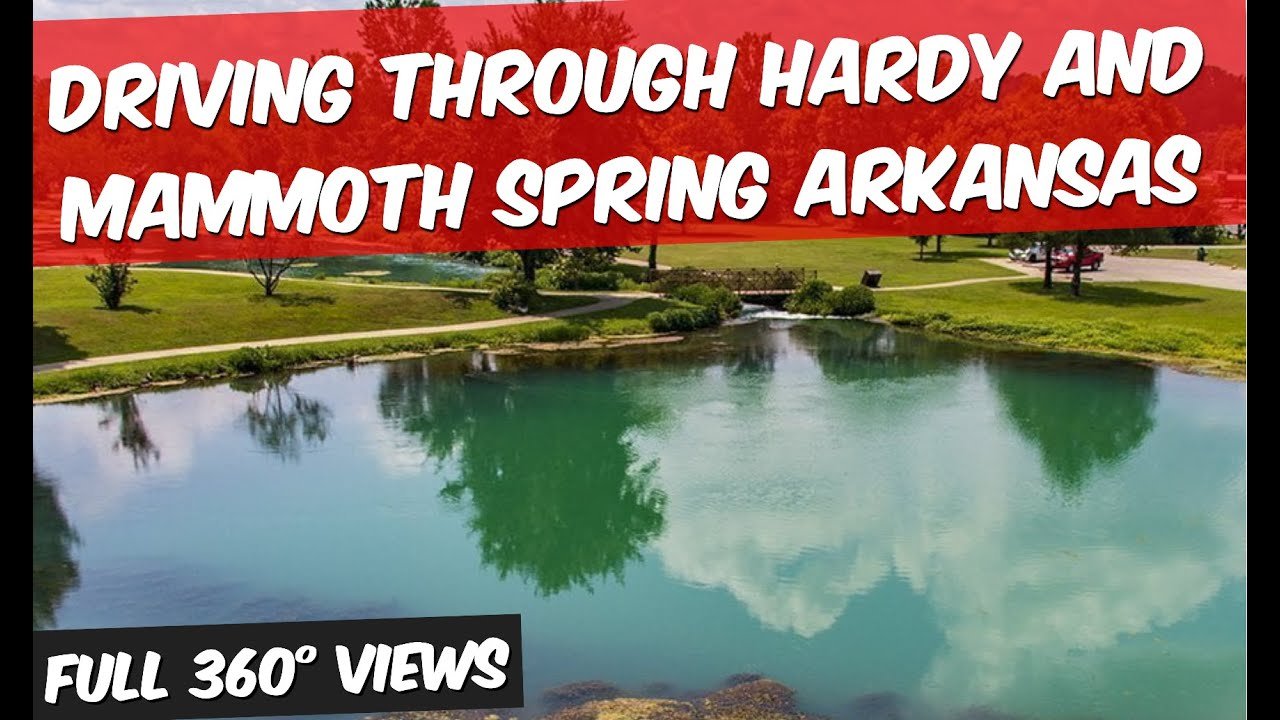
Some numbers refuse to compute until you’re standing in front of them. Nine million gallons of water an hour is one of those numbers. That’s how much pours out of Mammoth Spring, the second-largest spring in the Ozarks, every sixty minutes — enough to fill the Spring River, stock it with impatient rainbow trout, keep it floatable in August when other Arkansas streams have shrunk to a sad trickle, and still have volume left over to mist the morning air above the outlet channel. If you’ve never planned a trip around a single body of water, this is the one that will convert you.
The town of Mammoth Spring sits hard against the Missouri line, a little over two hours northeast of Fayetteville and roughly three from Memphis. Just downstream, the old railroad town of Hardy anchors the float-trip economy that has grown up along the river, and the stretch of US-63 stitching the two together is one of the short, underrated drives in a state full of them. My wife and I ran that road on a warm June afternoon with a 360-degree camera rolling, and I keep going back to the footage for the same reason we’ll eventually go back in person: the light off the water, the green tunnel of trees, the sense that everyone we passed was on their way to something fun.
The Spring That Runs Like Clockwork
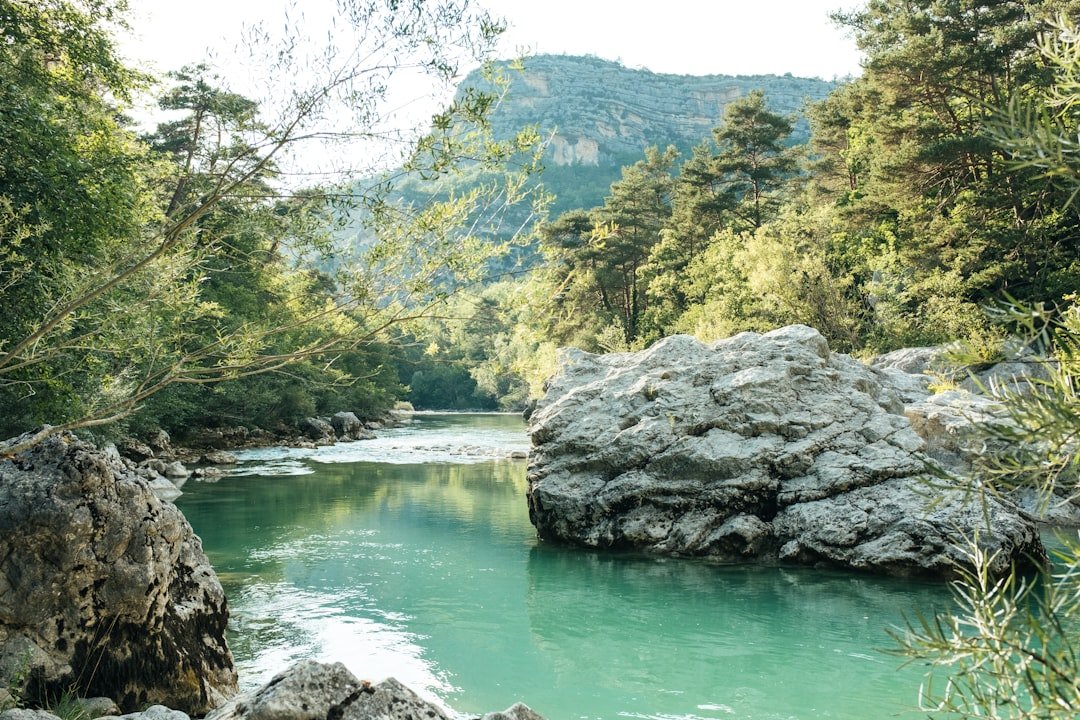
Mammoth Spring is a National Natural Landmark, and the state park built around it is one of those rare places where the main attraction lives up to the brochure. The water comes up from an underground river system at a steady 58 degrees — cool in summer, steaming faintly on cold mornings — and pools into a ten-acre lake before spilling over a dam and becoming the Spring River. Because the flow is spring-fed rather than rain-fed, the river runs at nearly the same level in a July drought as it does after a wet spring. Locals call it Arkansas’s most dependable river, and a day on it explains why the claim sticks.
Walk out to the overlook near the dam and you can watch the lake boil faintly where the pressure from below pushes upward. The color is the thing people remember: a blue-green that looks imported from the tropics until you remember the water temperature. Bring a layer if you visit early — the cold outflow chills the air for a hundred yards in every direction, a preview of the water you’ll be swimming in later whether you planned to or not.
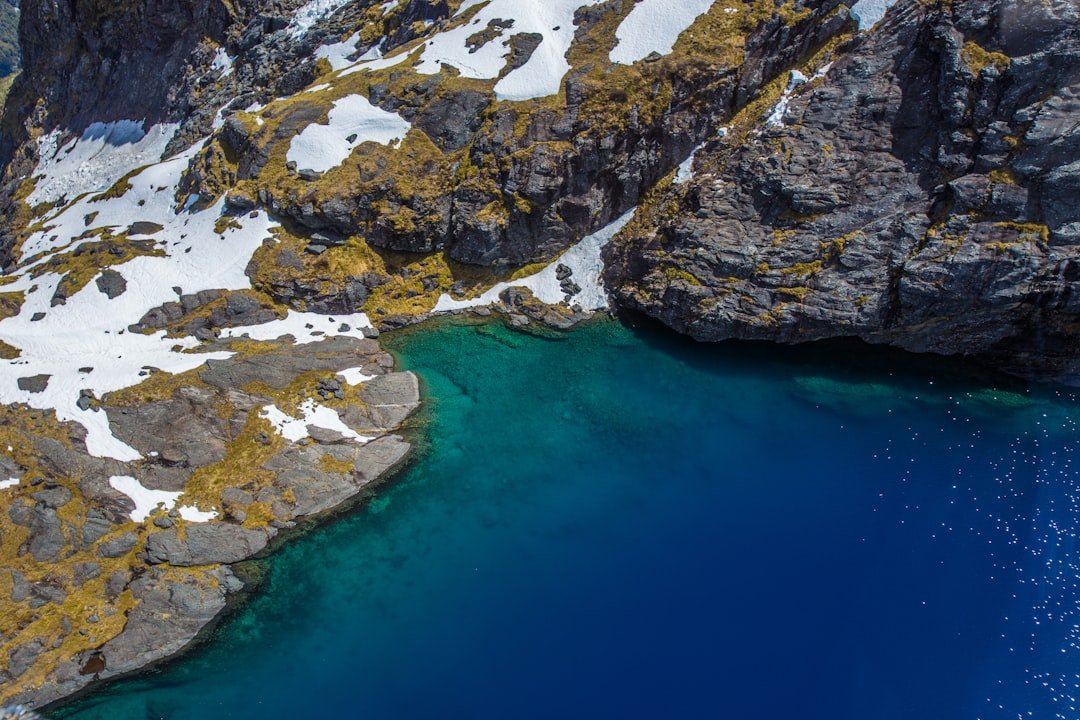
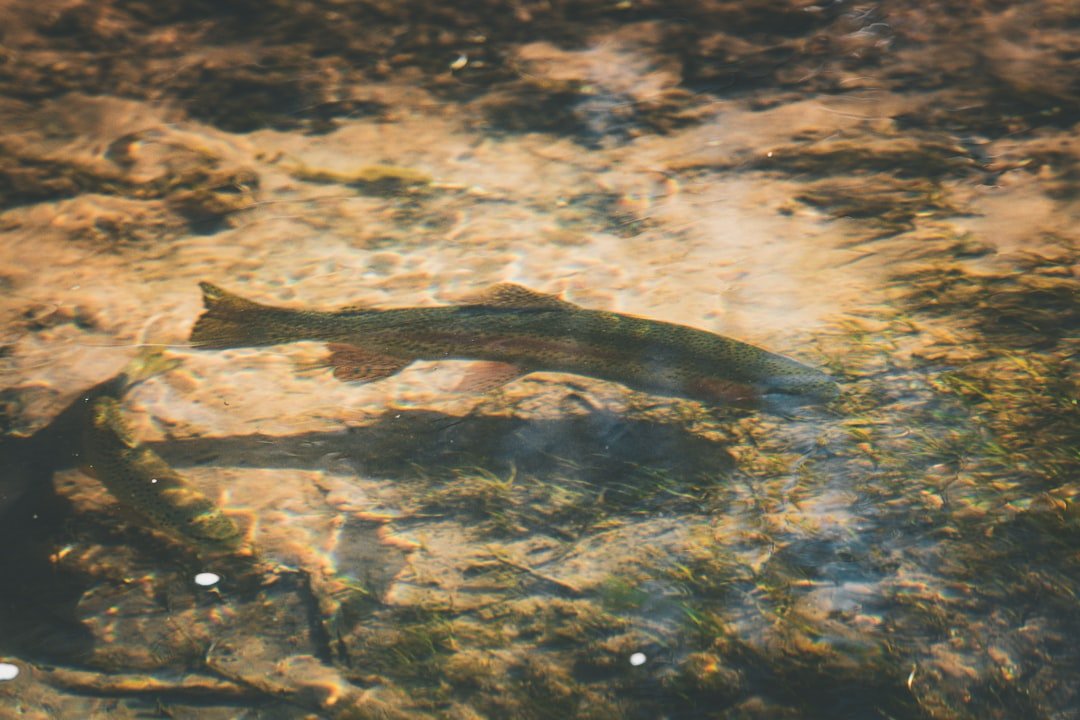
Since 1903, the Mammoth Spring National Fish Hatchery next door has raised over a million rainbow trout a year, making it one of the oldest federal hatcheries in the country. The raceways are open to walk through, and kids with rods and pure intentions line the banks just below the dam, where freshly stocked trout are dense and only slightly less naive than the anglers hoping for them. The hatchery explains the river’s odd biology, too: this far south, trout shouldn’t thrive, but the spring’s steady cold turns the upper Spring River into a year-round tailwater fishery that behaves more like something you’d find in the White Mountains than in the Arkansas Ozarks.
Trout Before Lunch, Currents After
Fishing the Spring River rewards two kinds of people. The first is the serious fly angler, who wades the stretches below Dam 3 and works scuds and egg patterns through water clear enough to sight-fish. The second is everyone else — families with spin rods, first-timers, kids who have never felt a fish pull back. A stocked spring river is the most forgiving classroom in fishing, and a basic spinning combo spooled with light line and a jar of salmon eggs is all the equipment the curriculum requires.
Waders help in the early hours, but by mid-morning most people give up on staying dry, which is the correct instinct, because the Spring River is better understood as a floating river than a fishing river. The classic day moves downstream through a sequence of gravel bars, small rapids, and bluff lines, and the water is refreshing in the way that only 58-degree spring water can be — shocking for the first thirty seconds, then perfect.
Floating the Spring River Without Overthinking It
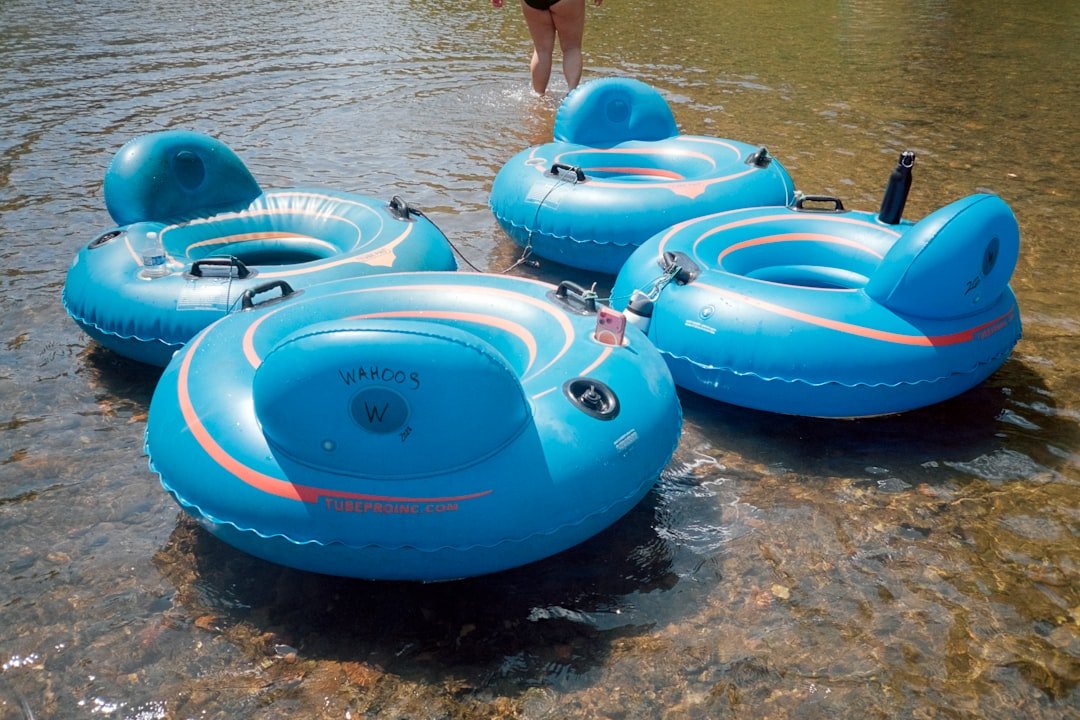
The float corridor runs from Mammoth Spring down to Hardy, with outfitters strung along the river and the highway both. You can rent canoes, kayaks, and rafts by the trip or the day, and the shuttles run often enough that you never wait long. Rapids with names like Bad Luck Shoals and the Dam 3 waves keep the trip interesting without demanding skill, and the long flat pools between them exist for the specific purpose of drifting sideways while you eat a sandwich.
If you’re outfitting yourself rather than renting, a good heavy-duty river tube with cup holders is the cheapest season pass to happiness on this river. Tie a collapsible soft cooler to a tube of its own — outfitters allow them, and a floating lunch beats a shuttle-van lunch every single time. Wear quick-dry water shoes rather than flip-flops; the gravel bars are rounded but relentless, and barefoot river walking is a hobby for people who enjoy losing skin.
One honest note on timing: because the water comes out of the ground cold and stays cold, the river is swimmable on days the air is not. Locals float from late May through September, but the sweet spot is a stretch of 90-degree air in June, when the river feels engineered precisely for that weather. Book weekend trips ahead — the put-ins near Hardy fill fast when school lets out, and the last shuttle of the day waits for no one.
Hardy, the Town the River Built
Hardy’s historic downtown sits a short walk from the water, a stretch of century-old storefronts that survived the river’s moods and now house antique shops, a candy kitchen, and the kind of cafes where the pie menu is announced on a chalkboard and taken seriously. The town dates to the railroad era, and the 1912 Frisco depot still stands a block off Main Street — a small brick building that looks exactly like what it is, which is the reason a town exists here at all.
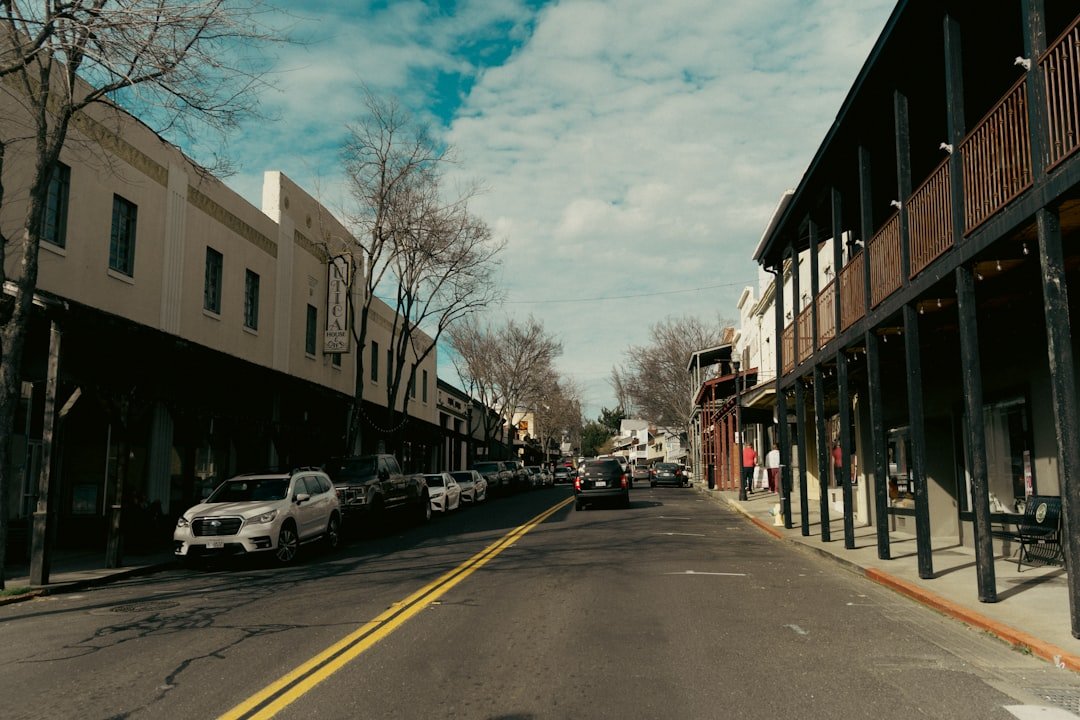
Hardy has a habit of punching above its weight culturally. There’s a live bluegrass and gospel music tradition that runs through the summer, a soda-fountain counter or two, and Old Hardy Town, the restored original commercial district, where the buildings lean slightly and charmingly toward nostalgia. Hardy has even turned up on television — the town inspired a reality series called Clash of the Ozarks, and while the show played up the drama, the setting it leaned on was real: river, hills, and a community where everybody knows which truck belongs to whom.
For travelers, Hardy works best as a base rather than a destination — a place to sleep, eat pie, and stage morning launches. Riverside cabins and campgrounds line the river upstream of town, and falling asleep to moving water is included in the rate whether you asked for it or not.
The Drive That Connects Everything
The US-63 corridor between Hardy and Mammoth Spring is only about twenty minutes end to end, but it’s a twenty minutes worth savoring. The road keeps the river in view, crosses it more than once, and threads through wooded hills that go gold in late October and frost-silver in January. This is ordinary Ozark driving — which is to say, it’s the kind of scenery other regions build scenic byways to imitate. Take it slow, roll the windows down, and stop at the pull-offs along the spring lake, where you can stand at the rail and watch the water arrive from underground.
The full drive continues north across the Missouri line, where the road bends through hardwood forest toward the small towns on the other side of the border. We recorded the whole run with an Insta360 One X3 mounted on a selfie stick, which is my favorite way to review a route after the fact — you pan around the footage at home and catch the things a windshield view misses, like the heron standing in the shallows or the exact moment the valley opens up. Flat reality doesn’t record itself, so I keep a Pixel 7 Pro in the console for the stills; between the two cameras, the trip documentation takes care of itself while I drive.
What to Pack for Cold-Water Country
A spring-fed river punishes optimism about water temperature and rewards preparation. Beyond the tube and the cooler, the short list is dry storage and sun sense. Everything you bring on the water should either float or be resigned to the riverbottom, which makes a rolling-top dry bag the single most useful item you’ll carry — keys, wallet, towels, and lunch all survive the rapids that way. A pair of polarized sunglasses does double duty on this river: they cut the glare off the surface, and they let you actually see the trout holding in the clear water below, which turns any slow pool into an aquarium.
Sunscreen matters more than newcomers expect, because the river’s hours slip away from you — float trips reliably run long, and the Ozark sun reflects off the water from both sides. A dry change of clothes left in the car for the take-out is the difference between a pleasant drive home and a damp, regretful one. If you want to read up before you go, there are good regional guides available; an Arkansas bucket-list guide covering the Ozarks is a useful starting point for building the drive south into a longer loop.
Pairing It With the Rest of the Arkansas Ozarks
The Spring River sits in the state’s northeastern corner, which makes it a natural pairing with the better-known Ozark destinations rather than a competitor to them. Hot Springs, three and a half hours south, layers thermal baths and gangster history onto the same hill country; Eureka Springs, on the western edge, offers a Victorian mountain town with its own underground springs; and if your trip lands in high summer, our guide to America’s hidden swimming holes can fill the days between river runs. A full Ozark loop — Hardy and Mammoth Spring up top, Mountain View’s folk music scene in the middle, the southern hot springs to finish — is one of the most satisfying week-long road trips in the middle of the country, and it remains stubbornly uncrowded compared to the Smokies.
That’s the quiet argument this corner of Arkansas makes: dependability. The spring has run at full volume every hour of every day for as long as anyone has measured it, the trout arrive on schedule, the outfitters open in May and close in September, and Hardy keeps serving pie through all of it. Rivers this reliable are rare. Towns this unpretentious, next to rivers this reliable, are rarer still. Pick a hot weekend, point the car north, and let the nine million gallons an hour handle the rest.